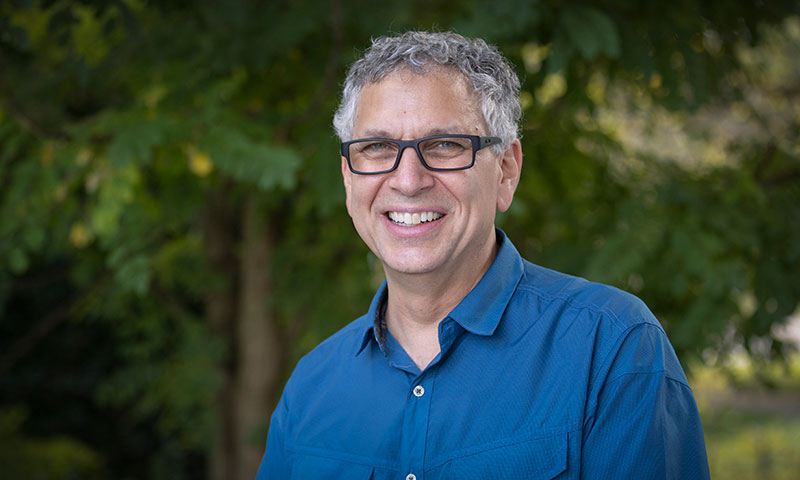
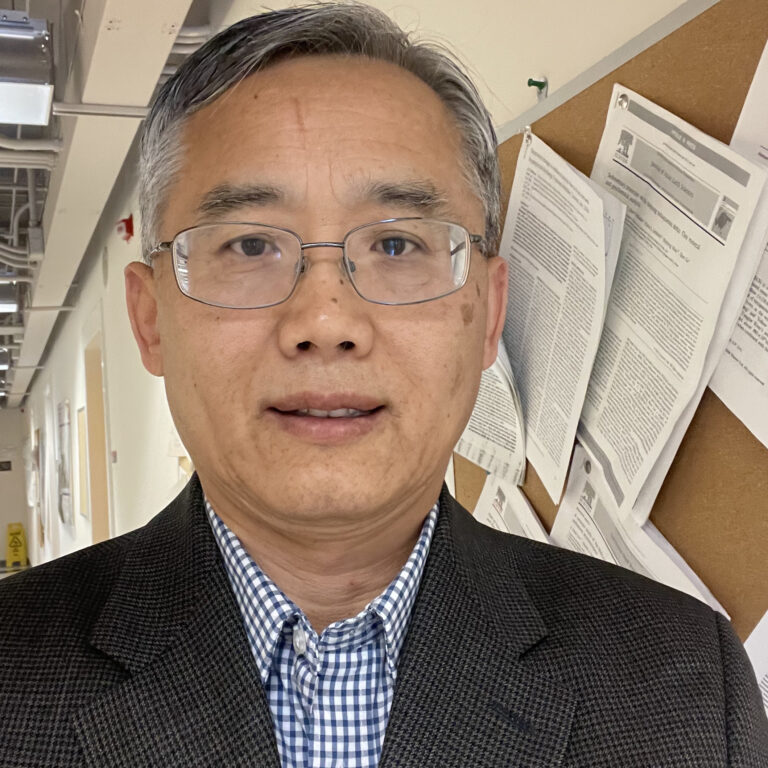
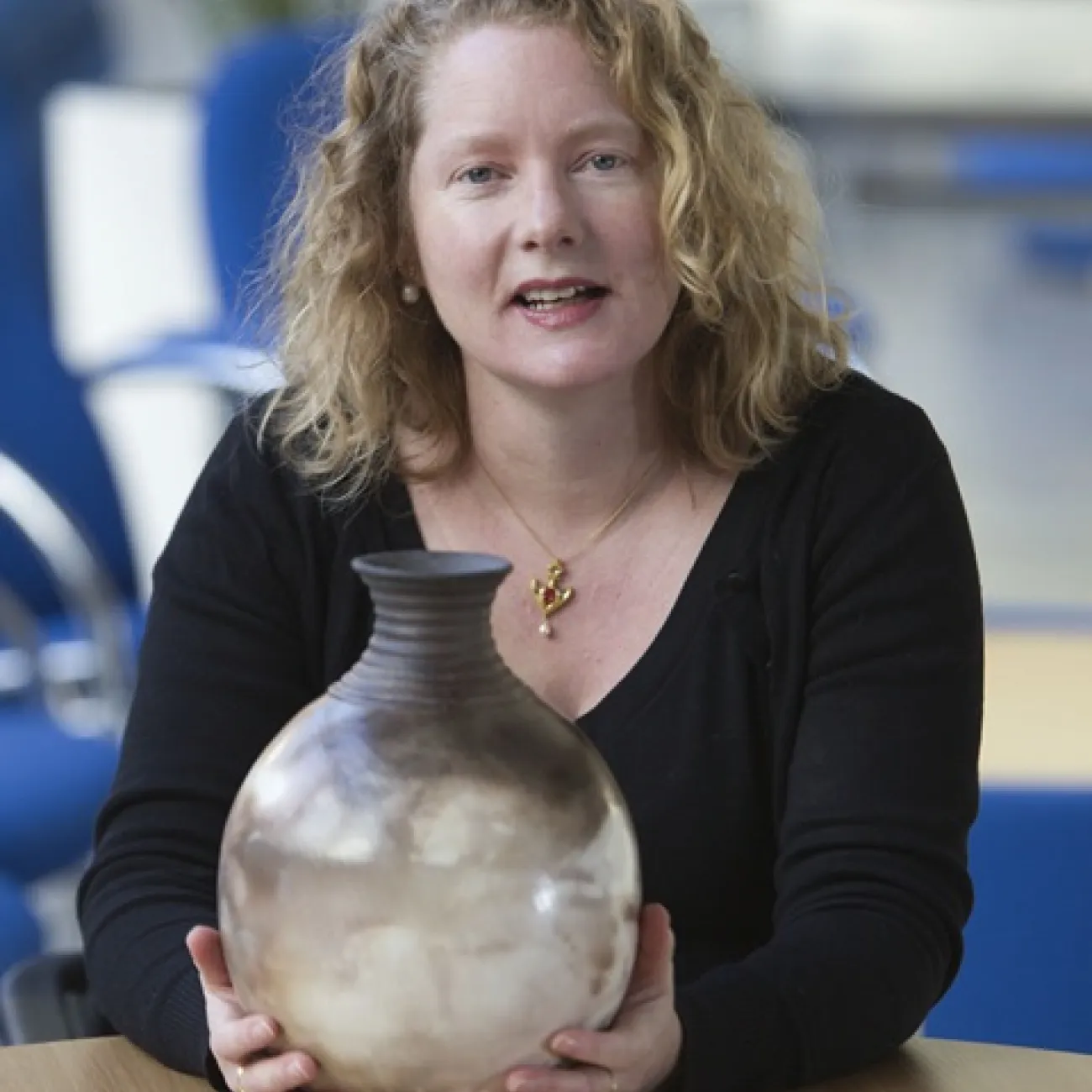
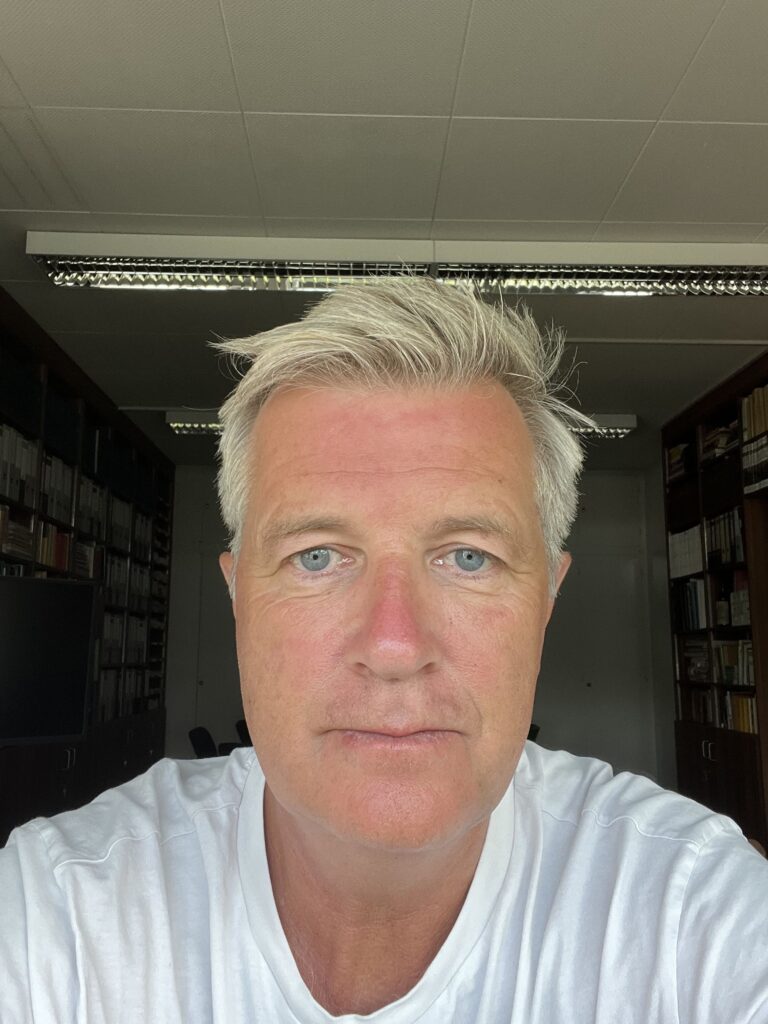
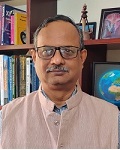
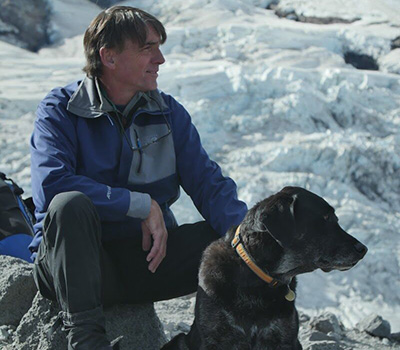
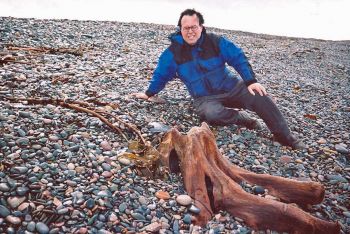
Gifford H. Miller is a Professor at the University of Colorado Boulder and serves as the Director of the Center for Geochemical Analysis of the Global Environment (GAGE) . His research focuses on reconstructing Earth's climate system using Quaternary records, with expertise in amino acid geochronology and cosmogenic exposure dating. Specializes in Arctic climate history, ice sheet dynamics, and human impacts on ecosystems Active in teaching courses on global change, Quaternary dating methods, and Holocene nonlinearities His recent work explores Holocene climate variability through lake sediments in Iceland and Baffin Island, integrating biomarkers and ancient DNA. Awards include the 2021 University of Colorado Distinguished Professor title and fellowships from AGU and GSA. 2021: Distinguished Professor, University of Colorado System 2018: Distinguished Career Award, American Quaternary Association 2009: Elected Fellow, American Geophysical Union
Professor Patrick Moss is a leading academic in Physical Geography and Head of School at QUT's School of Earth & Atmospheric Sciences. His research focuses on understanding landscape responses to climate change and human impacts, with expertise in palaeoecology, Quaternary Science, and environmental management. He holds a PhD from Monash University and supervises PhD and undergraduate students in these disciplines. Key research interests include wetland resilience, fire ecology, and the application of palynology to environmental history. His work integrates archaeological perspectives to address contemporary conservation challenges, such as ecosystem restoration and climate adaptation strategies. Publications span over three decades, emphasizing global fire regimes, human-environment interactions, and Quaternary environmental reconstruction. Collaborations include international projects on peatlands, monsoon variability, and volcanic ash stratigraphy.
Professor Joanna Bullard is a leading academic in Physical Geography at Loughborough University, specializing in aeolian processes, climate-landscape interactions, and dust dynamics. She holds adjunct roles at Griffith University, Australia, and has served in key leadership positions including Associate Dean (Teaching) and President of the International Society for Aeolian Research. Her work integrates field observations, remote sensing, and experimental methods to study dust emissions, microplastic transport, and environmental change in polar and arid regions. Bullard has received prestigious awards such as the EGU Ralph Alger Bagnold Medal (2021) and the Philip Leverhulme Prize (2004). Education: PhD from University of Sheffield Her research focuses on Arctic ecosystems, high-latitude dust pathways, and the geomorphic impacts of climate change. Recent work explores microplastic degradation via wind abrasion and the biogeochemical role of dust in Greenland’s lakes. Bullard’s teaching innovations include augmented reality tools for geomorphology education and crowd-sourced meteorological data projects. Awards: EGU Bagnold Medal, British Society for Geomorphology Fellowship, HEA Principal Fellowship Publications emphasize dust-climate feedbacks, aeolian sediment dynamics, and interdisciplinary methodologies. She leads international collaborations on dust cycle modeling and Arctic environmental monitoring.
Mark Abbott is a Professor at the University of Pittsburgh, specializing in paleoclimatology and environmental science. He holds a PhD from the University of Minnesota (1997) and conducted postdoctoral research at the University of Massachusetts. His research integrates stratigraphy, geochemistry, and isotopic analysis to study climate change impacts on human societies and environmental systems. Abbott leads projects recovering lake sediment cores to document Holocene climate variability, focusing on annual-resolution records for temperature and drought reconstructions. He has authored over 50 peer-reviewed articles, with recent work emphasizing monsoon dynamics, Arctic mercury deposition, and tropical Andean glacial retreat. His fieldwork spans North America, South America, and Asia, including collaborative projects in Alaska, Peru, and India. Education: PhD in Geology (Minnesota, 1997), MS (Colorado, 1991), BA in Biology (Colorado, 1987) Postdoctoral Training: Climate System Research Center (UMass) Research interests include reconstructing past environmental changes via lacustrine archives, with emphasis on human-environment interactions. His lab analyzes stable isotopes, organic biomarkers, and sedimentology to address critical climate questions. Recent studies highlight climate-vegetation-fire linkages in the Pacific Northwest and Holocene lake-level changes in Canada/Yunnan. Recent articles focus on decadal-to-millennial climate shifts in mountain regions, Arctic permafrost dynamics, and anthropogenic impacts on lake ecosystems. Abbott’s work is supported by grants from NOAA and the NSF, with field sites in the Canadian Rockies, Himalayas, and Alaskan Arctic.
Katrina Eyvindson is an Associate Professor and Department Chair in the Department of Geography and Environment at Western University. Her research focuses on paleolimnology, climate change, and water resource dynamics, with fieldwork in alpine, Arctic, and mountain lake systems. She uses lake sediment records to study long-term environmental changes and human impacts on water quality and quantity. Her research interests include determining historical drought patterns in the western U.S., Arctic environmental change over the Holocene, and water quality dynamics in the Canadian Rockies and Ontario. She teaches courses on paleolimnology and research design. Dr. Eyvindson has supervised numerous graduate students in topics like algal production in mountain lakes, diatom ecology, and fire frequency in the Uinta Mountains. Her publications address climate reconstruction, industrial pollution impacts, and environmental responses to human activity.
Dr. Tessa M. Hill is a Professor in the Department of Earth and Planetary Sciences at the University of California, Davis, and serves as the Associate Vice Provost for Academic Programs, Public Scholarship & Engagement. She is affiliated with the Bodega Marine Laboratory, leading the Bodega Ocean Acidification Research (BOAR) group and the Ocean Climate Lab. Her work focuses on climate change impacts, particularly ocean acidification and deoxygenation, and integrates research with policy and education initiatives. Tessa holds a B.S. in Marine Science from Eckerd College (1999) and a Ph.D. in Marine Science from UC Santa Barbara (2004). She was a UC President’s Postdoctoral Fellow at UC Davis before joining the faculty. Her research examines marine species responses to environmental changes, leveraging interdisciplinary approaches to inform management strategies. Notable projects include collaborations with shellfish farmers and K-12 educators to address ocean acidification challenges. Tessa is a Fellow of the California Academy of Sciences and the American Association for the Advancement of Science (AAAS), and serves on the West Coast Ocean Acidification and Hypoxia Panel. She advocates for inclusive academic reward systems and equitable impact metrics in science. Key Roles: Faculty member, BOAR group leader, AAAS panelist, science education advocate Research Groups: Bodega Ocean Acidification Research (BOAR), Ocean Climate Lab, Hill Biogeochemistry Lab Her outreach efforts emphasize bridging science and policy, including workshops on paleoceanography’s relevance to decision-making. Tessa’s work highlights the importance of seagrass ecosystems in mitigating coastal ocean acidification and the need for adaptive strategies in marine conservation. She also addresses microplastic pollution and its effects on shellfish health, reflecting her broad commitment to environmental science and societal impact.
David Finkelstein is an Associate Professor in the Department of Geosciences at Hobart and William Smith Colleges, where he has been a faculty member since 2013. He earned his Ph.D. from the University of Illinois at Urbana-Champaign and holds advanced degrees from the University of Massachusetts, Amherst. His academic affiliations include prior roles as a Research Assistant Professor and Lab Manager at the University of Massachusetts and as an Assistant Professor at the University of Tennessee. Ph.D., University of Illinois at Urbana-Champaign M.S., University of Massachusetts, Amherst B.S., University of Massachusetts, Amherst Dr. Finkelstein's research centers on limnogeology and biogeochemistry , with a focus on the chemical evolution of lake systems, stable isotope geochemistry, and microbial life in extreme environments. His work integrates aqueous geochemistry, organic molecular analysis, and microbiological methods to reconstruct paleoenvironments and climate change across geological timescales, including the Holocene, Pleistocene, Cretaceous, and Triassic periods. He has extensively studied lake sediments, wildfires, and the environmental impacts of the 2010 Gulf of Mexico oil spill. His recent publications show a strong trend in using biogeochemical proxies and isotopic signatures to understand past climate variability, human-environment interactions, and extreme environmental conditions. His research often involves multidisciplinary collaborations and field-based studies in diverse regions such as Russia, Iran, and Central America. Dr. Finkelstein is actively involved in scientific communities, with affiliations including: International Association of Limnogeology American Geophysical Union Geological Society of America Geochemical Society SEPM (Society for Sedimentary Geology) He has advised numerous research projects and mentored students in geoscience, though specific names are not listed. His teaching includes courses such as Stable Isotope Geochemistry, Limnology, and Environmental Geochemistry, reflecting his expertise in both theoretical and applied aspects of earth sciences. Dr. Finkelstein has not received any explicitly listed scientific awards in the provided text, but his publication record in high-impact journals demonstrates significant scholarly contributions. He does not appear to lead a named laboratory or research center, but his work is deeply embedded in field and laboratory-based geochemical analysis.
Paul Liu is a Professor and Director of International Affairs at the College of Sciences, NC State University. He holds a Ph.D. in Geological Oceanography from the Virginia Institute of Marine Science (2001) and academic roles spanning 2003 to present. His research focuses on sediment dynamics, sea-level changes, and large river systems in Asia. He leads the World Large River and Delta Systems Source-to-Sink Webinar Series and serves as an NC State Provost Faculty Fellow for Global Leadership. Education: Ph.D. (2001) Virginia Institute of Marine Science; M.S. (1995) Chinese Academy of Sciences; B.E. (1992) Ocean University of China Research expertise includes AI applications in geoscience, sediment transport modeling, and paleoenvironmental reconstruction. His work integrates field observations, numerical models, and geophysical data to address coastal evolution and climate change impacts. He has published over 50 peer-reviewed articles on river deltas, continental margins, and marine sedimentation processes. Recent articles analyze delta dynamics in the Nile, Indus, and Yellow River systems, and explore sediment-carbon interactions in the South China Sea. Liu’s research also addresses human impacts on sediment fluxes and coastal management strategies in Asia. As a global leader, he collaborates internationally on delta sustainability and leads workshops on AI applications in Earth sciences. His lab, linked at https://sealevel.wordpress.ncsu.edu, focuses on bridging geoscience and emerging technologies.
Professor Alison Gascoigne serves as Head of Department in the Department of Archaeology within the Faculty of Arts and Humanities at the University of Southampton. A specialist in Egyptian archaeology with particular expertise in the Islamic world, she directs significant fieldwork projects and supervises multiple PhD students while maintaining an active research profile. Her research interests focus on the archaeology of the Islamic world, archaeological ceramics, and Medieval Egyptian urbanism. Gascoigne examines urban development patterns from late antiquity through the medieval period, with particular attention to ceramic production systems and environmental interactions. Her interdisciplinary approach bridges archaeology, environmental science, and historical studies to understand societal transformations. Recent publications reveal strong trends in urban archaeology (particularly Fustat and Tinnis), climate-archaeology intersections, and ceramic analysis. Her work increasingly integrates paleoclimatic data with archaeological evidence to explore societal resilience during environmental change, while maintaining deep engagement with Islamic-era material culture across Egypt and the Near East. Her scientific recognition includes prestigious British Academy fellowships: British Academy Reckitt Travelling Fellowship in Archaeology British Academy Postdoctoral Research Fellowship Gascoigne actively supervises doctoral research and has secured significant funding from the British Academy, Fondation Max Van Berchem, and The Barakat Trust for projects including the Tell Tinnis survey and educational material development. Her external engagements include editorial review for Iran and Journal of Islamic Archaeology, chairing Arts & Humanities Research Council panels, and presenting invited lectures internationally on topics ranging from pottery production to urban water systems in medieval Egypt. She leads research groups including the Centre for Medieval and Renaissance Culture, Southampton Marine and Maritime Institute, and Coastal Communities Ocean Justice initiatives, directing collaborative interdisciplinary work that bridges archaeological practice with contemporary environmental concerns.
Jan Esper is a Professor in Climate Geography at the Department of Geography, Johannes Gutenberg University Mainz. His research focuses on dendrochronology, paleoclimatology, global climate change, and urban climate. He maintains significant affiliations as a Member of the Academy of Sciences and Literature, Member of the National Academy Leopoldina, Member of the Global Change Research Institute of the Czech Academy of Sciences, Fellow at the Center for Interdisciplinary Research, and Fellow at the Gutenberg Research College. Esper's research interests center on dendrochronology and paleoclimatology, with specific expertise in tree-ring analysis for climate reconstruction. His work spans the Holocene period, examining climate variability across Europe and globally. He investigates how tree growth patterns reflect past climate conditions and how these patterns can inform our understanding of current and future climate change. His research also extends to urban climate systems and the impacts of climate change on forest ecosystems. His extensive publication record demonstrates a consistent focus on high-resolution paleoclimate reconstructions using tree-ring data. Recent work has examined the context of the 2023 extreme summer within the last 2000 years, Holocene temperature records in Europe, and climate-driven tree longevity patterns. His research often involves international collaborations and integrates multiple proxy methods to refine climate reconstructions and understand climate impacts on ecosystems. Among his notable scientific achievements are his contributions to understanding long-term climate variability, volcanic impacts on climate, and the relationship between historical societies and climate conditions. His work on tree-ring stable isotopes has provided new insights into hydroclimate shifts and long-term drying trends in the European Alps. Esper leads research projects including the Tree Ring Lab, Urban Climate Sensor Network, Air Quality monitoring, Urban Vegetation studies, and UNESCO Beech Forest research. His work bridges the gap between historical climate patterns and contemporary climate change challenges, providing essential context for understanding current climate extremes.
Antonio Simonetti is an Associate Professor at the University of Notre Dame in the Civil & Environmental Engineering & Earth Sciences department, affiliated with the College of Engineering. He leads the Isotope Geochemistry Laboratory and MITERAC facility, focusing on nuclear forensics, geochronology, and isotope geochemistry. His research spans high spatial resolution analysis of Earth materials, lunar studies, and bioarchaeological mobility tracing. Ph.D., Carleton University (1994) M.S., McGill University (1989) B.S., McGill University (1986) Research interests include: Nuclear Forensics: Developing microanalytical techniques for post-detonation materials and source attribution. Geochronology: Dating igneous and biogenic materials using U-Pb and other isotopic systems. Isotope Geochemistry: Investigating mantle-derived carbonatites and environmental pollution tracing. Bioarchaeology: Using Sr, Nd, Pb isotopes to study ancient human migration in Nubia and the Nile Valley. Recent trends in his publications highlight interdisciplinary applications of isotopic analysis across nuclear materials, lunar science, and archaeological studies. His group employs LA-MC-ICP-MS for high-resolution chemical and isotopic mapping. Students and collaborators span graduate, undergraduate, and international PhD candidates, with projects on uranium isotope signatures, carbonatite petrogenesis, and isotopic tracing of ancient civilizations. Current students include Julia Rufener (lunar KREEP analysis), Jiahua Wu (nuclear fuel cycle signatures), and Bennett Schmitt (REE mineralization in carbonatites). Labs and teams: Directs the Isotope Geochemistry Laboratory and MITERAC facility, supporting advanced ICP-MS and laser ablation analyses. Collaborates with institutions in Brazil, Turkey, China, and Ireland on geological and archaeological projects.
Prof. Rajiv Sinha is a Professor in the Department of Earth Sciences at Indian Institute of Technology Kanpur . With a PhD from the University of Cambridge (1992), his career spans over two decades at IITK, including roles as Head of Department since 2014. Education: PhD (University of Cambridge, 1992), M.Tech (University of Roorkee, 1987), B.Sc (Patna University, 1983) Key Affiliations: Member of International Association of Sedimentologists, SEPM, Quaternary Research Association, and Indian Professional Societies Research Focus: Specializing in river science , Prof. Sinha investigates fluvial geomorphology , sedimentology , and natural hazards like Kosi floods . His work integrates remote sensing and GIS for climate change and paleoclimate reconstruction , notably studying the Ganga river system and its anthropogenic impacts . Scientific Leadership: His publications (2013-2017) reveal: Anthropocene river systems (2016) Indus Civilization paleohydrology (2017) Kosi megafan dynamics (2015) Monsoon evolution (2010, 2014) Groundwater management (2016) Awards & Recognitions: Pandit Girish Ranjan Chair Professorship (2013) National Mineral Award (2002) Alexander von Humboldt Fellowship (2000) UGC Research Fellowship (1988) University Gold Medal (1987) Collaborative Network: Partners include University of Durham , Imperial College London , and Institute du Physique de Globe, Paris . Currently leading Ganga River Basin Management studies and river science initiatives at IITK.
Peter U. Clark is a University Distinguished Professor in the College of Earth, Ocean, and Atmospheric Sciences at Oregon State University, with an Adjunct Professor role in Quaternary Studies at the University of Ulster. His research focuses on glaciers and ice sheets , sea level change , paleoclimatology , and abrupt climate change . He holds a Ph.D. in Geology from the University of Colorado (1984), following an M.S. (1980) and B.S. (1978) from the University of Waterloo and St. Lawrence University, respectively. Clark's recent work analyzes deglacial ocean heat content , Antarctic ice sheet stability , and paleoclimate reconstructions using geochemical proxies. His studies emphasize ice-ocean-atmosphere interactions , cosmogenic dating , and sea level fingerprinting . He has contributed extensively to IPCC assessments and pioneered models linking ice sheet collapse to thermohaline circulation shifts. Scientific honors include the Milutin Milankovic Medal (2024), Cesare Emiliani Lecturer (2023), and Guggenheim Fellowship (declined in 2016). His 2025 National Academy of Sciences election 2016 AAAS Fellowship multiple teaching awards highlight his academic leadership. Clark's editorial roles span Science Advances , Journal of Climate , and Quaternary Science Reviews . He has mentored 21 graduate students and postdocs, including current faculty at Boston College, University of Wisconsin-Madison, and California State University. His 15 most recent articles (2015-2025) focus on sea level projections , deglacial carbon cycle , and ice sheet-ocean feedbacks , with methodologies involving cosmogenic nuclide dating , isotope geochemistry , and transient climate modeling .
Christopher Bronk Ramsey is Professor in Archaeological Science and Head of the School of Archaeology at the University of Oxford, affiliated with Merton College. As chair of the INTCAL committee, he oversees global radiocarbon calibration. His expertise spans archaeological science, Quaternary environmental research, and nuclear instrumentation development. Research focuses on radiocarbon dating, Bayesian chronological modeling, and AMS techniques. Key areas include Quaternary chronology, human evolution, climate change impacts, and archaeological applications in the eastern Mediterranean, Amazonia, and Anglo-Saxon England. He develops the OxCal software for statistical chronology analysis. Recent publications emphasize radiocarbon calibration advancements, pre-Columbian land-use in Amazonia, European Neolithic chronologies, and high-precision dating methods. His work integrates archaeology, environmental science, and data science to address chronological challenges across diverse temporal and spatial scales. No specific scientific awards were detailed in the source material. He supervises numerous doctoral students on topics ranging from dendrochronology to digital archaeology and Middle Stone Age chronology. Major projects include FeedSax (Anglo-Saxon agriculture) and HERCA (Amazonian human-environment interactions), securing research grants for interdisciplinary teams. Professor Ramsey directs the OxCal project and co-leads IntCal, IntChron, FeedSax, and HERCA initiatives. These teams develop calibration standards, integrate chronological data, and investigate past human adaptations to environmental change, particularly in Amazonia and Europe.
Prof Richard Grove is a Professor at the University of Sussex affiliated with the Centre for World Environmental History, specializing in the environmental, political, and economic history of the British Empire and Commonwealth across India, Pakistan, Sri Lanka, Indian Ocean islands, Africa, the Caribbean, and Oceania. Grove pioneered environmental history through interdisciplinary research connecting colonial expansion, tropical ecosystems, and climate systems. His work examines how colonial scientists deciphered global climate teleconnections (1770-1930), the socioeconomic impacts of El Niño events across centuries, and the metaphorical role of islands in environmental thought. Key themes include settler environmentalism in South Africa, indigenous knowledge systems in South Asia, and the economic consequences of historical climate variability in tropical regions. His publication record (1996-2007) reveals consistent focus on reconstructing extreme climatic events within imperial frameworks, with seminal contributions like the 1998 Nature paper on the 1789-1793 El Niño drought footprint. Articles demonstrate evolving methodology from regional case studies to global environmental crisis modeling, emphasizing interdisciplinary synthesis of history, climatology, and political economy to understand colonialism's ecological legacies.