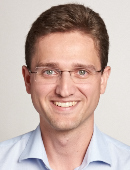
Joseph M. Castellano is an Associate Professor in Neuroscience and Neurology at the Icahn School of Medicine at Mount Sinai. His research focuses on molecular mechanisms underlying aging and Alzheimer's disease (AD) pathogenesis, particularly the role of blood-CNS interactions in regulating synaptic and neuroimmune function. PhD from Washington University in St. Louis Postdoctoral training at Stanford University His work spans several key areas: Aging , Alzheimer's Disease , Microglia , Immunology , and Stem Cells . Notable contributions include demonstrating how APOE4 impedes amyloid-beta clearance and identifying youth-associated peripheral factors like TIMP2 that reverse brain aging. Recent publications highlight his exploration of neuroimmune regulation via blood-borne factors, proteomic changes linked to APOE genotype, and therapeutic strategies targeting aging-associated conditions. His lab employs advanced techniques like microdialysis and in vivo imaging to study these mechanisms. 2021 ISMMS ADRC Developmental Project Grant 2020 Black Family Stem Cell Institute Pilot Award 2018 Katz and Martin Friedman Brain Institute Research Scholar 2016 K99/R00 Pathway to Independence Award (NIA/NIH) Dr. Castellano's research bridges fundamental aging biology with translational neurodegeneration studies, supported by grants from NIH and private foundations. His lab continues to investigate how systemic factors influence brain health, aiming to develop novel AD interventions.
Patrick R. Sweeney is an Assistant Professor of Molecular & Integrative Physiology at the University of Illinois Urbana-Champaign, affiliated with the College of Liberal Arts & Sciences. His research focuses on neural circuit mechanisms linking energy homeostasis, emotion, and reproduction, particularly through the central melanocortin system. He holds a B.A. from the University of Rochester (2012), a Ph.D. from SUNY Upstate Medical University (2017), and completed postdoctoral training at the University of Michigan (2017–2021). His lab employs optogenetics, calcium imaging, and molecular genetics to study how melanocortin receptors (MC3R/MC4R) regulate feeding, anxiety, and metabolic disorders like anorexia nervosa and obesity. Research Interests: Endocrinology, metabolic regulation, neurobiology, neural circuitry, optogenetics, and reproductive biology. His lab investigates how POMC/AgRP neurons communicate metabolic signals to secondary brain regions, with a focus on how dysfunction in these circuits contributes to metabolic and psychiatric disorders. Recent Work: Recent studies explore MC3R signaling in energy rheostasis, stress-feeding interactions, and lactation-associated hyperphagia. His work has implications for developing therapies targeting melanocortin pathways in obesity and anorexia. Key Techniques: Inscopix miniscope imaging, optogenetics, light-sheet imaging, single-cell RNA sequencing. Labs/Teams: Sweeney Lab focuses on interdisciplinary approaches to neural circuitry and metabolic disorders.
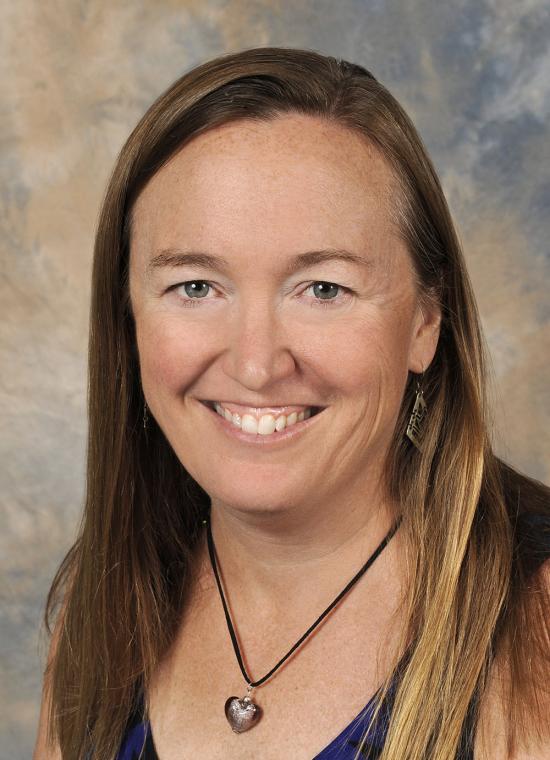
Karen D. Parfitt is Professor of Neuroscience and Chair of the Neuroscience Department at Pomona College , where she has been a faculty member since 1994. Her research is centered on synaptic transmission and plasticity in the hippocampus, with a focus on the molecular mechanisms of memory and their disruption in neurodegenerative diseases such as Alzheimer’s Disease. She employs both mouse and Drosophila models to investigate these processes. Her educational background includes a Ph.D. from the University of Colorado Health Sciences Center and a Bachelor of Science from Cornell University. She teaches core neuroscience courses such as Neurobiology with Lab, Neuropharmacology, and Senior Experimental Thesis in Neuroscience. Research Interests: Synaptic Physiology and Plasticity Molecular Mechanisms of Neurotransmitter Release Neurobiology of Alzheimer’s Disease Effects of Exercise on Synaptic Plasticity Neurobiology of Aging Her recent publications reveal a strong trend in exploring how secreted amyloid precursor protein-alpha modulates long-term potentiation (LTP), how exercise influences dopaminergic transmission and synaptic plasticity, and how inflammatory pathways contribute to tauopathy. These works span molecular, cellular, and behavioral neuroscience, reflecting a multidisciplinary approach. Scientific Awards and Honors: President, Faculty for Undergraduate Neuroscience (2000–2001) National Institute of Aging Academic Research Enhancement Award (1998) National Science Foundation Instrumentation Grant (1995) Faculty for Undergraduate Neuroscience Service Award (2011) Mellon Partnership Grant (2009) Multiple Pomona College Faculty Grants (1998, 2014, 2018) She has advised numerous undergraduate students, many of whom are co-authors on her publications, highlighting her commitment to mentored research. She has secured sustained funding from the NSF, NIH, NIA, and AFAR, supporting both instrumentation and research. Dr. Parfitt leads an active laboratory in Seaver Biology, focusing on electrophysiological and molecular analyses of synaptic function.
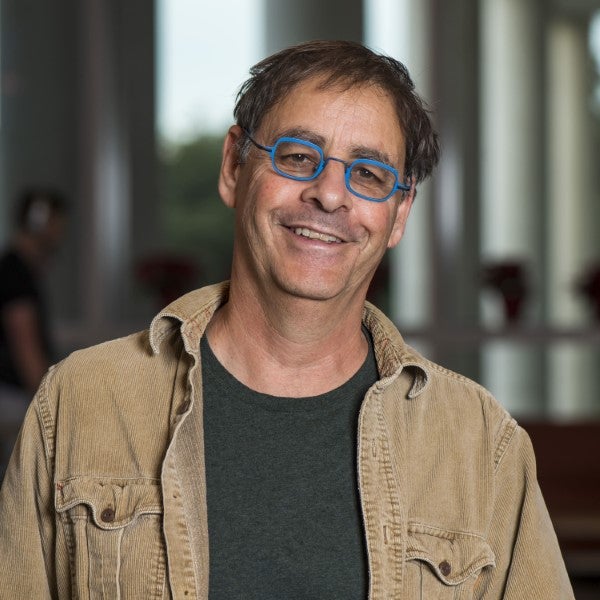
Jack Lin is a Professor of Neurology and Director of the UC Davis Comprehensive Epilepsy Program. He is a systems neuroscientist and neurologist with a focus on memory, learning, emotion, and decision-making. His research utilizes intracranial EEG and single-neuron recordings to study the amygdala-hippocampal-prefrontal network in awake, behaving humans. He is affiliated with the Center for Mind and Brain and holds leadership roles in advancing the UC Davis Epilepsy Program. M.D., Rush Medical College (1998) B.S., Human Communication Sciences, Northwestern University (1994) Research Focus: Emotional Memory: Investigates theta and alpha oscillations in amygdala-hippocampus interactions, pattern separation of emotional events, and awake ripples in memory encoding Sleep and Memory Consolidation: Studies hippocampal-neocortical interactions, sharp wave ripples, and REM sleep's role in neural homeostasis Epilepsy: Examines structural abnormalities, cognitive deficits, and neurodevelopmental impacts across the lifespan Scientific Awards: Association of University Professors of Neurology (AUPN) Faculty Leadership Award (2024) Fellow of the American Epilepsy Society (FAES) Fellow of the American Neurological Association (FANA) Editorial Board Member, Annals of Neurology Service & Leadership: Dr. Lin leads strategic planning initiatives within the UC Davis Department of Neurology and serves as a reviewer for NIH BRAIN Initiative grants and high-impact journals. He spearheads the UC Davis Health System’s Integrated Service Line for epilepsy, fostering interdisciplinary collaboration.
Christodoulou Chris is a Professor at the Department of Computer Science, University of Cyprus. He joined in 2005 and holds a Visiting Research Fellowship at Birkbeck College, University of London. His educational background includes a BEng in Electronic Engineering from Queen Mary and Westfield College (1991), a PhD in Neural Networks from King's College London (1997), and a BA in German from Birkbeck College (2008). His research focuses on Computational Neuroscience, Neural Networks, and Machine Learning, with specific interests in neural coding, self-control modeling, computational neuronal modeling, multi-agent reinforcement learning, and practical machine learning applications. Recent publications (2013-2025) demonstrate interdisciplinary approaches combining neuroscience, computer science, and optimization techniques, with emerging emphasis on protein structure prediction and biomedical applications. Scientific awards include: Best Paper Award, ICSR 2015 Best Paper Award, MODELS 2008 Doctoral Symposium He leads the Computational Intelligence and Neuroscience (CIN) research group and has secured funding from European projects (SocioCoast, CYberSafety, TAMIT). He mentors students through Google Summer of Code and collaborates internationally.
Associate Professor Kai-Hsiang Chuang is a Principal Research Fellow at the School of Biomedical Sciences within the Faculty of Health, Medicine and Behavioural Sciences at the University of Queensland. He is also affiliated with the Queensland Brain Institute and the Centre for Advanced Imaging. His research focuses on understanding brain networks, developing advanced imaging techniques, and translating these findings to improve diagnosis and intervention for neurological disorders. Dr. Chuang received his Ph.D. in electrical and biomedical engineering from the National Taiwan University, Taiwan, in 2001. His doctoral research focused on improving the detection of brain activity using functional magnetic resonance imaging (fMRI). Ph.D. in Electrical and Biomedical Engineering, National Taiwan University (2001) Dr. Chuang's research spans multiple areas of brain imaging and neuroscience. His primary focus is on functional brain mapping , where he develops in vivo imaging techniques including functional MRI and multimodal integration with optogenetics, calcium imaging, and electrophysiology. He applies these techniques in both humans and animal models to improve understanding and intervention of brain function, disease processes, and treatment effects. Another key area is brain networks in learning, memory, and dementia . His work explores how brain network wiring and activity underpin cognition and behavior, with particular focus on understanding the causal relationship between brain network activity and memory formation. He develops techniques to modulate behavior by manipulating brain network activity. More recently, Dr. Chuang has expanded into brain waste clearance research, studying the brain's fluid drainage system that clears waste and toxic molecules like amyloid plaques. His lab is developing imaging techniques to track this system's function and understand its regulatory mechanisms, which could provide new treatment targets for dementia. Analysis of Dr. Chuang's recent publications reveals a strong focus on advancing functional MRI techniques for brain network analysis, particularly in rodent models. His work consistently bridges basic neuroscience with clinical applications, especially in understanding memory formation and dementia. A notable trend is the development of multimodal approaches that combine fMRI with optogenetics, calcium imaging, and electrophysiology to establish causal relationships in brain networks. His research increasingly addresses the translation of preclinical findings to human applications, with growing emphasis on Alzheimer's disease mechanisms and potential interventions. Dr. Chuang serves on the editorial boards of multiple prestigious journals including Frontiers in Neuroscience: Brain Imaging Methods , Imaging Neuroscience , and Scientific Reports , reflecting his standing in the field. Editorial Board Member, Frontiers in Neuroscience: Brain Imaging Methods Editorial Board Member, Imaging Neuroscience Editorial Board Member, Scientific Reports Dr. Chuang is actively involved in research supervision, currently serving as Principal Advisor for one PhD student working on "Developing imaging and neuro-technologies for decoding memory formation" and Associate Advisor for two other PhD projects. He has successfully completed supervision of three PhD students on topics related to resting-state networks, memory consolidation, and functional MRI. ARC Discovery Projects (2024-2028): "Decoding the brain network of memory formation" ARC Training Centre for Innovation in Biomedical Imaging Technology (2017-2024) NHMRC-NIH BRAIN Initiative Collaborative Research Grants (2016-2023) Universities Australia - Germany Joint Research Co-operation Scheme (2017-2018) Mater Medical Research Institute Limited grant for mindfulness-based cognitive therapy research (2017-2020) Dr. Chuang leads the Functional and Molecular Neuroimaging Group at the Queensland Brain Institute. His laboratory focuses on understanding the functional connectome of the brain and developing functional and molecular imaging techniques to study brain connectivity associated with behavior. The group has developed various MRI techniques to track neuronal connections, map large-scale brain synchrony, and quantify cerebral blood flow and metabolism in vivo. His research team collaborates extensively with other experts at UQ and internationally, including collaborations with Associate Professor Darryl Eyles, Professor Jürgen Götz, Professor Tianzi Jiang, Dr. Fatima Nasrallah, Professor Linda J. Richards, Professor Pankaj Sah, Professor Elizabeth Coulson, Dr. Patricio Opazo, Professor Feng Liu, and Professor Markus Barth.
John A. Dani, PhD is the David J. Mahoney Professor of Neurological Sciences and Chair of the Department of Neuroscience at the University of Pennsylvania's Perelman School of Medicine. He also serves as Scientific Director of the University of Pennsylvania Health System and Director of the Mahoney Institute for Neurosciences (MINS). With a distinguished career spanning Yale University, Baylor College of Medicine, and UPENN, Dr. Dani has made groundbreaking contributions to understanding addiction mechanisms, particularly nicotine's effects on neural learning and memory systems. His research focuses on Neurotransmitter signaling in addiction Neuroplasticity in mental disorders Systems neuroscience approaches Neural mechanisms of memory Dr. Dani's recent publications highlight his work on Genetic variations in nicotine addiction Serotonin-dopamine interactions Stress-related neural adaptations Developmental exposure effects His laboratory employs advanced techniques including In vivo electrophysiology Neurophysiological modeling Behavioral task design Brain slice recordings
Harel Shouval is a Professor in the Department of Neurobiology and Anatomy at The University of Texas Health Science Center at Houston (UTHealth) and a Professor in the Electrical and Computer Engineering department at Rice University. His office is located in the McGovern Medical School Building (MSB) 7.264, and he can be reached at 713-500-5708 or harel.shouval@uth.tmc.edu. Dr. Shouval's research focuses on identifying the rules by which changes in synaptic strength—believed to be the basis of learning, memory, and development in the cortex—take place. His work spans multiple levels of analysis, from molecular mechanisms to functional implications, with an emphasis on theoretical and computational approaches. Key areas of investigation include: The molecular basis of synaptic plasticity, including complex simulations of signal transduction pathways and calcium dynamics Development of simplified cellular models of synaptic plasticity, such as his unified calcium-dependent plasticity model The contribution of synaptic plasticity to receptive field development in visual cortex Long-range horizontal connections in visual cortex and their role in map formation The stability mechanisms of long-term synaptic plasticity His extensive publication record demonstrates a consistent focus on computational and theoretical aspects of synaptic plasticity. Dr. Shouval's work bridges molecular neuroscience with systems-level understanding, particularly through his development of the unified calcium-dependent plasticity model that accounts for various induction paradigms including spike time-dependent plasticity. His research shows strong interdisciplinary connections between neuroscience, electrical engineering, and computational modeling, with applications to understanding learning, memory, and developmental processes in neural circuits. Dr. Shouval teaches courses in theoretical neuroscience at both institutions, including 'Theoretical Neuroscience I: Cells, Circuits and Systems' and 'Theoretical Neuroscience II: Learning, Perception and Cognition.' His teaching spans from biophysical foundations of neuronal cells to advanced topics in learning, perception, and cognition, reflecting his integrated approach to neuroscience education. The Shouval Lab for Theoretical Neuroscience maintains an active research program investigating the fundamental mechanisms of synaptic plasticity. The lab has trained numerous graduate students and postdoctoral fellows who have contributed to the field of theoretical neuroscience, as indicated by the 'Former Graduate Students' and 'Former Postdoctoral Fellows' sections on the lab website.
Peter Jonas is the Magdalena Walz Professor for Life Sciences at the Institute of Science and Technology Austria (ISTA) since 2022, and has been a Professor at ISTA since 2010. Previously, he served as Professor of Physiology and Department Head at the University of Freiburg, Germany (1995–2010) and Associate Professor at the Technical University of Munich (1994–1995). Current Role: Group Leader, Cellular Neuroscience Key Techniques: Nanophysiology, Presynaptic Patch-Clamp, Two-Photon Ca2+ Imaging, Optogenetics, Functional Anatomy His research focuses on synaptic signaling mechanisms in the hippocampus, particularly how glutamatergic and GABAergic synapses contribute to network functions. He investigates: Biophysical signaling and plasticity at mossy fiber synapses Role of synaptic properties in higher network functions Calcium channel-vesicle coupling dynamics Modeling of synaptic and network-level phenomena The group employs in vitro and in vivo approaches, combining experimental and computational methods to decode brain function. Recent work highlights the structural and functional analysis of 'giant' cortical presynaptic terminals. Scientific Awards include: Magdalena Walz Professor for Life Sciences (2022) Peter Seeburg Integrative Neuroscience Prize (2021) EMBO Membership (2019) FWF Wittgenstein Award (2016) DFG Gottfried Wilhelm Leibniz Award (2006) His students and postdocs include PhD candidates Silvia Jamrichova, Peipeng Lin, Rebecca Morse Mora, and Priyansha Verma, alongside postdocs Katharina Lichter, Andrea Navas Olive, and Jake Watson. The lab also collaborates with technical staff and scientific computing experts.
Dr. Lauren Kirby is an Associate Professor of Psychology at the University of Texas at Tyler, specializing in cognitive and affective neuroscience. Her research focuses on emotion regulation, mindfulness, and the application of neuroimaging techniques such as fMRI. She holds a Ph.D., MS, and BA in Psychology from Auburn University and the University of North Alabama. Dr. Kirby teaches courses in Cognitive Psychology and Physiological Psychology. Her work explores academic emotions, teaching methodologies, and psychophysiological measures of mental states. Key interests include emotion elicitation, mindfulness interventions in education, and the dual continua model of mental health. Her scholarship bridges neuroscience and education, emphasizing practical classroom applications like 'brain breaks' and high-impact teaching practices. Recent studies address work-life balance among educators and the neurofunctional mapping of brain regions like the amygdala and hippocampus. Publications span affective neuroscience meta-analyses, neuroimaging methodological advancements, and educational interventions. She has contributed to developing standardized tools such as the Library of Affective Films (LAF) and the Teacher Behavior Checklist.
Roger J. Colbran, PhD, is a Professor and Vice Chair in the Department of Molecular Physiology and Biophysics at Vanderbilt University School of Medicine. His research focuses on calcium/calmodulin-dependent protein kinase II (CaMKII) and its roles in synaptic signaling, neuropsychiatric disorders, and neurological conditions. His lab investigates mechanisms of synaptic plasticity, particularly in the striatum and hippocampus, with implications for learning, memory, and disease. Key affiliations include the Vanderbilt Brain Institute, Vanderbilt Kennedy Center, and Vanderbilt Center for Addiction Research. His work integrates biochemistry, electrophysiology, and proteomics to study CaMKII interactions with receptors (e.g., NMDA, voltage-gated calcium channels) and signaling pathways (e.g., endocannabinoids, phosphatase regulation). Recent articles highlight CaMKII’s role in striatal sociability, nuclear signaling via Shank3 interactions, and ASD-related mutations. His lab’s multidisciplinary approach bridges basic neuroscience with translational research on disorders like addiction and neurodegeneration.
Kechen Zhang is an Associate Professor of Biomedical Engineering and Neuroscience at Johns Hopkins University School of Medicine. He holds affiliations with the Center for Hearing and Balance and the Kavli Neuroscience Discovery Institute. His research focuses on theoretical and computational neuroscience, particularly neural computation and spatial navigation models. Zhang earned a B.S. and M.S. from Peking University, a Ph.D. in Cognitive Science from UC San Diego, and completed a postdoc at the Salk Institute. Research Interests Zhang’s lab studies nervous system dynamics using mathematical and computational models, collaborating with experimental labs. Key areas include grid cells, place cells, path integration, oscillatory interference models, and neural coding mechanisms. His work bridges biophysical models and network-level computations. Publications Over 30 peer-reviewed articles in Neural Computation , PNAS , Journal of Neuroscience , and others, addressing topics like attractor networks, theta rhythms, and spatial representation. Recent work explores cognitive swarming and neuro-inspired robotics. Collaborations & Teaching Collaborates with Jim Knierim, Xiaoqin Wang, and others. Teaches Biomedical Systems II , Theoretical Neuroscience , and co-leads the Johns Hopkins Systems Neuroscience Journal Club.
Alessandro Giuliano Treves is a full-time Professor at the Institute of Psychosocial Health , University of Agder. His research focuses on computational neuroscience, hippocampal function, and neural network modeling, particularly in spatial memory, grid cells, and cognitive dynamics. Key contributions include theories on attractor networks, latching dynamics, and hippocampal remapping. Recent work explores variability in quasi-attractor systems and prefrontal schemata in thought composition. His publications span high-impact journals like Nature , Science , and PNAS , often collaborating with neuroscientists such as May-Britt and Edvard Moser.
Dr. Emmanuel Stamatakis is a Senior Research Associate at the University of Cambridge, affiliated with the School of Clinical Medicine and the Division of Anaesthesia. He maintains research ties with the Centre for Speech, Language, and the Brain (CSLB) while focusing on neuroimaging, consciousness studies, and traumatic brain injury (TBI) mechanisms. Institution: University of Cambridge Primary Affiliation: School of Clinical Medicine, Division of Anaesthesia Research Affiliation: Centre for Speech, Language, and the Brain (CSLB) Academic Rank: Research Fellow His research spans neuroscience, neuroimaging, and anaesthesia, with particular emphasis on: Consciousness dynamics under pharmacological and pathological conditions Functional and structural brain connectivity in TBI and delirium Neural mechanisms of anaesthetic agents Evolutionary and comparative neuroscience of brain states Long-term outcomes after neurological trauma Neurotechnology applications in clinical settings Recent publications reveal trends in: Quantifying consciousness through functional gradients and harmonic decomposition Linking anaesthesia-induced neural changes to clinical outcomes Exploring genetic and inflammatory factors in TBI recovery Multi-modal imaging approaches to neurological disorders Translational studies bridging animal models and human conditions Methodological advancements in brain network analysis
Nicole Gervais, PhD is an Assistant Professor and Rosalind Franklin Fellow in behavioural and cognitive neuroscience at the University of Groningen's Faculty of Science and Engineering. She is affiliated with the Groningen Institute for Evolutionary Life Sciences (GELIFES) and the Faculty of Medical Sciences/UMCG's Cognition, Ageing and Disease (CAD) research group. Dr. Gervais leads the Memory, Sleep, and Hormones (MeSH) lab, which focuses on translational research examining how sex differences and hormonal changes affect brain health. Dr. Gervais earned her PhD in Psychology/Behavioural Neuroscience from Concordia University in Montréal, Québec. She completed postdoctoral training at institutions in Amherst, Massachusetts, USA and Toronto, Canada. Before joining the University of Groningen in September 2023, she held a Research Associate position at the Rotman Research Institute and University of Western Ontario in London, Canada. Her research program explores diversity in vulnerability to neuropsychiatric conditions and responses to therapeutics, with particular focus on how individual factors (especially sex) and environmental conditions contribute to neuropsychiatric disease and treatment effectiveness. She investigates sleep-wake patterns, social interactions, and cognition across species to understand how hormonal transitions like menopause affect brain health. Her work has significant implications for understanding why certain neurological and psychiatric conditions disproportionately affect women. Dr. Gervais's publications reveal a strong focus on the intersection of sex differences, sleep physiology, and cognitive function. Her recent work examines how early ovarian removal affects hippocampal function, memory, and sleep architecture. She employs both human studies and rodent models to investigate these questions, using techniques including neuroimaging (MRI), sleep physiology measurements, behavioral assessments, hormone quantification, and pharmacological manipulations. Rosalind Franklin Fellowship Dr. Gervais serves as an editor for special issues of the journal Hormones and Behavior. Her research has received significant attention, with multiple publications covered in international media outlets. Her work contributes to the United Nations Sustainable Development Goals, particularly those related to good health and well-being. She has published over 27 research outputs including articles, preprints, editorials, and review articles, with many receiving substantial citations and media coverage. Dr. Gervais directs the Memory, Sleep, and Hormones (MeSH) lab, which takes a translational approach to studying how major hormone changes interact with genes to increase vulnerability for developing insomnia and its adverse consequences for the aging female brain. The lab uses complementary research in rodents and humans, employing touchscreen tasks with high translational value to assess cognitive function in rodents and EEG recordings to assess sleep. Their research has important implications for understanding and treating conditions that disproportionately affect women, such as insomnia and Alzheimer's disease.