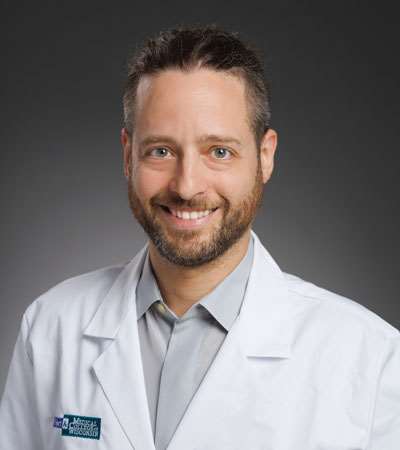
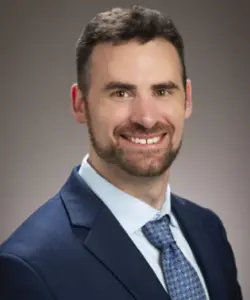
Thomas J. O’Dell is a Professor of Physiology and Associate Director of the Brain Research Institute at the University of California, Los Angeles (UCLA). His research focuses on synaptic plasticity mechanisms, particularly long-term potentiation (LTP) and depression (LTD), in the hippocampus. He investigates β-adrenergic signaling, NMDA receptor dynamics, and astrocyte calcium signaling in learning and memory processes. O’Dell’s work bridges molecular neurobiology with behavioral neuroscience, emphasizing how synaptic changes underlie cognitive functions. Research Interests: Neuronal plasticity mechanisms in hippocampal circuits Role of NMDA receptors in synaptic function and disease β-Adrenergic modulation of LTP Calcium signaling in astrocytes and its impact on synaptic transmission Grants & Funding: NIH R21MH115404 (Mechanisms of homeostatic plasticity) NIH R01NS060677 (Astrocyte calcium signaling in striatum) NIH R01MH060919 (NMDA receptor signaling in LTP) Labs/Teams: O’Dell leads a lab at the UCLA Brain Research Institute, collaborating on projects involving synaptic physiology, proteomics, and behavioral neuroscience.
Pouya Bashivan is an Assistant Professor in the Department of Physiology at McGill University's Faculty of Medicine. His research focuses on developing computational models to explain and regulate neural responses during visual tasks requiring memory, combining machine learning, neuroscience, and cognitive science. Education : Ph.D. in Computer Engineering (2016), Postdocs in Machine Learning (2020) and Computational Neuroscience (2016-2020) His lab investigates: Topographical neural networks for visual cortex simulation Massively-multitask models for prefrontal cortex Saccade-driven visual exploration models Predictive hippocampus models for episodic memory Recent publications explore adversarial robustness, memory-augmented networks, and brain-state decoding. Current projects emphasize causal models, brain-AI alignment, and translating computational neuroscience into therapeutic applications. The lab is located in the McIntyre Medical Sciences Building, Room 1117, Montreal, Quebec.
Carlos Brody is the Wilbur H. Gantz III '59 Professor of Neuroscience at Princeton University, where he leads a research group at the Princeton Neuroscience Institute. His laboratory employs a unique combination of computational, behavioral, and electrophysiological techniques to investigate the neural mechanisms underlying cognitive abilities. Dr. Brody's research focuses on understanding how the brain processes information during cognitive tasks, particularly examining short-term memory, decision-making, and time perception. His lab trains rats to perform complex cognitive tasks while recording neural activity, and develops computational models to explain the experimental findings. They have pioneered the study of 'internal signals' in neural activity that constitute 'the internal conversation of the mind,' with their key discovery being 'nTc' (Neurally-inferred Time of Commitment), a biomarker that indicates decision commitment before overt behavioral responses. Dr. Brody's laboratory has been continuously supported by HHMI (Howard Hughes Medical Institute) with renewal until 2032. They are currently conducting groundbreaking research using multiple Neuropixels probes for large-scale recordings across the brain while rats perform cognitive behaviors, representing what Dr. Brody considers the future of cognitive systems neuroscience that combines advanced recording technology, AI-based analysis, and well-controlled behavioral paradigms. Scientific Awards HHMI Investigator (renewed until 2032) Advising and Research Support Dr. Brody has mentored numerous successful researchers who have secured faculty positions and leadership roles: Marino Pagan (Nature publication, SFARI Bridge to Independence Award) Edward Nieh (faculty position at University of Virginia) Manuel Schottdorf (Nature publication) Sue Ann Koay (publications in Neuron and eLife, Group Leader at Janelia) Brian DePasquale (faculty position at Boston University) Emily Dennis (Group Leader at HHMI's Janelia) Ahmed El Hady (Group Leader at Max Planck Institute) Abby Russo (joined CTRL-Labs startup) Diksha Gupta (Best Paper Award at RLDM conference) His lab is currently supported by HHMI funding and is planning to implement next-generation Neuropixels probes in Spring 2025 to record from 6,000-12,000 neurons simultaneously across multiple brain regions. Research Team and Facilities The Brody Lab features a diverse team ranging from purely computational to purely experimental researchers. The lab emphasizes minimizing barriers between computational and experimental approaches, encouraging researchers to move freely along this spectrum based on their interests. They maintain state-of-the-art facilities for behavioral training, electrophysiological recordings, and computational analysis, with plans to implement next-generation Neuropixels recording technology in Spring 2025.
Prof. Markus Axer is a Professor and Deputy Head of the Structural and Functional Organisation of the Brain (INM-1) at the Institute of Neuroscience and Medicine (INM) within Forschungszentrum Jülich. His research focuses on connectomics, neuroimaging technologies (e.g., 3D-Polarized Light Imaging), and high-performance computing applications in brain architecture analysis. He leads the 'Fiber Architecture' working group, advancing microscopy techniques like scattered light imaging and MRI-histology correlation for studying brain microstructure. His work bridges experimental neuroscience with computational methods, aiming to decode brain organization at meso- and macroscales. Key achievements include developing the HippoMaps atlas of the human hippocampus and improving fiber orientation mapping in brain tissue. Awards include Fellowship in the Royal Netherlands Academy of Arts and Sciences (2024). Research emphasizes cross-modal data integration, with applications in Alzheimer’s disease biomarker validation and primate brain evolution studies. He collaborates with academic institutions like the University of Wuppertal and contributes to international initiatives like the BigBrain Analytics Learning Laboratory.
Dr. Sheng-Jian Ji is a Tenured Associate Professor at the School of Life Sciences, Department of Neuroscience at Southern University of Science and Technology (SUSTech) in Shenzhen, China. He also serves as the Academic Vice President of Shude Academy and was previously the first Deputy Director of Research and Graduate Affairs in the Department of Biology at SUSTech (2016-2018). As a leading neuroscientist specializing in RNA modification and neural development, Dr. Ji has established an internationally recognized research program. Dr. Ji's educational background includes: 2003-2007: Postdoctoral Fellow, Johns Hopkins University School of Medicine, Neurobiology 1998-2003: PhD in Biochemistry and Molecular Biology, Peking University School of Life Sciences 1994-1998: Bachelor's Degree in Biochemistry, Yantai University Department of Biochemistry Dr. Ji's research primarily focuses on developmental neurobiology, with particular emphasis on post-transcriptional regulation mechanisms including RNA modification and local translation of mRNA in axons. His laboratory is recognized as one of the leading international groups studying how mRNA modification (particularly m6A and m5C) regulates neural development and function. Through innovative approaches combining molecular biology, cell biology, and microfluidic technologies, his team has revealed important insights into axon growth, dendrite maintenance, cortical neurogenesis, and retinal development. His publication record shows a clear trajectory from fundamental mechanisms of RNA modification to applications in understanding neurological disorders and aging. Recent work has expanded into aging-related neural decline, cognitive functions, and potential therapeutic targets for neurological conditions. Dr. Ji has received numerous prestigious awards: 2020, 2016: SUSTech Excellent College Mentor 2020: SUSTech Biology Department Outstanding Service Award 2019: Guangdong Province Talent Youyue Card A 2017: Guangdong Provincial Professor of Neurobiology 2013: Jiangsu Distinguished Professor (Nanjing University) 2011: National Natural Science Award Second Prize (third contributor) As an educator, Dr. Ji teaches undergraduate Neurobiology and graduate Cellular and Molecular Neurobiology courses. He actively mentors students, with recent master's graduates including Yuan Jiaxin and Zhang Pingrui. His laboratory recruits postdoctoral fellows (with salaries of 335,000+ RMB annually), research assistants, and graduate students, providing comprehensive training in molecular techniques, neuronal cell culture, microfluidics, and omics approaches. Dr. Ji leads a vibrant research team that collaborates both within SUSTech and internationally. His work continues to advance understanding of RNA modification in neural development, function, and aging, with recent progress highlighted in June 2025.
Naftali Raz is a Professor of Psychology at Stony Brook University, specializing in Integrative Neuroscience. He holds a Ph.D. from the University of Texas at Austin (1985) and a B.A. from the Hebrew University of Jerusalem (1979). His research focuses on understanding age-related changes in the brain and cognition, particularly exploring metabolic, vascular, and inflammatory risk factors influencing cognitive aging. He employs neuroimaging techniques such as MRI, MRS, and fMRI to study brain structure, function, and metabolism in healthy aging populations. Raz’s research emphasizes the 'FRIENDS' model (Free-Radical Induced Energetic and Neural Decline in Senescence), linking aging to energy production decline. His work includes longitudinal studies on brain atrophy, myelin content, and iron accumulation. He investigates how physiological risk factors like cardiovascular disease and metabolic syndrome impact neurocognitive trajectories. Current grants include NIA funding for neural correlates of cognitive aging and hippocampal glutamate modulation studies. Education: Ph.D. in Psychology, University of Texas at Austin (1985) B.A. in Psychology, Hebrew University, Jerusalem, Israel (1979) Labs/Facilities: Integrative Neuroscience Group, SCAN Center (Stony Brook Advanced Neuroimaging) His publications span over three decades, with recent works on recognition memory strategies, hippocampal subfield analysis, and cerebral blood flow dynamics. Collaborations include multi-institutional projects on neuroimaging protocols and aging mechanisms.
Dr. Arno Onken is a Lecturer (Assistant Professor) in Data Science for Life Sciences at the School of Informatics, University of Edinburgh, where he is also affiliated with the Institute for Adaptive and Neural Computation. He leads a research group focused on developing machine learning and statistical methods for modeling neural activity and analyzing large-scale neuroscience data. His work bridges artificial intelligence and computational neuroscience. His research interests lie at the intersection of machine learning, statistics, and neuroscience. He develops flexible probabilistic models such as copulas and Gaussian processes, deep learning architectures like Vision Transformers for brain activity prediction, and matrix/tensor factorization techniques for dimensionality reduction in neural datasets. His group aims to uncover interpretable structure in complex neural recordings and understand how behavior and cognition are encoded in population activity. The recent publications reflect a strong trend in combining modern deep learning with classical statistical modeling to analyze large-scale neural recordings. His work spans from foundational methods in copula modeling and information theory to applications in predicting visual cortex responses and modeling brainstem-hippocampus interactions across sleep states. The research has been published in top venues including NeurIPS, CVPR, eLife, and PLoS Computational Biology. Dr. Onken actively supervises PhD students and has developed several open-source scientific software packages, including the Mixed Vine Toolbox and Population Spike Train Factorization Toolbox. He teaches core courses in Machine Learning and Pattern Recognition and Data Mining and Exploration at the University of Edinburgh.
Hernan G. Rey, PhD, is an Assistant Professor in the Department of Neurosurgery at the Medical College of Wisconsin (MCW) and the Marquette-MCW Joint Department of Biomedical Engineering. He previously held an Assistant Professor position at Baylor College of Medicine until July 2022. His research focuses on understanding human episodic memory, improving epilepsy diagnosis and treatment, and developing tools for electrophysiological data analysis. Rey's lab records single-neuron activity and intracranial EEG from epilepsy patients to investigate brain mechanisms underlying memory and neurophysiological processes. Education: PhD in Engineering, University of Buenos Aires (2009) Postdoctoral Fellowship in Biomedical Informatics, University of Leicester (2012–2015) Bachelor's in Electronics Engineering, University of Buenos Aires (2002) Research Interests: Dr. Rey explores anterior temporal lobectomy, drug-resistant epilepsy, electrophysiology, hippocampal function, machine learning applications in neuroscience, and signal processing. His work bridges clinical neurosurgery, biomedical engineering, and cognitive neuroscience to advance both fundamental understanding and clinical interventions. Publications: His recent work highlights studies on parietal cortex function in action monitoring, single-neuron responses in memory encoding, and neurophysiological correlates of depression. These reflect a focus on translational neuroscience and interdisciplinary collaboration. Awards: EPSRC Rising Star Award (2014) Labs/Teams: The ReyLab drives innovation in electrophysiological data acquisition and analysis, emphasizing clinical application for epilepsy and memory disorders.
Zhaolin Chen is an Associate Professor in the Department of Data Science & AI at Monash University's Faculty of Information Technology. He holds a PhD in Biomedical Imaging from Monash University and has held roles at the University of Melbourne, Florey Neuroscience Institutes, and the medical imaging industry in Europe. He is an Australian Research Council MCR Industry Fellow and leads Australia's first Point-of-Care MRI network at the National Imaging Facility. His research focuses on AI-driven medical imaging, MRI/PET methods, and multimodal data analysis. He has secured over $8M in research funding, including leadership roles in major projects like the National Mobile MRI Network. Education: PhD in Biomedical Imaging, Monash University Research Fellowships at University of Melbourne and Florey Neuroscience Institutes Research Interests: Deep learning and machine learning in medical imaging MRI/PET acquisition/reconstruction methods Multimodal imaging (e.g., simultaneous MR-PET) Translational research with 10+ patents (5 commercialized) Awards & Grants: ARC Discovery Project (Primary Chief Investigator) 5 highly cited papers (top 10% worldwide in 2021) 2021 SciVal: 90% publications in top 10% journals Recipient of Douglas Lampard Research Prize, ISMRM Magna Cum Laude Leadership & Service: President-Elect, ANZ Chapter of ISMRM (2024) Associate Editor for IEEE ISBI (2022-2023) Program Committee Member for ISMRM (2018-2021) Labs & Teams: Monash Biomedical Imaging leadership National Mobile MRI Network project leadership Collaborations across global institutions (e.g., Hyperfine Inc., University of Queensland)
Joshua Camins , Ph.D., ABPP, is a Clinical Assistant Professor at the University of Illinois, Urbana-Champaign , affiliated with the Department of Educational Psychology and the Department of Clinical Sciences . He also serves as an Affiliate at the Disability Resources and Educational Services (DRES) within the College of Applied Health Sciences . Education: B.A. in Psychology, University of New Haven (2011) B.S. in Criminal Justice, University of New Haven (2011) M.A. in Clinical Psychology, Towson University (2013) Ph.D. in Clinical Psychology, Sam Houston State University (2020) ABPP Board Certification in Forensic Psychology (2024) Research Focus: Camins specializes in forensic psychology , competence to stand trial , and violence risk assessment . His neuroscience work on childhood adversity and brain structure, particularly hippocampal volume reduction due to maltreatment, has been published in PLoS ONE and other journals. Publication Trends: His recent articles explore telesupervision during the pandemic, PTSD in veterans , maternal influences on delinquency , and school-based mental health for immigrant youth . Scientific Awards: ABPP Board Certification in Forensic Psychology (2024) Postdoctoral Fellowship in Forensic Psychology, Mendota Mental Health Institute (2021) Grants & Collaborations: Co-authored a NIH-funded study on childhood socioeconomic status and brain structure (2017) and contributed to research on financial strain and neurodevelopmental outcomes.
Dr. Eric T. Reifenstein is a neuroscience researcher at Humboldt-Universität zu Berlin's Faculty of Life Sciences, Institute of Biology, specializing in neural mechanisms of spatial navigation and memory. As a key contributor to SFB 1315 (Entorhinal Cortex as Interface between Memory and Space), his work bridges computational modeling and human electrophysiology. His research focuses on egocentric spatial mapping and sequence learning mechanisms , with particular expertise in human single-neuron recordings during virtual navigation tasks. Reifenstein investigates how the brain encodes self-centered spatial representations and how synaptic learning rules enable temporal sequence memorization. His publication trends reveal a strong emphasis on translational neuroscience , connecting rodent studies to human cognition through innovative virtual reality paradigms. Key methodological approaches include single-neuron recordings, computational modeling of neural networks, and behavioral analysis of spatial memory. Scientific contributions include: Identification of egocentric bearing cells in human parahippocampal cortex Mathematical analysis of phase precession in sequence learning Vectorial representation models of egocentric space Reifenstein actively collaborates with leading researchers including Prof. Richard Kempter and Joshua Jacobs, contributing to major neuroscience journals like Neuron and eLife. His work has implications for understanding memory disorders and developing neural prosthetics.
Sarah E. Einstein is an Associate Professor in the Department of English at the University of Tennessee at Chattanooga (UTC). She is a creative nonfiction writer and academic whose work interrogates the intersection of Jewish and Appalachian identities, ethical research methodologies in personal writing, and narrative structure. Education: PhD in Creative Writing from Ohio University (2016), MFA in Creative Nonfiction from West Virginia University (2011) Her research explores: Ethical boundaries when writing about friends/family Travel as a research methodology in narrative nonfiction Authorial selfhood in first-person writing Hybrid identities (Jewish/Appalachian) Her recent publications include a 2025 Judith Magazine essay on selfhood, 2022 Hippocampus and Brevity articles on research ethics, and a 2016 Assay journal piece analyzing authorial responsibility. Key themes across her work: cultural hybridity, memory ethics, and narrative voice in nonfiction. Academic Recognition: Pushcart Prize winner AWP Prize for Creative Nonfiction recipient Featured in Best of the Net anthology As organizer for UTC's Urban League STEAM Enrichment Program (2021-2025), she has mentored students in narrative design. Current service roles include Faculty Senate President Elect (2025-2026) and General Education Committee membership (2024-2025).
Eilif B. MULLER is a Professor in the Department of Neurosciences at Université de Montréal, Principal Investigator of the Architectures of Biological Learning Lab (ABL-Lab) at CHU Sainte-Justine Research Center, and Associate Faculty at Mila (Quebec AI Institute). His work bridges neuroscience and artificial intelligence, focusing on understanding how sensory perception is learned in the neocortex through biophysical simulations and deep learning models. He holds affiliations with IVADO (Institute for Data Valorization) and contributes to strategic initiatives like the UNIQUE Québec Center. His research integrates empirical neurophysiology with computational models, exploring dendritic processing and synaptic plasticity to inform both biological understanding and AI advancements. Teaches NSC-6044 and NSC-6045 (Neuroscience Colloquia) at Université de Montréal. Leads projects on neocortical learning mechanisms and their implications for neurodevelopmental disorders. Recipient of grants from CRSNG (Natural Sciences and Engineering Research Council), FRSQ (Health Research Fund), and institutional funding. Publications span topics in computational neuroscience, neural network modeling, and interdisciplinary AI-neuroscience research. Collaborates extensively across institutions to advance large-scale brain simulations and data-driven models.
Mehdi Khamassi is a Research Director at the French National Center for Scientific Research (CNRS), assigned to the Institute of Intelligent Systems and Robotics (ISIR) at Sorbonne University in Paris, France. He holds an engineering background in computer science (specializing in AI and statistical modeling) from the National School of Computer Science for Industry and Business (2003), a Cogmaster in cognitive science from Pierre and Marie Curie University (2003), and a PhD in cognitive neuroscience from UPMC/Collège de France (2007). Recruited by CNRS in 2010, he co-organizes the Symposium of Biology of Decision-Making (SBDM) and co-directs the modeling major for the Cogmaster program. His research integrates computational modeling , neuroscience experiments , and robotic systems to study decision-making and learning mechanisms. Key interests include: Reinforcement learning in biological and artificial systems Role of social/non-social rewards in adaptive behavior Ethical implications of autonomous decision-making in AI Neuro-robotic models of hippocampal-prefrontal interactions Recent publications (2023-2025) demonstrate strong focus on reinforcement learning paradigms, AI alignment with human values, neurorobotics, and computational neuroscience. Work frequently bridges machine learning theory with empirical validation in biological systems or robotic platforms. He leads research within the ACIDE team at ISIR, exploring adaptive coordination of learning strategies in brains and robots. Current collaborations include NTUA (Greece), University of Oxford, and University of Trento.
Richard Kempter is a Full Professor at the Humboldt-Universität zu Berlin, where he leads the Theoretical Neuroscience research group within the Institute for Theoretical Biology, Department of Biology. His research focuses on the neural basis of learning and memory through computational and mathematical modeling of synapses, neurons, and neural networks. He is affiliated with several major research centers including the Bernstein Center for Computational Neuroscience, the Einstein Center for Neurosciences Berlin, and the CRC 1315 Memory Consolidation. Professor Kempter's research interests span theoretical and computational neuroscience with a particular focus on the neural mechanisms underlying learning and memory. His work employs biophysical modeling and mathematical analysis to study synaptic short- and long-term plasticity, the dynamics of single neurons, and the interaction of neurons in recurrently coupled networks. A key aspect of his research investigates how neural systems maintain a balance between learning susceptibility and stability against pathological activity patterns, with model systems including the hippocampus and early auditory system. His research group has made significant contributions to understanding hippocampal sharp wave-ripple events, phase precession in spatial navigation, auditory processing in barn owls, and memory consolidation mechanisms. The group's work combines theoretical approaches with computer simulations to unravel the computational principles of neural circuits, showing particular interest in how neural tissue remains susceptible to learning while maintaining robust stability against pathological activity patterns. Scholarship of the State of Bavaria (03/1994-12/1995) Emmy Noether Fellowship Part I (09/1999-08/2001), funded by the Deutsche Forschungsgemeinschaft Emmy Noether Fellowship Part II (01/2003-09/2008) Guest Professor , HU Berlin, Department of Biology (10/2008-03/2010) Professor Kempter has advised numerous PhD and Master's students throughout his career, with many continuing in neuroscience research. His group maintains strong connections with experimental laboratories to bridge computational models with empirical findings, particularly in hippocampal function and auditory processing. The Theoretical Neuroscience Lab participates in collaborative projects investigating memory consolidation and neural coding principles, contributing significantly to our understanding of how neural circuits implement computational principles underlying learning and memory.