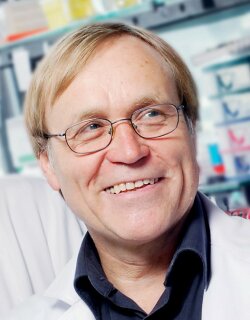
Prof. Uri Ashery is a Professor at the Sagol School of Neuroscience and the George S. Wise Faculty of Life Sciences at Tel-Aviv University. His research focuses on understanding synaptic plasticity in health and disease, employing multidisciplinary approaches including electrophysiology, super-resolution microscopy, and computational modeling. His lab investigates Alzheimer’s and Parkinson’s diseases, exploring mechanisms of synaptic dysfunction and therapeutic interventions like hyperbaric oxygen therapy (HBOT). He has advised numerous PhD, M.Sc., and postdoctoral researchers, contributing to over 80 publications. Education: PhD from the Hebrew University of Jerusalem Research interests span synaptic plasticity, neuronal network activity, and molecular mechanisms of neurodegenerative diseases. His lab uses advanced imaging (STORM, STED, TIRF) and electrophysiological techniques to study hippocampal synapses and alpha-synuclein aggregation in Parkinson’s. Current projects include developing biomarkers using super-resolution microscopy and exploring HBOT’s effects on Alzheimer’s vascular pathology. Recent articles highlight breakthroughs in HBOT’s vascular benefits, alpha-synuclein aggregation mitigation, and novel platforms like the Super-Resolution-Chip for 3D tissue studies. His work bridges basic science and clinical applications, with patents on brain-targeted liposomal therapies. Labs/Teams: Ashery Lab focuses on translational neuroscience with collaborations in biophysics and neurology.
Dr. Mariana Vargas-Caballero is an Associate Professor of Neuroscience at the University of Southampton, Faculty of Natural and Environmental Sciences, Department of Biological Sciences. She has been at the University of Southampton since 2012, progressing from Research Career Track Lecturer to Lecturer in Neuroscience (2017-2022), and currently serving as Associate Professor since 2022. Her research is centered at the intersection of basic neuroscience and clinical applications for neurodegenerative diseases. Her academic qualifications include: PhD in Neuroscience (2005), Department of Physiology, University of Cambridge, UK MPhil in Biological Sciences (2001), Department of Physiology, University of Cambridge, UK BSc in Biology, Honours (1999), Universidad Autonoma del Estado de Mexico (UAEM), Mexico Dr. Vargas-Caballero's research focuses on understanding neuronal communication in the brain and how it is affected in neurological disease, particularly Alzheimer's disease and other neurodegenerative conditions. Her laboratory investigates synaptic dysfunction, tau protein pathology, neuroinflammation, and the mechanisms underlying cognitive decline. She employs electrophysiological techniques, molecular biology approaches, and human tissue models to investigate how amyloid beta and tau proteins contribute to synaptic failure in early Alzheimer's disease. Her work has established that tau protein is required for amyloid beta-mediated synaptic dysfunction, a critical finding in understanding Alzheimer's disease mechanisms. Analysis of her recent publications reveals a clear research trajectory focusing on tau protein propagation mechanisms, microglial involvement in neurodegeneration, and synaptic changes in Alzheimer's disease. Her work has evolved from basic synaptic physiology to complex models of human neurodegenerative disease, with increasing emphasis on translational approaches for potential therapies. Notably, she has developed innovative methods including microfluidic neuronal culture systems to study tau pathology propagation between individual neurons. Dr. Vargas-Caballero has received notable recognition: Ion Channels and Disease Initiative (OXION) Training Fellowship (2008-2012), Wellcome Trust, University of Oxford International Research Fellowship (2004-2007), Wellcome Trust, UK She actively supervises PhD students and has secured substantial research funding from major organizations including the Medical Research Council, Alzheimer's Research UK, Wessex Medical Research, and Rosetrees Trust. Her research group investigates mechanisms of synapse loss in Alzheimer's disease and develops novel approaches to study tau pathology propagation. She has led multiple projects including 'Brain Biolink' (MRC-funded), 'Uncovering the epigenetic mechanisms shaping the brain after early life adversity,' and several Alzheimer's Research UK projects investigating tau protein mechanisms. Dr. Vargas-Caballero is a member of several research groups including the Precision Biosciences Innovation Hub, Neuroscience Institute for Life Sciences, and the Interdisciplinary Dementia and Ageing Centre. Her laboratory employs advanced techniques including electrophysiology, microfluidic neuronal culture systems, and human tissue models to study neurodegenerative processes. She has established collaborations with multiple institutions and researchers worldwide, contributing to her extensive publication record of over 50 papers with significant citations.
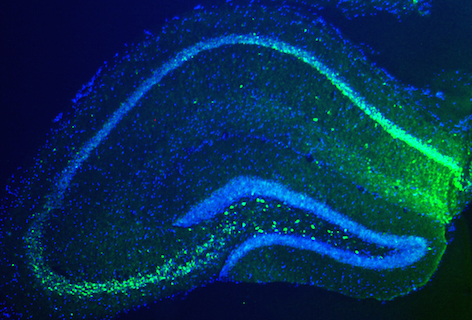
An Schreurs is a Research Fellow in the Department of Neurosciences at KU Leuven, with dual affiliations at the Laboratory for Biological Psychology (Tiensestraat 102) and UZ Leuven (Herestraat 49). Her research centers on Alzheimer's disease mechanisms using transgenic mouse models, with particular focus on synaptic plasticity deficits, regional hippocampal vulnerability, and tau-amyloid interactions. Her primary research interests include: Alzheimer's Disease Pathology Progression Dorsal-Ventral Hippocampal Vulnerability Gradients Tau and Amyloid-beta Molecular Interactions Early Cognitive and Synaptic Deficits in Neurodegeneration Humanized Transgenic Mouse Model Development Radiation-Induced Cellular Pathology Mechanisms Analysis of her publication trends reveals consistent investigation into hippocampal synaptic dysfunction as an early biomarker in Alzheimer's, with recent work emphasizing humanized tau models and regional vulnerability patterns. Her 2023-2022 publications demonstrate expanded scope into radiation biology while maintaining core focus on neurodegenerative mechanisms. Dr. Schreurs actively participates in the Mission Lucidity initiative at KU Leuven, which aims to decode brain diseases through interdisciplinary collaboration. She has served as primary supervisor for doctoral research on hippocampal vulnerability in Alzheimer's models, indicating active mentoring despite limited student listings in available records. Her laboratory work operates within the Laboratory for Biological Psychology infrastructure at KU Leuven.
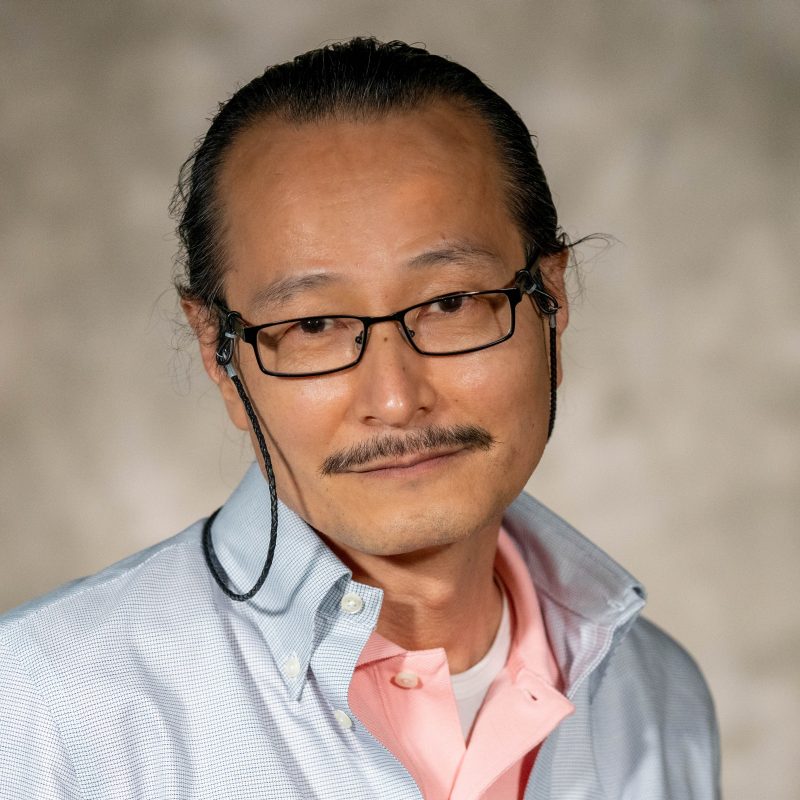
Dr. Wataru Ito is a Research Assistant Professor at the Fralin Biomedical Research Institute at VTC, where he conducts neuroscience research within the Morozov Lab. His work focuses on understanding the neural mechanisms underlying emotional trauma and fear learning, particularly through the lens of prefrontal-amygdala circuitry. Dr. Ito earned his academic training in biochemistry, completing a B.S. at Tokyo University, followed by an M.S. and Ph.D. at Tokyo Graduate School. He furthered his expertise through a postdoctoral fellowship at Columbia University’s Center for Neurobiology and Behavior and previously held an Assistant Professor position at Fujita Health University’s Institute of Comprehensive Medical Science in Nagoya, Japan. His research lies at the intersection of molecular neuroscience, behavioral models of psychiatric conditions, and neuropharmacology. He investigates how emotional trauma—such as observing distress in others—alters synaptic connectivity in brain circuits involved in fear and emotion regulation. A key finding from his work shows that such trauma induces silent synapses in the prefrontal-amygdala pathway, enhancing fear learning, an effect reversible with ketamine. The analysis of his recent publications reveals a strong focus on neural circuit dynamics in both health and disease. His work spans hippocampal gamma oscillations modulated by serotonin receptors and trauma-induced plasticity in cortical-amygdalar pathways, reflecting interests in psychiatric disorder mechanisms and potential pharmacological interventions. No scientific awards or prizes are mentioned in the provided text. Dr. Ito contributes to research mentorship and collaborative neuroscience projects within the Morozov Lab. While no formal students or grants are listed, his role as a research faculty member suggests involvement in grant-supported projects and trainee supervision. His research has implications for understanding PTSD, anxiety disorders, and novel treatments involving rapid-acting antidepressants like ketamine. He is actively involved in the Morozov Lab, a research group dedicated to exploring the neural basis of emotion, stress, and social behaviors using advanced molecular, electrophysiological, and behavioral techniques in rodent models.
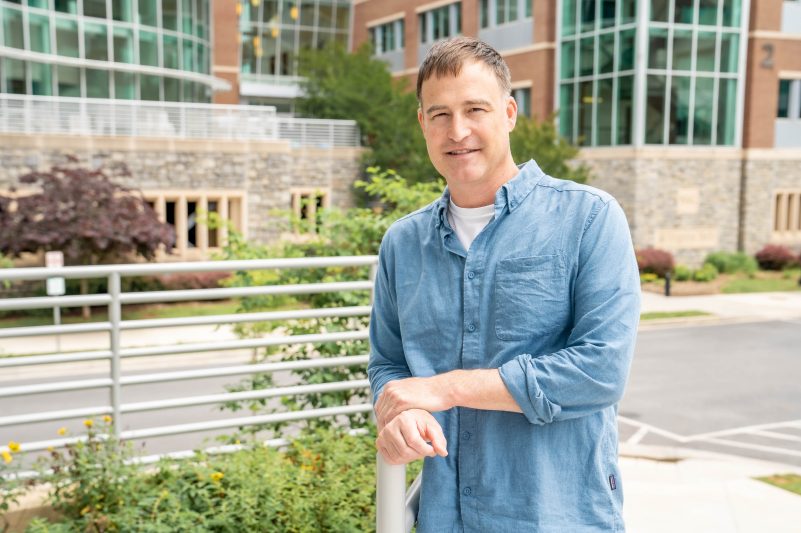
Matthew Weston, Ph.D. , is an Associate Professor at the Virginia Tech School of Neuroscience within the College of Science . He leads the Weston Lab at the Fralin Biomedical Research Institute at VTC , focusing on genetic epilepsies and synaptic transmission mechanisms . His work leverages mouse models of Developmental Epileptic Encephalopathies (DEEs) to study how KCNT1 , PTEN , and DNM1 mutations disrupt brain activity balance. Collaborates with Wayne Frankel (Columbia University) on KCNT1 mouse models Receives Actio Biosciences support for KCNT1 inhibitor trials Serves on KCNT1 Epilepsy Foundation Scientific Advisory Board His research program combines patch-clamp electrophysiology , in vivo Ca++ imaging , and multicellular circuit analysis to identify cell-type-specific mechanisms in epilepsy pathogenesis . Recent work explores gene therapy approaches and pharmacological interventions for treatment-resistant seizures. Key scientific awards include: K99 Pathway to Independence Award (NIH/NINDS, 2014) American Epilepsy Society Young Investigator Workshop Invited Speaker (2014) CURE Young Investigator Travel Award (2014) Epilepsy Foundation Postdoctoral Research Fellowship (2013-2014) Lab members include: Dr. Amy Shore (Research Scientist) Dr. Jianmin Su (Research Assistant Professor) Bami Kuma (Graduate Student) Mona Safari (Graduate Student) Jessica Urbanczyk (Medical Student) Poojaa Kalathur (Undergraduate Volunteer)
Harald Sontheimer, Ph.D., is Professor and Chair of the Department of Neuroscience at the University of Virginia School of Medicine. He joined UVA in 2021 after prior leadership roles at Virginia Tech and the University of Alabama at Birmingham. His research focuses on glial cells in neurological diseases and brain cancer. Education: Ph.D. in Biophysics and Cellular & Molecular Neuroscience, University of Heidelberg (1989) Masters in Evolutionary Comparative Neuroscience, University of Heidelberg (1986) Dr. Sontheimer’s research explores the role of glial support cells in health and disease, particularly in epilepsy, Alzheimer’s disease, and malignant gliomas. His lab uses electrophysiology, multi-photon microscopy, and molecular techniques to study glial-vascular interactions, ion homeostasis, and tumor-induced neurodegeneration. He discovered that aberrant glutamate release from brain tumors causes tumor-associated epilepsy, leading to clinical trials. His recent publications reveal trends in neuroengineering, glial biology, and brain tumor metabolism, with innovations in fiber-based neural interfaces, perineuronal net dynamics, and amino acid transport in glioblastoma. His work bridges basic science and translational applications. Scientific Awards: PROSE Award for Diseases of the Nervous System , an award-winning textbook Dr. Sontheimer has trained over 50 graduate students and postdoctoral fellows. He has secured significant research funding and leads major initiatives, including founding the Center for Glial Biology in Medicine and the nation’s first School of Neuroscience at Virginia Tech. He serves on advisory boards for the NIH, Dana Foundation, and American Brain Tumor Association. His lab, the Sontheimer Lab, continues to investigate glial contributions to neurological disorders and develop novel therapeutic strategies for brain cancer and epilepsy.
Michael Gramlich is an Assistant Professor in the Department of Physics at Auburn University. He holds a Ph.D. from the University of Missouri - Columbia (2011) and a B.S. from the same institution (2005). His research focuses on understanding the biophysical principles governing intracellular transport and resource sharing in neurons, particularly synaptic vesicle dynamics, myosin and kinesin motor proteins, and the structural constraints impacting synaptic function. His lab employs interdisciplinary approaches, combining microscopy, computational modeling, and genetic mouse/rat models to study presynaptic mechanisms. Key research questions include how vesicles navigate neuronal microtubules, how synapses prioritize resource allocation during activity, and the molecular underpinnings of synaptic plasticity and neurodegeneration. The lab's 'Physics of Cognition' framework seeks to link molecular-level processes to higher-level cognitive functions like memory formation. Gramlich has published extensively on topics such as vesicle recycling, axonal transport defects, and the role of myosin V in neurotransmitter release. While no explicit awards are listed, his work has advanced understanding of synaptic mechanisms relevant to neuropsychiatric and neurodegenerative disorders. He currently leads a growing laboratory and is recruiting new members to expand these research initiatives.
Prof. Dr. Matthias Kneussel is a German neuroscientist and director of the Institute for Molecular Neurogenetics at the Center for Molecular Neurobiology Hamburg (ZMNH) since 2010. His work focuses on molecular mechanisms of synaptic plasticity, cytoskeletal dynamics, and their roles in learning, memory, and neurodegenerative diseases. Kneussel has held leadership roles in major research initiatives, including the DFG-Research Unit FOR 2419 (2016–2023) and the German Neuroscience Society executive committee (2015–2019). Education: PhD from University College London (1997), habilitations in Molecular Biology (University of Hamburg, 2005) and Biochemistry (University of Frankfurt, 2004). Awards: Chica and Heinz Schaller Foundation Award (2006), Young Investigator Award (2001). Research interests include synaptic receptor trafficking, molecular motors (e.g., kinesins and myosins), and the role of cytoskeletal modifications in neuronal function. His lab uses mouse models to study how synaptic activity influences intracellular transport and protein targeting in learning-related processes. Notable contributions include discoveries about gephyrin’s role in inhibitory synapse formation and the interplay between tau protein aggregation and tubulin modifications in neurodegeneration. Publications highlight advancements in understanding synaptic plasticity mechanisms, with recent work on muskelin’s role in actin-dependent synaptic changes and the impact of tubulin polyglutamylation on cognitive deficits. Collaborations span neurobiology, genetics, and cell biology, addressing translational questions in dementia and psychiatric disorders.
Richard Robitaille is a Professor in the Department of Neuroscience at the Université de Montréal's Faculty of Medicine. He leads research on glial-cell modulation of synaptic functions, particularly at neuromuscular junctions (NMJs) in health and disease. His work focuses on ALS, aging, and synaptic plasticity, leveraging advanced imaging and molecular techniques. Research Interests: Glial-neuronal interactions, ALS pathophysiology, NMJ maintenance, and synaptic plasticity. His studies explore how glial cells influence synaptic activity and degeneration, with implications for therapy development. Grants & Projects: Robitaille has secured funding from CIHR, FRQNT, Brain Canada, and others. Key projects include targeting glial cells to preserve NMJ function in ALS and studying NMJ vulnerability across muscle types. He collaborates on interdisciplinary initiatives like UNIQUE (neuroscience-AI integration). Labs & Teams: He leads a lab studying NMJ biology and collaborates with teams at the SNC (Signalisation Neurale et Circuiterie), RQRV (Vieillissement), and CIRCA (Cerveau et Apprentissage).
Shashank M. Dravid is a Professor in the Department of Psychiatry and Behavioral Sciences at Texas A&M University. His research focuses on glutamate receptor physiology and pharmacology, particularly in neurological and psychiatric disorders such as schizophrenia, autism, Parkinson’s disease, epilepsy, and chronic pain. He holds a B.V.Sc. & A.H. (DVM), PhD in Pharmacology, and an MBA. Education: B.V.Sc. & A.H. (DVM), G.B. Pant University of Agriculture & Technology, India (1994-1999) Ph.D., Pharmacology/Toxicology, University of Georgia (1999-2003) Postdoctoral Fellowship, Emory University (2003-2006) MBA, Creighton University (2010-2012) Research Interests: Dr. Dravid’s lab investigates the role of glutamate receptors (GluD1, NMDA) in neural circuits, with a focus on their involvement in behavioral flexibility, synaptic pruning, and chronic pain mechanisms. Techniques include optogenetics, electrophysiology, and behavioral analysis. Recent work highlights GluD1’s role in amygdala pain pathways and GluN2C/D subunits in schizophrenia and addiction. Funding & Collaborations: NIH R01 grants (NINDS, NIMH) for projects on glutamate receptor signaling in pain and schizophrenia Collaborations with institutions like Emory University and Texas Tech University Health Sciences Center Labs & Teams: His research group explores molecular mechanisms of synaptic dysfunction, with a focus on translational drug discovery for neurological disorders.
Christine R. Rose serves as Head of the Institute of Neurobiology at Heinrich-Heine-University Düsseldorf, Faculty of Mathematics and Natural Sciences. Her research focuses on intracellular ion signaling in the vertebrate brain, particularly astrocyte-neuron interactions at glutamatergic synapses in hippocampus, cortex, and cerebellum. Research Themes: Sodium signaling as ionic excitability, ion gradient maintenance under pathophysiological conditions, TRPV4 channel roles in ischemia, ATP dynamics in energy-deprived states Techniques: Multi-photon laser scanning microscopy, electrophysiology, fluorescence lifetime imaging, mathematical modeling Collaborations: International neuroscience network partnerships Article trends show consistent exploration of ion homeostasis in both neurons and astrocytes, with recent work extending to organoid slice protocols and pH regulation mechanisms . Most publications address synaptic dysfunction in ischemic and metabolic compromise scenarios.
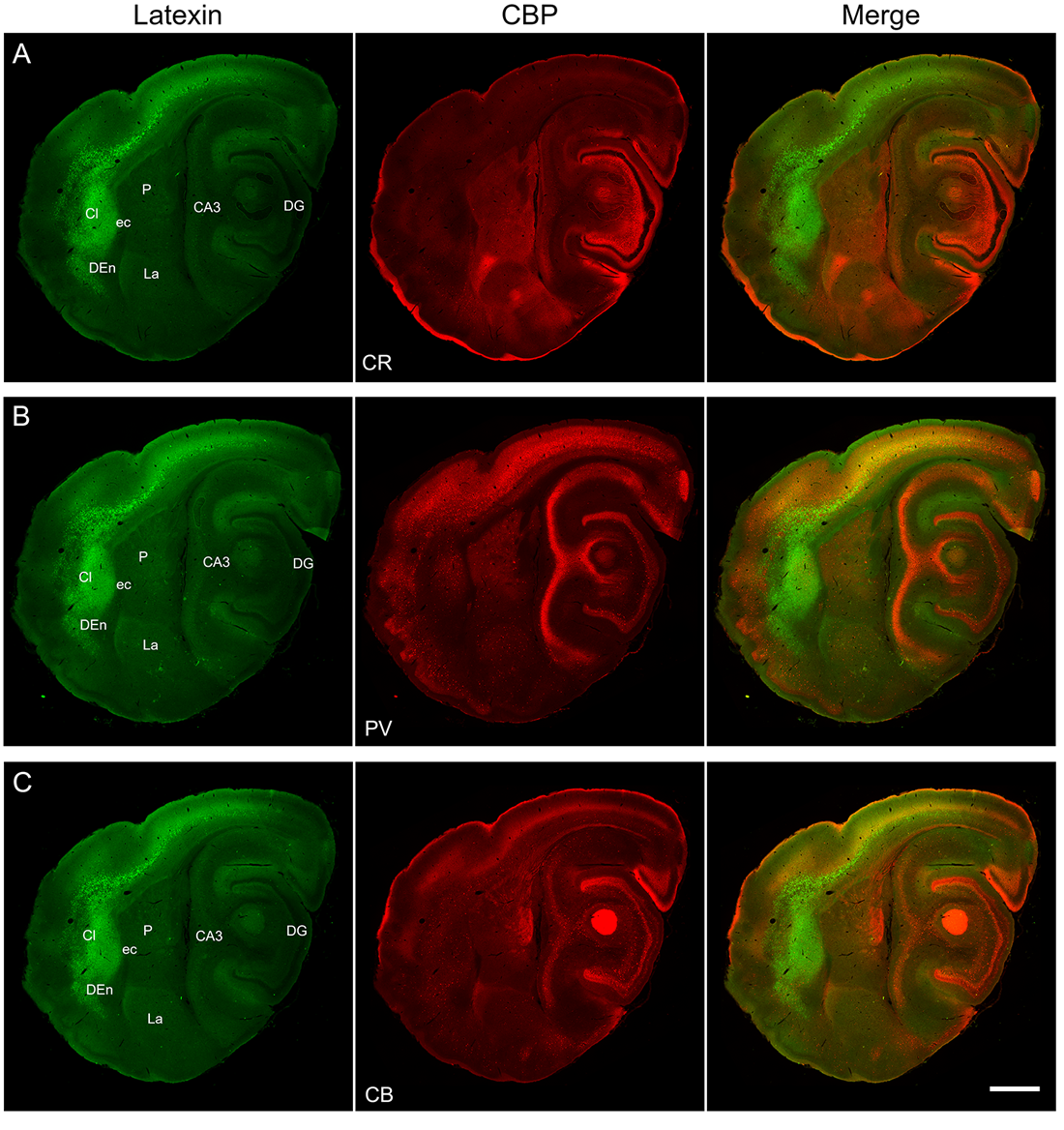
Rena Orman is an Associate Professor in the Department of Physiology & Pharmacology at SUNY Downstate Health Sciences University. Her research investigates neurophysiological and neuroanatomical mechanisms underlying regional and long-range neuronal circuits, with emphasis on the claustrum, amygdala, endopiriform nucleus, and limbic cortex (hippocampal formation, retrosplenial cortex). She utilizes animal models like Seba’s short-tailed fruit bat ( Carollia perspicillata ) and rats, employing techniques such as multi-electrode array recordings, immunohistochemistry, and anatomical reconstructions. Key research themes include: Hemispheric asymmetry in amygdala signaling during fear conditioning Directional connectivity in the claustrum Asymmetrical axonal arbors in hippocampal CA1 neurons High-frequency oscillations in disinhibited neural networks Her recent publications (2019–2022) predominantly explore claustrum neuroanatomy in bats, hippocampal oscillations in rats, and translational models for brain aging. These works highlight cross-species homology, inhibitory neuron distribution, and electrophysiological spread patterns. Dr. Orman mentors graduate students including: Timothy Morello (M.D./Ph.D. candidate, co-mentored with Richard Kollmar and Mark Stewart) Frederick Okoye III (D.O. candidate/Lang Urology Research Fellow, co-mentored with Jeffrey Weiss, Richard Kollmar, and Mark Stewart)
Dr. Joydip Das is a Professor of Medicinal Chemistry at the Department of Pharmacological and Pharmaceutical Sciences, University of Houston College of Pharmacy. His research focuses on identifying molecular targets of ethanol in the presynaptic zone and conducting structure/function studies of C1 domain-containing proteins through molecular dynamics simulations of membrane-associated systems. Ph.D. in Bio-organic Chemistry, Indian Institute of Technology, Bombay, India Postdoctoral training: Medical University of South Carolina, Massachusetts Institute of Technology, and Massachusetts General Hospital His scientific work spans molecular neuroscience, pharmacology, and computational biology, with over 15 years of publications examining alcohol's effects on synaptic proteins like Munc13, C1 domain interactions with activators/inhibitors, and natural product-based drug discovery. Recent studies analyze diacylglycerol analogues, curcumin derivatives, and bryostatin-1 mechanisms. Scientific honors include: Award for Excellence in Teaching (2012) Award for Excellence in Research (2011) Dr. Das has served as Ad hoc reviewer for NIH study sections, Editor-in-Chief for the Journal of Addiction and Dependence, and editorial board member for multiple biomedicine journals.
David Roger Benavides, MD, PhD is an Assistant Professor of Neurology at the University of Maryland School of Medicine, with a secondary appointment in Physiology. His clinical and research focus centers on neuroimmunology, autoimmune encephalitis, and neuroinflammatory diseases. B.S., Biology, St. Mary’s University (Summa Cum Laude) Ph.D., Neuroscience, University of Texas Southwestern Medical Center M.D., University of Texas Southwestern Medical Center Neurology Residency, Johns Hopkins Hospital Neuroimmunology Fellowship, Johns Hopkins University School of Medicine Postdoctoral Fellowship, Johns Hopkins University School of Medicine (Huganir Lab) Dr. Benavides directs a translational research program investigating immune regulation of neuronal function, particularly in autoimmune encephalitis. His work combines cell culture models, animal studies, and multidisciplinary approaches involving pharmacology, proteomics, and molecular biology to identify novel therapeutic targets. His research trends include: Autoimmune encephalitis mechanisms Anti-NMDAR antibody effects Signal transduction pathways Synaptic plasticity modulation Neuroinflammatory disease modeling Clinical treatment protocols Scientific honors: 2023 Elected Fellow, American Academy of Neurology 2023 & 2020 Baltimore Magazine 'Top Doctor' in Neurology - Multiple Sclerosis 2022 Faculty Success Program, NCFDD He holds board certification in Psychiatry and Neurology and contributes to clinical care through the Maryland Center for Multiple Sclerosis Treatment and Research.
Prof. Dr. Rolf Heumann is a faculty member at the Faculty of Chemistry and Biochemistry , Ruhr University Bochum. His research focuses on molecular neurobiochemistry, particularly the role of intracellular signaling proteins in neuronal connectivity and brain plasticity. University: Ruhr University Bochum School: Faculty of Chemistry and Biochemistry Email: rolf.heumann@ruhr-uni-bochum.de ORCID: orcid.org/0000-0003-4364-2655 Research Interests include: Investigating the role of Ras signaling in dendritic spine formation, synapse regulation, and adult hippocampal neurogenesis Studying Ras-mediated protection against neuronal degeneration in Parkinson’s disease and mood disorders Exploring Rheb/mTOR pathway dual functions in cellular growth and apoptosis under stress conditions Analyzing nitric oxide’s interaction with lipid membranes and Ras activity in brain development No scientific awards or student advisees are explicitly mentioned in the provided text.