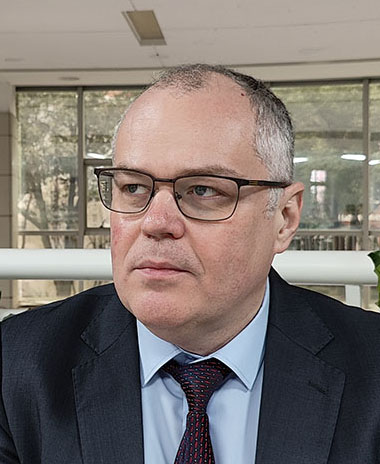
Professor Karl Peter Giese holds the position of Professor of Neurobiology of Mental Health and Co-Head of the Basic & Clinical Neuroscience Department at King's College London's Institute of Psychiatry, Psychology & Neuroscience (IoPPN). His research focuses on memory mechanisms in health and disease, particularly Alzheimer's pathology, synaptic dysfunction, and aging effects. He leads projects funded by Alzheimer's Research UK and other institutions, investigating molecular and cellular bases of memory storage. His work bridges experimental models (e.g., mice) with translational insights for clinical applications. He has over 140 publications, including high-impact studies on CYFIP proteins in dementia and CaMKII in synaptic plasticity. Collaborations include researchers at King's College London and international partners. His lab explores mechanisms linking amyloid-beta, tau, and synaptic proteins to cognitive decline, with recent work applying computational methods to model aging brains. Education: PhD from ETH Zurich (1992), MSc Chemistry from Ruhr-University Bochum (1989). Current grants include Alzheimer's Research UK Network Centres and studies on MNK inhibition for Alzheimer's therapies. Projects span protein synthesis dysregulation, thalamic amyloid pathology, and intellectual disability genetics. His research has been featured in Nature Neuroscience , Brain , and Neuron . He advises on translational neuroscience initiatives and mentors early-career researchers.
Thomas J. O’Dell is a Professor of Physiology and Associate Director of the Brain Research Institute at the University of California, Los Angeles (UCLA). His research focuses on synaptic plasticity mechanisms, particularly long-term potentiation (LTP) and depression (LTD), in the hippocampus. He investigates β-adrenergic signaling, NMDA receptor dynamics, and astrocyte calcium signaling in learning and memory processes. O’Dell’s work bridges molecular neurobiology with behavioral neuroscience, emphasizing how synaptic changes underlie cognitive functions. Research Interests: Neuronal plasticity mechanisms in hippocampal circuits Role of NMDA receptors in synaptic function and disease β-Adrenergic modulation of LTP Calcium signaling in astrocytes and its impact on synaptic transmission Grants & Funding: NIH R21MH115404 (Mechanisms of homeostatic plasticity) NIH R01NS060677 (Astrocyte calcium signaling in striatum) NIH R01MH060919 (NMDA receptor signaling in LTP) Labs/Teams: O’Dell leads a lab at the UCLA Brain Research Institute, collaborating on projects involving synaptic physiology, proteomics, and behavioral neuroscience.
Ju Lu serves as an Assistant Professor at Lehigh University with office location in Iacocca Hall (room 0111), contactable via phone (610.758-3687) and email (jul724@lehigh.edu). Her academic position reflects active engagement in neuroscience research and education within the university's life sciences framework. Education Background: Ph.D. in Neurobiology from Harvard University (2008) B.Eng. in Microelectronics from Tsinghua University (2002) Research Focus: Dr. Lu's work pioneers investigations into neural circuit dynamics and synaptic plasticity mechanisms using advanced optical imaging technologies. Her research spans: Cortical circuit reorganization during motor skill acquisition across species Stress-induced synaptic alterations mediated by microglia in prefrontal circuits Therapeutic applications of psychedelic compounds for neural circuit restoration Development of three-photon microscopy for deep-brain imaging Genetically-encoded neurotransmitter sensors for in vivo studies This multidisciplinary approach bridges molecular neuroscience, systems-level circuit analysis, and translational mental health applications. Publication Trends: Analysis of Dr. Lu's 15 most recent publications (2016-2023) reveals an evolving trajectory from foundational studies on dendritic spine plasticity toward translational neuroscience. Early work emphasized optical imaging methodology and basic plasticity mechanisms, while her 2021-2023 publications increasingly focus on stress-related circuit disruptions and psychedelic therapeutics. A consistent thread involves combining high-resolution in vivo imaging with behavioral models to establish causal links between neural circuit dynamics and cognitive functions. Honors and Awards: No scientific awards or fellowships were documented in the provided materials. Mentorship and Funding: While specific student mentees and grant funding details are not specified in the source text, her extensive collaborative publication record indicates active supervision of research personnel and successful acquisition of research support. Research Infrastructure: Her methodological expertise in advanced microscopy suggests utilization of specialized imaging facilities, though no dedicated laboratory or research team is explicitly identified in the available documentation.
Magnus Richardson is a Professor at the University of Warwick, affiliated with the Mathematics for Real-World Systems Centre for Doctoral Training (CDT), where he previously served as Director (2016–2020) and currently acts as Deputy Director. His research focuses on theoretical neuroscience, mathematical modeling of neural systems, and neurodegenerative diseases. He has led significant grants, including the UKRI-funded £5M renewal for the CDT, extending its operations until 2028. Richardson has supervised numerous doctoral students, including Alice Wang, Ivana Del Popolo, and alumni such as Dr. Emily Hill and Dr. Robert Gowers. His work bridges computational neuroscience and experimental biology, investigating topics like synaptic plasticity, adenosine signaling, and the impact of protein aggregates (e.g., tau, α-synuclein) on neuronal function. Richardson’s teaching includes modules on mathematical biology and machine learning. His GitHub repositories reflect his computational contributions, including neural modeling frameworks for integrate-and-fire neurons. Key research themes include understanding how synaptic inputs and neuromodulators influence neuronal dynamics, and developing mathematical tools to analyze neural systems under pathological conditions. Richardson’s grants and collaborations highlight his role in advancing interdisciplinary research at the intersection of mathematics, neuroscience, and computational biology.
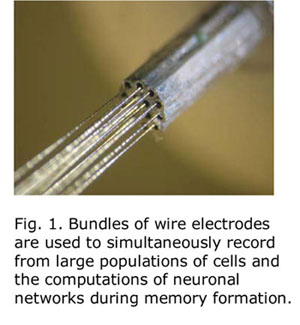
Stefan Leutgeb is a Professor in the Department of Neurobiology at the University of California San Diego (UCSD), affiliated with the School of Biological Sciences. His research focuses on the neural mechanisms underlying long-term memory storage, particularly the role of coordinated neuronal activity and synaptic plasticity in hippocampal and cortical networks. His work investigates how spatial and nonspatial information is encoded, how memory systems degrade in aging and neurodegenerative disorders like dementia, and the translational implications of these findings. Key research areas include hippocampal ensemble dynamics, temporal organization of neuronal activity, and the impact of Alzheimer’s-related proteins (e.g., APP) on neural networks. Leutgeb employs multi-electrode recordings, optogenetics, and computational modeling to study these processes. His lab has discovered critical mechanisms such as pattern separation in the dentate gyrus and the role of theta oscillations in memory encoding. Notable recent contributions include studies on how hippocampal network dysfunction due to APP expression disrupts spike timing ( 2022 ), theta oscillation roles in memory phases ( 2021 ), and the necessity of dentate gyrus activity for spatial working memory ( 2018 ). Despite no explicitly listed awards, his prolific publication record reflects significant contributions to systems neuroscience. Leutgeb’s research also explores cognitive aging and cross-species comparisons of neural processes. His lab emphasizes translational research, aiming to bridge basic neuroscience discoveries with clinical applications for neurodegenerative diseases. Current projects include investigating hippocampal ensemble dynamics during memory retention and developing biomarkers for cognitive flexibility.
Prof. Julijana Gjorgjieva is a tenured W3 Professor of Computational Neuroscience at the School of Life Sciences Weihenstephan, Technical University of Munich (TUM). She leads an independent research group at the Max Planck Institute for Brain Research and is affiliated with the Bernstein Center for Computational Neuroscience. Her research focuses on the principles governing neural circuit development, balancing learning plasticity with functional stability through computational and theoretical approaches. Key interests include synaptic organization, energy-efficient neural computation, and evolutionary optimality principles. Education & Career: B.Sc. Mathematics, Harvey Mudd College (2006) M.A.St. in Applied Mathematics, University of Cambridge (2007) Ph.D. Applied Mathematics, University of Cambridge (2011) Postdoctoral Fellowships: Harvard University (2011-2014), Brandeis University (2014-2016) Max Planck Research Group Leader (2016-2022) W2/W3 Professor at TUM since 2016 Research Interests: Computational neuroscience, theoretical modeling of neural circuits, synaptic plasticity mechanisms, homeostatic regulation, and the interplay of development and evolution in shaping brain architecture. She employs mathematical frameworks to study how circuits achieve robustness while enabling adaptive learning. Awards: Heinz Maier-Leibnitz Prize (2022) Eric Kandel Young Neuroscientist Prize (2021) ERC Starting Grant (2018) Multiple postdoctoral and early-career fellowships Grants & Funding: Includes DFG Collaborative Research Center on Neural Homeostasis, HFSP grants, and EU Horizon 2020 initiatives. Active in mentoring and promoting computational neuroscience through programs like Neuromatch Academy. Labs & Collaborations: Leads a multidisciplinary lab integrating experimental and theoretical approaches. Collaborates with institutions such as the Max Planck Society and international computational neuroscience networks.
Prof. Dr. Fred Wolf is a leading scientist affiliated with the Campus Institute for Dynamics of Biological Networks (CIDBN) at Georg-August-Universität Göttingen. His research focuses on the intersection of neuroscience, computational biology, and epithelial morphogenesis, utilizing advanced imaging techniques and theoretical models to study neural circuits and tissue dynamics.
Richard Kempter is a Full Professor at the Humboldt-Universität zu Berlin, where he leads the Theoretical Neuroscience research group within the Institute for Theoretical Biology, Department of Biology. His research focuses on the neural basis of learning and memory through computational and mathematical modeling of synapses, neurons, and neural networks. He is affiliated with several major research centers including the Bernstein Center for Computational Neuroscience, the Einstein Center for Neurosciences Berlin, and the CRC 1315 Memory Consolidation. Professor Kempter's research interests span theoretical and computational neuroscience with a particular focus on the neural mechanisms underlying learning and memory. His work employs biophysical modeling and mathematical analysis to study synaptic short- and long-term plasticity, the dynamics of single neurons, and the interaction of neurons in recurrently coupled networks. A key aspect of his research investigates how neural systems maintain a balance between learning susceptibility and stability against pathological activity patterns, with model systems including the hippocampus and early auditory system. His research group has made significant contributions to understanding hippocampal sharp wave-ripple events, phase precession in spatial navigation, auditory processing in barn owls, and memory consolidation mechanisms. The group's work combines theoretical approaches with computer simulations to unravel the computational principles of neural circuits, showing particular interest in how neural tissue remains susceptible to learning while maintaining robust stability against pathological activity patterns. Scholarship of the State of Bavaria (03/1994-12/1995) Emmy Noether Fellowship Part I (09/1999-08/2001), funded by the Deutsche Forschungsgemeinschaft Emmy Noether Fellowship Part II (01/2003-09/2008) Guest Professor , HU Berlin, Department of Biology (10/2008-03/2010) Professor Kempter has advised numerous PhD and Master's students throughout his career, with many continuing in neuroscience research. His group maintains strong connections with experimental laboratories to bridge computational models with empirical findings, particularly in hippocampal function and auditory processing. The Theoretical Neuroscience Lab participates in collaborative projects investigating memory consolidation and neural coding principles, contributing significantly to our understanding of how neural circuits implement computational principles underlying learning and memory.
Dr. Mazen Kheirbek is a Professor in Psychiatry at the University of California, San Francisco (UCSF) School of Medicine. He leads research at the Kheirbek Lab, focusing on hippocampal circuits in emotional behavior and psychiatric disorders. Education : BA (Washington University), PhD (University of Chicago), Postdoc (Columbia University) Research Interests center on: Neural circuits in anxiety and depression Hippocampal-prefrontal pathways Adult neurogenesis mechanisms Neuroplasticity in mood disorders Optogenetics and circuit mapping Translational psychiatry Publication Trends show consistent contributions to neuroscience journals, particularly in hippocampal function, neural circuits, and psychiatric disorders. His work often employs animal models and advanced imaging techniques. Scientific Awards : McKnight Foundation Memory & Cognitive Disorders Award (2020) Pew Scholar in Biomedical Sciences (2019) Klingenstein-Simons Fellowship (2019) Human Frontier Science Program Young Investigator (2019) NARSAD Young Investigator Award (2012) Grants include multiple NIH-funded projects: NIH/NIDA 1R01DA062018 (2025-2030): Dopaminergic circuits in insight learning NIH/NIMH 1R01MH136270 (2025-2030): Hippocampal stimulus processing NIH/NIDCD R01DC19813 (2021-2026): Dentate gyrus associative learning
Jenni Harvey is a Professor (Teaching and Research) of Cellular Neuroscience at the University of Dundee. She holds leadership roles in neuroscience education, supervising undergraduate and postgraduate students in Pharmacology/Neuroscience programs. Her research focuses on neuronal synaptic mechanisms, particularly the role of leptin in synaptic plasticity and neurodegenerative diseases like Alzheimer’s. Education: BSc Honours in Pharmacology (University of Edinburgh, 1990), PhD in Neuroscience (University of Birmingham, 1993). Postdoctoral training at the Universities of Birmingham and Aberdeen before establishing her lab at Dundee in 2001. Research Interests : Leptin’s effects on synaptic function, hormonal regulation of synaptic plasticity, Alzheimer’s disease mechanisms, and neuroprotective strategies. Utilizes electrophysiology, transgenic mouse models, and confocal microscopy. Recent Work Trends : Over 77 publications, recent focus on leptin-based therapies for synaptic dysfunction, GPER1 signaling in AMPA receptors, and tau protein regulation. Key findings include leptin’s role in preventing amyloid-driven neuronal degeneration and cognitive enhancement. Awards : Wellcome Trust Fellowships (1999, 2005). Active in public engagement, including Alzheimer’s Society Volunteer Network and Women in Science initiatives. Grants/Projects : 15 active or completed projects, recent topics include leptin mimetics for neurodegenerative diseases and GPER1’s neuroprotective actions. Supervised 9 research projects including MSc/PhD students. Labs/Teams : Leads a research group studying leptin’s molecular mechanisms in the brain, collaborating on UN SDG-related neuroscience research.
Karen D. Parfitt is Professor of Neuroscience and Chair of the Neuroscience Department at Pomona College , where she has been a faculty member since 1994. Her research is centered on synaptic transmission and plasticity in the hippocampus, with a focus on the molecular mechanisms of memory and their disruption in neurodegenerative diseases such as Alzheimer’s Disease. She employs both mouse and Drosophila models to investigate these processes. Her educational background includes a Ph.D. from the University of Colorado Health Sciences Center and a Bachelor of Science from Cornell University. She teaches core neuroscience courses such as Neurobiology with Lab, Neuropharmacology, and Senior Experimental Thesis in Neuroscience. Research Interests: Synaptic Physiology and Plasticity Molecular Mechanisms of Neurotransmitter Release Neurobiology of Alzheimer’s Disease Effects of Exercise on Synaptic Plasticity Neurobiology of Aging Her recent publications reveal a strong trend in exploring how secreted amyloid precursor protein-alpha modulates long-term potentiation (LTP), how exercise influences dopaminergic transmission and synaptic plasticity, and how inflammatory pathways contribute to tauopathy. These works span molecular, cellular, and behavioral neuroscience, reflecting a multidisciplinary approach. Scientific Awards and Honors: President, Faculty for Undergraduate Neuroscience (2000–2001) National Institute of Aging Academic Research Enhancement Award (1998) National Science Foundation Instrumentation Grant (1995) Faculty for Undergraduate Neuroscience Service Award (2011) Mellon Partnership Grant (2009) Multiple Pomona College Faculty Grants (1998, 2014, 2018) She has advised numerous undergraduate students, many of whom are co-authors on her publications, highlighting her commitment to mentored research. She has secured sustained funding from the NSF, NIH, NIA, and AFAR, supporting both instrumentation and research. Dr. Parfitt leads an active laboratory in Seaver Biology, focusing on electrophysiological and molecular analyses of synaptic function.
Adriana B Ferreira, MD, PhD is an Associate Professor in the Department of Cell and Developmental Biology at the Feinberg School of Medicine, Northwestern University. She leads the Adriana Ferreira Lab which focuses on understanding the mechanisms underlying neurite degeneration and synapse loss in neurodegenerative diseases, with particular emphasis on Alzheimer's disease. Dr. Ferreira is also affiliated with the Mesulam Center for Cognitive Neurology and Alzheimer's Disease and the Northwestern University Institute of Neuroscience (NUIN). Dr. Ferreira received her medical degree (MD) from the National University of Cordoba, Argentina in 1981, followed by a PhD in Neuroscience from the same institution in 1985. Her extensive postdoctoral training includes: Neuroscience at the School of Medicine, National University of Cordoba (1985) Neuroscience at the Insitituo de Investigacion Medica (1988) Biology at the University of Virginia (1991) Cell Biology at the Marine Biological Laboratory (1992) Neuroscience at Brigham and Women's Hospital Harvard Medical School (1993) Dr. Ferreira's research primarily investigates the relationship between beta-amyloid deposition and the progressive formation of dystrophic neurites and cell death in hippocampal neurons. Her current work assesses the role of tau in neuronal degeneration mechanisms, using culture and animal models of Alzheimer's disease along with various cell and molecular biology techniques. Her work has significant implications for understanding and potentially treating neurodegenerative disorders characterized by neurite degeneration and synapse loss. Analysis of Dr. Ferreira's recent publications reveals a consistent focus on tau protein fragmentation and its role in neurodegeneration. Her research has evolved from studying basic mechanisms of neurite outgrowth and cytoskeletal organization to investigating specific tau fragments (particularly tau45-230) and their contribution to Alzheimer's disease pathology. More recently, her work has expanded to examine RNA-mediated mechanisms of neurotoxicity, including Death Induced by Survival gene Elimination (DISE) pathways in Alzheimer's disease and aging. Dr. Ferreira has received numerous awards and honors throughout her career: Young Investigator Award, National Alliance for Research in Schizophrenia and Depression (2001) Young Investigator Award, National Alliance for Research in Schizophrenia and Depression (1999) Young Women Investigator, Signa Kappa Foundation (1998) International Fellowship, CONICET (1988) National Fellowship, CONICET (1983) Special Mention (Top of the Class), National University of Cordoba. School of Medicine (1982) Dr. Ferreira serves as a Review Editor for Frontiers in Neuroscience and has been an active member of the Argentinian Research Council (Biology and Medicine Areas) since 1996. She has also contributed to scientific review processes as a reviewer for the Ministry of Health and Consumer's Affairs in Spain (2006-2007). Her long-standing membership in professional societies, including the Society for Neuroscience since 1989, demonstrates her commitment to advancing the field. The Ferreira Lab operates within the Department of Cell and Developmental Biology at Northwestern's Feinberg School of Medicine, with strong connections to the Mesulam Center for Cognitive Neurology and Alzheimer's Disease. The lab employs a range of cellular and molecular approaches to investigate neurodegenerative mechanisms, with particular expertise in neuronal cell culture models and analysis of cytoskeletal changes in neurodegeneration.
Peter Jonas is the Magdalena Walz Professor for Life Sciences at the Institute of Science and Technology Austria (ISTA) since 2022, and has been a Professor at ISTA since 2010. Previously, he served as Professor of Physiology and Department Head at the University of Freiburg, Germany (1995–2010) and Associate Professor at the Technical University of Munich (1994–1995). Current Role: Group Leader, Cellular Neuroscience Key Techniques: Nanophysiology, Presynaptic Patch-Clamp, Two-Photon Ca2+ Imaging, Optogenetics, Functional Anatomy His research focuses on synaptic signaling mechanisms in the hippocampus, particularly how glutamatergic and GABAergic synapses contribute to network functions. He investigates: Biophysical signaling and plasticity at mossy fiber synapses Role of synaptic properties in higher network functions Calcium channel-vesicle coupling dynamics Modeling of synaptic and network-level phenomena The group employs in vitro and in vivo approaches, combining experimental and computational methods to decode brain function. Recent work highlights the structural and functional analysis of 'giant' cortical presynaptic terminals. Scientific Awards include: Magdalena Walz Professor for Life Sciences (2022) Peter Seeburg Integrative Neuroscience Prize (2021) EMBO Membership (2019) FWF Wittgenstein Award (2016) DFG Gottfried Wilhelm Leibniz Award (2006) His students and postdocs include PhD candidates Silvia Jamrichova, Peipeng Lin, Rebecca Morse Mora, and Priyansha Verma, alongside postdocs Katharina Lichter, Andrea Navas Olive, and Jake Watson. The lab also collaborates with technical staff and scientific computing experts.
Roger J. Colbran, PhD, is a Professor and Vice Chair in the Department of Molecular Physiology and Biophysics at Vanderbilt University School of Medicine. His research focuses on calcium/calmodulin-dependent protein kinase II (CaMKII) and its roles in synaptic signaling, neuropsychiatric disorders, and neurological conditions. His lab investigates mechanisms of synaptic plasticity, particularly in the striatum and hippocampus, with implications for learning, memory, and disease. Key affiliations include the Vanderbilt Brain Institute, Vanderbilt Kennedy Center, and Vanderbilt Center for Addiction Research. His work integrates biochemistry, electrophysiology, and proteomics to study CaMKII interactions with receptors (e.g., NMDA, voltage-gated calcium channels) and signaling pathways (e.g., endocannabinoids, phosphatase regulation). Recent articles highlight CaMKII’s role in striatal sociability, nuclear signaling via Shank3 interactions, and ASD-related mutations. His lab’s multidisciplinary approach bridges basic neuroscience with translational research on disorders like addiction and neurodegeneration.
Alexey Semyanov is a Professor and Director of Neuroscience Center at Jiaxing University's Medical College since 2020. His career includes leadership roles at the Nizhny Novgorod Neuroscience Center (2005–2016), RIKEN Brain Science Institute (2005–2014), and UCL Institute of Neurology (1998–2005). Dr.Sc. (2002) & Ph.D. (1998) from Institute of Theoretical and Experimental Biophysics, Russia Second M.Sc. in Neuroscience (1996–1998), Pushchino State University M.Sc. in Biophysics (1991–1996), University of Nizhny Novgorod His research focuses on astrocyte-neuron interactions , extrasynaptic signaling , GABAA receptor dynamics , and calcium activity in brain networks. Recent work explores mitochondrial dysfunction in astrocytes and calcium signaling mechanisms during locomotion. Key publications (2011–2023) reveal expertise in hippocampal plasticity , synaptic transmission , and neuroglial communication . Awards include Distinguished Professor at Tongren People’s Hospital (2024) and membership in Academia Europaea (2019). 2024 - Distinguished Professor, Tongren People’s Hospital 2023 - Honorary Professor, Chengdu University of TCM 2019 - Member, Academia Europaea 2016 - Corresponding member, Russian Academy of Sciences