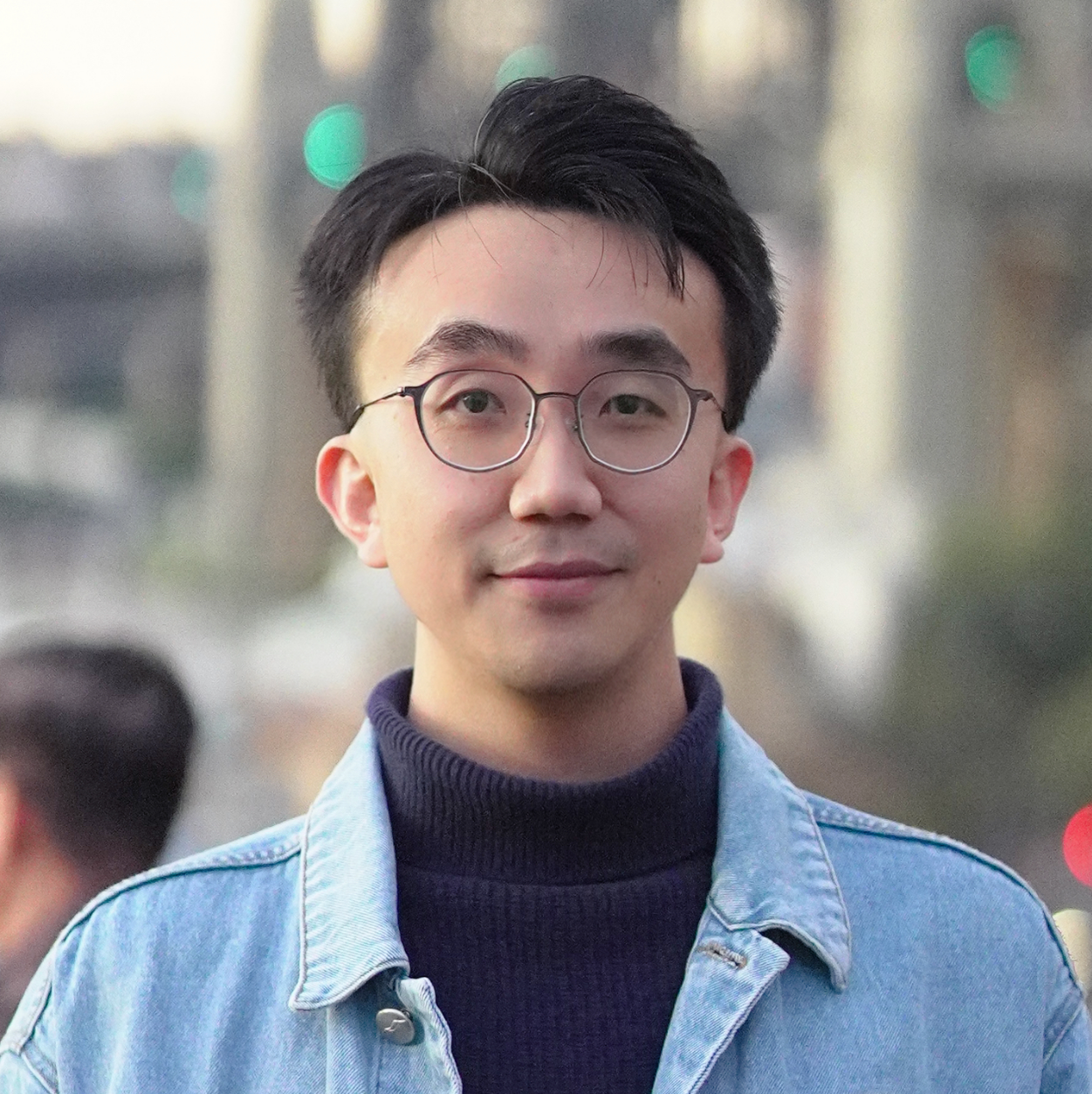
Professor Zonghan Xie is a faculty member at the University of Adelaide's School of Electrical and Mechanical Engineering within the Faculty of Sciences, Engineering, and Technology. He holds the academic rank of Professor and serves as the Associate Dean (International), overseeing strategic partnerships with institutions in East and North Asia. His research focuses on materials science, with particular emphasis on surface engineering, high entropy alloys, corrosion resistance, and bio-inspired materials. Dr. Xie has a PhD from the University of New South Wales and has held research positions at the University of Sydney, the Los Alamos National Laboratory (USA), and Edith Cowan University (Australia). His work integrates experimental and computational methods to advance material design for applications in energy, corrosion protection, and biomedical devices. Education: PhD in Technical Ceramics, University of New South Wales, 2004 International Postgraduate Research Scholarship (Australian Government) Research Interests: Professor Xie's research spans surface science, deformation mechanisms of structural materials, wear and corrosion studies, bio-inspired materials, and advanced materials characterization techniques such as nanoindentation, electron microscopy, and X-ray diffraction. He also explores computational modeling (first-principles calculations and finite element analysis) to predict material behavior. Grants and Awards: Australian Post-Doctoral Fellowship (Australian Research Council, 2004) Labs and Teams: He leads a research group focused on bio-inspired materials and surfaces, collaborating on projects involving high entropy alloys, thin-film technology, and calcified tissues. His team's work has produced numerous publications in materials science and engineering journals.
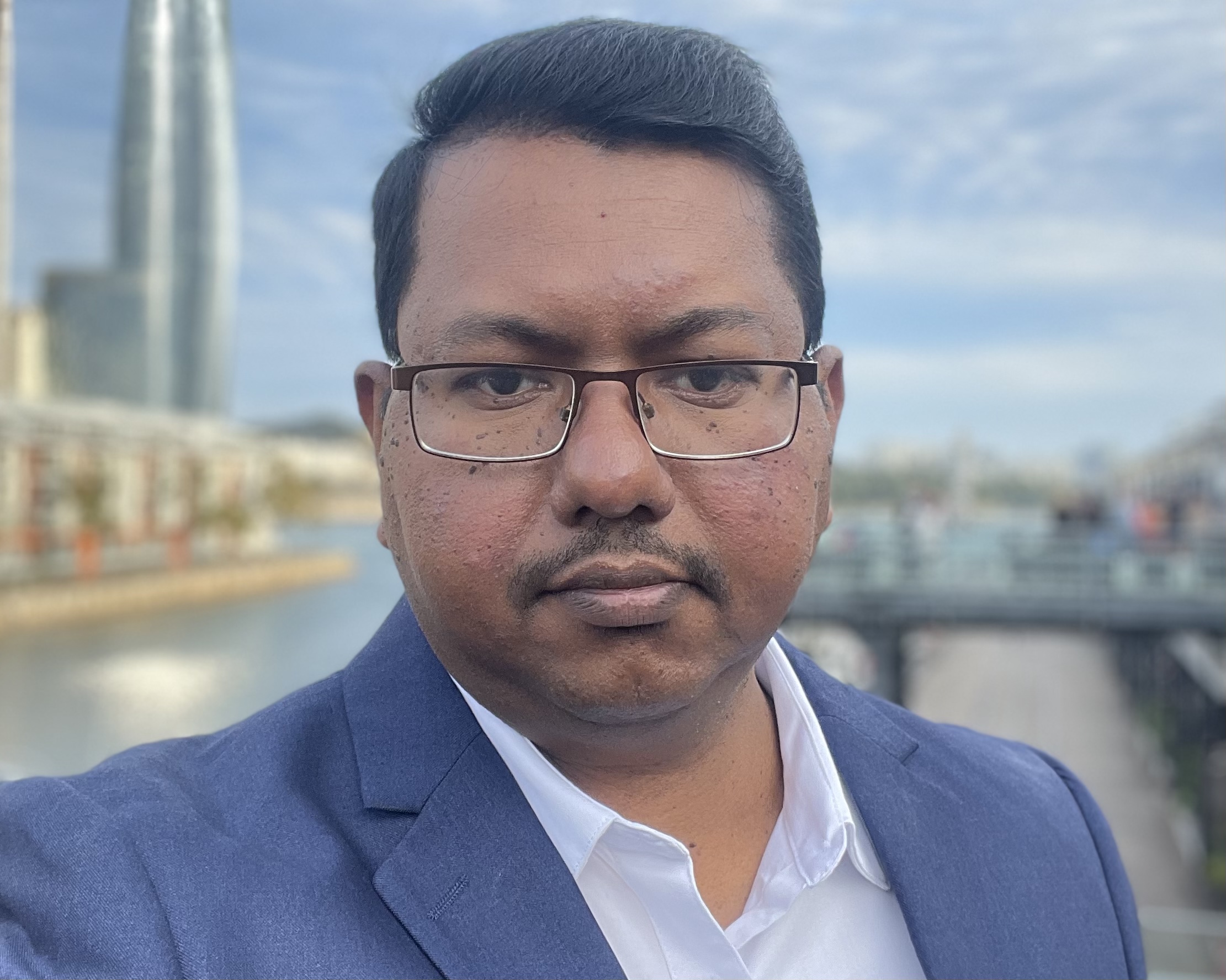
David Powell is a Professor at the Monash e-Research Centre, Monash University. His research focuses on genomic analysis, immunology, and data-driven approaches in health and disease. He actively collaborates internationally and leads multiple projects addressing cancer, infectious diseases, and environmental health. Powell manages key research infrastructure including High-Performance Computing and the HELIX data platform. Research Interests : His work spans genomic studies of pathogens (e.g., Clostridioides difficile), T-cell biology, and computational methods in healthcare. Recent studies explore immunotherapy resistance mechanisms in cancers and cerebellar atrophy patterns in epilepsy. Projects : Current initiatives include The One Water Consortium (sustainable water systems), pediatric cancer therapeutic targets, and immune checkpoint research. He has secured funding for over 20 projects since 2015. Equipment : Oversees facilities like Immersive Visualisation Capability and Research Cloud, supporting large-scale data analysis in life sciences.
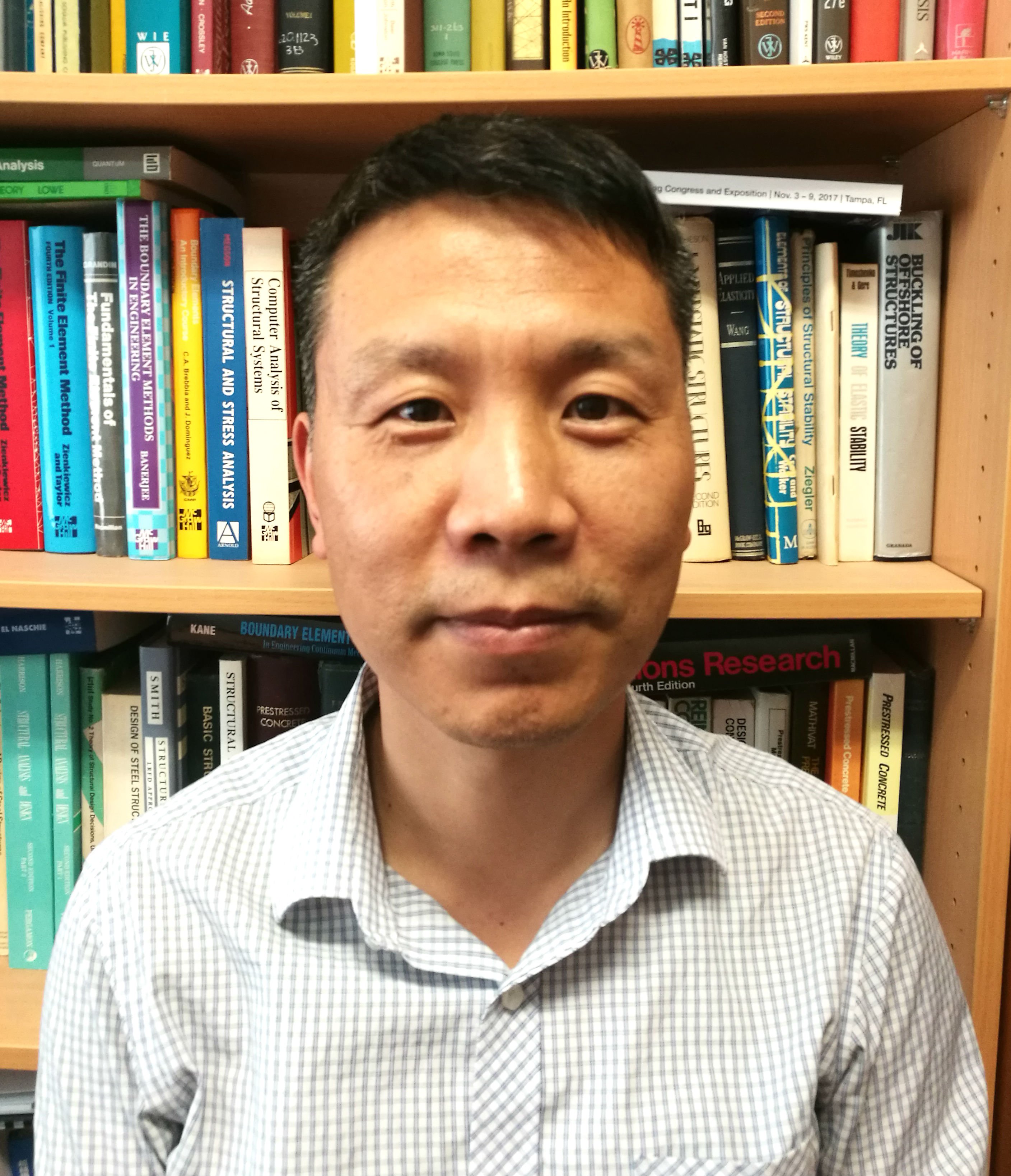
Jian Liu is a Research Fellow at the School of Physics, Mathematics and Computing, University of Western Australia, and serves as Program Scientist for Instabilities and Control at the ARC Centre of Excellence for Gravitational Wave Discovery (OzGrav). His research focuses on gravitational wave instrumentation, specializing in suppression of high-power instabilities (e.g., angular/parametric instabilities) and quantum performance enhancement in detectors. He leads development of a 2-micrometre cryogenic silicon test mass optical cavity at the Gingin High Optical Power facility. Education: PhD in Gravitational Wave Instrumentation, University of Western Australia (2018) MSc, Beijing Normal University (2014) BEng, Huazhong University of Science and Technology (2011) Research Interests: Dr. Liu's work integrates laser optics, quantum measurement, and precision engineering to advance gravitational wave detection. Key areas include optical spring amplification, seismic isolation systems, and noise reduction in interferometers. His collaborations with LIGO-Virgo-KAGRA emphasize real-time detector characterization and multi-messenger astrophysics. Publications: Recent articles (2020-2025) demonstrate a strong focus on gravitational wave detector optimization, quantum noise suppression, and electromagnetic counterpart analysis. Trends include advanced parametric instability control, cryogenic silicon technologies, and machine learning applications for transient detection. Collaborative works frequently involve multi-institutional teams analyzing LIGO/Virgo observational data. Advising & Facilities: Actively supervises PhD/HDR students in gravitational wave instrumentation. Primary research conducted at UWA's Gingin High Optical Power Facility, contributing to next-generation detector R&D for global observatories.
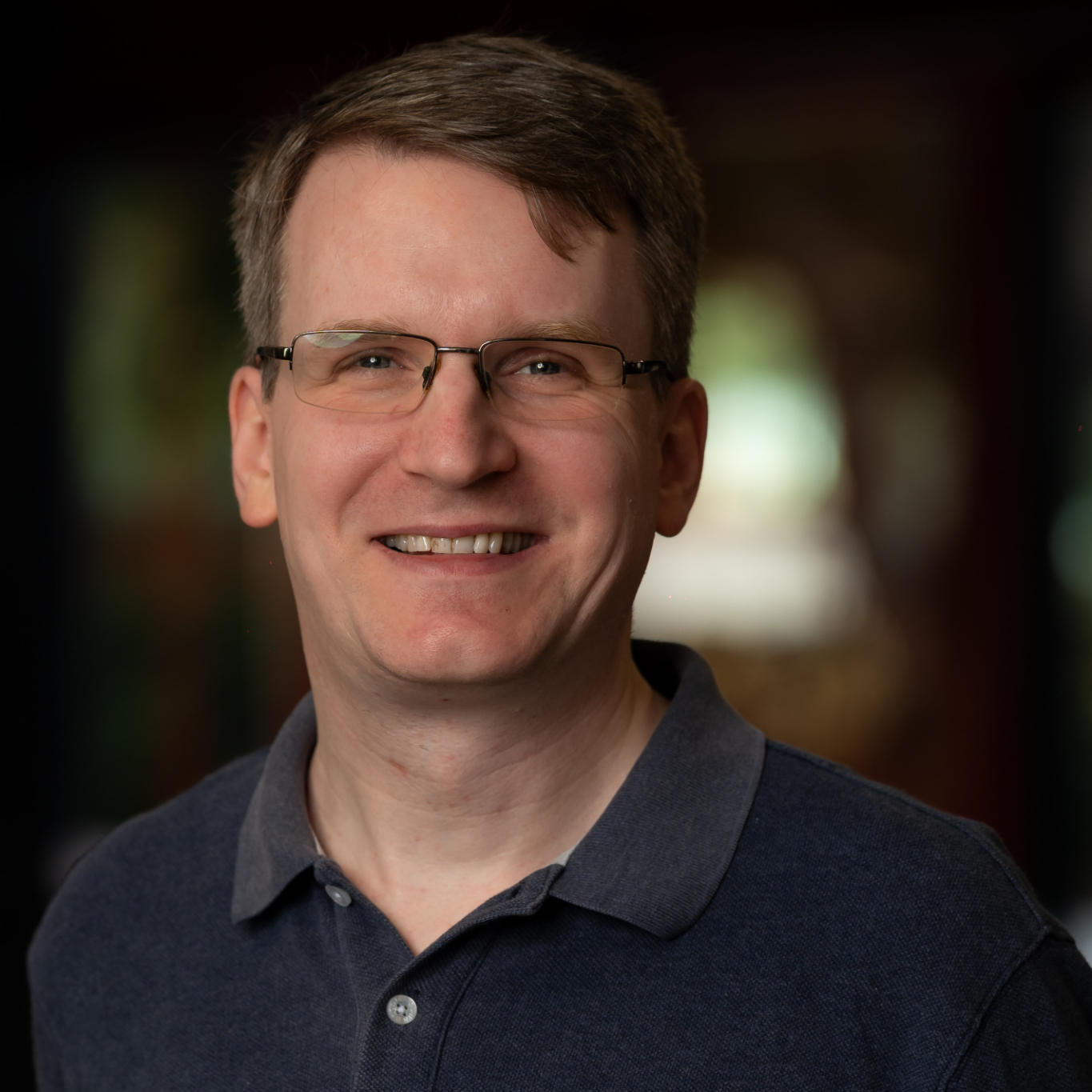
Professor Greg Leslie is a distinguished academic at the University of New South Wales, where he serves in the School of Chemical Engineering. His research focuses on water and nutrient recycling using experimental and numerical modeling techniques to improve membrane processes for recycling water and nutrients from municipal and industrial waste. He has made significant contributions to understanding the performance of polymeric and ceramic membranes in desalination, water recycling, biofuels, and meat abattoir applications. Professor Leslie's research interests center on sustainable water management, with particular emphasis on membrane technologies for water recycling and treatment. His work spans fundamental research on membrane processes, including fouling mechanisms, membrane aging, and performance optimization, as well as practical applications in water recycling systems. His research team actively investigates innovative approaches to reduce the environmental footprint of water, food, and biofuel sectors through advanced membrane technologies and sustainable engineering practices. Recent work has expanded into areas such as green hydrogen production, climate resilience, and food-water security, demonstrating the breadth and relevance of his research portfolio. Analysis of Professor Leslie's recent publications reveals a strong focus on membrane technology applications for water treatment, with increasing attention to sustainability challenges including climate change impacts, resource recovery, and the water-energy nexus. His work spans fundamental membrane science, practical water treatment applications, and broader sustainability issues related to water security. The integration of computational methods, particularly machine learning applications for water treatment optimization, represents a growing trend in his research portfolio. His publications demonstrate consistent high-impact contributions across multiple disciplines including chemical engineering, environmental science, and sustainable development. Finalist, New Inventors, ABC TV program for 'RO sub surface drip irrigation system' (2011) Co-recipient, Australian Museum Eureka Prize for Water Innovation (2010) Most Outstanding Technical Paper, American Desalting Association (1996) Elected to the College of Fellows, Institute for the Advancement of Engineering (1995) Exemplary Service Award from the Orange County Engineering Council (1995) Postdoctoral Fellowship, National Water Research Institute (1994) Professor Leslie has supervised numerous students throughout his career, currently mentoring 2 postdocs and 5 PhD students, with previous supervision of 3 Masters and 4 PhD students to completion. His current students include Keng Han Tng (Mechanical Reliability of Water Recycling Systems), Amos Branch (MBR validation guidelines), David Grant (ceramic membranes for water reuse in broiler abattoirs), Xuefei Liu (CFD modeling of MBR Systems), and Zenah Bradford-Hartke (Phosphorus recovery from wastewater plants). He has secured significant research funding including Australian Research Council Discovery Projects and Australia-India Strategic Research Fund grants, demonstrating strong grant acquisition capabilities in water research. Professor Leslie leads a vibrant research team focused on membrane processes for water recycling and treatment. His team collaborates extensively with industry and international partners on projects addressing critical water challenges. Current work includes developing innovative solutions for water security in Aboriginal communities, optimizing green hydrogen production with reduced water demands, and advancing membrane technologies for sustainable water management. The team maintains strong connections with professional organizations and government bodies, contributing to national and international water policy development through committee memberships and expert panels.
Dr. Teng Xiong is a Researcher affiliated with the Faculty of Arts, Design & Architecture at UNSW Sydney , focusing on thermal energy storage and nanomaterials for building applications. His work integrates phase change materials (PCMs), graphene, and metallic nanowires to improve building energy efficiency and sustainability. His research interests span Phase Change Materials (PCM) in Construction Thermal Conductivity Enhancement Sustainable Building Materials Heat Transfer Optimization Nanoparticle Integration in Concrete Dr. Xiong's publications highlight trends in PCM composites, waste material utilization in concrete, and advanced cooling systems for tropical climates. His recent work explores corona discharge for condensation enhancement and slag-based geopolymers for marine infrastructure durability. Scientific awards include the Early Career Researcher (ECR) Development Fund . He has contributed to 21 journal articles and 3 book chapters, primarily on energy-efficient materials and systems. Contact: teng.xiong@unsw.edu.au | ORCID
Professor Michael Ferry is Head of School at the School of Materials Science & Engineering, University of New South Wales (UNSW), a position he has held since 2019. He was promoted to Professor at UNSW in 2008 after progressing through the ranks from Lecturer to Associate Professor and Senior Lecturer. His academic journey began with a BEng Hons I from the University of Wollongong in 1989, followed by a PhD from UNSW in 1994. Professor Ferry's research focuses on advanced materials science, particularly bulk metallic glasses, magnesium alloys, and microstructure-property relationships. His work spans fundamental metallurgical principles to applied materials engineering, with significant contributions to understanding recrystallization processes, grain boundary behavior, and the development of novel alloy systems. His recent research has expanded into additive manufacturing of advanced materials and the characterization of complex microstructures using cutting-edge techniques. Analysis of his recent publications reveals a strong emphasis on lightweight magnesium alloys, bulk metallic glasses, and advanced characterization techniques. His work often combines experimental approaches with computational modeling to understand fundamental material behaviors at multiple scales. The research demonstrates a consistent focus on structure-property relationships with practical applications in energy storage, lightweight structural materials, and high-performance alloys. Professor Ferry has received significant professional recognition including Chartered Materials Professional status (Australia, 2020), Fellowship of the Institution of Engineers Australia (2007), and Fellowship of the Institute of Materials, Minerals and Mining (UK, 2006). He is also a Chartered Engineer (UK, 1996) and Chartered Professional Engineer (Australia, 1996). His collaborative research extends internationally through visiting positions at institutions including the University of Cambridge (2002), University of Manchester (2004), Ecole des Mines de Saint Etienne (2008-11), National University of Singapore (2012-13), and Baosteel in China (2013-16). These collaborations have significantly contributed to his extensive publication record spanning over three decades with continuous output through 2025.
Dr. Abhnil Amtesh Prasad is a Research Fellow at the Climate Change Research Centre (CCRC), University of New South Wales (UNSW). He holds a PhD in Physics from the University of Auckland and has expertise in atmospheric science, climate modeling, and renewable energy systems. His current work focuses on satellite remote sensing of clouds, solar irradiance forecasting, and the climatic impacts of aerosols and cloud dynamics. He collaborates with Prof. Steven Sherwood’s Physical Meteorology and Atmospheric Climate Dynamics Group, developing algorithms for geostationary satellite data to improve short-term solar energy predictions. Key research interests include tropical cloud physics, climate change processes, and energy system resilience under future climate scenarios. Dr. Prasad’s research integrates remote sensing techniques with climate models, emphasizing high-resolution simulations and machine learning applications. His work bridges atmospheric science and renewable energy, addressing challenges such as cloud-induced solar intermittency and aerosol effects on energy production. Recent studies include analyzing the 2019–20 Australian bushfires’ impact on solar power and developing frameworks like TorchClim v1.0 for enhancing climate model physics through deep learning. His publications span climate science, renewable energy systems, and atmospheric dynamics, with a focus on practical applications for energy reliability and policy. Despite no listed academic awards or grants, his contributions to interdisciplinary climate-energy research are notable. He maintains active collaborations within the UNSW Clean Energy research network and utilizes advanced facilities for climate modeling and remote sensing analysis.
Professor Wei Gao is a faculty member at the School of Civil and Environmental Engineering, University of New South Wales. His research focuses on integrating AI and machine learning with structural engineering, stochastic mechanics, composite materials, and infrastructure safety against natural hazards. He leads national research grants including ARC-funded projects on generative design of nondeterministic impacts and data-driven structural safety assessment. Research Interests: AI-driven structural analysis/design Computational uncertainty mechanics Composite materials and metamaterials Infrastructure safety under fire/natural hazards Engineered cementitious composites Grants & Projects: ARC Discovery Projects (e.g., DP240102559, DP210101353) ARC Linkage Projects (e.g., IH210100048, IH200100010) Focus areas: wildfire safety, composite material optimization, circular economy in construction Editorial Roles: Editor-in-Chief of Modelling: An International Journal Associate Editor of Engineering Structures Subject Editor of Applied Mathematical Modelling His work spans computational tools for structural assessment, smart material design, and probabilistic safety frameworks. Current projects address AI-assisted design, sustainable materials, and fire-resilient infrastructure systems.
Dr. Peter Humburg is a researcher at UNSW Sydney with expertise in biostatistics and bioinformatics. His work focuses on applying statistical models to genomics, epigenomics, and predictive modeling in healthcare contexts. He has collaborated on major grants including a $2.9M MRFF project on neurostimulation for spinal cord injury rehabilitation and a $544K ARC Linkage grant developing educational tools for early childhood learning (ORICL). His research spans pain mechanisms, epidemiology, and genomic analysis in conditions like osteoarthritis and dementia prevention. Dr. Humburg has published over 60 peer-reviewed articles across journals like NeuroImage, Scientific Reports, and BMC Medicine, with particular emphasis on translational research linking statistical methods to clinical outcomes. Education & Training: Academic qualifications not explicitly stated in provided texts, though extensive publication history suggests PhD-level training in biostatistics or related field. Research Interests: The integration of advanced statistical techniques with clinical data to improve diagnosis, prognosis, and treatment prediction in areas like chronic pain, neurodegenerative diseases, and musculoskeletal disorders. He also explores educational methodologies for early childhood development through data-driven approaches. Grant Contributions: Led or co-investigated projects totaling over $3.5M in funding from MRFF, ARC, and industry partners. His work emphasizes interdisciplinary collaboration between engineering, medicine, and education sectors. Awards: No specific prizes listed, though his sustained research output demonstrates academic recognition. Labs/Teams: Affiliated with UNSW's research infrastructure including high-performance computing facilities. Collaborates with multidisciplinary teams in biomedical engineering and public health initiatives.
Professor Peter Halley is a Professor in polymer processing at the School of Chemical Engineering, University of Queensland. He holds affiliations with the Dow Centre for Sustainable Engineering Innovation, the ARC Training Centre for Bioplastics and Biocomposites, and the Centre for Marine Science. His academic roles include leading translational research in bio-based materials, biopolymers, and sustainable plastics. Education: Bachelor of Engineering, University of Queensland Doctor of Philosophy, University of Queensland Postgraduate Diploma in Education, University of Queensland Research Interests: His work focuses on sustainable materials, biodegradable polymers, and their applications in biomedical, agricultural, and high-value manufacturing sectors. Key projects include developing biobased polymers, understanding nanostructured polymer processing, and advancing circular plastics initiatives. Articles Overview: His recent publications explore topics such as polyolefin durability, bioplastic composites, and biochar applications in agriculture. These studies emphasize sustainability, material innovation, and environmental impact. Awards: IChemE Shedden Uhde Award (2004) CRC Sugar Innovation Award (2008) CRCPolymers Chairman’s Award (2011) CRC Association Technology Transfer Award (2002, 2015) Advising & Grants: Supervised over 30 PhD projects, with current focuses on biodegradable films and plastic waste solutions. Secured significant funding through ARC and industry partnerships for projects like the Solving Plastic Waste CRC. Labs & Teams: Leads initiatives at the Advanced Materials Processing and Manufacturing (AMPAM) Centre and collaborates with global institutions like the U.S. Department of Agriculture and European universities.
Professor Willy Zwaenepoel is a distinguished academic and Dean of the Faculty of Engineering at the University of Sydney. He holds Fellowships from ACM, IEEE, and ATSE. His research focuses on distributed systems, operating systems, and experimental computer science. Previously, he spent two decades at Rice University and nine years as Dean of EPFL's School of Computer and Communication Sciences before joining Sydney in 2018. Education: BS/MS, Ghent University (1979) MS/PhD, Stanford University (1980/1984) Research Interests: His work emphasizes distributed systems and operating systems, with contributions to key-value stores, transactional systems, and large-scale graph processing. Recent projects include optimizing geo-replicated systems and improving datacenter scheduling efficiency. Articles Trends: Recent publications address OS scheduling (Nest), distributed graph mining (Tesseract), and transactional systems' performance limits. He explores hardware-software co-design for multicore systems and energy-efficient data centers. Awards: Fellow of ACM (2021) Fellow of IEEE (2020) Fellow of ATSE (2019) Grants & Advising: Active grants include adaptive key-value store research (2021) and large-graph processing systems (2018). He advises PhD students and postdocs on distributed systems and storage challenges. Labs/Teams: Leads the Sydney systems research group focusing on scalable distributed systems and cloud infrastructure.
Associate Professor Kee Siong Ng is affiliated with the School of Computing at the Australian National University (ANU). His research focuses on privacy-preserving technologies, reinforcement learning, distributed systems, and blockchain applications. He has contributed extensively to areas such as privacy-preserving machine learning, federated learning, entity resolution, and scalable database systems. His work emphasizes balancing computational efficiency with privacy guarantees in data-driven environments. Key research contributions include methodologies for secure data processing in federated learning frameworks, privacy-preserving reinforcement learning for population-level systems, and blockchain-based digital identity solutions. He has led projects like Integrated Graph Analytics and contributed to initiatives involving the Australian Medicare dataset. His research often intersects theoretical foundations with practical implementations, addressing challenges in scalability and real-world applicability. Ng has published over 24 peer-reviewed articles, with notable works appearing in venues like IEEE Transactions on Parallel and Distributed Systems and Transactions on Machine Learning Research . His articles frequently explore cutting-edge topics such as differential privacy, approximation algorithms, and multi-agent systems. Collaborations include industry partnerships and interdisciplinary efforts involving health informatics and financial intelligence. His projects include Integrated Graph Analytics (2018–2021): Focused on scalable graph-based data analysis. Translational Fellowship (2018–2022): Bridging theoretical research with practical applications. Research on Data Sets for Health and Pharmaceutical Schemes (2020): Analyzing Medicare and pharmaceutical data with privacy safeguards. Ng's work prioritizes ethical AI and privacy-by-design principles, with a focus on real-world deployment challenges in distributed and federated systems.
Amanda Parker is a Researcher in the School of Computing at the Australian National University (ANU). Her work focuses on applying machine learning to materials science and nanotechnology, with particular emphasis on nanoparticle design, multi-dimensional materials modeling, and computational chemistry. She has supervised research students and contributed to projects such as the 'Computing for Social Good Seed Grants 2023,' exploring efficient high-performance computing methods. Her research interests span machine learning algorithms, data-driven materials design, and the computational analysis of nanomaterials. Recent projects include developing graph-based representations for multi-dimensional materials and optimizing active learning strategies for scientific simulations. She has published extensively on topics like nanoparticle classification, interfacial informatics, and the prediction of material properties using Bayesian inference and neural networks. Her work bridges computational methods with experimental insights, aiming to accelerate the discovery of novel materials for energy, catalysis, and environmental applications. Current efforts emphasize minimizing experimental bias and enhancing computational efficiency through advanced machine learning techniques.
Associate Professor Prashant Sonar is an academic at Queensland University of Technology (QUT), leading the Organic and Printed Electronics Research Group. He holds an Associate Professor position in the CPME School under the Science and Engineering Faculty. His expertise spans organic electronics, materials science, and energy storage systems. Sonar earned his PhD from Johannes Gutenberg-Universität (Germany) in 2004 and completed postdoctoral research at ETH-Zurich (Switzerland). He is a Fellow of the Royal Chemical Society and has received multiple awards, including an Australian Research Council Future Fellowship (2014–2018). Education: PhD in Natural Sciences (2004), Max Planck Institute for Polymer Research, Germany MSc in Polymer Chemistry (1998), North Maharashtra University, India BSc in Chemistry (1996), S. G. Patil Senior College, India Research Interests: Sonar’s work focuses on organic and flexible printed electronics, including organic photovoltaics, sensors, and energy storage systems. He develops novel materials for optoelectronic devices and sustainable technologies. His group emphasizes solution-processable semiconductors and printable prototypes. Publications & Trends: Recent work includes innovations in paper-based sensors for environmental monitoring, high-performance organic field-effect transistors, and sustainable perovskite solar cells. His research bridges fundamental material science with applied technologies like neuromorphic computing and bioelectronics. Awards & Recognition: Fellow of the Royal Chemical Society (2017) Australian Research Council Future Fellowship (2014–2018) Multiple industry and academic awards for contributions to materials science Grants & Teams: Sonar leads projects funded by ARC, industry partners, and international collaborations. His team collaborates on device fabrication facilities at QUT and develops printable electronics for real-world applications. The group emphasizes interdisciplinary approaches, combining chemistry, physics, and engineering. Labs & Facilities: The Organic and Printed Electronics Research Group operates advanced facilities for device fabrication, characterization, and testing. Collaborations include Dr. Soniya Yambem and international institutions like ETH-Zurich and Max Planck Institute.
Dr. Victoria Timchenko is a Senior Lecturer in the School of Mechanical and Manufacturing Engineering at UNSW Sydney. Her research focuses on computational fluid dynamics, natural convection, heat transfer, and biomedical engineering applications such as nanoparticle transport for cancer treatment. Her work integrates numerical simulations and experimental studies to address challenges in energy efficiency, renewable energy systems, and medical technologies. Key research interests include solidification/melting processes under varying gravity conditions, microchannel heat sink optimization, and laser hyperthermia using gold nanoshells. She has authored over 131 journal articles, 115 conference papers, and contributed to 6 book chapters. Her interdisciplinary approach bridges mechanical engineering with biomedical and renewable energy applications. No scientific awards or advisee students are explicitly listed. Dr. Timchenko collaborates on projects involving solar chimney integration, vortex generators for photovoltaic cooling, and advanced composite materials. Her research often addresses practical engineering solutions for energy efficiency, thermal management, and sustainable technologies.