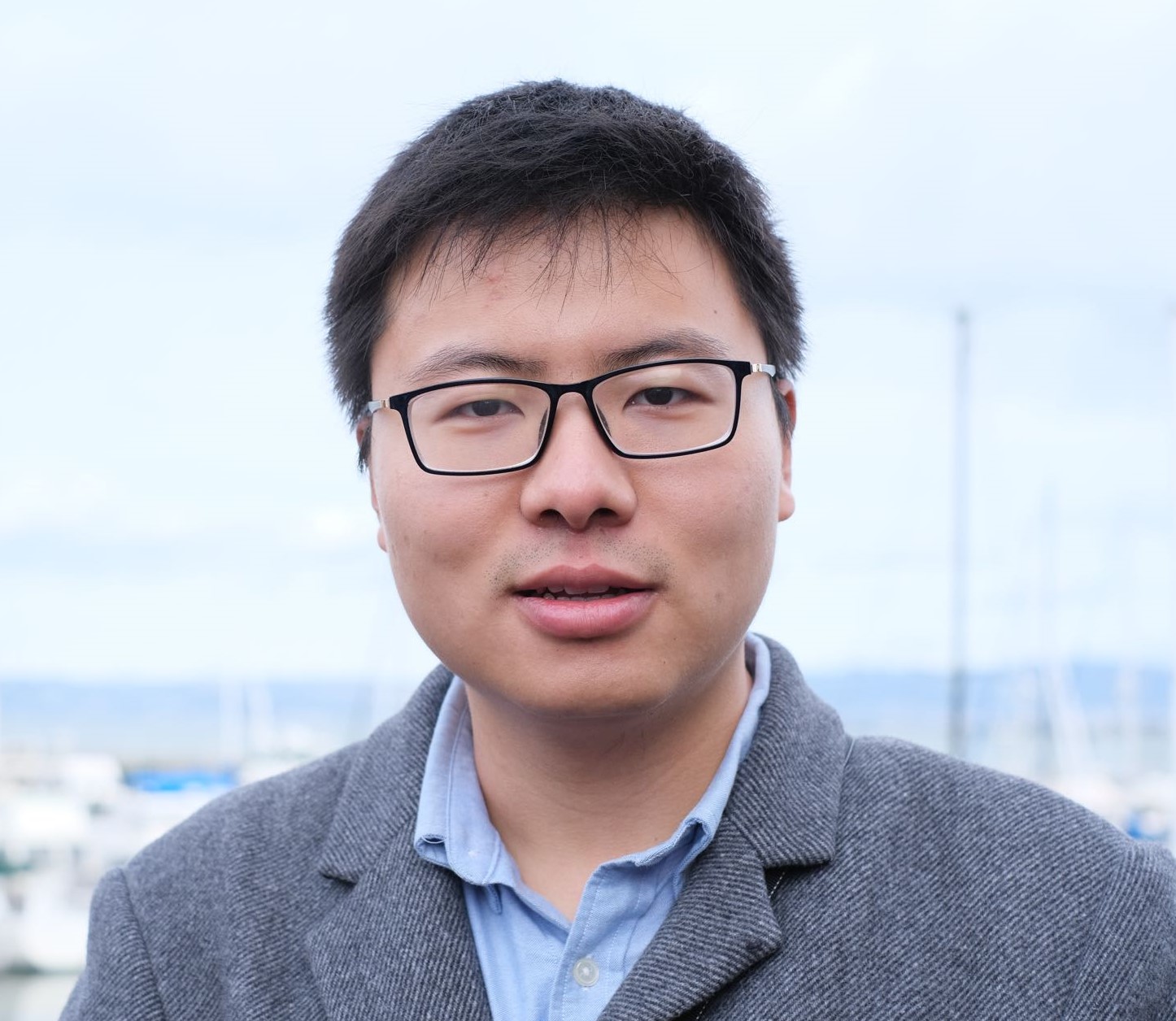
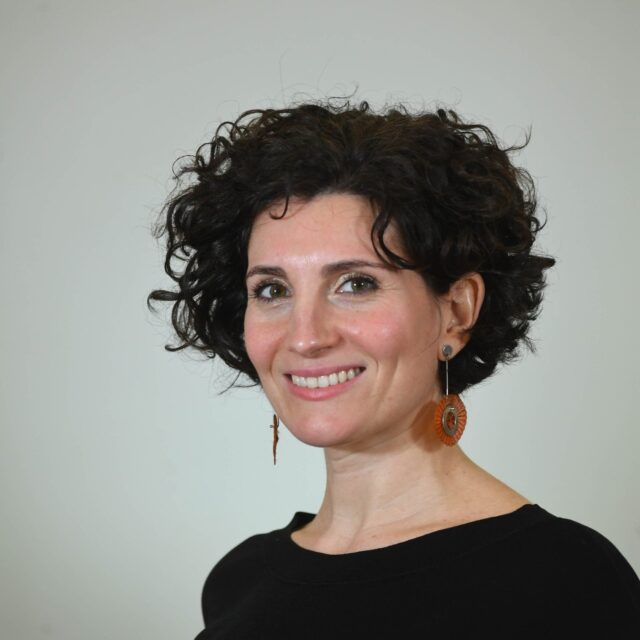
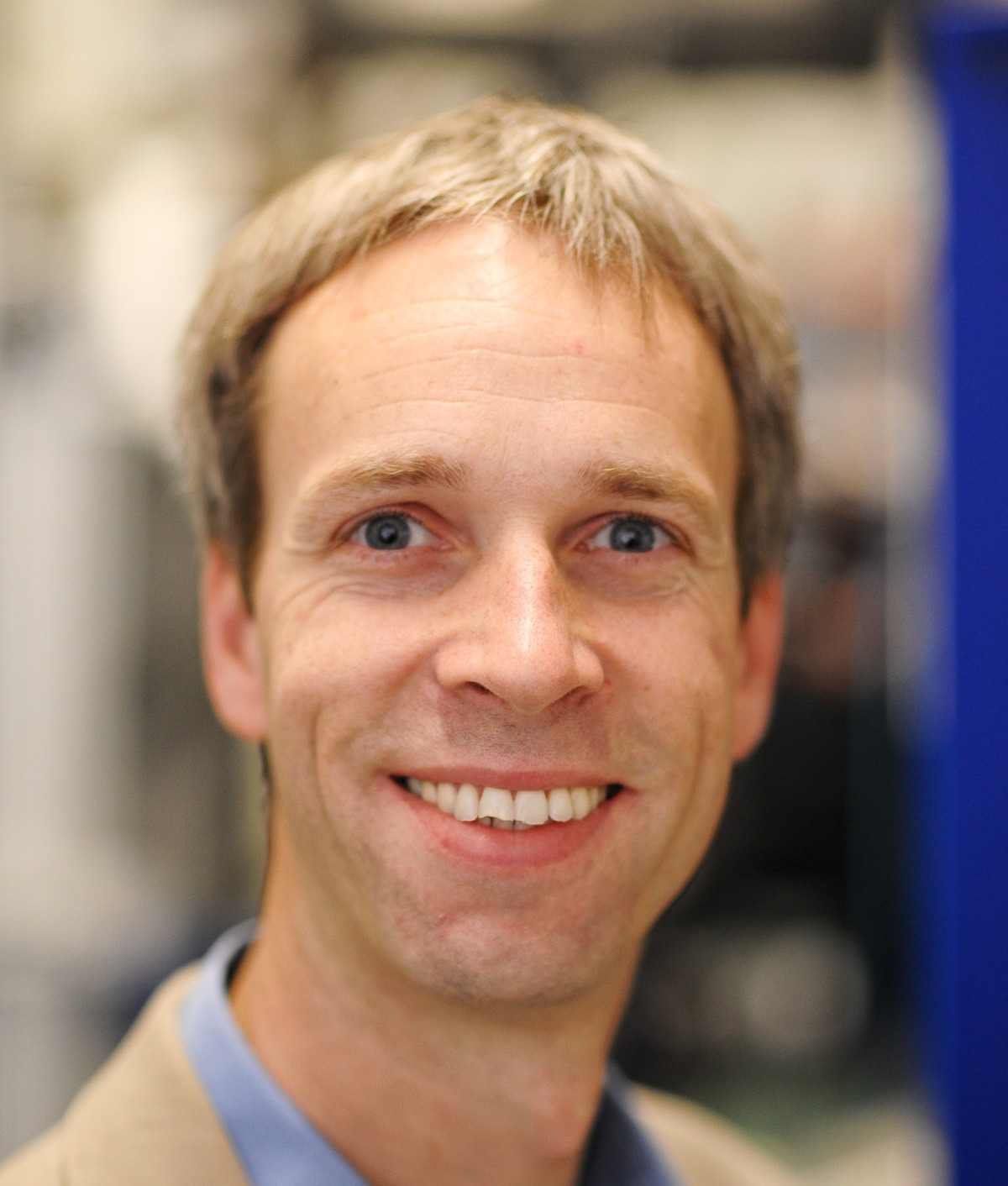
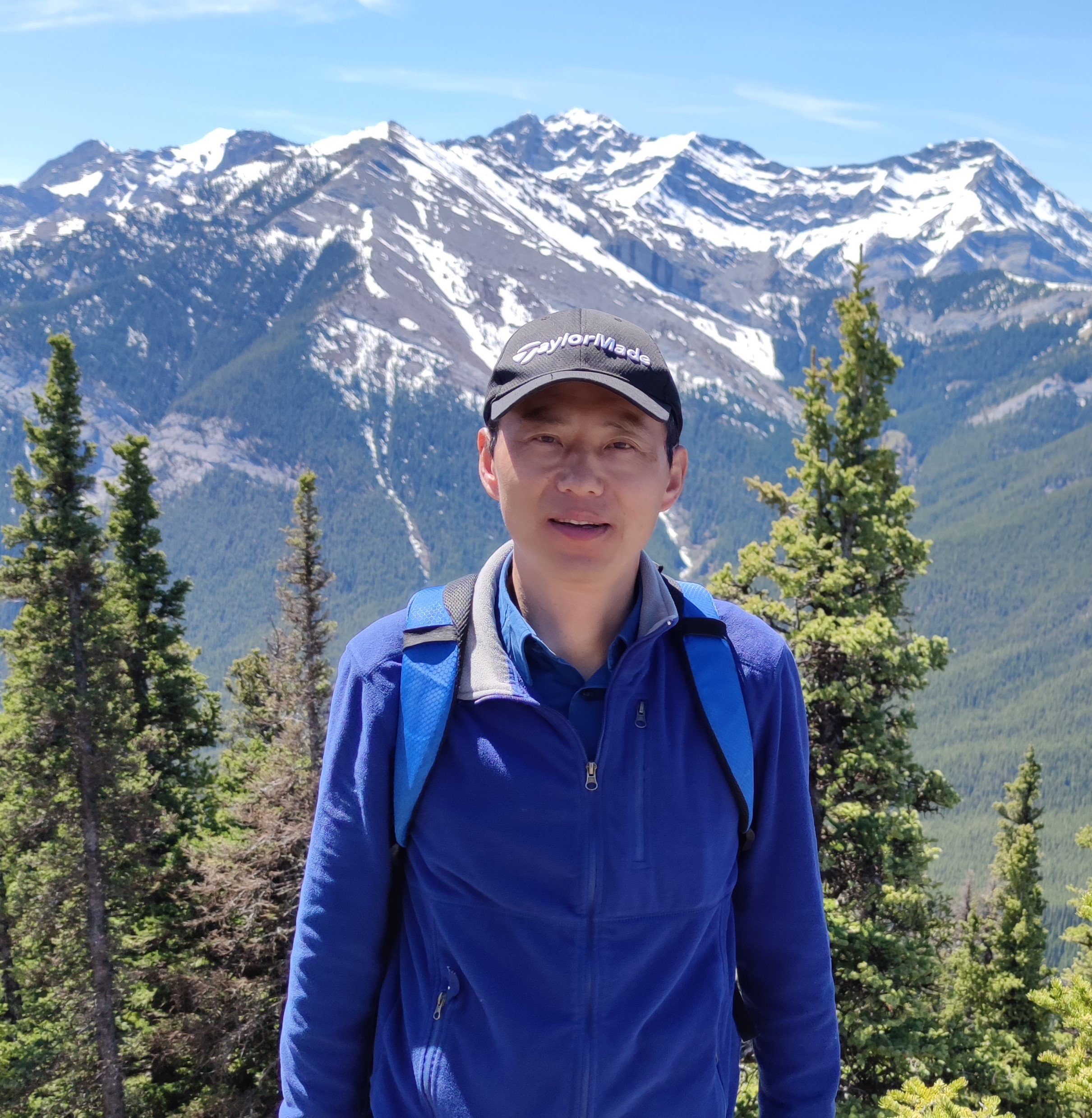
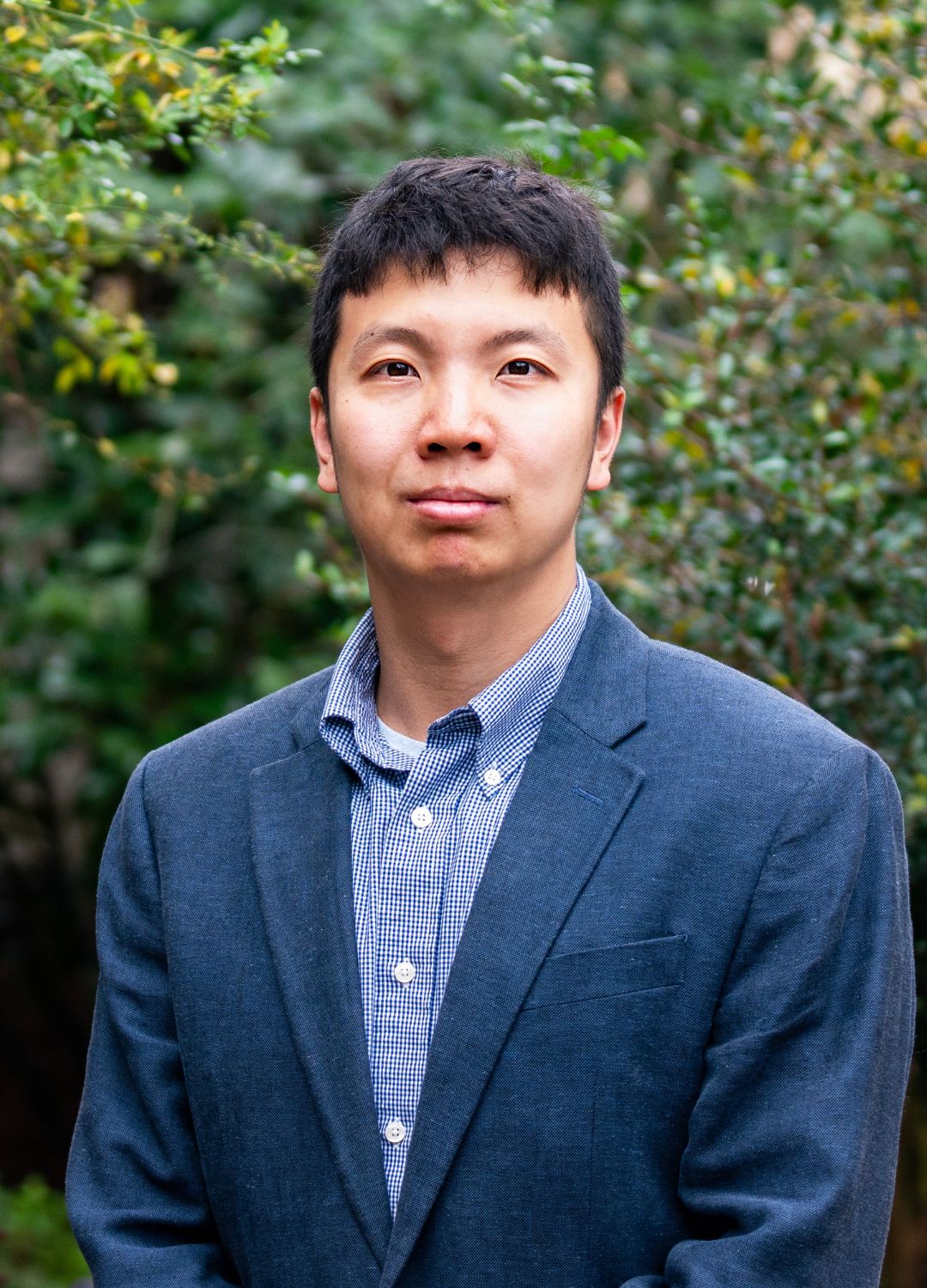
Wenlong Mou is an Assistant Professor at the University of Toronto's Department of Statistical Sciences, with additional affiliation at the Vector Institute for AI. His research develops optimal statistical methods and efficient algorithms for data-driven decision-making, focusing on reinforcement learning, stochastic approximation, and causal estimation. He teaches advanced courses in theoretical statistics (STA3000) and stochastic processes (STA447/2006). Education: Ph.D. in EECS, University of California, Berkeley (2023) B.Sc. in Computer Science and Economics, Peking University Research Focus: Mou's work bridges statistical theory with machine learning practice. Key areas include: Theoretical foundations of reinforcement learning (e.g., Bellman equations, continuous-time systems) Efficient algorithms for semi-parametric estimation and debiasing Non-asymptotic analysis of stochastic optimization and MCMC methods High-dimensional statistical inference and causal modeling Publication Trends: Recent articles (2023–2025) emphasize reinforcement learning theory (policy evaluation, adaptive interpolation), causal inference (debiased estimators, propensity scores), and statistical computing (diffusion processes, Langevin algorithms). Methodological rigor and non-asymptotic guarantees characterize his work. Awards: INFORMS APS Student Paper Competition Finalist (2022) Advising and Labs: Actively recruiting PhD students with backgrounds in mathematics or deep learning. Students access GPU clusters via the Vector Institute. Grants unspecified in sources.
Guo-Cheng Yuan is a Senior Faculty member in the Department of Genetics and Genomic Sciences at the Icahn School of Medicine at Mount Sinai. His research focuses on genomics, epigenetics, and computational biology , with particular emphasis on single-cell analysis, chromatin regulation, and cancer immunology. Institution: Icahn School of Medicine at Mount Sinai School: Graduate School of Biomedical Sciences Department: Genetics and Genomic Sciences Research Interests Dr. Yuan's work spans multiple domains including: Single-cell RNA sequencing applications in brain development and cancer Chromatin structure analysis in differentiation processes Spatial transcriptomics for tissue microenvironment characterization Computational methods for multiomic data integration Enhancer-promoter interaction dynamics Development of robust bioinformatics pipelines Scientific Trends Analysis His recent publications (2021-2025) demonstrate a focus on single-cell and spatial omics methodologies applied to diverse biological contexts ranging from cancer immunology to neurodevelopment . Notable trends include: Development of trajectory analysis algorithms Multiomic integration for regulatory network mapping Epigenetic mechanisms in cell differentiation Computational approaches for data robustness Three-dimensional genome organization studies Applications in both developmental biology and oncology
Mathias Munschauer leads the Department of Molecular Virology at Heidelberg University's Faculty of Medicine, within the Center for Infectious Diseases. His research group focuses on unraveling RNA regulatory mechanisms that govern viral infection outcomes, with emphasis on HCV, HBV, and Dengue virus. His research interests lie at the intersection of RNA biology and virology, particularly in understanding how viral RNA molecules interact with host cell components. The lab employs cutting-edge methodologies including RAP-MS and SHIFTR for RNA interactomics, integrated with functional genomics, single-cell transcriptomics, and AI-driven analysis of high-dimensional data. This systems-level approach enables the identification of host factors and regulatory pathways critical for viral replication and immune evasion. The recent publications highlight a strong trend toward spatially and temporally resolved analysis of RNA-protein interactions across diverse RNA viruses. There is a consistent focus on developing and applying innovative technologies to map host-virus interfaces, with applications in identifying antiviral targets and understanding infection mechanisms. The work spans molecular, cellular, and systems biology, with increasing integration of computational and machine learning approaches. Systems virology RNA-protein interactomics Host-pathogen interactions CRISPR screening Single-cell analysis Antiviral strategies Dr. Munschauer mentors a research team and contributes to the doctoral program in Infectious Diseases. His lab develops and shares novel reagents and methods, fostering collaborative science. While specific grants are not listed, the technological sophistication suggests substantial funding support. The lab operates within a vibrant research environment alongside other virology groups such as AG Bartenschlager and AG Ruggieri. The Munschauer Lab is part of a larger virology and infectious disease research ecosystem at Heidelberg University, collaborating across disciplines to advance understanding of viral pathogenesis. The team actively develops and applies innovative tools for RNA-centric discovery, positioning the group at the forefront of molecular virology.
Linda Valeri is an Assistant Professor of Biostatistics at the Mailman School of Public Health, Columbia University, and an Adjunct Assistant Professor in Epidemiology at the Harvard T.H. Chan School of Public Health. Education: M.Sc. in Economics and Social Sciences from Bocconi University Ph.D. in Biostatistics from Harvard University Her research focuses on causal mediation analysis, environmental health, and the development of machine learning approaches under Bayesian frameworks to estimate complex health outcomes. She has contributed to software development for mediation analysis in SPSS, SAS, STATA, and R. Dr. Valeri leads NIH-funded studies on causal inference in mHealth and mechanisms underlying Alzheimer’s disease. She serves as Associate Editor for the International Journal of Biostatistics and as Statistical Editor for JAMA Psychiatry and JAMA Network Open .
Anton Rask Lundborg is a Postdoctoral Research Fellow at the Department of Mathematical Sciences, University of Copenhagen. He works in the areas of Statistics, Machine Learning, and Functional Data Analysis. Key research areas: Statistics, Machine Learning, Functional Data Analysis, Causal Inference, Bioinformatics, Nonparametric Statistics Research groups: SPT (Statistical Learning Theory), CoCaLa (Collaborative Causal Learning) His recent work focuses on causal feature selection, variable significance testing, and functional data analysis applications. Publications span journals like Journal of the American Statistical Association , Briefings in Bioinformatics , and Annals of Statistics . Methodological innovations include the Projected Covariance Measure and conditional independence testing in Hilbert spaces. Explore his full research profile and publications via ORCID or the University of Copenhagen's Mathematical Sciences website .
Prof. Sebastian Kaiser is a full professor at the University of Duisburg-Essen's Institute for Combustion and Gas Dynamics, where he leads research on reactive fluid dynamics since 2011. His academic background includes a Bachelor's from Dartmouth College, Diplomingenieur from RWTH Aachen, and PhD from Yale University, followed by postdoctoral work at Sandia National Laboratories. Research Focus: Kaiser specializes in optical diagnostics for reactive systems with emphases on: High-speed imaging of combustion processes Nanoparticle synthesis via spray-flame techniques Tribology and fluid-structure interactions Engine diagnostics using laser-based methods His work bridges experimental techniques and simulation development for energy and propulsion systems. Publication Trends: Recent articles (2023-2025) demonstrate consistent focus on advanced optical diagnostics applied to combustion systems, nanoparticle synthesis, and engine research. Key methodologies include laser-induced fluorescence, high-speed imaging, and machine learning for fluid dynamics analysis. Awards & Honors: Harding-Bliss Prize for Engineering Excellence (Yale, 2005) SAE Excellence in Oral Presentation Award (2008) NRW Returning Scientists Grant (2010) Professional Affiliations: Member of Society of Automotive Engineers (SAE) and The Combustion Institute, with extensive experimental facilities for reactive flow characterization.
Bin Han is a Professor of Mathematics at the Department of Mathematical and Statistical Sciences , University of Alberta, Canada. He holds a PhD (1998), MSc (1994), and BSc (1991) in Mathematics from the University of Alberta, Chinese Academy of Sciences, and Fudan University, respectively. Research Interests: Computational Mathematics: High-order finite difference methods, numerical solutions of PDEs (Helmholtz, elliptic interface, Burgers' equations), and Fourier/wavelet-based algorithms. Applied Harmonic Analysis: Framelets/wavelets with applications in image processing, data sciences, and deep learning, focusing on directional and quasi-tight properties. Wavelet Theory: Construction of wavelets on bounded intervals for boundary value problems, Gibbs phenomenon analysis, and stability of refinable functions. Computer Aided Geometric Design (CAGD): Subdivision schemes, spline approximation, and isogemetric analysis. Article Trends: His recent work (2021-2022) emphasizes high-order finite difference methods for Helmholtz and interface problems, directional tensor product complex tight framelets for image processing, and quasi-tight framelets with balancing orders for robustness and sparsity. Scientific Awards: NSERC Postdoctoral Fellowship (1999-2000) Advising & Grants: He has supervised PhD students Qiwei Feng, Michelle Michelle, Ran Lu, and Chenzhe Diao. His research is supported by NSERC, Westgrid, Compute Canada, and MITACS.
Robin Carpentier is a Research Fellow at the School of Computing, Macquarie University . His work focuses on Data Privacy , Information Management , and Hardware Security , particularly in developing secure personal data management systems using Trusted Execution Environments (TEE) and SGX technology. Research Interests : Secure data processing with third-party code Privacy-preserving computation frameworks Hardware-based security for databases Dimensionality challenges in text privacy Resource-constrained privacy-preserving methods Recent Publications Trends : Robin's research over the past decade has explored data leakage mitigation, TEE-optimized database operations, and privacy-preserving mechanisms for large-scale data applications. His 2024 work extends these principles to secure AI/LLM interactions and advanced text privacy techniques.
Tony Lindgren is an Associate Professor at the Department of Computer and Systems Science, Stockholm University, affiliated with the Data Science Research Group and Natural Language Processing Research Group. His work bridges data science and NLP , focusing on interpretable models, constraint programming, and predictive maintenance systems. Research interests include: Machine Learning for explainability and fairness Constraint Programming in maintenance optimization Natural Language Processing for risk analytics and troubleshooting Recent publications demonstrate trends in multi-objective optimization (2025 satellite scheduling), conformal prediction (2024 CoPAL), and fault detection (2024 Automotive Nowcasting). His work often integrates domain-specific constraints with scalable algorithms across applications like food safety and autonomous vehicles. Software tools developed by Lindgren include: Example-based Feature Tweaking Rule Indexing Frameworks His research groups focus on AI-driven decision support for high-stakes domains, combining technical innovation with societal impact considerations.
Professor George Streftaris is a faculty member at Heriot-Watt University within the Actuarial Mathematics and Statistics department under the School of Mathematical and Computer Sciences . His academic career spans over two decades, including roles as associate professor and lecturer at Heriot-Watt University (2004-2019) and post-doctoral positions at BioSS and Heriot-Watt (2001-2004). He serves on the Board of Examiners for the Institute and Faculty of Actuaries and acts as an external examiner for multiple institutions. Professional memberships include Fellow of the Royal Statistical Society , member of the International Society for Bayesian Analysis , and the Greek Statistical Institute . Education: PhD in Statistics (University of Edinburgh) MSc in Statistics and OR (University of Essex, Distinction) BSc in Statistics and Actuarial Science (University of Piraeus, Greece) Research Interests: Streftaris specializes in Bayesian stochastic modeling , inference, and assessment at the intersection of statistics, epidemiology, and actuarial science. His work addresses critical illness insurance, longevity risk, and health-related insurance through predictive modeling and statistical machine learning. Key themes include disease transmission dynamics, model diagnostics, and uncertainty quantification in epidemic systems. Collaborations extend to life and biomedical sciences. Recent Publications: Recent articles focus on COVID-19 pandemic impacts on breast cancer mortality using semi-Markov models, neural network approaches for admission rate prediction, and Bayesian modeling of epidemic systems. Notable projects involve machine learning for multi-asset strategies, model uncertainty in insurance pricing, and stochastic frameworks for disease spread. Research Projects: Centers of Actuarial Excellence (SOA, 2019-2023): Predictive modeling for medical morbidity risk SCOR Foundation of Science (2022-2024): Breast cancer life insurance impact ARC Project (IFoA, 2016-2022): Longevity and morbidity risk management The Data Lab (2017-2018): Machine learning for multi-asset strategies Advising: Supervises ongoing PhD students in Bayesian and neural network modeling in epidemiology, with completed students working on topics like critical illness insurance, disease transmission, and stochastic mortality. Collaborations include researchers in the UK, USA, and international institutions.
Prof. Dr. Francesca Biagini is a full Professor at the Department of Mathematics, University of Munich (LMU Munich) , leading the Stochastics and Financial Mathematics working group. She serves as Vice President for International Affairs and Diversity at LMU Munich since October 1, 2019, and as President of the Bachelier Finance Society (2022–2023). She is also a Correspondent of the Deutsche Aktuarvereinigung (DAV) and a member of the Executive Board of the Munich Risk and Insurance Center (MRIC) since 2017. Her research focuses on stochastic processes in financial markets , particularly asset price bubbles , default risk modeling , and robust hedging under model uncertainty. Recent work includes deep learning applications to bubble detection and non-linear affine processes for market dynamics. She actively contributes to academic leadership through teaching and publications, including 15+ recent articles on topics like liquidity-induced bubbles, machine learning calibration, and systemic risk transfer equilibrium. Her workgroup collaborates on quantLab initiatives and DAV certificate programs .
Mingyi Hong is an Associate Professor in the Department of Electrical and Computer Engineering at the University of Minnesota , where he leads the OptimAI-Lab . His work bridges optimization theory , machine learning , and signal processing , with a focus on foundation models like LLMs and diffusion models. Education : Not explicitly mentioned in the text Current Projects : NSF grants on bilevel optimization, LLM unlearning, and inverse reinforcement learning Research Themes : Bilevel Optimization : Applications in LLM alignment, unlearning, and wireless systems LLM Safety : Unlearning, alignment with human feedback, robustness Diffusion Models : Inference-time alignment, adversarial training Distributed Optimization : Privacy-preserving algorithms, federated learning Recent Publications highlight trends in LLM unlearning (BLUR, LUME), optimization theory (Barrier Functions, νSAM), and diffusion models (Direct Noise Optimization). His group has secured NSF , AWS , Cisco , and Open Philanthropy grants. Scientific Recognition : IEEE Fellow (2025) SPS Best Paper Award (2022, 2021, 2018) Doctoral Dissertation Fellowship (2024) IBM Pat Goldberg Memorial Award (2022) He mentors PhD students like Siliang Zeng and Xinwei Zhang , and collaborates with institutions including Michigan State University , Amazon , and NIH on projects spanning UHF MRI technology to climate-smart agriculture .
Martin Hebart is a Professor for Computational Cognitive Neuroscience and Quantitative Psychiatry at Justus Liebig University Giessen and an Independent Max Planck Research Group Leader at the Max Planck Institute for Human Cognitive and Brain Sciences in Leipzig, Germany. His work bridges cognitive neuroscience, computer science, and psychology to explore visual perception, object recognition, and computational models of brain function. PhD in Psychology from Bernstein Center for Computational Neuroscience Berlin (2014) M.Sc. and B.Sc. in Neuro-cognitive Psychology from Ludwig Maximilian University Munich His research integrates psychophysics , neuroimaging (fMRI, MEG), and machine learning to decode how visual input transforms into stable object representations and how these insights inform psychiatric conditions like hallucinations. Articles highlight his focus on computational models , neural network alignment , and large-scale behavioral-neuroimaging datasets (e.g., THINGS-data). His group’s work spans from basic visual cognition to translational applications in psychiatry. Scientific awards include postdoctoral fellowships from the National Institute of Mental Health (2016) and Alexander von Humboldt Foundation (Feodor Lynen, 2016), alongside doctoral and study scholarships. He leads a multidisciplinary team at the intersection of JLU Giessen’s Medical Department and MPI, mentoring students in visual neuroscience , AI-driven modeling , and clinical applications .
Kaiming Bi, Ph.D., is an Assistant Professor in the Department of Management, Policy & Community Health at the University of Texas Health Science Center at Houston (UTHealth Houston) School of Public Health . As an affiliated member of the Center for Health Care Data , his research bridges quantitative methods and public health, focusing on infectious disease modeling , epidemic forecasting , and data-driven health policy . B.S. in Mathematics from Northeastern University (2015) Ph.D. in Industrial Engineering from Kansas State University (2020) Postdoctoral training at University of California San Diego School of Medicine (2020-2021) and University of Texas at Austin (2021-2024) His methodological expertise spans mathematical modeling , machine learning , and optimization , applied to diverse public health challenges including respiratory infections , vector-borne diseases , STIs , and the opioid epidemic . Recent work includes modeling SARS-CoV-2 Omicron subvariants , population immunity dynamics , and multi-pathogen burden projections for the 2023-2024 US winter season. Dr. Bi has received prestigious accolades such as the Pencis Best Researcher Award (2021) and IISE Best Paper (2018). He previously taught graduate courses in Integer Programming , Information Systems , and Industrial Simulation at Kansas State University. Currently leading the Big-data and Infectious Disease Modeling Lab (BI Lab) , he seeks STEM-motivated PhD students to develop computational solutions for epidemic control.
Professor Georg Gottwald is a distinguished academic in the School of Mathematics and Statistics at the University of Sydney, where he has been a faculty member since 2002, progressing from Lecturer to his current position as Professor since 2013. He also holds a Visiting Professor position at the University of Surrey in the UK since 2013. His extensive research career spans dynamical systems theory, geophysical fluid dynamics, and the intersection of machine learning with complex systems. Professor Gottwald's research focuses on dynamical systems theory as an abstract formalism for studying systems evolving in time and space. His work has significant applications across diverse fields including climate modeling, biological systems, and complex networks. He is particularly known for developing methods for model reduction of complex dynamical systems, stochastic modeling approaches, and the application of machine learning techniques to dynamical systems. His research aligns with the Faculty of Science Research Strengths in Understanding the Universe, Fundamental Laws of Nature, Complex Systems, Climate and Environmental Change, Data and Decisions, and National Security. His most recent publications demonstrate a strong trajectory toward integrating machine learning with dynamical systems theory, particularly in developing stable generative models, learning dynamical systems with random feature maps, and combining data assimilation with machine learning for forecasting. His work spans pure mathematical theory to practical applications in climate science, finance, and biological systems, showing remarkable breadth while maintaining deep mathematical rigor. Future Fellowship, 'Stochastic methods in mathematical geophysical fluid dynamics', Australian Research Council, 2010-2014 Australian Research Fellowship, 'Stochastic methods in mathematical geophysical fluid dynamics', Australian Research Council, 2010-2015 (declined) Australian Research Fellowship, 'Geometric methods in geophysical fluid dynamics', Australian Research Council, 2004-2009 Professor Gottwald has successfully supervised numerous PhD and Master's students who have gone on to academic and industry positions worldwide. His current research group includes postdocs and PhD students working on machine learning for dynamical systems, stochastic model reduction, physics-informed machine intelligence, and tensor methods for scientific machine learning. He has secured multiple ARC Discovery Project grants and has been involved in significant international collaborative research projects. He is actively involved with the Sydney Dynamics Group, which he co-founded in 2007, fostering collaboration between the University of Sydney and UNSW. Professor Gottwald maintains strong editorial commitments as Associate Editor for Geophysical and Astrophysical Fluid Dynamics, SIAM Journal of Applied Dynamical Systems, and Journal of Computational Dynamics, and serves on the Editorial Advisory Board for Chaos and the Editorial Board for Physical Review E. His professional activities demonstrate leadership in the dynamical systems community through organizing workshops, seminars, and special journal issues.