

Dr. Vakil Takhaveev is a Lecturer at ETH Zurich's Department of Health Sciences and Technology, within the Institute of Food, Nutrition and Health. His research focuses on DNA damage mechanisms, aging, cancer, and neurodegeneration, with particular emphasis on developing novel DNA-damage-sequencing methods like click-code-seq and TRABI-Seq . He investigates anticancer drug action (e.g., trabectedin), aging clocks using DNA oxidation profiling, and stress-induced carcinogenesis. His work integrates multi-omics approaches and advanced sequencing techniques. Research Directions: Novel DNA-Damage-Sequencing Methods: Developed click-code-seq and TRABI-Seq for genomic mapping of DNA lesions and repair dynamics. Anticancer Drug Action: Explored mechanisms of trabectedin and other chemotherapeutics, linking DNA repair vulnerabilities to therapy resistance. Aging Clocks: Created DNA oxidation-based biomarkers for biological aging using genome-wide profiling in human and mouse models. Stress-Induced Pathologies: Studies metabolic and DNA damage links to early tumorigenesis and neurodegeneration. Awards & Recognition: 2025 Public Award Winner in PIs of Tomorrow competition 2024 ETH Zurich Career Seed Award Best presentation awards (Swiss Chemical Society, American Chemical Society) Grants & Collaborations: Impetus grants for aging clock development Swiss Chemical Society and American Chemical Society fellowships Labs & Teams: Leads research on DNA damage and aging mechanisms at ETH Zurich, collaborating with international groups in oncology and toxicology.
جستجوی استاد راهنمای دانشگاهی
برای مسیر پژوهشیتان، استاد راهنما، استاد دانشگاه و پژوهشگر مناسب را پیدا کنید و با آنها ارتباط بگیرید.
نمایش ۱-۱۵ از ۱۰۲ استاد راهنما
اطلاعات پروفایلها از صفحات عمومی دانشگاهها گرفته شده و ممکن است بهروز نباشد.

Johannes Larschمشاهده پروفایل
استادیار
Johannes Larsch is a tenure-track Assistant Professor at the Center for Integrative Genomics within the Faculty of Biology and Medicine at Université de Lausanne (UNIL). His research focuses on understanding the neuronal mechanisms underlying social interactions, using larval zebrafish as a model organism. He employs advanced techniques like virtual reality and optical imaging to study how social signals are processed in the brain. Education: Bachelor of Biology, University of Konstanz, Germany PhD in Neurobiology, Rockefeller University, USA (lab of Cori Bargmann) Postdoc at Max Planck Institute of Neurobiology, Germany (with Herwig Baier) Research interests center on neuronal circuits driving group behavior, social recognition, and the interplay between genetics and environment in shaping behavior. His lab investigates how individual brains coordinate collective social behaviors through studies of neuronal activity and circuit dynamics. Current lab openings include fully funded PhD and PostDoc positions focused on social neuroscience and neurogenomics. Contact: johannes.larsch@unil.ch .
- Neuroscience
- Social Behavior
- Neuronal Circuits
- +۳ مورد دیگر

Prof. Dr. Urs F. Greber is an Ordinary Professor of Molecular Cell Biology at the Department of Molecular Life Sciences, Faculty of Mathematics and Natural Sciences, University of Zurich. His research focuses on understanding how viruses interact with host cells, particularly adenoviruses and rhinoviruses that cause human respiratory diseases. He leads the Greber Lab, which investigates viral entry mechanisms, replication processes, and the cellular responses to infection. Greber's research interests span virology, molecular cell biology, and infection mechanisms. His lab explores how viruses take control over membrane and lipid functions, cytoplasmic transport processes, and cellular metabolism to support their gene expression and progeny formation. They employ system-wide profiling, molecular cell biology approaches, light microscopy, and machine learning for image analysis to map the cell state underlying viral infections of cultured and primary human cells, including lung organoids and iPSC-derived macrophages. A key focus is understanding cell-to-cell variability in infection phenotypes and the mode-of-action of antiviral compounds. The Greber Lab has published extensively on adenovirus biology, including viral entry, uncoating, nuclear import, and assembly mechanisms. Their recent work has identified broad-spectrum antiviral compounds, elucidated alternative virus entry pathways, and developed innovative imaging and AI-based approaches for quantifying virus infectivity. Their research contributes to understanding how viruses break down host defense barriers and has implications for antiviral therapy development. Greber has supervised numerous PhD and Master's students including Cornelia Bircher, Alessandro Savi, Franziska Tomas, Alfonso Gomez-Gonzalez, Anthony Petkidis, and Dominik Olszewski. His lab has received funding from the Swiss National Science Foundation, including a grant for coronavirus research during the pandemic. The lab actively collaborates with other research groups at University of Zurich, ETH Zurich, and international institutions. Current projects include exploring how viral DNA interactions contribute to infection outcome variability, investigating adenovirus egress mechanisms, and developing high-throughput screening methods for antiviral compounds.

Hatice Altug is a Full Professor at EPFL's Institute of Bioengineering within the School of Engineering, where she leads the Bionanophotonic Systems Laboratory. Her research integrates nanophotonics, plasmonics, and microfluidics to develop advanced biosensors for real-time molecular diagnostics. She holds dual roles in EPFL's doctoral programs and academic committees. Education: PhD in Applied Physics, Stanford University (2000-2007) B.S. in Physics, Bilkent University (1996-2000) Her research centers on creating label-free, high-sensitivity optical biosensors using nanophotonic technologies. Key innovations include dielectric metasurfaces for mid-infrared spectroscopy, AI-enhanced detection platforms, and portable nanoplasmonic imagers for point-of-care diagnostics. Her work bridges fundamental light-matter interactions with clinical applications like sepsis monitoring and cancer biomarker detection. Her publications emphasize nanophotonic biosensor design, metasurface applications, and single-cell analysis. Recent trends show increased focus on AI integration, vibrational spectroscopy, and wafer-scale manufacturing for clinical translation. Awards & Honors: Optical Society Fellow (2020) Presidential Early Career Award (PECASE, 2011) ERC Consolidator Grant (2016) IEEE Photonics Society Young Investigator Award (2011) She mentors numerous PhD students and leads interdisciplinary teams developing optofluidic platforms. Her laboratory pioneers nanoplasmonic microarrays and collaborates globally on projects like neurodegenerative disease biomarker detection. She co-directs EPFL's doctoral program in photonics and champions women in STEM through executive roles in diversity initiatives.
- Nanophotonics
- Plasmonics
- Optical Biosensors
- +۴ مورد دیگر

Philippe Christe is an Associate Professor in the Department of Ecology and Evolution at the University of Lausanne (UNIL), Faculty of Biology and Medicine. His research centers on host-parasite interactions, with a focus on bats, birds, and their ectoparasites, integrating behavioral, physiological, and genetic approaches. He leads the Christe Group, which investigates evolutionary and ecological dynamics in host-parasite systems, particularly avian malaria and bat-mite relationships. He is actively involved in conservation initiatives, including the Jorat Peri-Urban Nature Park, and collaborates with KORA on human-wildlife interactions. Bachelor's degree in biology, UNIL (1989) PhD in Zoology and Animal Ecology, UNIL (1994) Philippe Christe’s research interests lie at the intersection of parasitology, evolutionary ecology, and conservation biology. He investigates how host defenses evolve in response to parasitic pressures, examining trade-offs between immunity and life history traits such as reproduction and survival. His work often integrates field studies with experimental and molecular techniques. Key model systems include Parus major (great tit) and Culex pipiens in avian malaria, and bat species with their ectoparasitic mites. He also explores broader ecological interactions, including predator-prey dynamics and wildlife conservation in human-modified landscapes. His recent publications reflect a strong emphasis on disease ecology, wildlife conservation, and molecular methods. Articles span topics such as avian malaria transmission, lynx population dynamics, snow leopard behavior, and habitat fragmentation effects on insects. These works employ advanced techniques like DNA metabarcoding, spatial modeling, and long-term monitoring, demonstrating a trend toward interdisciplinary, data-driven ecological research with direct conservation applications. Dubois Foundation Prize for an educational CD-Rom on bats (2004) Communication Award from the Faculty of Biology and Medicine of UNIL (2017) Philippe Christe has supervised numerous PhD and Master’s students, contributing significantly to training the next generation of ecologists and evolutionary biologists. His group collaborates widely with institutions such as the Museum of Zoology in Lausanne and KORA, and participates in large-scale conservation projects involving snow leopards, lynx, and bats. He has been involved in research grants related to host-parasite coevolution, wildlife monitoring, and conservation strategies. His leadership in establishing the Jorat Peri-Urban Nature Park and involvement in the UNIL Interdisciplinary Center for Mountain Research highlight his commitment to applied science and environmental stewardship. He leads the Christe Group, which conducts research on host-parasite coevolution, with a focus on bats and their ectoparasites, and birds affected by avian malaria. The group combines fieldwork, laboratory experiments, and molecular analyses, and includes post-docs, PhD students, and technical staff. Collaborations extend to researchers in Bern, Paris, and Spain, fostering an international and interdisciplinary research environment.

Vincent Dufour-Décieux is a researcher at the Professorship for Energy and Process Systems Engineering at ETH Zürich , focusing on developing computational methods for material screening in separation processes and global net-zero transitions. He earned his Master's in Materials Chemistry from Ecole Polytechnique (France) and a PhD in Materials Science from Stanford University , where he pioneered statistical methods combining Kinetic Monte Carlo and random graph theory to study planetary diamond formation. Research Highlights: Application of Classical Density Functional Theory (cDFT) for 100x faster adsorption property predictions in porous materials Development of science-based definitions for "hard-to-abate" emissions to guide climate action prioritization Integration of Coulombic interactions in cDFT for CO2 adsorption accuracy Article Trends : His work spans computational materials science (cDFT, random graph theory) and climate policy analysis, with recent publications in Joule , AIChE Journal , and Physical Review E . These studies emphasize scalable solutions for carbon capture, material screening efficiency, and accurate thermodynamic modeling. Collaborations : Active in international conferences (FOA15, MolMod, Gordon Research Conference) and cross-institutional projects with teams at Stanford, ETH Zürich, and industry partners.
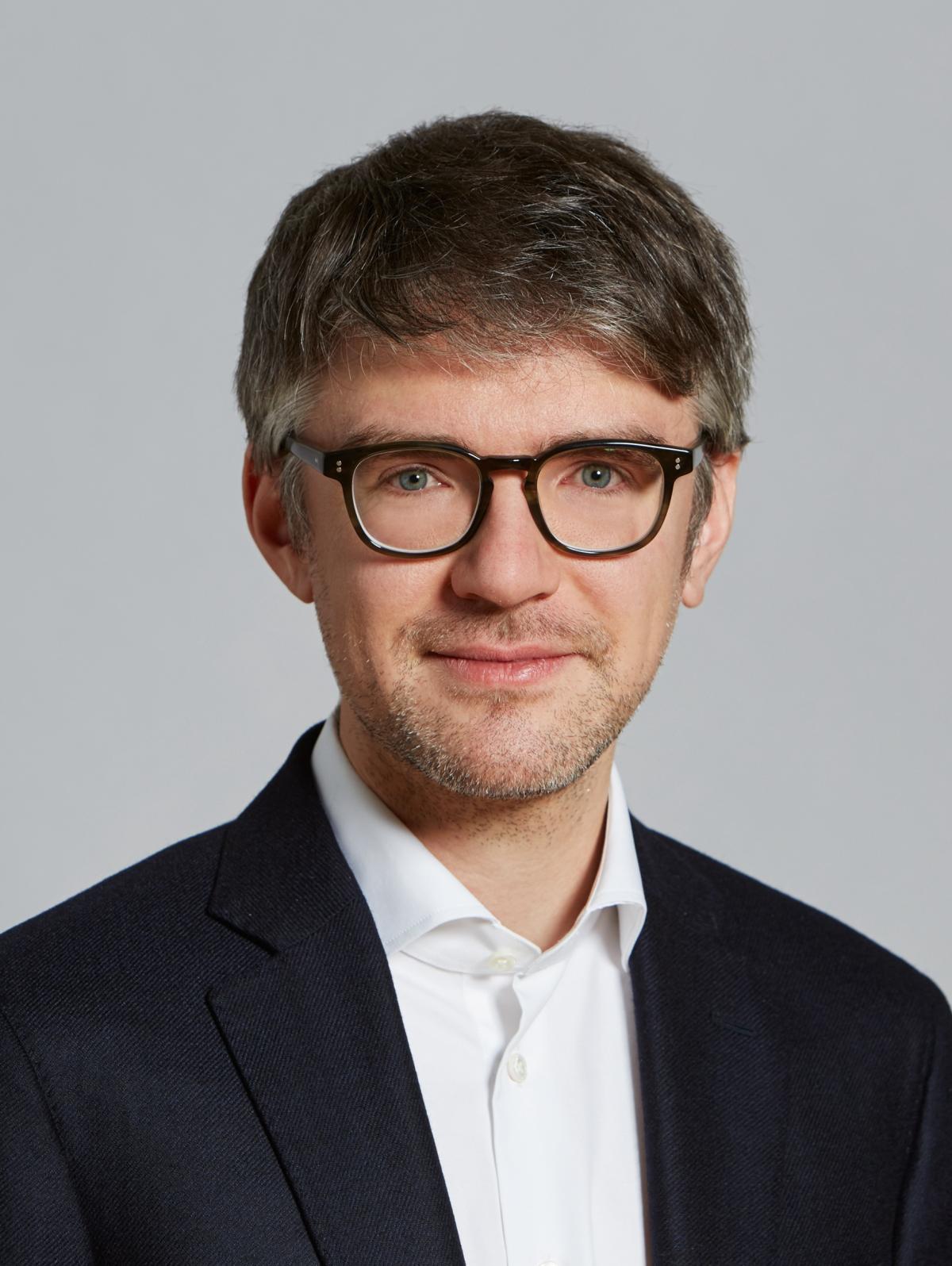
Kjell Jornerمشاهده پروفایل
استادیار
Kjell Jorner is an Assistant Professor of Digital Chemistry in the Institute for Chemical and Bioengineering at ETH Zurich's Department of Chemistry and Applied Biosciences. His research group focuses on integrating computational methods and machine learning to address challenges in chemical synthesis, materials design, and reaction prediction. Education: PhD from Uppsala University (Photochemistry of aromatic compounds) Postdoctoral studies at AstraZeneca UK (Reaction prediction using computational chemistry and ML) Postdoctoral studies at University of Toronto (Molecular design of catalysts and organic electronic materials) Research Interests: Professor Jorner's work bridges computational chemistry, machine learning, and experimental design. Key areas include: Development of quantum mechanics-machine learning hybrid approaches for reaction feasibility prediction Inverse molecular design of functional materials (e.g., singlet-fission systems) Computational catalyst optimization and high-throughput screening methods Digital tools for chemical education and cheminformatics Publication Trends (2023-2025): Recent articles demonstrate a strong focus on machine learning applications in chemistry, including reaction prediction algorithms, catalyst design frameworks, and automated molecular generation. A recurring theme is the development of computational tools to accelerate materials discovery and optimize chemical processes. Laboratory & Team: Leads the Digital Chemistry research group at ETH Zurich (HCI E 137) exploring computational approaches to chemical challenges.
Prof. Dr. Sven Panke is a Full Professor and Head of the Department of Biosystems Science and Engineering at ETH Zürich. His research focuses on bioprocess engineering, synthetic biology, and enzymatic process development. Key areas include miniaturized bioreactor systems, microbial engineering for novel metabolite production, and high-throughput screening methodologies. Education: Studied Biotechnology at TU Braunschweig, with postgraduate research at the German National Research Center for Biotechnology and ETH Zurich. Transitioned from industry (DSM) to academia in 2001 as an Assistant Professor, progressing to Associate Professor (2007-2009) before leading the BSS department. Research interests emphasize directed evolution of enzymes, metabolic pathway engineering, and systems biology approaches to optimize microbial production systems. Current projects include bio-indigo synthesis, antimicrobial peptide discovery, and synthetic biology tools for cellular engineering. Labs/Teams: Leads the Bioprocess Engineering Lab at ETH Zurich, collaborating on projects like the E. coli import system design and γ-glutamyltransferase engineering. Active in developing microfluidics platforms for parallel reaction analysis. Grants/Advising: Funded by initiatives in sustainable biomanufacturing and synthetic biology. Supervises graduate students in bioprocess design and microbial systems engineering.

Andrew de Mello serves as Full Professor and Deputy Head at ETH Zurich's Department of Chemistry and Applied Biosciences, where he also leads the Institute of Chemical and Bioengineering. His research group operates at the intersection of microfluidics and nanoscale science, maintaining a highly international team with members from over 15 countries. The deMello Group specializes in microfluidic device development for high-throughput biological analysis, ultrasensitive optical detection , nanofluidic chemical synthesis systems , and imaging flow cytometry . Their work spans analytical chemistry, biomedical engineering, and diagnostic applications, with recent projects focusing on paper-based electrofluidic devices, synthetic gene circuits for tuberculosis detection, and droplet-based microfluidics for mRNA screening. Professor de Mello's scholarly contributions include over 350 peer-reviewed publications and two co-authored books. His editorial leadership includes serving as Associate Editor for ACS Sensors and on editorial boards for Advanced Materials Technologies, Chem, and Chemistry World. Advances in Measurement Science Lectureship (ACS, 2020) Qinghe Lectureship (Chinese Academy of Sciences, 2018) Corday-Morgan Medal (RSC, 2009) Clifford Paterson Medal (Royal Society, 2009) SAC Silver Medal (RSC, 2002) His research group actively mentors doctoral students across diverse projects including microrobot fabrication, tumor spheroid vascularization, and spatial tissue mapping. Current grants support development of diagnostic platforms for kidney function monitoring and drug-resistant tuberculosis detection, with collaborations spanning ETH Zurich, Universitätsspital Zürich, and international institutions.
Yen-Cheng Liuمشاهده پروفایل
پژوهشگر
Yen-Cheng Liu is a former researcher at École polytechnique fédérale de Lausanne (EPFL), affiliated with the School of Life Sciences (BIOS) and multiple departments including LCOM and CMI. His work focuses on interdisciplinary research at the intersection of biomedical engineering, nanotechnology, and cancer biology. Key research areas include nanoplasmonic biosensors, single-cell analysis, optofluidic systems, and cancer immunology. He holds collaborations with institutions like the University of Lausanne and the Centre Hospitalier Universitaire Vaudois (CHUV). His research emphasizes real-time monitoring of cellular secretions, tumor microenvironment dynamics, and diagnostic platform development for pathogens and genetic diseases. Notable contributions include high-throughput microarray technologies for single-cell secretion profiling and optofluidic platforms for molecular diagnostics. Liu’s publications span journals like Advanced Science , Advanced Functional Materials , and Biosensors and Bioelectronics . His work integrates engineering principles with biological systems to address challenges in precision medicine and cancer therapy.
Arslan Mazitovمشاهده پروفایل
پژوهشگر
Arslan Mazitov is a Researcher and Doctoral Assistant at the École Polytechnique Fédérale de Lausanne (EPFL) , affiliated with the School of Engineering (STI) and the Institute of Materials (IMX) . He is part of the Computational Science and Modelling Laboratory (COSMO) , focusing on computational materials science with an emphasis on van der Waals materials, optical properties, and machine learning applications. His research explores novel materials for photonics, energy storage, and nanotechnology. Mazitov's work bridges theory and experiment, employing advanced modeling techniques to predict material behavior and design innovative solutions. Key research areas include van der Waals heterostructures , optical anisotropy engineering , and AI-driven materials discovery . He has contributed to studies on semiconductors, 2D materials, and interfacial phenomena. His computational methods address challenges in predicting material stability, optical properties, and surface behavior under various conditions. Active in collaborative projects, Mazitov's work has practical implications for photonic devices, energy storage systems, and nanoscale engineering. His research emphasizes interdisciplinary approaches, combining computational modeling with experimental validation to advance material innovation.
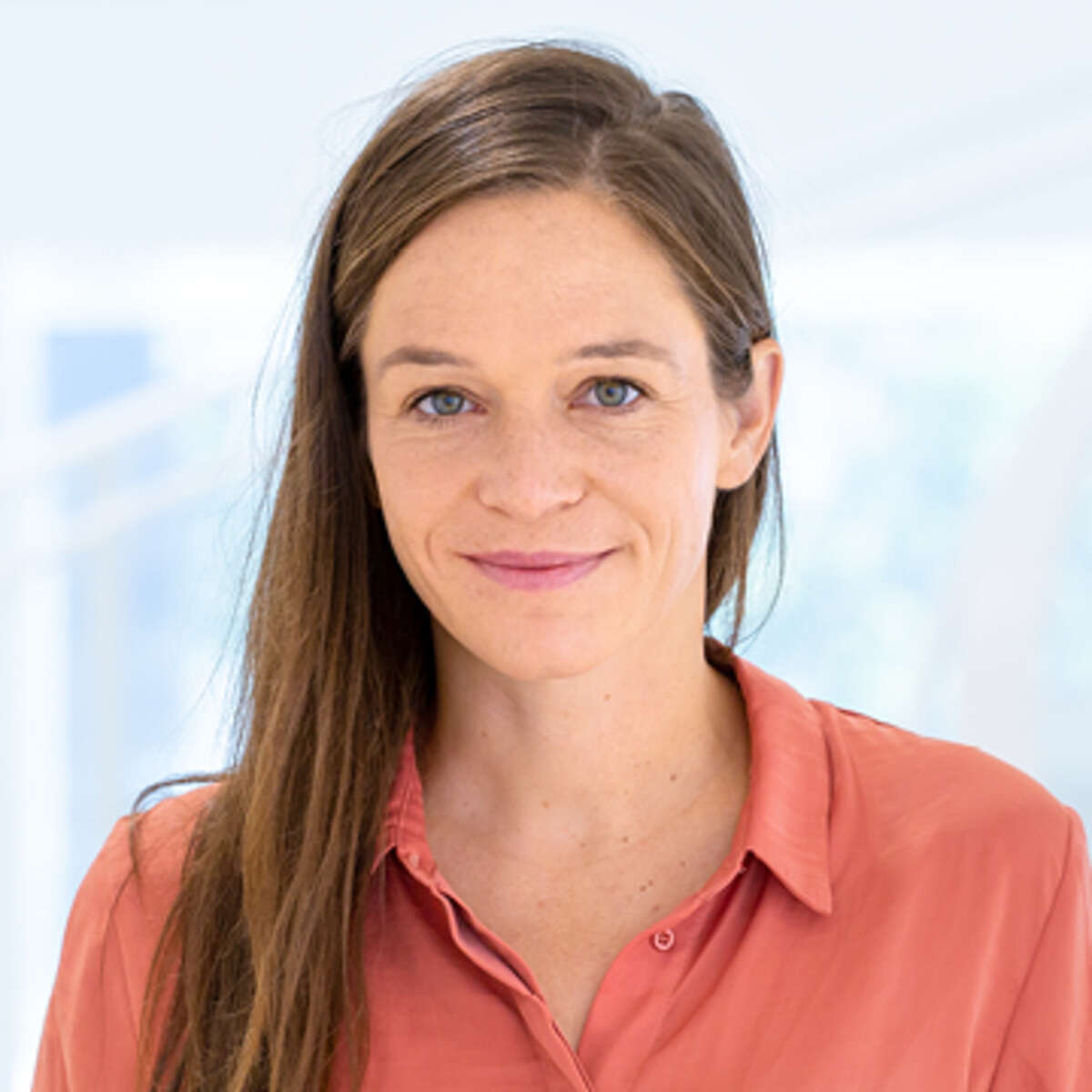
Maria Hondeleمشاهده پروفایل
استادیار
Maria Hondele is a Tenure-track Assistant Professor at the Biozentrum, University of Basel, Switzerland, where she leads a research group dedicated to understanding the formation, regulation, and function of membraneless organelles, particularly those associated with RNA processing. Her interdisciplinary work bridges biochemistry, biophysics, and cell biology to dissect how RNA-protein condensates influence gene expression. Her research focuses on liquid-liquid phase separation and the role of DEAD-box ATPases as master regulators of biomolecular condensates. She investigates how these dynamic structures control RNA flux, processing, and localization within cells. Her lab employs a multidisciplinary approach including biochemical reconstitution, biophysical measurements, high-throughput screening, and advanced imaging techniques to uncover the molecular mechanisms underlying condensate formation and function. The recent publications of her group reveal a strong thematic focus on RNA-protein interactions, phase separation, stress granules, and the enzymatic regulation of condensates by ATPases. These studies span model systems from synthetic coacervates to human cells, reflecting a comprehensive strategy to understand both fundamental principles and biological implications of membraneless organelles. ERC Starting Grant (2020) SNSF Eccellenza Professorship (2019) HFSP Long-Term Postdoctoral Fellowship (2015–2018) ETH and EMBO Postdoctoral Fellowship (2015) PhD Prize, University of Munich (2014) Boehringer Ingelheim PhD Fellowship (2008–2011) Dr. Hondele advises a vibrant team of postdoctoral fellows, PhD students, and master’s students, indicating an active and expanding research program. She has secured competitive grants and leads a productive research group contributing significantly to the field of RNA biology and cellular organization. She is also an Associate Member of the National Center of Competence in Research (NCCR) RNA & Disease, reflecting her integration into major national research initiatives. Her research group is embedded within the Biozentrum, a leading interdisciplinary research center at the University of Basel, providing access to state-of-the-art facilities and collaborative networks in molecular and cellular biology.
Nicola Marzari is a Professor of Theory and Simulation of Materials at EPFL, where he also serves as Director of the National Centre for Computational Design and Discovery of Novel Materials (NCCD). He is Chairman of Psi-k, an international network for advanced materials' computational design. Previously, he held the Toyota Chair of Materials Engineering at MIT and leadership roles at the University of Oxford, including Director of the Materials Modeling Laboratory and a Statutory Chair in Materials Modeling. His education includes a Laurea in Physics (summa cum laude) from the University of Trieste, a PhD in Physics from the University of Cambridge under Prof. Michael C. Payne, and postdoctoral work at Rutgers University with Prof. David Vanderbilt. Marzari's research focuses on computational materials science, electronic structure theory, and high-throughput simulations. He develops methods for predicting material properties using first-principles approaches, machine learning, and quantum espresso software. Key areas include energy materials (batteries, thermoelectrics), magnetic materials, and optoelectronic systems. His work bridges fundamental physics and practical material design, emphasizing reproducible workflows and open-source tools like koopmans and AiiDA . His recent articles highlight advancements in machine learning for materials interfaces, dynamical Hubbard functionals, and thermal conductivity modeling. He actively contributes to EuroHPC initiatives for exascale materials design and OPTIMADE standards for materials data exchange. Marzari leads interdisciplinary teams at EPFL and collaborates globally on projects ranging from defect engineering in semiconductors to AI-driven materials discovery. His research aims to accelerate the development of sustainable energy and electronic technologies through computational innovation.
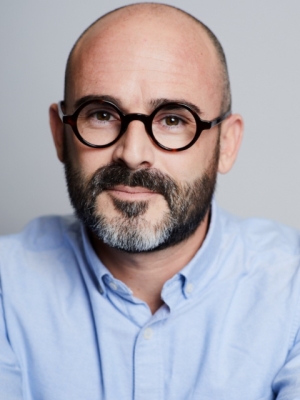
Prof. Dr. Romain Quidant is a Full Professor in the Department of Mechanical and Process Engineering at ETH Zürich, where he also serves as Head of the Institute for Energy and Process Engineering. His research focuses on nanophotonics, optomechanics, and plasmonics with applications in quantum optics, biomedical engineering, and thermal control systems. He leads a multidisciplinary team exploring light-matter interactions at the nanoscale, particularly in levitated nanoparticles and plasmonic therapies. Key research interests include quantum optomechanical systems, plasmonic nanothermometry, and targeted photothermal therapies. His work bridges fundamental physics with practical applications such as precision measurement, medical imaging, and energy-efficient materials. Recent studies highlight advancements in optical trapping techniques, thermal wavefront shaping, and robotic surgery guidance using fluorescent nanothermometry. Prof. Quidant’s publications showcase innovations in reconfigurable meta-surfaces, optofluidic platforms for high-throughput analysis, and adaptive thermal microscopy for brain imaging. His lab develops integrated systems for medical diagnostics, environmental sensing, and quantum-enabled technologies. These efforts have been applied to cancer treatment optimization and novel materials for energy systems.
- Nanophotonics
- Optomechanics
- Plasmonics
- +۴ مورد دیگر

Francesco Stellacci is a Full Professor at École Polytechnique Fédérale de Lausanne (EPFL), where he holds the Alcan EP Chair and leads the Supramolecular Nanomaterials and Interfaces Laboratory (SUNMIL). He is affiliated with the School of Engineering (STI) and the Institute of Materials (IMX), with additional appointments in the Institute of Bioengineering (IBI-STI). Stellacci also serves on the EPFL Academic Strategic Committee and the Research Awards Commission, and is a committee member for the Doctoral Program in Materials Science and Engineering. Stellacci's research focuses on the complex interactions between supramolecular assemblies and their molecular surroundings, with particular emphasis on: Nanomaterials and Nanoparticles Soft Materials and Supramolecular Interactions Solid-Liquid Interfaces Nanomedicine and Antiviral Applications His recent work demonstrates a strong trend toward biomedical applications of nanomaterials, particularly in antiviral therapies, drug delivery systems, and diagnostic tools. Stellacci's laboratory has pioneered research on supramolecular interfaces with nanoscale domains, leading to innovative approaches in viral inhibition, protein delivery, and sustainable materials. His publications reveal a consistent focus on the physical and chemical properties of nanomaterials and their interactions with biological systems, with increasing emphasis on practical applications in healthcare and sustainability. Among his notable scientific achievements are: Technology Review TR35 "35 Innovators under 35" award (2005) Popular Science Magazine "Brilliant 10" award (2007) Packard Fellowship (2005) Stellacci has been instrumental in developing novel methodologies for nanoparticle characterization and application, with particular expertise in supramolecular nanostructures. His work bridges fundamental materials science with practical biomedical applications, as evidenced by numerous patents and translational research projects. He has supervised multiple doctoral students whose theses reflect the interdisciplinary nature of his research program, spanning from fundamental nanoscience to applied biomedical engineering. Stellacci's laboratory (SUNMIL) serves as a hub for interdisciplinary research, bringing together expertise from materials science, chemistry, biology, and engineering to address challenges in nanomedicine and sustainable technologies.
- Nanomaterials
- Nanoparticles
- Soft Materials
- +۷ مورد دیگر