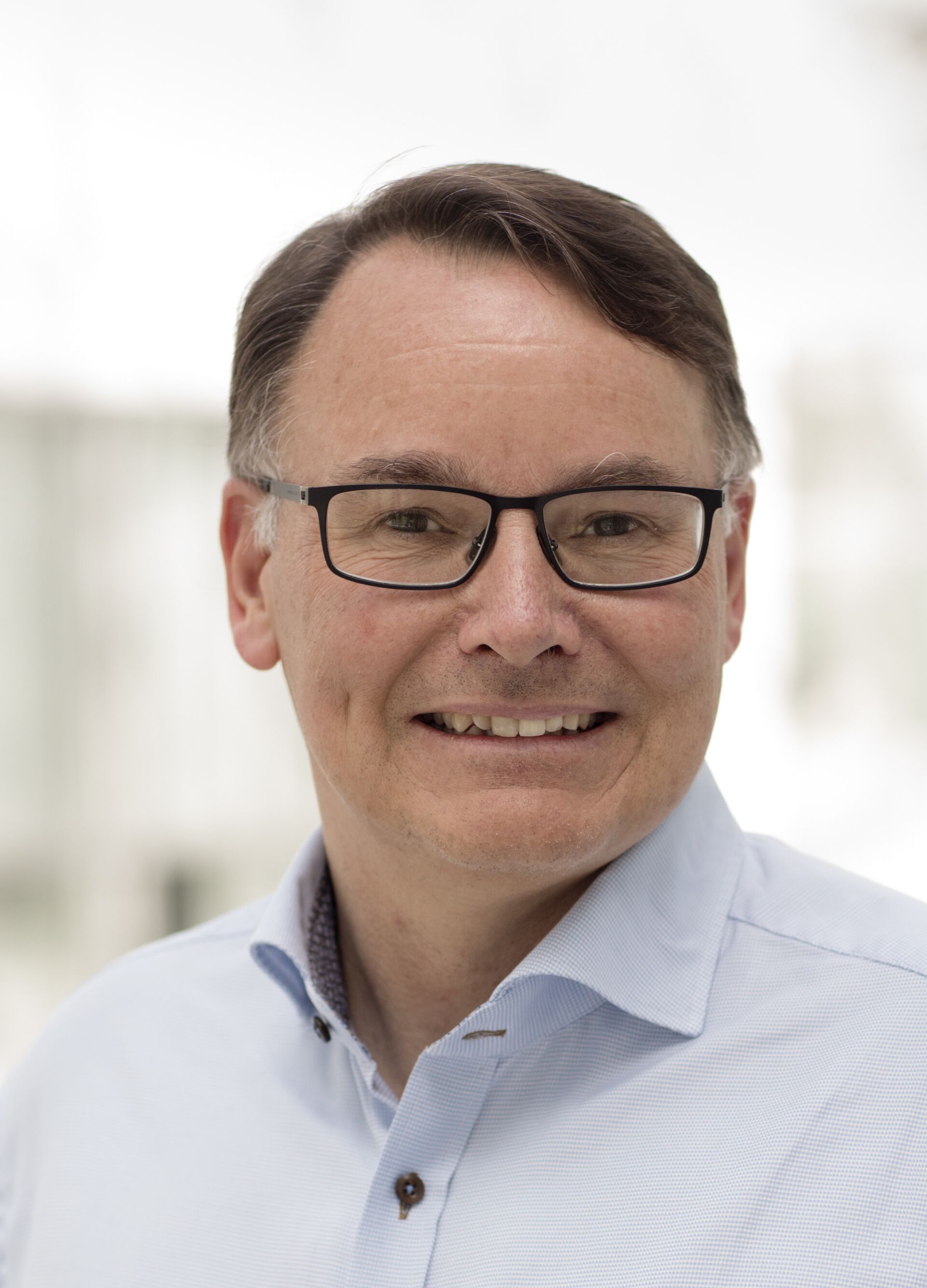
Thomas Winkler is an Associate Professor at the Division of Micro and Nanosystems, KTH Royal Institute of Technology, Sweden, and collaborates with TU Braunschweig, Germany. His research focuses on solving life science challenges using microsystems tools, particularly in neuropsychiatric disorders like schizophrenia. He develops organ-on-chip models, engineered microfluidic platforms, and biosensors for point-of-care diagnostics. Winkler leads an interdisciplinary ERC-funded team addressing metabolic coupling in neurovascular units and oxidative stress biomarkers. Key achievements include the ERC Starting Grant (2023) and work on electrochemical sensors for clozapine monitoring. He teaches courses such as Microsystem Technology (EK2350) and supervises PhD and postdoctoral researchers. Current projects include machine learning-guided robotic organoid maturation and electrochemical technology development for the CHIPzophrenia initiative. His lab actively seeks talent through open positions in Stockholm and Braunschweig. Scientific awards include the ERC Starting Grant and Marie Skłodowska-Curie Actions Fellowship. Research spans sensor development, microfabrication, and biomaterials, with a focus on translating lab technologies to clinical applications. Collaborations bridge engineering and life sciences, emphasizing personalized mental healthcare solutions.
Brent Page is an Associate Professor (tenured) in the Faculty of Pharmaceutical Sciences at the University of British Columbia (UBC) and maintains a research group at the Karolinska Institute , Department of Oncology and Pathology. His dual affiliation underpins a trans-Atlantic program that integrates cutting-edge chemical biology with medicinal chemistry for anti-cancer drug discovery. Education & Training PhD in Chemistry – University of Toronto (2013) HBSc in Chemistry (Honours) – University of British Columbia (2008) CIHR Postdoctoral Fellow – Karolinska Institute, Sweden (2008–2016) Assistant Professor (non-independent) – Karolinska Institute, Department of Oncology-Pathology (2017–2021) Research Focus Dr. Page’s laboratory operates at the interface of medicinal chemistry and chemical biology , aiming to identify and optimize small-molecule inhibitors for proteins previously considered “undruggable.” Core targets include STAT3, CLIC3, NUDT5/15 and SRPK3 . The group employs cellular thermal shift assays , isothermal ligand-induced resolubilization (ILIRA) , and CeTEAM technologies to quantify target engagement and refine structure–activity relationships in physiologically relevant models of breast cancer, triple-negative breast cancer, leukemia and atopic diseases . Funding & Collaborations His program is supported by Canadian Institutes of Health Research (CIHR) and other national and international agencies. Dr. Page actively participates in UBC’s Accelerated Translational Opioid Research Cluster and welcomes interdisciplinary collaborations and undergraduate research involvement. Equity, Diversity & Inclusion Committed to fostering an inclusive environment, Dr. Page mandates EDI training for all lab members and actively encourages participation from equity-deserving groups.
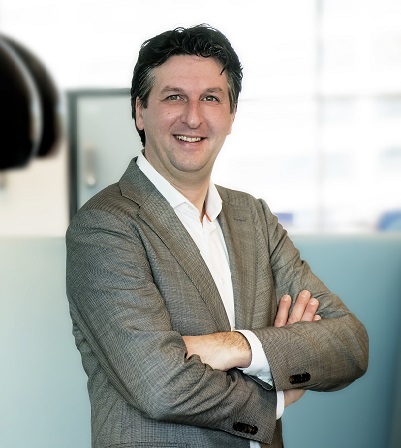
Dr Thomas Maguire is a Visiting Fellow with the King's Intelligence and Security Group in the Department of War Studies at King's College London, and Assistant Professor of Intelligence and Security at Leiden University. His research focuses on intelligence-propaganda interactions and international security cooperation, particularly in Cold War Southeast Asia and counter-terrorism contexts. Education: PhD in International Relations (POLIS, University of Cambridge) MPhil in International Relations (POLIS, University of Cambridge) BA (Hons) in History (Durham University) Maguire's research examines the intersection of intelligence operations and propaganda dissemination in foreign policy contexts, with specialized focus on British and American covert action in Southeast Asia. He also investigates post-colonial security relationships and international counter-terrorism cooperation frameworks. His work spans historical analysis and contemporary security challenges. Maguire's publications demonstrate interdisciplinary research across public health, virology, and immunology, particularly addressing COVID-19 diagnostics, vaccine development, and immune responses. This reflects methodological versatility in addressing complex global security and health challenges through both historical analysis and biomedical research. Scientific Awards: Lisa Smirl Prize for best thesis (University of Cambridge) Maguire leads the Dutch Government-funded 'Sharing Secrets' project investigating intelligence disclosure decision-making. He teaches intelligence studies courses and co-convenes the Cambridge Intelligence Seminar. At Leiden, he coordinates undergraduate and postgraduate programs in Intelligence Studies and Crisis Management. Maguire previously served as Research Fellow at Darwin College and the Department of Politics and International Studies (University of Cambridge), and as John Garnett Visiting Fellow at the Royal United Services Institute focusing on East African security challenges.
Associate Professor Arnold Lining Ju is a biomedical engineer at the University of Sydney's School of Biomedical Engineering, affiliated with multiple institutes including the Heart Research Institute and Sydney Nano Institute. He holds academic positions in both the Faculty of Engineering and Faculty of Medicine & Health. Education: BSc from Peking University, PhD from Georgia Tech and Emory University (USA). Honors include Snow Fellowship, Heart Foundation Future Leader Fellowship, and multiple awards for cardiovascular research innovation. Research focuses on mechanobiology and biomechanics of thrombosis, developing microfluidic devices and organ-on-chip systems. Key projects include AI-driven single-cell nanotools, 3D biofabrication, and anti-thrombotic peptide design. Leads interdisciplinary teams and collaborates internationally with institutions like Harvard and University of Texas. Teaching roles include coordinating advanced cellular biomechanics courses and supervising PhD/Masters students in biomedical engineering and physiology. Over 50 peer-reviewed publications, with contributions to Nature Materials, Nature Communications, and other top journals.
Hong Han is an Assistant Professor in the Department of Biochemistry & Biomedical Sciences within McMaster University's Faculty of Health Sciences and a member of the Centre for Discovery in Cancer Research (CDCR). She holds a Canada Research Chair and leads the Han Lab, which focuses on cancer biology, RNA regulation, and innovative high-throughput technologies for therapeutic discovery. Dr. Han earned her Ph.D. from the University of Toronto (2010-2016) and has established herself as a leading researcher in glioblastoma and alternative splicing regulation. Her interdisciplinary research integrates cancer biology, RNA science, and multilayer gene regulation to uncover mechanisms underlying cancer progression and treatment resistance. Her laboratory pioneers integrated technological platforms for large-scale genetic/drug screening and ultra-high-throughput single-cell profiling. The research focuses on three main areas: alternative splicing regulation in cancer (particularly glioblastoma and prostate cancer), multilayer mechanisms of glioblastoma heterogeneity and microenvironment evolution, and multiplexed screening approaches for therapeutic discovery in treatment-resistant cancers. Analysis of Dr. Han's recent publications reveals a strong emphasis on single-cell technologies to characterize glioblastoma heterogeneity, minimal residual disease states, and tumor-immune interactions. Her work increasingly bridges basic RNA biology with translational applications, particularly in developing novel therapeutic strategies targeting splicing networks and immune evasion mechanisms. Canada Research Chair Dr. Han teaches Advanced Techniques in the Biomedical Sciences (BIOCHEM 734). Her research program is supported by multiple funding sources, as evidenced by her extensive publication record in high-impact journals including Nature, Cell, Molecular Cell, and Nature Communications. She employs a comprehensive approach combining in vitro, in vivo, and patient cohort studies with cutting-edge genomic technologies. The Han Lab has developed innovative multiplexed screening platforms that enable simultaneous interrogation of thousands of conditions, ranging from CAR-T cells to small molecule therapeutics. This approach accelerates the discovery of novel cancer targets and therapeutic strategies for treatment-resistant cancers.
Xian Wu, Ph.D., serves as a Research Assistant Professor in the Department of Pharmacology & Toxicology at East Carolina University's Brody School of Medicine. Her research leverages human stem cell models to investigate developmental vulnerabilities to environmental contaminants in cardiovascular and neural systems, with emphasis on epigenetic mechanisms and disease modeling. Dr. Wu's academic credentials include: Ph.D. in Toxicology from the University of Georgia M.S. in Biomedicine from East China Normal University B.S. in Biotechnology from Anhui University Her postdoctoral training comprised a Fellowship at the National Institute of Environmental Health Sciences and an ORISE Fellowship at the U.S. Food and Drug Administration. Research focuses on creating human stem cell-derived organoid systems to model developmental toxicology, particularly examining cardiac and neural development under chemical exposure. The laboratory employs fluorescence reporter systems and RNA-seq to identify critical vulnerability windows during early development, with recent work targeting Parkinson's disease mechanisms through dopaminergic neuron models and cardiac fibrosis via advanced organoids. Methodological innovations include high-content imaging for neurogenesis quantification and epigenetic pathway analysis. Publication trends (2016-2025) demonstrate consistent advancement in stem cell-based toxicology testing, with increasing emphasis on micro/nanoplastics risk assessment, arsenic neurotoxicity mechanisms, and doxorubicin cardiotoxicity modeling. The work bridges environmental health, epigenetics, and regenerative medicine through interdisciplinary approaches. Scientific recognition includes: 2025 SPARC Award (ECU) 2024 Top Abstract Award (Developmental Origins of Health and Disease Society) 2024 NIEHS P30 Center Travel Award 2023 ECU Research and Creative Activity Award Dr. Wu actively mentors graduate researchers including Ph.D. candidate Cate Duncan and M.S. students Kamilah Muhammad and Bailey Skeen, alongside undergraduate Bryce Tilghman. Former trainees McKyrah Brown and Monica Cross completed honors theses in the laboratory. Current grants include ECU's SPARC Award funding stem cell model development for environmental contaminant testing. The BSOM 6S-11 laboratory maintains specialized capabilities in cardiac and cerebral organoid generation, fluorescence-based toxicity screening, and RNA-seq epigenetic analysis. Collaborative networks include the National Institute of Environmental Health Sciences and ECU's Center for Human Health and the Environment, supporting translational research on developmental vulnerability periods.
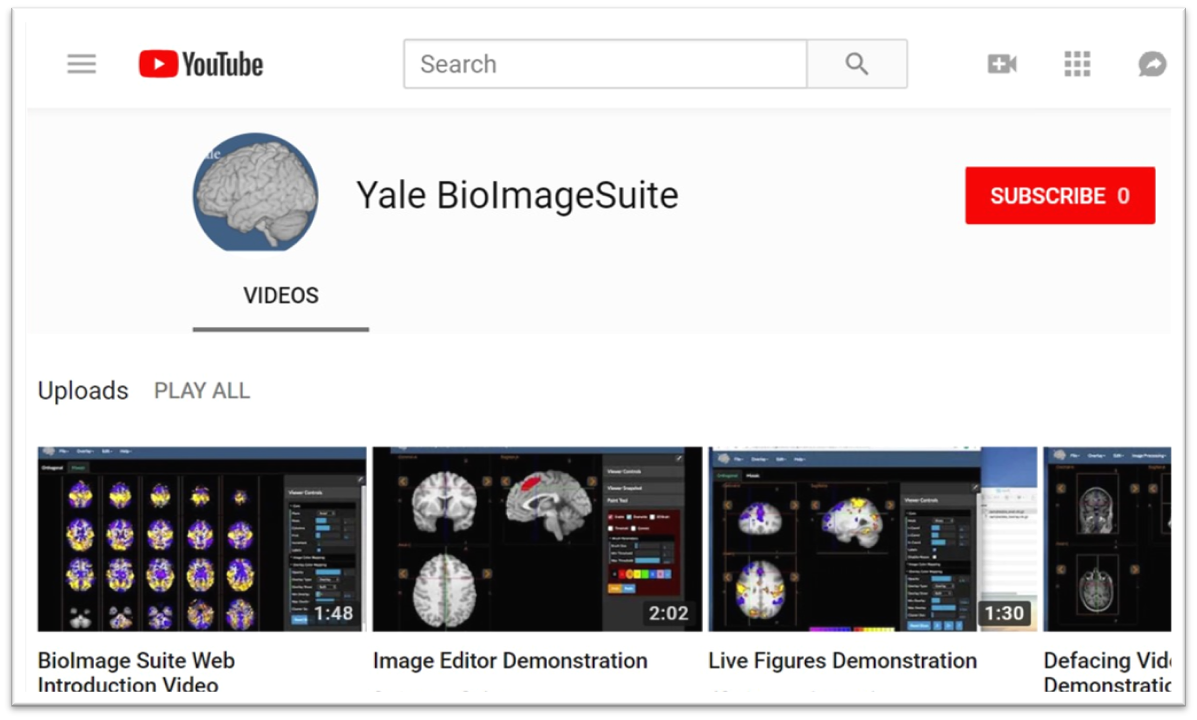
Xenophon Papademetris is a Professor of Biomedical Informatics & Data Science and Radiology & Biomedical Imaging at Yale School of Medicine. He serves as Associate Director of Biomedical Imaging Data Sciences at Yale Biomedical Imaging Institute and directs the Medical Software and Medical Artificial Intelligence Certificate Program. PhD in Electrical and Information Sciences from Yale University (2000) BA from Cambridge University (1994) Postdoctoral Fellowship at Yale University (2002) His research focuses on medical image analysis, machine learning, and biomedical software development. He has developed tools like BioImage Suite Web and contributed to standards committees at the Association for the Advancement of Medical Instrumentation (AAMI). His work spans modalities including MRI, CT, PET, and optical imaging. Recent publications emphasize neuroimaging analysis, explainable AI in healthcare, and multimodal data integration across species. He leads NIH-funded research under the BRAIN Initiative (R24 MH114805) and has authored a textbook on Medical Software published by Cambridge University Press. IEEE Senior Member Yale Brown-Coxe Postdoctoral Fellowship Harding Bliss Prize for Excellence in Engineering He directs the BioImage Suite Project, creating web-based image analysis tools using JavaScript and WebAssembly. His teaching includes both academic courses and a Coursera program on Medical Software with over 14,000 enrollments.
Philippe Christe is an Associate Professor in the Department of Ecology and Evolution at the University of Lausanne (UNIL), Faculty of Biology and Medicine. His research centers on host-parasite interactions, with a focus on bats, birds, and their ectoparasites, integrating behavioral, physiological, and genetic approaches. He leads the Christe Group, which investigates evolutionary and ecological dynamics in host-parasite systems, particularly avian malaria and bat-mite relationships. He is actively involved in conservation initiatives, including the Jorat Peri-Urban Nature Park, and collaborates with KORA on human-wildlife interactions. Bachelor's degree in biology, UNIL (1989) PhD in Zoology and Animal Ecology, UNIL (1994) Philippe Christe’s research interests lie at the intersection of parasitology, evolutionary ecology, and conservation biology. He investigates how host defenses evolve in response to parasitic pressures, examining trade-offs between immunity and life history traits such as reproduction and survival. His work often integrates field studies with experimental and molecular techniques. Key model systems include Parus major (great tit) and Culex pipiens in avian malaria, and bat species with their ectoparasitic mites. He also explores broader ecological interactions, including predator-prey dynamics and wildlife conservation in human-modified landscapes. His recent publications reflect a strong emphasis on disease ecology, wildlife conservation, and molecular methods. Articles span topics such as avian malaria transmission, lynx population dynamics, snow leopard behavior, and habitat fragmentation effects on insects. These works employ advanced techniques like DNA metabarcoding, spatial modeling, and long-term monitoring, demonstrating a trend toward interdisciplinary, data-driven ecological research with direct conservation applications. Dubois Foundation Prize for an educational CD-Rom on bats (2004) Communication Award from the Faculty of Biology and Medicine of UNIL (2017) Philippe Christe has supervised numerous PhD and Master’s students, contributing significantly to training the next generation of ecologists and evolutionary biologists. His group collaborates widely with institutions such as the Museum of Zoology in Lausanne and KORA, and participates in large-scale conservation projects involving snow leopards, lynx, and bats. He has been involved in research grants related to host-parasite coevolution, wildlife monitoring, and conservation strategies. His leadership in establishing the Jorat Peri-Urban Nature Park and involvement in the UNIL Interdisciplinary Center for Mountain Research highlight his commitment to applied science and environmental stewardship. He leads the Christe Group, which conducts research on host-parasite coevolution, with a focus on bats and their ectoparasites, and birds affected by avian malaria. The group combines fieldwork, laboratory experiments, and molecular analyses, and includes post-docs, PhD students, and technical staff. Collaborations extend to researchers in Bern, Paris, and Spain, fostering an international and interdisciplinary research environment.
Nadia Shardt is an Associate Professor in the Department of Chemical Engineering at the Norwegian University of Science and Technology (NTNU). Her research focuses on interfacial thermodynamics, particularly in systems with nanoscale curvature, with applications spanning atmospheric science, biomedical cryopreservation, and industrial process optimization. She contributes to teaching courses such as TKP4580 - Chemical Engineering Specialization Project and KP3100 - Chemical Engineering . PhD in Chemical Engineering (University of Alberta, 2019) BSc in Chemical Engineering (University of Alberta, 2015) Postdoctoral researcher at ETH Zurich (2020-2022) Her work addresses fundamental challenges in phase behavior under curvature constraints, combining microfluidic experimentation , Gibbsian thermodynamic modeling , and machine learning techniques to study systems like CO 2 storage media, cloud microphysics, and food emulsions. Recent publications emphasize surface tension modeling for complex multi-component systems and cryoprotectant loading efficiency. Scientific awards include the ETH Postdoctoral Fellowship Natural Sciences and Engineering Research Council of Canada (NSERC) Postdoctoral Fellowship Outstanding Academic Fellows Programme 2024-2028
Gabriela V. Cohen Freue is an Associate Professor in the Department of Statistics at the University of British Columbia (UBC), Vancouver Campus, and holds a Canada Research Chair (CRC Tier 2). She leads an interdisciplinary research program focusing on developing robust statistical methodologies for analyzing high-dimensional data in genomics and proteomics, with applications in medical sciences. Her work addresses challenges such as outliers, collinearity, and measurement errors, with applications in biomarker discovery for diseases like multiple sclerosis, cardiovascular disorders, and asthma. Her academic journey includes collaborations across disciplines, including with the BC Cancer Agency, PROOF Centre of Excellence, and iCAPTURE. She has pioneered methods like the Penalized Elastic Net S-Estimator (PENSE) and contributed to proteomic data analysis tools such as the Protein Group Code Algorithm (PGCA). She also co-developed the MDQC quality control method for microarrays. Research interests include robust regression, biomarker development, and statistical methods for big data. Her team includes postdocs, PhD, and MSc students, with a focus on training in both statistical rigor and interdisciplinary collaboration. Notable grants include a CANSSI Collaborative Research Team Project (CRT) award for robust causal inference and prediction modeling. Teaching responsibilities span statistical consulting, high-dimensional biological data analysis, and generalized linear models. She emphasizes active learning and real-world problem-solving in her courses. Her lab’s work is supported by grants from the Data Science Institute (DSI) and collaborations with institutions like the PROOF Centre. Alumni of her group hold positions in academia (e.g., George Mason University) and industry (e.g., Merck, BC Cancer Research Centre).
Brinton Seashore-Ludlow is an Associate Professor at the Department of Oncology-Pathology, Karolinska Institute (KI), where he serves as team leader in Olli Kallioniemi's research group and group leader of the biology team at Chemical Biology Consortium Sweden (CBCS), SciLifeLab's national infrastructure. PhD in Biochemistry, KTH Royal Institute of Technology (2012) MSc in Chemical Biology, California Institute of Technology (2007) BA in Biochemistry, Macalester College (2001) His research bridges precision medicine and cancer biology through: Developing ex vivo patient-derived models for drug response prediction Molecular determinants of therapeutic efficacy Integration of high-content imaging with translational studies Focus on ovarian, breast, and pediatric cancers AI-driven analysis of drug sensitivity data Recent articles demonstrate: 3D tumor spheroid platforms for drug testing Epigenetic regulators in neuroblastoma Microfluidics for high-throughput assays Cancer-stroma interactions in treatment resistance Clinical validation of precision diagnostics He co-organizes the Overview Course in Cancer Drug Discovery at KI and leads projects funded by the Swedish Childhood Cancer Foundation.
Kjetil Taskén is a full Professor at the Institute for Clinical Medicine, Faculty of Medicine, University of Oslo , and serves as the Director of the Institute for Cancer Research, Oslo University Hospital . He leads the OUS Center for Precision Medicine in Cancer (SEPREK) since 2021 and has held multiple leadership roles in molecular medicine initiatives, including Director of the Norwegian Centre for Molecular Medicine (NCMM) and co-founder of Bioteknologisenteret. Current affiliations: University of Oslo | Oslo University Hospital Education: Dr.med. (Molecular Cell Biology) | Cand.med. | Research Leadership Course Research interests include immunoregulation in cancer , precision oncology , cellular signal transduction in disease , and drug development targeting immune checkpoints . His work bridges translational immunology and molecular oncology , with a focus on regulatory T cell modulation for cancer therapy. Scientific contributions span high-impact publications on regulatory T cell inhibition , precision medicine implementation , and signal pathway drug targeting . Recent articles highlight collaborations across Europe (PCM4EU, PRIME-ROSE) and Norway (IMPRESS-Norway), with methodological advances in tumor microenvironment modeling and mutation timing analysis . Awards : King Olav V Cancer Research Prize | Anders Jahre Medical Prize | Faculty Medal (UiO) | Norwegian Academy of Science and Letters Leadership : Director of NCMM | Founder of Bioteknologisenteret | Head of multiple national cancer research initiatives Labs and teams include the Cancer Immunology Section at Oslo University Hospital and affiliations with the K. G. Jebsen Center for B-Cell Malignancies , where he co-leads research groups.
Dr. Rebecca San Gil is a Lecturer at the School of Medical Sciences , University of Sydney, Australia. She leads the NeuroMolecular Discovery Group within the Neuroscience theme and is a member of the Charles Perkins Centre . Her research focuses on the molecular mechanisms underlying neurodegenerative diseases such as motor neuron disease (MND) and frontotemporal dementia (FTD) , with an emphasis on protein aggregation, stress responses, and therapeutic discovery. PhD, University of Wollongong (2018) Postdoctoral Research, Queensland Brain Institute (2018–2025) Endeavour Research Fellow (University College London) Her research spans molecular biology , neurosciences , and biochemistry , integrating techniques like genome-wide CRISPR screening , multi-omics analysis , and translational research . Key themes include the role of molecular chaperones , heat shock response , and protein folding dynamics in mitigating neurodegeneration. Dr. San Gil’s recent publications (2016–2025) highlight her work on TDP-43 pathology , heat shock proteins , and therapeutic strategies across ALS/FTD models. She has received awards such as the FightMND Early Career Research Fellow and the Sydney Dementia Network Future Research Leader Award (Travel Support Scheme) in 2025. Scientific Awards : FightMND Early Career Research Fellow, Sydney Dementia Network Future Research Leader Award (2025) Dr. San Gil actively mentors researchers like Celine CHYE and collaborates with institutions globally. Her team welcomes new members to explore neurodegenerative disease biology and therapeutic discovery .
Tyler Johnson, PhD, is an Associate Professor in the Department of Natural Sciences and Mathematics at Dominican University of California's School of Health and Natural Sciences. His expertise lies in Natural Products Chemistry , Bioorganic Chemistry , and Medicinal Chemistry , with a focus on biomedical applications. Johnson's research emphasizes discovering therapeutic lead compounds and molecular probes from marine and terrestrial natural products. His research team investigates chemotypes like mycothiazole , zampanolide , fijianolide , and latrunculin from Indo-Pacific marine sponges. These compounds exhibit potent cytotoxicity (IC50 1~5 nM) against cancer cell lines through mechanisms including microfilament disruption , mitochondrial complex I inhibition , and microtubule stabilization . Current work explores mycothiazole as a molecular probe for mitochondrial aging. Key publications span 2024-2002, covering topics from sponge-derived anticancer agents to inflammation modulation and environmental toxicology. Johnson's laboratory engages in large-scale natural product isolation, spectroscopic validation, and semi-synthetic medicinal chemistry to optimize therapeutic leads. His work integrates undergraduate and graduate students into interdisciplinary biomedical research.
Jeffrey Beekman is a Full Professor at the University Medical Center Utrecht, specializing in translational research for chronic diseases through the Department of Pediatric Pulmonology. His work bridges basic and clinical research to develop novel diagnostics and therapeutics for conditions like cystic fibrosis (CF) and Primary Ciliary Dyskinesia. Education: PhD in Molecular Immunology (2004) Key Roles: Principle Investigator since 2010, co-founder of FAIR Therapeutics, Board Member of the Dutch Society for Stem Cell Research His research focuses on patient-derived organoid models to study disease mechanisms, validate therapeutic targets, and optimize drug development. Strategic programs include Child Health and Regenerative Medicine & Stem Cells . Recent publications highlight his work on CFTR gene therapy, organoid-based drug efficacy testing, and host-pathogen interactions in CF. Collaborations span molecular biology, clinical pulmonology, and biotech translation. Key Techniques: Organoid modeling, RNA sequencing, Forskolin-induced swelling assay Diseases Studied: Cystic Fibrosis, Colorectal Cancer Susceptibility, Primary Ciliary Dyskinesia