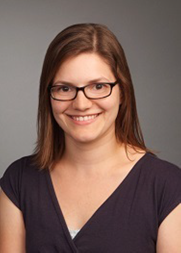
Katherine Wolfe, D.O., serves as an Assistant Professor in the Department of Obstetrics and Gynecology at the College of Medicine, Northeast Ohio Medical University (NEOMED), located at 4209 St. Rt. 44, PO Box 95, Rootstown, Ohio 44272. Her research spans critical areas of women's reproductive health, with emphasis on: Obstetrics and pregnancy management Gynecological disorders and interventions Maternal-Fetal Medicine for high-risk pregnancies Comprehensive Women's Health across lifespan Reproductive Health innovation Prenatal Care optimization Dr. Wolfe maintains active clinical and academic engagement through NEOMED's health care system, including the NEOMED Free Clinic. She may be contacted via email at Kwolfe2@chmca.org or telephone at 330.543.4508 for professional inquiries.
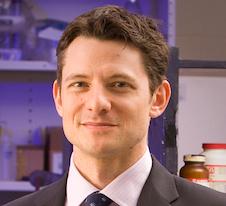
Prof. Dr. Bülent DEMİR serves as Head of the Department of Cardiology at Istanbul Medipol University International Faculty of Medicine since 2010. His clinical career spans multiple prestigious institutions including Ankara High Specialization Training Hospital, Bakırköy Dr. Sadi Konuk Hospital, and Turkish Hospital in Doha-Qatar. Fluent in English, he maintains active clinical practice at Bagcilar Medipol Mega University Hospital. His research focuses on inflammatory mechanisms in cardiovascular disease , particularly examining biomarkers like IL-17A, zonulin, and epicardial adipose tissue in conditions including metabolic syndrome, coronary artery disease, and cardiac syndrome X. Recent work explores connections between endocrine disorders (thyroid dysfunction, gestational diabetes) and cardiovascular outcomes. Analysis of his 15 most recent publications reveals strong emphasis on multimarker approaches to understanding vascular inflammation, with significant contributions to identifying novel angiographic phenomena like contrast layering clearance. His work bridges basic vascular biology (endothelial cell cultures, statin effects) with clinical cardiology applications. Prof. DEMİR actively supervises research with frequent collaborations across cardiology, endocrinology, and nephrology domains. His team has presented findings at major international forums including ESC Congress and Turkish Cardiology Congresses, though specific grant funding details are not documented in available materials.
Dr. Kristen L. Fardelmann is an Assistant Professor of Anesthesiology at Yale School of Medicine and Yale New Haven Hospital. She holds a medical degree (MD) from the University of Connecticut (2013) and a BS in Molecular and Cell Biology from the same institution. Dr. Fardelmann completed her Anesthesiology residency at New York Presbyterian-Weill Cornell Medical Center (2017) and a fellowship in Obstetric Anesthesiology at the University of North Carolina Chapel Hill (2018). Her research focuses on obstetric anesthesia, perioperative pain management, maternal-fetal medicine, and critical care in pregnancy. Key areas include optimizing cesarean delivery analgesia, managing opioid use disorders during pregnancy, and applying rotational thromboelastometry (ROTEM) to assess coagulopathy in obstetric populations. She has also contributed to studies on SARS-CoV-2 placental infection and rare vascular anomalies in pregnancy. Dr. Fardelmann’s publications emphasize clinical practice improvements, such as refining anesthesia protocols for cesarean sections and non-obstetric surgeries in pregnant patients. She collaborates with experts in cardiology, infectious disease, and maternal-fetal medicine to address complex peripartum challenges. Her work bridges clinical care and translational research, aiming to enhance patient safety and outcomes in high-risk obstetric scenarios. Professional certifications include Board Certification in Anesthesiology (American Board of Anesthesiology, 2018). Her research has been published in journals like Anesthesiology , Obstetric Anesthesia Digest , and Journal of Clinical Monitoring and Computing .
Zachary Colvin, DO is an Assistant Professor in the Department of Obstetrics and Gynecology at the Medical College of Wisconsin, specializing in maternal-fetal medicine. He serves as Co-Director of the 3rd year OB/GYN clerkship, emphasizing medical education. His clinical practice focuses on high-risk obstetrics, preconception counseling, and complex prenatal care. Education: Medical School at Chicago College of Osteopathic Medicine (2010-2014), residency at Advocate Lutheran General Hospital (2018), and Maternal-Fetal Medicine fellowship at Medical College of Wisconsin (2019-2021). Research interests include hematologic disorders in pregnancy, postpartum opioid use, and medical education innovation. He has presented nationally and published peer-reviewed articles on fetal alloimmune thrombocytopenia, maternal anemia, and hypertensive disorders of pregnancy. Clinical affiliations include Froedtert Hospital's Maternal Fetal Care Center, Children’s Wisconsin Fetal Concerns Clinic, and multiple Froedtert Health Centers. He actively mentors learners across training levels and contributes to obstetrical ultrasound and prenatal diagnosis advancements.
Liesbeth Lewi serves as an Associate Professor at KU Leuven's Faculty of Medicine within the Department of Development and Regeneration. She holds dual affiliations with the Woman and Child unit at UZ Leuven (Herestraat 49, box 7003) and Leuven.IRD - KU Leuven Institute for Rare Diseases. Her institutional roles include membership on the Council of the Faculty of Medicine and the Council of the Department of Development and Regeneration as senior academic staff. Her research focuses on high-risk twin pregnancies, particularly selective fetal growth restriction in monochorionic twins, placental pathology, and hemolytic disease management. Current leadership includes the Twin Growth Project (2022-2027), Outcomes of Monochorial Diamniotic Twin Pregnancies (2025-2029), and CONTRAST initiative (2023-2024). Her methodology integrates international multicenter cohort studies, ultrasound innovation, and systematic reviews of perinatal interventions. Analysis of her 2025 publications reveals dominant themes in obstetric ultrasound standardization, twin placental pathophysiology, and evidence-based management of fetal growth disorders. Key trends include international guideline development (ISUOG), Doppler flow analysis for predicting adverse outcomes, and novel echocardiography techniques for twin surveillance. Her teaching portfolio encompasses advanced problem-solving courses in gynecology and obstetrics (E0J61A-E0J71A), evidence-based medicine (E0AA5A), and clinical research methodology (E0C63B) across KU Leuven's medical curriculum. Laboratory and clinical operations center on the Woman and Child unit's fetal medicine research infrastructure, with active collaboration in Leuven.IRD's rare disease networks. Current projects investigate placental vascular anastomoses, umbilical cord insertion pathologies, and postpartum hemorrhage interventions through interventional radiology.
Lin Li is a Postdoctoral Researcher at the Department of Medical Epidemiology and Biostatistics, Karolinska Institutet, Sweden. Her work focuses on psychiatric and pharmacoepidemiology, with a primary affiliation to the research group of Zheng Chang. Education: PhD in Medical Sciences from Örebro University (2022). Grants: Funded by Fonden för Psykisk Hälsa, KI Research Foundation, Stiftelsen Sven Jerrings Fond, The Swedish Heart Lung Foundation, The Söderström König Foundation, Fredrik och Ingrid Thurings Stiftelse. Research Interests: Lin Li specializes in leveraging large-scale national health registers, twin studies (Swedish Twin Register), and systematic reviews/meta-analyses to investigate ADHD's links to cardiovascular diseases (CVD), cardiometabolic risk profiles, and type 2 diabetes. Her work evaluates psychotropic medication safety via advanced pharmacoepidemiological methods and explores gene-environment interactions in ADHD symptom dimensions. Publications: She has contributed to high-impact journals including JAMA Psychiatry , The Lancet Psychiatry , and BMC Medicine . Key article trends include ADHD pharmacotherapy risks, twin studies on genetic/environmental mechanisms, and population-based cohort analyses of cardiometabolic comorbidities. Collaborations: Li works with international teams across Sweden, Norway, and multidisciplinary institutions like the Norwegian Mother, Father and Child Cohort Study (MoBa). Her research spans clinical, genetic, and social epidemiology domains.
Dr. Pirro Hysi is a Reader (equivalent to Associate Professor) in Ophthalmology at King's College London, where he serves as School Academic Lead for Postgraduate Research within the School of Life Course & Population Sciences. His work bridges genetics, genomics, and ophthalmology, with a focus on understanding the genetic basis of eye diseases and related conditions. Dr. Hysi's research spans multiple areas of genetic ophthalmology and population genomics. His work primarily focuses on genome-wide association studies (GWAS) to identify genetic variants associated with eye conditions including myopia, glaucoma, keratoconus, and age-related macular degeneration. He also investigates the intersection of genetics with metabolomics, exploring how metabolic pathways influence ocular health and disease progression. His research has expanded into machine learning applications for disease prediction and the genetic basis of systemic conditions that impact eye health. His publication record demonstrates a strong focus on large-scale genetic studies, often leveraging data from the UK Biobank and other international cohorts. Recent work has expanded into applying machine learning approaches to predict disease progression and exploring the genetic basis of conditions beyond ophthalmology, including cardiovascular health, metabolic disorders, and pregnancy-related conditions. Dr. Hysi serves as Principal Investigator or Co-Investigator on multiple research projects funded by organizations including Fight for Sight, the BrightFocus Foundation, NIH, and the Fetal Medicine Foundation. His current projects include investigating metabolic factors in age-related eye diseases, developing vision measurement technology, and identifying glaucoma therapy targets through multi-omic analysis. He is actively involved in several major research consortia, particularly the UK Biobank Eye and Vision Consortium, and has contributed to numerous large-scale genetic studies across multiple medical specialties. His work has been featured in high-impact journals including Nature Communications, JAMA Ophthalmology, and Nature Medicine.
Dr. Liina Poder is a Professor of Radiology at the University of California, San Francisco (UCSF), serving as Director of Ultrasound in the Department of Radiology & Biomedical Imaging. She specializes in obstetrical and gynecologic imaging, with a focus on multimodality imaging (CT, MRI, ultrasound) of reproductive-age females. Her expertise includes placenta accreta spectrum disorders, endometriosis, and gynecologic imaging challenges. Education and Training: Medical Degree: George Washington University School of Medicine (1998) Residency: Radiology at George Washington University Fellowship: Abdominal Imaging at UCSF Research Interests: Dr. Poder's research emphasizes multimodality imaging integration, placental disorders, and endometriosis. She has contributed to ACR and SAR guidelines on imaging protocols for gynecologic and obstetric conditions. Her work focuses on improving diagnostic accuracy and clinical outcomes through advanced imaging techniques such as MRI and ultrasound. Publications Overview: Her articles span placenta accreta spectrum management, endometriosis imaging, and the role of complementary modalities (CT/MRI/US). Recent work highlights improved risk stratification protocols and clinical safety frameworks for high-risk pregnancies. Awards: 2021 UCSF Radiology Outstanding Clinician Award 2010 Promotion to Associate Professor 2001 Radiological Society of North America Research Award Grants and Advising: Dr. Poder chairs the ACR Gynecology and Obstetrics Imaging Panel and leads SAR's Placental Working Group. She advises on imaging guidelines and collaborates on multidisciplinary teams addressing complex gynecologic and obstetric cases. Labs/Teams: A core member of UCSF's Abdominal Imaging Division, she contributes to the Endometriosis and Chronic Pelvic Pain Center, integrating imaging advancements with clinical care.
Dr. Xinshan Li is a Senior Lecturer in the Department of Mechanical Engineering at the University of Sheffield , affiliated with the School of Mechanical, Aerospace and Civil Engineering . Her work bridges computational modeling and biomedical applications, focusing on musculoskeletal mechanics across pediatric and adult populations. PhD in Bioengineering (2011), Auckland Bioengineering Institute Research interests: continuum modeling of musculoskeletal systems, pediatric bone mechanics, fracture risk prediction using finite element analysis, pelvic floor biomechanics in childbirth, and medical image-based computational models. Key collaborations: University of Sheffield’s Digital Patient initiatives, Procter & Gamble, Hospital for Special Surgery, and international biomedical research teams. Her recent publications highlight applications of finite element analysis and musculoskeletal modeling in osteoporosis screening , childbirth mechanics , and infant bone development , with methodological innovations in deep learning-based image segmentation . Dr. Li’s work has no listed awards but emphasizes translational research, including pFIRE (parallel image registration framework) and agent-based modeling of skin stem cells. She collaborates extensively on CT/MRI data integration for clinical applications. Contact: Room 1312, Sir Frederick Mappin Building , Mappin Street, Sheffield S1 3JD, UK. Email: xinshan.li@sheffield.ac.uk .
Michael A Belfort is the Ernst W. Bertner Chair and Professor in the Department of Obstetrics and Gynecology at Baylor College of Medicine, with additional professorial appointments in Anesthesiology and Surgery. He serves as Obstetrician and Gynecologist-in-Chief at Texas Children's Hospital and its Pavilion for Women, and is Co-Director of the Perinatal Surgery Fellowship. Ernst W. Bertner Chair/Professor, Obstetrics and Gynecology, Baylor College of Medicine Professor, Anesthesiology, Baylor College of Medicine Professor, Surgery, Baylor College of Medicine Obstetrician and Gynecologist-in-Chief, Texas Children's Hospital Co-Director, Perinatal Surgery Fellowship, Baylor College of Medicine Dr. Belfort earned his MBBCH, MD, and PhD from the University of Cape Town, completed residencies in Obstetrics and Gynecology in South Africa, and a Maternal-Fetal Medicine fellowship at Baylor College of Medicine. He is board certified by the American Board of Obstetrics and Gynecology in Maternal-Fetal Medicine and holds multiple state medical licenses. His research focuses on maternal-fetal physiology , particularly cerebral hemodynamics in preeclampsia , fetal surgery outcomes , placenta accreta , and obstetric complications . He has extensively studied the use of Doppler ultrasound in predicting preeclampsia and cerebral perfusion changes during pregnancy. His recent publications highlight work in twin-twin transfusion syndrome , fetal lower urinary tract obstruction , gastroschisis , and spina bifida , reflecting a strong trend toward improving prenatal diagnosis and intervention for complex fetal conditions. Dr. Belfort has contributed to major clinical guidelines, including the 2024 international Delphi consensus on LUTO management. His work bridges clinical practice, research, and education in maternal-fetal medicine. Board Certification, American Board of Obstetrics and Gynecology (Maternal-Fetal Medicine) Board Certification, South African Medical Council Board Certification, Royal College of Physicians and Surgeons in Canada Board Certification, Royal College of Obstetricians and Gynaecologists, London Licenses: Texas, California, Georgia, Illinois, Utah As Co-Director of the Perinatal Surgery Fellowship, Dr. Belfort plays a key role in training the next generation of maternal-fetal medicine specialists. His research has been supported through institutional and clinical grants, though specific grant details are not listed. His work continues to influence clinical protocols in high-risk obstetrics and fetal intervention. He leads a multidisciplinary team focused on perinatal surgery and high-risk pregnancy management at one of the nation’s leading children’s hospitals.
Prof. Orhan Ünal is a full Professor at the Faculty of Medicine, Yeditepe University , in the Department of Obstetrics and Gynecology . He has served as Head of Department at Sakarya University in 2014. His clinical and academic work focuses on high-risk pregnancies, gynecologic oncology, infertility, and minimally invasive gynecologic surgery. His research spans a wide range of topics including placental abruption, ectopic pregnancy, chronic gynecologic conditions, and rare ovarian tumors. He has presented extensively at national and international congresses and contributed to case reports and retrospective studies. Research Interests: Obstetric complications such as placental abruption and uterine atony Gynecologic oncology including ovarian carcinoid and leiomyosarcoma Infertility and unexplained infertility diagnostics Urogynecology and stress urinary incontinence Minimally invasive gynecologic surgery Scientific Contributions: Published over 15 peer-reviewed articles and case reports Presented at national and international congresses including the European Congress of Obstetrics and Gynaecology Invited speaker on topics such as urinary incontinence and HSIL management Administrative & Academic Roles: Head of Department, Sakarya University (2014) Faculty member, Yeditepe University Supervisor of clinical and academic training in obstetrics and gynecology
Jorunn Kaiander Sundgot Borgen is a Professor at the Department of Sports Medicine , Norwegian School of Sport Sciences (NIH), and Director of the Center for Women's Health Research in Sports and Physical Activity. She holds a PhD from NIH (1993) and a Master's degree from Arizona State University (1985) . With visiting professorships at UC Berkeley (2010, 2011, 2013) and prior leadership roles at the Norwegian Olympic Training Center (1995-2009) , she has shaped international guidelines as a member of the IOC Working Group on REDs and Nordic Eating Disorder Society . ACSM Fellow Honorary Fellowship, Royal College of Physicians of Ireland & Royal College of Surgeons in Ireland Recipient of the Norwegian Research Council's Excellence in Science Communication Award (2013) Author of 150+ scientific articles on REDs, eating disorders, and women's sports health Her research focuses on Relative Energy Deficiency in Sport (REDs) , pregnancy in athletes , and mental health in sports . Recent work explores: Exercise safety during pregnancy (2025) Eating disorder prevention in youth athletes (2024) Bone health biomarkers in cross-country skiers (2024) IOC consensus statements on REDs (2023) A key advisor to elite athletes and coaches, she leads interventions for disordered eating and energy availability issues . Her 2022-2025 studies span topics from sexual harassment in sports to nutritional impacts on bone density , reflecting her multidisciplinary approach to athlete health.
Dr. Katherine Swanson is an Assistant Professor in the Department of Obstetrics and Gynecology, Reproductive Sciences at the University of California, San Francisco (UCSF) School of Medicine. She specializes in Maternal-Fetal Medicine and Reproductive Genetics, providing clinical care and conducting research in high-risk pregnancies and prenatal genetic testing at UCSF's Fetal Treatment Center. Dr. Swanson's educational background includes: Bachelor of Arts in Anthropology from the University of Chicago (2006) Doctor of Medicine from Northwestern University (2013) Residency in Obstetrics and Gynecology from Northwestern University (2017) Fellowship in Maternal-Fetal Medicine from the University of California, San Francisco (2022) Her research focuses on gestational carrier pregnancies, prenatal genetic testing, pregnancy loss, and clinical obstetrics. Dr. Swanson has published extensively on outcomes in gestational carrier arrangements, examining severe obstetric morbidity, neonatal outcomes, reproductive travel patterns, and adherence to clinical guidelines. Her anthropological training informs her approach to understanding the social, ethical, and cultural dimensions of reproductive medicine, providing a unique perspective on patient counseling in complex reproductive situations. She has also investigated labor progression patterns, uterocervical angle measurements, gestational diabetes screening methods, and cord blood gas analysis. Analysis of Dr. Swanson's publication record reveals a strong emphasis on evidence-based practice in assisted reproductive technologies. Her research employs population-based methodologies to evaluate real-world clinical practices, with particular attention to multifetal gestation complications, preimplantation genetic testing outcomes, and anesthesia exposure during cesarean delivery. Her work bridges clinical practice and research to improve outcomes for patients navigating complex reproductive journeys. Dr. Swanson actively contributes to the academic community through presentations at major conferences including the Society for Maternal Fetal Medicine and the Society of Reproductive Investigation. Her research has been published in high-impact journals such as the American Journal of Obstetrics & Gynecology, Obstetrics & Gynecology, and American Journal of Perinatology. While specific information about her laboratory team is not provided, her collaborative publication pattern suggests she works within UCSF's Maternal-Fetal Medicine division and Reproductive Genetics program.
Stephen O'Brien is a Professor of Chemistry and Biochemistry at The City College of New York, affiliated with the Center for Advanced Technology, Chemical Engineering, and the Energy Institute. His research focuses on nanocrystal synthesis, biomedical applications of nanomaterials, batteries, and capacitors, with emphasis on energy storage and clean technology. He leads a research group exploring nanomaterials for applications in photonics, catalysis, and medical devices. His work integrates chemical solution processing and self-assembly techniques to develop high-performance nanocomposites and devices. Key research areas include lithium metal batteries, multiferroic oxides, and meta-capacitor projects. He has pioneered studies on nanoparticle self-assembly and transition metal oxide nanomaterials. His group collaborates on projects funded by various sponsors, aiming to bridge nanotechnology with practical industrial applications. Recent publications span advancements in magnetic sensor design, alkaline battery anodes, and biomedical imaging techniques. He has advised numerous graduate students in materials science and engineering. Notable collaborations include work on fibrotic tissue recovery and biomaterials characterization. His research has implications for sustainable energy systems, medical diagnostics, and nanoscale device fabrication.
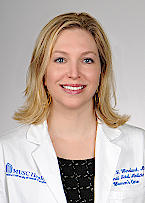
Rebecca Jane Wineland, MD is an Associate Professor in the Department of Obstetrics and Gynecology at the Medical University of South Carolina (MUSC), College of Medicine. She serves as the Medical Director of the Antepartum Unit and specializes in Maternal-Fetal Medicine, providing expert care for high-risk pregnancies and fetal conditions. Her educational background includes: Medical School: University of Connecticut School of Medicine (2006) Internship: New York - Lenox Hill Hospital (2007) Residency: Medical University of South Carolina College of Medicine (2010) Fellowship: Medical University of South Carolina (2018) Dr. Wineland's clinical and research interests encompass a broad spectrum of Maternal-Fetal Medicine, with a focus on high-risk pregnancy management. Key areas include Fetal Anomalies, Premature Birth, Gestational Diabetes, Preeclampsia, Multiple Gestations (Twins and Triplets), Hypertensive Disorders of Pregnancy, Obesity in Pregnancy, Fetal Ultrasound, Infertility, and Minimally Invasive Gynecologic Surgery. Her work aims to improve outcomes for both mother and fetus through advanced diagnostic and therapeutic approaches. Dr. Wineland is actively involved in clinical care and academic teaching at MUSC. While specific details about her graduate student advising and research grants are not publicly available, she contributes significantly to the training of medical students and residents in the field of Obstetrics and Gynecology. As Medical Director of the Antepartum Unit, she leads a multidisciplinary team dedicated to the care of women with high-risk pregnancies, utilizing the latest advancements in maternal-fetal medicine to ensure optimal outcomes.