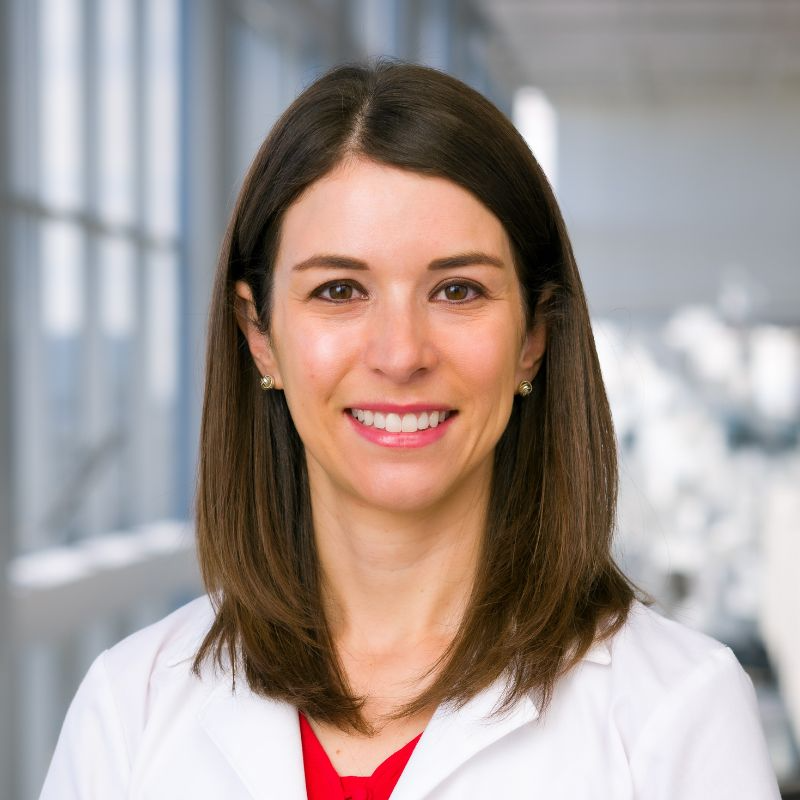
Brooke L. Yancey-Ward, Psy.D. , is a clinical psychologist and Assistant Professor in the Department of Pediatrics at the University of Arkansas for Medical Sciences (UAMS) . She practices at the James L. Dennis Developmental Center and Arkansas Children’s Hospital outpatient clinics, including the COACH clinic, Cardiovascular Neurodevelopmental Follow-Up Clinic, and High-Risk Newborn Clinic. Educational Background: Graduate training at the University of Indianapolis Pediatric psychology fellowship at Arkansas Children’s Hospital/UAMS Research Interests focus on resilience, adherence, pediatric feeding disorders, parent-child bonding , and maternal mental health . Her clinical work emphasizes empirically supported interventions and integrating recent research into patient care. Clinical Expertise: Behavioral Health Pediatric Care Specialization in Pediatric Feeding Disorders Practice Locations: James L. Dennis Developmental Center, 1301 Wolfe St., Little Rock, AR 72202
Cynthia D. Morris serves as Professor and Vice Chair in the Department of Medical Informatics and Clinical Epidemiology at Oregon Health & Science University (OHSU), where she also directs the Oregon Clinical and Translational Research Institute (OCTRI) and leads the NIH CTSA grant. Her leadership spans clinical research infrastructure, workforce development, and innovative trial design. Her educational foundation includes: Ph.D. in Epidemiology, University of Washington (1985) M.P.H. in Epidemiology, University of Washington (1981) B.S. in Biology, Portland State University (1978) B.S. in Psychology, Portland State University (1977) Dr. Morris's research integrates clinical translational science with health equity through three interconnected pillars: (1) Developing novel clinical trial methodologies for vulnerable populations, particularly in respiratory outcomes of maternal smoking and critical care recovery; (2) Creating sustainable workforce development pipelines that have trained over 1,400 researchers through OHSU's Master of Clinical Research program; (3) Implementing community-engaged approaches to address health disparities in addiction medicine and maternal-child health. Her work consistently bridges molecular mechanisms (epigenetics, placental function) with population-level interventions. Analysis of her recent publications reveals a strategic focus on translational impact , with 60% of recent work targeting interventions for disadvantaged populations. Key thematic clusters include: vitamin C supplementation trials for smoking-affected pregnancies (7 articles), addiction consult service modeling (4 articles), and pandemic resilience in clinical research infrastructure (2 articles). This portfolio demonstrates rigorous methodology development applied to high-impact public health challenges. Her scientific recognition includes: highest awards in education and mentoring in Oregon Distinguished Educator Award from the Association for Clinical and Translational Science Dr. Morris has secured over $50M in NIH funding, including continuous support for underrepresented student training programs serving 600+ participants. Her mentorship legacy spans 40+ F/T/K awardees, with OCTRI's infrastructure supporting 200+ early-career investigators annually through specialized cores in biostatistics, community engagement, and data science. Current initiatives include the LIFT trial for post-ICU mindfulness interventions and expansion of addiction consult services through Medicaid ACO partnerships. As OCTRI Director, she oversees a statewide consortium connecting 12 Oregon research institutions through shared resources including the Clinical Research Center, Community Engagement Core, and Data Science Innovation Hub, driving translational efficiency across the research spectrum.
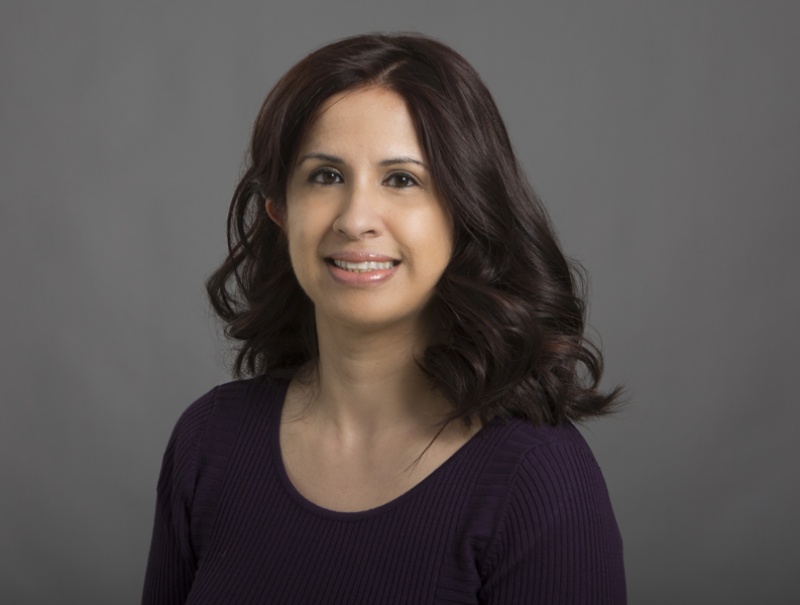
Dr. Rajesh Maheshwari is a Clinical Associate Lecturer in the Department of Obstetrics & Gynaecology at the University of Sydney's Westmead Clinical School. His research focuses on neonatal and perinatal health, particularly in preterm infants, addressing critical areas such as nutritional management, respiratory care, and clinical intervention protocols. His work spans topics like parenteral nutrition formulations, cerebral oxygenation optimization, and thermoregulation strategies in neonatal intensive care units. Key research themes include improving outcomes for extremely preterm infants through randomized controlled trials, investigating parental consent processes in high-risk neonatal care, and evaluating global skincare practices in neonatal units. He has contributed to studies on pulmonary hemorrhage, thyroid function in neonates, and cost-effective home-based phototherapy solutions for jaundice. Dr. Maheshwari's publications reflect a multidisciplinary approach, collaborating with experts in pediatrics, radiology, and clinical ethics. His research emphasizes translational studies that bridge clinical practice and evidence-based guidelines, aiming to reduce complications and enhance survival rates in vulnerable neonatal populations.
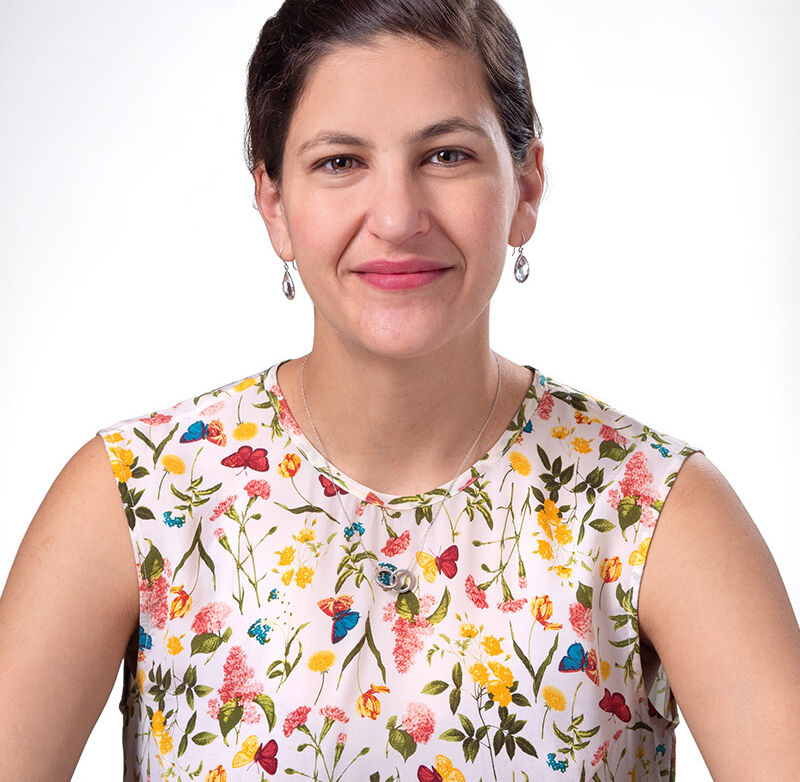
Dr. Flora Wong is an Associate Professor and Senior Research Fellow at Monash University , with a joint appointment as a Consultant Neonatologist at Monash Medical Centre . Her work bridges clinical practice and translational research in preterm cerebral pathophysiology , focusing on cerebral blood flow , oxygenation , and neonatal brain injury prevention. Educational Background: PhD in Medicine from Monash University (2009) MBBS from University of Melbourne (1993) Research Focus: Dr. Wong specializes in near-infrared spectroscopy (NIRS) applications for monitoring newborn infants in intensive care. Her studies address preterm brain injury , sleep-related breathing patterns , and physiological interventions to improve neurodevelopmental outcomes. Publications & Projects: With over 97 research outputs and 22 projects since 2009 (including active 2025 BabyFace Study ), her work spans preterm infant care , maternal hyperoxygenation , and fetal therapies . Key collaborations include the Royal Australasian College of Physicians and NHMRC . Awards: 2020: Bioeffects of Doppler ultrasound on the newborn brain (prize for in vivo rat model research) Advising & Grants: Dr. Wong is a primary investigator for grants funded by organizations such as the Australian Department of Health and NHMRC . She is actively accepting PhD students via Monash University's SupervisorConnect platform. Labs & Teams: Affiliated with The Ritchie Centre and Monash Newborn , her research integrates clinical and preclinical studies, emphasizing translational paradigms and neonatal critical care .
Allison Mackey is an Assistant Professor at the Karolinska Institutet, affiliated with the Department of Clinical Science, Intervention and Technology's Audiology Unit. Her research focuses on hearing screening programs, health economics, and speech perception mechanisms. She obtained her doctoral degree in Medicine from Karolinska Institutet in 2022 and has been employed there since 2023. Doctoral Degree in Medicine: Karolinska Institutet (2022) Her work spans pediatrics, otorhinolaryngology, and public health, with key contributions to neonatal and post-newborn hearing screening. Analysis of her 15 most recent publications reveals trends in cost-effectiveness modeling, congenital CMV prevention, and auditory physiology research. Research Areas: Developmental hearing loss detection Cost-benefit analysis of screening programs Biomechanics of bone-conducted hearing Speech perception in noisy environments Global health disparities in auditory screening Collaborations: Active in international initiatives including screening program implementation in Albania and cross-national hearing impairment assessments.
Stephanie L. Merhar is Professor of Pediatrics at the University of Cincinnati and Attending Neonatologist at Cincinnati Children's Hospital Medical Center. She leads research on neurodevelopmental outcomes of high-risk infants, particularly those exposed to opioids. Research pillars include: Neuroimaging correlates of prenatal substance exposure Long-term developmental trajectories of NICU graduates Clinical biomarkers for neonatal neurotoxicity Recent studies examine brain volumetric changes and neurobehavioral patterns in opioid-exposed newborns. Her team collaborates with NICHD Neonatal Research Network sites on multi-center trials. As Research Director of the NICU Follow-Up Clinic, she oversees longitudinal assessments and coordinates NIH-funded projects on perinatal neuroprotection.
Eunsung Cho serves as an Assistant Professor in the Department of Pediatrics at the University of Maryland School of Medicine. His clinical leadership role as Medical Director of the NICU Follow-up Program places him within the Division of Neonatology at 110 S. Paca Street, 8th Floor, Baltimore, where he oversees comprehensive post-discharge care for infants with critical neonatal histories. His research and clinical focus centers on neonatology with specialized attention to long-term developmental trajectories and health outcomes in NICU graduates. The NICU Follow-up Program under his direction addresses multidimensional needs including neurodevelopmental monitoring, chronic medical management, and family-centered support systems for high-risk infants transitioning from intensive care. His work bridges clinical practice with academic investigation into interventions that optimize neurocognitive and physical development in vulnerable newborn populations.
Dr. Sari Bar is an Associate Professor of Pediatrics at UT Southwestern Medical Center and Medical Director of both the Developmental-Behavioral Pediatrics clinic and Down syndrome clinic at Children’s Health Dallas. She leads the Developmental-Behavioral Pediatrics Fellowship program, training the next generation of specialists. Clinical expertise includes assessment of children with neurodevelopmental disorders and medical complexities. Research focuses on ADHD management strategies and developmental outcomes of high-risk infants. Dr. Bar's work integrates clinical practice with research on behavioral phenotypes in genetic syndromes. She develops protocols for interdisciplinary assessment of children with complex medical and developmental needs.
Myriam Bickle Graz is an associate physician in neonatology at CHUV and a private lecturer and clinical researcher at the Faculty of Biology and Medicine (FBM), University of Lausanne. She works in the Development Unit of the Neonatology Department, focusing on long-term follow-up of high-risk newborns, including preterm infants and those with perinatal complications. Her research and clinical work center on health equity and sustainable medicine . She advocates for measuring social and ethnic disparities in healthcare access and outcomes, particularly for premature infants. She is leading a Master’s project assessing morbidity and mortality by nationality, language, and socioeconomic status, with future plans to include ethnicity. Her vision extends to environmental sustainability in healthcare, notably through reducing exposure to endocrine disruptors like phthalates in neonatal units. The limited article data shows a focus on child development and public health, particularly a 2021 JAMA study on how facial masking during the pandemic affected emotion recognition in children aged 3 to 6. The findings indicated minimal clinical impact, offering reassurance during a time of widespread concern. Myriam Bickle Graz is actively involved in teaching and mentoring, supervising research students, and collaborating with patient associations such as Né trop tôt . She is a member of Les Engagés pour la santé , promoting equitable and sustainable healthcare. Her work bridges clinical practice, research, and public engagement, emphasizing simple, useful science that impacts real lives. She completed her medical training at the University of Lausanne, with additional experience in Canada and England. Her career reflects a deep commitment to social justice in medicine, from neonatal care to broader systemic reform.
Anne Debeer serves as an Assistant Professor at KU Leuven's Faculty of Medicine within the Department of Development and Regeneration. Her clinical work is anchored at UZ Leuven's Woman and Child unit (Herestraat 49, Leuven), where she contributes to multidisciplinary care for high-risk neonatal and pediatric populations. Her research spans congenital diaphragmatic hernia (CDH) management , neonatal transfusion medicine , and preterm infant care . Key projects include physiological cord clamping for CDH infants (2022-2026 Promoter role) and European multicenter studies on platelet/RBC transfusions in NICUs. Her work emphasizes translational perinatal interventions, with recent publications analyzing tracheomalacia in CDH, lactation barriers for preterm dyads, and hydrocortisone effects on preterm neurodevelopment. She employs robust methodologies including international cohort studies, RCT substudies, and pulmonary function testing in school-aged CDH survivors. Her publication trends reveal a strong focus on CDH interventions (50% of recent work), neonatal transfusion optimization (30%), and preterm developmental outcomes (20%). Articles consistently utilize multicenter European collaborations, with methodologies spanning clinical trials, observational cohorts, and physiological measurements. The research directly informs NICU protocols across 22 European countries. As an educator, she teaches pediatric clinical skills courses including Kindergeneeskunde (Pediatrics), problem-solving modules, and integrated clinical reasoning for master's students. She serves on the Faculty of Medicine Council and Department of Development and Regeneration Council as senior academic staff. Her laboratory and team affiliations include the Woman and Child research unit at UZ Leuven, with active collaborations in the European Neonatal Transfusion Network and international CDH research consortia. Current work focuses on refining physiological cord clamping protocols and longitudinal CDH outcome studies.
Kousiki Patra, MD is a Professor in the Department of Pediatrics at Rush Medical College, specializing in Neonatal-Perinatal Medicine. She serves as Director of the Neonatal High-Risk Follow-Up Clinic and is affiliated with Rush University. Specializes in high-risk newborn care Focus on neurodevelopmental outcomes in preterm infants Lead research on donor milk impact and maternal distress Research Interests: Dr. Patra's work centers on neurodevelopmental disorders in preterm infants, maternal-infant health dynamics, and human milk nutrition for low birth weight babies. Her studies explore how NICU interventions affect long-term outcomes. Publication Trends: Recent articles focus on donor milk effects , maternal psychological distress in NICUs, and digital interventions for parental support. Key subfields include neonatal nutrition , developmental monitoring , and healthcare policy for preterm infants.
Katharine P. Callahan, MD, MSME, is an Assistant Professor of Pediatrics and Medical Ethics & Health Policy at the Perelman School of Medicine, University of Pennsylvania. She serves as an attending physician in the Division of Neonatology at Children's Hospital of Philadelphia (CHOP), with clinical affiliations in the Newborn/Infant Intensive Care Unit and Chronic Lung Disease Program. Education and Training: MD from Johns Hopkins University School of Medicine (2016) Pediatrics Residency at Columbia University Medical Center (2019) Neonatal-Perinatal Medicine Fellowship at Children's Hospital of Philadelphia (Chief Fellow) MSME in Ethics and ELSI Genomics Fellowship at University of Pennsylvania Her research bridges genomics, medical ethics, and neonatology, focusing on ethical implications of genetic testing in NICUs, provider-patient communication about disability, moral distress mitigation, and family-centered outcomes for conditions like bronchopulmonary dysplasia. She investigates how genetic information shapes clinical decisions and explores strategies to enhance equitable genomic medicine implementation. Her publications demonstrate strong focus on ethical genomics in neonatology, with recurring themes including genetic testing policies, prognostic communication, parental perspectives on outcomes, moral distress interventions, and variations in NICU care practices. Recent work emphasizes practical ethics frameworks for emerging technologies. Awards and Honors: 2021: NHGRI ISCC-PEG Scholar 2020: Eastern Society for Pediatric Research Travel Grant, Women in Neonatology Travel Grant, CHOP Neonatology Fellows Research Fund 2019: Edward Curnen Prize for Compassion in Medicine, Columbia University Distinguished Research Award 2016: Harrison Prize for Pediatrics, Alpha Omega Alpha 2011: Departmental High Honors (Ecology), Sigma Xi, Phi Beta Kappa She leads multiple ethics initiatives including co-directing the Trainee and Early Career Neonatologist Ethics Group and serving on the Ethics Committee at Hospital of the University of Pennsylvania. She actively contributes to the NHGRI Inter-Society Coordinating Committee, CHOP Genomics Focus Group, NICU Pink Flags Initiative for Moral Distress, and NICU Bereavement Committee.
Raye Ann O deRegnier, MD is a Professor of Pediatrics (Neonatology) at Northwestern University's Feinberg School of Medicine, practicing at Ann & Robert H. Lurie Children's Hospital of Chicago and Northwestern Memorial Hospital. Her clinical and research focus centers on neurodevelopmental outcomes for NICU graduates during the first three years of life, with emphasis on early detection of developmental difficulties and therapeutic interventions for high-risk infants. Education: MD: Medical College Of Wisconsin (1984) Residency: Children's Med. Center-Dallas, Pediatrics (1987) Fellowship: University of Minnesota Medical Center, Neonatology (1991) Research Focus: Dr. deRegnier's work investigates how high-risk conditions impact newborn brain development, utilizing outcome measures for premature infants and examining prenatal environmental influences. Her research bridges Neonatology , Neurodevelopmental Pediatrics , and Critical Care Outcomes , with significant contributions to cerebral palsy assessment tools and early intervention strategies. Publication Trends: Recent work demonstrates methodological innovation in infant developmental assessment (BabyOSCAR tool) and large-scale epidemiological studies on social determinants of health. Her 2024 publications reveal dual focus areas: neurodevelopmental screening for at-risk infants and population-level analysis of environmental factors affecting childhood obesity trajectories. Awards: Medical Student Teaching Pin, Augusta Weber MD Office of Medical Education (2017) Leadership & Service: Active in national committees including NRN Follow up Protocol Review Committee (2024-present) and Neonatal Follow Up Club (Co-chair, 2023-present). Serves as Associate Editor for The Journal of Pediatrics and Editor for American Board of Pediatrics Subboard. Extensive service with Illinois Department of Public Health on perinatal policy and levels of care. Research Affiliations: Key member of Institute for Innovations in Developmental Sciences, Northwestern University Clinical and Translational Sciences Institute (NUCATS), and Stanley Manne Children's Research Institute, driving translational research in neonatal neurodevelopment and outcomes assessment.