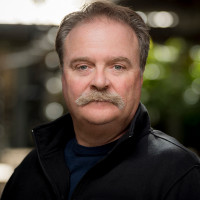
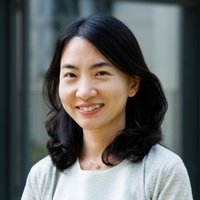
Daniel Kifer is a Professor in the Computer Science and Engineering department at Pennsylvania State University, with affiliations to the Huck Institutes of the Life Sciences. His work bridges computer science, privacy-preserving machine learning, and geoscience applications. With over 10,000 citations and a high h-index, he focuses on methods to unify theoretical and applied research. Research Interests: Differential Privacy, Privacy-Preserving Machine Learning, Physics-Informed Neural Networks, Landslide Prediction, and Formal Verification of Privacy Systems. Recent projects include grants from the National Science Foundation: SaTC: CORE: Small (2024): privacy-preserving user data embedding in machine learning pipelines. SaTC: CORE: Medium (2017-2023): formal methods for differential privacy and accuracy optimization. His research outputs span domains like geoscience, database systems, and policy analysis, emphasizing precision and scalability of privacy-preserving algorithms.
Jan Dirk Wegner is an Associate Professor at the University of Zurich, holding the chair in 'Data Science for Sciences' and leading the EcoVision Lab. He previously served as a Postdoc (2012–2016) and senior scientist (2017–2020) at ETH Zurich's Photogrammetry and Remote Sensing Group, following his PhD (with distinction) from Leibniz University Hannover (2011). His research bridges machine learning, computer vision, and remote sensing to address environmental and geoscience challenges, focusing on large-scale environmental data analysis, vegetation monitoring, and climate change mitigation. Education: PhD (with distinction) in Geodesy, Leibniz University Hannover (2011) Postdoc, ETH Zurich (2012–2016) Senior Scientist, ETH Zurich (2017–2020) Research Interests: Machine Learning, Computer Vision, Remote Sensing, Environmental Science, Climate Science, Geosciences, Explainable AI, Uncertainty Quantification, and Applications in Sustainability. The EcoVision Lab develops data-driven methods for global-scale environmental monitoring, including vegetation parameter mapping, flood prediction, forest degradation detection, and AI-driven ecological modeling. Awards: ETH Postdoctoral Fellowship (2012–2016) Science Prize of the German Geodetic Commission WEF Young Scientist Class 2020 (Top 25 globally under 40) Advising & Leadership: Director of the University of Zurich's Doctoral School in Data Science, leading the EcoVision Lab, and coordinating the CVPR EarthVision Workshops. His roles include Vice President of ISPRS Technical Commission II, member of the ETH AI Center, ELLIS, and UN-ETH Partnership. Labs/Teams: EcoVision Lab focuses on interdisciplinary AI applications for environmental challenges, collaborating with NGOs, governments, and industry to translate research into societal impact.
Thomas Winkler is an Associate Professor at the Division of Micro and Nanosystems, KTH Royal Institute of Technology, Sweden, and collaborates with TU Braunschweig, Germany. His research focuses on solving life science challenges using microsystems tools, particularly in neuropsychiatric disorders like schizophrenia. He develops organ-on-chip models, engineered microfluidic platforms, and biosensors for point-of-care diagnostics. Winkler leads an interdisciplinary ERC-funded team addressing metabolic coupling in neurovascular units and oxidative stress biomarkers. Key achievements include the ERC Starting Grant (2023) and work on electrochemical sensors for clozapine monitoring. He teaches courses such as Microsystem Technology (EK2350) and supervises PhD and postdoctoral researchers. Current projects include machine learning-guided robotic organoid maturation and electrochemical technology development for the CHIPzophrenia initiative. His lab actively seeks talent through open positions in Stockholm and Braunschweig. Scientific awards include the ERC Starting Grant and Marie Skłodowska-Curie Actions Fellowship. Research spans sensor development, microfabrication, and biomaterials, with a focus on translating lab technologies to clinical applications. Collaborations bridge engineering and life sciences, emphasizing personalized mental healthcare solutions.
Prof. Matt Pritchard is a Professor in Earth & Atmospheric Sciences at Cornell University, based at Snee Hall. His research focuses on volcanology, geodesy, and remote sensing, with a particular emphasis on using satellite data to monitor volcanic activity, deformation, and glacial interactions. He leads studies on global volcanic systems, including Indonesia's Semeru and Raung volcanoes, Chile's Cordón Caulle, and Bolivia's Uturuncu, applying techniques like InSAR, SAR, and thermal imaging. Key research interests include volcanic eruption dynamics, magma-hydrothermal systems, and the integration of multi-sensor datasets. He has contributed to developing tools like Hotspotter for automated volcanic thermal feature detection and has explored planetary volcanism (e.g., Venus). His work bridges geophysics, glaciology, and computational methods, addressing both Earth and extraterrestrial systems. Prof. Pritchard has received recognition such as the William Bowie Lecture (2022, 2023). His projects often involve international collaborations, including the CEOS Volcano Demonstrator initiative and the EarthDEM/ArcitcDEM projects. He also engages in geothermal energy research and seismic monitoring in Ithaca, NY.
Sharon Rozovsky is a Professor in the Department of Chemistry and Biochemistry at the University of Delaware's College of Arts & Sciences, where she leads research on oxidative stress response mechanisms and protein quality control pathways. Her work bridges biochemistry, chemical biology, and structural biology with direct implications for understanding neurodegenerative diseases and viral pathogenesis. Her academic foundation includes a B.S. from Tel Aviv University (1994) and a Ph.D. from Columbia University (2000), establishing her expertise in protein dynamics and redox biochemistry. These credentials underpin her innovative approaches to studying cellular stress responses. Rozovsky's research program centers on selenoproteins—proteins containing the rare amino acid selenocysteine—and their critical roles in endoplasmic reticulum (ER) stress resolution. She investigates how membrane-bound selenoproteins like Selenoprotein S and K regulate the ER-associated degradation (ERAD) pathway, with recent work revealing their surprising autoproteolytic activity and involvement in SARS-CoV-2 replication. Her lab pioneers chemical tools including expressed protein ligation and advanced 77Se NMR spectroscopy to characterize these systems at molecular resolution. Analysis of her 2021-2025 publications shows dominant themes in selenoprotein structure-function relationships, ER stress mechanisms, and viral interactions, alongside methodological innovations in cryo-EM grid technology and NMR. This body of work demonstrates consistent focus on redox biochemistry with expanding applications in virology and structural biology. No major scientific awards or fellowships were explicitly documented in the available materials, though her research impact is evident through high-impact publications and methodological contributions. She directs the active Rozovsky Research Group, mentoring graduate students and postdoctoral researchers in biochemical and biophysical techniques. Her laboratory operations are supported by competitive funding including an NSF CAREER award (2011) focused on selenoprotein reactivity, reflecting sustained recognition of her innovative research program.
Aurora Maccarone serves as an RAEng Research Fellow within the Institute of Photonics and Quantum Sciences at Heriot-Watt University's School of Engineering & Physical Sciences. Her work focuses on advanced photonics applications for challenging environments, particularly underwater and obscured conditions. Her research expertise spans: Single-photon LiDAR systems for underwater 3D imaging Photon-counting detector arrays for depth profiling Real-time reconstruction algorithms for obscurant-penetrating imaging Quantum sensing applications in marine environments Recent publications demonstrate consistent innovation in single-photon imaging techniques, with emphasis on underwater applications (2023-2024) and obscurant penetration (2022). Her work shows strong interdisciplinary connections between optical engineering, computational imaging, and environmental sensing. Key publications reveal growing impact in underwater LiDAR technology, with multiple high-citation papers on photon-efficient imaging systems. Dr. Maccarone actively supervises PhD students and has created significant research datasets. Her collaborations span international institutions, with notable contributions to sensor hardware development and computational imaging algorithms. Recent work shows increasing integration of machine learning techniques with traditional photon-counting approaches.
Peter Schroeder is the Shaler Arthur Hanisch Professor of Computer Science and Applied and Computational Mathematics at the California Institute of Technology (Caltech). He holds a B.S. from the Technical University of Berlin (1987), M.S. from MIT (1990), M.A. and Ph.D. from Princeton University (1992–1994). His academic roles at Caltech include Assistant Professor (1995–1998), Associate Professor (1998–2001), Professor (2001–2013), and Hanisch Professor since 2013. He served as Division Deputy Chair (2012–2015) and Acting Director of the Center for Advanced Computing Research (2013–2014). Schroeder’s research focuses on numerical algorithms for computer graphics, geometric modeling, and physical simulation. His work emphasizes Discrete Differential Geometry, rebuilding classical differential geometry for computational applications. Key areas include cloth deformation, fluid dynamics, and vortex simulations. Notable contributions include 'Schrödinger’s smoke' and fluid visualization techniques using Clebsch maps. His publications span ACM Transactions on Graphics and address topics like constrained Willmore surfaces, filament-based plasma models, and shape reconstruction from metrics. He has received the ACM Fellowship and Best Paper in Geometry Processing Award. His research often bridges computational mathematics with artistic and engineering challenges, such as simulating ink chandeliers and solar flares. Schroeder’s academic leadership includes co-founding the ACM SIGGRAPH Academy and mentoring students like James R. McLaughlin and Yanke Song, both recipients of the Henry Ford II Scholar Award.
Xiaozhuo Wei is a Postdoctoral Scholar Research Associate in Geophysics at the California Institute of Technology (Caltech), affiliated with the Division of Geological and Planetary Sciences and the Department of Geophysics. His research focuses on geophysical monitoring of volcanic and tectonic processes, employing advanced techniques like fiber-optic geodesy, seismic tomography, and machine learning. He specializes in studying seismicity associated with volcanic eruptions, magma dynamics, and slow slip events in subduction zones, with significant contributions to understanding the 2018 Kīlauea eruption and Iceland's Reykjanes Peninsula eruptions. Key affiliations: Caltech’s Geophysics Department, Division of Geological and Planetary Sciences Research tools: Distributed Acoustic Sensing (DAS), ambient noise tomography, and offshore seismic arrays Field areas: Kīlauea Volcano (Hawaii), Iceland’s Reykjanes Peninsula, and Alaska’s subduction zones Wei’s work integrates multidisciplinary approaches to investigate crustal deformation, magma storage, and seismic hazard assessment. He has contributed to improving earthquake catalogs using offshore data and analyzing post-eruption seismicity patterns. His recent studies explore the spatial-temporal evolution of volcanic systems and the mechanics of dike intrusions using high-resolution geophysical methods. His research emphasizes real-time monitoring of volcanic processes and has advanced understanding of how seismic velocity changes reflect magma movement. Collaborations involve deploying ocean-bottom seismometers and machine learning algorithms to detect slow slip events in subduction zones, enhancing earthquake prediction capabilities. Notable projects include the 2023–2024 Reykjanes eruptions study and the analysis of the 2018 Kīlauea eruption’s seismic aftermath. His work bridges observational seismology with theoretical models of volcanic and tectonic systems, contributing to both fundamental science and practical hazard mitigation strategies.
Georg Fantner is an Associate Professor at the Swiss Federal Institute of Technology Lausanne (EPFL) with dual appointments in the School of Engineering (STI) within the Institute of Bioengineering and the School of Life Sciences (SV) for teaching. He directs the Laboratory for Bio- and Nano-Instrumentation (LBNI) and holds leadership roles including President of the Open Science Strategic Committee and the Association des Professeurs de l'EPFL. Research Focus: Bioinstrumentation, Nanotechnology, Scanning Probe Microscopy, and Metrology Teaching: Structural Mechanics for Life Sciences, Metrology, and Metrology Practicals His research pioneers advanced instrumentation for nanoscale characterization, emphasizing data-driven approaches to enhance microscopy techniques. Recent work integrates deep learning with scanning probe microscopy for real-time biological imaging and develops novel MEMS devices for fluid-compatible nanoscale manipulation. Key innovations include hermetically sealed sample chambers for pathogen studies and deterministic nanotopography engineering. Professor Fantner actively mentors 7 current PhD students and has supervised 14 graduates. His laboratory fosters interdisciplinary collaboration across engineering, physics, and life sciences to advance nanoscale measurement technologies and instrumentation development.
Biondo Biondi is the Barney and Estelle Morris Professor of Geophysics at Stanford University, affiliated with the School of Earth Sciences. He leads the Stanford Exploration Project and holds roles such as Chair of the Geophysics Department (2019–2022) and Director of the Stanford Earth Imaging Project (1998–Present). His research focuses on seismic imaging algorithms, computational geophysics, and fiber-optic sensing technologies. He earned his Ph.D. (1990), M.S. (1987) in Geophysics from Stanford, and M.Sc. in Electrical Engineering from Politecnico di Milano (1984). Dr. Biondi's research emphasizes improving seismic data imaging through advanced computational methods. He pioneered urban seismic monitoring using preexisting telecommunication fibers, enabling cost-effective subsurface analysis. His work integrates machine learning and high-performance computing to address challenges in reservoir imaging, CO2 monitoring, and infrastructure health. Key research areas include distributed acoustic sensing (DAS), ambient noise tomography, and inverse theory applications. He has authored over 180 publications and received awards like the SEG Honorable Mention (2019, 2016, 2009) and the Distinguished Instructor Short Course (2007). His teaching includes courses like 3-D Seismic Imaging and Reflection Seismology, and he advises graduate students in geophysics and computational science. Collaborations span industry (e.g., Schlumberger, Saudi Aramco) and global institutions. Biondi’s administrative contributions include co-directing the Stanford Earth Sciences Algorithms and Architectures Initiative and serving on editorial boards like the SIAM Journal on Imaging Sciences. His lab’s innovations bridge geophysics with emerging technologies, advancing both academia and industry applications in energy, environment, and urban infrastructure.
Professor Arcot Sowmya is a distinguished academic at the University of New South Wales, serving as Professor in the School of Computer Science and Engineering. With a strong background in both computer science and mathematics, she has established herself as a leading researcher in machine learning and computer vision applications, particularly in medical imaging and diagnostics. Dr. Sowmya earned her PhD in Computer Science from the Indian Institute of Technology, Bombay, along with an MTech in Computer Science, MSc in Mathematics, and BSc in Mathematics from the same institution. Her academic journey has positioned her at the intersection of theoretical computer science and practical medical applications. Her research interests span multiple domains with a primary focus on Machine Learning for Computer Vision . She has made significant contributions to learning object models, feature extraction, segmentation, and recognition techniques. Her work extends into medical image analysis, computer-aided diagnostics, high-resolution remote sensing, and biomedical informatics. More recently, she has applied similar techniques to social sciences domains, developing improved forecasting models for genocide and politicide. Her earlier work also includes contributions to real-time, concurrent, and embedded systems. Analyzing her recent publications reveals a strong trend toward medical applications of computer vision and deep learning. Her work spans from OCT-based glaucoma diagnosis to tumor segmentation, lung disease detection, and breast cancer prognosis. She has successfully bridged computer science with clinical medicine, developing practical tools for disease diagnosis and prediction that incorporate explainable AI approaches. Professor Sowmya's collaborative approach is evident in her extensive publication record across multiple journals and conferences. She has worked with researchers from diverse fields including ophthalmology, oncology, neurology, and public health, demonstrating the interdisciplinary nature of her research. Her laboratory work focuses on developing robust deep learning architectures for medical image analysis, with particular attention to segmentation networks, transformer models, and multimodal data fusion techniques. Her team has developed specialized networks for lung segmentation, tumor detection, and disease classification that address specific challenges in medical imaging.
Sally Gibson is a researcher at the Department of Earth Sciences, University of Cambridge, specializing in mantle geodynamics and volatile cycling processes. Her work integrates field observations, geochemical analysis, and numerical modeling to investigate how deep Earth processes influence surface environments over 3.5 billion years of planetary evolution. Research focuses on volatile cycling (CO₂, H₂O, F, Cl, S) in mantle systems Key projects include mantle plume-ridge interactions with collaborators in the US and Ecuador Operates a LA-ICP-MS laboratory for high-resolution geochemical analyses Supervises PhD students in petrology, geochemistry, and numerical modeling Her research addresses fundamental questions about Earth's habitability through studies of mantle-derived volatiles critical for climate regulation and energy transition metal deposits. Fieldwork in remote regions like Antarctica, Lesotho, and the Galápagos Islands provides empirical data for her interdisciplinary approach. Recent publications highlight her expertise in mantle xenolith analysis, plume dynamics, and volatile quantification in large igneous provinces. Her group's work combines 3He/4He isotopic analysis with seismic tomography to constrain lithospheric evolution and mineral deposit formation. Students under her supervision develop expertise in petrology and geochemical modeling while engaging with environmental and societal impacts of geological research. She actively promotes scientific outreach and community engagement, fostering connections between academia and broader society.
Daniel Varon is the Boeing Assistant Professor in Aeronautics and Astronautics at MIT, joining in July 2025. He is also affiliated with the MIT Institute for Data, Systems, and Society (IDSS). His research focuses on atmospheric composition, satellite remote sensing of greenhouse gases, and air pollution. Varon holds a PhD in Atmospheric Chemistry from Harvard University (2020), an MSc in Applied Mathematics, and dual undergraduate degrees in English Literature and Physics from McGill University. He has held postdoctoral roles at Harvard and Princeton University. His work uses satellite data to quantify methane and nitrogen oxide emissions, with applications in climate policy and environmental monitoring. Notable contributions include developing methods for detecting methane super-emitters via hyperspectral satellites and quantifying emissions from oil/gas fields. Varon has received over 3,000 citations and an h-index of 24 as of 2025, with extensive media coverage for his Nord Stream pipeline leak analysis. Varon has secured grants totaling $785K, including NOAA funding for geostationary satellite methane monitoring. He mentors postdocs and graduate students in satellite data analysis and machine learning applications. His teaching includes Harvard’s Atmospheric Chemistry course, where he received the Harvard Certificate of Distinction in Teaching. Varon serves as an Associate Editor for Atmospheric Measurement Techniques and contributes to initiatives like the Methane Emissions Detection Using Satellites Assessment (MEDUSA) Advisory Board. His lab focuses on integrating machine learning with satellite data to advance climate science.
Neal Driscoll is a Professor of Geology and Geophysics at the Geosciences Research Division, Scripps Institution of Oceanography, UC San Diego. He specializes in tectonic deformation, landscape evolution, and seafloor imaging, with a focus on understanding Earth's processes through sediment records. Driscoll co-directs UC San Diego’s Center for Public Preparedness (CP2) and leads ALERTCalifornia, a critical infrastructure network monitoring wildfires, floods, and earthquakes via over 1,000 cameras. His work bridges geohazard mitigation, climate impacts, and disaster response. Education: B.S., Geology, University of New Hampshire M.S., Oceanography, University of Rhode Island Ph.D., Columbia University (Lamont-Doherty Earth Observatory) Research Interests: Driscoll investigates tectonic deformation’s role in shaping landscapes and seascapes, particularly in response to climate and sea-level changes. His fieldwork includes high-resolution seafloor imaging and seismic data analysis in regions like Iceland and California. He also studies neotectonics, geohazards, and coastal processes, with recent focus on the San Andreas Fault system and Salton Trough rift dynamics. ALERTCalifornia: This program uses advanced camera networks to monitor natural disasters, providing real-time data for first responders and researchers. Its infrastructure, originally for earthquake monitoring, now supports multi-hazard tracking, including wildfires and landslides, enhancing public safety and environmental understanding. Awards: Office of Naval Research Young Investigator Award Heezen Award and Storke Award (Lamont-Doherty Earth Observatory) Scripps Undergraduate Teaching Award MIT Distinguished Crosby Lecturer Advising & Grants: Driscoll has mentored students in geology and geophysics, with grants supporting his research on fault systems, climate impacts, and disaster preparedness. His collaborative projects include the Salton Seismic Imaging Project and Arctic Ocean sediment studies. Labs & Teams: Leads ALERTCalifornia and CP2 teams, collaborates with Scripps’ Geosciences Research Division on marine geophysics and tectonic studies, and partners with global institutions like WHOI and Icelandic research groups.
Sarah Kang is the Director of the Department of Climate Dynamics at the Max Planck Institute for Meteorology in Hamburg, Germany, a position she has held since August 2023. She leads the Director's Research Group (CDY) focusing on fundamental climate dynamics. Prior to this, she served as Professor in the Department of Urban and Environmental Engineering at Ulsan National Institute of Science and Technology (UNIST) in South Korea from 2011-2023, progressing through assistant, associate, and full professor ranks. Her research examines complex climate system dynamics, with emphasis on: Large-scale atmosphere and ocean circulation patterns Tropical-extratropical climate interactions Hydrological cycle responses to climate change Mechanisms of polar amplification Teleconnections between ocean basins and climate zones Analysis of her recent publications reveals dominant research themes: Ocean-atmosphere coupling mechanisms Radiative forcing and climate sensitivity Hemispheric climate asymmetries Tropical precipitation dynamics Polar warming impacts on global circulation with consistent methodology employing high-resolution climate modeling and observational verification. Major scientific recognitions include: AGU Atmospheric Sciences Ascent Award (2022) AOGS Kamide Lecture Award (2018) Editor's Citation for Excellence in Refereeing (GRL 2018) UNIST Teaching Excellence Award (2012) NCAR Advanced Studies Fellowship (2009) She maintains extensive professional engagement as: Co-chair of CLIVAR Climate Dynamics Panel Science Steering Committee member for CFMIP Associate Editor for Frontiers in Climate Editor for AGU Advances Board member of Korean Meteorological Society