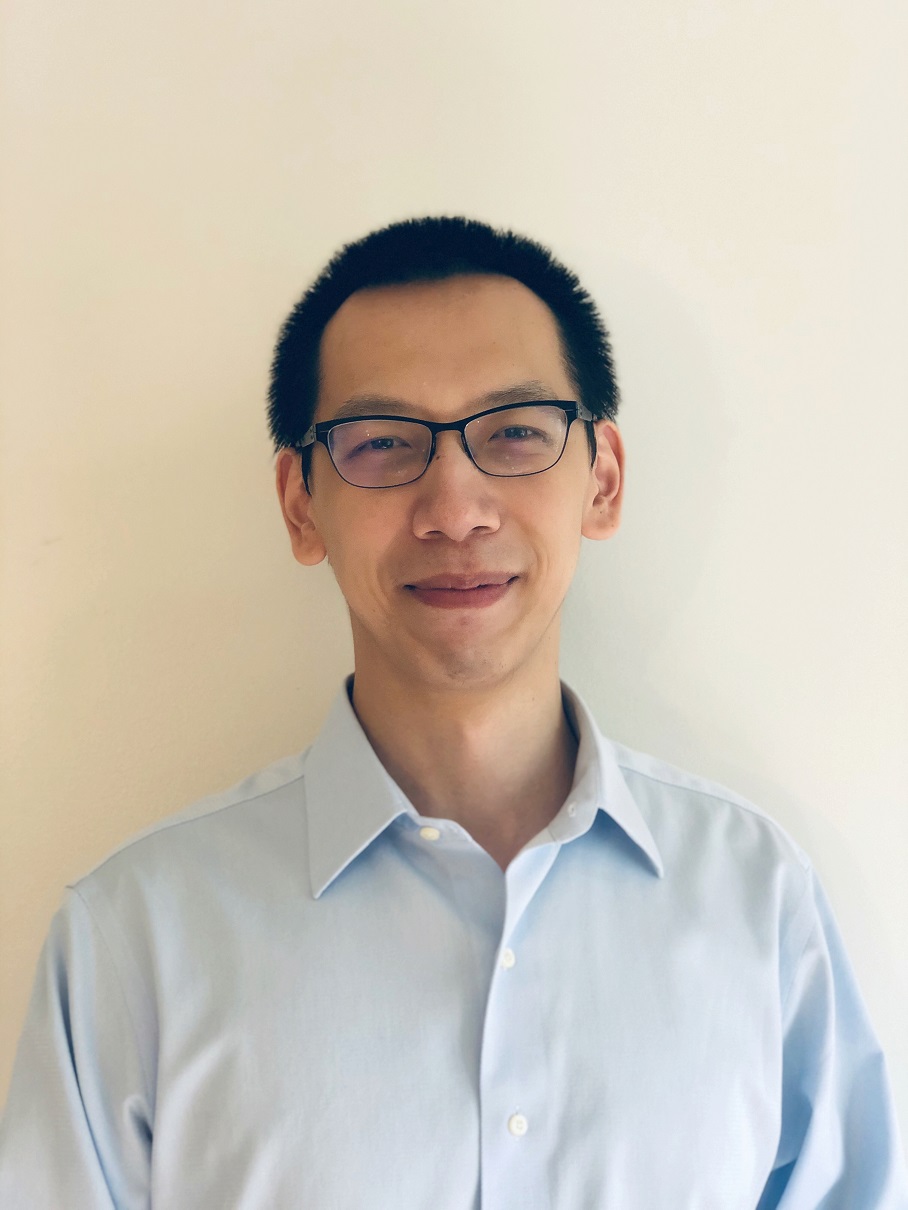
Xiaowei Jia is an Assistant Professor in the Department of Computer Science at the University of Pittsburgh. He holds a Ph.D. from the University of Minnesota (supervised by Prof. Vipin Kumar) and B.S./M.S. degrees from the University of Science and Technology of China (USTC) and SUNY Buffalo. His research focuses on integrating scientific theory with machine learning to address societal and environmental challenges, such as climate modeling, hydrology, and fairness in AI. Education: Ph.D., University of Minnesota (2020) M.S., State University of New York at Buffalo B.S., University of Science and Technology of China (USTC) Research Interests: Knowledge-Guided Machine Learning Spatiotemporal Data Mining Fairness in AI for Social Good Applications in Environmental Science and Healthcare Publications showcase his work on physics-integrated neural networks, spatiotemporal modeling (e.g., water temperature prediction), and fairness-aware algorithms. His work has been recognized with Best Paper awards at SIAM SDM (2022, 2023). Awards include the Best Applied Data Science Paper Award at SIAM SDM in 2022 and 2023. He teaches advanced machine learning courses, emphasizing theory integration with real-world applications.
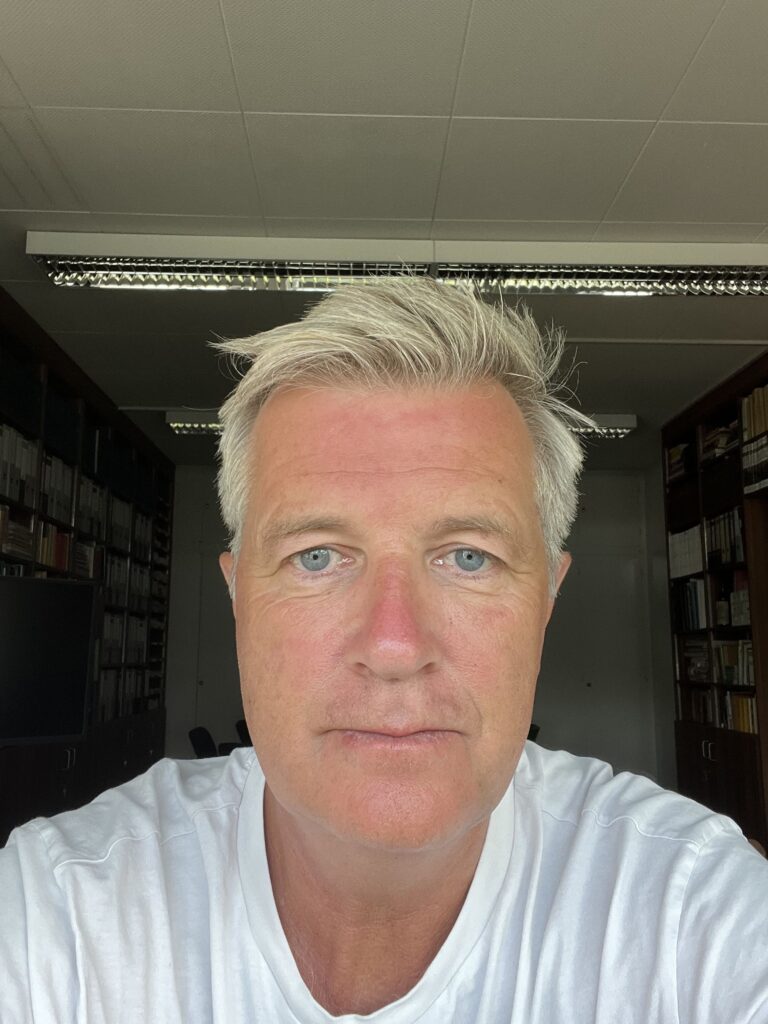
Prof. Dr. Patrick Huber is a leading physicist and Institute Director at the Hamburg University of Technology (TUHH) , heading the Institute for Materials and X-Ray Physics (M-2) . He also leads the High-Resolution X-Ray Analytics of Materials group at DESY through a cooperative professorship. His research spans condensed matter physics , nanoporous materials , and X-ray analytics , with significant contributions to molecular water science and soft matter in confinement . Education: PhD in Physics (1999, Saarland University), Diploma in Physics (1995, Saarland University) Professional Career: Full Professor at TUHH (2020-present), Member of CRC 1615 (2023-present), Spokesperson for CMWS (2024-present), Cluster of Excellence BlueMat (2025) Research Interests focus on multi-scale material behavior under extreme confinement, particularly hierarchical porous silicon and silica systems . His work examines adsorption-induced deformation , elastocapillarity , fluid transport in nanopores, and metamaterial design principles using electrolytes , polymers , and liquid crystals . Fundamental studies include fluid interface thermodynamics and microscopic hydrodynamics . Scientific Awards include the Top Reviewer Award (2018) from Applied Physics Letters and the Dr.-Eduard-Martin Award (2000) for his dissertation. He contributes to 130+ publications with an h-index of 36 (2021). Advising and Grants involve supervising 18 doctoral and master's students , including Manuel Brinker , Marc Thelen , and Stella Gries . He participates in Collaborative Research Centre CRC 1615 , Cluster of Excellence EXC 3120 BlueMat , and the United Nations University Hub on Climate Engineering . Laboratory and Teams include the Institute for Materials and X-Ray Physics (M-2) at TUHH, the High-Resolution X-Ray Analytics group at DESY, and contributions to the Centre for Hybrid Nanostructures (CHyN) .
Sarah Kang is the Director of the Department of Climate Dynamics at the Max Planck Institute for Meteorology in Hamburg, Germany, a position she has held since August 2023. She leads the Director's Research Group (CDY) focusing on fundamental climate dynamics. Prior to this, she served as Professor in the Department of Urban and Environmental Engineering at Ulsan National Institute of Science and Technology (UNIST) in South Korea from 2011-2023, progressing through assistant, associate, and full professor ranks. Her research examines complex climate system dynamics, with emphasis on: Large-scale atmosphere and ocean circulation patterns Tropical-extratropical climate interactions Hydrological cycle responses to climate change Mechanisms of polar amplification Teleconnections between ocean basins and climate zones Analysis of her recent publications reveals dominant research themes: Ocean-atmosphere coupling mechanisms Radiative forcing and climate sensitivity Hemispheric climate asymmetries Tropical precipitation dynamics Polar warming impacts on global circulation with consistent methodology employing high-resolution climate modeling and observational verification. Major scientific recognitions include: AGU Atmospheric Sciences Ascent Award (2022) AOGS Kamide Lecture Award (2018) Editor's Citation for Excellence in Refereeing (GRL 2018) UNIST Teaching Excellence Award (2012) NCAR Advanced Studies Fellowship (2009) She maintains extensive professional engagement as: Co-chair of CLIVAR Climate Dynamics Panel Science Steering Committee member for CFMIP Associate Editor for Frontiers in Climate Editor for AGU Advances Board member of Korean Meteorological Society
Professor Dörthe Tetzlaff is a leading figure in ecohydrology, serving as Head of Department (A1) Ecohydrology at the Leibniz Institute of Freshwater Ecology and Inland Fisheries (IGB) and as Full Professor of Ecohydrology at Humboldt-Universität zu Berlin, Faculty of Mathematics and Natural Sciences, Geography Department. She also holds an Honorary Professorship at the University of Aberdeen, Scotland. Her work bridges theoretical hydrology with practical applications for water security and environmental management. Professor Tetzlaff's research focuses on ecohydrological processes, particularly using stable water isotopes to understand water cycling, catchment functioning, and landscape connectivity. Her work spans from pristine natural systems to complex urban environments, with particular emphasis on drought resilience, water security, and nature-based solutions. She has pioneered tracer-aided modeling approaches to quantify water storage, fluxes, and ages across the soil-plant-atmosphere continuum. Her publication record shows a clear trend toward increasingly sophisticated integration of multi-tracer approaches with ecohydrological modeling, with recent work focusing on urban systems, drought impacts, and nature-based solutions. The publications demonstrate expertise across hydrology, biogeochemistry, and ecological applications, with strong methodological development in isotope hydrology and modeling techniques. Polubarinova-Kochina Hydrologic Sciences Mid-Career Award of the American Geophysical Union AGU (2024) Water Resource Prize of the Rüdiger Kurt Bode Foundation (2024) Member of the Berlin-Brandenburg Academy of Sciences and Humanities (2023) Fellow of The European Academy of Sciences (2022) Fellow of the Geological Society of America GSA (2020) Professor Tetzlaff actively supervises numerous PhD students and postdoctoral researchers, with her group focusing on cutting-edge ecohydrological research. She leads multiple significant research projects including WETSCAPES2.0, ECCO, ISO-SCALE, and BiNatUr, which address critical questions about water security, climate change impacts, and nature-based solutions in urban environments. Her work is supported by substantial funding from various national and international sources. She leads the Ecohydrology research group at both IGB and Humboldt-Universität zu Berlin, which employs an integrative approach combining field measurements, isotope techniques, and advanced modeling to understand water dynamics across diverse landscapes. The group collaborates extensively with international partners across Europe, North America, and Asia, contributing to global understanding of hydrological processes.
Prof. Dr. Christian Mayer is a Professor in Physical Chemistry at the Faculty of Chemistry, University of Duisburg-Essen. He serves as Head of the working group focusing on origin of life research, nanocapsules, and NMR spectroscopy techniques. His research group is located at Universitätsstraße 5, D-45141 Essen, Germany, with contact information including phone number +49 201 183-2570. Prof. Mayer's research interests primarily focus on the origin of life in deep tectonic fault zones of the first continental fragments, where he collaborates with Prof. Dr. Ulrich Schreiber from the Faculty of Biology and Prof. Dr. Oliver Schmitz from Applied Analytical Chemistry. His work investigates how vesicle formation occurs in tectonic fault systems through cyclic phase transitions of carbon dioxide, creating ideal conditions for molecular evolution. He specializes in pulsed field gradient NMR (PFG-NMR), high-resolution NMR, and solid-state NMR techniques to characterize nanoscale systems including nanocapsules, vesicles, and microemulsions. His recent publication trends reveal a strong interdisciplinary focus spanning physical chemistry, prebiotic chemistry, and astrobiology. The articles demonstrate increasing integration of computational methods with experimental approaches, particularly in analyzing molecular structures and dynamics. His research has evolved from fundamental studies of nanocapsule systems to broader investigations of protocell formation mechanisms under early Earth conditions, with recent work extending to astrobiological contexts including potential life formation on Titan. Prof. Mayer has established significant collaborations across multiple disciplines, particularly with geologists and biologists, to investigate the physical chemical processes that could have led to the emergence of life. His work bridges fundamental physical chemistry with practical applications in nanomedicine, particularly in developing artificial oxygen carriers based on nanocapsule technology. His laboratory utilizes high-pressure facilities to simulate early Earth crust conditions, with a particular focus on supercritical CO 2 environments. The working group combines experimental approaches with theoretical modeling to understand vesicle formation processes and their implications for the origin of cellular life.
Jan Esper is a Professor in Climate Geography at the Department of Geography, Johannes Gutenberg University Mainz. His research focuses on dendrochronology, paleoclimatology, global climate change, and urban climate. He maintains significant affiliations as a Member of the Academy of Sciences and Literature, Member of the National Academy Leopoldina, Member of the Global Change Research Institute of the Czech Academy of Sciences, Fellow at the Center for Interdisciplinary Research, and Fellow at the Gutenberg Research College. Esper's research interests center on dendrochronology and paleoclimatology, with specific expertise in tree-ring analysis for climate reconstruction. His work spans the Holocene period, examining climate variability across Europe and globally. He investigates how tree growth patterns reflect past climate conditions and how these patterns can inform our understanding of current and future climate change. His research also extends to urban climate systems and the impacts of climate change on forest ecosystems. His extensive publication record demonstrates a consistent focus on high-resolution paleoclimate reconstructions using tree-ring data. Recent work has examined the context of the 2023 extreme summer within the last 2000 years, Holocene temperature records in Europe, and climate-driven tree longevity patterns. His research often involves international collaborations and integrates multiple proxy methods to refine climate reconstructions and understand climate impacts on ecosystems. Among his notable scientific achievements are his contributions to understanding long-term climate variability, volcanic impacts on climate, and the relationship between historical societies and climate conditions. His work on tree-ring stable isotopes has provided new insights into hydroclimate shifts and long-term drying trends in the European Alps. Esper leads research projects including the Tree Ring Lab, Urban Climate Sensor Network, Air Quality monitoring, Urban Vegetation studies, and UNESCO Beech Forest research. His work bridges the gap between historical climate patterns and contemporary climate change challenges, providing essential context for understanding current climate extremes.
Professor Joaquim Pinto is a leading climate scientist at the Karlsruhe Institute of Technology (KIT), where he serves as Head of the Working Group "Regional Climate and Weather Hazards" and as Spokesperson of the collegial institute management team. He holds the prestigious AXA Research Fund Chair position at the Institute of Meteorology and Climate Research - Troposphere Research (IMK-TRO). His academic background includes a Licenciate in Geophysical Sciences - Meteorology from the University of Lisbon (1990-1996), PhD studies at the University of Cologne (1998-2002), and academic positions at the University of Cologne (2002-2016) and University of Reading (2013-2016) before joining KIT in 2016. He became a Privatdozent (lecturer) at the University of Cologne in 2011 and earned his habilitation with research on extreme European wind storms. Professor Pinto's research focuses on mid-latitude meteorology and climatology, with special emphasis on extreme weather events , climate variability in Europe across multiple time scales, regional climate modeling and downscaling methods , and the diagnostic modeling and quantification of risks associated with extreme events affecting Europe. His work bridges fundamental climate science with practical applications for risk assessment and management. His extensive publication record demonstrates expertise in analyzing European windstorms, heatwaves, and compound extreme events. Recent work examines the impacts of climate change on wind energy potential, extreme precipitation events, and the complex interactions between atmospheric circulation patterns and regional climate extremes. His research often employs high-resolution climate modeling, statistical-dynamical downscaling approaches, and interdisciplinary collaborations to address pressing climate challenges. AXA Research Fund Chair in Regional Climate and Weather Hazards Professor Pinto teaches graduate and undergraduate courses including "Climate Modelling and Dynamics with ICON," "IPCC Assessment Report," "Climatology," "Energy Meteorology," "Methods of Data Analysis," and "Regional Climate and Weather Hazards." His teaching reflects his research expertise in climate modeling, extreme events, and regional climate change impacts.
Dr. Dirk de Beer is the leader of the Microsensor Group at the Max Planck Institute for Marine Microbiology in Bremen, Germany. His research focuses on the structure and function of marine sediments, investigating how microbial conversions (e.g., photosynthesis, chemoautotrophy, anaerobic nitrogen/carbon/sulfur cycling) are controlled by transport processes and how microbial species distributions are regulated in hot spots like seeps, microbial mats, and biofilms. His group employs advanced techniques such as microsensors and planar optodes to study high-resolution geochemical dynamics in marine systems. Key research areas include: Biogeochemical cycling of oxygen, sulfur, and carbon Microbial community interactions in sediments and mats Environmental regulation of microbial processes Reactive oxygen species in marine environments Coral bleaching and ocean acidification Recent publications highlight collaborations on arsenic cycling, hydrogen peroxide dynamics, and microbial respiration in extreme environments. Dr. de Beer's work is central to understanding how microbial processes influence global elemental cycles and climate regulation.
Yuyu Zhou is a Professor in the Department of Geography at The University of Hong Kong. With an extensive publication record of 301 papers and over 18,000 citations, Dr. Zhou is a leading researcher in urban environmental studies, climate change, and sustainability science. Dr. Zhou received their PhD in Environmental Science from the University of Rhode Island (2004-2008) and previously worked as a Research Scientist at Pacific Northwest National Laboratory's Joint Global Change Research Institute (2010-2015). They currently serve as Chief Editor for Earth System Science Data (Copernicus Publications), Associate Editor for Ecological Processes, and Section Editor for All Earth. Dr. Zhou's research focuses on the intersection of urbanization, climate change, and environmental sustainability. Their work spans several key areas including urban heat island effects, vegetation phenology in urban environments, energy modeling, and sustainable urban development. Through innovative remote sensing approaches and spatial analysis, Dr. Zhou investigates how urban environments respond to and influence global environmental change. Analysis of Dr. Zhou's recent publications reveals a strong emphasis on urban environmental challenges, with particular attention to urban heat islands, vegetation dynamics, and climate change impacts in cities. Their work combines remote sensing data with ground observations to develop high-resolution models of urban environmental processes. Recent research has focused on urban greening effects, building energy use under climate change, and environmental justice issues related to urban heat exposure. Dr. Zhou has received significant recognition for their work, as evidenced by the high citation count of their publications. Their research has important implications for urban planning, climate adaptation strategies, and sustainable development policies worldwide. As an educator and mentor, Dr. Zhou advises numerous graduate students and collaborates with researchers globally. Their work with international teams has resulted in significant contributions to understanding urban environmental systems across different geographical contexts.
Elena Anatolyevna Babushkina is a Professor at the Department of Construction and Economics of Siberian Federal University. She serves as director and scientific consultant of the Scientific and Educational Laboratory 'Dendroecology and Environmental Monitoring' . Her work spans dendrochronology, climate change impacts on tree growth, wood anatomy, and environmental monitoring in Siberian ecosystems. Doctor of Biological Sciences (2020) Corresponding Member of the Russian Academy of Sciences Extensive collaborations with international institutions like University of Arizona, University of Cambridge, and Swiss Federal Institute for Forest, Snow and Landscape Research Her research focuses on climatic reconstruction through tree rings , moisture-limited forest ecosystems , and environmental drivers of xylogenesis . Recent studies analyze earlywood/latewood dynamics, drought sensitivity, and cross-species growth patterns in Siberian larch, spruce, and Scots pine populations. Elena’s publications (100+ scientific, 10+ methodological) include 15 recent articles on tree-ring-based climate proxies , crop yield modeling , and seasonal growth regulation . Key journals include Forests , Dendrochronologia , and Scientific Reports . Notable scientific awards include the 2021 Honorary Worker of Education of the Russian Federation title and multiple Presidential and Ministerial Certificates of Appreciation . She leads national grants (RFBR, RSF) on climate-crop interactions and genetic adaptation to environmental stress .
Krisztina Kis-Katos serves as Professor for International Economic Policy at the University of Göttingen's Department of Economics, a position she assumed in 2016. She holds prominent leadership roles including Chairwoman of the Standing Field Committee of Development Economics of the German Economic Association (Verein für Socialpolitik) and Chairwoman of the Scientific Advisory Board of the RWI Leibniz Institute for Economic Research. Her institutional affiliations extend to research fellowships at IZA and RWI, along with editorial positions at the Journal of Labour Market Research, European Journal of Political Economy, Bulletin of Indonesian Economic Studies, and Journal of Development Studies. Professor Kis-Katos earned her Economics education in Szeged and Konstanz, attended the Swiss Doctoral Program at the Study Center Gerzensee, and received her doctoral degree from the University of Freiburg in 2010. Her scholarly work spans applied development economics and political economy with particular focus on how (de-)globalization and macroeconomic processes affect social and economic outcomes including labor markets, firm performance, land use change, deforestation, and conflict. Her research portfolio reveals consistent thematic threads across recent publications: the intersection of environmental concerns with economic development (particularly deforestation and palm oil in Indonesia), the gendered impacts of trade liberalization, the socioeconomic effects of pandemics like COVID-19, and the complex relationship between governance, corruption, and economic outcomes. Methodologically, her work combines rigorous econometric approaches with innovative data sources including satellite imagery and high-frequency power usage data. Teaching prize for the best doctoral course in RTG 1723, University of Göttingen (2019) Teaching prize of the Student Union of Economics of the University of Freiburg (2014) BMZ/GIZ Public Policy Award (2013) Friedrich-August-von-Hayek-award (2011) Excellence award of the KfW Development Bank (2011) Professor Kis-Katos leads multiple significant research initiatives including the BMZ-DEval funded evaluation of Madagascar's forest restoration program, the DFG-funded Thailand-Vietnam Socioeconomic Panel, and the DFG Research Training Group on Sustainable Food Systems. Her advisory role extends to supervising doctoral candidates through these projects and previously serving as spokesperson for the Research Training Group 1723 on Globalization and Development. Her substantial grant portfolio demonstrates strong research leadership across international collaborations involving institutions in Germany, Indonesia, Thailand, Vietnam, and the United States. Her work connects closely with the Collaborative Research Centre 990 on Ecological and Socioeconomic Functions of Tropical Lowland Rainforest Transformation Systems in Sumatra, Indonesia, reflecting her deep engagement with environmental-economic research questions in Southeast Asia. She also contributes to interdisciplinary teams through projects like PlanetHealth examining global land-use impacts of the COVID-19 pandemic.
Prof. Florian Zaussinger is a faculty member at the Faculty of Applied Computer and Life Sciences at Mittweida University of Applied Sciences. His research focuses on thermal convection, fluid dynamics, and numerical simulations in both geophysical and astrophysical contexts. He has contributed extensively to studies on microgravity experiments, including the GeoFlow and AtmoFlow projects conducted on the International Space Station (ISS). University: Mittweida University of Applied Sciences Faculty: Applied Computer and Life Sciences Department: Mathematics Contact: +49 3727 58-1381 | florian.zaussinger@hs-mittweida.de | Building 6, Room 6-131 His research involves advanced numerical modeling of complex fluid systems, including spherical convection, dielectric heating, and double-diffusive processes. He has developed and applied computational tools like the ANTARES code to simulate convection in DA white dwarfs, planetary atmospheres, and Earth's mantle. His work bridges theoretical fluid mechanics with experimental validation in space-based microgravity environments. Recent publications highlight his expertise in thermo-electrohydrodynamic convection, planetary fluid flow analysis, and microgravity-induced instabilities. While the scraped data does not list scientific awards or students directly, his academic profile emphasizes interdisciplinary collaboration with engineering and life sciences, particularly in applied mathematics for fluid dynamics and experimental data processing.
Ehsan Modiri is a researcher at the Department of Hydrosystem Modelling , Helmholtz Centre for Environmental Research (UFZ), Germany. His work focuses on climate change impacts on hydrological systems, drought monitoring, and environmental modeling using advanced computational frameworks. Affiliation: UFZ - Helmholtz Centre for Environmental Research Department: Hydrosystem Modelling Research Themes: Climate Change, Droughts, Hydrological Forecasting, Water Resource Management Research Interests: Modiri specializes in understanding hydrological responses to climate change, particularly in drought dynamics and soil moisture variability. His work bridges observational data with sophisticated modeling frameworks to improve predictability of water balance components under warming scenarios. Scientific Contributions: Recent publications highlight his role in developing high-resolution drought simulations, evaluating hydrological model performance, and analyzing groundwater responses to global warming. He participates in large-scale European hydrological projects and collaborates on climate-hydrology integration initiatives.
Dr. Jann Michael Weinand is the head of the Integrated Scenarios department at the Institute of Climate and Energy Systems (ICE-2) within Forschungszentrum Jülich GmbH. He leads a team of 30 scientists, PhD students, and master students focusing on energy system analysis, complexity management, and AI integration. His work addresses regional and international energy systems, emphasizing renewable energy resource assessment and techno-economic feasibility. Dr. Weinand holds a Dr.-Ing. from the Karlsruhe Institute of Technology (2020) and a Mechanical Engineering and Business Administration degree from RWTH Aachen University (2016). His research spans energy autonomy, renewable resource optimization, and the socio-technical challenges of energy transitions. Key research areas include energy system modeling, geothermal and wind energy potential, and data-driven methodologies. He coordinates interdisciplinary projects with academic and industrial partners, contributing to high-impact journals like Nature Energy and Joule. His team develops open-source tools (e.g., ETHOS workflows) for reproducible energy assessments and advocates for spatially disaggregated energy planning. Publications highlight trade-offs in energy system design, AI risks, and land-use conflicts for renewables. He emphasizes integrating social, technical, and environmental factors into energy policy frameworks.
Sonal Khanolkar is a researcher at GEOMAR Helmholtz Center for Ocean Research Kiel, Germany, specializing in paleoceanography and marine biogeochemistry. Her work focuses on reconstructing past climate conditions using geochemical proxies and microfossil analysis from ocean sediment cores. Her research interests encompass: Paleoceanography Marine Biogeochemistry Climate Reconstruction Foraminifera Geochemistry Paleoclimatology Dr. Khanolkar employs advanced techniques including stable isotope analysis (carbon, oxygen, boron), trace element geochemistry, and biomarker studies to investigate climate dynamics during the Paleogene period. Her recent publications reveal a strong emphasis on using foraminiferal proxies to reconstruct atmospheric CO 2 , sea surface temperatures, and ocean chemistry across critical climate transitions such as the Paleocene-Eocene Thermal Maximum and Middle Eocene Climatic Optimum. Her research spans multiple ocean basins, with significant contributions to International Ocean Discovery Program (IODP) Expedition 378 in the South Pacific, where she analyzed sediment cores to understand Paleogene climate-ocean interactions. She actively develops and refines paleoproxy methodologies, including high-precision femtosecond laser ablation ICP-MS for trace element analysis in foraminifera and boron isotope applications for pH reconstruction. Her work integrates field data from ocean drilling expeditions with laboratory analyses to address fundamental questions about Earth's climate system evolution. Contact: skhanolkar@geomar.de