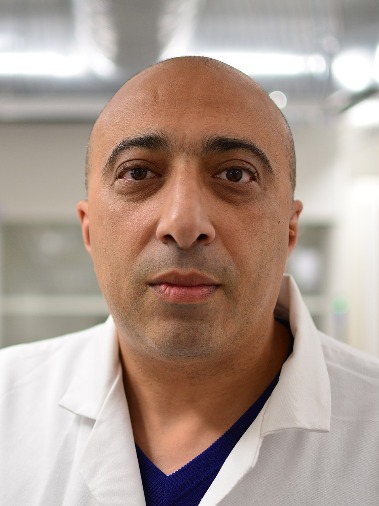
Lixia Zhang is a Professor at the Computer Science Department of University of California, Los Angeles (UCLA) . She leads the Internet Research Lab (IRL) and has been a key figure in the Named Data Networking (NDN) project since 2010, building on Van Jacobson's Content-Centric Networking (CCNx) vision. Education : PhD from MIT (TCP/IP research), advised by Dr. David Clark Experience : Xerox PARC (7 years), currently at UCLA since 1998 Labs : Director of Internet Research Lab (IRL) at UCLA Her research focuses on Internet architecture design , NDN protocol development , and network security . She has published extensively on topics like DDoS defense patterns , LEO satellite networking , and decentralization frameworks . Her work spans applications in mHealth data sharing , edge computing , and augmented reality . Recent publications show trends in NDN scalability , secure communication , and decentralized internet infrastructure , with 15 most recent articles covering LEO satellite networks , metaverse security , scientific data distribution , and stateful forwarding mechanisms . Scientific Awards : PAM 2010 Best Paper Award Best Poster Award at ACM ICN 2018 Grants & Leadership : Recipient of Cisco Systems grant (2022) for satellite networking research, co-chair of IRTF Decentralized Internet Infrastructure Research Group (2021), and organizer of multiple NDN Community Meetings and Hackathons . Her lab has produced notable alumni including Mohit Lad (co-founder of ThousandEyes) and Lucas Wang .
Dr. Zhubing He is a Professor in the Department of Materials Science and Engineering at Southern University of Science and Technology (SUSTech), where he serves as Director of the Shenzhen Key Laboratory of Functional Materials for Full-spectrum Power Generation. He is recognized as a Shenzhen 'Peacock Plan' Class B Talent and is an expert in solar energy conversion technology with extensive contributions to photovoltaic research. His educational background includes a PhD in Applied Physics and Materials Science from City University of Hong Kong (2009), a Master's degree in Materials from University of Science and Technology of China (2006), and a Bachelor's degree in Materials from Hefei University of Technology (2001). Professor He's research focuses on developing carbon-neutral photovoltaic-thermal synergistic solar full-spectrum power generation technology, with particular emphasis on interface physical chemistry of materials, devices and systems. His work spans five main areas: (1) high-efficiency photovoltaic cells; (2) interfacial carrier transport and recombination; (3) nano-optics-based interfacial photothermal conversion; (4) organic-inorganic hybrid phase-change heat storage materials; and (5) photovoltaic-thermal synergistic power generation technology. His recent publications demonstrate a strong focus on tin-lead mixed perovskite solar cells, with numerous high-impact papers in journals like Nature, Science Advances, Joule, and Advanced Materials. His research shows consistent innovation in interface engineering, defect passivation, and molecular design for improved photovoltaic efficiency and stability. 2021 Shenzhen Natural Science Award Second Prize 2018 SUSTech Excellent Teaching Award 2017 SUSTech Young Research Award 2012 Shenzhen Peacock Plan Class B Talent 2009 City University of Hong Kong Outstanding Doctoral Thesis Award 2006 Chinese Academy of Sciences President's Award Professor He has mentored numerous graduate students and postdoctoral researchers, with several students contributing as co-authors on his recent publications. He has secured over 10 research projects including key projects from the National Natural Science Foundation of China and the Ministry of Science and Technology. His teaching portfolio includes graduate courses on advanced solar materials and undergraduate courses on photovoltaic technology and engineering fundamentals.
Yun Li is a Research Assistant Professor and Master's Supervisor at Southern University of Science and Technology (SUSTech), affiliated with the Department of Earth and Space Sciences within the Faculty of Science. He serves as a youth council member of the mineral materials division of the Chinese Ceramic Society and holds multiple research grants including the National Natural Science Foundation of China Youth Fund Project. Research Assistant Professor at SUSTech (2022-present) Postdoctoral Research Associate at SUSTech (2020-2022) Youth Director of International Association of Clay Minerals (2025-2029) Principal Investigator for multiple research projects Dr. Li earned his B.S. in Petroleum Engineering from Yan'an University (2010-2014), M.S. in Oil and Gas Field Development Engineering from Southwest Petroleum University (2014-2017), and Ph.D. in Mineralogy, Petrology, Mineral Deposit Geology from Guangzhou Institute of Geochemistry, Chinese Academy of Sciences (2017-2020). Dr. Li's research focuses on mineral surface-interface interactions and gas hydrates, with particular emphasis on unconventional oil and gas resources including gas hydrates, shale oil and gas, and geological hydrogen/helium. His work investigates the geological storage and mineralization of carbon dioxide, employing surface-interface analysis techniques, molecular simulation methods, and in-situ visualization experimental techniques (X-ray and neutron) to study energy/environmental fluid interactions with clay minerals. His research has significant applications in unconventional oil and gas development and carbon capture technologies. Analysis of Dr. Li's recent publications reveals a strong focus on molecular dynamics simulations of hydrate formation mechanisms in clay minerals, particularly examining how different cations, organic matter, and mineral structures affect methane and carbon dioxide hydrate formation. His work bridges fundamental surface science with practical energy applications, showing increasing emphasis on carbon dioxide storage mechanisms in recent years. His publications appear in high-impact journals including ACS Sustainable Chemistry & Engineering, Applied Surface Science, Applied Clay Science, and Langmuir. Young Director of International Association of Clay Minerals (AIPEA) (2025-2029) Young Director of Mineral Materials Branch of Chinese Ceramic Society (2023-2028) SUSTech 'Qiming' and 'Taiyi' Star Scientific Research Achievement Awards (2024) Top Ten Young Scholars' Report at 10th National Conference on Mineral Science and Engineering (2024) Excellent Presentation Awards at multiple international clay and mineral conferences Outstanding reviewer for Applied Clay Science journal As a Master's Supervisor, Dr. Li mentors graduate students in earth sciences and energy-related research. He has secured significant research funding including the China Postdoctoral Science Foundation, Guangdong Basic and Applied Basic Research Foundation, and Shenzhen Science and Technology Program. His current projects include the National Natural Science Foundation of China Youth Fund Project (2025-2027) focusing on unconventional energy resources. Dr. Li has participated in major infrastructure projects including the material genomics experimental facility in Shenzhen and the high-pressure neutron diffraction/imaging spectrometer at Chinese Spallation Neutron Source. Dr. Li's research integrates computational modeling with experimental techniques through collaborations with major research facilities. His work on in-situ visualization techniques connects with neutron source facilities, while his molecular simulation research requires high-performance computing resources. He serves on editorial boards for journals including Unconventional Resources and special issues on unconventional oil and gas, demonstrating leadership in his research community.
Pererik Andreasson is a Lecturer at the Academy of Information Technology , Halmstad University. His research focuses on 3D printing, materials science, electromagnetic compatibility testing, and wireless communication. Key contributions include optimizing 3D-printed radar lenses, advancing phase-change material characterization via femtosecond x-ray diffraction, pioneering augmented reality methods for electromagnetic field visualization, and developing substrate integrated waveguide antennas for IoT devices. 3D printing of optical components Dynamic processes in phase-change materials Augmented reality for electromagnetic testing IoT antenna design His recent work on frequency-adjustable SIW antennas (2024) and AR-based EMC visualization (2021) demonstrates cross-disciplinary innovation. While no scientific awards are documented, his 15+ publications since 2007 highlight sustained expertise in material science and wireless technologies.
Dr. Federico Javier Hernández serves as a Lecturer in Computational Chemistry at the Centre for Chemical Research within the School of Physical and Chemical Sciences at Queen Mary University of London. His expertise centers on computational photochemistry and photophysics, with emphasis on excited-state mechanisms in complex molecular environments including aggregates, organic crystals, and solution-phase systems. Hernández completed his undergraduate studies in Physical Chemistry at the University of Córdoba (UC), Argentina, followed by a hybrid experimental and theoretical-computational PhD in Chemistry jointly awarded by UC and the University of Quilmes under Professors Gustavo Pino and Juliana Palma. His doctoral research investigated photophysical and photochemical processes relevant to Atmospheric Chemistry and Biochemistry. His laboratory focuses on elucidating fundamental mechanisms behind phenomena such as aggregation-induced emission, radiative quenching, singlet fission, ultralong organic phosphorescence, charge/exciton transport, and thermally activated delayed fluorescence. These investigations employ advanced computational methodologies including plane-wave DFT, multiscale electronic structure methods (QM:QM' and QM:MM), nonadiabatic dynamics simulations (surface hopping and Ehrenfest dynamics), and machine learning integration for materials discovery. This work directly supports rational design of functional molecules for optoelectronic applications and energy storage/conversion technologies. Analysis of Hernández's 15 most recent publications (2022-2025) reveals consistent focus on nonadiabatic dynamics in condensed phases, excited-state mechanisms in molecular aggregates, and atmospheric reaction kinetics. Key trends include development of computational benchmarks for photochemical processes, application of machine learning to photodynamics, and investigation of polaritonic effects in vibrational spectroscopy. His work bridges theoretical chemistry with practical materials design for optoelectronics. No major scientific awards or fellowships are documented in the available information. While current PhD advisees are not listed, Hernández maintains an active research group within the Centre for Chemical Research. His collaborative network spans international institutions including University College London, University of Bristol, and University of Santiago de Chile. He contributes to academic instruction through CHE 209 – Introductory Programming for Chemists and leverages his ORCID profile (https://orcid.org/0000-0001-7497-9424) for scholarly identification. His research infrastructure integrates high-performance computing with data science approaches to tackle complex photochemical problems.
Professor Francis Dawson is affiliated with the Department of Electrical and Computer Engineering at the University of Toronto , under the Faculty of Applied Science and Engineering . He has been active in teaching and research since 1988, focusing on energy systems, power converters, and electromagnetic modeling. PhD in Electrical Engineering (University of Toronto, 1988) MASc in Electrical Engineering (University of Toronto, 1985) BASc in Electrical Engineering (University of Toronto, 1982) BSc in Physics (University of Toronto, 1978) His research spans static power converters , energy storage systems , signal processing in power applications, and electromagnetic compatibility . Recent publications focus on fault current limiters , digital phase-locked loops , and plasma physics , with keywords indicating strong ties to Electrical Engineering and Materials Science . Scientific accolades include: IEEE Fellow Myron Zucker Student Design Project 1st Prize (2012) K. Yamamoto Best Student Paper Award (2007) F. Farahmand 3rd Best Paper Prize (2005) He has collaborated on industrial projects in power electronics and contributed to the Power Group at the University of Toronto.
Prof. Dr Dragan Tasić is a distinguished Professor at the Power Engineering Department of the Faculty of Electronic Engineering, University of Niš, Serbia. With decades of academic and research experience, he has established himself as a leading expert in power transmission, power system components, and electrical cable technology. His work spans theoretical research, practical applications, and educational contributions to the field of electrical engineering. Dr. Tasić's research interests focus on power transmission systems, electrical cable technology, relay protection, power system analysis, and grounding systems. His work particularly emphasizes thermal aspects of power cables, electrical energy losses in distribution networks, and innovative solutions for improving cable performance. He has pioneered research on thermal management of underground cables, including the use of hydronic asphalt pavements and cool pavements to eliminate hot spots and increase cable ampacity. His publication record demonstrates consistent productivity with numerous books, journal articles, and conference papers spanning over three decades. Recent research (2019-2023) shows continued innovation in areas such as thermal aging management of underground cables, photovoltaic system integration, and optimization of distribution networks with energy storage. His work frequently employs advanced computational methods including Finite Element Method (FEM) and hybrid optimization algorithms. Dr. Tasić has led and participated in numerous significant research projects funded by Serbian government agencies, focusing on energy efficiency, power system optimization, and technological improvements in electrical distribution networks. His work has practical applications in the Serbian power industry and contributes to international knowledge in electrical engineering. As an educator, Dr. Tasić has contributed to curriculum development and has authored multiple textbooks that are widely used in electrical engineering education in Serbia. His teaching focuses on core power engineering subjects including power transmission, electrical networks, and power cable technology.
Dr. Purushotham V. Bangalore serves as the James R. Cudworth Professor in the Department of Computer Science at the University of Alabama's College of Engineering and holds the position of Associate Director for the Center for Understandable, Performant Exascale Communication Systems (CUP-ECS), a Predictive Science Academic Alliance Program (PSAAP) Focused Investigatory Center. His academic credentials include: B.E. in Computer Science and Engineering from Bangalore University (1991) M.S. in Computer Science from Mississippi State University (1995) Ph.D. in Computational Engineering from Mississippi State University (2003) Dr. Bangalore's research centers on High-Performance Computing (HPC) with emphasis on designing abstraction layers for heterogeneous architectures, predictive performance modeling, and portability. His work extends to fault-tolerant message-passing middleware, exascale storage security, and reliability frameworks. Additional expertise spans data analytics, object-oriented numerical libraries, grid computing environments, and adaptive systems development through three decades of HPC and cloud computing innovation. Analysis of his 2021-2025 publications reveals dominant themes in HPC security architecture, containerization for scientific workloads, and MPI communication advancements. Key application areas include hydrological modeling (NextGen framework), GPU-accelerated communication protocols, and data provenance systems for exascale platforms, reflecting interdisciplinary approaches to computational challenges. Dr. Bangalore has secured approximately $20 million in research funding as PI/Co-PI from NSF, NIH, DoE, and industry partners, resulting in over 90 peer-reviewed publications. His academic service includes editorial roles for IEEE Transactions on Parallel and Distributed Systems, MPI Forum contributions to the MPI-4.0 standard, and organization of DoD-sponsored HPC training workshops. He leads research initiatives through CUP-ECS while maintaining active participation in the MPI Forum. His team develops frameworks for exascale communication systems with focus on security posture analysis, performance portability, and fault tolerance in next-generation computing environments.
Miriam Unterlass is a Professor at the Chair of Chemical Technology of Materials Synthesis, Faculty of Chemistry and Pharmacy, University of Würzburg, Germany. Her research focuses on environmentally friendly materials synthesis, particularly through hydrothermal methods, bridging organic and inorganic chemistry. Education : Not explicitly mentioned. Research Interests : Miriam Unterlass leads cutting-edge work in green hydrothermal synthesis of high-performance materials, including polyimides, covalent organic frameworks (COFs), hybrid materials, and fluorescent dyes. Her group explores sustainable alternatives to conventional solvent-intensive processes, emphasizing bioimaging, energy storage, and photoredox activity. Notable Trends in Publications : Recent articles highlight hydrothermal routes for polymer synthesis, dual-emission materials, and computational approaches to optimizing morphology. Key themes include sustainable chemistry, redox-active materials, and hybrid systems for optoelectronics. Advising and Collaborations : The research group includes doctoral students and postdocs working on topics such as nanoparticle synthesis, polymer characterization, and hybrid material design. Collaborations span institutions and disciplines, including bioimaging and energy storage applications.
Dr. Hongyan Ma is a Kummer Impact Professor, Francisco Benavides Scholar, and Associate Professor at Missouri University of Science and Technology (Missouri S&T). She joined Missouri S&T in 2015 as an Assistant Professor and was promoted to tenured Associate Professor in 2021. Currently directing the Lab of Future Cements and Carbon-negative Initiatives (FuCCI) , Dr. Ma leads research funded by NSF, DOE, DOD, and industry. Her work spans future cements , CO2 mineralization , and critical minerals recovery , with affiliations across multiple departments. Education: Ph.D. in Civil Engineering, The Hong Kong University of Science and Technology, 2013 M.Eng. in Structural Engineering, Shenzhen University, 2008 B.Law. and B.Eng. in Inorganic Non-metallic Materials Engineering, Chongqing University, 2005 Research Interests: Dr. Ma’s work addresses carbon-negative construction materials , focusing on future cements (efficiency strategies, alternative binders), solid waste upcycling , CO2 capture/utilization , thermal energy storage , and nano-biological technologies . Her lab employs advanced materials characterization and multi-scale modeling to enhance concrete durability and develop carbon-negative recovery of critical metals (Ni, Co, Li, Cu). Research Trends: Her recent publications emphasize carbon mineralization , steel slag upcycling , and multi-scale transport modeling , reflecting a strong focus on sustainable construction and industrial waste valorization . Key areas include CO2 sequestration , phosphate cement synthesis , and seawater-resistant concrete . Scientific Awards & Recognitions: Kummer Impact Professorship (2024) Francisco Benavides Scholar (2022) Faculty Excellence Awards (2023, 2020) Top 2% Scientists in 'Building & Construction' (2020–2022) Game Changer Academies Panel Fellow, NSF (2022) Grants & Leadership: Dr. Ma’s research is supported by National Science Foundation , Department of Energy , Department of Defense , and private foundations. She serves on editorial boards, evaluates grants internationally, and leads the FuCCI Lab , integrating multi-disciplinary teams for carbon-negative innovation.
Hyung-Mok Kim is a Professor at Sejong University's Department of Energy Resources and Geosystems Engineering, where he has been employed since September 2012. He holds a Ph.D. from the University of Tokyo (2002), an M.S. from Seoul National University (1999), and a B.S. from Seoul National University (1997). Prior to joining Sejong University, he worked at the Korea Institute of Geoscience and Mineral Resources (KIGAM) from 2006 to 2012 and Obayashi Corporation from 2003 to 2006. His research focuses on coupled Thermal-Hydraulic-Mechanical (THM) processes in geological systems, with applications including: Stability analysis of granular geomaterials under fluid flow Cement grout injection mechanics in rock joints Underground fluid injection impacts (including CO₂ sequestration and induced seismicity) Mechanical behavior of hydrate-bearing sediments Compressed air energy storage (CAES) in rock caverns Recent publications (2022-2025) demonstrate strong emphasis on energy storage solutions (hydrogen, CAES), waste disposal safety , and advanced computational geotechnics , utilizing numerical modeling and experimental validation across subsurface engineering challenges.
T M Indra Mahlia , a Distinguished Professor at the School of Civil and Environmental Engineering , University of Technology Sydney (UTS), leads cutting-edge research in sustainable energy systems and environmental engineering. As a core member of the Centre for Technology in Water and Wastewater and the Centre for Advanced Modelling and Geospatial Information Systems , he bridges engineering innovation with practical climate solutions. PhD from University of Malaya (Kuala Lumpur, Malaysia) Fluency in English, Indonesian, Malay, and Achinese for peer review His research spans Techno-Economic Analysis , Circular Economy , and Water-Energy Nexus challenges, supported by over $5 million in grants. His work focuses on: Hydrogen energy systems optimization Advanced materials for energy storage Low-cost water purification technologies Sustainable biodiesel production Thermal management innovations As a Highly Cited Researcher (Clarivate Analytics, 2017-2022) and The Australian 's 2019/2025 Sustainable Energy Leader , he mentors future researchers - notably guiding two Highly Cited PhD students ( H.C. Ong and A.S. Silitonga ). His publications across 2024-2026 demonstrate technical advancements in: Hydrogen carrier systems Microalgae-derived lubricants High-entropy alloy corrosion resistance Artificial neural network optimization Phase change material thermal sinks Biohydrogen production pathways
Manuel Souto Salom is an Assistant Professor at the Department of Chemistry, University of Aveiro, and a researcher at CICECO-Aveiro Institute of Materials. His work focuses on the design and synthesis of functional electroactive porous frameworks (MOFs and COFs) for electronics and energy storage. BSc in Chemistry (University of Valencia, Spain) BSc in Chemical Engineering (École de Chimie, Polymères et Matériaux, France) Master in Molecular and Supramolecular Chemistry (University of Strasbourg, France) PhD in Materials Science (Institut de Ciència de Materials de Barcelona, Spain) His research spans molecular materials based on organic radicals, with a focus on applications in molecular switches, conductors, rectifiers, and battery technologies. He investigates mixed ionic-electronic conductivity, luminescence, redox activity, and structural versatility in metal-organic frameworks. Recent work includes coordination polymers for battery cathodes and COFs for solar hydrogen production. Notable awards include the Juan de la Cierva Fellowship. He contributes to projects such as the Molecular Design of Electrically Conductive Covalent Organic Frameworks as Efficient Electrodes for Lithium-Ion Batteries (2022–2027) and interdisciplinary initiatives like Smart Leather for Monitoring Health, Well-Being and Safety in Motor Vehicles (2022–2023).
Bruno Georges Pollet is a Full Professor of Chemistry, Co-Director of the Hydrogen Research Institute, and Director of the Green Hydrogen Lab at the University of Quebec at Trois-Rivières. He holds an NSERC Tier 1 Canada Research Chair in Green Hydrogen Production and an Innergex Research Chair on Green Hydrogen Production. Dr. Pollet is also a Fellow of the Royal Society of Chemistry and the International Association for Hydrogen Energy with extensive experience in hydrogen energy research across the UK, Japan, South Africa, Norway, and Canada. Postgraduate Certificate of Education (module 1), University of Birmingham, UK (2010) Doctorate in Sonoelectrochemistry, Coventry University, UK (1994-1998) Master's in Analytical Chemistry, University of Aberdeen, UK (1992-1993) Bachelor's Honors in Applied Chemistry, Coventry University, UK (1991-1992) Bachelor's Equivalent in Chemistry and Material Sciences, University of Grenoble I, France (1989-1991) Professor Pollet's research focuses on green hydrogen production, renewable energy systems, and electrochemical engineering, with particular expertise in sonoelectrochemistry, fuel cell technology, and water electrolysis. His work bridges fundamental electrochemistry with practical applications in sustainable energy systems, emphasizing the development of efficient technologies for hydrogen production and utilization. His research portfolio demonstrates a strong interdisciplinary approach connecting chemistry, engineering, and environmental science. His recent publications reveal a strong focus on advancing hydrogen production technologies, particularly through innovative approaches like seawater electrolysis, sonochemical methods, and improved catalyst development. The research spans fundamental electrochemistry to practical engineering solutions for renewable energy systems, with particular emphasis on improving efficiency, reducing costs, and addressing technical challenges in green hydrogen production. President of the Green Hydrogen Division of the International Association for Hydrogen Energy (2020-2025) Fellow of the Royal Society of Chemistry (FRSC) Fellow of the International Association for Hydrogen Energy (FIAHE) Editorial Board Member for multiple high-impact journals including Materials Advances and Ultrasonics Sonochemistry As Executive Vice President of the International Association for Hydrogen Energy and leader of the UN Secretary-General's Council's Hydrogen Task Force, Professor Pollet plays a significant role in shaping global hydrogen strategies. His extensive collaborations across 10+ countries demonstrate his international leadership in the field. His research has secured substantial funding through his Canada Research Chair position and numerous international partnerships with institutions in Canada, China, South Africa, France, and the United States. Professor Pollet leads the Green Hydrogen Lab and co-directs the Hydrogen Research Institute at UQTR, which serve as hubs for interdisciplinary research on hydrogen production, storage, and utilization. His teams focus on developing innovative solutions for green hydrogen production through water electrolysis, with particular expertise in sonoelectrochemical processes. The research groups maintain strong industry connections and contribute significantly to Canada's hydrogen strategy and international hydrogen research networks.
Professor Luming Shen is a distinguished academic in the School of Civil Engineering at The University of Sydney. With over two decades of experience in mechanical behavior of materials research, he leads cutting-edge investigations at the intersection of civil engineering, materials science, and computational mechanics. His work spans multiple scales from nano to macro, focusing on fundamental understanding that can be applied to real-world engineering challenges in water purification, structural safety, and sustainable infrastructure. Professor Shen's educational background includes: Bachelor's degree in Building Engineering from Tongji University, China Master's degree in Structural Engineering from Tongji University, China PhD in Civil Engineering from the University of Missouri-Columbia, USA Professor Shen's research focuses on the mechanics and behaviors of materials across multiple scales. His primary interest lies in understanding both brittle materials (concrete, rock, glass) and ductile materials (aluminum, titanium, metals). Two major thrusts of his work include nano-mechanics and materials research, particularly developing carbon nanotube membranes for water purification, and studying novel composite materials under impact and extreme loading conditions for applications in blast-resistant structures and vehicle safety. He employs high-performance computing for molecular and macro-level analyses, complemented by physical laboratory testing. Professor Shen's extensive publication record demonstrates a consistent focus on multiscale modeling of materials behavior, with recent work emphasizing granular materials dynamics, carbon nanotube applications, 3D-printed concrete technology, and energy storage systems. His research shows a clear evolution toward increasingly complex multiphysics problems that integrate mechanical, thermal, and fluid dynamics phenomena at multiple scales. The interdisciplinary nature of his work bridges civil engineering, materials science, computational mechanics, and environmental engineering, with applications spanning from fundamental material science to practical civil infrastructure solutions. Professor Shen actively supervises multiple research students, including Yifang Cao working on 3D printing concrete, Jiangshuai Meng studying granular materials under impact loads, and Runda Wang applying machine learning to rock burst prediction. His research is supported by access to advanced computational resources and laboratory facilities at The University of Sydney, particularly through his membership in The University of Sydney Nano Institute. The university has provided specialized space and equipment necessary for conducting physical tests on materials under high-speed impact conditions. Professor Shen maintains active laboratory facilities for conducting physical tests on materials under various loading conditions, particularly high-speed impact testing. His work is supported by computational resources for molecular dynamics and multiscale modeling. As a member of The University of Sydney Nano Institute, he collaborates with interdisciplinary researchers working at the nanoscale, particularly in applications related to water purification technologies using carbon nanotube membranes.



.jpg)