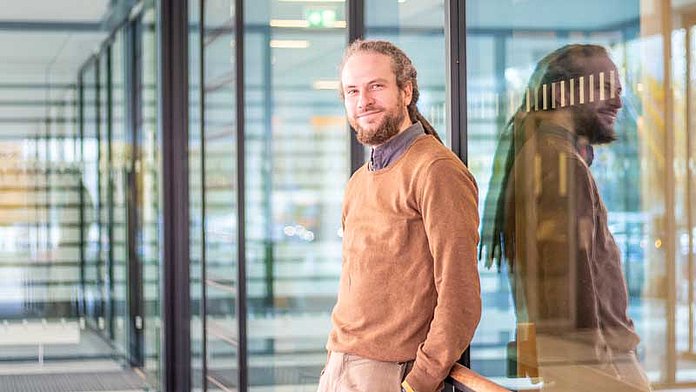
Dr. Robert Haase is a Lecturer and Training Coordinator at the Center for Scalable Data Analytics and Artificial Intelligence (ScaDS.AI) under Leipzig University , with prior leadership roles at the DFG Cluster of Excellence 'Physics of Life' at TU Dresden . He specializes in Bioimage Analysis , GPU-Accelerated Image Processing , and Large Language Models (LLMs) for life sciences. His research focuses on democratizing bioimage analysis through open-source tools like CLIJ , clesperanto , and bia-bob , aiming to bridge microscopy with data science . Recent projects explore LLM-driven code generation for image analysis and interactive workflow design in platforms like napari . He leads initiatives such as the NFDI4BioImage consortium for research data management in Germany and GloBIAS , a global society for bioimage analysts. Funded by organizations including the Chan Zuckerberg Initiative (CZI) and DFG , his work emphasizes reproducibility , open science , and interdisciplinary collaboration in bioimaging. As an educator, he conducts training programs like "Large Language Models for Bioimage Analysis" and "Collaborative Working with Git" , and contributes to workshops at institutions such as EMBO , Institut Pasteur , and ScaDS.AI Summer Schools .
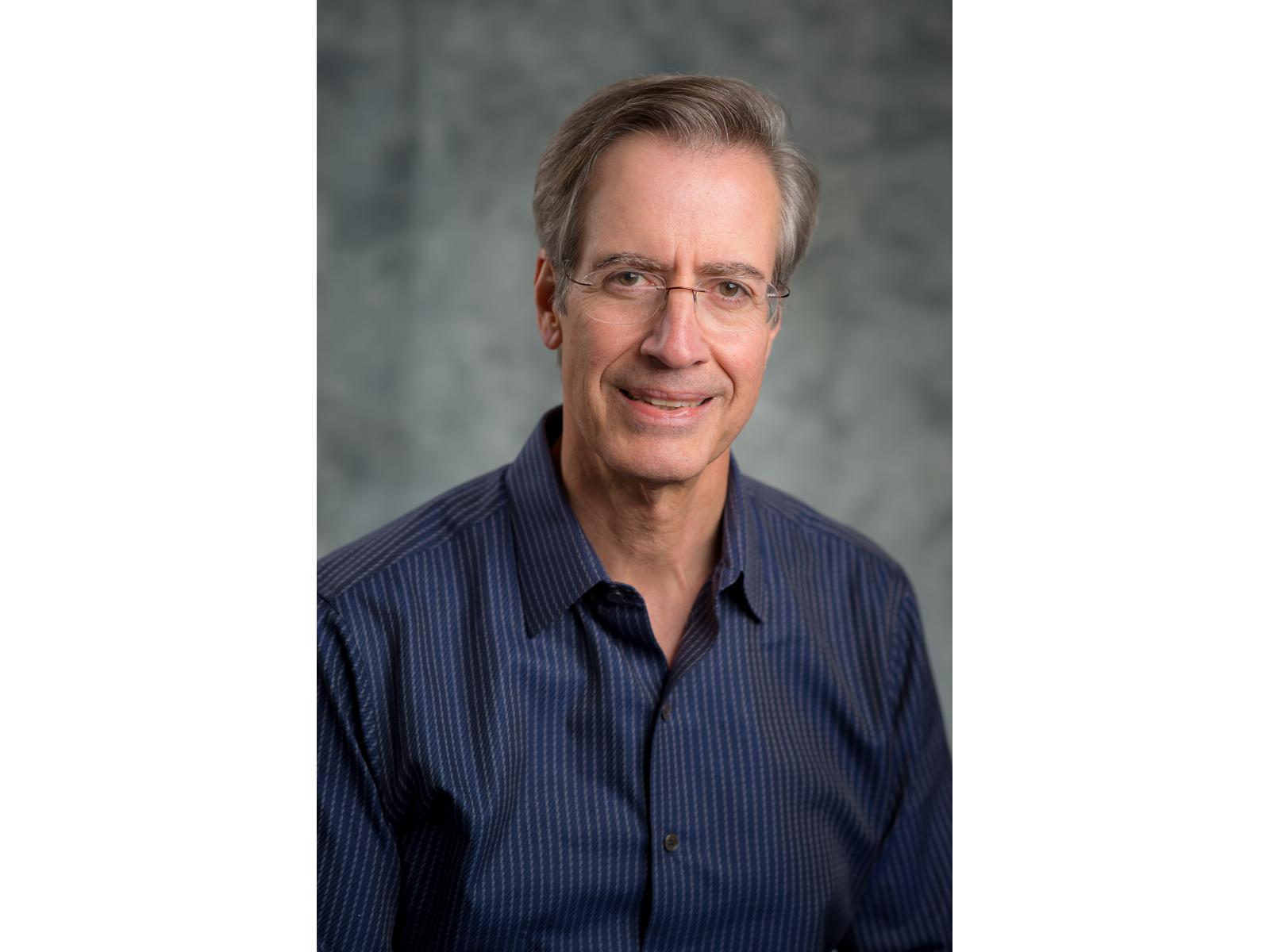
Dr. Thomas O. Metz is a Laboratory Fellow and Chief Science Officer in the Biological Sciences Division at Pacific Northwest National Laboratory (PNNL). He leads research in metabolomics, lipidomics, and proteomics, with a focus on developing advanced mass spectrometry methods and computational approaches for metabolite identification. His work spans chronic diseases (e.g., type 1 diabetes), infectious diseases, and environmental exposures, contributing to over 200 publications. Education: BS in Biology, Frostburg State University BS in Chemistry, San Jose State University PhD in Chemistry, University of South Carolina Postdoctoral fellowship in mass spectrometry, PNNL His research integrates multi-omics technologies to uncover disease mechanisms, emphasizing lipid signaling, biomarker discovery, and host-pathogen interactions. Recent work explores mass spectrometry innovations for exposomics and viral infection responses, with consistent themes of data standardization and computational tool development. Scientific Awards: Pathways to Excellence Award, PNNL (2024, 2023, 2022) Paper of the Year Award, PNNL (2021, 2019, 2017) Major Proposal Award, PNNL (2018, 2017) Keynote Speaker, Metabolomics Society (2017) Patent/Software Awards, PNNL (2016, 2014, 2014) Outstanding Performance Awards, PNNL (2012, 2008, 2007, 2006) He directs major initiatives like the PNNL m/q Initiative and co-leads the NEXUS ChemBio Analytical Sciences Hub. Grants include NIH programs (Undiagnosed Diseases Network, Metabolomics Program). His team develops cutting-edge analytical platforms at PNNL’s Environmental Molecular Sciences Laboratory.
H. Steven Wiley serves as a Lead Scientist in Systems Biology at Pacific Northwest National Laboratory (PNNL), where he is affiliated with the Environmental Molecular Sciences Division and the Environmental Molecular Sciences Laboratory (EMSL) user program. With over 200 scientific publications including more than 130 peer-reviewed journal articles, Dr. Wiley has established himself as a leading figure in systems biology research. Dr. Wiley's research focuses on understanding the systems-level design principles underlying regulatory networks in both prokaryotic and eukaryotic cells, with particular emphasis on how these networks become dysfunctional in diseases like cancer. His recent work leverages CRISPR-based technologies combined with proteomics, gene expression, and biochemical assays to build improved mechanistic models of signaling and metabolic networks. This research requires developing scalable computational infrastructure for integrating multidimensional datasets and advancing analytical technologies. His publication record shows a consistent focus on cellular signaling pathways, particularly the EGFR-MAPK pathway, with recent work expanding into single-cell analysis, cancer heterogeneity, and drug resistance mechanisms. The evolution of his research demonstrates a trajectory from fundamental signaling mechanisms toward increasingly complex systems-level questions with translational implications. Award for Distinguished Technical Communication (2011) Faculty of 1000 Member for Cell Biology (2011) Elected AAAS Fellow (2005) R&D 100 Award for designing single-chain antibody library in a yeast-display system (2004) Laboratory Fellow, Pacific Northwest National Laboratory (2000) National Institutes of Health Research Career Development Award (1988–1993) Dr. Wiley has served as an associate editor of Frontiers in Genetics and sits on the editorial boards of The Scientist and BMC Biology. He has reviewed for more than 30 scientific journals, demonstrating his significant contributions to scientific discourse. His work at PNNL's EMSL facility positions him at the intersection of cutting-edge experimental technologies and computational modeling approaches.
Lai-yung Ruby Leung is a Battelle Fellow at Pacific Northwest National Laboratory (PNNL) working in Earth Systems Analysis & Modeling. She serves as Chief Scientist of the Energy Exascale Earth System Model (E3SM) supported by the U.S. Department of Energy, leading major efforts to develop state-of-the-art capabilities for modeling human-Earth system processes on high-performance computers. Dr. Leung's research broadly spans climate and hydrological cycle modeling with expertise in land-atmosphere interactions, orographic processes, monsoon climate, and climate extremes. Dr. Leung earned her educational credentials from prestigious institutions: Ph.D., Atmospheric Science, Texas A&M University M.S., Atmospheric Science, Texas A&M University B.S. (Honors), Physics & Statistics, Chinese University of Hong Kong Her research interests focus on regional and global climate modeling , land-atmosphere interactions , and the regional hydrologic cycle . She investigates orographic precipitation mechanisms, climate extremes, climate variability and change, and aerosol-cloud interactions. Her work integrates advanced modeling techniques with observational data to understand complex Earth system processes, with research featured in Science , Popular Science , Wall Street Journal , and National Public Radio . Dr. Leung has published over 500 peer-reviewed papers and serves as an editor for the American Meteorological Society's Journal of Hydrometeorology . Analysis of Dr. Leung's recent publications reveals her leadership in developing and applying the Energy Exascale Earth System Model (E3SM), with significant contributions to understanding mesoscale convective systems, soil moisture dynamics, urban hydrology, and climate extremes. Her work demonstrates increasing integration of machine learning techniques with traditional climate modeling approaches, particularly in model evaluation frameworks and high-resolution simulations. She maintains strong focus on practical applications of climate science for understanding water resources, extreme weather events, and climate change impacts. Dr. Leung's scientific recognition includes: Election to the National Academy of Engineering (NAE) Election to the Washington State Academy of Sciences (WSAS) Fellow of the American Geophysical Union (AGU) Fellow of the American Meteorological Society (AMS) Fellow of the American Association for the Advancement of Science (AAAS) AMS Hydrologic Sciences Medal (2022) U.S. Department of Energy Office of Science Distinguished Scientist Fellow (2021) Reuter's Hot List of top 1,000 most influential climate scientists (2021) AGU Jacob Bjerknes Lecture (2020) AGU Bert Bolin Global Environmental Change Award (2019) As Chief Scientist of E3SM, Dr. Leung leads major research initiatives funded by the Department of Energy and has organized key workshops sponsored by DOE, NSF, NOAA, and NASA. She has served on numerous advisory panels and National Academies committees that define future priorities in Digital Twin, AI/ML, climate modeling, hydroclimate, and water cycle research. Her professional service includes membership on the Board on Atmospheric Sciences and Climate of the National Academies, council membership with the American Meteorological Society, and editorial roles for prominent journals. Dr. Leung directs research within PNNL's Earth Systems Analysis & Modeling group, collaborating with national and international climate research teams. She leads efforts to advance the Energy Exascale Earth System Model (E3SM), which represents cutting-edge capabilities in modeling human-Earth system processes. Her work connects with multiple PNNL research areas including atmospheric science, global change, and coastal science, contributing to the laboratory's mission of addressing complex environmental challenges through scientific innovation.
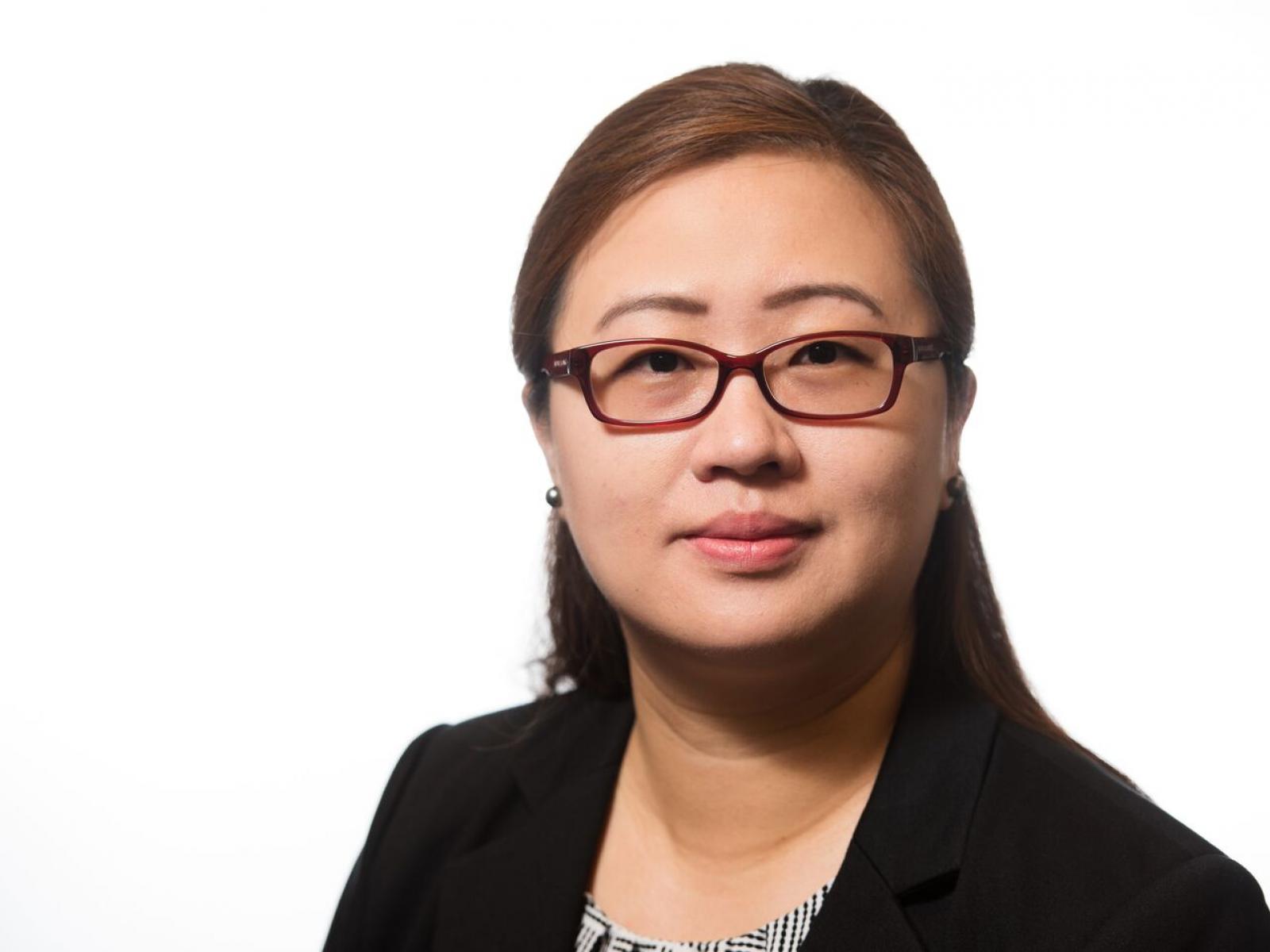
Dr. Jie Xiao serves as the Boeing Martin Professor in the Department of Mechanical Engineering at the University of Washington and holds an incoming joint appointment as Battelle Fellow at Pacific Northwest National Laboratory (PNNL). Her research program focuses on advancing electrochemical energy storage technologies for electric vehicles and grid applications, with particular emphasis on lithium metal battery systems. She has published over 130 peer-reviewed papers, secured 18 patents (7 licensed to industry), and earned recognition as a Clarivate Analytics Highly Cited Researcher since 2017. Her academic credentials include: Ph.D. in Materials Chemistry from State University of New York (SUNY) at Binghamton M.S. in Physical Chemistry from Wuhan University, China B.Sc. in Chemistry from Wuhan University, China Dr. Xiao's research centers on fundamental battery interface phenomena, electrode design, and scalable manufacturing processes. She investigates critical challenges including lithium dendrite formation, cathode degradation mechanisms, and moisture-sensitive electrode processing. Her work integrates experimental and computational approaches to develop high-energy, long-cycle-life batteries with practical industrial relevance. Current projects address interfacial stability in nickel-rich cathodes and lithium metal anodes through advanced characterization and materials engineering. Analysis of her recent publications reveals a strong thematic focus on next-generation lithium batteries, with dominant trends in single-crystal cathode development, solid electrolyte interphase engineering, and practical scale-up of laboratory discoveries. Her work consistently bridges fundamental science with industry-relevant applications, emphasizing reproducibility, safety, and performance metrics for commercial deployment. Her extensive honors include: E.O. Lawrence Award from the US Department of Energy (2022) Election to Washington State Academy of Science (2022) Lab Director’s Exceptional Scientific Achievements Award at PNNL (2022) R&D 100 Award for Lab-on-a-Fish (2021) ECS Battery Division Technology Award (2020) Fellow of The Electrochemical Society (2020) Multiple Project and Publication of the Year Awards from PNNL (2013-2018) Top 1% Clarivate Analytics Highly Cited Researcher (2017-2019) Dr. Xiao actively mentors the next generation of energy storage researchers through her extensive publication record featuring numerous co-authors. She leads major federally funded initiatives including the DOE’s Battery500 Consortium (as Deputy Director) and the Cathode-Electrolyte Interphase Consortium (as Director), which coordinate national laboratory and industry efforts to develop next-generation battery technologies with significantly improved energy density and cycle life. Her Battelle Fellow position at PNNL represents the laboratory's highest scientific rank, where she directs cutting-edge research in energy storage materials and systems. Through these roles, she drives innovation in battery science critical to advancing electric transportation and renewable energy integration.
Muhammad Ali Babar is a Professor in the School of Computer Science at the University of Adelaide. He leads a theme on architecture and platform for security as service in the CyberSecurity Cooperative Research Centre (CSCRC), which has an estimated budget of A$140 Millions over 7 years with A$50 Millions provided by the Australian government. Prof Babar has established CREST (Centre for Research on Engineering Software Technologies), directing the research, education, and engineering activities of more than 25 researchers and engineers. He has attracted more than $12 Millions in funding from industry and government since 2017. Prof Babar's research focuses on Secure Software Systems and Services for emerging technologies including Cloud Computing, Edge Computing, Internet of Things (IoT), and Big Data. His work sits at the intersection of Software Engineering, Artificial Intelligence (ML/NLP), and Cyber Security, employing empirical research methods both qualitative and quantitative. His recent publications demonstrate a strong emphasis on vulnerability prediction, secure microservices management, and applying large language models to security challenges. With over 320 peer-reviewed scientific papers and 17,763 citations (h-index 66 as of January 2025), Prof Babar ranks among the leading Software Engineering researchers in Australia and New Zealand. His research has been recognized with the most influential paper award for the Australasian Software Engineering Conference in 2014 and multiple best paper awards at international conferences. Most influential paper for Australasian Software Engineering Conference (2014) Multiple best paper awards at international conferences Prof Babar obtained his Ph.D. in Computer Science and Engineering from the University of New South Wales, Australia. His research is conducted in collaboration with industry and government partners including DST, ActewAGL, TSS, ATO, Jemena, Cisco, DST Group, Health SA, and Defence SA, as well as key players in the Australian Cyber Security ecosystem such as AustCyber, Data61, DST Group, Oceania Cyber Security Centre, and Australian Cyber Collaboration Centre (AC3). Prof Babar is eligible to supervise Masters and PhD students and has led high-performing R&D teams that have successfully carried out high-quality research in close collaboration with industry. His leadership in the Cyber Security Cooperative Research Centre represents a significant contribution to Australia's cyber security research capabilities and industry engagement.
Xiang Gao is a Pre-tenure Associate Professor in the School of Software at Beihang University, China. His research focuses on applying program analysis, test generation, and formal methods to improve software quality through automated bug fixing and program synthesis. He has established significant collaborations with Fujitsu Laboratories of America, Microsoft Research, and other leading institutions in the software engineering field, demonstrating strong industry-academia connections. Dr. Gao received his Bachelor's degree in Computer Science (Elite Class) from Shandong University in 2016, followed by a Ph.D. from the School of Computing at the National University of Singapore, where he also served as a Postdoctoral Fellow until December 2021. His educational background spans both Chinese and Singaporean academic institutions, providing him with a global perspective on software engineering research. His primary research interests span multiple cutting-edge areas of software engineering: Program Analysis techniques for detecting and fixing software bugs with formal methods Software Security vulnerabilities with focus on automated repair methods Automated Program Repair systems that generate high-quality patches without overfitting Program Synthesis for creating transformation rules from examples Software Engineering for Artificial Intelligence (SE4AI) to improve AI model reliability and security Mobile Software Engineering with particular attention to UI testing and automation Deep Learning Security including model protection and obfuscation techniques Dr. Gao's recent publication trajectory shows a strategic evolution toward integrating large language models with traditional software engineering approaches, particularly in test generation and program repair. His work on DNN modularization (NeMo, CNNSpliter, SeaM) represents an innovative approach to enhancing model reusability and security in resource-constrained mobile environments, addressing critical challenges in deploying AI on edge devices. His scientific contributions have been recognized with multiple prestigious awards: ACM SIGSOFT Distinguished Paper Award for "ProveNFix: Temporal Property guided Program Repair" at FSE'24 IEEE TCSE Distinguished Paper Award for "Investigating and Detecting Silent Bugs in PyTorch Programs" at SANER'24 ACM SIGSOFT Distinguished Paper Award for "Modularizing while Training: A New Paradigm for Modularizing DNN Models" at ICSE'24 Distinguished Artifact Award for "Automated Patch Backporting in Linux (Experience Paper)" at ISSTA'21 Dr. Gao actively mentors students at various levels, seeking "self-motivated Ph.D, master, undergraduate students and interns with strong programming skills" for his research projects. He serves on numerous program committees for top software engineering conferences including ICSE, ASE, ISSTA, and FSE, demonstrating his growing influence in the academic community. His research has been supported through collaborations with industry partners including Microsoft Research and Fujitsu Laboratories of America, translating theoretical advances into practical applications. His laboratory focuses on several key research projects including Automated Software Vulnerability Repair (with techniques like Fix2Fit, VulnFix, and ExtractFix that address the overfitting problem in program repair), Program Synthesis for Program Transformation (including Semi-supervised synthesis and FixMorph for automated patch backporting in Linux), and Software Engineering for Artificial Intelligence (with projects like CNNSpliter, SeaM, and Sensei that apply software engineering principles to improve AI model usability and robustness). These projects represent cutting-edge work at the intersection of traditional software engineering and modern AI techniques, addressing critical challenges in software reliability and security.
Professor Luise Kärger serves as faculty at Karlsruhe Institute of Technology (KIT), where she leads the Lightweight Technology Division within the Institute for Vehicle System Technology. Her research focuses on advancing computational and experimental methodologies for lightweight composite structures in automotive applications. Her primary research domains include: Lightweight Construction methodologies for vehicle systems Computational Mechanics of disordered fiber-reinforced materials Manufacturing Process Simulation (injection molding, overmolding, infiltration) Structural Analysis of composite damage mechanisms Fiber-Reinforced Polymer processing optimization Resource-efficient composite manufacturing digitization Professor Kärger maintains an active research portfolio with seven ongoing DFG projects through 2025, demonstrating sustained funding leadership. Her current work bridges multiscale simulation with experimental validation to solve critical challenges in composite material behavior during manufacturing and service life. Her scientific recognition includes: Prestigious DFG Heisenberg Grant for digitizing composite manufacturing processes As a supervisor, she provides students with hands-on experience in advanced simulation techniques and experimental mechanics through industry-collaborative projects. Her group specializes in developing physics-based process models that integrate data analytics with expert knowledge for structural process improvements. The Lightweight Technology Division operates as KIT's specialized hub for composite material innovation, combining high-fidelity manufacturing simulation with structural performance validation to advance next-generation lightweight vehicle components.
Konrad Patyk serves as a Professor for Numerical Analysis within the Department of Mathematics at Justus Liebig University Giessen, part of the Faculty of Mathematics, Informatics and Natural Sciences. His office is located in room 149 at Heinrich-Buff-Ring 44, 35392 Giessen, Germany, with contact available via telephone (0641 99-32193) and email. His research centers on Numerical Analysis, focusing on computational methods and algorithms for solving complex mathematical problems. This field bridges theoretical mathematics with practical applications in scientific computing, engineering simulations, and data-intensive modeling. Key methodologies include finite element analysis, iterative solvers, and error estimation techniques. The Numerical Analysis Group at Justus Liebig University Giessen drives collaborative research in computational mathematics, maintaining strong ties with industry partners and international academic institutions. Current projects emphasize high-performance computing implementations and interdisciplinary applications in physics and engineering domains. Contact details: Email: Konrad.Patyk@math.uni-giessen.de Phone: 0641 99-32193 Office: Room 149, HRZ Building, Heinrich-Buff-Ring 44, 35392 Giessen
Dr. Salam Traboulsi is a Researcher at Stuttgart University of Applied Sciences (HFT Stuttgart), affiliated with the Competence Center for Digitalization in Research, Teaching & Economics since 2019. She holds a PhD in Computer Science from the University of Toulouse, France (2008). Her work bridges technology and urban innovation, with a focus on developing scalable solutions for modern cities. Research Focus: Dr. Traboulsi specializes in: Smart City ecosystems integrating IoT and 5G Precision technologies for urban positioning and navigation Data management frameworks for large-scale sensor networks Open-source IoT platforms for building efficiency and environmental monitoring Cloud and grid computing infrastructures Key Projects: She leads/contributes to: iCity 2: UDigiT4iCity – Developing urban digital twins using IoT building data and 5G sensor networks iCity 1 – Foundational research on intelligent urban infrastructure systems Publication Trends: Her recent work (2020-2024) emphasizes 5G-enabled urban solutions, including fleet management optimization, indoor positioning systems, and IoT analytics for smart buildings. Earlier research (2005-2013) focused on distributed computing, storage virtualization, and information retrieval systems, demonstrating consistent expertise in large-scale data infrastructure. Academic Engagement: She serves as a scientific reviewer for journals and conferences and teaches in the surveying study area at HFT Stuttgart.
Prof. Dr. Michael Kuhn is a Professor in the Faculty of Computer Science at Otto von Guericke University Magdeburg since 2020, leading the Parallel Computing and I/O Group. His work bridges theoretical parallel computing concepts with practical high-performance computing implementations. His academic journey includes: Bachelor's degree in Computer Science from Heidelberg University (2007) Master's degree in Computer Science from Heidelberg University (2009) Doctorate from Hamburg University (2015) with dissertation on "Dynamically Adaptable I/O Semantics for High Performance Computing" Prof. Kuhn's research tackles critical challenges in modern computing infrastructure where systems scale to millions of processor cores. He investigates fundamental improvements to storage architectures, I/O interfaces, and programming models that enable efficient data processing at exascale levels. His development of the JULEA storage framework provides dynamically adaptable solutions for high-performance computing environments, addressing the growing mismatch between computational power and data movement capabilities. As faculty public relations officer, he maintains the Faculty of Computer Science's digital presence while actively teaching courses that equip students with practical parallel programming skills. His group's work demonstrates how breaking computational problems into parallelizable components—like the matrix processing example reducing runtime to a quarter—enables scientific breakthroughs requiring massive computational resources. The Parallel Computing and I/O Group serves as a hub for advancing storage technologies and parallel processing methodologies, with applications spanning scientific computing, big data analytics, and next-generation supercomputer architectures.
Christian Schmidkonz serves as Professor of Medicine and Health Economics at OTH Amberg-Weiden since March 2022, concurrently holding specialist positions at Klinikum Weiden and leadership roles in medical research institutions. His dual clinical-academic profile integrates nuclear medicine practice with health economics education within the Faculty of Industrial Engineering and Healthcare. Educational background includes: Human Medicine studies at Friedrich-Alexander-Universität Erlangen-Nürnberg PhD in cardiac computed tomography (University Hospital Erlangen) Specialist training and habilitation in nuclear medicine/hybrid imaging Additional qualifications: Medical Quality Management certification, Medical Didactics certificate, and Master of Health Business Administration (MHBA) His research focuses on translational nuclear medicine , with significant contributions to medical imaging , preventive medicine , and AI-driven data processing . Work from his "Translational Nuclear Medicine" group has yielded high-impact publications in Nature Immunology and The Lancet-Rheumatology , emphasizing clinical applications of hybrid imaging techniques and longevity research. Scientific recognition includes: Cuno Winkler Preis for best prospective study (German Society of Nuclear Medicine) Young Author Award (European Association of Nuclear Medicine) Bavarian State Teaching Award (2025) While student mentorship details aren't specified, his leadership spans the University Hospital Erlangen working group and dual directorship of the Medical Training Center and Center for Performance Diagnostics/Sports Medicine since 2023. These roles integrate clinical diagnostics, sports medicine, and performance analytics within applied healthcare frameworks.
Christoph Müller is a Doctoral Researcher at the Visualization Research Center (VISUS) at the University of Stuttgart, working within the Weiskopf Group and Sedlmair Group. With over 19 years of research experience documented through publications from 2006 to 2025, he has established himself as a significant contributor to the scientific visualization community. Dr. Müller's research spans multiple domains of visualization including scientific visualization, computer graphics, visual analytics, cybersecurity visualization, molecular graphics, and energy-efficient visualization techniques. His recent work demonstrates a strong focus on practical applications, particularly in cybersecurity analysis through projects like AlertSets for exploratory analysis of cybersecurity alerts and VITALflow for network traffic analysis. He has also made important contributions to understanding and reducing the energy consumption of visualization systems, with recent papers on foveated volume visualization and comprehensive energy measurement approaches. His publication record shows consistent contributions to top visualization venues, with recent work appearing in IEEE Transactions on Visualization and Computer Graphics, Journal of Visualization, and proceedings of major conferences including IEEE VIS, Eurographics, and VizSec. His research often involves interdisciplinary collaboration, particularly with cybersecurity experts and domain scientists. Active research in cybersecurity visualization for security operations Pioneering work on energy measurement and reduction in visualization systems Contributions to scientific visualization for cosmic evolution and manufacturing Development of visualization frameworks like MegaMol Exploration of novel platforms including gaming consoles for scientific visualization Dr. Müller's work bridges theoretical visualization research with practical applications, making significant contributions to both the academic community and real-world visualization challenges across multiple domains.
Christof Mosler serves as Professor of Business Informatics at Stuttgart University of Applied Sciences since 2011, teaching Programming, Software Engineering, AI, IT Management, and Entrepreneurship within the Computer Science department. He actively contributes to the Competence Center for Digitalization in research, teaching and business, and maintains industry connections through advanced training semesters at companies like Börse Stuttgart GmbH and Robert Bosch GmbH. His educational background includes: Dipl.-Informatiker (Computer Science) from RWTH Aachen (1999-2004) Dipl.-Volkswirt (Economics) from FernUni Hagen (2003-2007) Dr. rer. nat. in Software Engineering from RWTH Aachen (2004-2009) His research bridges computer science and business domains with emphasis on practical applications . Key focus areas include enterprise software systems, AI-driven financial modeling, security solutions for SMEs, and innovation in traditional industries. His work consistently addresses real-world business challenges through technological implementation. Publication trends reveal a strategic evolution from foundational project management studies (2012-2016) toward cutting-edge applications in financial technology and security (2019-2024). Recent work demonstrates increasing specialization in algorithmic trading systems and SME-focused security architectures, reflecting industry's digital transformation demands. His scientific recognition includes: National winner of the 17th Federal Computer Science Competition (1999) Prof. Mosler maintains strong industry-academia integration through consultancy roles at major corporations and startup ventures. He directs the Enterprise Software Laboratory, which facilitates hands-on student training in enterprise system development and serves as a hub for applied research projects with industry partners.
Dr. Simeon Reusch is a Researcher at the Leibniz Institute for Astrophysics Potsdam (AIP), affiliated with the Supercomputing and E-Science section and collaborating with Solar Physics researchers. His work integrates computational infrastructure with solar observational data analysis at this leading German astrophysics institute. His research specializes in Solar Physics and Space Weather phenomena, particularly solar energetic electron events. Using advanced computational methods from the Supercomputing and E-Science division, he analyzes combined in situ and remote-sensing data from the Solar Orbiter mission to develop statistical models of particle acceleration events. This work bridges observational astrophysics with high-performance computing techniques for space weather prediction. Dr. Reusch contributes to AIP's Supercomputing and E-Science team, which develops critical infrastructure for astrophysical research including data processing pipelines and scientific computing resources. His recent CoSEE-Cat catalogue project exemplifies the institute's focus on transforming complex space mission data into accessible scientific resources through computational innovation.