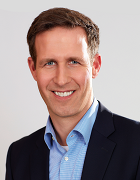
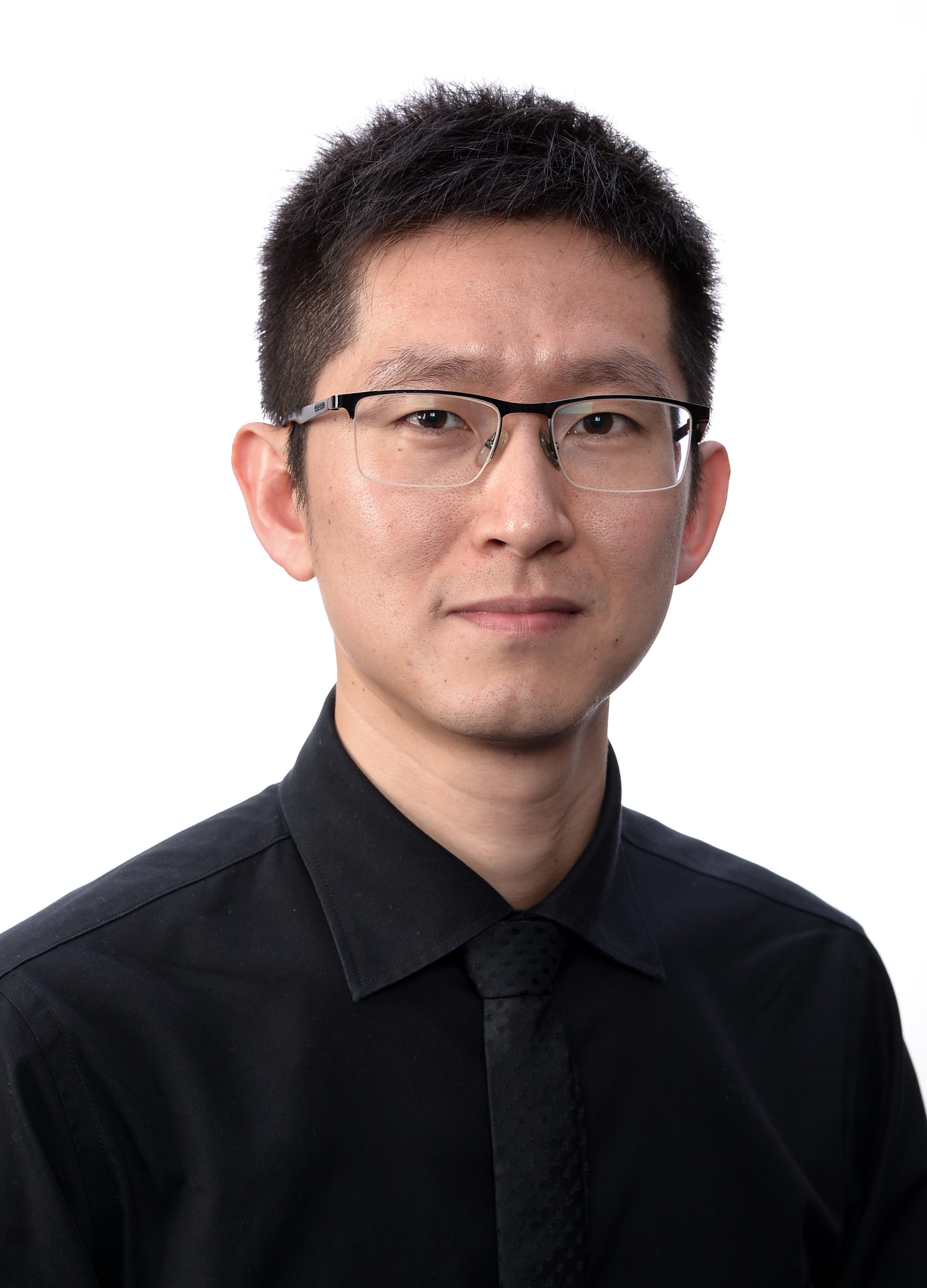
Prof. Dr. Taner Akbay is a faculty member at Yeditepe University, Faculty of Engineering , Department of Materials Science and Nanotechnology Engineering. He has held academic positions at institutions including Kyushu University, Oita University, and Imperial College London. Education: PhD in Materials Engineering (1993, Imperial College London); Master’s (1989) and Bachelor’s (1986) degrees from Middle East Technical University. His research spans Materials Engineering , Metallurgy , and Solid Oxide Fuel Cells (SOFCs) , with a focus on oxide ion conductivity, laser surface treatment, and phase transformations. Recent work explores photocatalysis , anion intercalation , and CO2 reduction using computational and experimental approaches. Key article trends include SOFC optimization (2004–2009), strain effects on catalysts (2015–2020), and dual-carbon battery technology (2016–2020). His work bridges fundamental metallurgy and advanced energy materials . Scientific Awards: Postdoctoral Research Sponsorship Award (EPSRC, UK) JSPS Fellowship (Japan) Daiwa Adrian Prize (2016, UK) PhD Studentship at Imperial College (European Commission) He has supervised multiple PhD and Master’s theses, including projects on dual-carbon batteries , microwave absorption nanocomposites , and rare earth recovery . Administrative roles include Head of Department (2020–2021). Non-University Experience: Worked with Mitsubishi Materials Corporation (2001), Çolakoğlu Metalurji (2010), and National Research Council Canada (2009).
Justin A. Weibel is a Professor of Mechanical Engineering at Purdue University, affiliated with the School of Mechanical Engineering. He directs the Cooling Technologies Research Center (CTRC), a National Science Foundation Industry/University Cooperative Research Center. His research focuses on advanced electronics cooling, phase-change transport, additive manufacturing for thermal components, and machine-learning-driven design optimization. He has led projects funded by DARPA, ONR, ARPA-E, and industry partners, advancing cooling solutions for high-power electronics and energy systems. Research interests span thermal management, heat transfer, micro/nano-scale engineering, and sustainable energy. Key contributions include topology optimization for heat sinks, two-phase flow modeling, and embedded cooling systems for electric motors. His work integrates computational methods with experimental validation. Grants & Programs: DARPA TGP/ICECool, ONR NEPTUNE, ARPA-E ASCEND/COOLERCHIPS, SRC CHIRP Labs: Cooling Technologies Research Center (CTRC) Future Work: Expanding additive manufacturing applications, improving thermal efficiency in electrified transport, and advancing AI-driven thermal system design. Awards: Fellow of ASME (2023) Outstanding Faculty Mentor (2022) Multiple best paper awards from IEEE ITherm, ASME, and SEMI-THERM conferences
Prof. Dr.-Ing. Rüdiger Daub serves as Professor and Chair of Production Engineering and Energy Storage Systems at the Technical University of Munich (TUM), operating within the Department of Mechanical Engineering. His leadership encompasses research direction, academic supervision, and strategic development of battery production technologies at TUM's Garching campus (Boltzmannstr. 15), with active industry collaborations driving innovation in sustainable manufacturing. Daub's research program pioneers advanced production methodologies for lithium-ion and solid-state batteries, focusing on electrode manufacturing, electrolyte filling, and cell assembly processes. His work investigates critical parameter interdependencies affecting battery safety and performance, developing inline monitoring systems and digital twin technologies for real-time process optimization. Key contributions include moisture control in electrode production, electrochemo-mechanical characterization of solid-state systems, and robotics solutions for deformable object assembly, all integrated with machine learning for quality assurance in industrial settings. Analysis of his 2023-2025 publications reveals a dominant research trajectory toward solving production bottlenecks in next-generation energy storage. The work demonstrates increasing integration of computational modeling with empirical validation, particularly in solid-state battery manufacturing and high-voltage electrolyte systems. A notable trend is the cross-pollination of robotics, computer vision, and uncertainty quantification techniques to address complex assembly challenges and distribution shifts in quality monitoring, reflecting industry's urgent need for adaptable, data-driven production systems. Leading TUM's specialized laboratories for battery cell production, Daub's team maintains comprehensive facilities for electrode calendering, electrolyte filling, and cell assembly with integrated tracking and tracing capabilities. The research infrastructure supports collaborative projects with automotive OEMs and battery manufacturers to develop scalable production processes, emphasizing environmental sustainability through water-based electrode production and footprint optimization. Current initiatives focus on digital factory modeling and prelithiation technologies for next-generation battery systems.
Richard D. Noble is a Research Professor in the Department of Chemistry at the University of Colorado Boulder. His research focuses on advanced membrane technologies for gas and liquid separations, with particular expertise in ionic liquids, liquid crystals, and the application of external fields for selective separations. He maintains an active laboratory in Cristol Chemistry (room 357) and collaborates extensively with Professor Doug Gin on many research projects. Noble received his BE and ME from Stevens Institute of Technology in 1968 and 1969 respectively, followed by a Ph.D. from the University of California, Davis in 1976. His educational background in engineering has provided a strong foundation for his research in chemical engineering and materials science. Professor Noble's research program centers on three interconnected areas. His primary focus is on ionic liquids for gas separations , where he evaluates various ionic liquids and complexation chemistry to tailor material properties to specific feed mixtures. He explores composite polymer/IL structures and incorporation of complexation chemistry and zeolites, and has developed specialized apparatus to measure gas solubility and diffusivity in ionic liquids. This work is conducted in collaboration with Professor Doug Gin. His second research thrust involves the use of external fields for selective separations . Noble studies how electric or light energy can enhance separation processes by changing binding affinity of complexing agents. His notable achievement is an electrochemical pump with no moving parts that produces pressures exceeding 20 atm, with applications in lab-on-a-chip and micro-scale devices. He also develops charged polymer structures for membrane separators with wide temperature and chemical stability. His third major area focuses on liquid crystals organized to form nanostructured polymer network films. These cross-linked stable films are evaluated for nanofiltration applications, particularly in water filtration including treatment of water from fracking operations. This work often intersects with his ionic liquids research, creating composite structures with potential applications in electrochemical pumps. Noble's publication record from 2017-2019 shows consistent focus on membrane technologies for separation processes, with increasing sophistication in membrane design incorporating ionic liquids, liquid crystals, and novel materials like pillar[5]arenes. His work demonstrates a clear trend toward addressing practical industrial challenges, particularly in natural gas purification (CO 2 /CH 4 separation) and environmental applications (treatment of fracking wastewater). His collaborations have produced high-impact work published in top journals including Nature Materials , Journal of Membrane Science , and Angewandte Chemie . Professor Noble has received numerous prestigious awards recognizing his contributions: AIChE Institute Service to Society Award (2005) Alfred T. and Betty E. Look Professor of Chemical Engineering (2005-present) Multiple Outstanding Graduate Teaching Awards from the Chemical Engineering Department (2006-2008) ACS Industrial & Engineering Chemistry Division Fellow (2007) CU Boulder Inventor of the Year (2008) Barrer Lecture at Penn State University (2008) Fellow at the Renewable and Sustainable Energy Institute (2009-2012) Robert L. Stearns Award from CU Alumni Association (2010) Chair d'Excellence Pierre de Fermat at Paul Sabatier University, Toulouse (2010) AIChE Institute Excellence in Industrial Gas Technology Award (2010) And numerous others through 2015 While specific grant details aren't provided, Noble's extensive publication record with multiple co-authors suggests active research mentoring and well-funded projects. His work on sophisticated apparatus and high-quality publications indicates substantial research support. His collaborations, especially with Doug Gin, suggest a strong research group environment focused on membrane science and separation technologies. Professor Noble's research operates at the intersection of chemistry, chemical engineering, and materials science. His laboratory includes facilities for membrane fabrication, gas separation testing, and characterization of novel materials. The development of specialized apparatus for measuring gas properties in ionic liquids suggests dedicated equipment for fundamental property measurements. His work on electrochemical pumps indicates capabilities in microfluidics and device fabrication, with the collaborative nature of his research suggesting a team approach to tackling complex separation challenges.
Adrian Lew is a Professor of Mechanical Engineering at Stanford University, specializing in computational solid mechanics and numerical algorithms. His research focuses on hydraulic fracturing simulation, embedded boundary methods, and material model design. He holds a PhD in Mechanical Engineering from Caltech (2003). His work bridges advanced numerical techniques with real-world applications in geophysics, material science, and structural engineering. Education: PhD, Mechanical Engineering, California Institute of Technology, 2003 Research Interests: Lew's group develops algorithms for time-integration embedded boundary methods and hydraulic fracturing simulations. Key areas include curvilinear crack propagation, universal meshing for complex geometries, and high-fidelity fracture mechanics. His work on variational integrators and discontinuous Galerkin methods has advanced computational efficiency in nonlinear elasticity and thermodynamics. Publications: Recent articles emphasize mesh optimization (DVRlib), fracture path instabilities, and magma chamber dynamics. His methodologies address challenges in 3D crack modeling, fluid-structure interaction, and high-order approximations in domains with singularities. Advising & Grants: Lew's research is supported by projects in computational geophysics and material science. Though no advisees are listed, his work involves collaborative teams focused on algorithmic innovation and high-performance computing.
Judith Driscoll is Professor of Materials Science at the University of Cambridge in the Department of Materials Science & Metallurgy. She holds the prestigious Royal Academy of Engineering Chair in Emerging Technologies and serves as a Visiting Staff Member at Los Alamos National Laboratory. As the founding Editor-in-Chief of APL Materials, she has significantly contributed to the materials science community. Dr. Driscoll's research focuses on Energy Efficient Oxide Materials for Information and Communications Technologies and energy devices. Her work spans the development of non-volatile memory, resistive switching devices, and ferroelectric materials for neuromorphic computing applications. She investigates oxide thin films for applications ranging from data storage to energy generation and conversion, with particular emphasis on creating more energy-efficient device technologies to handle the exponential growth of data-centric applications. Her recent publications demonstrate strong trends in developing novel oxide-based memory devices with improved energy efficiency, particularly for AI applications. The work shows significant progress in hafnium-zirconium oxide ferroelectrics, resistive switching mechanisms, and vertically aligned nanocomposite structures for enhanced device performance. These innovations address critical challenges in reducing the unsustainable energy demands of modern computing, particularly for artificial intelligence systems. Fellow of the Royal Academy of Engineering Fellow of the Materials Research Society Fellow of the American Physical Society Fellow of IOM3, IOP, and Women Engineers Society Fellow of the American Academy of Arts and Sciences Recipient of ERC Advanced Grant Editor-in-Chief of APL Materials Dr. Driscoll leads a vibrant research group that has secured significant funding including her Royal Academy of Engineering Research Chair, an ERC Advanced Grant, and an ECCS-EPSRC grant in collaboration with researchers from the USA. She has founded the Cambridge Centre for Neuromorphic Computing (Neucam) in 2023. Her group operates world-leading growth equipment including pulsed laser deposition with RHEED control, high temperature oxide sputtering, and spatial ALD systems. She collaborates extensively across the University of Cambridge and with international partners to solve complex materials challenges, with her group's role often being to identify optimal materials for functional goals, predict fabrication methods, and then create and characterize these materials.
Ralph H. Colby serves as Professor of Materials Science and Engineering and Chemical Engineering at Pennsylvania State University's College of Earth and Mineral Sciences, holding the Corning Faculty Fellowship. His research focuses on molecular-level dynamics in complex fluids, particularly polymers, ionomers, and liquid crystalline systems. With over 130 publications and authorship of the textbook Polymer Physics (2003), he directs an active research program examining structure-property relationships in soft matter. B.S. in Materials Science and Engineering, Cornell University (1979) M.S. in Chemical Engineering, Northwestern University (1983) Ph.D. in Chemical Engineering, Northwestern University (1985) Professor Colby's research spans polymer physics, rheology, and materials for energy applications. His group employs mechanical rheology, dielectric spectroscopy, and scattering techniques to investigate ion transport in single-ion conductors for batteries, dynamics of glass-forming liquids, and self-assembly in polyelectrolyte systems. Current work emphasizes structure-property relationships in ionomers, liquid crystalline polymers, and branched architectures. Analysis of recent publications reveals consistent focus on ionomer membranes for energy applications, processing-structure relationships in advanced polymers, and fundamental dynamics of complex fluids. Key trends include increasing integration of computational modeling with experimental characterization, expansion into sustainable materials processing, and growing emphasis on applications in battery technology and biomedical materials. Penn State Faculty Scholar Medal for Outstanding Achievement (2022) Bingham Medal, Society of Rheology (2012) American Chemical Society Fellowship Corning Faculty Fellowship in Materials Science and Engineering Professor Colby leads multiple federally funded projects including NSF's 'Fundamental Studies of Flow-Induced Polymer Crystallization' and DOE's 'Conduction mechanisms and structure of ionomeric single-ion conductors'. His group maintains strong industry partnerships with Corning Incorporated and participates in interdisciplinary initiatives like the Penn State Intercollege Graduate Degree Program in Materials Science and Engineering. Current research includes collaborations on breast cancer adherence interventions in Rwanda and conjugated polymer development for flexible electronics. The Colby Research Group operates specialized facilities for rheological characterization, dielectric spectroscopy, and X-ray scattering at Penn State's Materials Research Institute. The team maintains active collaborations with national laboratories and international research groups, focusing on translating fundamental polymer physics discoveries into practical applications for energy storage and advanced manufacturing.
Kristofer Pister is a Professor in the Department of Electrical Engineering and Computer Sciences at the University of California, Berkeley. He co-directs the Berkeley Sensor and Actuator Center (BSAC) and the Ubiquitous Swarm Lab. His career spans groundbreaking innovations in Micro/Nano Electro Mechanical Systems (MEMS), Control Systems, and Low-Power Circuits, with a focus on Smart Dust and synthetic insects. Education: Ph.D. and M.S. in EECS from UC Berkeley (1992, 1989); B.A. in Applied Physics from UC San Diego (1986). His research areas include MEMS , Control Systems , Robotics , and Integrated Circuits , with recent work on self-powered micro-sensors, crystal-free radios, and interplanetary swarm networks. Key awards include the ISA Albert F. Sperry Founder Award (2009) , Alexander Schwarzkopf Prize (2006) , and the NSF CAREER Award (1996) . He has authored numerous influential publications in wireless sensor networks and microrobotics. His lab, Ubiquitous Swarm Lab , explores distributed robotics and swarm intelligence. Pister emphasizes open collaboration in research, ethical conduct in academia, and efficient resource utilization for graduate students.
Jean-Claude Besse is a Lecturer in the Department of Physics at ETH Zürich, specializing in superconducting circuits and quantum optics. His research focuses on quantum computing, microwave photonics, and artificial atoms. Research Interests: Besse works on the fabrication of superconducting circuits, modular quantum computing processors, and microwave quantum optics using artificial atoms. His work includes single-photon detection, parity measurements, entanglement stabilization, and quantum networking. He has developed technologies like high-fidelity multiplexed readout and tunable ZZ gates. Key Contributions: Besse led breakthroughs in non-destructive single-photon detection, deterministic remote entanglement, and loophole-free Bell inequality violations. His research enables error-corrected quantum communication protocols and scalable microwave quantum systems. Publications Trends: Recent articles emphasize modular quantum architectures, entanglement stabilization, and microwave photon engineering. Topics include cluster state generation, defect mode mitigation, and reinforcement learning for quantum feedback systems. Labs & Teams: Affiliated with the Laboratorium für Festkörperphysik at ETH Zürich, Besse contributes to advancing superconducting quantum technologies and microwave quantum optics.
Elison Matioli is a Professor at the Institute of Electrical Engineering (STI) at EPFL and director of the POWERlab. He holds a B.Sc. in Applied Physics and Applied Mathematics from Ecole Polytechnique (France), a B.Sc. in Electrical Engineering from the University of São Paulo (Brazil), and a Ph.D. in Materials Science from the University of California, Santa Barbara. His postdoctoral research at MIT focused on electrical engineering and computer science. His research centers on advanced semiconductor devices, particularly GaN-based power electronics, microfluidic cooling systems, and nanotechnology innovations for high-power applications. Key areas include developing high-efficiency GaN transistors, optimizing power conversion systems, and exploring terahertz generation through nanoplasma switches. His work emphasizes integrating novel materials (e.g., diamond, LiNiO) and cooling solutions to enhance device performance and reliability. Publications highlight breakthroughs in GaN power devices, microfluidic integration for thermal management, and ultrafast switching technologies. His contributions span device physics, fabrication techniques, and energy-efficient systems, with applications in next-generation power electronics and renewable energy infrastructure.
Prof. Dr. Peter Strasser is a faculty member at the Technische Universität Berlin , affiliated with the Institute of Chemistry and leading the Electrochemical Catalysis, Energy and Materials Sciences Group within the Faculty II - Mathematics and Natural Sciences . His research spans electrocatalysis , fuel cell technology , and high-throughput materials testing , with a focus on nanostructured catalysts for clean energy systems. Research Interests : High Throughput Testing Fuel Cells Electrocatalysis Electrochemical Materials Water Splitting CO2 Conversion Scientific Contributions highlight trends in oxygen evolution reactions , dealloyed catalysts , and non-noble metal electrocatalysts . His work bridges materials science and energy storage , particularly for hydrogen fuel cells and magnesium batteries . Awards : Otto Roelen Medal 2016 Advising notable researchers like former PhD student Mehtap Özaslan , who established a junior research group at the University of Oldenburg and won the Umicore Scientific Award. Prof. Strasser's team collaborates with UniSysCat and has secured funding from the Federal Ministry of Research for catalyst innovation.
Dr. Yildiz Bayazitoglu is the Harry S. Cameron Professor of Mechanical Engineering and Professor of Materials Science and NanoEngineering at Rice University since 1996. She joined Rice in 1977 and has held prior roles as an assistant professor at Middle East Technical University (1973–74) and a visiting assistant professor at the University of Houston (1975–76). Her education includes a B.S. from Middle East Technical University (1967), and M.S. and Ph.D. from the University of Michigan (1969 and 1974). Her research focuses on convective heat transfer with phase change , micro/nano-scale heat transfer , and radiation heat transfer . Key areas include thermal modeling of biomedical systems, containerless materials processing, and fuel cell design. She has pioneered work on nanofluids, interfacial thermal resistance, and radiation shielding for aerospace applications. Dr. Bayazitoglu has published over 200 technical papers and holds patents in thermal engineering. She authored two heat transfer textbooks and serves as Editor-in-Chief of the International Journal of Thermal Sciences . Her honors include ASME’s Heat Transfer Memorial Award, AAAS and AIAA Fellowships, and membership in the Turkish Academy of Sciences. Education: B.S., Middle East Technical University (1967) M.S., University of Michigan (1969) Ph.D., University of Michigan (1974) Leadership Roles: Former Vice-President of the International Center for Heat and Mass Transfer (2019–2021) Member of Turkish Academy of Sciences Energy Sources Committee (2017–2018) Her work bridges thermal engineering with biomedical, aerospace, and materials science applications, emphasizing practical solutions to complex thermal challenges.
Joanna Millstein is a Post-doctoral Fellow in Geophysics at the Colorado School of Mines. She earned her Ph.D. in Geophysics from the Massachusetts Institute of Technology in 2023 as part of the MIT-WHOI Joint Program in Oceanography and Engineering, where her dissertation focused on The Flow and Fracture of Antarctic Ice Shelves . She also holds an A.B. in Earth Sciences from Dartmouth College (2017). Her research centers on the deformation and fracture of glacier ice, working at the intersection of fracture mechanics, remote sensing (particularly SAR and InSAR processing), statistical mechanics, and stochastic models. Millstein uses observational data from satellites and field measurements to derive mechanical and statistical models for glacier ice processes, with particular focus on reconciling observations of ice fracture and iceberg calving with theoretical models. Her work aims to resolve the nonlinear physics of glacier ice to better understand future global climate change impacts. Millstein's publication record shows a strong focus on Antarctic ice dynamics, with recent work applying extreme value theory to analyze 47 years of iceberg calving events. Her research demonstrates consistent attention to both theoretical modeling and practical applications for understanding climate change impacts on polar regions. She has developed computational tools including CryoCloud, reflecting her commitment to open science and cloud-based infrastructure for cryosphere research. Her scientific contributions span ice shelf mechanics, fracture prediction, rheology, and statistical modeling of glacial processes. Millstein maintains an active research presence with publications extending to 2025, demonstrating ongoing contributions to the field of glaciology and climate science. She is affiliated with the glaciology research center at Colorado School of Mines and maintains an active GitHub presence with climate-related code repositories. Her work bridges theoretical geophysics with practical climate change impact assessment, particularly regarding ice sheet stability and sea level rise projections.
Prof. Dr. Mirko Hornung is a Professor of Aircraft Design at the TUM School of Engineering and Design, Technische Universität München. His research focuses on conceptual aircraft design, integration of propulsion systems, and evaluation of aviation technologies in operational contexts. Education and Career: PhD in Aeronautical Engineering from the University of the Bundeswehr (2003), awarded a research prize for work on reusable space transport systems. 2003–2009: Worked at Airbus Group (EADS) on military air systems, propulsion integration, and program management. Executive Director of Research & Technology at Bauhaus Luftfahrt, a think tank for long-term aviation developments. Research Interests: Aircraft design optimization, including hybrid energy systems, electric propulsion, and UAV technologies. Environmental sustainability in aviation, such as hydrogen-powered aircraft and lifecycle assessment. Aerodynamic and structural analysis, including flutter suppression and composite materials. Key Publications Highlight Trends: Focus on hybrid-electric and hydrogen propulsion for reducing environmental impact. Advancements in UAV design, including morphing wings and autonomous systems. Integration of AI-driven tools for propulsion optimization and lifecycle analysis. Scientific Awards: EADS Promotion Award (1995) Research Prize for Thesis on Reusable Space Transport Systems (2003) Advising & Grants: Directs research at Bauhaus Luftfahrt, collaborating on future aviation concepts. Engaged in interdisciplinary projects like FLEXOP UAV demonstrator and Ce-Liner eMobility studies. Labs/Teams: Active in the Aircraft Design Professorship at TUM and leadership roles at Bauhaus Luftfahrt, focusing on next-generation aviation technologies.
Dr. Geng Guoqing is an Assistant Professor in the Department of Civil and Environmental Engineering at the National University of Singapore (NUS). He holds concurrent roles as East Asian Regional Convener for RILEM and board member of ACI-Singapore Chapter. His research focuses on sustainable construction materials, particularly durability, microstructural characterization, and waste material utilization. Geng earned his PhD from UC Berkeley (2017), followed by postdoctoral research at the Paul Scherrer Institute (Switzerland). He has authored over 50 papers and leads multiple projects funded by Singapore’s Ministry of Education, Energy Center, and National Research Foundation. Education: Bachelor of Engineering, Southeast University, China (2010) Master of Science, UC Berkeley, USA (2013) PhD, UC Berkeley, USA (2017) Research interests center on sustainable construction materials, multi-scale characterization, and material durability . Key themes include recycling low-grade materials, mitigating degradation in concrete, and developing high-performance binders like LC3. His work employs advanced techniques like molecular modeling, X-ray diffraction, and NMR. Recent articles explore hydration kinetics, CSH matrix mechanics, and waste clay applications. Awards include the 2023 RILEM Medal and multiple teaching excellence recognitions. Current projects address CO 2 absorption, sustainable cement blends, and resilient façade materials. Professional service includes editorial roles at Cleaner Materials and Frontiers in Materials , plus organizing the 2022 EASEC Conference. His lab focuses on bridging microstructural insights with macro-scale material performance.