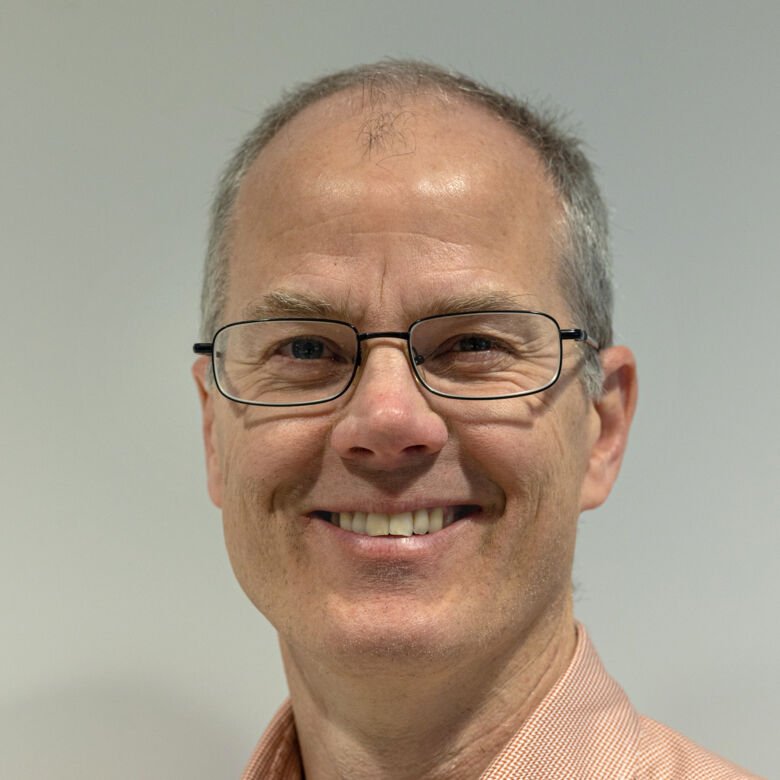
Martina Maggio is a Full Professor at both Saarland University's Department of Computer Science and Lund University's Department of Automatic Control. She is actively involved in ELLIIT (the Linköping-Lund initiative on IT and mobile communication) and serves as Coordinator of the LTH Profile Area on AI and Digitalization and as a member of the LU Profile Area on Natural and Artificial Cognition. Her research lies at the intersection of computer science and control engineering, with a focus on self-adaptive software, cyber-physical systems, real-time systems, and cloud computing . She applies control-theoretical methods to enhance the reliability, efficiency, and resilience of computing systems. Her work contributes to UN Sustainable Development Goals related to sustainable computing and intelligent systems. The most recent publications highlight a strong trend in resilience and security of control systems , particularly under timing faults, deadline misses, and stealthy attacks. Her research combines theoretical modeling with practical implementation, often validated through industrial case studies and real-world systems. Scientific Awards: ACM SIGSOFT Distinguished Paper Award (2020) Best Paper Award - ECRTS 2021 Outstanding Reviewer Award (2020) Best Paper Award (2018) Advising and Grants: Martina has supervised Ph.D. students such as Chiara Mandrioli and has led major research projects including ADMORPH (EU Horizon 2020), Trustworthy Cyber-Physical Pipelines (Swedish Research Council), and DYNACON . Her funding sources include European and national agencies, reflecting the high impact and interdisciplinary nature of her work. Labs and Research Teams: She collaborates with leading institutions including MIT's CSAIL and Bosch Corporate Research. At Lund, she is part of the Department of Automatic Control and contributes to AI and digitalization initiatives. Her work is embedded in large research networks such as ELLIIT and involves cross-institutional teams focused on autonomous, adaptive, and resilient systems.