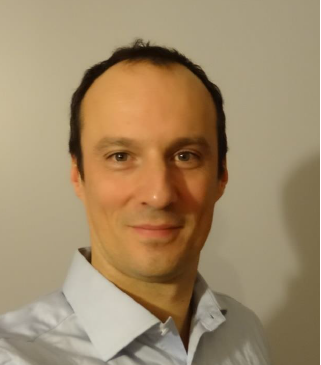
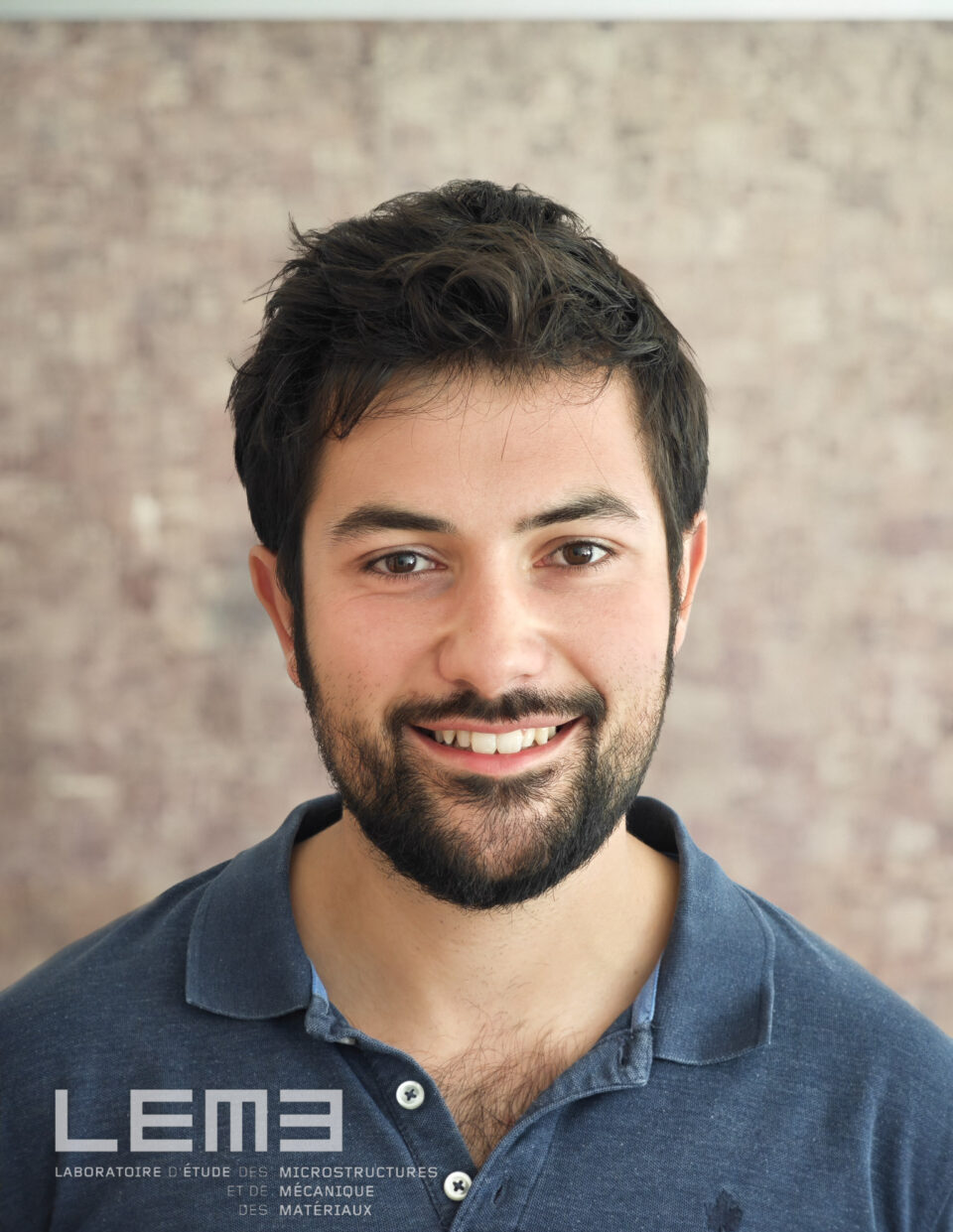
Hocine Chalal is a Senior Lecturer at Arts et Métiers, attached to Department MMSV (Mechanics of Materials and Structures for the City) within the LEM3 Laboratory (UMR CNRS 7239). The LEM3 Laboratory operates as a joint research unit between University of Lorraine, CNRS, and Arts et Métiers, with facilities located in Metz, France. His research centers on mechanics of materials, structural engineering, microstructure analysis, and urban infrastructure. These interconnected fields address how material properties and structural behaviors impact urban environments, with emphasis on experimental characterization and computational modeling of material responses under real-world conditions. As part of LEM3 Laboratory, Professor Chalal utilizes specialized research platforms including MécaRhéo for mechanical testing, MicroMat for microstructural imaging, Procédés for manufacturing simulation, and Calcul intensif for high-performance computational analysis. These resources support his investigations into material degradation and structural resilience in urban contexts.
Justin Dirrenberger is an Associate Professor (Maître de conférences HDR) at Conservatoire National des Arts et Métiers (CNAM) with a joint appointment at Arts et Métiers ParisTech (ENSAM), where he leads the CoMet research team (Comportement et microstructure des Métaux) within the PIMM laboratory. His work bridges fundamental mechanics with industrial applications in additive manufacturing, focusing on architected materials for aerospace, biomedical, and space sectors. Dirrenberger's research centers on architectured materials—including auxetics, metamaterials, and lattice structures—with expertise in computational homogenization, laser-based metal processing, and multi-material 3D printing. Key areas include instability-induced pattern generation, mechanical behavior of heterogeneous media, and sustainable manufacturing processes. His methodology integrates numerical modeling (using Zébulon code) with experimental validation through advanced laser systems and mechanical characterization. Recent publications (2023-2025) reveal strong trends toward bioinspired 4D printing, lunar construction materials (ESA project), and laser-optimized metal lattice production. His work consistently appears in high-impact journals (Materials & Design, Small, Advanced Materials Technologies), demonstrating both theoretical depth and industrial applicability in lightweight structures and energy-absorbing systems. Dirrenberger currently leads five major projects: ANR MIRACLES (2024-2027): Resilient micro-lattices inspired by crystal plasticity H2020 REDI (2022-2027): European doctoral training with RMIT University ANR REDESIGN4D (2021-2026): Machine learning-driven adaptive composites ESA MOON-COMP (2022-2025): Lunar 3D printing for energy dissipation ANR ModuFEET (2021-2026): Reliable power electronics modules He previously directed CNAM's Materials Engineering Program (2017-2024) and led ANR SCOLASTIC (2015-2020) on laser-processed steel. The CoMet team operates within PIMM's advanced experimental ecosystem, utilizing Laser Choc (shock), Héphaïstos (thermal), and MESO 3D-Panam platforms for material processing. Current work focuses on translating computational models into printable architectures—from biomedical scaffolds to lunar construction materials—through close industry collaboration with aerospace, automotive, and space sector partners.
Michael Brun is a University Professor at the University of Lorraine, attached to LEM3 Laboratory (UMR CNRS 7239) and Department MMSV, with teaching responsibilities in the Faculty of Mathematics and Computer Science. LEM3 operates as a joint research unit between University of Lorraine, CNRS, and Arts et Métiers, located at 7 rue Félix Savart, Metz. His research specializes in computational structural dynamics, focusing on multi-scale/multi-physics co-simulation techniques for impact/contact analysis, spectral/finite element coupling in soil-structure and fluid-structure interactions, dynamic buckling of thin structures using MAN methods, PML applications for infinite media wave propagation, and earthquake-resistant structural design. This work bridges theoretical mechanics with practical engineering software development. LEM3 Laboratory provides advanced research infrastructure co-financed by the European Union, organized into three departments (MMSV, IMPACT, T-PRIOM) and specialized platforms including MécaRhéo for rheology, MicroMat for microstructure analysis, Procédés for manufacturing processes, and Calcul intensif for high-performance computing.
Pascal Laheurte serves as a University Professor at the University of Lorraine, attached to the MMSV Department within the University Institute of Technology. He conducts research at the LEM3 Laboratory (UMR CNRS 7239), a joint research unit operated by the University of Lorraine, the French National Centre for Scientific Research (CNRS), and Arts et Métiers. His research focuses on: Mechanics of materials at microstructural levels Soil and structural mechanics Advanced materials characterization Mechanical behavior of engineered structures The LEM3 Laboratory maintains specialized research platforms including: MécaRhéo (rheology and mechanics) MicroMat (microstructure analysis) Procédés (manufacturing processes) Calcul intensif (high-performance computing) Professor Laheurte's work is supported by European Union co-financing for laboratory infrastructure and engages in both national and international collaborative projects through the laboratory's framework.
Sébastien Mercier serves as a University Professor at the University of Lorraine, affiliated with the Faculty of Mathematics, Computer Science and Mechanics (UFR MIM). He is actively attached to Department MMSV (Materials, Mechanics, Structures and Processes) within the LEM3 Laboratory (UMR CNRS 7239), a joint research unit operated by the University of Lorraine, CNRS, and Arts et Métiers. His research focuses on fundamental and applied mechanics, with primary interests in: Mechanics of Materials Structural Engineering Materials Science Computational Mechanics Experimental Mechanics The LEM3 Laboratory, located at 7 rue Félix Savart in Metz, provides state-of-the-art facilities including MécaRhéo, MicroMat, and high-performance computing platforms. This infrastructure supports advanced research in material behavior, structural integrity, and multi-scale mechanical modeling under diverse environmental conditions.
Valérie BERRY-KROMER serves as a Senior Lecturer at Polytech Nancy, the engineering school of the University of Lorraine. She is formally attached to Department MMSV (Mechanics of Materials, Structures, Validation) within the LEM3 Laboratory (UMR CNRS 7239), a joint research unit operated by the University of Lorraine, CNRS, and Arts et Métiers. Her research focuses on core mechanics and materials science disciplines, particularly structural engineering and validation methodologies. The LEM3 Laboratory specializes in mechanical systems research through its three departments (MMSV, IMPACT, T-PRIOM) and advanced platforms including MécaRhéo for rheological analysis, MicroMat for microstructural characterization, and high-performance computing resources. As a holder of HDR (Habilitation à Diriger des Recherches), she is qualified to supervise doctoral research. Her academic activities center on engineering education at Polytech Nancy while conducting laboratory research in Metz. The LEM3 facility, co-financed by the European Union, supports national and international collaborative projects in mechanical engineering though specific grants for Dr. BERRY-KROMER are not detailed in available records.
Cynthia Dreistadt serves as a Lecturer at the University of Lorraine, based at the National School of Engineers of Metz (ENIM) with office location at 1 route d'Ars Laquenexy, 57078 Metz (Ground Floor Office-0B01). She is formally attached to Department MMSV within the LEM3 Laboratory (UMR CNRS 7239), a joint research unit operated by the University of Lorraine, French National Centre for Scientific Research (CNRS), and Arts et Métiers. Her research spans interdisciplinary engineering domains with primary focus on Materials Science, Mechanics, Surface Engineering, and Computer Vision. These areas align with LEM3's strategic mission to investigate microstructure-mechanical behavior relationships in advanced materials through experimental and computational approaches. The laboratory maintains specialized platforms including MécaRhéo for rheological characterization, MicroMat for microstructural analysis, Procédés for manufacturing processes, and Calcul intensif for high-performance computing. As part of the MMSV department (one of three core divisions within LEM3 alongside IMPACT and T-PRIOM), Dr. Dreistadt contributes to a research ecosystem co-financed by the European Union and equipped with state-of-the-art instrumentation at the 7 rue Félix Savart facility in Metz. Her position integrates teaching responsibilities at ENIM with laboratory-based research activities in materials mechanics and surface characterization.
Gautier serves as a Lecturer at the University of Lorraine, attached to the Department of MMSV within the Faculty of Mathematics, Informatics and Mechanics (UFR MIM). Based at the LEM3 Laboratory (UMR CNRS 7239) in Metz, France, this joint research unit operates under the University of Lorraine, CNRS, and Arts et Métiers with European Union co-financing. His research aligns with the laboratory's core focus on material behavior and structural analysis: Materials Science Mechanics of Materials Microstructure Analysis Solid Mechanics Mechanical Characterization Manufacturing Processes The LEM3 Laboratory utilizes advanced platforms including MécaRhéo for mechanical testing, MicroMat for microstructural analysis, Procédés for manufacturing processes, and Calcul intensif for high-performance computing. Gautier's work benefits from institutional partnerships with CNRS and Arts et Métiers, contributing to national and international research projects in materials engineering. His institutional affiliations include: University of Lorraine, Faculty of Mathematics, Informatics and Mechanics (UFR MIM), Department of MMSV LEM3 Laboratory (UMR CNRS 7239)
Geneviève Mussot-Hoinard serves as a Lecturer at the University of Lorraine within the Faculty of Science and Technology (UFR MIM), actively contributing to research at the LEM3 Laboratory (UMR CNRS 7239). Her institutional roles are anchored in Department MMSV (Materials, Mechanics, Structures, Vibrations), a core research unit under LEM3's structure. Her research profile centers on critical engineering domains: Materials Science Mechanics of Materials Structural Engineering Vibrations These fields align with LEM3's mission to advance microstructure characterization and mechanical behavior analysis of materials through experimental and computational methodologies. Scientific recognition is reflected through LEM3's institutional stature as a joint research unit of University of Lorraine, CNRS, and Arts et Métiers, though individual awards aren't specified in available data. Advisory activities and funding mechanisms operate within LEM3's framework of national/international projects, supported by European Union co-financing of laboratory infrastructure. The research ecosystem includes: Three specialized departments (MMSV, IMPACT, T-PRIOM) Four technical platforms: MécaRhéo (mechanical testing), MicroMat (microstructural analysis), Procédés (process engineering), and Calcul intensif (high-performance computing) Her work in Department MMSV directly contributes to structural integrity studies and dynamic systems analysis, leveraging LEM3's comprehensive facilities for advancing materials engineering solutions.
Jean-François Schmitt serves as a Lecturer at ENSEM (École Nationale Supérieure d'Électricité et de Mécanique), an engineering school within the University of Lorraine. He is attached to Department 1 (MMSV) of the LEM3 Laboratory (UMR CNRS 7239), a joint research unit operated by the University of Lorraine, CNRS, and Arts et Métiers. His primary institutional base is at the ENSEM campus in Vandœuvre-lès-Nancy (2 avenue de la Forêt de Haye, Building BLUE, Office 116), with additional laboratory connections to the Metz site (7 rue Félix Savart). Dr. Schmitt's research focuses on the interdisciplinary nexus of Materials Science and Solid Mechanics, specifically investigating microstructure-property relationships in engineered materials. His work emphasizes surface phenomena characterization, mechanical behavior analysis at microstructural levels, and computer vision applications for materials diagnostics. This research aligns with LEM3's mission to advance fundamental understanding of material mechanics while developing industrial applications in sectors such as transportation and energy. The LEM3 Laboratory provides state-of-the-art research infrastructure including the MicroMat platform for microstructural analysis, MécaRhéo for mechanical/rheological testing, specialized processing facilities, and high-performance computing resources. Co-financed by the European Union, the laboratory maintains active national and international research projects spanning materials design, failure analysis, and sustainable manufacturing processes. Dr. Schmitt contributes to this ecosystem through his expertise in experimental mechanics and materials characterization within the MMSV department's research framework.
Léo THIERCELIN serves as a Lecturer at Arts et Métiers Institute of Technology, attached to Department MMSV (Department 1) at the Metz campus. He is actively affiliated with the LEM3 Laboratory (UMR CNRS 7239), a collaborative research unit co-supervised by University of Lorraine, CNRS, and Arts et Métiers, with facilities co-financed by the European Union. His research spans core engineering disciplines: Mechanics of materials and structures Advanced materials characterization Solid mechanics applications Mechanical system design The LEM3 Laboratory provides specialized infrastructure including MecaRhéo for rheological testing, MicroMat for microstructural analysis, and high-performance computing platforms. Dr. THIERCELIN's work integrates with the department's focus on mechanical systems validation and contributes to national and international research projects in materials science and structural engineering.
Vincent Marin serves as a Lecturer at Polytech Nancy within the University of Lorraine, attached to the MMSV Department (Department 1). He maintains a dual affiliation with the LEM3 Laboratory (UMR CNRS 7239) in Metz, a joint research unit operated by the University of Lorraine, CNRS, and Arts et Métiers. His research concentrates on core engineering disciplines with emphasis on: Materials Science - investigating material properties and behaviors Mechanical Engineering - focusing on system design and mechanics Structural Mechanics - analyzing load-bearing structures Vibrations - studying dynamic responses in mechanical systems The LEM3 Laboratory provides advanced research infrastructure including MécaRhéo for rheological testing, MicroMat for microstructural analysis, specialized processing platforms, and high-performance computing resources. This environment supports experimental and computational work across national and international collaborative projects in mechanics and materials engineering.
Boris Piotrowski is a Research Engineer affiliated with the LEM3 Laboratory (Laboratoire d'Étude des Microstructures et de Mécanique des Matériaux), where he serves as the reference for high-performance computing resources. He is attached to Department 1 - MMSV and based at the Arts et Métiers campus in Metz, France (Office C106, CIRAM). His institutional affiliations include: Primary : Arts et Métiers Joint appointments : University of Lorraine and CNRS via the LEM3 joint research unit (UMR CNRS 7239) Piotrowski's research focuses on interdisciplinary areas leveraging computational approaches: Mechanics of Materials Materials Science High-Performance Computing (HPC) infrastructure No awards, publications, or student advising details are available in the sourced text. LEM3 Laboratory, co-financed by the European Union, hosts specialized platforms including high-performance computing resources managed by Piotrowski. The lab comprises three departments (D1-MMSV, D2-IMPACT, D3-T-PRIOM), focusing on microstructural analysis and material behavior.
DO Xuan Nam is a Postdoctoral researcher at the National School of Electricity and Mechanics (ENSEM), University of Lorraine, attached to Department 1 - MMSV of the LEM3 Laboratory (UMR CNRS 7239). The laboratory operates as a joint research unit under the University of Lorraine, CNRS, and Arts et Métiers, with facilities co-financed by the European Union. His research specializes in the Modeling, simulation and optimization of composite materials with auxetic properties , spanning core domains of Materials Science and Mechanical Engineering. This work integrates computational mechanics for structural analysis, advanced material behavior characterization, and topology optimization techniques to engineer materials with negative Poisson's ratios. Key methodological approaches include finite element analysis, multi-scale modeling, and experimental validation of mechanical properties. LEM3 Laboratory provides comprehensive research infrastructure across its Metz and Nancy sites, supporting experimental mechanics, microstructural characterization, and high-performance computing for materials research. The departmental structure (MMSV, IMPACT, T-PRIOM) enables cross-disciplinary collaboration in mechanics, materials science, and industrial processes.
NGUYEN Duc Vinh is a Postdoctoral researcher at Arts et Métiers, attached to the LEM3 Laboratory (UMR CNRS 7239) within the Department MMSV. The LEM3 Laboratory operates as a joint research unit between University of Lorraine, CNRS, and Arts et Métiers, with facilities located at 4 rue Augustin Fresnel in Metz, France. His primary research focuses on model reduction methodologies and the development/application of artificial intelligence tools within mechanical engineering contexts. This work intersects computational mechanics, structural dynamics, and vibration analysis as indicated by his affiliation with the MMSV department (Mécanique, Matériaux, Structures, Vibrations). The LEM3 Laboratory provides specialized infrastructure including mechanical testing platforms (MécaRhéo), microscopy facilities (MicroMat), manufacturing process systems (Procédés), and high-performance computing resources that support his research in AI-driven computational modeling.