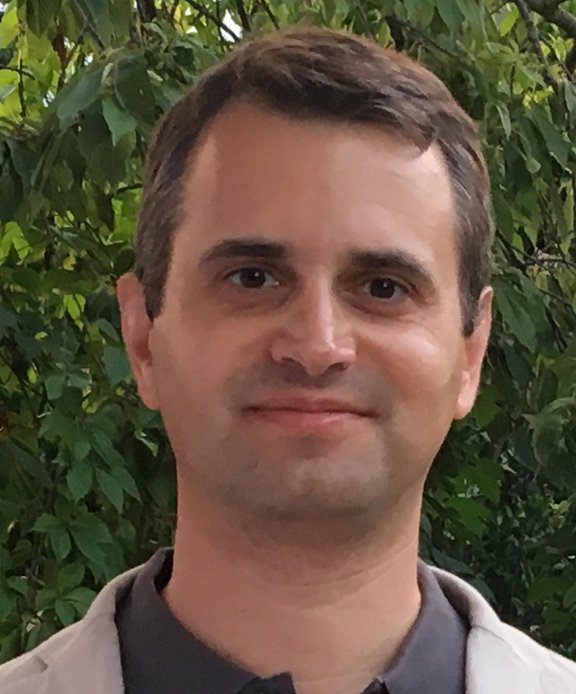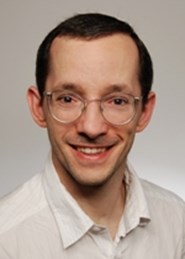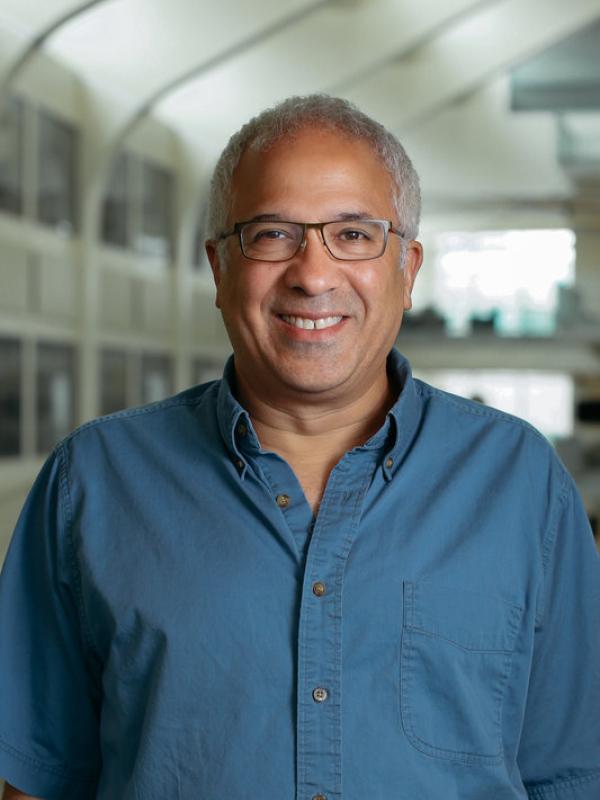
Douglass Schumacher is a Professor in the Department of Physics at The Ohio State University, where he leads research in extreme light-matter interactions using ultraintense, ultrashort pulse lasers and supercomputing. He is a member of the OSU High Energy Density Physics (HEDP) Group and utilizes the 400 TW Scarlet laser facility and Ohio Supercomputer Center for his research. Dr. Schumacher teaches multiple courses including Ultrafast Optics, Modern Optics, Quantum Optics, and various undergraduate physics sequences. Education: B.S. in Physics from University of Illinois, Champaign-Urbana (1983) Ph.D. in Physics from University of Michigan (1995) Dr. Schumacher's research focuses on the interaction of intense light with matter across multiple intensity regimes, from nonlinear optics phenomena like white light continuum generation to relativistic laser plasma physics where electrons are accelerated close to light speed. His work explores applications in x-ray and gamma ray generation, particle acceleration, and creating unusual states of matter similar to those found in planetary cores and stars. He employs both experimental approaches using advanced laser facilities and computational modeling to investigate these extreme physical conditions. His recent publications demonstrate expertise in liquid crystal targets, plasma mirrors, and high-repetition rate laser systems. The research shows a strong emphasis on experimental techniques for high-energy density science, with applications spanning from fundamental plasma physics to potential medical and industrial uses of advanced laser technologies. Dr. Schumacher maintains an active research group with multiple graduate and undergraduate students, indicating strong mentoring activity. His research is supported by major funding agencies including the Air Force Office of Scientific Research (AFOSR), Department of Energy Office of Science (DOE SC), National Nuclear Security Administration (NNSA), and Ohio Supercomputer Center (OSC). He leads the laser research efforts in the Physics Research Building (PRB), maintaining laboratory space in rooms 4115 (lab) and 4180 (office). His work connects with broader scientific communities through memberships in The American Physical Society and The Optical Society of America.