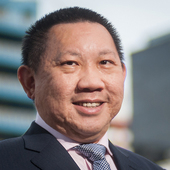
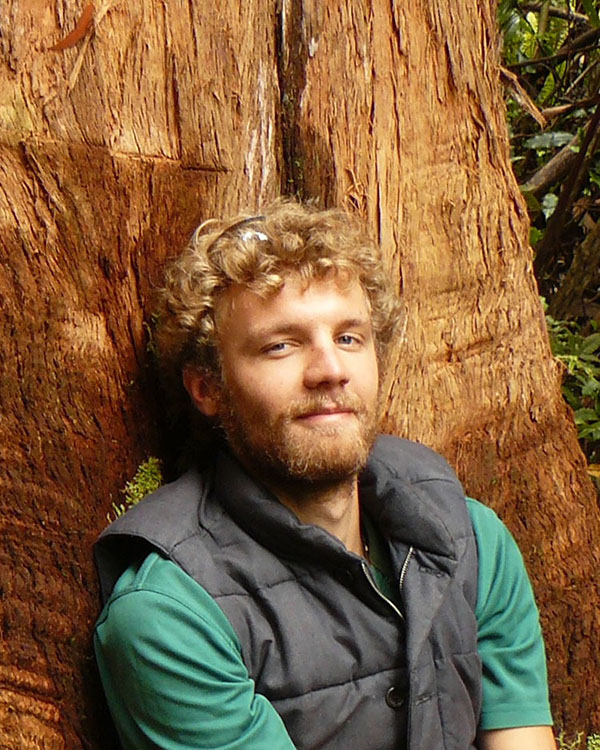
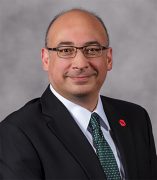
Professor Siah Hwee Ang is the Chair of Business in Asia at Victoria University of Wellington, where he has served since 2013. His career spans notable roles at the University of Auckland (2000–2013) and visiting positions at universities in China and Singapore. As Director of New Zealand’s Southeast Asia Centre of Asia-Pacific Excellence (2018–2024), he orchestrated initiatives like ‘Bringing ASEAN to New Zealand’ to enhance regional engagement. Current Roles: Chair of Business in Asia (VUW), Deputy Editor-in-Chief (Asia Pacific Journal of Management, 2025–2027), and board member of Business Central NZ and Wellington Chamber of Commerce. Prior Roles: Associate Dean Postgraduate (University of Auckland), Senior Editor (Asia Pacific Journal of Management), and assessor for academic promotions at global institutions. Research Focus: His work bridges strategy, international business, and institutional effects on firms. Recent publications emphasize contextualizing management theories in the Asia-Pacific, SME internationalization barriers, and institutional dynamics in emerging markets. Engagement: He has served on panels for the World Bank, OECD, and MBIE’s Endeavour Fund, and frequently provides keynote addresses for organizations like APEC Business Advisory Council and OECD’s Entrepreneurship Education Committee.
Selin Aslan serves as an Assistant Professor in the Department of Mathematics at Koç University, Istanbul, Turkey, where she conducts research at the intersection of computational mathematics and imaging science. Her academic appointments and research activities are centered within the university's mathematics department, contributing to both undergraduate and graduate education in mathematical sciences. Her educational qualifications include: PhD in Mathematics from Virginia Polytechnic Institute and State University (2018) Master's in Mathematics from Rochester Institute of Technology (2013) B.A. in Mathematics from Ege University (2010) Dr. Aslan's research program focuses on developing advanced computational methods for solving inverse problems in imaging, with particular expertise in phase retrieval, tomographic reconstruction, and ptychography. Her work bridges theoretical mathematics with practical applications in medical imaging, microscopy, and materials science, emphasizing algorithmic innovation and computational efficiency. She integrates techniques from deep learning, optimization theory, and high-performance computing to address challenges in image reconstruction under physical constraints. Analysis of her publication record reveals a consistent trajectory toward solving complex imaging problems through hybrid approaches that combine physics-based models with data-driven techniques. Her recent work demonstrates increasing emphasis on scalability for large datasets, robustness in photon-limited scenarios, and real-time processing capabilities, with applications spanning biomedical imaging to advanced microscopy. No scientific awards were documented in the available sources. Information regarding student advising and research grant activities was not specified in the provided materials, though her publication record suggests active research collaboration. Her computational focus implies engagement with high-performance computing resources for large-scale image reconstruction tasks. While specific laboratory infrastructure details were unavailable, her research on multi-GPU implementations and distributed computing indicates utilization of advanced computational facilities for handling large-scale imaging datasets.
Dr. Helene Rundqvist is a Senior Researcher at the Department of Laboratory Medicine, Karolinska Institutet, where she combines basic science research in Exercise Oncology with patient intervention studies. She serves as co-PI of two H2020-funded exercise oncology clinical trials, PREFERABLE EFFECT and PREFERABLE LION, leading multinational research efforts to understand how structured exercise affects outcomes for patients with metastatic breast cancer. Dr. Rundqvist earned her PhD in Physiology from Karolinska Institutet in 2008, building on her foundational degree in Molecular Biology. Her postdoctoral training included significant work at the University of California, San Diego, studying immune contributions to metastasis, and at Karolinska Institutet's Department of Oncology and Pathology, investigating exercise interventions in cancer models. Her research demonstrates that exercise interventions reduce symptom burden, enhance physical functioning, and improve health-related quality of life for cancer patients. A significant portion of her work focuses on immune surveillance mechanisms, particularly how exercise mobilizes cytotoxic T-cells and NK-cells to control solid tumor progression. Her current efforts involve detailed characterization of immune cell metabolism, homing capabilities, and antitumoral effects in both animal models and patients with advanced breast cancer. Analysis of Dr. Rundqvist's recent publications (2024-2025) reveals a comprehensive research program spanning clinical trials (particularly the PREFERABLE series), immune mechanisms, cardiovascular effects of cancer treatment, and quality of life outcomes. A consistent theme is the investigation of exercise-induced immune cell mobilization and function, with growing attention to health economic analyses evaluating the cost-effectiveness of exercise interventions in cancer care. Dr. Rundqvist has extensive teaching experience across all academic levels, delivering instruction in Statistics, Physiology, Immunology, Cell Biology, Tumor Microenvironment, and Metabolism. She leads a 5-week course in Scientific Theory and Statistics at Karolinska Institutet and supervises graduate students and postdoctoral fellows. Her research is supported by significant Horizon 2020 funding for the PREFERABLE EFFECT and PREFERABLE LION trials, which investigate structured exercise programs for metastatic breast cancer patients. Dr. Rundqvist's laboratory work combines basic science approaches with clinical applications, focusing on immune cell characterization following exercise interventions using both animal models and patient samples. Her research bridges molecular mechanisms with practical clinical applications, requiring close collaboration across oncology, immunology, and exercise physiology disciplines to investigate how exercise affects cancer progression and patient outcomes.
Tammo Reichgelt is an Associate Professor in the Department of Earth Sciences at the University of Connecticut's College of Liberal Arts and Sciences. His research focuses on reconstructing ancient climates and ecosystems using plant fossils, with a particular emphasis on leaf morphology, chemical composition, and taxonomic analysis. He holds a Ph.D. in Geology from the University of Otago, an M.S. in Biogeology from Utrecht University, and a B.S. in Earth Science from Utrecht University. Research Interests: Plant-fossil climate relationships Paleoclimatology and paleoecology CO₂ reconstruction techniques Global vegetation modeling Early Cenozoic and Miocene climate dynamics His work integrates field studies, laboratory analyses, and computational models to understand past environmental changes, particularly in high-latitude regions and the Southern Hemisphere. Recent projects include the MioVeg1 vegetation reconstruction for climate modeling and studies on Eocene-Paleogene hydroclimate patterns. He teaches courses on natural disasters, dinosaur extinctions, and the Anthropocene.
Anh-Thu Le is an Assistant Professor in the Department of Physics at the University of Connecticut, within the College of Liberal Arts and Sciences. Her research focuses on Attosecond and Strong-Field Physics, particularly tunneling ionization, high-harmonic generation, and laser-induced electron diffraction. She holds a Ph.D. and B.Sc. in Physics from Belarusian State University (1994). Prior to UConn, she held professorial roles at Missouri University of Science and Technology (2018–2021) and Kansas State University (2001–2018). She is a member of the American Physical Society and American Chemical Society. Education: Ph.D., Physics, Belarusian State University, 1994 B.Sc., Physics, Belarusian State University, 1994 Research Interests: Ultrafast electron dynamics in molecules Laser-atom/molecule interactions Attosecond spectroscopy and imaging Quantum control of high-harmonic generation Molecular structure determination via electron diffraction Recent Trends in Articles: Recent work emphasizes attosecond-scale imaging of molecular structures, coherent electron dynamics, and control of quantum pathways in laser fields. Key themes include symmetry analysis in photoelectron spectroscopy and ultrafast molecular vibration studies. Awards: None explicitly listed. Advising & Grants: Advises students like Phi-Hung Tran. Research supported by grants focusing on ultrafast physics and strong-field phenomena. Labs/Teams: Leads the Ultrafast AMO Theory Group , conducting theoretical research on intense laser-molecule interactions and attosecond physics. Collaborates on imaging techniques like laser-induced electron diffraction.
Nikos Varelas serves as Senior Vice Provost for Academic Programs, Student Success, and Effectiveness and LAS Distinguished Professor of Physics at the University of Illinois Chicago (UIC), within the College of Liberal Arts and Sciences Department of Physics. His leadership spans institutional administration and international particle physics collaborations. His academic foundation includes a PhD in Physics from the University of Rochester (1994) and a BS in Physics from the University of Athens (1985). Prof. Varelas' research centers on experimental high energy particle physics , specializing in precision Quantum Chromodynamics (QCD) measurements and searches for physics beyond the Standard Model. His work investigates dark matter candidates, extra spatial dimensions, quantum black holes, and Higgs boson properties through the CMS experiment at CERN's Large Hadron Collider. As a key contributor to the 2012 Higgs boson discovery, his group developed critical CMS trigger systems including the Level-1 Calorimeter and High-Level Trigger. Recent publications reveal intense focus on top quark physics, Higgs characterization, and QCD precision measurements using advanced machine learning techniques. His work leverages full LHC datasets to probe new physics signatures while refining Standard Model parameters through multidifferential cross-section analyses. His scientific recognition includes: Fellow of the American Association for the Advancement of Science University of Illinois Scholar Senior Fellow of the LHC Physics Center at Fermilab Prof. Varelas has held pivotal roles including CTEQ Collaboration co-spokesperson, American Physical Society Division of Particles and Fields Executive Committee member, and Fermilab Users Executive Committee Chair. As current President of the Association for Undergraduate Education at Research Universities and Noble Schools Board Director, he demonstrates deep commitment to academic leadership beyond research. His Senior Vice Provost role underscores institutional impact on student success initiatives. He leads the UIC High Energy Particle Physics Group within the CMS collaboration, driving technical innovations in trigger systems while mentoring next-generation physicists through cutting-edge LHC research.
Dr Natasha Matthews is a Senior Lecturer at the School of Psychology , The University of Queensland, and an affiliate of the Centre for Perception and Cognitive Neuroscience . Her research explores the intersection of cognitive neuroscience, developmental psychology, and clinical applications. Education: Doctor of Philosophy, University of Newcastle Research Interests: Dr Matthews investigates cognitive control mechanisms, metacognition, and neurodevelopmental disorders like ADHD and schizophrenia. She examines how private speech aids self-regulation in children, the long-term effects of mild traumatic brain injury on working memory, and mindfulness-based interventions for pain management. Her work bridges neuroscience and educational psychology to improve academic wellbeing in adolescents. Recent Article Trends: Recent publications focus on adolescent metacognition and academic wellbeing, neurophysiological alterations in ADHD, preschool children's self-regulatory strategies, and media multitasking across the lifespan. Methodologies include behavioral experiments, electrophysiological analysis, and dataset validation for metacognitive assessments. Supervision & Funding: Dr Matthews supervises PhD projects on mind wandering, social cognition, and metacognition in adolescence. Current funding includes an ARC Discovery Project (2025-2028) and an Education Horizon Grant (2024-2025).
Dr. Hans-Peter Schlenvoigt is a researcher at the Helmholtz-Zentrum Dresden-Rossendorf (HZDR), working in the Department of Laser Particle Acceleration. His research focuses on experimental and theoretical aspects of high-intensity laser-matter interactions, with emphasis on advancing laser-driven particle acceleration techniques. Research Interests: Dr. Schlenvoigt's work spans laser-plasma physics, laser-driven ion acceleration, X-ray polarimetry, and strong-field quantum electrodynamics. Key themes include: Development of diagnostic methods for relativistic plasmas Optimization of laser-driven proton/ion sources Applications in radiobiology and fundamental physics Advanced laser technologies for extreme conditions Publication Trends: His recent articles (2023-2025) demonstrate a focus on laser-driven particle acceleration mechanisms, plasma diagnostics using X-ray techniques, and quantum electrodynamics in strong fields. The research integrates experimental work at major facilities like J-KAREN-P and theoretical modeling, with growing emphasis on medical applications of laser-accelerated particles. Facilities and Tools: He utilizes HZDR's DRACO-PW laser system and collaborates on projects at international facilities including the Helmholtz International Beamline for Extreme Fields (HIBEF).
Dr. Maureen Hillier serves as a Senior Lecturer in Nursing within Curry College's School of Nursing and Health Sciences, where she has taught since 2008 across RN-BS, Traditional, Accelerated, and MSN programs. She concurrently holds a part-time faculty position at MGH Institute of Healthcare Professions and maintains a 25-year clinical career in Boston Children’s Hospital Medical Surgical Intensive Care Unit. Educational background: Doctor of Nursing Practice (DNP), Regis College (2015) Master of Science in Nursing (MSN), Framingham State University (2010) Bachelor of Science in Nursing (BSN), University of Rhode Island (1987) Her research pioneers high-fidelity simulation methodologies, particularly virtual end-of-life scenarios for pediatric nursing education. Current scholarship integrates TED Talk pedagogy with reflective writing to develop communication competencies, while pandemic-era work reimagined clinical reentry protocols and standardized patient training. Her publications consistently bridge simulation innovation with pediatric critical care applications. Professional recognition: Pediatric Critical Care Registered Nurse (CCRN) Certified Healthcare Simulation Educator (CHSE) National League for Nursing Simulation Fellowship (2021) As Chair of INACSL's Membership Committee, Dr. Hillier shapes national simulation standards while mentoring faculty in simulation education. Her clinical expertise in pediatric end-of-life care directly informs curriculum development, particularly in Family Centered Simulation and Nursing Synthesis courses. She actively contributes to healthcare inclusion through disability accommodation research in simulation environments. Dr. Hillier leads interdisciplinary simulation initiatives connecting Curry College's nursing programs with Boston Children’s Hospital clinical environments, focusing on developing transferable critical care competencies through technology-enhanced learning experiences.
Professor Richard De Abreu Lourenco is affiliated with the University of Technology Sydney (UTS) as a faculty member in the Faculty of Health , specifically within the Centre for Health Economics Research and Evaluation (CHERE) since 2024. Previously, he held academic roles at UTS including Associate Professor (2018-2023), Senior Research Fellow (2016-2018), and Research Fellow (2013-2016). His non-academic career includes leadership roles at Covance (2006-2013) and Novartis Pharmaceuticals (2001-2006). Education: PhD, University of Technology Sydney (2017) Master of Economics, University of Sydney (1997) Bachelor of Economics, Murdoch University (1992) Research Focus: His work spans applied economic evaluations , specialty health economics (particularly oncology/haematology ), patient preference modeling , and priority setting in healthcare . He explores cost-effectiveness of emerging therapies (CAR-T, SABR radiotherapy), health technology assessment (HTA) , and value frameworks for high-cost treatments . Recent Trends: Recent publications analyze access pathways for rare disease drugs , methodological challenges in discrete choice experiments , cost-effectiveness of radiotherapy vs. ablation , and genetic risk stratification in endocrine tumors . Collaborative work spans oncology , public health policy , and diagnostic testing preferences . Supervision & Grants: Available for Masters and PhD supervision . Leads funded research projects including generative AI in pharmaceutical evaluation , digital health for culturally diverse prostate cancer patients , and economic frameworks for high-cost therapies . Collaborates with institutions like Novartis , Covance , and Cancer Australia .
Alejandra Magana serves as the W.C. Furnas Professor in Enterprise Excellence of Applied and Creative Computing and Professor of Engineering Education at Purdue Polytechnic, Purdue University. She directs the ROCkETEd Lab and holds significant editorial roles including Deputy Editor for the Journal of Engineering Education and Co-Editor of the Education Department for IEEE Computer Graphics & Applications. Her leadership extends to multiple editorial boards in engineering and science education journals. Ph.D. in Engineering Education, Purdue University (2009) Post-doc in Engineering Education, Purdue University (2010) M.S. in Educational Technology, Purdue University (2007) M.S. in Electronic Commerce, Instituto Tecnologico y de Estudios Superiores de Monterrey (2003) B.S. in Information Systems Engineering, Instituto Tecnologico y de Estudios Superiores de Monterrey (2000) Magana's research focuses on how students develop computer and data science self-regulated learning skills through computational cognitive apprenticeship and authentic modeling practices. She investigates how learning analytics and AI can support student learning in computing-intensive domains and engineering thinking in K-12 education. Her work bridges educational theory with practical applications in STEM fields, emphasizing the integration of computational thinking across disciplines. She employs design-based research methodologies to create and evaluate innovative learning environments that leverage simulation, visualization, and emerging technologies. Analysis of Magana's recent publications reveals a strong emphasis on collaborative learning in digital environments, with growing attention to AI applications in education. Her work spans multiple domains including virtual reality for STEM education, teamwork dynamics in software development, AI ethics education, and computational thinking assessment for teachers. A consistent theme is the development of representational competence through modeling and simulation practices, with increasing integration of learning analytics to understand student cognition and team processes. Fellow Member, American Society for Engineering Education (2024) Fulbright Specialists Appointment (2024) Purdue Polytechnic Charles B. Murphy Outstanding Undergraduate Teaching Award (2021) W.C. Furnas Professorship (2020) Purdue University Faculty Scholar (2016) ASEE-ERM Apprentice Faculty Grant (2012) Magana leads multiple significant research grants totaling over $15 million, primarily from NSF, focusing on computational education, AI in learning environments, and engineering education transformation. Her ROCkETEd Lab serves as the hub for these research activities, which often involve interdisciplinary collaborations across engineering, computer science, and education. She has mentored numerous graduate students who appear as co-authors on her publications, though specific advising relationships aren't explicitly documented. Her research program demonstrates strong continuity from foundational work on modeling and simulation to current projects integrating generative AI and immersive technologies. The ROCkETEd Lab (Research in Organizing Computational Knowledge for Engineering Thinking and Education) functions as Magana's primary research unit, focusing on computational cognitive apprenticeship approaches. The lab investigates how students develop representational fluency through modeling and simulation practices, with recent expansion into AI-enabled learning environments. Current projects examine hidden curricula in computer science education, high-performance computing virtual environments for AI education, and culturally relevant programming learning experiences. The lab maintains strong industry and international partnerships, particularly with institutions involved in advanced manufacturing and educational technology development.
Margunn Aanestad is a Professor in Digital Innovation at the Department of Informatics (IFI), Faculty of Mathematics and Natural Sciences, University of Oslo (UiO). With 25 years of research experience focused on healthcare digitalization, she examines how digital technologies transform organizations and societies at multiple analytical levels. Her work spans healthcare information systems, digital innovation, and information infrastructures across the Nordic region and internationally. Her research interests center on understanding digital transformation through a sociotechnical lens, particularly examining how work practices evolve when based on digital monitoring rather than physical visits, how organizations become 'data-driven' through advanced analytics, and how sector-level ecosystems require new technical and regulatory solutions for data sharing. She investigates information infrastructures as interconnected systems rather than isolated technologies, working at the intersection of Information Systems (IS), Computer Supported Cooperative Work (CSCW), Science and Technology Studies (STS), and organizational theory. Her empirical work primarily focuses on healthcare digitalization, including patient records, collaboration solutions, patient portals, digital home monitoring, and emerging AI applications for personalized medicine. Professor Aanestad leads research within the Digital Innovation (DIN) group at UiO and has been involved in significant projects including KINT (From local breakthroughs in knowledge to integration into medical practice) and CORPUS (New competence requirements in the public sector: The consequences of digitalization for work with different degrees of specialization). She previously held a Professor II position at the University of Agder (2019-2022) and maintains active collaborations with NTNU, BI Norwegian Business School, Diakonhjemmet Hospital, and Copenhagen Business School. Her publication record demonstrates consistent high-impact contributions across information systems, healthcare innovation, and digital governance. Recent work explores critical perspectives on digital solutionism, data governance spaces for personal health information, and the sociotechnical dimensions of implementing data infrastructure in public sectors. She examines how digital technologies create both opportunities for innovation and complex challenges related to governance, inclusion, and sustainability. Professor Aanestad's educational background includes engineering degrees in medical technology (1992) and technical sciences (1994) from Stavanger University College. Before joining UiO as a PhD student in 1998, she worked as a department engineer at Rikshospitalet and as a senior engineer at Telenor. Her career trajectory reflects deep engagement with both technical implementation and theoretical understanding of digital transformation processes.
Dan Wik is an Associate Professor in the Department of Physics & Astronomy at the University of Utah . His research focuses on observational X-ray astronomy, particularly galaxy clusters, inverse Compton scattering, X-ray binaries, and the X-ray background. He has extensive experience in data calibration, analysis tool development, and mission collaborations such as NuSTAR, Chandra, and XRISM. Wik holds a PhD in Astronomy from the University of Virginia (2010) and a BS in Astrophysics from Ohio University . His research interests span galaxy cluster mergers, nonthermal emission processes, high-energy astrophysics, and cross-calibration studies between X-ray observatories. Recent articles highlight his work on NuSTAR observations of galaxy clusters, X-ray binary populations in M31 and M33, inverse Compton emission constraints, and stray light background analysis techniques. His studies often integrate multiwavelength data and address cosmological implications of X-ray observations. Wik has received multiple grants from NASA for projects like Time Domain X-ray Studies of AGN and Hard Bandpass Extension of XRISM Cluster Observations . He supervises undergraduate and graduate researchers and teaches courses from general education to advanced graduate levels, including Foundations of Astronomy and High Energy Astrophysics .
Prof. Markus Roth is a leading plasma physicist at the Technische Universität Darmstadt , heading the Laser and Plasma Physics Group within the Department of Physics . His research focuses on experimental investigations of laser-plasma interactions, particularly in developing novel radiation sources and advancing inertial fusion technologies. Research Interests : Energy loss mechanisms in laser-generated plasmas Laser ion acceleration (TNSA, BOA, and relativistic transparency) Laser-driven neutron sources for radiography Warm dense matter generation and diagnostics Target development for high-energy experiments Integration of laser-accelerated ions into accelerators Scientific Awards : APS Fellow (2013) Defense Physics Award of Excellence (2014) Rosen Scholar Award (2012, 2016) Collaborations : Active in international projects including FAIR, ELI-NP, and LIGHT collaboration. His group develops detectors for laser-driven neutron sources and contributes to fusion research.
Hanne Solveig Dagfinrud is a Senior Researcher affiliated with the Department of Public Health Sciences and Interdisciplinary Health Sciences at the University of Oslo and the Department of Rheumatology at Diakonhjemmet Hospital. She holds a Dr. philos (PhD equivalent) awarded by the University of Oslo in 2005. Her academic background includes extensive clinical experience as a physiotherapist specializing in manual therapy and sports physiotherapy, alongside expertise in rehabilitation and musculoskeletal health. Her research focuses on rheumatology, particularly the interplay between physical activity, cardiovascular health, and inflammatory joint diseases. She investigates physiotherapy interventions in primary care settings, emphasizing exercise-based therapies for conditions like axial spondyloarthritis and osteoarthritis. Notable projects include the ExeHeart trial evaluating high-intensity exercise for inflammatory arthritis patients and studies on patient-reported outcomes in rehabilitation. Dr. Dagfinrud teaches courses such as FysioPrim HELSEF4302 (Analysis Course, quantitative part) and HELSEF4402 (Function and Functional Assessment). Her work integrates clinical practice with research, addressing gaps in healthcare delivery through quality improvement initiatives and patient engagement strategies. She contributes to interdisciplinary teams like the BODYFUNC research group, exploring body function and disability in chronic diseases.