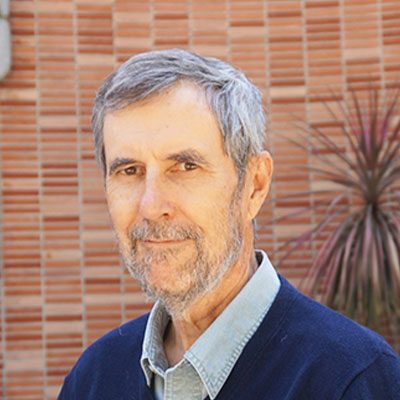
Jiming Jiang is a Professor and Department Chair of Statistics at the University of California, Davis. He specializes in mixed effects models, generalized linear models, and small area estimation. His research bridges theoretical statistics with applications in precision medicine, pharmacokinetics, and big data analysis. He holds a Ph.D. from UC Berkeley (1995). Key research areas include asymptotic theory, spatial statistics, and longitudinal data analysis. Notable contributions include books on mixed models and large sample techniques. Awards include the 2023-24 SAE Award, Morris Hansen Lecture (2023), and AAAS Fellowship (2019). His work emphasizes robust statistical methods and model selection in complex data environments.
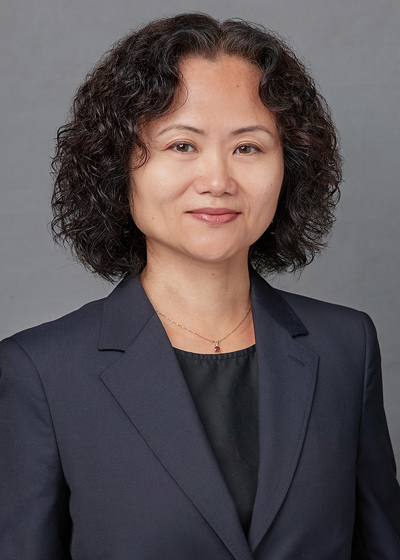
Debashis Paul is a Professor in the Department of Statistics at the University of California, Davis. His research focuses on high-dimensional statistics, random matrix theory, functional data analysis, and their applications in neuroimaging and spatial statistics. He has contributed to methodologies for spectral analysis, covariance modeling, and nonparametric estimation in complex datasets. His work spans theoretical developments in multivariate analysis and practical applications in fields such as medical imaging and genomics. Recent projects include modeling fiber orientation in diffusion MRI, analyzing high-dimensional genomic data, and studying pandemic dynamics through statistical frameworks. Key research themes include: High-dimensional time series analysis Random matrix theory applications Functional data smoothing techniques Non-Gaussian spatial field modeling Covariance structure inference His recent publications highlight advancements in spectral estimation, latent graph inference, and meta-learning frameworks in high-dimensional settings. He has also contributed to methodological improvements in GWAS analysis and nonautonomous dynamical systems modeling.
Berwin Turlach is an Associate Professor in the School of Physics, Maths and Computing at The University of Western Australia, with a primary affiliation to the Mathematics and Statistics department. He holds secondary appointments in the UWA Medical School and the Institute for Paediatric Perioperative Excellence. His research focuses on computational statistics, smoothing methods, machine learning, and applications in healthcare analytics, dentistry, and sports science. Key research areas include nonparametric smoothing techniques using splines and wavelets, statistical computing for big data analysis, and methodological development in regression modeling with shape constraints. His work bridges theoretical statistics with applied domains like human milk composition studies, dental materials efficacy, and spatial epidemiology. Recent publications span topics from sensor-based gait assessment to geographic healthcare demand analysis. He has led projects on statistical software development (e.g., quadprog package) and contributed to interdisciplinary collaborations in biomedical research and public health policy analysis. Turlach has secured research grants including a project on shape-constrained smoothing techniques and an aging population study funded by the Channel 7 Telethon Trust. His work addresses UN Sustainable Development Goals related to health equity and innovation.
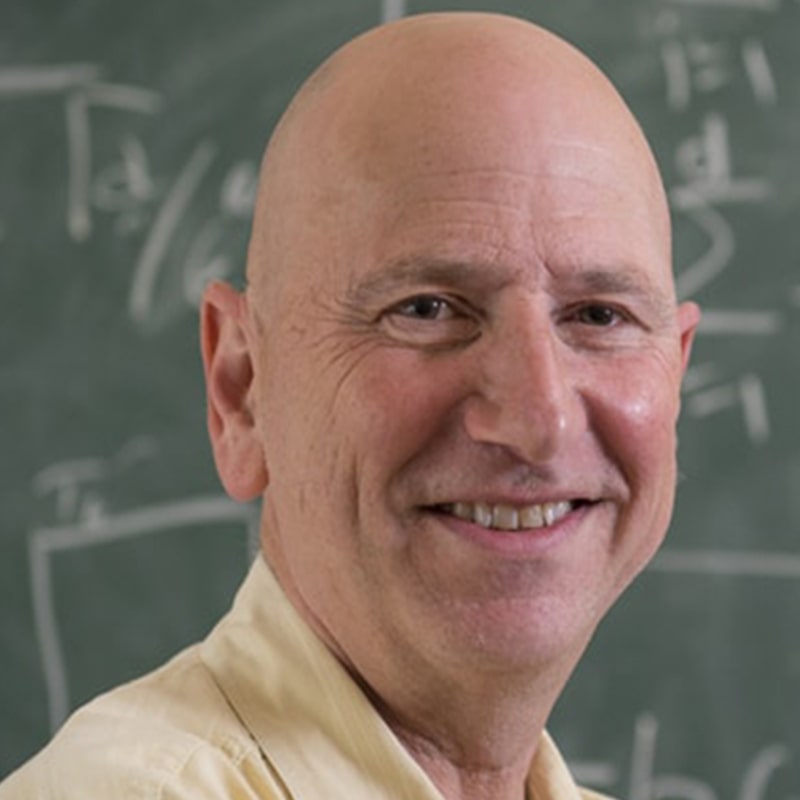
Filippo Pagani is a Postdoctoral Research Fellow at the University of Warwick, working on the OCEAN grant under Professors Gareth Roberts and Adam Johansen. His research focuses on advanced statistical methodologies and their applications in diverse fields such as healthcare and astrophysics. His research interests include: Markov Chain Monte Carlo (MCMC) Variational Inference Tempering and Irreversibility techniques Bayesian Statistics and Machine Learning Applications in disease subtyping, biomarker discovery, and inverse problems Recent publications explore topics such as Bayesian outcome-guided models for precision medicine, numerical methods for MCMC sampling (e.g., ZigZag algorithms), and applications in astrophysical data analysis. Notable works include contributions to disease subtyping via variational mixtures and modeling the impact of the COVID-19 pandemic on healthcare systems. He is affiliated with the OCEAN grant and has contributed to short-term forecasting models during the early stages of the pandemic. No formal advisees are listed.
Dootika Vats is an Associate Professor in the Department of Mathematics and Statistics at the Indian Institute of Technology, Kanpur. She holds a Ph.D. from the University of Minnesota, Twin-Cities, under Prof. Galin Jones, and previously served as an NSF Postdoctoral Fellow with Prof. Gareth Roberts at the University of Warwick. Her research focuses on Markov chain Monte Carlo (MCMC), output analysis for stochastic simulation, and stochastic optimization algorithms. She is an Associate Editor for Bayesian Analysis , Journal of Computational and Graphical Statistics , and Sankhya B , and has contributed to software development for statistical methods, including packages like qbld and mcmcse . Dr. Vats has advised students such as Dwija Kakkad, Saee Kamat, and Shlok Mishra, all of whom secured PhD admissions. Her recent work includes a project on seasonal adjustment methods for economic indices for India’s Ministry of Statistics. She is also a Faculty Associate at the International Center for Theoretical Sciences (ICTS) and actively participates in workshops and conferences, including BayesComp 2025 in Singapore and the MATRIX Institute Workshop in Australia. Her research outputs emphasize advancing MCMC methodologies, with contributions to convergence diagnostics, variance estimation, and algorithmic efficiency. She has published widely on topics such as Moreau-Yosida envelopes, lugsail lag windows, and Hamiltonian Monte Carlo techniques, showcasing her expertise in bridging theoretical and applied computational statistics.
Mihye Ahn is an Associate Professor in the Department of Mathematics & Statistics at the University of Nevada, Reno, and serves as the Graduate Program Director in Statistics and Data Science. She holds a Ph.D. in Statistics from North Carolina State University (2010). Her research focuses on statistical methodologies applied to medical and biological problems, including muscular dystrophy, neurodevelopment, and genetic epidemiology. She leads grants such as the Simons Foundation grant (2020–2025) and NIH/NIGMS COBRE grant (2017–2020). Her research interests span biostatistics, neuroimaging analysis, and clinical data modeling, with a focus on genetic and environmental influences on health outcomes. Key areas include analyzing sleep disorders in neuromuscular diseases, gene therapy efficacy in muscular dystrophy models, and neurodevelopmental patterns in infants and rhesus monkeys. Recent work integrates advanced statistical techniques like weighted functional Cox regression and genome-wide association studies. Her articles reflect interdisciplinary collaborations in biomedical research, emphasizing applications in pediatric care, veterinary medicine, and imaging genetics. While no scientific awards are explicitly listed, her extensive grant history underscores her impactful contributions to the field. As program director, she oversees graduate training in statistics and data science. Her advising role and grant leadership highlight her commitment to advancing statistical methods in health sciences.
Alexander Torgovitsky is a Professor in the Kenneth C. Griffin Department of Economics at the University of Chicago, where he has served since 2017. He holds a Ph.D. from Yale University (2012) and serves as Director of Graduate Admissions in the Economics Department. His research focuses on microeconometrics, applied econometrics, and causal inference, with a particular emphasis on instrumental variables methods and policy evaluation. Key contributions include work on nonparametric demand estimation in health insurance markets, sensitivity analysis in semiparametric models, and software development for instrumental variables analysis (e.g., the ivmte and ivcrc packages). He has published in top journals such as Econometrica, the American Economic Review, and the Journal of Econometrics. Collaborations with researchers like Magne Mogstad and Christopher R. Walters highlight his engagement with policy-relevant questions and methodological innovations in causal inference.
Graham Hall is a Senior Lecturer in Mechanical and Aerospace Engineering at The University of Manchester. He holds an EngD and focuses on nuclear graphite, microstructural modeling, and finite element analysis. His research enhances understanding of irradiation-induced changes in graphite for nuclear reactors, contributing to reactor safety and efficiency. Key areas include thermal-mechanical behavior of graphite, irradiation creep, and dimensional stability. Education: BEng in Mechanical Engineering from The University of Manchester, followed by an EngD focusing on nuclear graphite. Postdoctoral research involved microstructural modeling of graphite for current and next-gen reactors. Research interests span nuclear graphite properties, X-ray tomography applications, and computational methods for reactor core analysis. Collaborations emphasize sustainable energy solutions aligned with UN SDGs, particularly clean energy. Impacts include improving UK nuclear regulation through graphite research and advancing reactor safety via predictive models for material degradation. Contributions to the Dalton Nuclear Institute and RAPHAEL-IP programs highlight his role in international nuclear materials research. Supervised 3 postgraduate students, with research topics in nuclear engineering. Grants and projects focus on graphite behavior under irradiation, thermal stresses, and reactor core design challenges. Active in interdisciplinary teams, including the Nuclear Engineering theme at Manchester, and publishes widely on graphite modeling and reactor materials science.
Kenneth Lange is a Professor at the University of California, Los Angeles (UCLA) in the departments of Computational Medicine and Human Genetics . He holds the Maxine and Eugene Rosenfeld Endowed Chair in Computational Genetics and focuses on genomic data analysis , statistical genetics , and optimization algorithms for biomedical applications. His research interests span Computational Genetics Biomedical Big Data Statistical Methods for Gene Mapping Optimization Algorithms Machine Learning . He has developed advanced methods for genetic admixture estimation, genotype imputation, and cancer stem cell therapy modeling. Dr. Lange's publications (2024-2013) emphasize statistical genetics , computational biology , and optimization techniques . Key trends include haplotype analysis , neuroimage registration , ancestry-informative markers , and penalized regression methods . Scientific awards include the Maxine and Eugene Rosenfeld Endowed Chair in Computational Genetics . He has advised graduate students such as Seyoon Ko , Benjamin Chu , and Jeanette Papp , with significant contributions to genomic analysis and biomedical informatics . Dr. Lange leads NIH-funded projects like R35GM141798 (Modeling, Inference, and Optimization for Genomic and Biomedical Big Data, 2021-2026) and co-led T32HG002536 (Genomic Analysis Training Grant, 2002-2022). He has also participated in grants for statistical methods (R01GM053275, 1995-2021) and integrative biology (T32GM008185, 1987-2023).
Anne Kathryn Churchland is Professor of Neurobiology at the University of California, Los Angeles David Geffen School of Medicine, where she holds the Arnold B. Scheibel, M.D. Chair for Brain Research. She leads a multidisciplinary laboratory that leverages large-scale electrophysiology, wide-field calcium imaging, and computational modeling to understand how cortical and sub-cortical circuits transform multisensory evidence into flexible decisions. Churchland co-founded and co-directs the International Brain Laboratory (IBL), a global consortium that has released the first standardized, brain-wide dataset of mouse decision-making. Her work has revealed fundamental principles such as choice-selective inhibition, category-free mixed selectivity, and the influence of spontaneous movements on cortical dynamics, while simultaneously producing open-source tools for chronic Neuropixels recordings, motion correction (DREDge), and web-based data exploration. Education: Ph.D. in Neuroscience, University of California, San Francisco, November 2003 Research Focus: Churchland’s group investigates how distributed neural populations encode and integrate sensory information across modalities, accumulate evidence over time, and generate choice. Using high-density Neuropixels probes and cortex-wide calcium imaging in head-fixed and freely moving mice, her team links trial-by-trial neural dynamics to sophisticated behavioral models. A unifying theme is the role of latent behavioral states—such as arousal, engagement, and spontaneous movement—in shaping sensory representations and decision computations. Technological & Open-Science Contributions: Beyond scientific discoveries, the lab develops and openly shares hardware (lightweight reusable Neuropixels implants), algorithms (DREDge motion correction), and data platforms (IBL Data & Atlas websites). These resources are already accelerating labs worldwide and exemplify her commitment to reproducible, collaborative neuroscience. Selected Honors: UCLA Excellence in Postdoc Mentoring Award (2024) James M. and Cathleen D. Stone Faculty Research Award, CSHL (2020) Louise Hanson Marshall Special Recognition Award, Society for Neuroscience (2017) Janett Rosenberg Trubatch Career Development Award, SfN (2012) Funding & Leadership: Churchland has served as Principal or Co-Principal Investigator on continuous NIH support since 2008, including a current U19 “State-dependent Decision-making in Brain-wide Neural Circuits” and prior R01 and K99/R00 awards. She is an active member of the NeuroAI initiative, promoting two-way interactions between neuroscience and next-generation artificial intelligence. Training Environment: The Churchland lab at UCLA provides a vibrant training ground for postdoctoral fellows and graduate students, integrating experimental design, advanced data acquisition, large-scale compute, and theoretical analysis. Trainees leave with broad expertise valued in both academic and tech sectors, as evidenced by her 2024 UCLA mentoring award.
Dr. Kenneth L. Lange is a Professor in Computational Medicine and Human Genetics at the University of California Los Angeles (UCLA), where he holds the Maxine and Eugene Rosenfeld Endowed Chair in Computational Genetics. He has been a Principal Investigator for NIH grants focused on genomic and biomedical big data , including Modeling, Inference, and Optimization . Education : PhD in Statistics (not explicitly stated but implied by academic rank) His research spans computational biology , genetics , and mathematical optimization , with recent work on genetic admixture estimation , neuroimage registration , and proximal distance algorithms . He has developed tools like OpenMendel and MendelImpute.jl for genetic analysis. Dr. Lange’s publications (2020–2024) highlight advancements in genome-wide association studies , ancestry inference , and stochastic simulation . His work bridges theoretical statistics with practical applications in genomics and public health. Scientific Awards : Maxine and Eugene Rosenfeld Endowed Chair in Computational Genetics He has mentored numerous collaborators and co-developed software frameworks for biomedical data analysis , contributing to statistical genetics and computational epidemiology . His grants include NIH R35GM141798 (2021–2026) and long-standing support for genomic analysis training .
Dr. Hongmei Zhang is the Bruns Endowed Professor of Biostatistics and Director of the EBE Division at the University of Memphis School of Public Health. She holds a PhD in Statistics from Iowa State University and has additional advanced degrees in Mathematics and Electronic Engineering. Her research focuses on statistical methodology development for variable selection, Bayesian networks, and clustering, particularly applied to genetic, epigenetic, and phenotypic data. She leads NIH-funded studies on cancer and allergic diseases, emphasizing collaborative translational research. Education: PhD, Statistics, Iowa State University MS, Statistics, Iowa State University MS, Mathematics, Truman State University MS, Electronic Engineering, Nanjing Research Institute of Technology Her research interests include advanced statistical modeling techniques such as Gaussian networks, joint clustering algorithms, and sampling plan optimization. Dr. Zhang’s recent work explores DNA methylation patterns linked to asthma progression and IgE trajectories in diverse populations, as well as causal mediation analysis in environmental health studies. She has developed software tools for variable selection in semi-parametric models and cell-type heterogeneity assessment. Active Research Funding: NIH/NIAID: Clusters of Epigenetic Networks at Birth and Asthma Incidence in Children (PI) NIH/NCI: Surface exosome integrin profiling to predict breast cancer metastasis (Co-I) CDC: PH-IDEAS initiative to strengthen Shelby County Health Department systems (Co-I) Dr. Zhang advises a robust team of students/postdocs, mentoring over a dozen researchers in statistical methodology and application. Her lab’s open-source software packages for joint clustering and variable selection are widely used in biomedical research communities.
Hossein Moradi Rekabdarkolaee is an Associate Professor in the Department of Mathematics and Statistics at South Dakota State University (SDSU), affiliated with the Jerome J. Lohr College of Engineering. His research focuses on advanced statistical methodologies, including big data analytics, machine learning, spatial and spatiotemporal statistics, and their applications in environmental science, public health, and electrical engineering. He holds a Ph.D. in System Modeling and Analysis from Virginia Commonwealth University, alongside degrees in statistics and operations research. Education: B.S. in Statistics M.S. in Mathematical Statistics (spatial statistics) M.S. in Operations Research Ph.D. in System Modeling and Analysis (Virginia Commonwealth University) Research Interests: Machine Learning and Deep Learning Algorithms Spatiotemporal Data Modeling for Renewable Energy and Environmental Systems Public Health Disparities in Chronic Diseases Dimension Reduction Techniques for High-Dimensional Data Functional and Multivariate Statistical Analysis Notable Achievements: Recipient of the 2024 Outstanding Early-Carer Researcher Award from SDSU's Lohr College of Engineering Editor’s Pick recognition for impactful work in Plant Health Progress (2023) Multiple awards for poster and oral presentations at national conferences (SRCOS, Virginia Academy of Science) Grants and Collaborations: Lead investigator on NIH-funded projects addressing kidney disease disparities and end-stage renal disease (total funding: $1.7M+) NSF RII Track-2 FEC grant ($750K) for climate-impacted grid resilience research USDA grants for precision agriculture, renewable energy integration, and grassland management His work bridges computational statistics with real-world challenges in energy sustainability, healthcare equity, and environmental monitoring through interdisciplinary collaborations.
Isa Verdinelli is a Professor in Residence in the Department of Statistics and Data Science at Carnegie Mellon University. She maintains an office in Baker Hall 232 H in Pittsburgh, PA, and can be reached at isabella@stat.cmu.edu. She has co-authored a book titled "All of Regression" with L. Wasserman. Dr. Verdinelli's research interests span several areas of statistics and data science: Bayesian Statistics and Inference Nonparametric Statistics and Estimation Machine Learning and Statistical Learning Experimental Design and Optimization Manifold Learning and Geometric Statistics Feature Selection and Variable Importance Her recent work demonstrates a strong focus on developing novel statistical methodologies with applications in machine learning, particularly in the areas of feature importance, manifold learning, and nonparametric estimation. She has made significant contributions to the understanding of Bayesian experimental design, with publications spanning several decades. Her research often bridges theoretical statistical developments with practical applications across various domains. Dr. Verdinelli has received recognition for her contributions to statistical methodology, though specific awards are not mentioned in the available information. She has co-authored numerous influential papers in top statistical journals and has contributed to the advancement of statistical science through her research on Bayesian methods, nonparametric techniques, and statistical learning theory. Her work on the book "All of Regression" suggests she is also committed to statistical education and the dissemination of statistical knowledge.
Larry Wasserman is a UPMC University Professor at Carnegie Mellon University, jointly appointed in the Department of Statistics and Data Science and the Machine Learning Department. He received his Ph.D. from the University of Toronto in 1988 and is recognized as one of the leading statisticians of his generation. His research spans theoretical and applied statistics, with core interests in: Foundational inference : Nonparametric methods, asymptotic theory, causal frameworks Modern applications : Machine learning, high-dimensional statistics, astrostatistics Interdisciplinary domains : Bioinformatics, genomics, physical sciences via the STAMPS group His recent publications demonstrate strong emphasis on causal methodology, optimal transport, and robust inference, with applications ranging from particle physics to genomic analysis. Articles frequently develop novel nonparametric techniques with minimax optimality guarantees. Award highlights include: COPSS Presidents' Award (1999) - Top honor for statisticians under 40 CRM-SSC Prize (2002) - Landmark contributions to statistics Fellowships: American Statistical Association, Institute of Mathematical Statistics, AAAS He leads the Statistical Machine Learning Theory Group and founded STAMPS (Statistical Methods for Physical Sciences). His textbooks All of Statistics and All of Nonparametric Statistics are widely used in graduate programs globally.