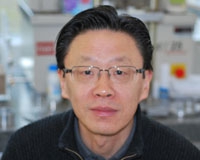
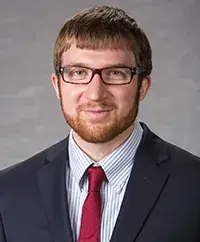
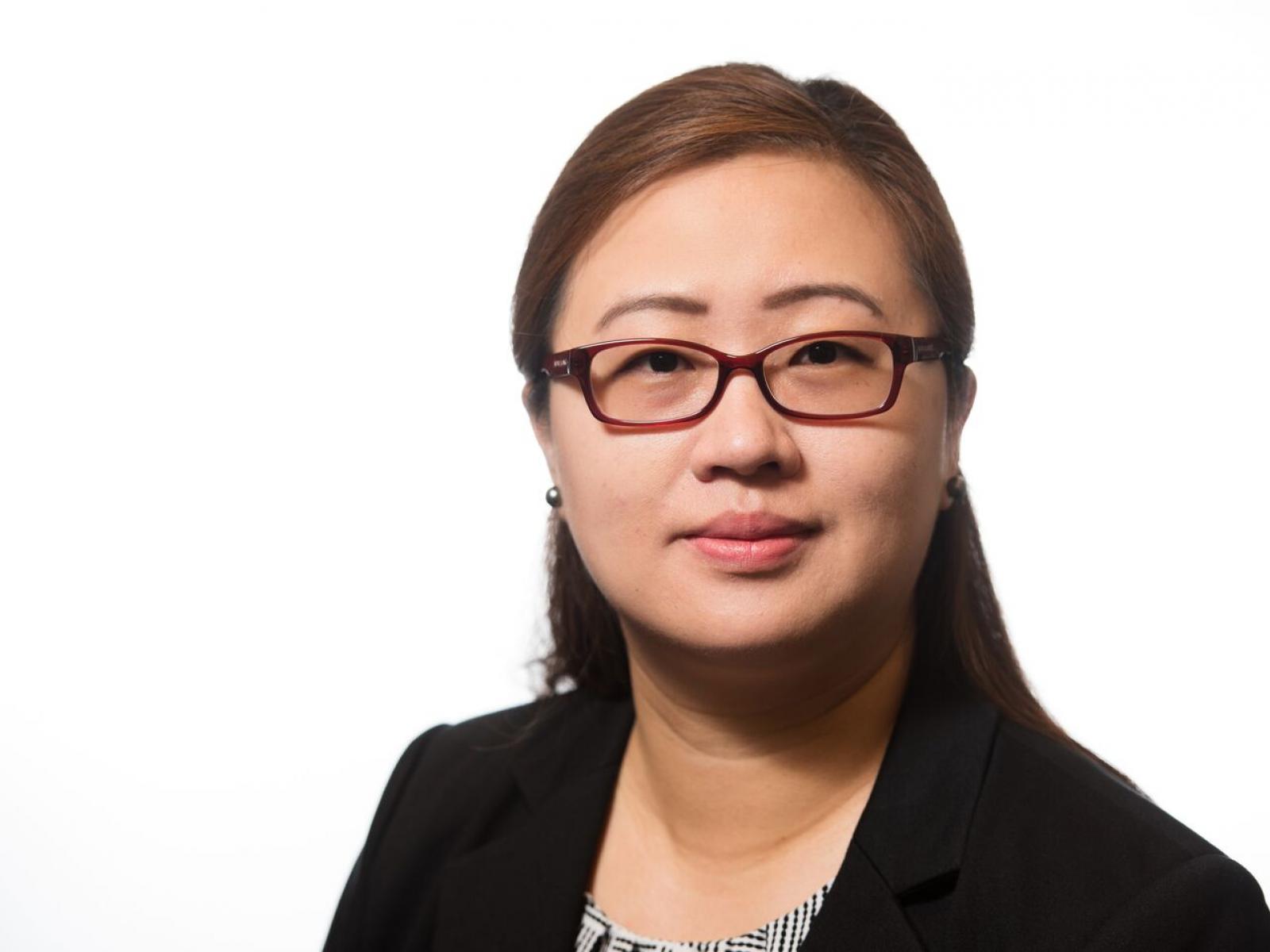
Martin Paul Pentrak serves as a Researcher at the Illinois State Geological Survey within the University of Illinois Urbana-Champaign. His work bridges geological survey operations with fundamental mineralogical research, focusing on environmental applications of clay mineral chemistry. His core research specialties include: Clay mineral reactivity (particularly montmorillonite and smectite) Structural Fe(II) dynamics in mineral matrices Acid treatment effects on clay properties Iron redox cycling in subsurface environments Mineral-mediated contaminant degradation pathways Analysis of his 2019-2023 publications reveals a cohesive research trajectory centered on iron-clay interactions. His team systematically investigates reduction mechanisms, mineral transformations, and environmental implications—particularly how reactive iron sites in clays drive contaminant breakdown. This work integrates field geology (e.g., Illinois loess deposits), laboratory experiments (e.g., Hanford Site sediments), and molecular-scale analysis to address environmental remediation challenges.
Stefan Bernhard is a Professor of Chemistry at Carnegie Mellon University's Mellon College of Science. He holds a Ph.D. in Chemistry from Université de Fribourg, Switzerland (1996). His research focuses on renewable energy, particularly photocatalytic systems for hydrogen evolution and CO₂ conversion, leveraging transition metal complexes and high-throughput experimentation. His lab develops automated reactors using Raspberry Pi, 3D printing, and machine vision to streamline data collection for AI-driven science. Key research areas include energy conversion via light-to-electrochemical processes, optoelectronic materials, and chiral luminophores. He pioneered cost-effective hydrogen-sensitive films and has advanced understanding of structure-property relationships in transition metal complexes. Notable awards include the Scott Energy Center Fellowship (2019) and NSF CAREER Award (2005). The Bernhard Lab emphasizes automation and high-throughput methods, with projects spanning photocatalytic reaction screening, nanomaterials synthesis, and circularly polarized luminescence. Their work bridges synthetic chemistry with data science, enabling scalable solutions for sustainable energy challenges.
PD Dr. Florian Frank is Privatdozent (senior lecturer with full teaching licence) for Applied Mathematics at Friedrich-Alexander-Universität Erlangen-Nürnberg (FAU) and heads the Bavarian research project „Parallel mesh loading and partitioning for large-scale simulation“ . His expertise spans high-performance computing, phase-field and discontinuous Galerkin methods, digital-rock physics, and reactive transport in porous media. Education & career 2022 – Venia legendi (private lecturer), Mathematics, FAU 2019 – Dr. habil., Mathematics, FAU 2013 – Dr. rer. nat., Applied Mathematics, FAU 2008 – Graduate Mathematician, University of Frankfurt 2021-2022 (acting) W2 Professor Scientific Computing, FAU 2018-2021 (acting) W2 Professor Mathematical Modelling, FAU 2017-2018 Senior Postdoc, CAAM, Rice University, USA 2014-2017 Postdoc, CAAM, Rice University, USA Research interests Frank focuses on the development and analysis of numerical schemes for partial differential equations that govern multiphase, multicomponent and reactive processes in porous or biological media. Key themes include discontinuous Galerkin and finite-volume methods , physics-preserving discretizations , high-performance computing , and digital-rock-based pore-scale simulations . He couples phase-field approaches with (Navier–)Stokes, Cahn–Hilliard, Nernst–Planck and density-gradient equations to quantify flow, transport, colloid dynamics and interfacial phenomena. Recent publications reveal a clear trend toward data-driven modelling : convolutional neural networks are trained with direct numerical simulation data to predict permeability and diffusion coefficients from 3-D micro-CT images, while advanced preconditioners and regularization techniques accelerate multiphase thermodynamic computations. Awards & recognition 2020 – Emmy-Noether-Prize der Naturwissenschaftlichen Fakultät, FAU 2017 – Promotion to Senior Postdoctoral Research Associate , George R. Brown School of Engineering, Rice University Projects, tools & supervision Frank currently leads a Bavarian state-funded project on parallel mesh handling for large-scale simulations. Together with collaborators he maintains the open-source MATLAB/GNU Octave toolbox FESTUNG for discontinuous Galerkin methods. Since 2018 he has (co-)supervised ten BSc and MSc theses on topics ranging from Stokes preconditioning to enriched Galerkin shallow-water solvers, regularly serves as reviewer for more than a dozen international journals, and is guest editor of special issues in Computational Geosciences and Oil & Gas Science and Technology .
Dr. Xuejun Fan is a Regents' Professor and Mary Ann and Lawrence E. Faust Endowed Professor in the Department of Mechanical Engineering at Lamar University. His career spans academia and industry, with expertise in microelectronics packaging reliability, material characterization, and thermal management. He earned his Ph.D. in Solid Mechanics from Tsinghua University (1989) and held roles at Taiyuan University of Technology, University of Tokyo, and Intel Corporation before joining Lamar University in 2007, where he was promoted to full professor in 2013. Education: Ph.D. (Solid Mechanics, Tsinghua University), M.S. & B.S. (Applied Mechanics, Tianjin University) Dr. Fan's research focuses on multi-physics modeling of electronic packaging, moisture-induced reliability in IC devices, electromigration analysis in interconnects, and thermal management for LEDs and power electronics. His work includes nanoscale material characterization and warpage-free packaging design . Publications highlight applications in heterogeneous integration and corrosion-resistant nanomaterials . His 15 most recent articles emphasize chiplet packaging , electromigration modeling , and AI-driven reliability optimization . Key trends include thermal-mechanical stress analysis in SiC modules and moisture diffusion in nanocopper pastes. Scientific Awards: IEEE Fellow, EuroSimE Achievement Award, Top 2% Scientist (2024), Distinguished Faculty Research Fellow Dr. Fan mentors graduate students in finite element analysis , electromigration , and material testing using equipment like DMA/TMA/TGA analyzers and Labsphere Illumia Pro . He serves as Associate Editor for IEEE Transactions and Microelectronics Reliability, and contributes to industry standards via IEEE EPS.
Haneesh Kesari is an Associate Professor of Engineering at Brown University , where he leads the Applied Mechanics Lab within the Solid Mechanics group of the School of Engineering . His research bridges theoretical and experimental mechanics to explore structure-property connections in engineering and biological materials. PhD , Mechanical Engineering, Stanford University (2011) MS , Mechanical Engineering, Stanford University (2007) B.Tech , Mechanical Engineering, Indian Institute of Technology Guwahati (2005) Kesari’s work focuses on understanding how microscale architectural features in materials—such as the lamellar layers in marine sponge spicules—enhance macroscopic mechanical properties like strength and toughness. His group combines computational modeling and experimental mechanics to study phenomena including: Adhesion and fracture behavior in elastic contacts Lamellar architecture in biological glass fibers Stiction failure in MEMS devices Crack growth resistance in natural materials His publications reveal trends in adhesive contact mechanics , biological material design , and microscale deformation , with implications for MEMS reliability and bioinspired material engineering. Awards include the Richard B. Salomon Award (Brown, 2019) and the Haythornthwaite Award (ASME, 2016). Kesari also contributes to mechanics education through courses like Continuum Mechanics and Fracture Mechanics at Brown University.
Anita Torabi is a Professor in Structural Geology at the University of Oslo , affiliated with the Department of Geosciences. Her research focuses on structural geology, fault mechanics, fluid flow in deformed reservoirs, CO2 storage, geothermal reservoirs, and seismicity. She employs advanced methods such as 3D seismic analysis, fault asperity studies, and machine learning for geological applications. Key affiliations: University of Oslo, NORCE (2015-2018), Uni Research CIPR (2008-2018) Education: PhD in Geosciences (2008) - University of Bergen Research Interests include: Fault mechanics and deformation processes Fluid flow in faulted reservoirs CO2 storage and green energy solutions Geomechanics and seismic risk assessment Machine learning in structural geology Basement rock fracture analysis Recent Publications highlight trends in: 3D fault characterization using deep learning Fluid dynamics in siliciclastic-carbonate systems Seismic attribute analysis for fault geometry Compaction bands in Tertiary-Quaternary sequences Ontology-driven geological modeling Machine learning applications for CO2 storage Research Leadership includes projects such as: CO2 Seal and Bypass – COPASS CO2SafeQuest (fault behavior for CO2 storage) gigaCCS@UiO (Center of Excellence in Carbon Capture) VICCO (volcanic-sedimentary CO2 storage) Pool Studies CO2 Storage research group
Dr. Jeffrey Rimer serves as the Abraham E. Dukler Professor and Director of Graduate Studies at the William A. Brookshire Department of Chemical and Biomolecular Engineering within the Cullen College of Engineering at the University of Houston. His research program spans multiple disciplines of chemical engineering, materials science, and biochemistry with significant contributions to crystal engineering, zeolite catalysis, and biocrystallization. Dr. Rimer earned his B.S. degrees in Chemical Engineering from Washington University in St. Louis and Chemistry from Allegheny College in 2001, followed by a Ph.D. in Chemical Engineering from the University of Delaware in 2007, and completed a postdoctoral fellowship at New York University's Molecular Design Institute (2007-2009). His research program focuses on crystal engineering with relevance to energy and medicine, particularly investigating nonclassical crystallization mechanisms. His work combines synthesis, state-of-the-art characterization, and materials testing to develop structure-performance relationships across two major research areas: Catalysis (developing novel zeolite materials through understanding nucleation and growth pathways, designing nanosized and hierarchical zeolites, and engineering bifunctional catalysts) and Biocrystallization (studying crystals implicated in human diseases including kidney stones, malaria, breast cancer, and gallstones). Analysis of Dr. Rimer's recent publications reveals a strong focus on nonclassical crystallization pathways, zeolite catalyst design with enhanced mass transport properties, and the development of molecular modifiers for pathological crystallization processes. His work spans fundamental mechanisms to practical applications in energy conversion and disease treatment. Southwest Catalysis Society Award for Excellence in Applied Catalysis (2025) AIChE Fellow (2024) Catalysis Club of Philadelphia Award (2024) Welch Catalyst for Discovery Program Grant (2023) CSGS Outstanding Mentor Award (2023) Senior Faculty Research Excellence Award (2022) National Academy of Inventors, Senior Member (2021) Edith and Peter O'Donnell Award in Engineering (2020) Dr. Rimer has mentored numerous graduate, undergraduate, and postdoctoral researchers, demonstrating exceptional commitment to education as evidenced by multiple teaching and mentoring awards. His research group maintains extensive collaborations with industry, medical centers, and other universities and national laboratories. The Rimer Group operates state-of-the-art facilities for crystal growth, characterization, and catalytic testing, with particular expertise in high-temperature atomic force microscopy for examining crystal surface growth. The group is also working to establish a research center on nonclassical crystallization with emphasis on pharmaceutical applications.
Xiaoping JIA is a Professor at Gustave Eiffel University , affiliated with the Langevin Institute . His work bridges acoustics , granular physics , and geophysics , with a focus on understanding wave propagation, frictional dynamics, and seismic triggering mechanisms in complex media. PhD in Physical Acoustics from Pierre and Marie Curie University (Paris 6) B.Sc. in Physics from Nanjing University His research explores: Multi-scale granular acoustics : Investigating how ultrasound interacts with granular materials to induce flow and measure internal states Nonlinear wave behavior : Time-reversal focusing, velocity weakening/strengthening, and scattering in heterogeneous media Dynamic triggering mechanisms : Linking seismic waves to landslides, slope instabilities, and frictional failure Key article trends include: Developing ultrasonic monitoring for granular compaction and damage Modeling acoustic lubrication at grain contacts Characterizing stick-slip dynamics with high-resolution acoustic emission analysis Simulating two-time scale granular flow under vibro-acoustic stress Publications span geophysical journals (PNAS, JGR, GRL) and physics/soft matter outlets (Phys. Rev. E, Soft Matter, Europhys. Lett.), emphasizing ultrasound as a tool for probing granular rheology and failure precursors.
Dr. Paul Wagner is an Associate Professor at the University of Vienna, Faculty of Physics, and a leading researcher in the Department of Aerosol Physics and Environmental Physics. His work focuses on nucleation processes, aerosol dynamics, and their environmental implications. Department: Aerosol Physics and Environmental Physics Key Affiliations: University of Vienna, collaborations with institutions in Finland, Japan, and Germany His research bridges molecular-scale nucleation to nanoparticle formation, exploring contact angles, line tension, and cosmic ray impacts on climate. He has contributed to the CLOUD project at CERN and advanced measurement techniques like Constant-Angle Mie Scattering. His lecture topics over the past decade highlight interdisciplinary themes, including the intersection of physics and philosophy in climate science. While no formal awards are listed, his invited plenary roles underscore his expertise in aerosol studies.
Marco Reale serves as a Research Fellow within the Department of Physics and Chemistry at the University of Palermo, specializing in advanced nanophotonic systems and carbon-based nanomaterials. His academic activities span teaching core physics courses and conducting cutting-edge research in optical phenomena at the nanoscale. His research program centers on: Quantum dot superparticles and wavelength-tunable lasing mechanisms Carbon nanomaterial engineering for photoluminescence enhancement Random lasing phenomena in disordered systems Ultrafast photophysics of distorted nanographenes Hybrid optical structures using nanocarbons Analysis of his 13 recent publications (2022-2025) reveals a dominant focus on carbon nanomaterials (quantum dots, nanographenes) for lasing applications, with significant contributions to understanding surface interactions, plasmonic effects, and femtosecond-scale photophysical processes. His work bridges fundamental nanophotonics with practical applications in optical labeling, random number generation, and energy conversion. Teaching responsibilities include Physics II (6 CFU) for Robotics Engineering students and Physics Applied to Nutrition (2 CFU) for Dietitian training. Office hours are held Mondays 3:00-5:00 PM at the Department of Physics and Chemistry (Via Archirafi 36), or by appointment via the student portal.
Ikuo Kurisaki is an Associate Professor at the Waseda Research Institute for Science and Engineering, Faculty of Science and Engineering, Waseda University. His research focuses on computational biophysics, particularly using molecular dynamics simulations to study protein-RNA interactions, protein allostery, and molecular recognition mechanisms. Dr. Kurisaki received his Master of Science in Biology from Hokkaido University and his PhD in Science from Kobe University. His educational background includes undergraduate studies at Waseda University's School of Science and Engineering (2000-2004), followed by graduate studies at Hokkaido University (2004-2006) and Kobe University (2006-2009). His primary research interests include: RNA-binding proteins and RNA structure Molecular dynamics simulation and hybrid Monte Carlo methods Protein allostery and molecular recognition Protein aggregation and amyloid formation Theoretical molecular biology and computational biophysics Dr. Kurisaki's research employs advanced computational methods to investigate fundamental biological processes at the molecular level. His work spans from studying the mechanisms of RNA-protein interactions to understanding the physical principles underlying protein allostery and aggregation. He has made significant contributions to our understanding of thrombin activation mechanisms, hemoglobin oxygen binding, and amyloid beta aggregation processes. His recent publications demonstrate a strong focus on applying deep learning to RNA structure prediction, thermal signaling mechanisms, and protein aggregation phenomena. The research shows a consistent pattern of using computational approaches to address challenging problems in structural biology and biophysics. Dr. Kurisaki has received research funding from the Japan Society for the Promotion of Science, including grants for studying biological phase separation based on RNA-centric molecular networks and heterogeneous thermal signaling in muscle cells. He actively contributes to the scientific community as a member of the Biophysical Society of Japan and has participated in educational initiatives, including workshops on molecular simulation software such as AMBER.
Ottmar Möhler is a physicist and researcher at the Institute of Meteorology and Climate Research (IMK-AAF) within the Karlsruhe Institute of Technology (KIT), specializing in experimental atmospheric science with focus on aerosol-cloud interactions. His work bridges fundamental physics and climate system dynamics through advanced laboratory and field methodologies. His primary research domains include: Cloud Microphysics: Quantitative analysis of droplet activation, growth mechanisms, and phase transitions in mixed-phase clouds Ice Nucleation: Investigation of heterogeneous freezing pathways and ice crystal formation kinetics under atmospheric conditions Aerosol Physics: Characterization of particulate matter properties, including size distribution, chemical composition, and cloud condensation nuclei activity Atmospheric Process Modeling: Integration of microphysical observations into climate prediction frameworks Instrument Development: Creation of novel measurement techniques for aerosol and cloud studies Dr. Möhler maintains active collaborations through international networks like ACTRIS (Aerosol, Clouds and Trace Gases Research Infrastructure), with contact details including telephone (24287), fax (24332), and email ottmar.moehler@kit.edu.
Thomas Cochell is a Senior Lecturer and Director of Undergraduate Studies in Materials Engineering at the University of Kentucky's Stanley and Karen Pigman College of Engineering. His research focuses on nanoscale material behavior, high-temperature oxidation, electrochemical systems, and energy storage technologies. His recent work includes In-situ nanoscale ablation studies Oxidation behavior of carbon fibers Development of advanced electrocatalysts for fuel cells Investigations into lithium-sulphur battery longevity Quantitative analysis of nanocrystal formation Thomas's publications span topics in nanotechnology, electrochemistry, and energy storage, with a strong emphasis on experimental methodologies and materials characterization. His contributions to carbon nanostructure analysis and catalyst design are particularly notable.
Dr. Jie Xiao serves as the Boeing Martin Professor in the Department of Mechanical Engineering at the University of Washington and holds an incoming joint appointment as Battelle Fellow at Pacific Northwest National Laboratory (PNNL). Her research program focuses on advancing electrochemical energy storage technologies for electric vehicles and grid applications, with particular emphasis on lithium metal battery systems. She has published over 130 peer-reviewed papers, secured 18 patents (7 licensed to industry), and earned recognition as a Clarivate Analytics Highly Cited Researcher since 2017. Her academic credentials include: Ph.D. in Materials Chemistry from State University of New York (SUNY) at Binghamton M.S. in Physical Chemistry from Wuhan University, China B.Sc. in Chemistry from Wuhan University, China Dr. Xiao's research centers on fundamental battery interface phenomena, electrode design, and scalable manufacturing processes. She investigates critical challenges including lithium dendrite formation, cathode degradation mechanisms, and moisture-sensitive electrode processing. Her work integrates experimental and computational approaches to develop high-energy, long-cycle-life batteries with practical industrial relevance. Current projects address interfacial stability in nickel-rich cathodes and lithium metal anodes through advanced characterization and materials engineering. Analysis of her recent publications reveals a strong thematic focus on next-generation lithium batteries, with dominant trends in single-crystal cathode development, solid electrolyte interphase engineering, and practical scale-up of laboratory discoveries. Her work consistently bridges fundamental science with industry-relevant applications, emphasizing reproducibility, safety, and performance metrics for commercial deployment. Her extensive honors include: E.O. Lawrence Award from the US Department of Energy (2022) Election to Washington State Academy of Science (2022) Lab Director’s Exceptional Scientific Achievements Award at PNNL (2022) R&D 100 Award for Lab-on-a-Fish (2021) ECS Battery Division Technology Award (2020) Fellow of The Electrochemical Society (2020) Multiple Project and Publication of the Year Awards from PNNL (2013-2018) Top 1% Clarivate Analytics Highly Cited Researcher (2017-2019) Dr. Xiao actively mentors the next generation of energy storage researchers through her extensive publication record featuring numerous co-authors. She leads major federally funded initiatives including the DOE’s Battery500 Consortium (as Deputy Director) and the Cathode-Electrolyte Interphase Consortium (as Director), which coordinate national laboratory and industry efforts to develop next-generation battery technologies with significantly improved energy density and cycle life. Her Battelle Fellow position at PNNL represents the laboratory's highest scientific rank, where she directs cutting-edge research in energy storage materials and systems. Through these roles, she drives innovation in battery science critical to advancing electric transportation and renewable energy integration.
Veli-Matti Kerminen is a Professor at the Institute for Atmospheric and Earth System Research (INAR) at the University of Helsinki, holding a Docentship at the Department of Physics and serving as Supervisor for the Doctoral Programme in Atmospheric Sciences. His research focuses on Global Atmosphere-Earth surface feedbacks, with particular emphasis on atmospheric new particle formation and aerosol chemistry. His research interests span atmospheric science, Earth system research, and climate interactions, with specific expertise in aerosol formation processes, biogenic emissions from forests, and urban air pollution mechanisms. Professor Kerminen has made significant contributions to understanding how particles form and grow in the atmosphere and how these processes impact air quality and climate systems. Analysis of his recent publications (2021-2025) reveals a strong focus on advanced measurement techniques including drone-based atmospheric sampling, aerosol chemistry in polluted environments, and the evolution of new particle formation events into climate-relevant aerosols. His work bridges fundamental atmospheric processes with practical environmental concerns. Editor for Atmospheric Research (2009-2010) Editor for Aerosol and Air Quality Research (2009-2010) UN IPCC Expert Member (2009-2010) Participant in EMME-CARE launching event (2019) Professor Kerminen currently participates in the University profiling funding 7 InterEarth RESET project (2023-2028) and previously led research on biogeochemical feedbacks from forest harvesting to climate change (2019-2023). His laboratory work within INAR focuses on developing innovative atmospheric measurement techniques, particularly utilizing drone technology for vertical profiling of atmospheric components in both urban and forested environments.