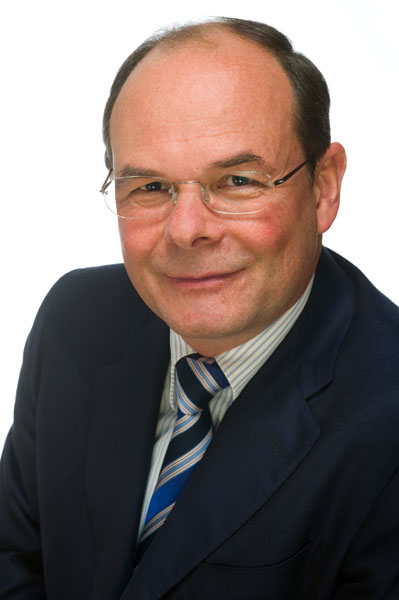
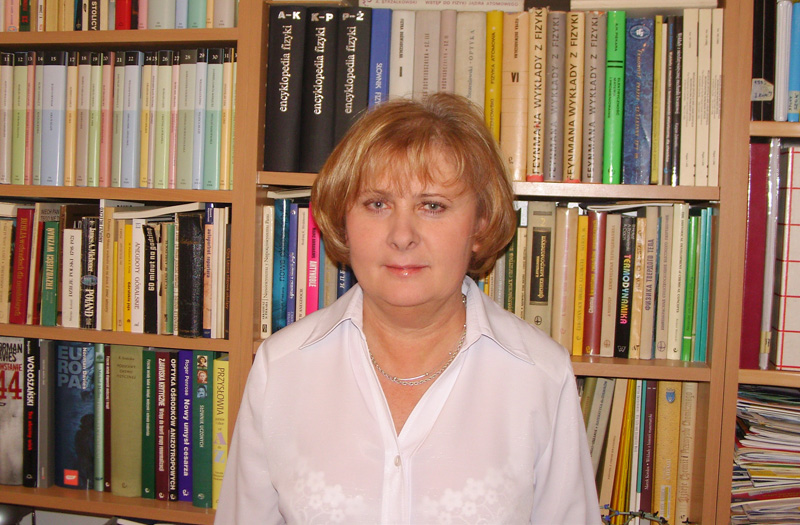
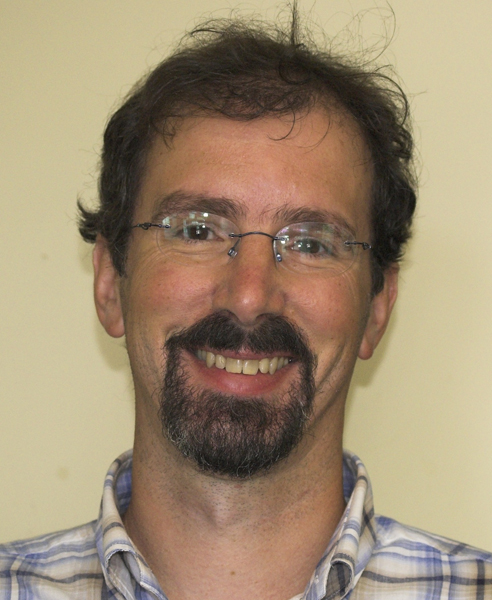
Dietmar Jannach is a Full Professor at the University of Klagenfurt, Austria, affiliated with the Institute for Artificial Intelligence and Cybersecurity where he leads the Research Group for Information Systems. His academic roles include membership in the university's Senate and Curricular Commissions for Liberal Arts and Information Management. His research spans: Core Areas : Artificial Intelligence, Recommender Systems, and Software Engineering. Methodological Focus : Algorithm reproducibility, fairness in AI, sequential recommendations, and hybrid learning models. Emerging Interests : Generative AI for group decision support, ethical recommender systems, and foundation model applications. Jannach's recent publications critically evaluate reproducibility challenges in AI research, advocate for calibrated recommendations to mitigate bias, and explore agentic paradigms in group recommender systems. He emphasizes real-world validation, with studies on deployment challenges and developer experiences in software processes. He actively contributes to academic governance and mentors through research groups, though specific student advisees are not listed. Contact via Dietmar.Jannach@aau.at .
Martin Ostoja-Starzewski , Ph.D. (McGill), is a Professor of Mechanical Science & Engineering at the University of Illinois at Urbana-Champaign , with affiliate appointments at the Beckman Institute and National Center for Supercomputing Applications . His research spans continuum mechanics , stochastic wave propagation , and fractal media , focusing on scaling laws and the statistical-to-representative volume element transition. 2006–Present: Professor, UIUC 2001–2005: Canada Research Chair, McGill University 2023: Rothschild Distinguished Visiting Fellow, University of Cambridge 2022: Member, European Academy of Sciences and Arts 2024: Academia Europaea Foreign Member His work pioneered continuum mechanics with spontaneous second law violations and tensor random fields for stochastic PDEs. He authored four foundational books, including Tensor-Valued Random Fields for Continuum Physics (2019), and edited 16 special issues. Recent 2025–2023 articles explore odd elasticity , fractal thermodynamics , and stochastic wavefronts , bridging non-equilibrium thermodynamics to granular Couette systems . Scientific accolades include the Worcester Reed Warner Medal (2018) and ASME , AAM , SES fellowships. As part-time faculty at Beckman Institute (2008–Present), he integrates bioimaging with mechanics across electrosurgery and traumatic brain injury modeling.
**Pernilla Wittung Stafshede** is a Full Professor with Tenure and Head of the Chemical Biology division at Chalmers University of Technology (Gothenburg, Sweden). She previously held professorships at Umeå University (Sweden) and Rice University (USA). Her research focuses on protein folding, metalloproteins, biophysical methods, and applications to diseases like cancer and Parkinson’s. She leads the Wittung-Stafshede Lab , part of Chalmers’ Chemical Biology infrastructure. **Research Interests**: Protein folding mechanisms, metal transfer proteins, spectroscopic techniques, amyloid formation, and biophysical studies of macromolecules. Her work bridges fundamental biochemistry with disease mechanisms, leveraging advanced experimental and computational methods. **Awards**: Notable honors include the Arrhenius Medal (2016), membership in the Swedish Royal Academy of Sciences (2016), and sustained Wallenberg Scholar funding (2010–2022). She is recognized for pioneering contributions to chemical biology. **Key Contributions**: Her lab’s work spans protein dynamics, metallomics, and disease-related protein misfolding. Recent publications highlight systems biology approaches to yeast metabolism and drought stress responses in plants.
Willy Zwaenepoel is a Professor and Dean of the Faculty of Engineering at the University of Sydney. He holds a B.S. from the University of Gent and M.S./Ph.D. from Stanford University. Previously, he served as Dean of the School of Computer and Communication Sciences at EPFL and was a faculty member at Rice University. His expertise spans operating systems, distributed systems, and high-performance computing. Education: B.S., University of Ghent, Belgium (1979) M.S., Stanford University (1980) Ph.D., Stanford University (1984) Research Interests: Dr. Zwaenepoel focuses on distributed systems, operating systems, and their applications in database replication, virtual machine performance, and software update mechanisms. His work includes foundational contributions to distributed shared memory (e.g., Treadmarks) and startups like iMimic Networking. Awards: ACM Fellow (2000) IEEE Fellow (1998) Fellow of the Australian Academy of Technical Sciences and Engineering (2020) Recipient of the IEEE Tsutomu Kanai Award (2007) Key Contributions: His research addresses challenges in distributed systems performance, such as latency reduction in key-value stores and efficient graph processing. Current projects explore I/O optimization in virtualized environments and causal consistency for geo-replicated systems. Students/Advising: Advises Ph.D. students and postdocs, including William in database replication. His mentorship led to the Rice University Teaching Award (2000).
Prof. Jens Markus Melenk is a Professor at TU Wien's Faculty of Mathematics and Geoinformation, leading the Computational Mathematics Research Group (E101-02-1). His research focuses on advanced numerical methods for partial differential equations, with a strong emphasis on hp-FEM (hp-Finite Element Method), fractional diffusion equations, and wave propagation problems. He has contributed significantly to the development of robust and efficient algorithms for complex domains and heterogeneous media. Key research interests include the application of hp-FEM to fractional operators (e.g., integral fractional Laplacian), boundary element methods (BEM), and the analysis of wavenumber-explicit convergence for Maxwell's equations and elastic wave equations. His work bridges theoretical analysis and computational implementation, addressing challenges in multiscale problems and singular perturbations. Notable contributions: Exponential convergence of hp-FEM for fractional Laplacian problems, wavenumber-explicit error estimates for wave equations in heterogeneous media. Collaborations: Active involvement with researchers like Markus Faustmann, Christoph Schwab, and Dirk Praetorius. Supervised theses: Includes works on hp-FEM for fractional operators, RBF interpolation, and error estimators for elliptic PDEs. His research group develops and analyzes numerical schemes for challenging PDE scenarios, with applications in electromagnetism, acoustics, and computational mechanics.
Donatella Sciuto is a Full Professor of Computer Science and Engineering at Politecnico di Milano, serving as Executive Vice Rector overseeing research strategies. She holds a PhD from the University of Colorado, Boulder and an MBA from Bocconi University. Her research focuses on embedded systems design, low-power electronics, and cyber-physical systems, with contributions to smart cities and ICT infrastructure. Education: Bachelor's in Electronic Engineering, Politecnico di Milano (1984) PhD in Electrical and Computer Engineering, University of Colorado, Boulder MBA, SDA Bocconi School of Management Research Interests: Embedded systems, multiprocessor architectures, hardware/software co-design, power-efficient computing, and building automation via IoT technologies. She leads the Embedded Systems Design research group at Politecnico di Milano and coordinates EU-funded projects in smart cities and reconfigurable systems. Awards: IBM Women Leaders in AI (2021) IEEE Fellow (2011) EDAA Fellow (2010) Outstanding Contribution Award, IEEE Computer Society (2009) Professional Roles: Board Member: Bank of Italy, Istituto Italiano di Tecnologia, STM, Avio Former President, IEEE Council of Electronic Design Automation (2011-2013) Executive Committee Member, Design Automation and Test in Europe (DATE) conference Labs/Teams: Leads the Embedded Systems Design and Design Methodologies group at Politecnico di Milano, collaborating with CEFRIEL on executive education programs in embedded systems and IoT.
Dragi Kimovski is a Habilitated Assistant Professor in Distributed Systems at Klagenfurt University, Austria, focusing on Edge Computing and AI. He previously held roles at the University of Innsbruck and the University of Information Science and Technology in Macedonia. His research spans Edge/Fog/Cloud computing, multi-objective optimization, and high-performance computing. He has coordinated major projects like 6GContinuum and KärtnerFog, and led initiatives such as DataCloud and ASPIDE. His teaching includes courses on Distributed Computing, Cloud Computing, and IoT. He is the co-creator of the Carinthian Computing Continuum and maintains a blog on Edge AI World. His work emphasizes sustainable and efficient computing solutions for emerging technologies. Education: Not explicitly listed in the provided text. Research Interests: Edge Computing, Fog Computing, Cloud Computing, Multi-objective Optimization, High-Performance Computing, AI in Distributed Systems. His work addresses challenges in resource management, latency reduction, and scalability across heterogeneous environments, with applications in healthcare, IoT, and 6G networks. Projects: 6GContinuum (Coordinator): Focuses on AI services over 6G networks. KärtnerFog (Scientific Coordinator): Develops adaptive Fog infrastructures over 5G. DataCloud (WP5 Leader): Manages Big Data pipelines on the Computing Continuum. ASPIDE (Scientific Coordinator): Advances exascale programming models for data processing. Teaching: Klagenfurt University: Courses include Distributed Computing, IoT, Cloud Computing, and Advanced Programming. University of Innsbruck: Taught Advanced Parallel and Distributed Systems. University of Information Science and Technology: Courses in High-Performance Computing and Network Architectures. Labs/Teams: Co-created the Carinthian Computing Continuum, an automated SDN testbed for Edge computing research. Active in interdisciplinary teams addressing extreme data processing and sustainable computing.
Zoran Obradovic holds the prestigious L.H. Carnell Professorship of Data Analytics at Temple University where he serves as Professor in the Computer and Information Sciences Department and the Statistics Department. He also directs the Center for Data Analytics and Biomedical Informatics and maintains secondary appointments at Temple's Fox School of Business. Internationally, he serves as Research Professor at The Mathematical Institute of the Serbian Academy of Sciences and Arts, and as Visiting Professor at both the School of Medicine and School of Management at the University of Belgrade. His research spans multiple cutting-edge domains of data science: Bioinformatics and protein disorder prediction Healthcare informatics and clinical decision support systems Machine learning for complex networks and big data Spatial and temporal data analytics Applications in healthcare management, social networks, and earth science Dr. Obradovic pioneered research on intrinsically disordered proteins, earning multiple CASP awards. His work addresses challenges related to heterogeneous, spatial, and temporal data analytics with applications across healthcare, power systems, earth science, and social sciences. His research has been funded by prestigious organizations including NIH, NSF, DARPA, DOE, and industry partners. With approximately 450 publications and an H-index of 68 (over 33,000 citations), his scholarly impact is substantial. He serves as editor-in-chief of the Big Data journal and chairs the SIAM Data Mining conference steering committee, reflecting his leadership in the field. Scientific Recognition Elected Member of Academia Europaea (2015) Foreign Member of Serbian Academy of Sciences and Arts (2015) Asia-Pacific Artificial Intelligence Association Fellow (2021) Multiple best paper awards at international conferences Temple University's President's Outstanding Faculty Research Award (2009) Three consecutive CASP awards for protein structure prediction (2002-2006) Dr. Obradovic has mentored approximately 50 postdoctoral fellows and Ph.D. students, many of whom now hold positions at leading academic institutions and tech companies including Amazon, Facebook, IBM, Microsoft, and Uber. He has served on editorial boards for 13 journals and organized numerous international conferences in data mining and bioinformatics. His Center for Data Analytics and Biomedical Informatics develops advanced data science methods addressing real-world challenges in healthcare, science, engineering, and business applications, with active recruitment for Ph.D. students and postdoctoral researchers.
Dawid Wolosiuk is affiliated with TU Wien's Research Department of Building Physics and Building Ecology (E259-03). He holds a Dipl.-Ing. (Diploma in Engineering), Dr.techn. (Doctor of Technical Sciences), and BSc degrees. His research focuses on building performance simulation, data integration in construction, and architectural accessibility. He leads projects like ViDeA (Visual Design for All) and MOTIVE, exploring ontology-driven approaches for building design and energy-efficient systems. His work bridges computational tools, data management, and sustainable architecture. Education: BSc, Dipl.-Ing. in Architecture/Engineering, Dr.techn. from TU Wien Research emphasizes ontological frameworks for building data, visual accessibility evaluation, and renewable energy integration in buildings. He collaborates on open data initiatives for occupant-centric design and has developed computational tools for assessing architectural spaces' accessibility. Key projects include BAU_WEB (ontology-based building product data), MOTIVE (vacuum glazing integration), and AGelFa (aerogel-based insulation systems). His contributions span academic publications, conference presentations, and technical reports, advancing building physics and eco-friendly construction practices.
Christine Sindelar serves as Associate Professor and Head of the Hydraulics Laboratory at the Institute of Hydraulic Engineering and River Research, Department of Landscape, Water and Infrastructure, University of Natural Resources and Life Sciences, Vienna (BOKU). Her academic leadership spans experimental river research, fluid mechanics, and hydraulic engineering with a strong emphasis on practical applications for river management and restoration. Her educational trajectory includes a habilitation in Experimental River Research and Fluid Mechanics (2022), a PhD-equivalent doctorate in Civil Engineering from Graz University of Technology (2011), a degree in Technical Mathematics from the University of Linz (2000), and teacher certification in mathematics, psychology, and philosophy (1997). Habilitation: Experimental River Research and Fluid Mechanics (2022) PhD: Civil Engineering, Graz University of Technology (2011) M.Sc.: Technical Mathematics, University of Linz (2000) B.Ed.: Teaching Certification, University of Linz/Salzburg (1997) Dr. Sindelar's research integrates experimental and computational methodologies to address critical challenges in river systems. Her work focuses on sediment transport dynamics, fish passage engineering, scale modeling of hydraulic structures, and nature-based river restoration solutions. She pioneers innovative techniques such as 1:1 physical modeling and Lagrangian particle tracking to investigate complex fluid-particle interactions and river morphodynamics. Her leadership in the Responsible River Modeling Center (RRMC) drives advancements in sustainable river management practices across European waterways. Analysis of her 15 most recent publications reveals a dominant focus on sediment pulse dynamics (33%), fluid-particle interactions (27%), and scale modeling techniques (20%). Her work consistently bridges fundamental fluid mechanics with practical engineering applications, particularly in regulated river systems and hydropower infrastructure. Key emerging trends include the application of nature-based solutions for ecological restoration and advanced measurement techniques for turbulent flow structures. Her scientific recognition includes: Manfred Schwanninger Preis - BOKU Teaching Award (2021) ÖAW Stipendium 'For Women in Science' (2011) Dr. Sindelar has mentored 20 graduate students through thesis supervision, with research spanning hydraulic structure design, sediment transport modeling, and river restoration techniques. Her externally funded research portfolio includes 14 active projects totaling over €2.5 million in grants from diverse sources: Competitive Grants: Austrian Science Fund (FWF): PiCASSO XL (€480,000), Particle Collision Model (€320,000) European Commission: Mura-Drava-Danube Corridor (€1.2M) Industry Partnerships: Multiple hydropower-related physical modeling projects (€650,000) Municipal Projects: City of Vienna: Wienfluss restoration (€180,000) As Head of the Hydraulics Laboratory, she directs a multidisciplinary team conducting cutting-edge experimental research using advanced facilities including 1:1 scale river modeling systems, high-resolution particle tracking velocimetry, and specialized sediment transport measurement apparatus. The laboratory serves as a national hub for river engineering research and collaborates extensively with European water management authorities on transboundary river projects.
Gerhard A. Holzapfel is a Full Professor of Biomechanics and Head of the Institute of Biomechanics at Graz University of Technology (Austria) since 2007. He holds adjunct and visiting positions at KTH Royal Institute of Technology (Sweden) and the University of Glasgow (Scotland). His academic journey includes a PhD in Mechanical Engineering from Graz University of Technology, a Habilitation from TU Vienna (1996), and prestigious awards such as the START-Award (1997) and the Warner T. Koiter Medal (2021). His research focuses on constitutive modeling of biosolids, nonlinear continuum mechanics, and medical image processing. Notable contributions include studies on arterial wall mechanics, fibrous tissue behavior, and computational biomechanics. Holzapfel leads interdisciplinary teams exploring mechanobiology, vascular pathologies, and biomaterials, with applications in cardiovascular engineering and disease modeling. Education: PhD in Mechanical Engineering, Graz University of Technology Habilitation, TU Vienna (1996) Research Highlights: Multi-scale modeling of biological tissues Biaxial mechanical testing and microscopy integration Computational fluid-structure interaction (FSI) in vascular systems Biomechanical implications of medical interventions (e.g., stents, angioplasty) Awards: Warner T. Koiter Medal (2021) Corresponding Member, Austrian Academy of Sciences (2012) Erwin Schrödinger Prize (2011) START-Award (1997) Labs & Teams: Leads the Institute of Biomechanics at TU Graz, collaborating with international teams on vascular biomechanics and mechanobiology.
Malgorzata Witko is a full Professor and Director of the Institute of Catalysis and Surface Chemistry at the Polish Academy of Sciences (PAS) in Kraków, Poland. She has held continuous positions at this institute since 1973, progressing from assistant to professor in 1997 through presidential nomination. Her institutional affiliations include membership on Scientific Councils of the Institute of Nuclear Physics and Institute of Physical Chemistry in Poland, and active roles in the European Federation of Catalysis Societies (EFCATS) and European Research Council evaluation panels. Professor Witko's research focuses on quantum chemical approaches to catalytic processes, with expertise spanning heterogeneous, homogeneous, and enzymatic catalysis. Her work particularly examines electronic structures of transition metal oxide catalysts, oxygen activation mechanisms, and nanospace constraints in catalytic systems. She employs advanced computational methods including density functional theory (DFT) to model reaction mechanisms and surface phenomena. Her publication record includes over 130 papers with 1,740 citations and an h-index of 24. Recent research demonstrates consistent focus on computational catalysis, with publications covering vanadium/titanium oxide systems, porphyrin-based oxygen activation, enzyme reaction mechanisms, and nanospace effects in supported catalysts. Member of Polish Academy of Sciences (elected 2012) Knight's Cross of the Order of Polonia Restituta (2011) Vice President of EFCATS (2005-2009) Member of European Research Council Evaluation Panels (2006-2012) 1978 President's Award and 1st Prize from Polish Academy of Sciences Professor Witko has delivered over 110 international conference lectures including keynote addresses at NATO Advanced Institutes and major catalysis conferences. She has organized numerous international symposia on quantum chemical approaches to catalysis and serves on editorial boards of Catalysis Letters and Topics in Catalysis. Her extensive international collaborations include research groups at Fritz-Haber-Institut (Berlin), University of Vienna, and Université Pierre et Marie Curie (Paris).
Michele Vendruscolo is a Professor of Biophysics at the University of Cambridge, UK, where he has held academic roles since 2001. He leads the Centre for Protein Misfolding Diseases and serves as Chief Scientific Officer at Wren Therapeutics. His research focuses on protein folding, aggregation, and neurodegenerative diseases like Alzheimer's and Parkinson's, employing computational and experimental methods. Education: BSc in Physics (University of Trieste, 1992), MSc and PhD in Condensed Matter Physics (International School for Advanced Studies, Trieste, 1993–1996). Postdoctoral research includes fellowships at the Weizmann Institute (Israel) and the University of Oxford (UK). Research interests span protein misfolding mechanisms, computational structure determination, antibody design, and drug development for neurodegenerative diseases. He has pioneered methods using molecular dynamics simulations and NMR data to study non-native protein states. Honors include the Royal Society of Chemistry's Soft Matter & Biophysical Chemistry Award (2013), EMBO Young Investigator (2007–2010), and over 300 invited lectures globally. His grants total £38M, and he has secured 8 patents on protein aggregation control and antibody design. He organized over 20 international meetings and contributed to editorial roles in journals like Molecular Biology and Evolution. Labs/Teams: Director of the Centre for Protein Misfolding Diseases and founder of Wren Therapeutics, a biotech firm targeting protein aggregation diseases.
Marcus Hilbrich is a Professor in Computer Science with extensive academic experience across multiple institutions. His primary affiliation is Chemnitz University of Technology, where he held roles including Assistant Professor, Acting Professor of Software Engineering, and Research Assistant. He also served as Scientific Coordinator at Humboldt University of Berlin (SFB 1404 FONDA) from 2022–2024. Education: He earned a Doctor of Engineering (Dr.-Ing.) from Dresden University of Technology in 2015, focusing on job/user-centric monitoring in distributed environments. His diploma thesis (2008) explored performance analysis of parallel simulations using the SUN Niagara II architecture. Research Interests: Hilbrich specializes in distributed systems, software engineering, cloud computing, and workflow management. He investigates microservices architecture, resilience engineering, and scalable monitoring techniques. His work bridges theoretical foundations (e.g., formal methods for workflows) with practical applications in HPC and data analysis. Publications: He has authored/co-authored over 15 peer-reviewed articles, including key contributions on ßMACH software management guidance, validity constraints in data workflows, and microservices design patterns. His research often addresses interdisciplinary challenges in computational systems and software lifecycle management. Projects: Active involvement in third-party funded projects like SFC (Cloud Computing for Secure Financial Transactions), ECOUSS (parallel simulations), and WisNetGrid (knowledge networks in grids). His work often integrates performance analysis and system scalability. Labs/Teams: Central to his work is the SFB 1404 FONDA collaborative research center, focusing on foundational aspects of distributed heterogeneous environments.
Jörg Menche holds a full Professor position (Univ.-Prof.) at the University of Vienna, with dual appointments in the Faculty of Mathematics, Department of Mathematics, and Max Perutz Labs, Department of Structural and Computational Biology. His work bridges mathematical modeling and biomedical research through network-based approaches to complex disease mechanisms. Primary research interests include Network Biology, Computational Systems Medicine, and Immunometabolism, with specific focus on proteomic signatures in neuropathic pain, metabolic reprogramming in obesity, and autoimmunity networks. He develops innovative computational tools like VRNetzer for virtual reality network analysis and BioProfiling.jl for high-content imaging data integration, targeting intersections between metabolism, immunity, and environmental exposures. Recent publications (2019-2024) reveal a dominant trend in multi-omics network medicine, particularly in autoimmunity (AutoCore framework), cardiometabolic diseases, and rare genetic disorders. His work demonstrates exceptional translational impact, with multiple papers highlighted by news outlets and patents (e.g., 3 patents referencing 2021 research). While the text indicates involvement in one project (2016) and 13 activities, grant specifics and student mentoring details remain undisclosed. His collaborative network spans immunology, neuroscience, and toxicology, evidenced by co-authorships with clinical and computational teams. Menche operates within Max Perutz Labs, a premier molecular biology research center in Vienna. His team integrates computational biologists, cell biologists, and clinicians to develop network cartography methods for disease module identification, with strong emphasis on virtual reality interfaces and multi-omics validation.