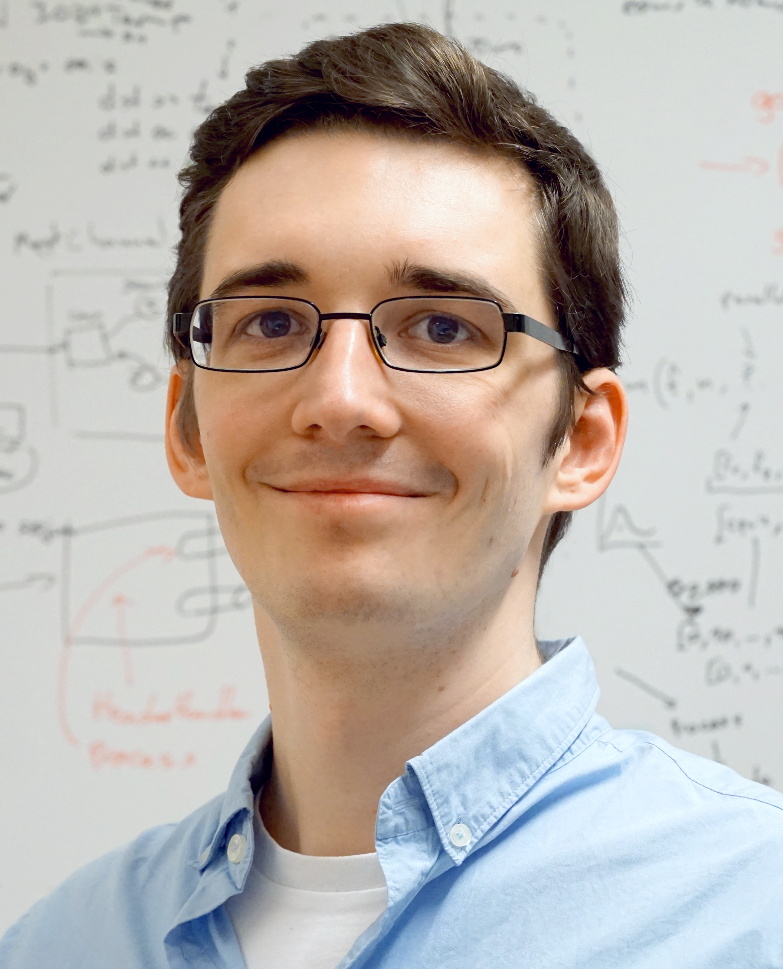
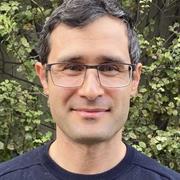
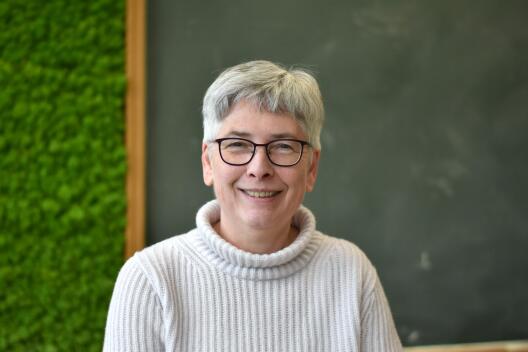
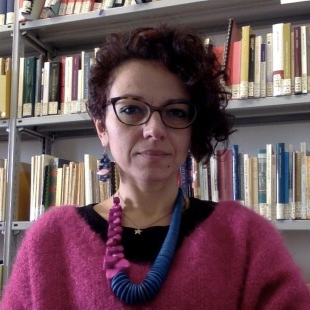
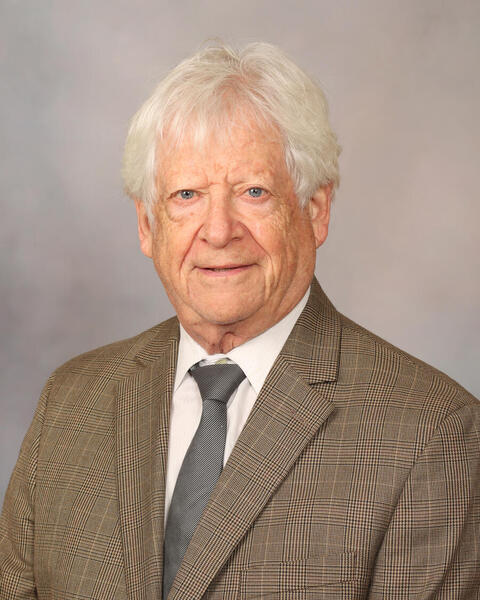
Thomas Rausch is an External Researcher and former University Assistant at TU Wien's Distributed Systems Group (Faculty of Informatics). He holds a PhD in Computer Science (2021) and master's degree in Software Engineering from TU Wien (2016). His work focuses on edge computing, cloud engineering, and AI systems, with notable contributions to frameworks like LocalStack and CognitiveXR. Education: M.Sc. in Software Engineering & Internet Computing (2016), Ph.D. in Computer Science (2021 – TU Wien). Research Interests: Edge computing systems, distributed interactive systems, cognitive augmentation, and cloud-edge AI integration. He has pioneered privacy-preserving edge systems and serverless platforms for data-intensive workloads. Publications: Over 20 peer-reviewed articles on edge computing frameworks, privacy-aware systems, and large-scale AI operations. Recent work includes faas-sim (2023) and Mobility-Aware Serverless Adaptions (2022). Awards: SEC 2019 Best Demo Award, 2020 Netidee Grant, Finalist TU Wien Teaching Awards. Grants: Netidee Grant (2020), CPS/IoT Ecosystem collaboration (2019–present). Teams: Founded CognitiveXR (edge-AI platform) and co-founded LocalStack (serverless testing).
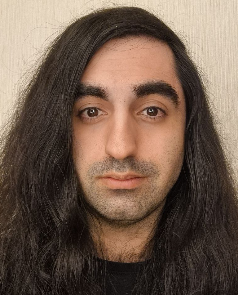
Alireza Furutanpey is a University Assistant (PreDoc Researcher) at TU Wien's Distributed Systems Group within the Institute of Information Systems Engineering, holding a Master's degree with distinction. His academic role combines research in distributed systems with teaching responsibilities for core computer science courses. His educational background includes: Bachelor of Science (BSc) Master of Science (Dipl.-Ing.) with distinction Furutanpey's research centers on Edge Computing and Edge Intelligence, specializing in Distributed Inference, Neural Data Compression, and AI-Systems integration. He pioneers techniques for neural feature compression in satellite/edge environments and develops frameworks for federated learning orchestration under communication constraints. His work bridges theoretical AI with practical system implementation, focusing on resource-constrained scenarios where bandwidth and computational efficiency are critical. Analysis of his 15+ publications reveals dominant trends in neural compression for distributed systems (60%), federated learning optimization (25%), and serverless edge frameworks (15%). Key contributions include solving satellite downlink bottlenecks through feature compression and enabling adaptive inference in heterogeneous edge networks, with methodologies increasingly incorporating generative modeling and robustness against adversarial attacks. Scientific Awards: None documented in available sources. He actively supervises master's theses, guiding students on adversarial machine learning, neural compression, and image retrieval systems. His research is supported through major projects: AloTwin (2023-2025) focusing on edge intelligence, INTEND (2024-2026) on industrial IoT, and TEADAL (2022-2025) on federated learning. He serves as a reviewer for 15+ IEEE/ACM venues including IEEE Transactions on Mobile Computing and ICDCS. Furutanpey operates within TU Wien's Distributed Systems Group, which specializes in edge-cloud continuum research. The team develops tools like faas-sim for serverless edge simulation and explores quantum-classical hybrid architectures, maintaining strong industry collaborations in industrial IoT and satellite communications.
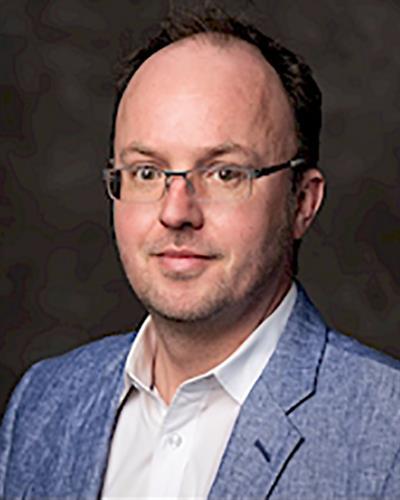
Jyrki Nummenmaa is a Professor at the Faculty of Information Technology and Communication Sciences, Department of Computing Sciences at Tampere University. He holds an ORCID ID (0000-0002-7476-7840) and can be contacted via jyrki.nummenmaa@tuni.fi. His research focuses on data mining, machine learning, natural language processing, and database systems. Key research interests include computational methods for analyzing political language, RDF graph processing, ethical AI security systems, and sequential pattern mining. He has collaborated extensively with researchers such as Peltonen J., Zimina E., and Duan L. Recent publications (2022–2024) emphasize interdisciplinary applications like parliamentary discourse analysis and transparent question-answering systems. He has edited conference proceedings and contributed to over 100 peer-reviewed works since 1992. His work spans theoretical advancements (e.g., fair neighbor embeddings, nonparametric graph embeddings) and applied solutions (e.g., bus delay analysis, health-e-living simulations). Notable projects include TraQuLA for RDF querying and PiHVI for forum posting analysis.
Daniel Garijo is an Associate Professor at the Artificial Intelligence Department of the Faculty of Computer Science, Universidad Politécnica de Madrid (UPM). He is a researcher at the Ontology Engineering Group and collaborates with the Information Sciences Institute at the University of Southern California. His research focuses on e-Science and the Semantic Web, emphasizing the understandability of research software and computational workflows through provenance tracking and Linked Data exposure . Key areas include FAIR principles, ontology engineering, and automated metadata extraction. Recent publications analyze FAIR software assessment metrics LLM applications for ontology engineering semantic artefact lifecycle optimization carbon emissions transparency RDF-star data integration His work bridges open science with practical standardization efforts in research software. He contributes to the Ontology Engineering Group at UPM, develops open-source tools (RO-Crate, SoMEF), and maintains semantic repositories via Github and ORCID .
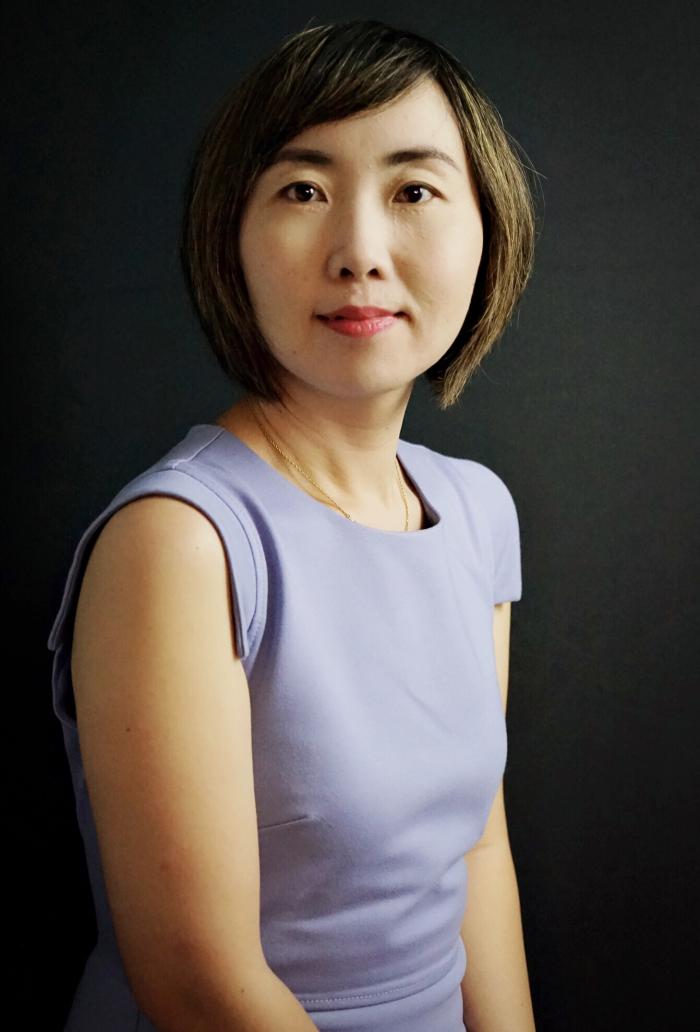
Maggie Xiaoyang Chen is a Professor of Economics and International Affairs at George Washington University (GWU), serving as a full-time faculty member. She has held roles such as Director of the Institute for International Economic Policy at GWU and is a co-editor of the journal Economic Inquiry . Previously, she worked as an economist at the World Bank’s Research Department and served as a consultant for institutions like the World Bank, International Finance Corporation, and U.S. Congressional Budget Office. Her expertise spans international trade , foreign direct investment , and regional trade agreements , with a focus on multinational firms and digital globalization. She holds a Ph.D. in Economics from the University of Colorado, Boulder. Chen’s research explores themes such as the impact of digital technologies on global trade, market congestion on e-commerce platforms, and the role of reputation systems in cross-border transactions. Her work frequently bridges theoretical economics with policy applications, analyzing how infrastructure (e.g., Belt and Road Initiative) and institutional frameworks shape investment and trade patterns. Her articles highlight trends in global economic integration, including the effects of multinational firms on productivity, the strategic responses of local businesses to foreign competition, and the historical evolution of intellectual property regimes. While no specific awards are listed, her extensive publications and policy engagements reflect her contributions to international economic policy. In teaching, she instructs courses such as International Trade Theory and Policy and Advanced Topics in International Trade , reflecting her commitment to educating future policymakers and economists.
E. Charles Sykes is the John Wade Professor of Chemistry at Tufts University's School of Arts & Sciences, with a joint appointment in Chemical and Biological Engineering. He leads the Sykes Lab at 62 Talbot Avenue, where his team investigates surface chemistry phenomena using scanning probe microscopy techniques. His educational background includes a PhD in Chemistry from the University of Cambridge (2002) and a BS/MS in Chemistry from the University of Oxford (1998). Research focuses include: Physical chemistry of catalytic surfaces Design of single-atom alloy catalysts Molecular motor systems and nanoscale motion Chiral surface phenomena Radiation effects in nanomaterials Self-assembled molecular systems His recent publications demonstrate consistent focus on catalyst design principles, with 2023-2025 works emphasizing single-atom alloys, surface restructuring phenomena, and reaction selectivity control in heterogeneous catalysis. Major scientific recognition includes: ACS Catalysis Lectureship (2019) Fellow of AVS (2018) Fellow of Royal Society of Chemistry (2015) He currently advises 6 graduate students and 2 undergraduates, while securing research funding from NSF, NIH, and DOE for projects including: Atomic-scale catalyst design (NSF) Low-energy electron nanomaterials (NIH) Mesoscale catalytic architectures (DOE) The Sykes Lab develops cutting-edge instrumentation for studying surface reactions and molecular motion, with applications in energy conversion and nanomedicine.
Professor Mahdi Jalili is a faculty member at the School of Engineering, RMIT University, Australia. His research focuses on complex networks, dynamical systems, control systems, graph theory, and machine learning applications. He actively supervises research students in areas such as vehicle-to-home (V2H) technology, AI-driven sustainability solutions, and smart grid optimization. His work integrates theoretical frameworks with practical applications in energy systems, transportation, and data analytics. Education: Not explicitly detailed in the text. Research interests include network control, machine learning for energy analytics, and the integration of renewable energy systems. His recent projects address challenges in electric vehicle infrastructure, grid stability, and distributed energy resource management. Collaborations focus on advancing smart grids and sustainable urban transportation systems. Publications span journals like Expert Systems with Applications and IEEE Transactions , covering topics from graph neural networks to grid-forming inverter placement. His work emphasizes interdisciplinary solutions for modern energy and transportation challenges.
Yabo Niu is an Assistant Professor and Presidential Frontier Faculty in the Department of Mathematics at the University of Houston, with a joint appointment in the Department of Health Systems & Population Health Sciences within the Tilman J. Fertitta Family College of Medicine. They hold a Ph.D. in Statistics from Texas A&M University (2019) and a B.S. in Statistics from Nankai University, China (2013). Their research focuses on Bayesian statistical methods, including graphical models, nonparametric approaches, variable selection, and tree-based regression/classification techniques. Recent contributions include the 2024 JASA Reproducibility Award-winning paper on covariate-assisted Bayesian graph learning for heterogeneous data. Dr. Niu has developed novel methodologies in network modeling and hybrid estimation techniques (e.g., EPSOM-Hyb). Their work bridges statistical theory with applications in health systems, neuroscience, and genomics. In 2024, they introduced a new Bayesian Statistics course (MATH 6397) at the University of Houston. Education: Ph.D. in Statistics, Texas A&M University (2014–2019) B.S. in Statistics, Nankai University (2009–2013) Research Highlights: Developed robust high-dimensional network modeling frameworks Advanced Bayesian approaches for heterogeneous data integration Investigated astrocyte structural plasticity using machine learning Teaching: Bayesian Statistics course (Spring 2024) Current research emphasizes integrating omics data and advancing reproducible statistical practices. Dr. Niu’s group includes postdoctoral researchers like Ji Shi (jointly supervised with Demetrio Labate and Peng Zhao).
Sakari Kauppinen is a Professor at the Department of Clinical Medicine, Faculty of Medicine, Aalborg University. His research focuses on microRNA biology, therapeutic applications, and their roles in diseases such as cancer, neurodegeneration, and metabolic disorders. He leads projects like the 2024 initiative exploring microRNA-22’s role in Duchenne Muscular Dystrophy. Notable contributions include pioneering microRNA-targeted drugs and advancing antisense oligonucleotide technologies. His work spans from basic RNA mechanisms to clinical translation, with collaborations in drug development and biomarker discovery. Kauppinen’s team is part of the Center for RNA Medicine, emphasizing interdisciplinary research in RNA-based therapies. Education details are not explicitly stated, but his career reflects advanced expertise in molecular biology and pharmacology. Key research interests include RNA interference mechanisms, microRNA regulatory pathways, and their modulation in disease contexts. He has authored over 70 publications, including seminal reviews on microRNA therapeutics and patents for innovative nucleic acid compounds. Media highlights include discussions on RNA medicine’s potential post-Nobel recognition and contributions to grants like the Novo Nordisk Foundation funding. Labs/Teams: Active member of the Center for RNA Medicine at Aalborg University. Collaborative projects involve institutions globally, focusing on translational RNA research.
Dr. Yingke Chen is an Associate Professor at the Department of Computer and Information Sciences, Northumbria University. He holds a PhD in Computing Science from Aalborg University (Denmark) and has conducted postdoctoral research at Queen’s University Belfast (UK) and Georgia University (USA). His research focuses on Artificial Intelligence, particularly machine learning, multiagent systems, and formal methods such as model checking. He has secured over £1.3M in Innovate UK grants, collaborating with industries in transportation, logistics, autonomous systems, and e-commerce to apply AI and data science for business growth. Education: PhD in Computing Science (Aalborg University, 2013). Key research areas include machine learning applications, formal verification, and data-driven decision-making. He has published in top venues like Journal of AI Research, AAMAS, AAAI, and IJCAI. Collaborations involve projects with businesses to address real-world challenges, emphasizing practical solutions through theoretical advancements. His work spans anomaly detection, autonomous systems, and cross-domain data analysis. He is open to supervising PhD students and engaging with media inquiries. Research Grants: Over £1.3M in Innovate UK funding (PI/Co-I). Industry Partnerships: Transportation, logistics, autonomous underwater vehicles, education, and e-commerce sectors. Labs/Teams: Actively involved in interdisciplinary teams applying AI to industrial challenges, though specific lab names are not mentioned.
Longzhi Yang is a Professor at Northumbria University’s Department of Computer and Information Sciences, currently serving as Director of Education. He holds a PhD in Computing Science from Aberystwyth University (2011) and has extensive research experience in Artificial Intelligence, Robotics, Cybersecurity, and Manufacturing. His work emphasizes real-world applications under uncertain environments, supported by grants from EPSRC, Innovate UK, and industry partners. Research interests include Computational Intelligence, Machine Learning, Cybersecurity, Robotics, Planning/Scheduling, and Additive Manufacturing. Recent projects focus on energy storage systems, fuzzy logic control, and data-driven robotic systems. He has organized major conferences like the UK Workshop on Computational Intelligence and the IEEE ICMLA. Publications span topics such as reinforcement learning for EVs, fuzzy neural networks, and cybersecurity frameworks. Awards include the Best Paper Award at UKCI 2018 and 2016. He actively supervises PhD students and leads interdisciplinary initiatives like the COVER project for emergency response drones and 3D-printed furniture manufacturing. Education: PhD in Computing Science (Aberystwyth University, 2011) Funding: EPSRC, ESRC, Innovate UK, RAEng Grants: 4 active/funded projects including smart manufacturing and emergency response systems Labs/Teams: Involved in robotics, cybersecurity, and intelligent manufacturing research groups
Prof. Dr. Angela Stevens is a Full Professor in Applied Mathematics at the University of Münster, Germany, leading the Applied Analysis group within the Institute for Analysis and Numerics. She is an Investigator in the Cluster of Excellence Mathematics Münster and holds an honorary position at the University of Leipzig. Her research focuses on applied analysis, nonlinear partial differential equations, mathematical modeling in biology, and interacting particle systems. Notable contributions include work on chemotaxis, cell motility, and regeneration processes in organisms like planarians. Education & Awards : Stevens earned her PhD in Mathematics from the University of Heidelberg (1992) and won the SIAM Student Paper Competition in 1992. She has held visiting positions at institutions such as the University of Minnesota, Hokkaido University, and Stanford University. Research Interests : Her work bridges theoretical analysis with biological applications, emphasizing mathematical models for cell behavior, pattern formation, and epidemiology. Key areas include taxis-driven dynamics, free boundary problems, and multi-scale processes in biological systems. Awards & Recognition : In addition to the SIAM award, her leadership in interdisciplinary research has been recognized through visiting professorships and contributions to collaborative networks like Cells in Motion and CeNoS. Grants & Collaborations : She leads research projects in Mathematics Münster and collaborates internationally on topics like PDEs and stochastic systems. Her work on the mathematical modeling of planarian regeneration highlights her innovative approach to biological problems. Labs & Teams : Stevens oversees the Applied Analysis research group, which actively contributes to the Mathematics Münster cluster and hosts events like the Workshop on Cell Dynamics and Mathematical Modeling (2023).
Adrianus van Duin is a Distinguished University Professor at Pennsylvania State University, holding joint appointments in Mechanical Engineering, Chemical Engineering, Engineering Science and Mechanics, Chemistry, and Materials Science and Engineering. He leads the Materials Computation Center and specializes in developing and applying the ReaxFF reactive force field for simulating chemical and physical interactions in materials and molecules. His work spans catalysis, combustion, nanomaterials, and environmental chemistry. Van Duin has held prestigious fellowships, including the Marie Curie and Royal Society awards, and has contributed over 70 publications. His research integrates computational methods with experimental validation, focusing on applications like fuel cells, corrosion, and energy storage. Education: Ph.D. in Chemistry, Delft University of Technology, Netherlands (1996) M.Sc./B.Sc. in Chemistry, University of Amsterdam, Netherlands (1986-1991) Research Interests: ReaxFF development and integration into computational tools like ADF/BAND Water/metal oxide interactions and surface catalysis Combustion chemistry and reaction mechanism derivation Material degradation and corrosion mechanisms Environmental applications, including carbon mineralization Recent Trends in Articles: Recent work emphasizes ReaxFF applications in 2D materials (e.g., graphene, MoS₂), energy systems (hydrogen storage, batteries), and environmental remediation (PFAS removal). Simulations frequently address interfacial chemistry and phase transitions under extreme conditions. Awards: Marie Curie Research Fellowship (1997-1999) Royal Society Fellowship (1999-2002) Named Distinguished University Professor at Penn State Grants & Labs: Leads the van Duin Group, collaborating with over 80 academic institutions globally. Active in NSF-funded initiatives and industry partnerships (e.g., SCM, NASA/AMES). Current projects include ReaxFF workshops, code distribution, and experimental-computational synergy in material design. Labs/Teams: Directs the Materials Computation Center and oversees interdisciplinary collaborations across departments at Penn State.
Rossana Mastrandrea is an Assistant Professor at IMT Institute for Advanced Studies Lucca, affiliated with the AXES research unit. Her work integrates methods from mathematics, economics, and complex systems to study economic, social, and biological networks. Research Interests: Her primary fields include Complex Networks, Health Economics, Environmental Economics, Game Theory, and Behavioural Economics. She applies Graph Theory, Statistical Physics, and Agent-Based Modeling to understand macroeconomic networks, innovation diffusion, and human behavior dynamics. A significant focus is on pharmaceutical innovation, particularly mRNA vaccine development through patent citation analysis, and on modeling pro-environmental behavior using evolutionary game theory and peer effects. Recent Research Trends: Her recent publications (2025–2010) reveal a consistent trajectory in network science applied to economic systems. The work increasingly integrates behavioral and cognitive dimensions into network models, with a growing emphasis on health and environmental policy implications. The use of interdisciplinary methodologies—especially from physics and biology—is a hallmark of her approach. Scientific Projects: Local Coordinator, PRIN Project (2023–2025): "The Role of the Public and Private Sectors in Pharmaceutical Breakthrough Innovations (3PBI)" Former member, INET Project: "Empirical and theoretical analysis of macroeconomics networks" Visiting Fellow, Lorenz Institute of Theoretical Physics, Leiden Advising and Grants: While no formal students are listed, her leadership in the PRIN project indicates mentoring and team coordination responsibilities. She has secured competitive research funding through national (PRIN) and international (INET) programs, supporting interdisciplinary work at the intersection of economics, physics, and biology. Labs and Research Groups: She is actively involved with the AXES research unit at IMT Lucca and previously collaborated with the research group of Prof. Garlaschelli at the Lorenz Institute. Her work is embedded in the broader complexity science community, as evidenced by participation in events like the Econophysics Colloquium and CSH Workshop.
Neil E. Kay, M.D., is a Professor of Medicine at Mayo Clinic in Rochester, Minnesota, where he serves as a Consultant in the Division of Hematology, Department of Internal Medicine, with a joint appointment in the Department of Immunology. His research is focused on chronic lymphocytic leukemia (CLL), particularly its biological and clinical heterogeneity, tumor microenvironment, B-cell signaling, and genomic evolution. Primary Appointment: Consultant, Division of Hematology, Department of Internal Medicine Joint Appointment: Consultant, Department of Immunology Academic Rank: Professor of Medicine Location: Mayo Clinic, Rochester, MN Dr. Kay has established a nationally recognized CLL tissue bank and clinical database that supports extensive translational and basic research. He collaborates with leading scientists at Mayo Clinic and beyond, including experts in immunology, pathology, epidemiology, and biostatistics. His research interests include: B-chronic lymphocytic leukemia (CLL) Tumor microenvironment and stromal interactions B-cell biology and signaling Genomic and epigenomic analysis of CLL clones Clonal evolution and risk stratification Development of novel therapies and clinical trials Recent publications reveal a strong focus on genomic characterization of CLL, particularly in underrepresented populations, mechanisms of therapy resistance, Richter transformation, and innovative approaches such as CAR-T cell modulation. His work increasingly integrates whole-genome sequencing, epidemiological data, and clinical trial outcomes to improve patient prognosis and personalize treatment. Scientific awards and leadership roles include: Member, Leukemia Steering Committee, National Cancer Institute Chairman, CLL Steering Committee, National Cancer Institute Member, Leukemia Core Committee, Eastern Cooperative Oncology Group Member, External Advisory Group (CLL), MD Anderson Cancer Center Section Editor, Leukemia Dr. Kay leads multiple active research grants from the National Cancer Institute and U.S. Army, focusing on predicting clinical outcomes and enhancing CAR-T cell safety. He has mentored numerous researchers and contributed over 500 peer-reviewed publications. His work is central to advancing understanding and treatment of CLL, with a vision toward curative strategies. He is involved in several laboratories and research programs at Mayo Clinic, including the Mayo Clinic Comprehensive Cancer Center, the Developmental Therapeutics Program, and collaborative networks such as the Eastern Cooperative Oncology Group and the CLL Working Group at the National Cancer Institute.