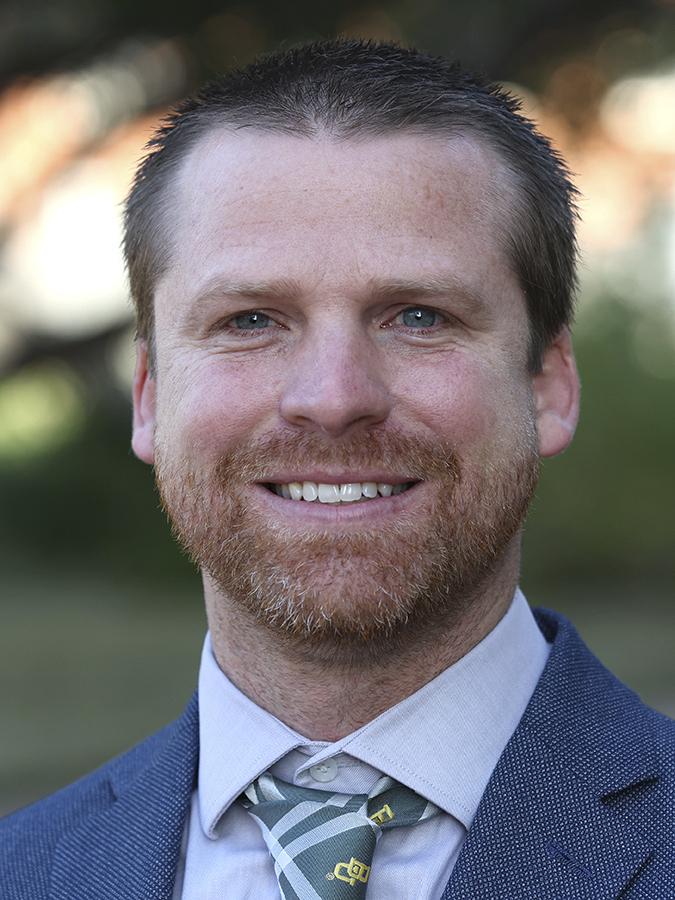
Russell Richardson is a tenured Professor at the University of Utah , holding joint appointments in the Department of Internal Medicine (Division of Geriatrics) and the Department of Exercise and Sport Science . He directs the Utah Vascular Research Laboratory (UVRL) at the Salt Lake VA Medical Center. Education: Fellowship (University of California San Diego), Doctoral Training (University of Utah), PhD (Colorado State University), MS (Loughborough University), PGCE (West London Institute of Higher Education) His research focuses on oxygen transport from air to tissue , with a current emphasis on the link between vascular and skeletal muscle function , particularly how oxidative stress regulates skeletal muscle metabolism and vascular control. He has authored numerous studies on aging, vascular dysfunction, and exercise hemodynamics. Recent publications highlight work on mitochondrial respiration, passive limb movement techniques, antioxidant interventions, and age-related vascular decline. His lab employs both in vivo and ex vivo methodologies to investigate these mechanisms. Collaborations span clinical and physiological domains, including studies in chronic obstructive pulmonary disease (COPD), heart failure, and breast cancer. His work integrates gerontology , exercise physiology , and vascular biology . Notable affiliations include the Salt Lake VA Medical Center and contributions to understanding the interplay between physical activity, aging, and vascular plasticity.
Eva Gerdts is a Professor at the Clinical Institute 2, University of Bergen, and is affiliated with Haukeland University Hospital. She is a Member of the Norwegian Academy of Sciences and leads the Bergen Hypertension and Cardiac Dynamics Group. Her work is central to the Center for Research on Heart Disease in Women, established in 2020 with support from the Heart Foundation, Bergen Women's Health Association, and the Grieg Foundation. University: University of Bergen Affiliation: Clinical Institute 2 Research Group: Hypertension and Cardiac Dynamics Center: Center for Research on Heart Disease in Women Email: eva.gerdts@uib.no Her research focuses on heart disease in women , particularly as influenced by hypertension, aortic valve stenosis, obesity, and autoimmune diseases. She investigates sex-specific differences in cardiac strain, arterial stiffness, and myocardial remodeling. Her work emphasizes how male-based data cannot be extrapolated to women, advocating for gender-specific cardiovascular guidelines. Her recent publications span population studies like the Tromsø and Hordaland Health Surveys, clinical trials, and international collaborations. Key trends include sex differences in hypertension outcomes , cardiac effects of bariatric surgery , cryptogenic stroke in young adults , and inflammatory markers in autoimmune diseases . Her research integrates echocardiography, longitudinal data, and public health implications. Scientific recognition includes: Member of the Norwegian Academy of Sciences National Heart Association's Heart Research Prize 2022 She supervises multiple PhD and Master’s students, including Ester Kringeland, Sahrai Saeed, and Arleen Aune. She leads the PhD course NORHEART901 in Cardiovascular Imaging and teaches in medical education on hypertension, cardiac ultrasound, and women's heart health. Her research is supported by large-scale population studies and clinical collaborations, particularly through the NOR-SYS and SECRETO projects. She also organizes professional education on valvular disease and dyspnea. She leads or collaborates with several research teams: Bergen Hypertension and Cardiac Dynamics Group Center for Research on Heart Disease in Women NOR-SYS (Norwegian Stroke in the Young Study) SECRETO (Searching for Explanations for Cryptogenic Stroke in the Young) FATCOR Study (Fitness, Adiposity, and Cardiovascular Risk)
Xiaobo Li is a Professor in the Department of Bio-Medical Engineering at New Jersey Institute of Technology. Holding a Ph.D. in Computer Aided Geometric Design from the University of Birmingham and a B.S. in Automation from Nanjing University of Aeronautics, their research bridges computational methods with neuroimaging and psychiatric disorder analysis. Ph.D., University of Birmingham (Computer Aided Geometric Design, 2004) B.S., Nanjing University of Aeronautics (Automation, 1999) Dr. Li’s work focuses on applying machine learning and graph theory to understand brain network abnormalities in conditions like ADHD , schizophrenia , and traumatic brain injury . Their studies analyze structural-functional connectivity , reward processing , and gut-brain axis interactions using fMRI , fNIRS , and diffusion tensor imaging . Recent publications highlight their development of tools like the GAT-FD MATLAB toolbox for brain network analysis and their exploration of multimodal MRI in schizophrenia diagnosis. They also investigate the neurobiological effects of photobiomodulation and vision therapy interventions.
Mohamed Farhat is a Senior Scientist at EPFL's School of Engineering, Department of Mechanical Engineering, where he leads the Research Group on Cavitation and Interface Phenomena. He serves as PhD Director, Lecturer, and Member of EPFL Doctoral Committee (Mechanics), while also representing EPFL at CLUSER association and coordinating activities at the Société Hydrotechnique de France (SHF). His research expertise spans Cavitation & Multiphase flows, Flow Induced Noise & Vibration, Fluid-Structure Interaction, Flow control, Flow instabilities in hydro turbines and pumps, Condition monitoring of Hydraulic Machines, Hemodynamics, and Advanced Instrumentation in Fluid Dynamics. Farhat's work uniquely bridges fundamental fluid mechanics with practical applications across hydropower, marine propulsion, healthcare, and water management sectors. Analysis of his recent publications reveals strong focus on cavitation bubble dynamics, with particular emphasis on measurement techniques for collapsing bubbles, vortex shedding control, hydrodynamic monitoring of hydraulic machinery, and biomedical applications of cavitation phenomena. His work increasingly integrates advanced imaging techniques with computational modeling to understand complex multiphase flow phenomena. 2021: Life Sciences Book Award of the International Academy of Astronautics 2019: 1st Prize Winner of Scientific Image Contest (Swiss National Science Foundation) 2020: EPFL-Rhyming Prize (Best PhD thesis in Fluid Mechanics) 2018: EPFL-EDME Prize (Best PhD thesis in Mechanics) 2015: Edmund Optics Educational Award 2014: APS-DFD Gallery of Fluid Motion Award Farhat has successfully supervised numerous PhD students including Ali Amini, Philippe Ausoni, and Outi Supponen, with research spanning from fundamental bubble dynamics to practical hydraulic machinery applications. His Cavitation Research Group maintains strong collaborations with industry partners in hydropower and medical device sectors. Current research directions include advanced instrumentation for cavitation monitoring, condition-based maintenance of hydraulic machinery, and biomedical applications of cavitation phenomena in therapeutic ultrasound and drug delivery.
Philippe Moireau is a Full Professor in the Department of Applied Mathematics at École Polytechnique, where he is also affiliated with the Center for Applied Mathematics (CMAP). He serves as the head of the Inria Project-Team MΞDISIM (Mathematical and Mechanical Modeling with Data Interaction for Simulation in Medicine) and holds the distinguished position of Ingénieur Général of The Corps des Mines. His primary research focuses on inverse problems and data assimilation for partial differential equation models, with particular emphasis on: Observer-based methods from optimal control perspectives Stabilization approaches for evolution equations Numerical analysis of time-dependent control problems Digital twin applications in cardiovascular medicine Professor Moireau's publication portfolio demonstrates consistent focus on mathematical methods for physical systems, with recurring themes in: Data assimilation techniques for PDE-based models Numerical stabilization and discretization methods Cardiovascular biomechanics and hemodynamics Stochastic modeling of biological systems Epidemiological forecasting and control He leads the ANANKΞ project-team at Inria focused on Analysis And Numerics of physical-Knowledge-based Estimation. His educational contributions include lectures on data assimilation theory at CEMRACS and courses on mathematical modeling in cardiac biomechanics at Institut Polytechnique de Paris.
Dr. Alexander Breuss is part of the Sensory-Motor Systems Professorship at ETH Zürich, focusing on developing innovative robotic and sensor technologies for medical applications, particularly in sleep disorder treatment and home healthcare. His work integrates biomedical engineering, robotics, and machine learning to address challenges in sleep medicine and cardiovascular diagnostics. Key projects include the Somnomat Care robotic bed for vestibular stimulation and the Somnomat Casa system for nocturnal interventions. His research spans sensorized devices for sleep monitoring, clinical trials for rhythmic movement disorders, and cardiovascular disease prognosis using imaging and hemodynamic analysis. Dr. Breuss collaborates on interdisciplinary projects, combining engineering and clinical insights to advance healthcare technologies. His research interests include the design of medical devices for home environments, non-invasive monitoring systems, and closed-loop robotic systems for therapeutic applications. Notable contributions include lightweight wearable sensors for movement disorders and automated sleep position classification using neural networks. He has published extensively on topics such as pleural effusion in aortic stenosis and ECG-based cardiac prognosis, highlighting his cross-disciplinary approach to biomedical challenges. No scientific awards are explicitly mentioned for Dr. Breuss. His work is centered at the Sensory-Motor Systems Lab, where he contributes to advancing technologies that improve patient care and sleep quality through robotics and sensor innovation.
Scott A. Huettel is a Professor in the Department of Psychology and Neuroscience at Duke University, where he also serves as Senior Associate Dean for Research in Trinity College of Arts & Sciences. He holds additional appointments as Professor of Neurobiology and Professor in Psychiatry and Behavioral Sciences. As a Bass Fellow, Huettel leads research in decision neuroscience and neuroeconomics, with affiliations spanning multiple Duke research centers including the Center for Brain Imaging and Analysis, Duke Institute for Brain Sciences, and Center for Cognitive Neuroscience. Huettel's research focuses on the brain mechanisms underlying economic and social decision making. His laboratory uses fMRI to probe brain function, behavioral assays to characterize individual differences, and various physiological methods including eye tracking, pharmacological manipulation, and genetics to link brain and behavior. His work has advanced new analysis methods for fMRI data, including functional connectivity analyses, pattern classification, and combinatoric multivariate approaches. His research spans applications in behavioral economics, consumer decision making, and neuroethics. Huettel's recent publications demonstrate a strong focus on social decision making, risk assessment, and the neural mechanisms of economic choices. His work increasingly integrates computational approaches with traditional neuroimaging to better understand how people process information during decision making. His research has significant implications for understanding financial behavior, health decisions, and social interactions across the lifespan. Education in Neuroimaging Award from the Organization for Human Brain Mapping (2021) 2014 Innovation Award from the Social and Affective Neuroscience Society (2013) Bass Fellow for Excellence in Research and Teaching (2012) Jerry G. and Patricia Crawford Hubbard Professorship at Duke University (2012) Top 5% undergraduate instructor in Arts & Sciences at Duke (2010) Dean's Award for Excellence in Mentoring from Duke University Graduate School (2010) Huettel actively mentors students and has trained numerous postdoctoral and graduate researchers who now lead their own laboratories. He is lead author of the textbook Functional Magnetic Resonance Imaging (3rd edition, 2014) and teaches courses including Fundamentals of Decision Science, Decision Neuroscience, and Neuroethics. His research is supported by multiple grants from NIH and other funding agencies, focusing on mechanisms of social behavior, aging, and neuroimaging technology development. Huettel directs a productive research laboratory that integrates multiple methodologies to investigate decision processes. His team combines fMRI, eye tracking, behavioral testing, and computational modeling to examine how people make economic and social choices. The lab has made significant contributions to understanding how attention, risk, and social context influence decision making across different populations including adolescents, older adults, and clinical populations.
Jakob Körbelin is a Principal Investigator at the University Medical Center Hamburg-Eppendorf (UKE), affiliated with the Faculty of Medicine and the II. Medical Clinic and Polyclinic. His research focuses on vascular biology, gene therapy, and neurological disorders, particularly targeting the blood-brain barrier using adeno-associated viral (AAV) vectors. He leads studies on pulmonary hypertension, neurovascular interactions, and genetic diseases like Niemann-Pick type C2. His work bridges basic science and translational medicine, emphasizing AAV engineering and therapeutic applications. Key research interests include endothelial cell biology, neuroinflammation, and the pathophysiology of vascular diseases. Notably, he received the UCCH Hubertus Wald Young Investigator Award 2013 for his contributions. His lab explores mechanisms of vascular dysfunction, gene delivery optimization, and the impact of viral vectors in treating rare diseases. Collaborations span molecular neurobiology, immunology, and translational oncology. Publications highlight breakthroughs in AAV-mediated therapies, such as reversing neurodegeneration in NPC2 models and identifying novel targets for pulmonary hypertension. Ongoing projects address microvascular brain pathology in SARS-CoV-2 infection and the role of transcription factors in vascular diseases.
Dr. Cory Smith is an Assistant Professor in the Department of Health, Human Performance, and Recreation at Baylor University, where he directs the Human & Environmental Physiology Laboratory. His applied physiology research focuses on neurophysiological assessment methodologies, extreme environment adaptations, and sensor-based physiological monitoring systems. Current projects examine neuromuscular disease diagnostics, warfighter performance optimization, and cognitive-physiological responses in austere environments through translational research approaches. Primary research interests include: Aerospace/environmental physiology : Investigating human responses to hypoxia, cold, and gravitational stressors Neurophysiological monitoring : Developing fNIRS/EMG methodologies for clinical and tactical applications Sensor data fusion : Integrating multimodal physiological signals for performance assessment Muscle fatigue mechanisms : Studying neuromuscular adaptations during exertion under environmental constraints Analysis of recent publications (2022-2025) reveals dominant themes in neurophysiological monitoring techniques (particularly fNIRS applications), environmental stressor impacts on human performance, and rehabilitation physiology. Research consistently bridges clinical applications (neuromuscular diseases, cerebral palsy) with tactical performance optimization (marksmanship, combat fitness). Methodological innovations in EMG signal processing and hypoxia protocols form significant technical throughlines. Dr. Smith leads a research team collaborating with clinical practitioners to translate physiological insights into practical interventions for military personnel, occupational workers, and clinical populations.
Joohyun Rhee, PhD, is an Instructional Assistant Professor in the Department of Environmental and Occupational Health at Texas A&M University. Her work bridges neuroscience, kinesiology, and human factors research. PhD in Kinesiology (Motor Neuroscience), Texas A&M University (2015) BS in Information and Communication Engineering, Myungji University (1999) Dr. Rhee's research examines neurophysiological aspects of movement, focusing on aging/obesity-related movement disorders and how physical activity and sleep influence cognitive-motor performance. Teaching interests include neuroergonomics and human factors in occupational health. Recent publications highlight her expertise in neuromuscular fatigue (via fNIRS and EEG), motor sequence learning, gender-specific responses to stress, and sleep quality improvements through ergonomic interventions. Studies span applications in offshore work safety, gaming neurophysiology, and motor consolidation mechanisms. Contact: rhee@tamu.edu | Office: College Station, TX
Kenneth A. Barbee is a Professor and Senior Associate Dean for Research at the School of Biomedical Engineering, Science and Health Systems at Drexel University . His research focuses on cellular biomechanics, particularly the response of neural and vascular tissues to mechanical loading and trauma. Education : PhD in Bioengineering from University of Pennsylvania (1991), MS in Bioengineering from University of Pennsylvania (1988), BS in Engineering Science and Mechanics from University of Tennessee (1986) Barbee's research explores mechanotransduction in the cardiovascular system, including how endothelial cells respond to shear stress and vascular smooth muscle cells adapt to cyclic stretching. He employs advanced techniques such as Atomic Force Microscopy (AFM) , Computational Fluid Dynamics (CFD) , and fluorescence microscopy in his work. His studies also address cellular injury criteria under traumatic loading conditions to aid protective equipment design and therapeutic evaluation. Publications highlight his contributions to understanding shear stress gradients in atherogenesis, calcium signaling in endothelial cells, and deformation models for vascular smooth muscle. These works span disciplines including biomechanics , cell biology , and bioengineering .
Dr. Yves Boubenec is an Associate Professor at École Normale Supérieure (ENS)-PSL University, Paris, France. He serves as Head of the LSP Neuro Platform and Director of Studies at the Department of Cognitive Studies. Academic Rank: Associate Professor Institution: ENS-PSL Departments: Cognitive Studies (ENS), LSP Neuro Platform Email: yves.boubenec@ens.psl.eu Research Focus: Boubenec investigates neural mechanisms of auditory perception and cognition using integrated methodologies spanning single-neuron electrophysiology to large-scale neuroimaging. His work reveals how context, learning, and multisensory interactions shape sound encoding in mammalian neocortex. Primary Research Themes Context-dependent auditory encoding Perceptual attention mechanisms Task-driven neural plasticity Self-supervised learning models Population-level cortical dynamics Human/ferret auditory comparisons Publication Trends: Recent work (2024-2025) examines speech production networks, premotor auditory categorization, and algebraic structures in sound learning. Earlier studies (2018-2022) focus on population gating, hierarchical auditory coding, and self-voice mechanisms. 2025 Self-voice frequency analysis Hierarchical ferret auditory cortex mapping Temporal window constraints 2024 Premotor category hemodynamics Self-supervised sound structures Human speech cortical encoding Methodological Expertise: Combines awake ferret functional UltraSound, Neuropixels recordings, and computational modeling to analyze neural representations across spatial scales. Specializes in translating animal model findings to human auditory processes.
Joseph van Batenburg-Sherwood is a Lecturer in Biofluid Mechanics at Imperial College London's Department of Bioengineering (Faculty of Engineering). He leads the vBS Lab and holds a Royal Academy of Engineering Research Fellowship (2017–2022). His research focuses on biofluid dynamics, particularly in microvascular diseases, intraocular pressure regulation, and ventilator design for resource-limited settings. Education: MEng in Mechanical Engineering, King’s College London (2005–2009) PhD in Biofluid Dynamics, University College London (2009–2013) Research interests include experimental techniques for microscale biological flow analysis, with specializations in: Red blood cell dynamics in microvascular diseases Aqueous humor flow mechanics in glaucoma Ventilator design optimization Benchtop perfusion systems (e.g., iPerfusion) Publications emphasize translational research in ocular fluid dynamics and medical device innovation. Notable contributions include consensus guidelines for outflow facility measurement protocols and MMP-3-based glaucoma therapies. Advising: No listed advisees. Grants: Unspecified in provided text. Labs: vBS Lab at Imperial College London's White City Campus.
Gregory Dick, PhD, is a Research Professor in the Department of Physiology & Anatomy at the University of North Texas Health Science Center's College of Biomedical and Translational Sciences. His research focuses on ion channel regulation in coronary arteries, particularly how potassium channels control vascular tone under normal and pathological conditions (e.g., obesity, diabetes). He has led multiple NIH-funded projects exploring coronary vascular dysfunction and metabolic signaling. Education: Bachelor of Science in Physiology, Oklahoma State University Doctor of Philosophy in Physiology, University of Missouri Research Interests: Electro-metabolic signaling in coronary vasodilation Role of K+ channels in coronary blood flow regulation Impact of metabolic syndrome and obesity on cardiovascular health Vascular smooth muscle plasticity in disease states Key Projects (2024–2026): Role of potassium as a coronary metabolic vasodilator (Principal Investigator) Disentangling the Mechanisms of Coronary Dysfunction (Co-Investigator) Grants & Funding: NIH R01 Grant: Mineralocorticoid Receptor-Dependent Coronary Vascular Dysfunction in Obesity Multiple collaborative grants with University of Michigan and University of Missouri Collaborations: Active partnerships with institutions studying coronary autoregulation, metabolic syndrome, and swine models of cardiovascular disease.
John J. Ryan is a Professor of Medicine in the Division of Cardiovascular Medicine at the University of Utah School of Medicine , specializing in General Cardiology and Pulmonary Hypertension . He holds adjunct associate professorships in Family & Preventive Medicine, Orthopaedics, and Radiology & Imaging Sciences. Dr. Ryan’s research focuses on heart failure with preserved ejection fraction , pulmonary vascular disease , and right ventricular function . His work explores statin therapy , microvascular dysfunction , and novel treatments for pulmonary hypertension . His publications emphasize cardiovascular outcomes in pulmonary hypertension, exercise physiology in heart failure, and digital health tools. He is board-certified in Advanced Heart Failure & Transplant Cardiology , Cardiovascular Disease , and Echocardiography . Clinically, he practices at the University of Utah Hospital , with consistently high patient satisfaction scores ( 4.9/5 ). His academic training includes M.D. from University College Cork , followed by residency at Boston Medical Center and fellowships at the University of Chicago Medical Center .