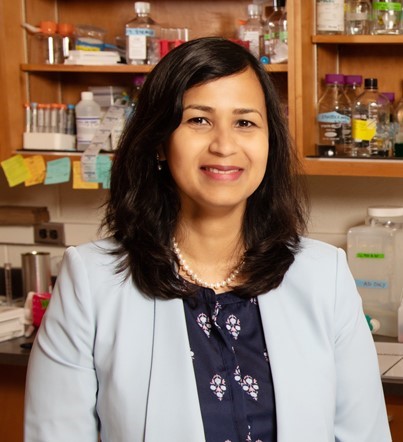
Dr. Giulia Biancon is an Assistant Professor Adjunct in the Department of Medical Oncology and Hematology at Yale School of Medicine. She holds a PhD from the University of Milan (2019) and is a member of the Halene Lab, focusing on RNA biology and hematologic malignancies. Her research combines high-throughput methodologies to study RNA mechanisms in diseases like myeloid leukemias and splicing factor mutations. Education: PhD in Molecular Biology from the University of Milan (2019). Research Interests: RNA splicing, stress granules in cancer, epitranscriptomics, clonal hematopoiesis, and the interplay between genetic mutations and cellular pathways in blood cancers. Awards: 2024 Eclipse Award, 2022 ASH Abstract Achievement Award, and 2022 RNA Society Best Poster Award. Her work has been published in journals like Cell Reports , Blood , and Molecular Cell . Labs/Teams: Principal member of the Halene Lab and coordinator at the Yale Center for RNA Science and Medicine. Collaborates with institutions like the SeroNet network for immunology studies.
Mark R. Pittelkow is a Professor of Dermatology at the Mayo Clinic, holding a primary appointment as a Consultant in the Department of Dermatology. He completed his MD at Mayo Medical School and advanced training through Mayo Graduate School of Medicine and Northwestern University. His research focuses on cutaneous lymphomas, photoprotection, and skin cancer, with leadership roles in international guidelines (ISCL/EORTC). He contributes to clinical trials, medical education, and interdisciplinary research through affiliations like the Mayo Clinic Comprehensive Cancer Center and Regenerative Biotherapeutics. Education: MD (Mayo Medical School), MS (Biological Sciences, Northwestern), BA (Northwestern University). Research spans cutaneous lymphoma classification, immunology, and translational dermatology. Notable publications address staging systems for mycosis fungoides/Sezary syndrome and photoprotection strategies. His work integrates clinical practice with molecular mechanisms, such as JAK inhibitor responses in lichen planus. Labs/Teams: Collaborates with Mayo Clinic Cancer Center and interdisciplinary groups in immunotherapy and regenerative medicine. Supervises clinical trials and postdoctoral training programs.
Andre Levchenko is the John C. Malone Professor of Biomedical Engineering at Yale University, with secondary appointments in the Department of Neurosurgery and affiliations with the Cancer Signaling Networks, Immunology, and the Yale Program in Neurodevelopment and Regeneration. His research focuses on systems biology, signal transduction, and cell-cell communication, utilizing microfluidics and computational modeling to study cancer progression, stem cell behavior, and neurological disorders. PhD, Columbia University MEng, Moscow Institute of Physics and Technology Levchenko's work explores how cells process dynamic signals to make critical decisions, particularly in glioblastoma migration, organoid development, and cardiovascular tissue engineering. His lab develops innovative microfluidic platforms and mathematical models to dissect multicellular communication and signaling networks. Recent publications highlight his contributions to understanding YAP-driven cancer invasion , NOTCH signaling in angiogenesis , and metabolic regulation of hypoxia responses . He has pioneered methods for organoid modeling and single-cell analysis , advancing precision in biological signaling studies. Scientific Awards : Computational Molecular Biology Post-Doctoral Fellowship (Burroughs Wellcome Fund) National Academies Keck Futures Conference Invitee Distinguished Guest Lecturer, University of Virginia American Asthma Foundation Early Excellence Award Fellow, American Institute for Medical and Biological Engineering Levchenko leads the Levchenko Lab at the Yale Systems Biology Institute, collaborating with institutions like Mayo Clinic and Yale Cancer Center. His research has received recognition in Faculty of 1000 and multiple journal highlights.
Kristian Helin is Chief Executive and President of The Institute of Cancer Research (ICR), London, and a Professor with affiliations at the University of Copenhagen and Memorial Sloan Kettering Cancer Center. He founded/directed the Biotech Research & Innovation Centre (BRIC), Centre for Epigenetics, and Danish Stem Cell Center. His research focuses on epigenetic regulation, cancer biology, and stem cell differentiation. Education: Ph.D. Molecular Biology, University of Copenhagen (1991) M.Sc. Chemical Engineering, Technical University of Denmark (1988) Research Interests: Helin's work deciphers molecular mechanisms in cancer, emphasizing epigenetic drivers (e.g., H3K4/H3K36 methylation), transcriptional control, and therapeutic targeting. His lab identified E2F transcription factors, linked epigenetic dysregulation to leukemia/lymphoma, and develops drugs targeting kinases/epigenetic enzymes. Research spans acute myeloid leukemia, B-cell lymphoma, and solid tumors using CRISPR screens and preclinical models. Publication Trends: Recent articles (2023-2025) focus on epigenetic therapy, chromatin remodeling, and kinase signaling in cancer. Key themes include targeting NSD1/KDM5C/RIOK2 enzymes, combination therapies (EZH2/DOT1L inhibitors), and metabolic regulation in leukemia. Studies bridge basic mechanisms (enhancer regulation, insulator accessibility) with translational applications. Awards: Anders Jahre Prize (2014), ERC Advanced Grant (2011), Novo Nordisk Prize (2008) Memberships: Academia Europaea, Royal Danish Academy, EMBO Leadership: Helin co-founded EpiTherapeutics (acquired by Gilead) and leads the Epigenetics and Cancer lab at ICR. His team investigates AML pathogenesis and chromatin complexes like HUSH/NURF. Grants include ERC funding and innovation prizes.
Mersema Abate, MD, MPH is an Associate Professor in the Department of Medicine and Science Education at the Zucker School of Medicine at Hofstra/Northwell. She also serves as Director of Advanced Clinical Experience at Northwell Health. Her research focuses on kidney transplantation outcomes, health disparities, and post-transplant glycemic control. She has published extensively on topics such as racial inequities in kidney transplant eligibility, electrolyte abnormalities in critically ill patients, and the impact of comorbidities on transplant success. Her work has been cited over 1,000 times, with notable contributions to understanding the role of race in clinical algorithms and managing infections in immunocompromised patients. Research Interests: Optimizing post-transplant metabolic control Addressing systemic disparities in organ transplantation Multimodal approaches to kidney failure management COVID-19's impact on renal and transplant medicine Publications: Her 70+ articles span peer-reviewed journals like Clinical Transplantation and Journal of the American Society of Nephrology , focusing on clinical nephrology and transplant medicine. Recent work emphasizes implementation of continuous glucose monitoring systems and re-evaluation of race-based clinical metrics. Grants/Advising: No formal grants or student advisees are currently listed in her profile.
Prof. Waldemar Kolanus leads the Molecular Immunology and Cell Biology department at the University of Bonn's Life & Medical Sciences Institute (LIMES) . His research bridges immunoregulation , stem cell dynamics , and metabolic stress responses in immune cells. Unit 2 member at LIMES Principal investigator in SFB 704 and ImmunoSensation Cluster Leads a multidisciplinary lab with postdocs, PhD students, and technical staff His work focuses on intracellular signaling pathways connecting immune activation to tissue homeostasis, particularly through: Cytohesin proteins in integrin-mediated adhesion and migration TRIM71 in stem cell regulation and congenital hydrocephalus High-salt environments affecting macrophage function Publication trends show expertise in immune cell migration , genetic models , and chemical inhibition , with frequent use of mice and zebrafish for in vivo studies. Key articles explore: TRIM71's dual role in auditory development and germ cell maintenance Cytohesin family's Golgi regulation and insulin signaling Ruxolitinib's off-target migration inhibition of dendritic cells Contact details: Address: LIMES Institute, Carl-Troll-Straße 31, Bonn Email: kolanus.sekretariat@uni-bonn.de Phone: +49 228 73-62788
Ryan M Hebert, MD, is an Assistant Professor of Neurosurgery at the Yale School of Medicine, affiliated with the Neurosurgery department. He specializes in neurovascular disorders, including open and endovascular treatments for intracranial aneurysms, arteriovenous malformations, carotid disease, and dural arteriovenous fistulas. He also focuses on interventions for ischemic and hemorrhagic strokes. His practice locations include Yale New Haven Hospital and Lawrence and Memorial Hospitals in Connecticut. Education & Training: Bachelor’s in Molecular, Cellular, and Developmental Biology from the University of Colorado – Boulder (Howard Hughes Undergraduate Research Grant recipient) MD from Yale School of Medicine (NIH-funded thesis on CCM3 in cerebral cavernous malformations) 7-year Neurosurgery Residency at Yale New Haven Hospital, including enfolded neuro-interventional training CAST-accredited fellowship in Endovascular Neurosurgery and Neurovascular Critical Care at Thomas Jefferson University Hospital (2016) Research Interests: Dr. Hebert’s work centers on emerging surgical and endovascular techniques for neurovascular disorders, risk stratification in carotid disease, vasospasm prediction/post-subarachnoid hemorrhage treatment, and outcomes of minimally invasive spine surgery. His studies often integrate clinical practice with translational research, emphasizing patient outcomes and procedural optimization. Key topics include flow diverters, cranial nerve palsies, hospital frailty risk scores, and immune mechanisms driving aneurysm rupture. Publications Trends: His recent articles emphasize clinical outcomes of endovascular procedures, stroke interventions, and immune mechanisms in aneurysm rupture. He frequently collaborates on meta-analyses and systematic reviews to evaluate treatment efficacy and complication rates, particularly involving cranial nerve recovery and thrombectomy volumes. Awards & Grants: He secured an NIH-funded thesis and a Howard Hughes Undergraduate research grant. No explicit scientific awards are listed, but his work has been recognized via peer-reviewed publications and contributions to clinical guidelines. Advising & Grants: While no students are listed, he collaborates with prominent researchers like Charles Matouk, Kevin Sheth, and Joseph Antonios on NIH-funded projects. His research addresses healthcare resource utilization and procedural volume impacts on mortality, indicating a focus on translational and clinical studies. Labs & Teams: Active in interdisciplinary teams at Yale School of Medicine, particularly in neurovascular critical care and endovascular surgery. Collaborates with the Stroke Center and Janeway Society for physician-scientist development.
Dr. Jose Perdomo is a Research Fellow at the Central Clinical School, Sydney Medical School, within the Faculty of Medicine and Health at the University of Sydney. He is based at the Charles Perkins Centre, where his research focuses on endothelial damage, immune complex-driven thrombosis, and platelet formation mechanisms. His work employs techniques such as flow cytometry, microfluidics, and intravital microscopy. Dr. Perdomo holds a PhD from the University of Sydney’s School of Molecular and Microbial Biosciences and received a Vice-Chancellor’s Fellowship. His research has led to two international patents and recognition, including 1st prize in the 2020 China Shenzhen Innovation Competition. His studies explore targeted inhibitors to prevent immune complex formation and thrombosis, with applications in cardiovascular health. His research interests include the interplay between white blood cells, endothelial cells, and platelets, with a focus on desialylation, apoptosis, and NETosis in immune thrombocytopenia. He has contributed to understanding vaccine-induced immune thrombocytopenia and thrombotic complications post-myocardial infarction. His findings have been featured in Nature Communications , Blood Advances , and other high-impact journals. Awards: 1st prize in China Shenzhen Innovation Competition (2020). Labs/Teams: Charles Perkins Centre, University of Sydney. Grants: Vice-Chancellor’s Fellowship (University of Sydney). Media Contributions: Insights into AstraZeneca vaccine-related blood clots featured in The Guardian , SMH , and ABC News.
KEMAL OZAN LÜLE is an Assistant Professor at Gaziantep University, Faculty of Medicine, Department of Internal Medicine , with an email contact at ozan@gantep.edu.tr . He holds an ORCID identifier and is registered in the YÖK Academic Information System. Education: Medical License from Dokuz Eylül University (2009–2016), Medical Specialization from Gaziantep University (2017–2021). Professional Experience: Specialist at Gaziantep Abdulkadir Yuksel State Hospital (2021–2024), General Practitioner at Arapgir Ali Özge State Hospital (2016–2017). Administrative Roles: Member of Measurement and Evaluation Board (2024), Internal Medicine Internship Education Coordinator (2024), English Medicine Assistant Coordinator (2024). His research focuses on Internal Medicine , with emphasis on Diabetes , Fatty Liver Disease , Neurocognitive Effects of diabetes treatments, Cancer Development linked to food preparation, Irritable Bowel Syndrome , and Adrenal Incidentaloma . Book Chapters: Development and Natural Course of Diabetic Fatty Liver Disease (2025), Effects of Pharmacological Agents on Neurological Functions (2023), Food Preparation Methods and Cancer (2023). He has co-authored multiple proceedings papers on topics including Temporal Arthritis , Lymphoma , Behçet’s Disease , and Fahr Syndrome , presented at national and international conferences.
Aditi Das is a Full Professor in the School of Chemistry and Biochemistry at the Georgia Institute of Technology, College of Sciences. She leads the Das Laboratory, which focuses on the biochemistry and chemical biology of lipids, particularly studying cytochrome P450 enzymes and their role in lipid metabolism, endocannabinoid systems, and inflammatory pathways. Her educational background includes: B.Sc. in Chemistry from St. Stephen's College M.Sc. in Chemistry from Indian Institute of Technology, Kanpur (I.I.T) Ph.D. in Chemistry from Princeton University Postdoctoral research at Northwestern University (NSF-NSEC fellow) and Beckman Institute for Advanced Science and Technology, University of Illinois UC Professor Das's research interests center around understanding the physiological role of lipids in sustaining homeostasis and their implications in disease states such as neurodegenerative disorders, cancer, and cardiovascular diseases. Her laboratory specializes in: Enzymology of cytochrome P450s, particularly CYP2J2 epoxygenase Metabolism of ω-3 and ω-6 fatty acids and their derivatives Minor cannabinoid metabolism by cytochrome P450 enzymes Discovery of novel anti-inflammatory lipid metabolites and endocannabinoids Mechanistic studies of membrane proteins using nanodisc technology Her work bridges biochemistry, chemical biology, and pharmacology to uncover novel therapeutic targets related to lipid signaling pathways. Analysis of Professor Das's recent publications (2023-2025) reveals a strong focus on cannabinoid metabolism by cytochrome P450 enzymes, with particular emphasis on how these metabolic processes generate bioactive compounds that interact with the endocannabinoid system. Her research increasingly explores the therapeutic potential of omega-3 derived endocannabinoid epoxides in inflammatory and neurodegenerative conditions. The use of nanodisc technology for studying membrane proteins in near-native environments remains a consistent methodological thread throughout her work, enabling detailed mechanistic insights into enzyme function. Professor Das has received numerous prestigious awards recognizing her research excellence and teaching: 2024 NIH Outstanding Researcher Award (MIRA R35) for established investigators 2024 Vasser Woolley Faculty Fellowship 2023 Plenary Lecture at the International Society of the Study of Xenobiotics (ISSX) 2021 E.L.R. Stokstad Award 2019-2021 List of Teachers Ranked as Excellent 2019 Eicosanoid Research Foundation Young Investigator Award 2019 Zoetis Research Excellence Award 2019 Mary Swartz Rose Young Investigator Award 2015 National Scientist Development Award from the American Heart Association 2022 El Sohly Award from the American Chemical Society Professor Das actively mentors a diverse group of students and postdoctoral researchers, with several former lab members now holding faculty positions or working at prestigious institutions. Her laboratory has secured significant funding from NIH, NSF, and other sources to support research on lipid metabolism, cannabinoid pharmacology, and membrane protein biochemistry. Notable grants include an NIH R35 Outstanding Investigator Award (MIRA), an NIH R21 grant from NIDA, and multiple collaborative grants with other research groups. The Das Laboratory operates within the Petit Institute of Bioengineering and Biosciences (IBB) at Georgia Tech, utilizing state-of-the-art facilities for biochemical and biophysical studies. The lab specializes in nanodisc technology to study membrane proteins in near-native environments, with particular expertise in cytochrome P450 enzymes and their interactions with lipid substrates. Recent work has expanded into collaborative projects involving lipidomics, structural biology, and translational applications of lipid signaling research.
Nancy J. Brown, M.D., is the Jean and David W. Wallace Dean of the Yale School of Medicine and holds the C.N.H. Long Professorship in Internal Medicine. Previously, she served as Chair of Vanderbilt Department of Medicine and Physician-in-Chief of Vanderbilt University Medical Center (2010–2020). Her academic career spans over three decades, with leadership roles in clinical care, research, and medical education. Education: MD, Harvard University (1986) AB in Molecular Biophysics and Biochemistry, Yale College (1981) Internship and Residency in Medicine, Vanderbilt University (1989) Fellowship in Clinical Pharmacology, Vanderbilt University (1991) Chief Resident, Vanderbilt University (1992) Research Interests: Dr. Brown’s work focuses on the renin-angiotensin-aldosterone system’s role in cardiovascular disease, hypertension, and thrombosis. Her lab has elucidated mechanisms linking aldosterone, bradykinin, and ACE inhibitors to inflammation, fibrosis, and cardiovascular risk. Current studies explore neprilysin inhibitors in heart failure and incretin-based therapies’ cardiovascular effects. Key Contributions: Identified genetic variants and African ancestry as risk factors for ACE inhibitor-associated angioedema Developed Vanderbilt’s Master of Science in Clinical Investigation program (2000) Advocated for physician-scientist development through leadership roles in NIH councils and professional organizations Recognition: Recipient of the Harriet Dustan Award, August M. Watanabe Prize, and Robert H. Williams Distinguished Chair of Medicine. Elected to the National Academy of Medicine and American Academy of Arts & Sciences. Labs/Teams: Leads the Yale School of Medicine’s cardiovascular research initiatives, focusing on translational studies of RAAS pathways and drug mechanisms.
Torben Barington is a Clinical Professor at the Department of Clinical Research, Faculty of Health Sciences, University of Southern Denmark, and a Consultant at the Department of Clinical Immunology, Odense University Hospital. He has held this position since August 2001 and continues to be actively involved in research, teaching, and clinical leadership. MD, University of Copenhagen, 1987 Doctoral Thesis (dr.med.), University of Copenhagen, 1996 Specialist in Clinical Immunology, 1998 His research focuses on cellular immunotherapy of cancer , particularly using CAR T-cell and CAR NK-cell technologies, primary immunodeficiencies , and the B-lymphocyte repertoire and immunoglobulin genes . His work bridges fundamental immunology with clinical applications in oncology and immunodeficiency disorders. His recent publications (2024–2025) highlight advancements in CAR T/NK-cell characterization, cytotoxicity assays, clinical translation, and tumor microenvironment interactions. These works reflect a strong trend toward translational immunology , with emphasis on personalized cancer therapy , single-cell technologies , and clinical trial development . Scientific Awards: Aage og Edith Dyssegaards Fonds æreslegat (1993) Silver Medal, University of Copenhagen (1981) He has supervised over 30 thesis students and currently mentors several graduate students in CAR-based cancer immunotherapies. He serves as an examiner for PhD defenses at both the University of Southern Denmark and the University of Copenhagen. He is also actively involved in national scientific leadership, including as Chairman of the Scientific Committee of the Danish Blood Donor Organization since 2011 and as a member of the Advisory Board for Clinical Immunology in the Region of Southern Denmark since 2007. His research is conducted in collaboration with multidisciplinary teams focusing on cellular immunotherapy , clinical immunology , and translational hematology , often in partnership with Odense University Hospital and national blood and immunology networks.
Dr. Igor V. Pivkin is a Full Professor at the Institute of Computing within the Faculty of Informatics at the Università della Svizzera italiana (USI) in Lugano, Switzerland. His academic journey includes degrees from Novosibirsk State University (B.Sc./M.Sc. Mathematics), Brown University (M.Sc. Computer Science and Ph.D. Applied Mathematics), and postdoctoral research at MIT's Department of Materials Science and Engineering. His research focuses on multiscale/multiphysics modeling , numerical methods , and large-scale simulations of biological and physical systems. Key areas include biophysics, cellular/molecular biomechanics, stochastic modeling, and coarse-grained molecular simulations. He leverages high-performance computing (HPC) and particle-based methods to address complex biological phenomena. His work spans diverse applications, from understanding cellular mechanosensitivity and biofilm engineering to modeling cancer cell behavior and red blood cell dynamics in the spleen. His contributions bridge computational science, biotechnology, and biomedical research. He has published extensively in top-tier journals, with recent work advancing automated biofilm analysis, deep learning for microbial classification, and systems biology approaches to metal bioleaching. His lab collaborates on interdisciplinary projects, emphasizing computational innovation for real-world biological challenges.
Dr. Paula Gonzalez-Figueroa is a Research Fellow at the Clinical Hub for Interventional Research (CHOIR) in the College of Health and Medicine at The Australian National University (ANU). She holds a PhD in Medical Sciences from ANU and completed postdoctoral research at the John Curtin School of Medical Research (ANU) and the Francis Crick Institute (UK). Her research focuses on immunology, autoimmunity, allergy, and clinical translation. Education: PhD in Medical Sciences (ANU), Biotechnology degree. Research Interests: Regulatory T cells, germinal centers, B cell biology, neuritin-based therapies, preclinical drug testing, and early-phase clinical trials. Affiliations: CHOIR (Researcher), Polizzotto Group, Genome Sciences and Cancer Division. Her work includes developing a neuritin-based biotherapeutic for allergies and autoimmune diseases, and leading preclinical/Phase I clinical programs for hematological cancers. She has contributed to studies on Tfr cell regulation, IgE responses, and germinal center dynamics. Publications span immunology, molecular biology, and translational research, with notable contributions to Nature Immunology , Cell , and Journal of Experimental Medicine .
Lisa Westerberg is a Professor of Experimental Immunology at the Department of Microbiology, Tumor and Cell Biology, Karolinska Institutet. Her research focuses on understanding how compromised immune systems lead to immunodeficiency, autoimmunity, and hematological cancers, particularly studying the role of actin regulators in immune cell function. She leads the 'Immunodeficiency Diseases – Lisa Westerberg Group' and collaborates internationally with institutions like Harvard Medical School and the University College London. Education: PhD in Cell and Molecular Biology from Karolinska Institutet (2003), postdoc at Harvard Medical School (2009). Affiliations: Department of Microbiology, Tumor and Cell Biology; WASPSTINGS network (STINT-funded); Swedish Society for Immunology (Treasurer). Research Interests: Immunodeficiency diseases, actin cytoskeleton dynamics in immune cells, cancer immunology, and space immunology. Her lab investigates how genetic mutations in actin regulators affect immune cell communication, migration, and genomic stability. Recent projects include studying immune system adaptation in microgravity and developing therapies targeting actin regulators in cancer. Articles Trends: Recent work highlights immune cell adaptations in space environments, therapeutic modulation of actin pathways, and clonal evolution in lymphomas. Over 15 articles since 2020 explore mechanisms linking immune dysfunction to cancer and immunodeficiency. Awards: Ragnar Söderberg Fellowship, ERC Starting Grant (2019), Wallenberg Academy Fellow. Funding: Swedish Research Council, Knut och Alice Wallenberg Foundation, EU grants. Advising & Grants: Supervised over 40 students (PhD, Master’s, undergrad) since 2010. Active in training programs like the Amgen Scholars initiative. Collaborates with global teams on projects funded by VR, NIH, and international partnerships. Labs/Teams: Leads the core Immunodeficiency Diseases Group and collaborates with the Dosenovic Lab (focusing on B cell vaccine development). The group uses CRISPR, high-resolution microscopy, and single-cell sequencing to study immune mechanisms.