Ricardo Cabralمشاهده پروفایل
دانشیار
- Public Finance
- Macroeconomics
- Currency and Banking
- +۷ مورد دیگر
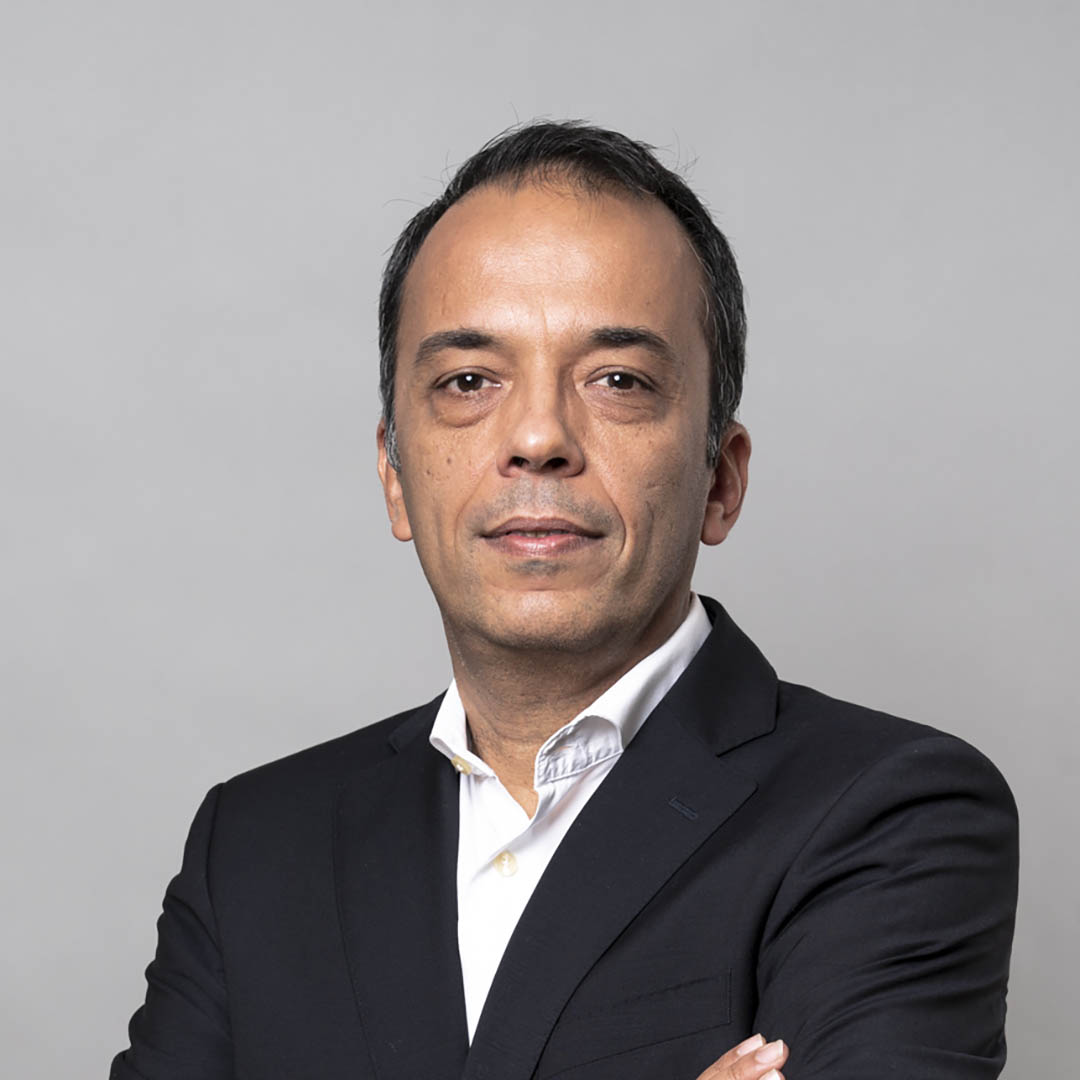
Ricardo Cabral is an Associate Professor with tenure at ISEG (Institute for Economics and Management), University of Lisbon, where he teaches and conducts research in public finance, macroeconomics, currency and banking, and economic policy. He holds a PhD in Economics from the University of South Carolina and is a prolific author with over 40 scholarly publications, including journal articles, books, and policy papers. PhD in Economics – University of South Carolina (1998) His research interests span public finance , macroeconomic policy , banking union mechanisms , renewable energy economics , and fiscal sustainability in the Eurozone . He frequently contributes to public discourse through analytical writing, having published around 700 opinion pieces, notably in Público . His scholarly work critically examines the economic and monetary union, public debt management, and structural changes in the Eurozone. The most recent articles highlight a strong focus on Euro Area fiscal and monetary integration , banking regulation , and Portugal’s economic trajectory . His work combines empirical analysis with policy relevance, often using synthetic control methods and historical reviews to assess economic policies. Topics include the Dutch Disease in peripheral Euro countries, bail-in vs. bailout strategies, and the macroeconomic effects of renewable energy investments. Ricardo Cabral has co-authored significant policy proposals on restructuring Portugal’s external debt and has participated in public hearings at the Assembly of the Republic, the Legislative Assembly of Madeira, and the European Parliament, underscoring his role as a public intellectual and policy advisor. Co-authored two proposals for restructuring Portugal's external debt Regular contributor to national and international policy debates Testified before multiple legislative committees He actively supervises graduate students, including Master’s theses on public debt management and public sector wage expenditure, and a PhD on macroeconomics and structural change in the Eurozone. His teaching includes courses such as Macroeconomics II , Public Economics and Finance , and Economic Policy at both undergraduate and postgraduate levels. He is also involved in educational material development, including course reports and Euro Banking Union analyses.