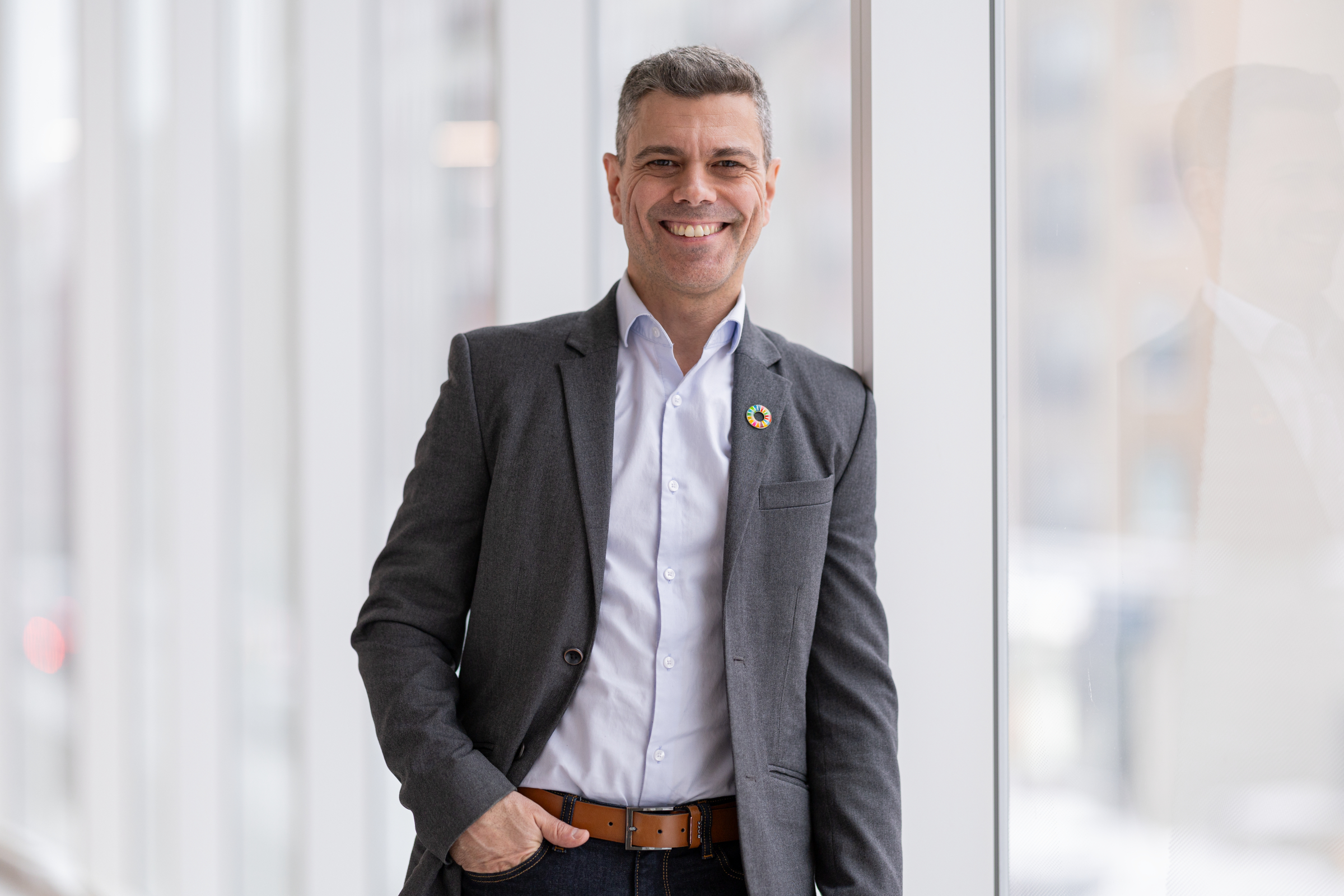
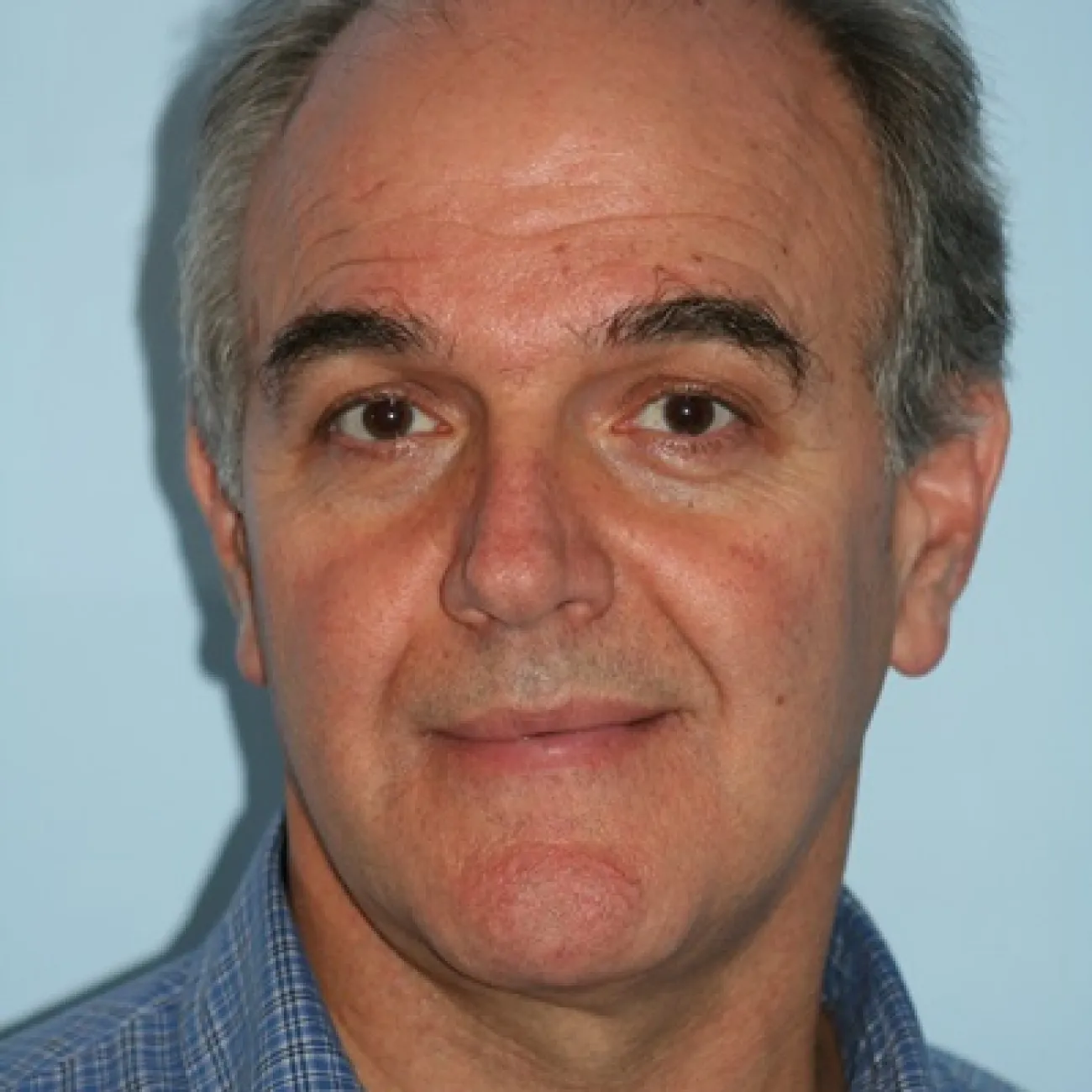
Jakob Eg Larsen is an Associate Professor at the Technical University of Denmark (DTU), affiliated with the Department of Applied Mathematics and Computer Science (DTU Compute) within the Cognitive Systems Section. He leads the Mobile Informatics and Personal Data Laboratory (MILAB). His research focuses on Human-Computer Interaction (HCI), Personal Informatics, Quantified Self, and Information Visualization, with applications in wearable technology, mental health, and healthcare. He teaches courses in Digital Media Engineering, including user experience, mobile application prototyping, and personal informatics. Education: PhD (2005) and MSc in Computer Science (1999) from the University of Copenhagen, with additional studies in cognitive psychology. Research emphasizes wearable devices for mental health interventions (e.g., PTSD treatment), physical activity tracking in pregnancy, and personalized hearing aid systems. Over 98 publications and 12 supervised PhD projects highlight his contributions to HCI, mHealth, and data-driven healthcare solutions. Labs/Teams: MILAB focuses on mobile informatics and personal data interaction. Collaborations span interdisciplinary fields like audiology, clinical psychology, and public health.
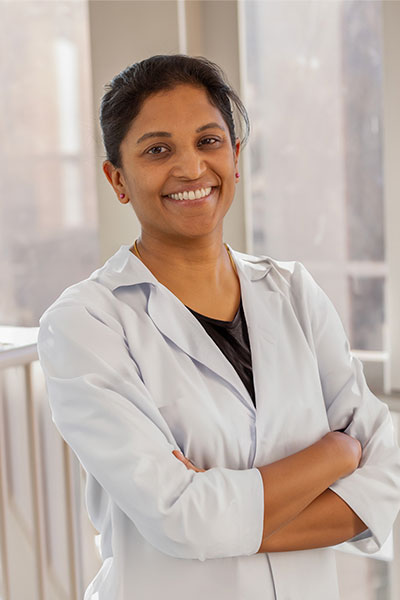
Dr. Elizabeth Meyer (she/her) is a Clinical Assistant Professor at the School of Communication , Northwestern University , specializing in audiology through the Northwestern University Center for Audiology and Speech Language Learning . Her work focuses on diagnosing and treating adult hearing impairments, particularly tinnitus, and advancing hearing loss prevention strategies. Education : Au.D. from Northern Illinois University B.A. from The University of Minnesota Dr. Meyer’s research explores innovative approaches to aural rehabilitation, including her longitudinal project P-Chat on alternative hearing loss treatment models. She also developed a virtual seminar series addressing hearing aid compatibility with masks, tinnitus management, and noise-induced hearing loss prevention. Her clinical practice emphasizes patient advocacy and community outreach. She teaches courses such as Foundations in Clinical and Professional Practice and Clinical Practicum in Audiology .
Prof. Gerhard Weber holds the Chair in Human-Computer Interaction at Technische Universität Dresden, Germany. Previously, he served as Chair for Human-Centered Interfaces at Christian-Albrechts-Universität zu Kiel (2000–2007) and Professor for Operating Systems and Graphical User Interfaces at Harz University of Applied Sciences (1996–2000). His research focuses on accessible computing, assistive technologies, haptics, and multimodal interaction. Key projects include development of tactile charts (SVGPlott), robotic guidance systems (HapticRein), and indoor navigation solutions for visually impaired users. Current work explores voice interfaces for social robots, autism-inclusive technologies, and accessibility maturity models for higher education institutions. Over 70 publications span conferences like CHI, IEEE, and ACM, emphasizing practical applications in assistive tech. Education & Professional Journey: 2007–Present: Chair in Human-Computer Interaction, TU Dresden 2000–2007: Chair for Human-Centered Interfaces, Kiel University 1996–2000: Professor of Operating Systems and GUIs, Harz University Research Interests: Prof. Weber's work bridges theory and practice in accessibility, emphasizing tactile interfaces, inclusive design, and assistive robotics. Recent projects include: Mosaik : Enabling blind users to create and share graphics via audio-tactile tools Cloud4All : Personalized web accessibility solutions Range-IT : Real-time object detection for navigation aids Advising & Grants: Managed €3.2M in EU and national grants (2011–2020) Supervised 12+ graduate projects on assistive tech Labs & Teams: Leads TU Dresden's Human-Computer Interaction Lab, collaborating with industry partners like Siemens and rehabilitation centers to deploy assistive systems in real-world settings.
Shari Trewin is a prominent researcher in accessibility and human-computer interaction at IBM Research with over 25 years of scholarly contributions. Her work focuses on making digital technologies accessible to people with disabilities, particularly in web and mobile contexts. She has published extensively in top-tier venues including ACM SIGACCESS conferences (ASSETS, W4A) and journals, CHI, and other leading HCI publications. Dr. Trewin's research interests span web accessibility, mobile accessibility for users with physical and cognitive disabilities, inclusive design methodologies, and the application of artificial intelligence to improve accessibility. Her work addresses both theoretical foundations and practical implementations of accessible technologies, with particular emphasis on user-centered design approaches and evaluation methodologies. She has made significant contributions to understanding how people with disabilities interact with digital interfaces and how to design systems that accommodate diverse user needs. Her publication record shows a clear progression from foundational work on input devices and keyboard accessibility in the 1990s to contemporary research on AI fairness for people with disabilities. Recent publications demonstrate her leadership in addressing emerging challenges at the intersection of AI and accessibility, particularly around algorithmic fairness and inclusive design practices for AI systems. Among her notable contributions are editorial work for ACM Transactions on Accessible Computing and co-editing conference proceedings for the ASSETS conference. She has collaborated extensively with leading researchers in the field including Vicki L. Hanson, Gregg Vanderheiden, and Calvin Swart. Dr. Trewin has advised junior researchers including Jessica J. Tran, and her work has influenced both academic research and industry practices in accessibility. Her research has practical implications for web developers, designers, and policy makers working to create more inclusive digital experiences.
Professor Sandy Brauer, Deputy Executive Dean at The University of Queensland's Faculty of Health, Medicine and Behavioural Sciences, is a leading researcher in neurorehabilitation, aging, and balance disorders. Her work focuses on improving postural control, gait, and physical activity in stroke survivors and individuals with neurological conditions. Executive Leadership: Deputy Executive Dean, Faculty of Health, Medicine and Behavioural Sciences Research Center: Director of Centre for Neurorehabilitation, Ageing and Balance Research Her research addresses impaired postural control's devastating impacts, developing physiotherapy techniques and cost-effectiveness analyses for clinical translation. Current themes include: Post-stroke physical activity recovery Dual-task training for Parkinson's patients Community mobility challenges SMART Arm device for stroke rehabilitation Hospital fall prevention Professor Brauer's recent work explores digital health implementations, machine learning for rehabilitation outcomes, and sensory impairments in neurological populations. She actively supervises PhD candidates in movement science and biomechanics. Key affiliations include: Queensland University Technology collaborations Sonova AG research on hearing-loss balance issues NHMRC and ARC funded projects
Matthias Bertsch is a faculty member with expertise spanning musical acoustics, medical acoustics, and ethnomusicology. His work bridges musicology, biomedical engineering, and clinical applications. Academic leadership in structured doctoral programs Research on brass instrument mechanics and NICU sound environments Interdisciplinary focus on music-physiology and psychoacoustics Research Interests: Specializing in the acoustic properties of musical instruments, therapeutic sound applications for premature infants, and physiological analysis of brass players. His work combines empirical measurement with clinical and cultural implications. Article Trends: Publications emphasize brass instrument biomechanics , incubator sound optimization , and music's physiological effects , with recurring themes in virtual acoustics and interdisciplinary methodologies.
Ghyslain Gagnon is a Professor in the Department of Electrical Engineering at École de technologie supérieure (ÉTS) in Montreal, Canada. He leads research activities within the LACIME – Communications and Microelectronic Integration Laboratory, focusing on cutting-edge developments in microelectronics, sensors, and communication systems. His work bridges theoretical research and practical applications across multiple domains including health technologies, wireless communications, and quantum engineering. Education: B.Ing. from École de technologie supérieure M.Ing. from École de technologie supérieure Ph.D. from Université de Carleton Professor Gagnon's research spans several interconnected domains with emphasis on Radiofrequency circuits and antennas, Microelectronics, Wireless communications, Sensors and monitoring systems, Machine learning applications, Health technologies, and Quantum engineering. His work demonstrates a strong commitment to translating theoretical concepts into practical solutions with real-world impact, particularly in the areas of health monitoring systems and advanced communication technologies. His recent publications reveal a clear trajectory toward increasingly interdisciplinary research, combining traditional electrical engineering with machine learning, health monitoring, and quantum technologies. The trend shows growing emphasis on practical applications in automotive safety systems, wireless communications for next-generation networks, and health monitoring technologies that leverage flexible electronics and novel sensor designs. Professor Gagnon has successfully supervised numerous graduate students through their doctoral and master's research, with recent theses focusing on smart hearing protection devices, machine learning applications, energy monitoring systems, and flexible sensor technologies. His supervision record demonstrates consistent productivity and relevance to contemporary engineering challenges. He is an active member of the LACIME research laboratory, which focuses on six key areas: Functional materials, Micro- and nanofabrication processes, Conception and design of integrated circuits, Design and fabrication of hybrid components, Photonic and electronic microsystems, and Signal processing and communication. This environment provides students with access to cutting-edge tools and fosters innovation through interdisciplinary collaboration.
Ronald N. Miles is a Distinguished Professor in the Department of Mechanical Engineering at Binghamton University, part of the Watson School of Engineering and Applied Science. He has held various administrative roles including Director of Graduate Studies, Department Chair, and Associate Dean for Research. His expertise spans mechanics, acoustics, MEMS, neurobiology, and control systems, with a focus on bio-inspired microacoustic sensors for healthcare and consumer electronics. Educated at the University of California, Berkeley (BSEE) and the University of Washington (MS/PhD in Mechanical Engineering), Miles has over 40 years of academic and industry experience. His research has led to over 100 publications, 20 patents, and significant grants totaling $17 million. Notable achievements include the Chancellor's Award for Excellence in Teaching and the Research Foundation's Outstanding Inventor Award. Miles' research emphasizes bio-inspired sensor design, acoustic flow sensing, and MEMS technology. His team has developed innovative microphones mimicking insect hearing mechanisms, with applications in hearing aids and medical devices. Current projects include NIH-funded work on acoustic measurements in the human ear canal. Award highlights include recognition for teaching (1996-1997 Chancellor's Award) and research innovation, including the 2005 First Patent Award. His work bridges engineering and biology, with labs focused on acoustic core technologies and vibrations research. Miles also serves as Associate Editor for the ASME Journal of Vibration and Acoustics.
Xing-Dong Yang is an Associate Professor of Computer Science at Simon Fraser University (SFU) and holds an adjunct appointment as Assistant Professor at Dartmouth College. He directs the XDiscovery Lab and focuses on Human-Computer Interaction (HCI), particularly in developing interactive systems for smart everyday objects such as wearables, garments, and appliances. His research emphasizes accessibility for visually impaired users and prototyping tools for non-specialists. He earned his PhD from the University of Alberta, following degrees from the University of Manitoba and University of Alberta. Affiliations: Simon Fraser University (School of Computing Science), Dartmouth College (Adjunct) Education: PhD, Computer Science, University of Alberta MS, Computer Science, University of Alberta BS, Computer Science, University of Manitoba His research explores novel interactive systems, including tactile interfaces for education, assistive technologies for visual impairments, and innovative input methods for wearables. Key projects include MakeBronze (cultural preservation through interactive crafts), AccessibleCircuits (inclusive electronics for blind users), and systems like iWood and MicroFluID that merge materials science with HCI. His work has been recognized with awards such as the Best Paper Award at UIST'19 and multiple Honorable Mentions at CHI and UIST conferences. He advises a dynamic team of PhD and MSc students, emphasizing hands-on prototyping and industry collaborations through internships at companies like Google, Microsoft, and Apple. Yang has secured grants including an NSF CRII grant for device modulation and an NSF CSR Large grant for health-focused earpiece technology. His lab fosters interdisciplinary innovation, bridging computer science with design, engineering, and cultural studies.
Kofi M. Odame is an Associate Professor of Engineering at Dartmouth College, leading the Electrical & Computer Engineering program area. His research focuses on ultra-low-power analog integrated circuits for biomedical devices and sensor systems. He holds a BSc, MSc from Cornell University (2002-2004) and a PhD from Georgia Institute of Technology (2008). Education: BSc, Electrical and Computer Engineering, Cornell University, 2002 MSc, Electrical and Computer Engineering, Cornell University, 2004 PhD, Electrical and Computer Engineering, Georgia Institute of Technology, 2008 Research interests include analog IC design for biomedical applications, low-power sensor interfaces, and nonlinear signal processing. His work develops circuits for implantable/wearable devices and next-gen image sensors. Recent projects involve asthma monitoring, cardiac output tracking, and pulmonary imaging. Notable awards include the Jeff Crowe '78 Grand Prize (2019) and Analog Devices Career Development Professorship (2008–2012). He serves on NIH study sections for clinical informatics and holds IEEE Senior Member status. Advising and grants: Leads the Analog Lab, advises on NIH-funded projects, and collaborates with industry via TandemLaunch venture advisement. Courses taught include analog circuit design and biomedical systems. Labs/Teams: Directs the Analog Lab focusing on low-power biomedical circuits and sensor systems.
Professor Michalis Zervas serves as Professor of Optical Communications at the University of Southampton's Optoelectronics Research Centre (ORC), leading pioneering research in photonics and laser technologies. His work integrates advanced optical systems with artificial intelligence to solve complex challenges in telecommunications, manufacturing, and medical diagnostics through major collaborations with industry and international research bodies. His primary research spans Optical Communications, Photonics, and Fibre Lasers, with specialized focus on deep learning applications for laser control optimization, coherent beam combination, and optical fibre sensor development. Current investigations include high-power photonics systems for industrial manufacturing and novel laser-based biomedical diagnostic platforms that bridge physics with healthcare innovation. Recent publications (2025) reveal a decisive trend toward AI-photonic integration, where deep learning algorithms enhance precision in laser-material interactions across diverse applications—from microbead cleaning and paint analysis to psoriasis treatment simulation and diatom imaging. This interdisciplinary approach demonstrates consistent methodological innovation in merging computational intelligence with fundamental laser physics. Supervises 6 PhD students including Rosemary Catriona Clark and Fedor Chernikov in ORC's photonics programs Secures major funding from EPSRC (Smart Fibre-Optic High Power Photonics, Hearing Light) and US Air Force Office of Scientific Research Leads collaborative projects with Professor Sir David Payne and Professor Johan Nilsson across national manufacturing hubs As co-leader of the Smart Lasers and Special Fibres research group within the Advanced Laser Laboratory, Zervas drives experimental photonics innovation through state-of-the-art fibre laser systems and optical resonator technologies. His team maintains strategic partnerships with global industry leaders in photonics manufacturing and medical device development.
Claudia Lenk serves as Full Professor at Ulm University since 2024, leading the Biomedical Sensor Systems and Microsystems research group. Her work focuses on developing bio-inspired acoustic sensors to enhance human and machine hearing capabilities, particularly for speech processing in noisy environments through MEMS-based adaptive technologies. Education: Technical Physics, TU Ilmenau PhD in Biophysics (specializing in numerical/chemical modeling of atrial fibrillation mechanisms) Postdoctoral research developing MEMS-based artificial hair cells for hearing enhancement Her research integrates bio-inspired engineering with acoustic sensor design to create noise-robust systems that mimic biological hearing mechanisms. Key innovations include tunable MEMS resonators, neuromorphic auditory processing, and integrated signal pre-processing for hearing aids and robotics. This interdisciplinary approach bridges microsystems engineering, neuroscience, and auditory perception to address limitations in current speech processing technologies. Analysis of her 15 most recent publications (2020-2025) reveals a consistent trajectory toward adaptive neuromorphic acoustic systems. Dominant themes include resonance frequency control, dynamic range expansion through nonlinear dynamics, and bio-inspired feature extraction for low signal-to-noise ratio environments. These advancements target practical implementations in energy-constrained devices like hearing aids and autonomous systems. Scientific Awards: No awards documented in source materials Advising and Grants: Source materials contain no information regarding student supervision, research grants, or collaborative funding initiatives. Labs and Teams: She directs Ulm University's Biomedical Sensor Systems and Microsystems group, which develops cutting-edge sensor technologies for hearing applications, robotics, and speech processing systems through MEMS fabrication and neuromorphic computing approaches.
Elizabeth Vargis is an Associate Professor in Biological Engineering at Utah State University's College of Engineering. She serves as the faculty advisor for the Society of Women Engineers and maintains an active research laboratory focused on biomedical engineering applications. Her work bridges engineering principles with biological systems to address significant medical challenges. Dr. Vargis received her educational training from prestigious institutions: BS in Bioengineering from UC Berkeley MS in Biomedical Engineering from Vanderbilt University PhD in Biomedical Engineering from Vanderbilt University Postdoctoral training at Oak Ridge National Lab and UT Knoxville Her research spans three primary domains with significant clinical relevance. In biophotonics, she develops Raman spectroscopy applications for disease detection, including work on cervical cancer screening and bacterial identification. Her retinal tissue engineering research focuses on creating in vitro models to understand age-related macular degeneration and diabetic retinopathy, with particular emphasis on the role of mechanical stress and cell detachment. Additionally, her work on muscular atrophy investigates the effects of microgravity on muscle tissue, with applications for both space travel and terrestrial medical conditions. Her lab employs a combination of experimental techniques and computational modeling to advance these research areas. Analysis of her recent publications reveals a strong trend toward increasingly sophisticated in vitro models of retinal diseases, with growing integration of microfluidic technologies and biomimetic materials. Her work has evolved from basic characterization studies to complex disease modeling systems that incorporate mechanical, biochemical, and structural components of retinal pathologies. The interdisciplinary nature of her research is evident in the diverse range of journals where she publishes, spanning biomedical engineering, ophthalmology, and space medicine. Dr. Vargis has received numerous prestigious awards recognizing both her research and mentorship excellence: Outstanding Graduate Mentor of the Year (2018, USU College of Engineering) Outstanding Researcher of the Year (2018, Department of Biological Engineering) Ralph E. Powe Junior Faculty Enhancement Award (2015, ORAU) Multiple Research Catalyst Awards from Utah State University National Science Foundation recognition and NIH fellowships She has successfully mentored numerous graduate students to completion of their degrees, with many going on to successful careers in industry and academia. Her research has been supported by diverse funding sources including the Nuclear Regulatory Commission, NIH, Oak Ridge Associated Universities, NASA Space Grant Consortium, and private foundations like the BrightFocus Foundation and Knights Templar Eye Foundation. She actively promotes undergraduate research opportunities through USU's URCO program and the College of Engineering's EURP program. The Vargis Lab operates as a dynamic, interdisciplinary research environment with multiple concurrent projects. Current work includes developing microfluidic platforms for retinal disease modeling, creating biomimetic materials using spider and hagfish silk proteins, and investigating the combined effects of microgravity and radiation on biological systems. The lab maintains strong collaborations with researchers in Electrical and Computer Engineering, particularly with Dr. Zhen Zhang on computational modeling of blood vessel growth. Lab meetings are held weekly during academic terms, fostering a collaborative environment where students present their work and receive feedback.
Lindsey Westover, PhD, PEng, serves as an Associate Professor in the Department of Mechanical Engineering and Associate Dean in the Faculty of Engineering at the University of Alberta. Her research and teaching activities are centered in the Biomedical Engineering program, with her laboratory located in the Donadeo Innovation Centre for Engineering (13-224, 9211 116 St, Edmonton, AB T6G 2H5). She maintains an active research profile while contributing to academic leadership through her deanship. Her educational background includes: 2018: Postdoctoral Fellowship in Rehabilitation Medicine, University of Alberta 2016: Ph.D. in Mechanical Engineering, University of Alberta 2011: M.Sc. in Mechanical Engineering, University of Calgary 2007: B.Sc. in Mechanical Engineering, University of Calgary Dr. Westover's research program spans biomechanics and biomedical engineering with emphasis on noninvasive assessment of biological structures, vibration analysis for percutaneous implants, joint biomechanics (ligaments and cartilage), spinal deformity analysis through asymmetry metrics, mechanical testing of biological tissues, and computational modeling of biological systems. Her work integrates laboratory experiments, computational methods, and in vivo studies to develop innovative diagnostic and therapeutic approaches. Analysis of her 15 most recent publications (2018-2020) reveals consistent focus on bone mechanics, implant stability, and symmetry analysis across orthopedics, audiology, and dentistry. Key themes include osseointegration evaluation using ASIST technology, pelvic/spinal deformity quantification, and computational modeling of biological structures. Her work appears in high-impact journals spanning engineering and clinical disciplines, demonstrating strong interdisciplinary collaboration. Scientific recognition includes: Nomination for Ear and Hearing 2018 Editor's Award for bone conduction device research Dr. Westover mentors graduate students through co-authorship on numerous publications and teaches core mechanical engineering courses including MEC E 451 (Vibrations and Sound), MEC E 390 (Numerical Methods), and MEC E 200 (Introduction to Mechanical Engineering). Her research is supported by collaborative grants with clinical partners and engineering colleagues. She leads biomechanics research within the Department of Mechanical Engineering, collaborating extensively with the Faculty of Rehabilitation Medicine and surgical departments. Her laboratory develops advanced testing systems like ASIST for implant stability evaluation across hearing devices and dental applications, while her computational work informs clinical approaches to scoliosis management and fracture reconstruction.
Halil Andac Yigit is a Doctoral Assistant at the Telecommunications Circuits Laboratory (TCL) within the School of Engineering (STI) at EPFL. He is affiliated with the Institute of Microengineering (IEM) and pursues a Doctoral Program in Electrical Engineering through the École Doctorale d'Électronique et d'Electrotechnique (EDoc). His research focuses on biomedical circuits, energy harvesting, and low-power electronics for medical implant systems. Yigit's work emphasizes implantable cochlear devices, wireless power solutions, and precision neural stimulation interfaces. Education : Current doctoral student in Electrical Engineering at EPFL. Research Interests : Development of energy-efficient biomedical devices, including cochlear implants and neural stimulation systems. Specializes in low-power circuits for medical applications, wireless power transfer, and advanced memory technologies like eDRAM optimization. His research bridges microelectronics design with clinical needs, aiming for miniaturization and energy autonomy in implantable systems. Lab Affiliation : Telecommunications Circuits Laboratory (TCL), EPFL, where he collaborates on projects involving MEMS-based systems and autonomous medical devices.