
Dr. Louise Alexander is an Associate Professor in Mental Health Nursing at Deakin University's School of Nursing & Midwifery (Faculty of Health). She holds prior academic roles including Senior Lecturer (ACU, 2018–2023) and Lecturer positions (ACU and Holmesglen Institute). Her research focuses on mental health nursing workforce sustainability, stigma reduction, simulation-based education, and curriculum development. Key interests include nurse resilience, pandemic impacts on healthcare workers, and improving student attitudes towards mental illness. Education: PhD from Deakin University; GCHE qualification Certifications: University of Melbourne's Emerging Leaders & Management Program (2021–2022) Teaching: Leads courses in forensic mental health, therapeutic communication, and health promotion Research Highlights: Recent work examines pandemic trauma among nurses, alcohol consumption trends post-COVID, and leadership's role in workforce retention. Her studies emphasize qualitative methods and integrative reviews to address systemic challenges in mental health nursing education and practice. Awards/Grants: No explicit awards listed; research supported by institutional collaborations. Active in developing transition-to-practice programs and evaluating simulation-based training efficacy. Labs/Teams: Collaborates with interdisciplinary teams on mental health workforce resilience and stigma reduction initiatives. Engages in national and international nursing education networks.
جستجوی استاد راهنمای دانشگاهی
برای مسیر پژوهشیتان، استاد راهنما، استاد دانشگاه و پژوهشگر مناسب را پیدا کنید و با آنها ارتباط بگیرید.
نمایش ۱-۱۵ از ۲٬۴۳۵ استاد راهنما
اطلاعات پروفایلها از صفحات عمومی دانشگاهها گرفته شده و ممکن است بهروز نباشد.
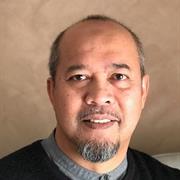
Associate Professor Bambang Trigunarsyah holds a position at RMIT University since 2018, affiliated with the School of Property, Construction and Project Management (PCPM). He earned his BSc in Civil Engineering from Colorado School of Mines, a Master's in Civil Engineering (Construction Management) from the University of Indonesia, and a PhD in Engineering Project Management from the University of Melbourne. His career spans industry roles, including project engineering in Indonesia's oil and gas sector, academic leadership at the University of Indonesia, and international teaching/research appointments at Queensland University of Technology (QUT) and King Fahd University of Petroleum and Minerals in Saudi Arabia. Research interests focus on post-disaster reconstruction, infrastructure project governance, constructability of infrastructure, and project management in developing countries. Notable projects include risk management frameworks using blockchain, circular economy in Saudi construction, and BIPV energy solutions. He actively supervises HDR students in areas like public-sector project success determinants and thermal environment studies. Bambang serves as Higher Degree Research Delegate Authority (HDR DA) for the School of PCPM and teaches postgraduate project management programs. Professional memberships include AIPM, PMI, and ASCE. His industry advisory roles include Indonesia's National Construction Service Development Board (2002-2007) and Australia-Indonesia Centre's Infrastructure Cluster (2016-2018). Recent research emphasizes BIM applications in infrastructure preservation, risk assessment methodologies, and climate-resilient construction. His work bridges theory and practice, addressing challenges in emerging economies and complex project environments.
Marcus Cattaniمشاهده پروفایل
دانشیار
Associate Professor Marcus Cattani is a faculty member at Edith Cowan University (ECU), affiliated with the School of Medical and Health Sciences and the Department of Occupational Health and Safety. He serves as Deputy Director of the WA Government-funded MARS Centre, focusing on Mental Awareness, Respect, and Safety initiatives. Since joining ECU in 2015, he has developed risk management and leadership programs for undergraduate/postgraduate programs and supervises PhD/Master's research. His research emphasizes injury risk reduction in industries like mining, oil/gas, and construction, with recent focus on agriculture safety and radiation exposure in Western Australian mining. Education: Doctor of Philosophy (Occupational Health and Safety), Murdoch University (2004) Master of Science, United Kingdom (1995) Research interests include occupational safety frameworks, real-time exposure assessment, fatigue management, and safety leadership tools. Current projects address critical controls for construction fatalities, radiation exposure in mining, and OHS systems for remote work. Over 30 years of industry experience as an occupational hygienist and HSE consultant informs his academic and applied work. Key collaborations involve government agencies (DMIRS, Water Corporation) and industry partners (Rio Tinto, Lifeline WA). Recent grants include MARS Centre initiatives and NORM exposure studies. His 2025 focus includes translating injury prevention techniques into agriculture contexts. Professional memberships include Australian Institute of Health and Safety (Chartered OHS Professional) and the Australian Institute of Occupational Hygienists.
Virginia Haggerمشاهده پروفایل
مدرس ارشد
- Diabetes self-management
- Structured diabetes education
- Diabetes distress and psychological wellbeing
- +۳ مورد دیگر
Dr Virginia Hagger is a Senior Lecturer in Nursing at Deakin University's School of Nursing & Midwifery, part of the Faculty of Health and the Institute for Health Transformation. She specializes in diabetes education, self-management, and psychological wellbeing. Her research focuses on structured education programs, diabetes distress, and workforce development. She holds a PhD and Master of Public Health from Deakin University. Dr Hagger has led numerous national and international studies, including interventions targeting diabetes distress, insulin therapy barriers, and telehealth support. She is affiliated with the Quality and Patient Safety (QPS) Strategic Research Centre and the Australian Centre for Behavioural Research in Diabetes . Awards include the 2019 Alfred Deakin Medal and 2017 Vice-Chancellor's Award for Teaching Excellence. Her teaching spans undergraduate and postgraduate nursing, including units on diabetes pathophysiology and psychosocial contexts. Current doctoral students focus on diabetes distress, social support in Ethiopia, and autonomy in insulin management. Over 30 peer-reviewed articles and grants (e.g., MRFF-funded HypoPAST and LISTEN trials) underscore her contributions to diabetes care innovation and workforce training.
- Police & Policing
- Community Safety & Crime Prevention
- Prisons, Probation & Parole Policy & Practice
- +۵ مورد دیگر
Professor Philip Birch is a distinguished academic in Criminology at the University of Technology Sydney (UTS), Faculty of Design & Society, School of International Studies & Education. With over 15 years of academic experience across British, American, and Australian university systems, he has established himself as a leading expert in policing, community safety, and criminal justice. His extensive practical background in criminology, including roles as a Specialist Crime Team Manager, Community Safety Research Manager, and Through Care Worker in UK correctional facilities, informs his applied research approach. Professor Birch's educational background includes a BSocSci. (Hons) in Social Policy (Crime & Justice) from the University of Manchester, multiple postgraduate qualifications from the Open University (including an MSc. in Social & Criminological Research Methods), a Post Graduate Certificate in Higher Education Practice from the University of Huddersfield, and a PhD in Criminology from the University of New South Wales. He also holds a Fellowship with the Higher Education Academy. His research centers on six key areas: Police & Policing; Community Safety & Crime Prevention; Prisons, Probation & Parole Policy & Practice; Assessment, Treatment & Management of Offenders; Gender & sexuality inclusive Domestic and Family Violence; and Sex Work, Sex Workers and Procurement. His work emphasizes the practical application of criminological research to real-world justice issues, with strong industry engagement across law enforcement and correctional services. Recent publications reveal a clear trend toward police mental health, aging in policing, hate crime identification, trauma-informed policing approaches, and digital community safety initiatives. His research employs diverse methodologies including qualitative case studies, Delphi methods, rapid evidence assessments, and comparative analyses across multiple jurisdictions. Teaching award (2019) from Australian College of Educators for outstanding contribution to education Literati Award (2019) for published work Fellowship of the Higher Education Academy Professor Birch has supervised numerous Honours, Masters by Coursework, Masters by Research and PhD students in Criminology, Criminal Justice and Policing, with several completions to date. He has secured over $1.3 million in research funding, including an ARC Linkage grant, and has acted as an external assessor for domestic and international funding bodies. His research projects address critical issues in criminology and policing, often with direct policy implications. He established the Crime & Security Science (CaSS) Research Group at UTS in 2022, a cross-faculty initiative connecting academia with industry to advance evidence-based criminology, criminal justice, policing, and community safety research. This group serves as a hub for collaborative projects addressing contemporary security challenges through translational research.
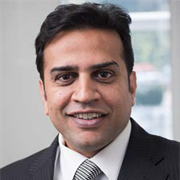
Vipul Jainمشاهده پروفایل
دانشیار
About Vipul Jain: Associate Professor Vipul Jain leads Supply Chain and Logistics Management at RMIT University’s School of Accounting, Information and Supply Chain Management. With over 20 years of academic experience, he has held senior roles at institutions like Victoria University of Wellington (NZ) and IIT Delhi (India), contributing to curriculum development, research strategy, and academic-industry collaboration. His international collaborations span over 20 global institutions, emphasizing interdisciplinary research in supply chain resilience, sustainability, and Industry 4.0. Education & Academic Leadership: Previously served as Programme Director for Master of Technology (Industrial Engineering) at IIT Delhi, leading the establishment of the Modelling and Analysis of Supply Chain (MASC) Lab. Holds editorial roles for journals like International Journal of Intelligent Enterprise and Computers & Industrial Engineering . Research Focus: Specializes in supply chain design, sustainability, circular economy, and business analytics. His work integrates ICT and big data to address complex supply chain challenges, with notable contributions to vaccine distribution, blockchain adoption, and post-pandemic resilience. Over 145 peer-reviewed publications, including high-impact journals like OMEGA and International Journal of Production Economics , reflect his prolific output. Industry Impact: Conducted management training for organizations like JCB and IBM. Served as an expert assessor for New Zealand’s Ministry of Business and Industry and advised the Indian Railways. His research has been funded by the Department of Science and Technology (India) and EU initiatives like FP6 I*PROMS. Awards & Recognition: Ranked #7 in India’s top logistics academics (2018), recipient of Literati Awards (2024, 2020), and multiple editorial leadership roles. Active in global conferences, including co-chairing ANZAM 2023. Labs & Collaborations: Founded MASC Lab at IIT Delhi. Collaborates with Coventry University, Monash University, Hong Kong Polytechnic, and institutions in Switzerland, Spain, Canada, and the U.S. Focus areas include sustainable supply chains, digital transformation, and crisis resilience.
Professor John Shields is a distinguished academic in Human Resource Management and Organisational Studies at the University of Sydney’s Business School. He holds a BA(Hons) from ANU and a PhD from the University of Sydney. As Academic Director International, he oversees global strategies for the Business School’s international partnerships and recruitment. His roles have included Associate Dean (Programs), Deputy Dean, and Chair of the Faculty Board, reflecting his extensive leadership within the institution. In research, Shields focuses on performance management, reward systems, corporate governance, and international education. He co-authored seminal textbooks like *Managing Employee Performance and Reward* and *Human Resource Management: Strategy and Practice*. Current projects explore performance management transformation, pay secrecy disclosure, and gaming’s psychological impacts. His teaching spans undergraduate and postgraduate courses such as Strategic HRM and Global Leadership. Shields has supervised over a dozen PhD students, with topics ranging from Saudi Arabian workplace dynamics to corporate governance in Australian firms. Recognized with the 2008 Wayne Lonergan Teaching Award, he actively contributes to professional bodies like the Australian Human Resources Institute. Publications highlight his influence in HRM theory and practice, including studies on CEO remuneration, board capital, and pandemic-era worker resilience. His interdisciplinary work bridges organizational behavior, economics, and policy, positioning him as a key figure in contemporary HRM research.
- Collective Bargaining
- Trade Unions
- Labour Hire
- +۳ مورد دیگر
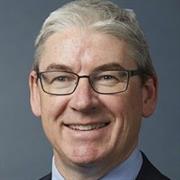
Anthony Forsyth is a Distinguished Professor in the School of Law at RMIT University's Graduate School of Business and Law. He specializes in labour and employment law, focusing on collective bargaining, trade unions, union education, labour hire, and the gig economy. His leadership roles include Director of Juris Doctor Programs (2012-2015) and Head of the Law Department (2019-2022), during which he developed RMIT's Bachelor of Laws and combined law/business degrees. He chairs the RMIT Law Advisory Board and the Higinbotham Lecture Series. His research explores the intersection of Australian and global workplace regulation, emphasizing equitable outcomes through evidence-based legal interventions. Key projects include the Victorian Government Inquiry into Labour Hire Industry and Insecure Work (2015-16), resulting in his book *The Future of Unions and Worker Representation: The Digital Picket Line* (2022). He collaborates with unions like the United Workers Union and Australian Council of Trade Unions. Anthony holds leadership positions such as President of the Australian Labour Law Association (since 2021) and advisory roles at the Centre for Future Work. His awards include multiple RMIT Media Stars Awards (2018-2021) and a Research Impact Award (2018). His work bridges academia and industry, addressing digital-age challenges for worker representation. **Education**: Extensive legal career before academia (pre-2000), including roles at Ashurst, Norton Rose, and Maurice Blackburn. **Grants & Projects**: Victorian Government Inquiry, industry collaborations with unions. He runs the *Labour Law Down Under Blog* and oversees RMIT's Centre for People, Organisation & Work. His recent articles analyze gig economy regulation, multi-employer bargaining reforms, and digital tools for worker mobilization.

Sarah Bankinsمشاهده پروفایل
دانشیار
Sarah Bankins is an Associate Professor at Macquarie University's Department of Management. Her research focuses on AI's impact on work, organizational ethics, and human resource management. She holds editorial roles at The Australian Journal of Management and Group and Organization Management . Before academia, she worked in public sector HR and management consulting. Education: PhD from Queensland University of Technology, B. Business/B. Economics from University of Queensland, and a Graduate Certificate in Tertiary Teaching from University of Newcastle. Research Interests: AI ethics, future of work, workplace technology, and interdisciplinary collaboration with fields like computer science and philosophy. Recent articles explore AI's role in decision-making, workplace trust, and educational ethics. Key projects include studies on mining sector mental health and ethical AI applications. Awards include teaching excellence (2013) and research supervision (2017).

Lisa Magnani is a Professor in the Department of Economics at Macquarie University, with active research in labor economics, finance, and development studies. She is affiliated with both the Innovation, Strategy and Entrepreneurship Research Centre and the Health at Work Research Centre at Macquarie University. Professor Magnani's research focuses on critical areas including labor markets, financial systems, and their intersection with social issues. Her work examines: Unionization and workers' rights across different economic contexts The relationship between finance and labor in capitalist societies Small and Medium-sized Enterprises (SMEs) and their financing challenges Worker mobility and technological diffusion HIV/AIDS and economic deprivation in Southeast Asia Social finance and inequality Her recent publications demonstrate a consistent focus on the interplay between financial systems and labor dynamics, with increasing attention to social issues like HIV/AIDS and women's agency. Magnani's work spans both developed and developing economies, with particular emphasis on post-socialist contexts and Southeast Asia. Professor Magnani has been actively involved in research projects including: "The Impact of Capital Account on Small and Medium Enterprises" (ongoing) "Understanding deprivation and HIV/AIDS in Southeast Asia: A new multidimensional model for research and economic planning" (2018-2022) "Small firms' finances: effects on employment, wages and growth" (2016-2021) She regularly presents her research at international conferences and has organized academic events such as "Sino-Australia Economies Towards a New Globalization: A Mutual Learning Curve" in 2018.

Kylie Kingمشاهده پروفایل
مدرس ارشد
- suicide prevention
- program evaluation
- men's health
- +۳ مورد دیگر
Kylie King is a Senior Lecturer at the School of Psychological Sciences at Monash University and affiliated with the Turner Institute for Brain and Mental Health. She joined Monash University in November 2019 as an Impact Fellow and transitioned to her current Senior Lecturer role in February 2023, where she focuses on fostering research connections with industry, community, and people with lived experience. Her educational background includes a Doctor of Psychology from Deakin University (2001) and a PhD completed in early 2020 focusing on suicide prevention. Prior to joining Monash, she worked as a psychologist specializing in addictions and spent ten years (2009-2019) as a Research Fellow at the Melbourne School of Population and Global Health at the University of Melbourne. Dr. King's research primarily centers on suicide prevention, with particular emphasis on males and communities experiencing disproportionate suicide rates. Her work integrates program evaluation methodologies to develop targeted interventions and suicide prevention education. She leads research teams focused on creating evidence-based approaches to address mental health challenges in vulnerable populations. Her research aligns with UN Sustainable Development Goals related to health and wellbeing. Analysis of her recent publications reveals a strong focus on gender-specific suicide prevention, particularly for men and older males, as well as attention to culturally specific approaches for Indigenous communities. Her work bridges clinical psychology with public health interventions, examining how societal factors, occupational environments, and cultural contexts influence mental health outcomes and suicide risk. Associate Editor, Australian Psychologist Journal (2020-present) Associate Editor, Australian Psychologist Journal (2021-present) Guest Editor, Frontiers in Public Health (2020) Dr. King is actively involved in peer review responsibilities and currently leads significant research projects including "Preventing suicide in boys and men" (2020-2026), "Formative evaluation of suicide prevention gatekeeper training for aged care workers" (2023-2025), and "Zest – A personalised, digital intervention for sleep and wellbeing in Australian shift workers" (2023-2026). She is accepting PhD students for research supervision through Monash University's Supervisor Connect platform. Her research team operates at the intersection of clinical psychology and public health, developing evidence-based interventions for vulnerable populations with strong emphasis on community-centered approaches and collaboration with individuals with lived experience of mental health challenges.
- Planetary Health
- Urban Planning
- Public Health
- +۵ مورد دیگر
Professor Thomas Astell-Burt is a Professor of Cities and Planetary Health at the University of Sydney's School of Architecture, Design and Planning. His work focuses on the intersection of urban environments, green spaces, and public health. He is a member of the Sydney Environment Institute and the Charles Perkins Centre. His research examines how urban planning and green infrastructure can mitigate health inequities, combat climate change, and improve mental/cardiometabolic health. Key areas include nature prescriptions, heat-related mortality, and the role of green spaces in reducing loneliness. Recent grants include projects on aged care workforce sustainability, nature-based strategies for loneliness reduction, and the PANDA Trial for cardiometabolic disease prevention. Over 180+ publications span peer-reviewed journals like Scientific Reports , Climate , and PloS One , with a focus on global health trends and urban environmental policies. His work bridges epidemiology, urban design, and interdisciplinary collaboration to inform evidence-based health policies. Key affiliations include leadership roles in global health initiatives and collaborations with institutions like the University of Glasgow. His research has been cited in policy frameworks addressing urban sustainability and planetary health.
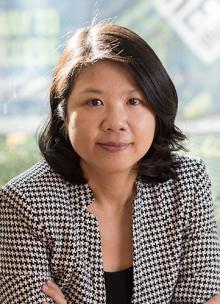
Ying-Yi Chih is a Professor of Project Management at the Research School of Management, Australian National University (ANU) , and serves as the Associate Dean (Students and Industry Experience) for the College of Business and Economics. Her research focuses on project management, public-private partnerships (PPPs), value co-creation in projects, and employee well-being in project-based environments like the construction industry. She has published extensively in journals such as International Journal of Project Management and Journal of Construction Engineering and Management , with funding from government and industry sources. Education: PhD in Project Management Research Interests include: Infrastructure Project Planning and Management Public-Private Partnerships (PPPs) Value Co-Creation in Professional Services Employee Psychological Well-being and Performance Management Recent Publications highlight trends in green innovation, crisis resilience, leadership dynamics, and technology adoption in construction and project management. Her work bridges theoretical frameworks with practical applications in the AEC (Architecture, Engineering, Construction) industry and public sector projects. Editorial Roles: Associate Editor for Journal of Management in Engineering and Editorial Board member for Journal of Vocational Behavior . Research Projects have explored value co-creation, international development projects, and performance management in multi-project environments, with collaborations across Australia, Taiwan, Vietnam, and the Philippines.

Matthew Jonesمشاهده پروفایل
مدرس ارشد
- Policing
- Police Culture
- Diversity in Policing
- +۷ مورد دیگر
Dr. Matthew Jones is a Senior Lecturer in Criminology at Swinburne University of Technology’s School of Social Sciences, Media, Film and Education. With a career spanning institutions in the UK and Australia, Matthew’s research bridges interdisciplinary domains including policing, sociology, law, and organizational studies. He is a Senior Fellow of the Higher Education Academy, emphasizing evidence-informed pedagogy and curriculum innovation. Affiliation: Swinburne University of Technology (2022–Present) Previous Roles: The Open University (2017–2022), Northumbria University (2014–2017), Cardiff Metropolitan University (2013–2014). Research Themes: Matthew’s work focuses on three core areas: Policing: Police visibility, digital strategies, occupational culture, diversity, and leadership. LGBTQI+ Criminology: Workplace discrimination, hate crimes, community-police relations, and victimology. Digital Criminology: Technology’s role in policing, crime prevention, and digital victim support systems. Publications: His 15 most recent articles highlight evolving trends in digital policing, police visibility, academic standards in policing education, and LGBTQI+ workplace experiences. These works span qualitative studies, policy analysis, and interdisciplinary collaborations, reflecting his commitment to visual criminology and semiotics. Scientific Awards: Senior Fellow of the Higher Education Academy (2022) Fellow of the Higher Education Academy (2013) Professional Activities: Matthew served as Chair (2019–2022) and Board Member (2013–2019) of the British Society of Criminology’s Policing Network. He led curriculum development for police apprenticeships (2017–2019) and contributed to the first UK Subject Benchmark Statement for Policing (2022). He supervises PhD students on topics like community policing, child maltreatment resilience, and crime drama narratives. Education: He holds an LLB in Law, an MSc in Social Science Research Methods, a PhD in Socio-Legal Studies, a PGCert in Higher Education pedagogy, and an MBA in Leadership Practice.
Professor Terry Flew (BEc (Hons), MEc (Sydney), MBA (QUT), PhD (Griffith)) is a leading academic at the University of Sydney , holding the Professor of Digital Communication & Culture position within the Faculty of Arts and Social Sciences . As an Australian Research Council Laureate Fellow (2024-2029), he leads the Centre for AI, Trust & Governance , a flagship initiative involving multiple faculties. His international appointments include Research Fellow at the UK Creative Industries Policy & Evidence Centre and Honorary Professor at the University of Nottingham Ningbo China. Co-Director, Centre for AI Trust and Governance Member, SSSHARC research center International collaborations with Carleton University (Canada), Communications University of China, University of Glasgow (UK) Research Focus : Specializing in platform governance , digital policy , and mediated trust , Professor Flew bridges media economics , AI ethics , and creative industries . His work examines digital platform regulation , news media sustainability , and global internet governance , with recent projects analyzing trust mechanisms in AI systems and digital content regulation . The 2024-2028 Laureate Fellowship on "Mediated Trust" integrates these themes. Publications & Grants : With 16 authored/edited books and 129 journal articles , he has secured $11 million in research funding (including $9.9 million from ARC). Key grants include ARC Discovery projects on digital platform governance and Linkage projects on citizen journalism. Professional Leadership : Served as ICA President (2019-2020), ANZCA President (2009-10), and Lead Commissioner for the Australian Law Reform Commission. Currently sits on editorial boards of Journal of Communication , Global Media and Communication , and Media International Australia .
نمایش نتایج تا ۷۵۰ مورد اول. برای یافتن نتایج دقیقتر، جستجوی خود را با فیلترها محدود کنید.