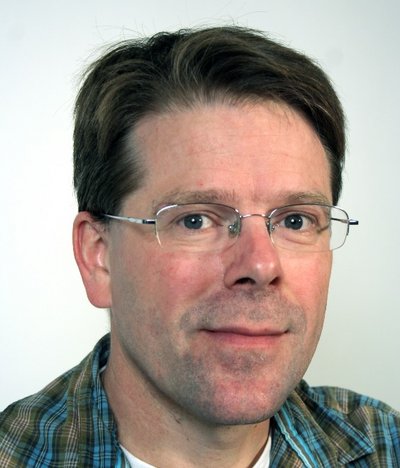
Swati Aggarwal is a Professor in Artificial Intelligence at the Faculty of Logistics, Molde University College (HiMolde). Her research focuses on AI applications in healthcare, ethics, cognitive development, and neural networks. She holds a PhD in Neutrosophic Neural Networks, a Master's in Information Technology, and a Bachelor's in Computer Science and Engineering. Previously, she was a Marie Curie Postdoc Fellow at NTNU, working on AI models for cognitive assessment in infants (AIM_COACH project). Research Interests - AI in Health/Medicine - Ethics in AI and Societal Impact - EEG/BCI for Cognitive Assessment - Machine Learning and Deep Learning Publications Her recent work spans AI ethics, BCI applications, adversarial attacks, and healthcare diagnostics. Notable contributions include EEG-based infant perceptual monitoring (2025) and malaria detection via EfficientNet (2023). She also explores cross-lingual adversarial robustness and blockchain in hospitality systems. Labs/Teams - ABC-AI: Applied, Basic, and Conscientious AI Group - Virtual Technologies and Learning Research Group
Jochen Wirtz is the Vice Dean of MBA Programmes and Professor of Marketing at the National University of Singapore (NUS Business School). He holds a Ph.D. in services marketing from the London Business School and has held leadership roles, including founding director of the UCLA–NUS Executive MBA Programme and member of the NUS Teaching Academy. His research focuses on service management, intelligent automation, AI, and corporate digital responsibility. A globally recognized authority, he has authored over 20 books, including Services Marketing: People, Technology, Strategy (9th ed.) and Intelligent Automation , with translations in 26+ languages. His awards include the Christopher Lovelock Career Contributions Award (AMA) and the Academy of Marketing Science’s Outstanding Marketing Teacher Award. He advises international firms like Accenture and KPMG and is involved in start-ups such as Dataswyft and TranscribeMe. His work emphasizes ethical AI, service robots, and cost-effective excellence, contributing to both academic research and industry practice. Wirtz’s research spans service robots, platform economies, and luxury services. His recent studies explore generative AI’s impact on service encounters, corporate digital responsibility, and B2B customer experience strategies. He actively engages with industry through consulting, keynote speaking, and executive education.
Dr. Susana Castro-Kemp is an Associate Professor in Psychology and Human Development at University College London's Institute of Education (IOE), where she serves as Director of the Centre for Inclusive Education (CIE) since September 2023. Previously, she was a Reader in Education at the University of Roehampton for eight years. Her work focuses on inclusive education policy and practice globally, with particular expertise in special educational needs and disabilities (SEND), early childhood intervention, and mental health in schools. The IOE has been ranked number one in the world for Education for several consecutive years, providing an ideal environment for her impactful research. Dr. Castro-Kemp holds a PhD in Psychology jointly awarded in 2012 by the University of Porto (Portugal) and the University of North Carolina at Chapel Hill (USA). Her doctoral research was fully funded by the Foundation for Science and Technology/European Commission and the Global Education and Development Studies scholarships. She is a Chartered Psychologist with the British Psychological Society, a Senior Fellow of Advance HE, and a Recognised Research Supervisor by the UK Council for Graduate Education. Dr. Castro-Kemp's research centers on policy regulating education, health, and welfare services for children, particularly those with support needs. She examines inclusive education practices from users' perspectives, policy models leading to effective inclusive pedagogy, and country-level policy impacts on outcomes for children with special educational needs. Her work moves away from diagnostic labels toward engagement and civic participation as educational outcomes. She also investigates inclusion and early intervention in low- and middle-income countries, mental health in schools, and quality of early childhood education. Her recent publications reveal several key trends in inclusive education research. There's growing emphasis on understanding educational experiences through the voices of children and families rather than diagnostic labels. Much of her work examines the implementation gap between inclusive education policy and classroom practice. She has conducted significant research on how children with special educational needs experienced the pandemic, revealing both challenges and unexpected "silver linings" for some groups. Her corpus analysis of Ofsted reports shows narrow focus in early childhood education inspections, while her work on SEND policy increasingly takes an international comparative approach. Dr. Castro-Kemp has received recognition for her impactful work, including: Best Digital Humanities Project for Community Engagement Prize (2023) from the National Institute of Humanities and Social Sciences of South Africa for her project "Optimising collaborations and reducing inequalities of Early Childhood Intervention in post-Covid-19 South Africa" Dr. Castro-Kemp has secured approximately £1.3 million in research funding from various sources including ESRC, British Academy/Leverhulme Trust, European Commission, and private sponsors. Her current major project is 'ScopeSEND' (2024-2026), funded by the Nuffield Foundation (£250,000), examining international SEND policies. She has led numerous projects including "Transdisciplinary provision for children with disabilities in the Global South" (£3,500), "Optimising collaborations in South Africa" (£47,200), and "Froebel meets Ofsted" (£19,185). As a supervisor, she mentors MA/MSc and PhD students in education policy, early childhood, and inclusive education, having been nominated for student choice awards for excellent feedback and outstanding research supervision. As Director of the UCL Centre for Inclusive Education since 2023, Dr. Castro-Kemp leads a team focused on advancing knowledge exchange and research in inclusion and special needs. The Centre works with schools, educators, parents, and early years settings to translate research into practice. Her international collaborations include work with the World Health Organization as a technical advisor on the use of the International Classification of Functioning, Disability and Health (ICF) system in educational contexts. She also serves on the SEN Policy Research Forum and has provided oral evidence to the House of Commons Education Select Committee.
Dr. Vishal Sharma is a Senior Lecturer in the School of Electronics, Electrical Engineering and Computer Science at Queen's University Belfast. His research focuses on Cyber-Physical Systems (CPS), 5G/6G Security, Unmanned Aerial Vehicles (UAVs), Blockchain, and Digital Twins. He has held roles at institutions like Singapore University of Technology and Design (SUTD) and Soonchunhyang University, South Korea. Notable achievements include Best Paper Awards at ICCMIT 2017, IEEE SITE 2024, and HUCAPP/VISIGRAPP 2025. He leads the Innovation-by-Design Lab and is a Fellow of the Higher Education Academy (FHEA). Research Interests: Cyber Defence, UAV Security, Secure Computing, Network Security, and Sustainable Edge Computing. He has collaborated on projects like RapidRANDefender (QRICSec) and Traceable Procurement for Net-Zero Processes. Awards include the Royal Society International Exchanges Committee appointment (2025) and QUB's Individual Performance Award (2024). Grants and Projects: Principal Investigator for projects such as Exploring Operational Capabilities of Arm Morello for UAV Security (2023) and TUDOR: Ubiquitous 3D Open Resilient Network (2023). Active in editorial roles for IEEE Communications Magazine and IET Networks. His work aligns with UN Sustainable Development Goals (SDGs) related to climate action and innovation. Publications span 150+ articles in top journals/conferences, with a focus on secure communication, edge computing, and UAV networks. Supervises PhD students in cyber defence, AI security, and distributed ledger technologies.
Jens Rydgren is Professor of Sociology at Stockholm University, where he holds the Chair in Sociology since 2009. He is affiliated with the Department of Sociology within the Faculty of Social Sciences. Rydgren graduated from Stockholm University in 2002 and has been a visiting scholar at Columbia University, Cornell University, Harvard University, École des Hautes Études en Sciences Sociales in Paris, Copenhagen University, and Utrecht University. He is a fellow of the Royal Swedish Academy of Letters. Professor Rydgren's primary research interests lie in political sociology, particularly the study of radical right-wing parties and their voters, with a focus on explaining variation over time and across countries. He also has a longstanding interest in social networks and how relational and contextual factors influence individuals' beliefs, opportunities, and actions. His additional research interests include ethnic conflict, belief formation processes, collective memory, fanaticism, and sociology through literature. Much of his work combines theoretical insights with empirical analysis to understand complex social phenomena. His recent publications demonstrate a consistent focus on radical right-wing politics, xenophobia, nationalism, and social network analysis. Rydgren frequently employs comparative and multi-method approaches to examine political behavior and social phenomena. His work often intersects political sociology with social network theory to understand how contextual factors shape political attitudes and behaviors. He has made significant contributions to understanding how social networks influence various outcomes, from political attitudes to health behaviors. Fellow of the Royal Swedish Academy of Letters Rydgren is currently the Principal Investigator (PI) of the research project "Why do working class voters support the populist radical right?" funded by the Swedish Research Council. Previously, he was PI for the ERC Starting Grant project "Individual Life Chances in Social Context: A Longitudinal Multi-Methods Perspective on Social Constraints and Opportunities" (2011-2018), which combined survey data and register data to study the importance of egocentric networks for young adults' life chances. His research has important implications for understanding contemporary political challenges and developing evidence-based policy responses.
Helen Nguyen is a Professor in the Department of Civil and Environmental Engineering at the University of Illinois at Urbana-Champaign , where she has held positions since 2006. She also serves as an Affiliate at the Carle Illinois College of Medicine and the Institute for Genomic Biology . Her academic roles include chairing the Environmental Engineering and Science Program (2017-2019) and prior positions as Associate and Assistant Professor at UIUC. Ph.D. (2005), M.S. (2004) in Environmental Engineering from Johns Hopkins University M.S. (2000) in Earth and Environmental Science from University of Illinois at Chicago B.S. (1995) in Geology from Ivan Franko National University of L'viv Nguyen's research focuses on pathogens and biofilms in drinking water distribution systems , environmental surveillance of pathogens , and water and food safety . Her work spans microbial inactivation mechanisms, biofilm dynamics, and innovative water treatment strategies. Her recent 15 articles (2023-2025) emphasize coronavirus stability , legionella contamination , rotavirus on produce , biofilm mechanics , and climate-pathogen interactions . Trends include environmental virology, microbial risk assessment, and disinfection science. Scientific awards include the NSF CAREER award , Fulbright Specialist , AEESP/CH2M Hill Outstanding Dissertation Award , and University of Illinois College of Engineering Research Excellence Awards at both Assistant and Associate Professor levels. Nguyen advises 10 undergraduate students on pathogen removal and has mentored award-winning graduate students like Ruiqing Lu (2015) and Chamteut Oh (2024). She leads Engineers Without Borders teams and collaborates on USDA-funded food safety workshops .
Jelena Vesković is a Researcher at the Department of Analytical Chemistry and Quality Control, Technical Faculty in Bor, University of Belgrade. Her work focuses on environmental chemistry, health risk assessment, and pollution source apportionment using advanced statistical models. Research Interests: Jelena specializes in analyzing potentially toxic elements in water and soil systems. Her studies integrate Monte Carlo simulations, multivariate analysis, and receptor models to assess contamination sources and health risks. Key areas include groundwater pollution, rare earth elements, and urban sediment toxicology. Recent Publications: Her 2025–2024 articles investigate radiological risks in groundwater, dietary cadmium exposure, PAH contamination in lakes, and soil-to-groundwater heavy metal migration using Monte Carlo and multivariate methods. Laboratory Affiliation: Works in the Department of Analytical Chemistry and Quality Control, contributing to environmental monitoring projects in mining regions and urban environments.
Prof. Yon Visell is an Associate Professor at the University of California, Santa Barbara (UCSB) with appointments in the Department of Bioengineering, Department of Electrical and Computer Engineering, and Department of Mechanical Engineering. He directs the RE Touch Lab, which focuses on haptics, robotics, and interactive technologies, including sensorimotor augmentation, soft robotics, and virtual reality applications. The lab is affiliated with the Media Arts and Technology Program, Communication and Signal Processing group (ECE), Dynamic Systems and Control group (ME), California NanoSystems Institute, Center for Polymers and Organic Solids, UCSB Research Center for Virtual Environments and Behavior, and UCSB Robotics Group. Education: PhD in Electrical and Computer Engineering from McGill University, MA in Physics from University of Texas, Austin, and BA in Physics from Wesleyan University His research spans robotics, haptics, biomechanics, and soft electronics, aiming to advance human-computer interaction and wearable technologies. Recent work includes light-driven tactile displays, biomechanical filtering in tactile encoding, and haptic systems for VR and healthcare. The lab has received numerous awards at IEEE Haptics Symposium, World Haptics Conference, and EuroHaptics Society events. 2025 Best Demonstration Awards at IEEE World Haptics Conference 2024 Best Paper at IEEE Haptics Symposium 2023 Best Journal Paper at IEEE Transactions on Haptics Visell's group has pioneered wave-based haptic rendering, tactile holography, and soft wearable robotics. They have developed tools like SkinSource for tactile biomechanics simulation and collaborated with institutions in North America, Europe, and Japan. Current projects involve photonics-driven tactile systems, soft robotics for therapy, and next-generation haptic interfaces while mentoring students like Gregory Reardon (2024 EuroHaptics Best Dissertation), Max Linnander (IEEE Haptics awards), and Neeli Tummala (SWE Intel Scholar). Research Grants: Funded by NSF, tech, and healthcare industries Lab: RE Touch Lab at California NanoSystems Institute Collaborations: with TU Dresden, Northwestern University, NC State, UCLA, and others
John C. Doyle is the Jean-Lou Chameau Professor of Control and Dynamical Systems, Electrical Engineering, and BioEngineering at the California Institute of Technology (Caltech), where he holds appointments in the Division of Engineering and Applied Science with primary affiliation in the Control and Dynamical Systems Department. His research bridges theoretical foundations with applications across biological, technological, medical, and ecological networks. He earned a BS and MS in Electrical Engineering from MIT (1977) and a PhD in Mathematics from UC Berkeley (1984), followed by consultancy at Honeywell Systems and Research Center (1976-1990). MIT: BS & MS in Electrical Engineering (1977) UC Berkeley: PhD in Mathematics (1984) Doyle's research centers on universal laws and architectures in complex systems, emphasizing robustness-efficiency tradeoffs, speed-accuracy tradeoffs (SATs), diversity-enabled sweet spots (DeSS), bowtie/hourglass structures, and evolvability. His work pioneers System Level Synthesis (SLS) for control systems with sparse, local, saturating, delayed, noisy, quantized, and distributed (SLSDNQD) components, integrating control theory, computation, communication, and machine learning to address challenges from neural networks to infrastructure resilience. Key concepts include virtualization, horizontal transfer, and virality in multiscale systems. Analysis of his publication trends reveals consistent interdisciplinary impact across neuroscience (brain connectivity modeling), systems biology (metabolic oscillations), network science (internet topology), and physics (turbulence, earthquakes), with recurring themes of robust-efficiency limits and architectural principles governing complex networks. His work demonstrates exceptional translation from abstract theory to practical tools like the Matlab Robust Control Toolbox and Systems Biology Markup Language (SBML). His scientific recognition includes: 1990 IEEE Baker Prize (ranked among top 10 most important mathematics papers 1981-1993) Three IEEE Automatic Control Transactions Awards (1998, 1999, 2021) ACM Sigcomm Paper Prize (2004) and Test of Time Award (2016) IEEE Control Systems Field Award (2004) Multiple early-career honors including IEEE Centennial Outstanding Young Engineer (1984) Doyle has mentored generations of students whose contributions include foundational software tools adopted globally. His research has secured sustained funding from NSF, NIH, and other agencies supporting theoretical advances in control frameworks and their applications to biomedical systems, network infrastructure, and environmental modeling. The SBML initiative exemplifies his group's impact in standardizing computational biology research. He leads a highly collaborative research ecosystem at Caltech that integrates engineers, biologists, neuroscientists, and computer scientists to develop universal principles for complex networks. Current efforts focus on translating theoretical insights into health technologies, resilient infrastructure, and climate-responsive systems through the application of robust-efficiency frameworks to emerging challenges in cyber-physical and biological domains.
Professor Maryse Bailly is a Professor of Cell Biology at the UCL Institute of Ophthalmology, University College London, where she has been employed since December 2000, progressing from Lecturer to Reader/Associate Professor and finally to Professor in October 2020. Her research focuses on understanding fibroblast behavior in the context of ocular diseases, scarring, and fibrosis, with particular emphasis on cytoskeletal dynamics and mechanotransduction pathways. Education: Doctor of Philosophy, Universite Claude Bernard (Lyon 1), 1992 Diplome Universitaire de Technologie, Universite Claude Bernard (Lyon 1), 1983 Professor Bailly's research program investigates how fibroblasts sense and respond to mechanical and chemical stimuli in their environment, with applications to multiple ocular pathologies including trachoma, thyroid eye disease, glaucoma scarring, and myopia. Her laboratory has developed innovative in vitro and ex vivo models that allow the study of tissue contraction mechanisms within pseudo-physiological 3D environments, leading to the identification of novel therapeutic targets such as the Rac1 small GTPase and the MRTF/SRF pathway. She has established significant collaborations with clinicians at Moorfields Eye Hospital, particularly with Dr. Annegret Dahlmann-Noor on pediatric eye growth and myopia research. Analysis of Professor Bailly's publication record reveals a consistent focus on fibroblast mechanobiology with increasing emphasis on pediatric ocular development in recent years. Her work bridges fundamental cell biology with translational applications, particularly in understanding the biomechanical properties of fibroblasts in myopia development and post-surgical scarring. The research demonstrates strong interdisciplinary connections between ophthalmology, cell biology, and tissue engineering. Teaching: CELL0016 - Actin cytoskeleton and Intermediate Filaments CELL0017 - Fibrosis and mechanotransduction CELL0009 - Models organisms and techniques MECH0031 MSc Biomaterials & Tissue Engineering - Modeling tissue contraction and fibrosis
Mahmoud Abdallah is a Researcher at the Center for Islamic Theology , University of Tübingen, where he has worked since 2020. His career includes roles as Senior Scientist at the University of Innsbruck (2019–2020), Project Leader at ZITh (2016–2019), and Post-Doc researcher (2013–2018). He also held guest lectures at Marmara University (2017) and served as an Arabic Editor (2012–2013). Education : PhD in Comparative Linguistics (2012, Heinrich Heine University Düsseldorf), Master’s summa cum laude (2002, University of Minia), State Examination (1998, Al-Azhar University). Research Interests focus on Islamic Theology , Pastoral Care , Interreligious Dialogue , and Religious Institutions in Pluralistic Societies . He explores hermeneutics in Islamic counseling, Ḥisba in public order, and Umma dynamics in multicultural contexts. Recent Publications (2014–2022) analyze Qur’anic ambiguity , interfaith education , religious responses to crises (e.g., pandemic pastoral care), and Islamic social ethics . Key themes include Abrahamic unity , contextual theology , and religious hermeneutics . Scientific Awards : Master’s degree with summa cum laude distinction (University of Minia, 2002). Advising & Projects : Co-editor of Grundlagen muslimischer Seelsorge (2020) and Theologie des Zusammenlebens series (2017–2022). Led the 2016 project Scientific Education and Social Responsibility (Baden-Württemberg Ministry). Currently working on books about Prophetic Hermeneutics (2023) and Religious Transformations in Crisis (2022). Committee Memberships : Member of the German Islam Conference (since 2018), Scientific Advisory Boards at Zukunftsforum Islam e.V. (since 2017), and the DAVO (German Working Group on the Middle East, since 2009).
Dr. Jeannine Baumgartner is a Lecturer in the Department of Nutritional Sciences at King's College London and an Extraordinary Associate Professor at North-West University, South Africa. She holds an MSc and PhD in Human Nutrition from ETH Zurich, Switzerland. Key Appointments : Lecturer at King's College London (2022–present), Senior Scientist at ETH Zurich (2018–2022), Associate Professor at North-West University (2018). Research Focus : Optimal early-life nutrition for maternal/child health, iron and omega-3 fatty acid interventions, stable isotope methodologies, HIV-metabolic interactions, and mental health-diet links. Her recent work explores iron absorption dynamics in Thai children, maternal iron status in South Africa, and omega-3 fatty acids in depression. She leads an NIHR-funded project to reassess UK iron reference values. Scientific Leadership : Board Member, International Society for the Study of Fatty Acids and Lipids (ISSFAL) Editorial Board, European Journal of Clinical Nutrition
Luís Miguel Mendonça Rato is an Associate Professor at the Universidade de Évora and a Senior Researcher with a PhD at Centro ALGORITMI. He is affiliated with the CST R&D Group and VISTA Lab R&D Lab, focusing on interdisciplinary research at the intersection of Electrical Engineering, Computer Science, and Agricultural/Biomedical applications. Academic Degree: PhD Current Position: Associate Professor Labs: VISTA Lab Researcher IDs: ORCID 0000-0003-4492-7548, ResearcherID A-9152-2013, CiênciaID A914-6344-CD2D His research spans machine learning applications in Agricultural Engineering (Sentinel-2 satellite data for nutrient analysis), Biomedical Imaging (MRI-ADC texture analysis for tumor classification), and Control Systems (predictive control algorithms for water delivery canals and solar fields). With an h-index of 11 and 51 publications, his work emphasizes hybrid systems combining traditional engineering with computational innovation. Recent publications highlight trends in SLAM efficiency (2024), cloud service optimization (2022), and deep learning for medical imaging (2022-2023). He has contributed to Smart Cities initiatives through projects like M-Traffic (2006) and NanoSen-AQM (2020). As a senior researcher, he leads projects in the CST R&D Group and VISTA Lab , with notable work in the Universidade de Évora ecosystem.
William John Moss is a Professor in the Department of Epidemiology at the Johns Hopkins Bloomberg School of Public Health, where he also holds joint appointments in International Health and Molecular Microbiology and Immunology. He serves as Executive Director of the International Vaccine Access Center (IVAC) and Deputy Director at the Johns Hopkins Malaria Research Institute. His work spans multiple centers including the Center for Global Health, Center for Humanitarian Health, and Johns Hopkins Vaccine Initiative. Dr. Moss earned his MD from Columbia University in 1984 and his MPH in 1995. As a pediatrician with subspecialty training in infectious diseases, he has conducted extensive field research across multiple countries including Ethiopia, Kenya, South Africa, Zambia, Zimbabwe and India. His research focuses on the epidemiology and control of childhood infections in resource-poor settings, with particular emphasis on measles-HIV interactions, malaria transmission in southern Africa, serosurveillance for immunization programs, and care of HIV-infected children in rural Zambia. His recent work (2024-2025) demonstrates continued focus on measles epidemiology, malaria transmission dynamics, and vaccine implementation research, with numerous publications examining immunity gaps, human mobility patterns, and malaria vector biology in African settings. Scientific Awards: Wyeth-Lederle Vaccines and Pediatrics Young Investigator Award in Vaccine Development (1999-2001) Gustave J. Martin Innovative Research Fund Fellow (2001) Advising, Mentoring and Teaching Recognition Award (2007-2008) Dr. Moss leads multiple research projects including studies on HIV-infected children's immune reconstitution, malaria transmission dynamics in southern Zambia, and strengthening immunization systems through serosurveillance. His work bridges clinical medicine, epidemiology, and public health policy to address critical challenges in global infectious disease control.
Theo Arentze is a Full Professor at Eindhoven University of Technology (TU/e) in the Department of the Built Environment, leading the Real Estate Management and Development group. He is affiliated with EAISI Health and EAISI Mobility research institutes. Education: MSc in Psychology (Cognitive Psychology & AI) from Groningen University, PhD from TU/e Urban Planning Research: Spatial choice behavior, decision support systems, activity-based modeling, agent-based simulation His research integrates bounded rationality into spatial choice models to enhance behavioral realism, with applications in real-estate management , neighborhood development , healthy cities , and hybrid work environments . Recent work includes child-friendly urban planning and energy-efficient housing impacts . Prominent article themes include: Hybrid work location decisions Urban public space affective experiences Child friendliness in residential choices Sustainable energy preferences Spatial decision support systems Social network modeling Scientific recognition includes: Best Poster Award (2025) - Computational Urban Planning Conference Long Paper of Distinction (2021) - Healthy Buildings Europe EuroFM Best Paper Award (2017) Pyke Johnson Award (2016) As an educator, he teaches courses in Urban Planning , Housing Economics , and Quantitative Research Methods . His multidisciplinary team combines expertise from psychology, sociology, and urban economics to create high-quality built environments through behavioral research.