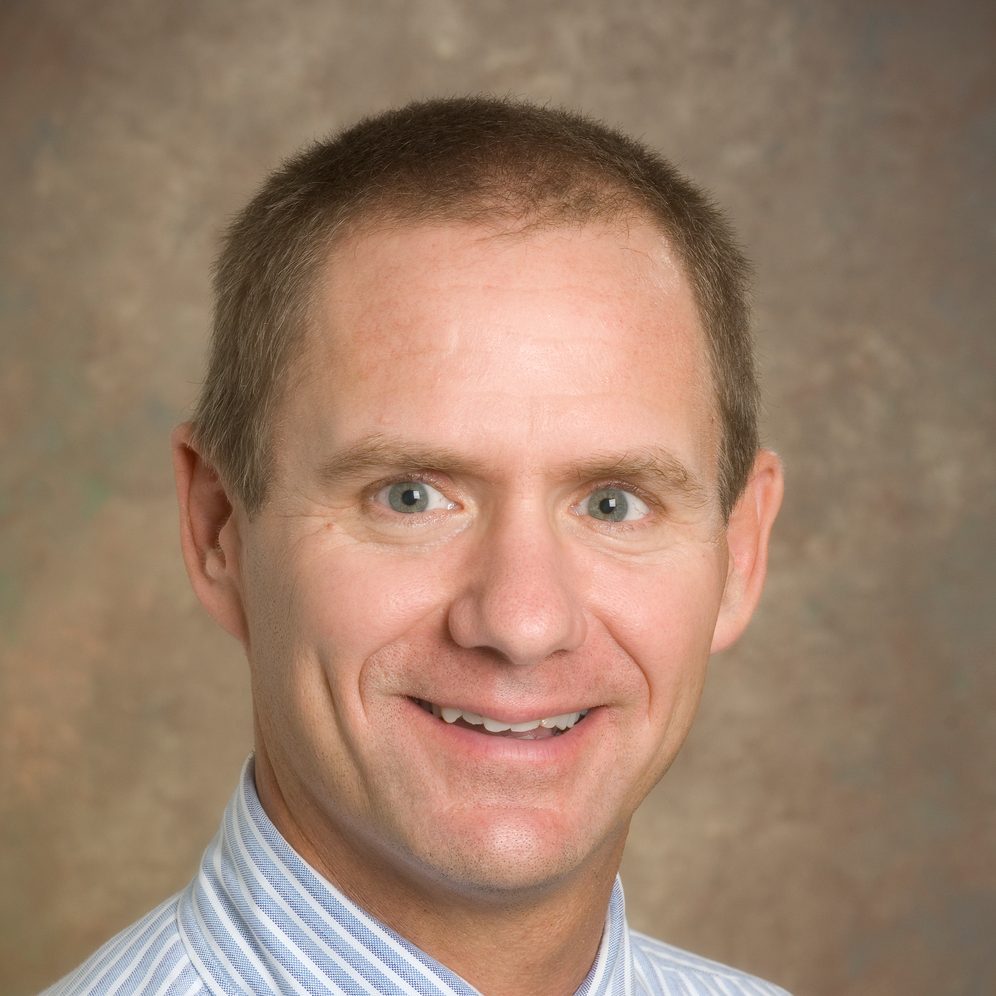
Akbal Gill is a Clinical Fellow in the Department of Neurology at Yale School of Medicine. Their work intersects with various clinical programs including the Yale Headache and Facial Pain Center, Yale Concussion Program, and Neurocritical Care initiatives. As a member of the Neurology faculty, they contribute to resident education pathways such as the Clinician Educator Distinction and Global Neurology Distinction. The Neurology department at Yale encompasses diverse research areas like neuroimmunology, neuromuscular medicine, and experimental neuroimaging, with Gill's role likely involving collaboration across these domains.
Ahmed Hassoon is an Assistant Research Professor at the Johns Hopkins Bloomberg School of Public Health, with a primary appointment in the Department of Epidemiology and joint appointments in the Department of Neurology at the School of Medicine and the School of Engineering. He is affiliated with several key research centers, including the Welch Center for Prevention, Epidemiology and Clinical Research, the Center for Diagnostic Excellence, and the Center for Humanitarian Health. MPH, Johns Hopkins Bloomberg School of Public Health, 2014 MD, Baghdad College of Medicine, 2004 Dr. Hassoon’s research is centered on leveraging data science and artificial intelligence to improve healthcare quality and safety, particularly in diagnostic accuracy. His work spans applications in lung cancer, stroke, and emergency medicine, with a strong emphasis on reducing diagnostic errors using frameworks like symptom-disease pair analysis (SPADE). He is deeply engaged in developing AI models that reason across multiple clinical modalities to enhance patient outcomes. His recent publications highlight a strong trend in diagnostic safety, AI-driven interventions, and epidemiological analysis of misdiagnosis harms. Key themes include the validation of computable phenotypes, measurement of diagnostic error burden, and the impact of mental health on acute care diagnostics. Hubert Humphrey Fellowship Award, U.S. Department of State (2010) US President Appreciation Certificate, The White House (2011) Atlas Corps Award (2012) Sommer Scholarship Award (2013) State of Maryland Cigarette Restitution Fund Faculty and Translational Research Awards (2016–2017) Institute for Healthcare Improvement (IHI) Fellowship (2024) Dr. Hassoon is a recipient of the AHRQ K08 Career Development Award focused on improving cancer diagnostic safety at Johns Hopkins Hospital. He co-instructs graduate-level courses in data science and AI with Professor Brian Caffo, contributing to the training of the next generation of public health data scientists. He has not formally advised students listed in the provided texts. His collaborative research spans multiple institutions and has been widely disseminated through policy, news, and social media, indicating significant real-world impact. His work is deeply integrated with the Welch Center and the Center for Diagnostic Excellence, where he contributes to translational research initiatives aimed at improving clinical decision-making and patient safety through innovative data-driven approaches.
Mayo Clinic College of Medicine and ScienceUnited States
Eduardo E. Benarroch, M.D., is a Professor of Neurology and Consultant in the Department of Neurology at Mayo Clinic in Rochester, Minnesota. His research focuses on neurochemical mechanisms underlying neurodegenerative disorders such as multiple system atrophy (MSA) and Lewy body diseases, with emphasis on brainstem and hypothalamic neuronal groups controlling homeostasis. His work is supported by the MSA Coalition and has contributed to understanding autonomic, respiratory, and sleep symptom mechanisms in Parkinson's disease. Dr. Benarroch holds a D.Sci. in Physiology from Buenos Aires University and completed multiple fellowships including NIH Fogarty International Fellowship at Cornell University. He has held leadership roles including President of the American Autonomic Society and Co-Director of Mayo's Neuroscience Laboratory. His 286+ publications span neurochemical pathology, autonomic disorders, and clinical neurology. Awarded the AB Baker Lifetime Achievement Award in Neurologic Education, he has received repeated teaching honors including Mayo's Distinguished Educator Award. His professional memberships include American Academy of Neurology, Society for Neuroscience, and Sigma Xi. He has advised numerous trainees and contributed to consensus guidelines on dysphagia in neurodegenerative diseases.
Michael Alfonzo, M.D., is an Assistant Professor of Clinical Emergency Medicine and Clinical Pediatrics at Weill Cornell Medical College, Cornell University. He provides pediatric emergency care at NewYork-Presbyterian Hospital's Upper East Side and Lower Manhattan campuses. Education: B.S., M.S. - Seton Hall University (2003, 2005) M.D. - Georgetown University School of Medicine (2009) Dr. Alfonzo specializes in Global Health , Medical Informatics , and General Pediatrics , with research focusing on simulation training, pediatric sepsis in resource-limited settings, and point-of-care ultrasound applications. His publications span topics like international medical education collaborations and acute migraine management in children. As Director of the Pediatric Emergency Medicine-Global Health Fellowship Track, he leads initiatives connecting Weill Cornell with Weill Bugando Medical Center in Tanzania. His clinical work emphasizes emergency care protocols for infants and children.
Patricia Estrada, DC, serves as Assistant Professor and Lead Clinician at Logan University's Health Center, located within the Stephen A. Orthwein Center at Paraquad in St. Louis. As the bilingual head clinician, she focuses on delivering equitable healthcare to the city's predominantly Hispanic community through affordable and accessible chiropractic services. Dr. Estrada earned her Doctor of Chiropractic from Logan University in 1999. Her clinical credentials include Acupuncture Certification and advanced McKenzie Method® training (Part A: Lumbar Spine; Part C: Advanced Lumbar Spine and Extremities – Lower Limb), emphasizing mechanical diagnosis and therapy. Her professional work centers on chiropractic medicine for diverse age groups, specializing in low/mid back pain, neck pain, and headaches. She prioritizes community health initiatives aimed at reducing disparities in Hispanic populations through culturally responsive care models. At the Logan University Health Center, Dr. Estrada leads the Residents and Chiropractic Physicians department, overseeing clinical operations that serve patients from newborns to elderly individuals within an urban community setting.
Craig B. Birgfeld, M.D. , is a professor in the Department of Surgery at the University of Washington School of Medicine and serves as Director of the UW Fellowship in Craniofacial Surgery. He practices at the Burn and Plastic Surgery Clinics at Harborview Medical Center, specializing in congenital craniofacial abnormalities, trauma reconstruction, and pediatric plastic surgery. Educational Background: Virginia Commonwealth University School of Medicine (Medical Education, 2000) University of Washington - Fellowship in Craniofacial Surgery Hospital of the University of Pennsylvania - Residency in Plastic Surgery Hospital of the University of Pennsylvania - Internship in General Surgery Dr. Birgfeld's research focuses on Craniofacial Microsomia and outcomes analysis in surgical interventions for congenital skull and facial abnormalities. His clinical work emphasizes trauma reconstruction, cleft lip/palate surgery, and craniofacial plastic surgery. He actively teaches Plastic Surgery residents and Craniofacial fellows, aiming to cultivate top-tier surgeons in the field. Recent publications highlight advancements in craniosynostosis treatment, facial symmetry measurement, and outcomes in craniofacial surgical procedures. His work spans collaborations with multidisciplinary teams in neurosurgery, pediatrics, and genetic research.
Amy Lynn Meadows, MD, MHS, FAAP, FAPA, DFAACAP serves as Associate Professor in the Department of Psychiatry at the University of Kentucky College of Medicine, holding the Dr. Laurie L. Humphries Endowed Chair in child psychiatry while directing the Division of Child and Adolescent Psychiatry. Her dual appointment bridges psychiatric and pediatric care within the academic medical center. Dr. Meadows' research program centers on how adverse childhood experiences (ACEs) disrupt health decision-making and treatment adherence, with current NIH-funded work investigating engagement strategies for childhood trauma survivors in opioid use disorder medication treatment. Her scholarship integrates developmental trauma theory with behavioral medicine approaches to improve outcomes for medically complex youth. Recent publications (2023-2025) reveal three dominant trajectories: 1) Racial disparities in youth psychiatric diagnosis and ACEs-substance use pathways; 2) Family factors (particularly parental sleep) impacting medication adherence; and 3) Innovative curriculum development for Triple Board training and pediatric consultation-liaison psychiatry. Her work consistently applies trauma-informed frameworks across medical comorbidities. Her scholarly impact is recognized through: University of Kentucky College of Medicine’s Vision Award UK Academy of Medical Educator’s Excellence in Teaching Award UK Department of Psychiatry Tagalie Heister Mentor Award As Division Director, Dr. Meadows mentors psychiatry residents and Triple Board trainees while leading national curriculum development through the AACAP Book Club and Pediatric Consultation-Liaison Psychiatry initiatives. Her grant portfolio includes NIH studies on ACEs and adherence mechanisms, plus institutional awards for innovative educational programming. She co-leads the University of Kentucky's Triple Board Residency Program (integrating pediatrics, general psychiatry, and child psychiatry) and directs the Child and Adolescent Psychiatry Division's clinical-research-education triad, with active collaborations across pediatric subspecialties including endocrinology and neurology.
Thomas W. Kaminski is a Professor in the Department of Kinesiology & Applied Physiology at the University of Delaware’s College of Health Sciences. His research focuses on sensorimotor and neurocognitive aspects of musculoskeletal injuries, particularly chronic ankle instability, sport-related concussions, and repetitive head impacts in soccer. He directs the Athletic Training Research Laboratory, established in 2003, which collaborates with departments across UD, including Athletics, Physical Therapy, and Engineering. Education: PhD in Sports Medicine (University of Virginia, 1996), MS in Athletic Training (University of Arizona, 1985), BS in Sports Medicine (Marietta College, 1984). Courses taught include Evidence-Based Sports Medicine, Upper/Lower Extremity Evaluation, and Clinical Practicum. Research emphasizes injury prevention, biomechanical analysis, and rehabilitation strategies. His lab uses advanced tools like the KinCom Isokinetic Dynamometer, Bortec EMG systems, and Triax Impact Monitors. Current projects include studying neck strengthening programs for youth soccer players and blood biomarkers in concussion recovery. Grants and collaborations involve the NCAA-DoD CARE Consortium, focusing on collegiate athletes and military cadets. Lab initiatives aim to translate findings into broader health applications for physically active populations. Lab facilities include the Human Performance Lab and partnerships with UD Physicians, Student Health Services, and regional sports programs. Active research areas include concussion symptom evolution, sex-based injury differences, and the effects of sport specialization on cognitive/postural functions.
Ajaz Sheikh, M.D. serves as Associate Professor and Director of the Clinical Neurophysiology Fellowship Program at the University of Toledo College of Medicine, specializing in Epilepsy, Sleep Medicine, and Intraoperative Monitoring. His clinical work integrates advanced neurophysiological diagnostics with comprehensive patient care at the Neuroscience Center. Education: M.B.B.S: University of Kashmir, Government Medical College Srinagar (1998-2004) Internship: University of Toledo (2010-2011) Residency: Psychiatry (University of Kashmir, 2005-2008); Neurology (University of Toledo, 2011-2014) Fellowship: Clinical Neurophysiology/Epilepsy (Case Medical Center, 2014-2015); Sleep Medicine (Duke University, 2015-2016) Dr. Sheikh's research examines seizure triggers, comorbidities in drug-resistant epilepsy, and neurophysiological diagnostic challenges. His work bridges clinical practice with systematic reviews on rare neurological conditions like CLIPPERS and Isaac Syndrome, emphasizing practical applications for improving diagnostic accuracy and treatment protocols in neurocritical care settings. Recent publications (2023-2025) reveal a strong focus on epilepsy comorbidities, with significant contributions to understanding ADHD-epilepsy interactions, geriatric seizure patterns, and autoimmune neurological disorders. His systematic reviews on CLIPPERS and Isaac Syndrome demonstrate methodological rigor while addressing critical gaps in rare disease management. Scientific Awards: Alpha Omega Alpha Induction (2023) A.B. Baker Teaching Recognition Award (2020) Outstanding Neurology Attending Award (2018-2019) Arnold P. Gold Humanism Award (2013, 2014) Outstanding Resident Teaching Award (2014) As Principal Investigator for the ENGAGE-E-001 alprazolam trial and Co-Investigator on four active epilepsy drug studies (natalizumab, padsevonil, XEN1101, SAGE-547), Dr. Sheikh leads translational research targeting super-refractory status epilepticus and drug-resistant focal epilepsy. His prior work in Kashmir included schizophrenia and depression drug trials, reflecting global research engagement. Through the Clinical Neurophysiology Fellowship Program, Dr. Sheikh trains next-generation neurophysiologists while collaborating on multi-center trials that advance evidence-based protocols for complex seizure disorders and intraoperative monitoring standards.
Dr. Gunjan Y. Parikh serves as an Associate Professor in the Department of Neurology at the University of Maryland School of Medicine, where she also functions as the Medical Director of the UMMC Neuro Critical Care Unit. Her clinical practice focuses on the intersection of neurology and critical care medicine, with particular expertise in managing patients with acute neurological emergencies including traumatic brain injury, intracerebral hemorrhage, and subarachnoid hemorrhage. Dr. Parikh completed her undergraduate education with a BA in Biochemistry from The University of Texas at Austin, followed by her MD from Texas A&M College of Medicine. Her clinical training includes an Internal Medicine internship at St. Vincent's Hospital - Manhattan, Neurology residency at Barrow Neurological Institute at Saint Joseph's Hospital and Medical Center (where she also served as Chief Resident), and specialized fellowship training in Neurocritical Care/Vascular Neurology at Columbia University Medical Center/Weill Cornell Medical Center. She further enhanced her research skills through an NINDS Research Fellowship in Neuroimaging at the National Institutes of Health. Her research program centers on identifying biomarkers during the resuscitation phase of patients with acute brain injuries that determine lesion repair, restoration of function, and recovery of consciousness. This work has led to significant contributions in characterizing the MRI signature of primary microvascular injury after head trauma and other acute brain injuries through both in vivo and ex vivo investigations. Her lab integrates multimodality monitoring with advanced neuroimaging techniques to translate findings to clinical care and develop outcome measures for clinical trials targeting currently untreatable aspects of brain injury such as demyelination and neurodegeneration. Analysis of Dr. Parikh's recent publications reveals a strong focus on translational neuroscience with emphasis on neuroimaging techniques, biomarker discovery, and clinical applications for acute brain injury management. Her work spans from basic science investigations of microvascular injury to clinical studies on patient outcomes, with particular attention to traumatic brain injury, intracerebral hemorrhage, and subarachnoid hemorrhage. Recent publications demonstrate increasing integration of data science approaches for predicting neurological deterioration and developing automated clinical assessment tools. Fellow of the Neurocritical Care Society (2024) Member, American Academy of Neurology Member, Neurocritical Care Society Member, National Neurotrauma Society Dr. Parikh serves as Site Co-PI for the DISCOVERY study (Determinants of Incident Stroke Cognitive Outcomes and Vascular Effects on Recovery) under NINDS/NIA U19 NS115388, and as SubK site-PI for the REACH-ICH study (Race/Ethnicity, Hypertension and Prevention of VCID and Stroke after Intracerebral Hemorrhage) under NINDS/NIH 5R01NS093870-08. Her research has been featured in multiple media outlets including MD Edge Psychiatry, News Medical, and SciTech Daily, highlighting her contributions to understanding vascular injury in traumatic brain injury. As Medical Director of the UMMC Neuro Critical Care Unit, Dr. Parikh leads a multidisciplinary team focused on providing high-reliability, quality care with emphasis on patient experience. Her research group actively investigates cerebral hemodynamics, neuroimaging biomarkers, and clinical decision support tools for patients with acute neurological conditions, with particular attention to improving triage and interhospital transfer of neuroscience patients.
John M. Streicher is a Professor in the Graduate College of the University of Arizona, holding appointments in both the Neuroscience Graduate Interdisciplinary Program (GIDP) and Pharmacology. His research focuses on molecular signal transduction cascades related to opioid, adenosine, and orphan receptors in chronic pain. BS: George Fox University, 1999 MS: Oregon Health and Science University, 2002 PhD: University of California – Los Angeles, 2009 Research interests center on identifying new signaling regulators of opioid receptors, determining their molecular mechanisms, and translating these findings into novel painkiller development without side effects like addiction. His methodologies include CRISPR/Cas9 gene editing in mice, high-throughput drug screening, and creating pain state models (e.g., post-surgical pain). His publications from 2023–2002 span opioid receptor pharmacology, pain pathway modulation, ion channel inhibition, and drug design strategies (e.g., biased signaling, sulfonamide constraints). Articles frequently address chronic pain models, receptor-specific ligands, and neuroinflammatory mechanisms. Cover selection for Science Signaling (2023, 2020) INRC Young Investigator Award (2022) UA Undergraduate Biology Research Program Outstanding Faculty Mentor Award (2020-2021) Cyagen Animal Model Award (2017) ASPET Young Scientist Travel Award (2011) Dr. Streicher's work bridges molecular pharmacology and translational pain research, with a focus on developing next-generation analgesics through innovative biochemical and genetic approaches.
Dr. Sarah J. Hon is a Clinical Professor in the Department of Neurology at the University of Kansas Medical Center and serves as Vice President of the Neuroscience Service Line at The University of Kansas Health System. She joined the faculty in 2022 after practicing neurology in Kansas City's Northland region. Board-certified in neurology and epilepsy, she previously chaired the Department of Medicine at North Kansas City Hospital and served on its Executive Committee. Education & Training: BA in Biology (with honors), William Jewell College DO (summa cum laude), Kansas City University of Medicine and Biosciences Internal Medicine Internship, Truman Medical Center/Saint Luke's Hospital Neurology Residency, University of Kansas Medical Center Executive MBA, Rockhurst University (2022) Research Focus: Her clinical expertise spans general neurology with specialized interests in epilepsy management, headache disorders, and neurological service line administration. Her work bridges clinical practice with healthcare leadership. Professional Leadership: Diplomate: American Board of Psychiatry & Neurology (Neurology/Epilepsy) Diplomate: United Council for Neurologic Specialties (Headache Medicine) Board Member: Kansas City Medical Society Vice President: Kansas City Clinical Neuroscience Society Member: American Academy of Neurology, American Medical Association
Margaret Izabella Chustecki is an Associate Clinical Professor at the Yale School of Medicine's Department of Internal Medicine. She obtained her MD from Warsaw Medical School (1988) and an MBA from the Yale School of Management (2009). Her clinical practice focuses on improving healthcare efficiency through quality programs achieving NCQA accreditation and implementing initiatives like Meaningful Use and PQRS. She coordinates medical education for trainees while maintaining an active clinical practice. Education: MD - Warsaw Medical School (1988), MBA - Yale School of Management (2009) Clinical Experience: Extensive inpatient/outpatient internal medicine, hospitalist service leadership Practice Management: Founded Internal Medicine of Greater New Haven in 2003 Her research interests center on cardiovascular disease management, diabetes therapies, and healthcare quality improvement. She has led over 30 clinical trials evaluating treatments for cardiovascular conditions, diabetes, COPD, migraines, and osteoarthritis. Key areas of investigation include statin efficacy, anticoagulant therapies, and novel diabetes medications. Dr. Chustecki's clinical trials portfolio demonstrates expertise in cardiology, endocrinology, and gastroenterology. Recent studies focus on residual cardiovascular risk reduction, type 2 diabetes combination therapies, and migraine treatment innovations. Her work bridges clinical practice improvements with rigorous evidence-based research. Teaching contributions include supervising Yale medical students, PA trainees, and residents in both hospital and ambulatory settings. She actively participates in medical education program development and interprofessional team coordination. Labs/Teams: Collaborates with Yale New Haven Hospital teams in clinical trial execution and quality improvement initiatives.
Todd Smitherman is a Professor of Psychology and Director of Clinical Training at the University of Mississippi within the College of Liberal Arts. He holds a PhD in Clinical Psychology from Auburn University (2006) and has focused his research on psychological factors in chronic medical conditions, particularly migraine and its psychiatric comorbidities. Education: BA in Psychology, Samford University (2000) PhD in Clinical Psychology, Auburn University (2006) Research Interests: Dr. Smitherman investigates migraine and headache disorders through the lens of psychological comorbidities (anxiety, depression, insomnia), behavioral triggers (poor sleep, stress), and interventions. His work includes exploring pain acceptance, fear of pain, and behavioral insomnia treatments for migraine reduction. Publications: Recent articles examine neuropsychological functioning in pediatric headache disorders, pain acceptance mechanisms in mindfulness-based therapies, and the impact of migraine aura on disability. His research employs daily diary studies, meta-analyses, and behavioral clinical trials. Teaching: Courses taught include Introduction to Psychology (PSY 201), Health Psychology (PSY 410), and graduate seminars on clinical assessment, research design, and ethics.
Siva K. Balasubramanian is a distinguished academic leader serving as Professor of Marketing and Associate Dean of Accreditation & Research at Illinois Tech's Stuart School of Business . Holding the Harold L. Stuart Endowed Chair in Business , he directs graduate programs in Management Science & Analytics while maintaining active research in artificial intelligence and marketing communications. Education highlights: Ph.D. in Marketing from University at Buffalo, State University of New York M.B.A. in Marketing from Osmania University B.S. in Mathematics, Physics, and Chemistry from Osmania University His research spans artificial intelligence , social media , product placements , and advanced measurement methods . With over 100 publications across marketing , neuroscience , and agricultural economics , his work examines how brands integrate into entertainment media and AI's societal impacts. Recent article trends reveal expertise in AI applications for healthcare logistics, social media influence on corporate responsibility, and cross-cultural marketing effectiveness. His 2024 commentary AI: The Land of Lingering Fear and Emergent Hope analyzes ethical AI regulation through the lens of human physiology and machine learning evolution. Scientific recognition includes: Fulbright Research Chair RBC Financial Group Chair of Electronic Commerce Research GMAC Research Institute Grant Pontikes Center Award Verizon instructional grant As a global consultant and corporate seminar leader , he bridges academic research with business strategy for Fortune 500 firms and government agencies. His 30+ year study of movie product placements demonstrates sustained impact in marketing communications research.