- Manycore system on chip (SoC) architectures
- Network processor (NPU) architectures
- On-chip communication architectures
- +۳ مورد دیگر
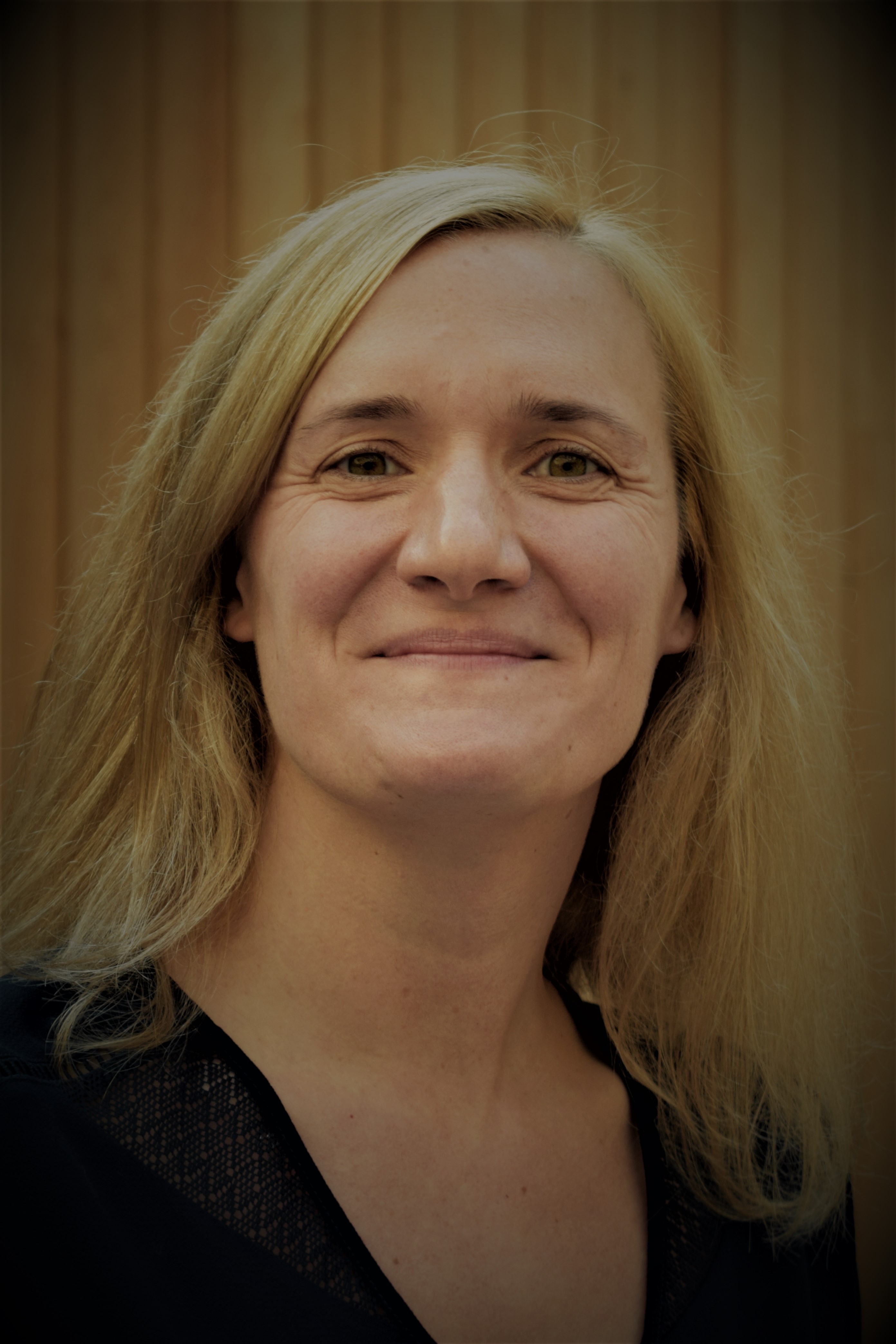
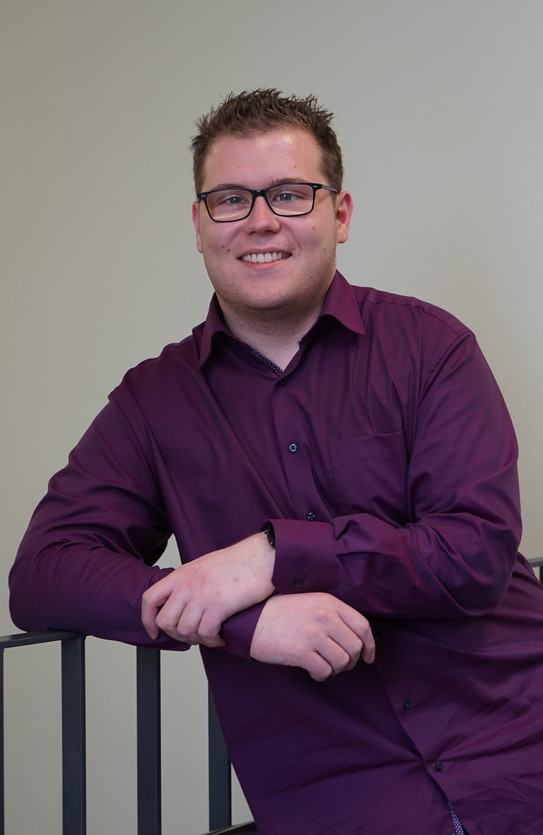
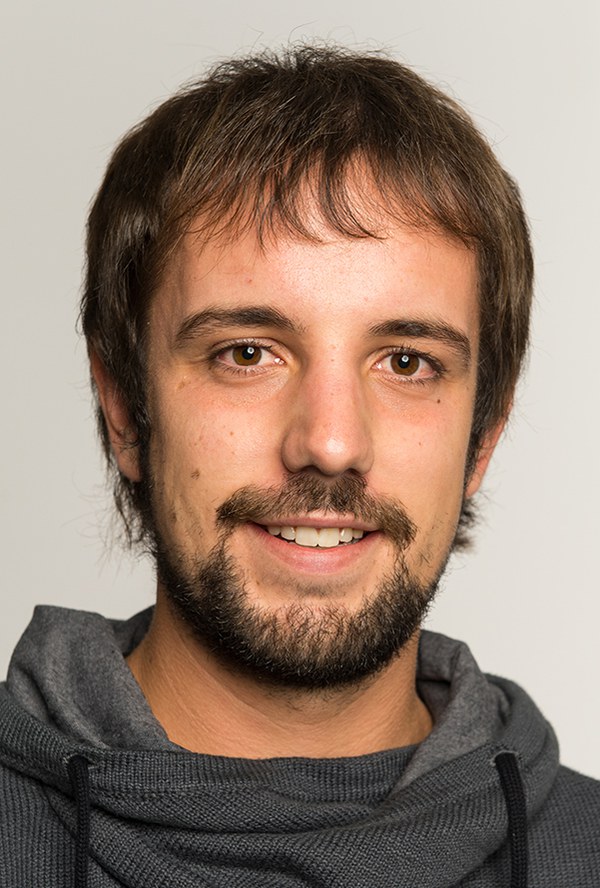
Dr.-Ing. Thomas Wild serves as an Academic Director at the Technical University of Munich (TUM), working within the TUM School of Computation, Information and Technology at the Chair of Integrated Systems. He maintains an active research and teaching role at the institution, with his office located in Building N1 (Theresienstr. 90), Room N2136 in Munich, Germany. Dr. Wild's research focuses on advanced computing architectures, with particular emphasis on manycore system on chip (SoC) architectures, network processor (NPU) architectures, on-chip communication architectures including networks on chip (NoC), and system level design methodologies. His work bridges theoretical research with practical implementation, often exploring design space exploration techniques to optimize system performance. The evolution of his research over two decades demonstrates a consistent focus on improving communication architectures and system-level design for embedded and high-performance computing platforms. His recent publications (2023-2025) reveal a growing integration of machine learning techniques with traditional hardware design, particularly in optimizing power-performance tradeoffs in embedded systems. There's a clear trend toward hardware-software co-design approaches, with significant work on SmartNICs, Linux system optimization, and network processing acceleration. His research shows strong interdisciplinary connections between computer architecture, networking, and machine learning. EUROPRACTICE representative for TUM city campus, facilitating access to commercial EDA tools for academic purposes Active collaborator with Professor Andreas Herkersdorf and other researchers at TUM Focus on practical implementations with FPGA-based prototyping and real system modifications Dr. Wild teaches several hardware design courses including VHDL Lab, SystemC Lab, and HW/SW Codesign, contributing to the education of next-generation computer engineers. His teaching directly complements his research in system design and hardware acceleration, providing students with hands-on experience in cutting-edge technologies.