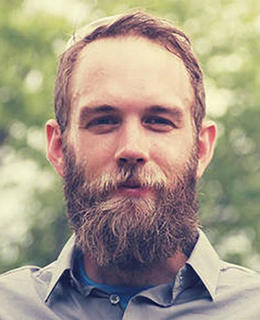
Animesh Garg is an Assistant Professor at the School of Interactive Computing at Georgia Tech, where he leads the People, AI, and Robotics (PAIR) research group . He holds a Senior Researcher position at Nvidia Research and has courtesy appointments at the University of Toronto and Vector Institute. Previously, he served as Chief Scientific Officer at Apptronik (2024-2025) and Senior Staff Research Scientist at Nvidia Research (2018-2024). Education : Ph.D. in Operations Research from UC Berkeley (2011-2016), MS in Computer Science and Industrial Engineering from Georgia Tech and University of Delhi. Research Focus : Building Generalizable Autonomy through Reinforcement Learning , Control Theory , and 3D Vision , with applications in Surgical Robotics , Self-Driving Labs , and Manufacturing . Key Article Themes : His recent work emphasizes Foundation Models for robotics, Differentiable Simulation , Language-Guided Autonomy , and Structured Inductive Biases in sequential decision-making. Scientific Awards : Stephen Fleming Early Career Professorship at Georgia Tech. Teaching : Courses on AI, Deep Reinforcement Learning, and Algorithmic Intelligence in Robotics at Georgia Tech. Labs & Collaborations : Affiliated with Institute for Robotics and Intelligent Machines (IRIM) and ML@GT at Georgia Tech; collaborates intensively with Nvidia Robotics.
Marcia O’Malley is the Thomas Michael Panos Family Professor in Mechanical Engineering, Computer Science, Electrical and Computer Engineering, and Bioengineering at Rice University’s George R. Brown School of Engineering. She chairs the Department of Mechanical Engineering and directs the Mechatronics and Haptic Interfaces (MAHI) Lab. Her research focuses on haptics and robotic rehabilitation, particularly wearable robotic systems for training and rehabilitation in virtual environments. She holds adjunct roles at Baylor College of Medicine and the University of Texas Medical School. Educated at Purdue University (B.S., 1996) and Vanderbilt University (M.S./Ph.D., 1999/2001), Dr. O’Malley has been recognized with prestigious awards, including the ONR Young Investigator Award, NSF CAREER Award, and multiple fellowships. She has twice won Rice’s George R. Brown Award for Superior Teaching. Her work bridges engineering and medicine, addressing human-robot interaction challenges in surgical training, workforce safety, and neurorehabilitation. The MAHI Lab develops devices like the hBracelet and Rice Haptic Rocker to enhance human-robot collaboration. She co-founded Houston Medical Robotics, Inc., applying her innovations to real-world medical applications. Research Interests: Haptics, wearable robotics, neural interfaces, surgical training metrics, and rehabilitation robotics. Labs/Teams: MAHI Lab (Biosciences Research Collaborative), collaborations with medical institutions. Grants/Awards: Extensive funding from NSF, ONR, and industry partnerships; leadership in editorial roles for IEEE Transactions on Haptics.
Frank L. Hammond III serves as Assistant Professor at Georgia Tech's Woodruff School of Mechanical Engineering since April 2015, directing the Adaptation Robotic Manipulation (ARM) Laboratory. A Carnegie Mellon PhD graduate, he previously held postdoctoral positions at MIT and Harvard as a Ford Fellow. His interdisciplinary work bridges mechanical engineering, biomedical applications, and computational design. Education Ph.D. in Mechanical Engineering, Carnegie Mellon University M.S. in Mechanical Engineering, University of Pennsylvania M.S. in Electrical Engineering, University of Pennsylvania B.S. in Electrical Engineering & Biomedical Engineering, Drexel University Hammond's research pioneers adaptive robotic manipulation (ARM) systems that operate in unstructured human environments through bioinspired computational design. His lab develops xenomorphic (non-biomorphic) robots using soft pneumatic actuation, flexible electronics, and machine learning to achieve biological-level versatility. Key application domains include wearable human augmentation devices , haptic-enabled surgical teleoperation , and autonomous soft platforms for medical and industrial use. The ARM methodology integrates empirical biomechanics characterization with simulation-driven optimization and rapid prototyping. Analysis of his 15 most recent publications (2023-2025) reveals three dominant trends: (1) Medical rehabilitation breakthroughs through intention-driven exoskeletons with soft bioelectronics, (2) Novel locomotion strategies for soft robots in complex environments (sand, water, cluttered spaces), and (3) Advanced haptic feedback systems leveraging multimodal sensory substitution for proprioceptive restoration. These works consistently bridge biomechanics, control theory, and human factors. Awards Ford Postdoctoral Research Fellowship at Harvard School of Engineering Hammond actively mentors graduate researchers including PhD candidates Lucas Tiziani (soft actuators) and Bangyuan Liu (earthworm robotics), and Master's student Alex Hart (pediatric haptics). His lab secures research funding for projects like tunable mechanical interfaces for neuropathy treatment and cognition-focused wearable devices, with strong industry and clinical partnerships evident in co-authored medical device publications. The ARM Lab maintains robust collaborations across Georgia Tech's robotics, neuroscience, and biomedical engineering communities. The Adaptation Robotic Manipulation Laboratory operates from Whitaker Building Room 4102, housing specialized facilities for soft robot fabrication (3D printing, shape deposition manufacturing) and biomechanics testing. Current projects include pediatric haptic feedback displays, biomimetic swimming robots, and kirigami-skinned earthworm robots for subsurface locomotion. The lab emphasizes translational research with multiple pending medical device patents and active participation in K-12 STEM outreach programs.
Yuankai (Kenny) Tao is an Associate Professor of Biomedical Engineering at Vanderbilt University's School of Engineering and an SPIE Faculty Fellow. He directs the Graduate Studies program in Biomedical Engineering and leads research in optical imaging systems for clinical diagnostics and therapeutic monitoring in ophthalmology, gastroenterology, and oncology. His lab develops technologies like intraoperative OCT and SECTR, focusing on noninvasive subcellular visualization and biomarker monitoring. Collaborations span engineering, basic sciences, and medicine to translate innovations into clinical tools. Education: Ph.D., Biomedical Engineering, Duke University M.S., Biomedical Engineering, Duke University B.S.E., Biomedical Engineering and Electrical Engineering, Duke University Research Interests: Biomedical optics, optical coherence tomography (OCT), image-guided surgery, therapeutic monitoring, big data analytics, and high-throughput imaging for drug discovery. His work bridges engineering and medicine, emphasizing real-time feedback systems and interdisciplinary innovation. Grants & Labs: Director of the Vanderbilt Institute for Surgery and Engineering (VISE)-affiliated lab, focusing on surgical imaging and translational research. Projects include automated instrument tracking, SECTR systems, and AI-driven imaging analysis. Collaborations involve clinicians and researchers across disciplines.
Rey Ramirez, MD is an Assistant Professor of Orthopaedics & Rehabilitation at Yale School of Medicine, specializing in Hand & Upper Extremity Surgery with a focus on pediatric hand conditions. He joined Yale in 2022 after completing his pediatric hand surgery fellowship at Shriners Hospital of Philadelphia. Dr. Ramirez is affiliated with the Hand & Upper Extremity Surgery division and Pediatric Orthopaedics within the Department of Orthopaedics & Rehabilitation. Dr. Ramirez's educational background includes: BS in Biology from California Institute of Technology (2003) MD from David Geffen School of Medicine at UCLA (2007) Internship at Keck School of Medicine - Los Angeles County Medical Center (2008) Residency at Keck School of Medicine - Los Angeles County Medical Center (2012) Hand Surgery Fellowship at University of Texas Southwestern (2013) Pediatric Hand Surgery Fellowship at Shriners Hospital of Philadelphia (2014) Dr. Ramirez's primary research interests focus on pediatric hand surgery, including congenital hand conditions, brachial plexus birth injuries, and arthrogryposis. His clinical expertise spans pediatric hand reconstruction, microsurgery, and treatment of conditions such as amniotic band syndrome, carpal tunnel syndrome in children, and peripheral nerve injuries. Additionally, he has a strong interest in diversity and inclusion within orthopedic surgery, examining gender and racial disparities in the field and factors influencing specialty choice among medical students and residents. His recent publications demonstrate a dual focus on clinical pediatric hand surgery techniques and diversity in medicine. The surgical publications often address innovative approaches to complex pediatric hand conditions, while his diversity-focused work examines gender disparities in orthopedic surgery and physical medicine, contributing to important conversations about inclusion in medical specialties. His work spans both original research articles and textbook chapters on hand surgery topics. Dr. Ramirez has received several professional recognitions: "Top Research Study" award for his work on women's experiences in orthopedics versus physical medicine (2024) Top Doc for Kids recognition (2020) Best "Surgical Pearl" Paper award from the Pediatric Hand Study Group (2014) Dr. Ramirez is actively involved in mentoring medical students and residents, currently advising Tamanna Patel, Claire Donnelley, Louise Atadja, and Peter Laub. His educational contributions include developing virtual curricula for medical student orthopedic education and examining methods to improve resident performance on standardized examinations. While specific grant funding isn't detailed in the provided information, his research activities suggest involvement in both clinical outcomes studies and healthcare disparities research. Within the Yale Orthopaedics & Rehabilitation department, Dr. Ramirez contributes to the Hand & Upper Extremity Surgery and Pediatric Orthopaedics divisions. His work intersects with the department's broader research initiatives including the Liu Lab for Translational Orthopaedic Research and the 3D Collaborative for Medical Innovation (3DC), though specific lab leadership isn't mentioned in the provided information.
Southern Illinois University CarbondaleUnited States
Devin Amin, MD, is an Associate Professor in the Department of Surgery at Southern Illinois University School of Medicine and serves as the Program Director for the Neurosurgery Residency Program. He is a board-certified neurosurgeon specializing in advanced surgical techniques for pituitary and skull base disorders. University of Pittsburgh, MD Carnegie Mellon University, PhD in Biomedical Engineering University of Pittsburgh, Residency in Neurological Surgery Dr. Amin's clinical expertise lies in endoscopic pituitary and skull base surgery , while his research focuses on Image Guided Surgery and minimally invasive approaches. His work bridges engineering innovation with clinical applications in neurosurgery. The articles related to Dr. Amin highlight advancements in skull base surgery , including hands-on training initiatives and groundbreaking transorbital procedures in central Illinois. These works emphasize trends in minimally invasive techniques , neurosurgical education , and interdisciplinary collaboration . Excellence in Medical Teaching Award (2012, 2013, 2014, 2016, 2017, 2022) As Program Director for Neurosurgery Residency, Dr. Amin oversees training programs and contributes to surgical education. His clinical practice involves cutting-edge procedures like transorbital skull base surgery, reflecting his commitment to advancing neurosurgical techniques.
Frank E. Garcea, Ph.D., is a Research Assistant Professor in the Department of Neurosurgery and Neuroscience at the University of Rochester School of Medicine and Dentistry. His research focuses on the cognitive and neural mechanisms underlying tool use, apraxia, and stroke recovery. He employs neuropsychological testing, fMRI, and lesion-symptom mapping to study brain injury effects on functional connectivity and action knowledge. Education: Bachelor of Science in Psychology, St. John Fisher College (2006–2010) PhD in Brain and Cognitive Sciences, University of Rochester (2012–2017) Research Interests: Dr. Garcea investigates how brain regions like the parietal cortex and dorsal/ventral streams mediate object manipulation and tool use. His work explores stroke-related disconnection syndromes, motor speech coordination networks, and translational brain mapping to preserve neural function during surgery. He collaborates on projects involving epilepsy patients undergoing electrocorticography to study action-related neural pathways. Labs & Affiliations: Principal Investigator of the Garcea Lab at URMC, focusing on tool use deficits in brain tumor/stroke survivors. Affiliated with the Del Monte Institute for Neuroscience and the Neurobiology & Anatomy Program. His lab integrates neuroimaging, lesion analysis, and clinical care to advance personalized brain mapping strategies.
Theresa Baxter is a Senior Lecturer at Sheffield Hallam University, where she has been since July 2007. She initially served as Programme Leader for the Practice-based Learning Occupational Therapy programme and later combined this role with that of Professional Lead for Occupational Therapy and Vocational Rehabilitation until stepping down in June 2018 to focus on supporting practice education within the Allied Health Professions (AHP) department. Prior to this, she taught at the University of Derby from 1993 to 2003 and held clinical roles in various hospitals, including the Royal London Hospital, Bethnal Green Hospital, Watford General Hospital, and Queen’s Medical Centre in Nottingham. Her educational background includes qualifying as an Occupational Therapist in 1980 from Derby School of Occupational Therapy (now the University of Derby). She has since contributed to academic and clinical advancements through her work in older adult psychiatry, general medicine and surgery, rehabilitation, and vocational healthcare. Research interests span practice learning methodologies, group work dynamics, and experiential learning in occupational therapy education. She emphasizes the integration of clinical expertise with academic programs, particularly in older adults' mental health and vocational rehabilitation. Her collaborations include studies on fracture bracing techniques and solutions to practice placement shortages in healthcare education. Theresa has presented at national conferences such as the College of Occupational Therapists National Conferences (2008–2015) and ENOTHE (2013), addressing topics like student placement experiences and strategies to enhance workforce development. Her work highlights the importance of occupationally focused practice and improving staff wellbeing through occupational functioning interventions. She currently serves as an External Examiner at the University of Brighton and a Registrant Assessor for the HCPC. Her career bridges clinical management roles and academia, with a focus on fostering practical learning environments for students and advancing educational standards in occupational therapy.
Professor Michael Tonkin is a leading academic in the Department of Surgery at the Northern Clinical School of the University of Sydney. He specializes in pediatric hand surgery, congenital anomalies of the upper limb, and reconstructive microsurgery. His work focuses on classification systems for congenital hand defects (e.g., OMT classification) and surgical outcomes for conditions like thumb hypoplasia, polydactyly, and syndactyly. Professor Tonkin holds clinical roles with associated phone (+61 2 9926 7778) and fax (+61 2 9926 6311) contacts. Research interests include embryology of congenital defects, surgical techniques for thumb reconstruction, and functional assessment of hand anomalies. His 2013 grant explored rheumatoid synoviocyte biology. Over 50 peer-reviewed articles and book chapters since 2002 reflect his expertise in congenital anomaly management, tendon transfers, and pediatric surgical innovations. Key contributions include defining thumb opposition metrics, developing functional assessment scores for hypoplastic thumbs, and advancing pollicization techniques. He collaborates with international experts in hand surgery and has mentored multiple researchers evident through co-authorships.
Dominic Furniss serves as Professor of Plastic and Reconstructive Surgery at the University of Oxford's Nuffield Department of Orthopaedics, Rheumatology and Musculoskeletal Sciences (NDORMS), concurrently holding an Honorary Consultant Plastic Surgeon position. His clinical expertise centers on hand surgery and supermicrosurgery for lymphoedema treatment. His educational background includes undergraduate medical studies at Trinity College, Cambridge (Junior and Senior Scholar, first-class degree in genetic pathology) followed by clinical training at Oxford University Clinical School. He completed basic surgical training in London before returning to Oxford's Plastic Surgery Department in 2003. Professor Furniss leads pioneering research into genetic and non-genetic causes of hand conditions through multiple initiatives including the Furniss Group, Centre for OA Pathogenesis, and Hand Research Group. His work spans molecular genetics of Dupuytren's disease, carpal tunnel syndrome epidemiology, and kidney stone disease mechanisms. Recent investigations extend to AI applications in health data through the PHAIR study and causal inference methods in genetic epidemiology. Analysis of his 2024-2025 publications reveals a strategic shift toward large-scale epidemiological studies of hand injuries, interdisciplinary genetic research, and AI integration in surgical practice. These works bridge orthopaedics, genetics, and medical informatics with significant real-world clinical implications. His major scientific recognitions include: Pushpa Chopra Award Plenary Prize of the MRS Wellcome Trust Intermediate Fellowship (first awarded to a plastic surgeon) Professor Furniss has secured substantial research funding including the NIHR Clinical Lectureship (2007) and Wellcome Trust Fellowship (2012). He directs multiple research streams: RAMBOH-1 studies, Molecular Genetics of Carpal Tunnel Syndrome project, and HAWAII initiative. His team actively investigates public perceptions of health data sharing for AI through the PHAIR study while advancing supermicrosurgical techniques for lymphoedema. He maintains active leadership in the Athena SWAN gender equality initiative as a Self-assessment team member, demonstrating commitment to inclusive academic culture.
Wesley Willett is an Associate Professor in the Department of Computer Science at the University of Calgary, holding the NSERC CRC II Chair in Visual Analytics. His primary research focuses on information visualization, human-computer interaction, and new media applications. He leads the Data Experience Lab and Interactions Lab, exploring innovative methods for data representation and interaction in augmented/virtual reality environments. Education includes a B.S. in Computer Science from the University of Colorado (2006) and a Ph.D. in Computer Science from UC Berkeley (2012). His work bridges technical innovation with user-centered design principles, emphasizing ethical considerations in data visualization and inclusive representation. Key research contributions include: spatial visualization techniques for large environments, gesture-based interfaces for AR/VR, and physical data representations through projects like Cetonia (swarm robotics visualization) and Data Embroidery. His work has been recognized with Best Paper awards at CHI 2015 and Pervasive 2010. Current research emphasizes immersive analytics, wearable visualization systems, and demographically diverse anthropographics. He collaborates with urban designers, neurologists, and environmental scientists to apply visualization in diverse domains like epilepsy surgery planning and air quality monitoring.
Chao Liu is a Research Scientist at CNRS (French National Center for Scientific Research) since 2008, affiliated with the DEXTER team and the Department of Robotics, LIRMM at University of Montpellier, France. He earned his Ph.D. in Electrical & Electronic Engineering from Nanyang Technological University, Singapore (2006). Current research focuses on surgical robotics , haptics , teleoperation , and nonlinear control theory with applications in computer vision. His work addresses challenges in robotic-assisted telesurgery, including: Stable and transparent human-robot interaction through wave variable compensators and passivity filters Physiological motion compensation using spatio-temporal LSTM and dual Kalman filters EMG-based motion recognition for surgical skill assessment 3D soft-tissue reconstruction with stereo-endoscopes and deep learning Dr. Liu leads European and French projects like: TS2RT (CNRS-funded): Safer teleoperation with motion compensation ROBACUS (ANR-funded): Needle positioning with MPC control HaTUMoCo (CNRS-funded): Haptic teleoperation with uncertainty handling ARAKNES (EU-funded): Microrobotic systems for endoluminal surgery Scientific honors include Senior Member of IEEE and Member of Sigma Xi . He supervises Ph.D. and Master's students working on topics such as concentric tube robot optimization, haptic teleoperation, and EMG-based force estimation. Dr. Liu serves on IEEE Technical Committees for Telerobotics and Haptics , and as Technical Editor of IEEE/ASME Transactions on Mechatronics.
Matthew Holden is an Associate Professor in the School of Computer Science at Carleton University. He holds a PhD (2018) and MSc (2014) from Queen's University and a BScH (2012) from Western University. His research focuses on Surgical Data Science, applying machine learning to surgical time-series data from operating rooms and simulations to improve patient outcomes and surgical training. Key areas include real-time decision support, performance assessment, and surgical efficiency through domain-knowledge integration. Research interests emphasize machine learning for surgical workflows, skill assessment via sensor data (e.g., motion tracking, EEG), and computer-assisted interventions. Notable work includes automated proficiency evaluation in cataract surgery, ultrasound-guided procedures, and neurosurgical training. His contributions span medical robotics, surgical education, and clinical decision support systems. Publications highlight advancements in surgical workflow anticipation, tool detection, and skill metrics across domains like ophthalmology, emergency medicine, and neurology. Holden advocates for interdisciplinary approaches combining computational methods with clinical expertise to enhance healthcare delivery.
Ke Wu is a Professor in the Department of Computer Science and Engineering at the University of Michigan. Their research focuses on the intersection of machine learning, biostatistics, and healthcare technology, with an emphasis on mobile health interventions, causal inference, and Bayesian methods. They lead a small, hands-on research group mentoring PhD students and postdocs. Key interests include developing predictive models for health outcomes, improving treatment effect estimation, and leveraging mobile technology for caregiver support. Their work has addressed critical challenges in clinical decision-making, public health surveillance, and healthcare innovation. Research projects span synthetic data generation for electronic health records, mHealth app development for care partners of traumatic brain injury patients, and algorithmic fairness in reinforcement learning. Ke Wu emphasizes interdisciplinary collaboration and has contributed to global health studies, including analyses of pneumonia etiology in low-resource settings and the PERCH study. Their group's methodologies often integrate wearable sensor data and machine learning to address real-world health challenges. Advising priorities include fostering student independence while maintaining close mentorship, with expectations for consistent research productivity and professional development. Students are encouraged to pursue teaching roles (e.g., GSI positions) and internships aligned with career goals. Funding support for conference participation is available through institutional and external grants. Ke Wu's contributions extend to statistical methodology, including Bayesian latent class models and dynamic risk prediction frameworks. They actively engage in translational research, bridging computational methods with clinical and public health applications, and prioritize open-source software development to advance reproducible research practices.
D. Chimene Richa serves as Clinical Assistant Professor of Ophthalmology and Visual Sciences at the University of Maryland School of Medicine, holding additional leadership roles as Associate Program Director and Director of Medical Student Education in Ophthalmology. Her academic foundation includes: Bachelor of Science in Biology (summa cum laude) from Villanova University Medical degree from University of Pennsylvania School of Medicine Transitional year internship at Albert Einstein Medical Center Ophthalmology residency at University of Maryland Oculoplastic surgery fellowship at Allegheny General Hospital Dr. Richa specializes in Oculoplastics with clinical expertise in eyelid, tear drainage, and orbital pathologies—including ptosis, dermatochalasis, entropion/ectropion, tearing disorders, eyelid tumors, and thyroid eye disease. Her practice emphasizes functional and cosmetic outcomes for periocular conditions while innovating ophthalmology education methodologies for medical students and residents. Her educational contributions were formally recognized with the Pass & Susel Medical Student Education Tool Chest Award in 2015. As Director of Medical Student Education, Dr. Richa shapes curriculum development and clinical training frameworks within the ophthalmology department, prioritizing hands-on resident instruction and novel teaching approaches despite no documented research grants or dedicated laboratory facilities.