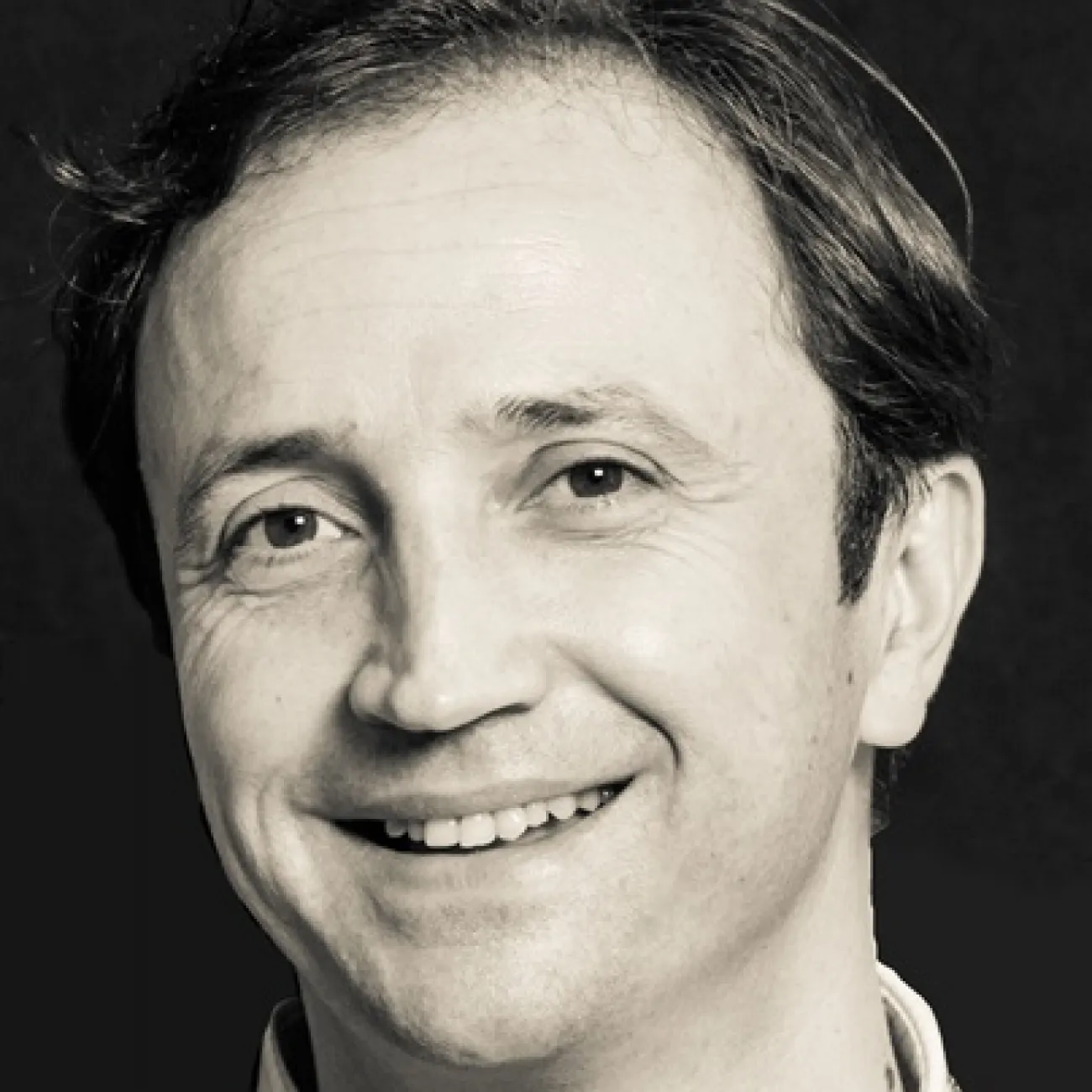
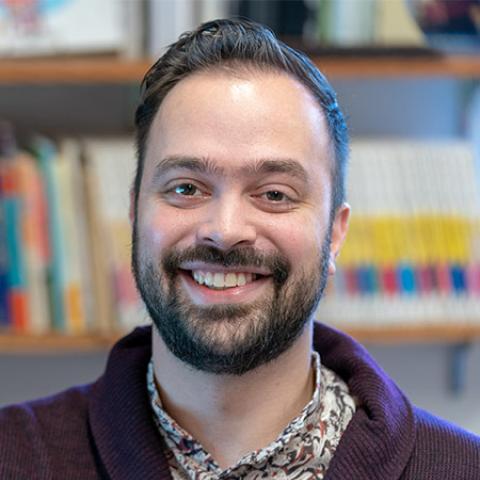
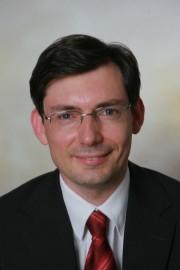
Professor Goran Mashanovich is a leading academic in silicon photonics at the University of Southampton's Optoelectronics Research Centre (ORC) , Faculty of Engineering and Physical Sciences. With a Dipl. Ing. and MSc from the University of Belgrade and a PhD from the University of Surrey, he serves as head of the ORC's Mid-IR silicon photonics group. His expertise spans passive and active photonic devices in silicon and germanium for communication and sensing systems. Education: Dipl. Ing. in Optoelectronics, University of Belgrade MSc in Optoelectronics, University of Belgrade PhD in Silicon Photonics, University of Surrey MSc in Innovative Teaching, University of Surrey His research focuses on Silicon Photonics , Photonics Integrated Circuits , and Sensor Development , particularly in mid-infrared applications. His recent publications demonstrate advancements in waveguide engineering, perovskite integration, and nonlinear optical effects optimization through computational methods. As Principal Investigator on grants exceeding £20 million from EPSRC and industry partners, his collaborative projects include MISSION (mid-infrared healthcare sensors), CORNERSTONE 2.5 , and PIXEurope . He also contributes to global education initiatives as a visiting professor at the University of Belgrade's Faculty of Electrical Engineering.
Jaime Cardenas serves as an Assistant Professor at The Institute of Optics and holds a joint appointment as Assistant Professor of Physics at the University of Rochester. He joined the faculty in July 2016 after earning his Ph.D. in Optical Science and Engineering from the University of Alabama in Huntsville and gaining industry experience as a process engineer followed by research at the Cornell Nanophotonics Group. His educational background includes: Ph.D. in Optical Science and Engineering, University of Alabama in Huntsville Professor Cardenas' research centers on integrated photonics, nanophotonics, and nonlinear photonics, with current projects targeting photonic packaging, 2D materials integration, nonlinear optical phenomena, and on-chip quantum photonics. His group develops nanostructured photonic devices that manipulate light within chip-scale platforms, enabling applications in precision sensing, communications, and quantum technologies. This work bridges fundamental optical physics with practical engineering solutions for real-world implementation. Analysis of his recent publications reveals dominant themes in chip-scale photonic systems, particularly advancements in silicon nitride and lithium niobate platforms. Key research trajectories include weak-value amplification for ultra-precise optical gyroscopes, adiabatic frequency conversion in microring resonators, photonic packaging innovations via laser fusion splicing, and multispectral imaging sensor development. His work consistently emphasizes translating theoretical concepts into manufacturable integrated photonic devices with applications spanning navigation systems, spectroscopy, and quantum information processing. Professor Cardenas leads the Cardenas Lab, which specializes in creating photonic devices that fit on the tip of a needle. The lab's research portfolio spans from fundamental nonlinear optical phenomena to applied educational initiatives, including hands-on photonic kits designed to train the next generation of integrated photonics engineers. Current projects focus on developing robust, manufacturable photonic systems for industrial and defense applications while maintaining strong connections to quantum photonics research.
Ryo Suzuki is an Assistant Professor in the Department of Computer Science at the University of Calgary's Faculty of Science. His research focuses on Human-Computer Interaction (HCI) and robotics, particularly in tangible user interfaces, swarm robotics, and shape-changing interfaces. He holds a PhD in Computer Science from the University of Colorado Boulder (2020) and has conducted research internships at Stanford University, UC Berkeley, the University of Tokyo, and Adobe Research. His educational background includes advanced coursework in robotics and HCI, with a strong emphasis on interdisciplinary innovation. He teaches courses such as Human-Computer Interaction II, Human-Robot Interaction, and Special Topics in Mixed Reality Application Design. Research interests include designing novel interfaces for AR/VR/MR systems, haptic feedback mechanisms, and collaborative robotics. His work often bridges physical and digital spaces, such as through projects like LiftTiles (shape-changing building blocks) and RoomShift (room-scale haptic environments). Key awards include the UIST 2020 Honorable Mention Paper Award, DIS 2019 Best Paper Award, and the Ministry of Internal Affairs and Communications in Japan Innovation Award. His research has been featured in IEEE Computer Graphics and Applications, TechXplore, and Wired. He actively explores future work in symbiotic AI systems, AI-in-the-loop AR applications, and scalable shape-changing robotics. His lab emphasizes hands-on prototyping and user-centered design principles.
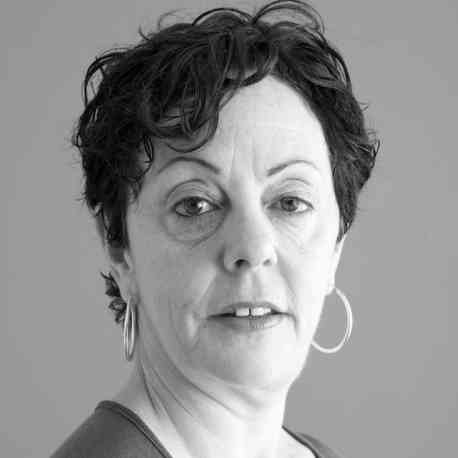
Professor Anna Marie Munster is a distinguished academic and artist at UNSW Art and Design (College of Fine Arts), where she has held a full-time tenured position since 2001. Her work bridges theoretical scholarship with creative practice, establishing her as a leading figure in digital media art and critical theory. University: University of New South Wales School: College of Fine Arts (UNSW Art and Design) Position: Professor Qualifications: PhD from UNSW (2002), BA (Class 1 Hons with University Medal) from University of Sydney (1984) Professor Munster's research explores the intersections of art, technology, and philosophy, with particular focus on statistical visuality, radical empiricism, the politics and aesthetics of machine learning, and more-than-human perception. Her work integrates process philosophy with contemporary media practices, examining how time, movement, and sonicity shape our experience of digital environments. She approaches these topics through both theoretical scholarship and creative practice, often collaborating with artist Michele Barker on multi-channel audiovisual installations. Her publications reveal a consistent trajectory exploring the relationship between embodiment and digital media, with recent work focusing on AI and machine learning in cultural contexts. Munster's creative output demonstrates sophisticated integration of technical innovation with philosophical inquiry, particularly in how her installations challenge conventional perceptions of time and space. ARC, UNSW Student Council Award for Excellence in Postgraduate Supervision (2017) Dean's Award for Excellence in Postgraduate Supervision (2015) Highly commended for Materializing New Media at Prix Ars Electronica (2008) Winner of National Digital Art Awards 'The Harries' (2006) University Press of New England Publishing Award (2005) Professor Munster has completed over 20 PhD and Masters supervisions at UNSW and been involved in another 10 secondary supervisions. She currently supervises five PhD candidates working on diverse topics including coding materialities, critical bio-textiles, schizophrenia and XR technologies, sound and resonance, and affective drawing. Her ARC-funded research projects demonstrate sustained commitment to interdisciplinary work, particularly at the intersection of art, science, and technology. Her creative practice with Michele Barker has resulted in numerous commissioned installations exploring perception, embodiment, and the relationship between humans and technology.
William A. Goddard, III is the Charles and Mary Ferkel Professor of Chemistry, Materials Science, and Applied Physics at the California Institute of Technology. With a career spanning over five decades, he has held positions from Noyes Research Fellow (1964–66) to his current professorship since 2001. His educational background includes a B.S. from UCLA (1960) and a Ph.D. from Caltech (1965). Quantum chemistry and first-principles simulations Multiscale modeling (QM→MD→mesoscale) Catalysis and protein structure prediction Nanotechnology and bionanotechnology Energy storage (batteries, supercapacitors) Recent publications emphasize applications in metal-organic frameworks , electrocatalysis , and space manufacturing , reflecting his interdisciplinary approach. His work on G-protein coupled receptors and Li-S batteries demonstrates methodological innovation through quantum mechanics and machine learning . Horizon Prize , Royal Society of Chemistry Over 1548 total publications (1967–2022) As Director of Caltech's Material and Process Simulation Center , he leads development of software like ReaxFF for reactive dynamics. He teaches Ch 120 ab (Nature of the Chemical Bond) and Ch 121 ab (Atomic-Level Simulations), emphasizing hands-on computational applications for experimentalists and theorists.
Andrew Campana is an Assistant Professor of Asian Studies at Cornell University's College of Arts and Sciences, specializing in modern and contemporary Japanese literature and media. His research explores the possibilities and limitations of expression during media transitions, with particular focus on poetry, digital media, and disability studies. His academic journey includes a Ph.D. in East Asian Languages and Civilizations from Harvard University and an Honors B.A. in East Asian Studies from the University of Toronto. Campana's first book, Expanding Verse: Japanese Poetry at the Edge of Media , published by the University of California Press in 2024 as an open access work, examines Japanese poetic practice from the 1920s to the present as poets engaged with evolving media technologies including film, tape recording, television, and the internet. As a researcher, Campana's work bridges literary studies, media studies, game studies, and disability studies, with current projects exploring how poetry became a key site of digital experimentation in Japan. His research methodology combines traditional literary analysis with hands-on creative practice, informed by his experiences at MIT's Trope Tank laboratory. His scholarly interests span Japanese media history, disability representation in literature and gaming, digital poetics, and gender studies. His research has received significant media attention, including features in the Cornell Chronicle ('Poets in Japan Experiment at the Edge of Media' and 'Japanese Poets Open New Ways of Thinking About Media'), The Statesman, and interviews on NPR's Academic Minute and the Curiosity Daily podcast discussing his work on gaming and accessibility. As an educator, Campana teaches courses including 'Introduction to Japan,' 'Japanese Poetry,' and 'The Glitch: Errors, Disability, and the Edges of Digital Media' (ASIAN 4703/6703), guiding students through interdisciplinary explorations of Japanese literature, media, and digital culture. His teaching reflects his commitment to understanding media transitions through both theoretical and practical lenses.
Gül Varol is a permanent researcher at École des Ponts ParisTech's IMAGINE group, an ELLIS Scholar, and Guest Scientist at Max Planck Institute. She holds a PhD from Inria Paris/ENS with awards from ELLIS and AFRIF. Her academic service includes Program Chair at ECCV'24 and Area Chair roles at major conferences. Current affiliations: IMAGINE group (École des Ponts ParisTech), Max Planck Institute Previous roles: Postdoctoral researcher at University of Oxford Her research focuses on vision-language applications, particularly in 3D human motion synthesis, sign language technology, and audio description generation. Key techniques include text-conditioned diffusion models, temporal context modeling, and synthetic data utilization. Scientific contributions recognized through: Google Research Scholar award (2023) ELLIS PhD Award (2020) AFRIF PhD thesis award (2020) Best application paper at ACCV'20 Recent publications demonstrate expertise in: Text-driven 3D motion editing (MotionFix, 2024) Cross-dataset generalization studies (TMR++, 2024) Temporal action composition frameworks (TEACH, 2022) Sign language dense annotation methods (BOBSL, 2022) Zero-shot audio description generation (AutoAD-Zero, 2024) She actively contributes to dataset development including BOBSL (British Sign Language corpus) and SURREACT synthetic action dataset, while pioneering new evaluation metrics for audio description quality and motion retrieval benchmarks.
Prof. Dr. Aliaksandr Bandarenka is a Professor at the Technical University of Munich (TUM) in the TUM School of Natural Sciences , leading the Assistant Professorship of Physics of Energy Conversion and Storage . His research focuses on electrochemical surface science and energy materials development. Education: PhD in Chemistry from Belarusian State University (2005) Key Collaborations: Ruhr University Bochum, University of Twente, Technical University of Denmark Prof. Bandarenka's research explores: Design of electrocatalytic materials via bottom-up approaches Characterization of electrified interfaces Development of sustainable energy conversion/storage systems Surface structure-activity relationships in catalysis Recent article trends (2024) include: ORR electrocatalyst optimization using ZIF-8 templating Advanced impedance spectroscopy for battery/electrolyzer diagnostics Mesoporous oxide materials for energy applications Surface structure effects on double layer capacitance Scientific Recognition: Ernst Haage-Prize (2016) Hans-Jürgen Engell Award (2013) He teaches graduate courses on: Electrified interfaces Energy materials science Electrocatalysis fundamentals Hands-on experiments in battery technology
Alberta N.A. Aryee, PhD is an Associate Professor in the Department of Human Ecology (Food Science & Biotechnology) at Delaware State University (DSU). She holds a PhD from McGill University and completed postdoctoral research at Agriculture and Agri-Food Canada. Her research focuses on the impact of natural products and bioactive compounds on nutrition, health, and metabolic diseases, with particular emphasis on food processing effects, functional food development, and biofortification strategies. Education: Postdoctoral Research: Agriculture and Agri-Food Canada PhD: McGill University (Dissertation: Enzyme Immobilization and Biodiesel Production) MSc: McGill University (Thesis: Lipase Purification) BSc (Hons): Kwame Nkrumah University of Science and Technology Research Interests: Food science, functional ingredients, nutraceuticals, fermentation science, lipid technology, and sustainable food systems. She explores how processing impacts food matrices, bioavailability of nutrients, and the application of nanotechnology and machine learning in food analysis. Recent Research Trends: Her work spans encapsulation of bioactives, plant-based food innovation, and leveraging AI for nutrient prediction. Studies include optimizing hempseed processing, analyzing fermented cassava chemistry, and designing smart food packaging. Awards: 2020 DSU Faculty Excellence in Research 2018 Hornet Award (Early College High School) Mini Grant for hands-on food science education Advising & Grants: Mentors students in food chemistry and product development. Collaborates on grants focused on value-added food products from agricultural byproducts. Leads experiential learning programs integrating global food challenges. Labs & Teams: Based in DSU’s Baker Annex, her lab focuses on lipid science and functional food formulation. Collaborates with industry partners on sustainable food technologies and nanodelivery systems.
Dr. Peter Dunne is an Assistant Professor in Inorganic Energy Materials at Trinity College Dublin's Department of Chemistry. His research focuses on sustainable nanomaterials synthesis, particularly hydrothermal and solvothermal methods for producing inorganic nanocrystals. He has expertise in photocatalytic materials, layered double hydroxides, and 2D nanocomposites for water purification. Dunne's work emphasizes scalable production techniques and environmental impact assessment of nanomaterials. Education: BSc (Hons) Chemistry, National University of Ireland, Galway (2005) PhD in Chemistry, National University of Ireland, Galway (2009) Research Interests: His research integrates sustainable synthesis methods with advanced material characterization, emphasizing: Development of carbon dots from seaweed derivatives for optoelectronics Continuous-flow hydrothermal systems for energy materials Environmental lifecycle analysis of nanomaterial production Photocatalytic activity of transition metal-doped nanocrystals Current Project: Leading the SEAI-funded C-Weed project (2023–2026), exploring seaweed-derived carbon dots for energy applications like LEDs and photovoltaics. This work addresses sustainable materials design and renewable energy needs. Awards: No specific awards listed, but active in professional societies including the American Chemical Society. Grants/Labs: Recipient of SEAI funding for C-Weed project. Collaborates with international teams on nanomaterials projects, particularly in energy and environmental applications.
Stephen W. Hoag is a Professor in the Department of Pharmaceutical Sciences at the University of Maryland School of Pharmacy. His research spans pharmaceutical formulation, process development, and analytical technologies, with a strong emphasis on solid oral dosage forms and controlled release systems. University: University of Maryland School: School of Pharmacy Department: Department of Pharmaceutical Sciences Email: shoag@umaryland.edu Phone: (410) 706-6865 Fax: (410) 706-0346 Address: 20 North Pine Street, Baltimore, MD 21201 Education: B.S. in Biochemistry, University of Wisconsin–Madison, 1982 Ph.D. in Pharmaceutics, University of Minnesota, Twin Cities, 1990 Dr. Hoag's research is centered on two primary areas: (1) the development of systematic methods for formulating immediate and controlled release tablets, utilizing instrumented tablet presses, shear cell analysis, and process analytical technology (PAT) such as Near-Infrared (NIR) and Raman spectroscopy; and (2) the application of mathematical models to understand mass transport in hydrogels, including calcium alginate and silk-elastinlike protein polymers. His work on folic acid supplementation and prenatal vitamins has important public health implications due to the role of folic acid in preventing neural tube defects. Although no recent publications are listed in the provided text, his research output is evident through his co-editorship of the widely used reference work Pharmaceutical Dosage Forms: Tablets (3rd edition, 2008), and his leadership in developing best practices for PAT in pharmaceutical manufacturing. Scientific Awards: No specific awards mentioned in the provided text. Dr. Hoag has actively mentored a large number of graduate students, postdoctoral fellows, and visiting scientists, contributing significantly to pharmaceutical education and workforce development. His laboratory is equipped with state-of-the-art instrumentation for preformulation, formulation, tableting, coating, dissolution testing, and analytical characterization. The lab supports both non-clinical and GMP-level manufacturing research, enabling translational development of dosage forms. He also leads a hands-on short course on tablets and capsules, further extending his educational impact. Research Facilities: Thermal analysis (DSC, MDSC) Solubility and viscosity measurement Moisture analysis (Karl Fisher, LOD) Mechanical testing (Instron) Flow characterization (shear cell, angle of repose) Particle size analysis (laser diffraction, SEM, sieve) Tablet presses (Stoke’s B2, Manesty Beta, fully instrumented) Coating systems (fluid bed, pan coaters) UV/Vis, HPLC, GC, MS instrumentation Environmental stability chambers Granulation, milling, blending equipment Dissolution testing with autosampler
Kasra Sardashti is an Assistant Professor of Physics at the University of Maryland and Principal Investigator at the Laboratory for Physical Sciences. He holds a Ph.D. in Materials Science and Engineering from UC San Diego (2016), and previously served as Assistant Professor of Physics & ECE at Clemson University. His research focuses on hybrid superconductor-semiconductor systems for quantum information processing, sensing, and communication through the Laboratory for Band Engineering of Quantum Systems (LaBEQs). Key research areas include band engineering at superconductor-normal material interfaces, advanced materials growth, nanofabrication, and low-temperature physics. His work is supported by NSF, DOE, AFOSR, and DARPA. He has pioneered voltage-tunable superconducting devices and hybrid quantum systems, with applications in classical-quantum processors and sensors. Notable contributions include studies on niobium-germanium interfaces and epitaxial superconducting heterostructures. Education: Ph.D. in Materials Science & Engineering, UC San Diego (2016) Previous Roles: Research Scientist, Center for Quantum Phenomena, NYU He received the 2021 ORAU Powe Junior Faculty Enhancement Award. His lab actively recruits postdocs, graduate students (Physics/Chemistry/Engineering), and undergraduates. Recent milestones include the 2024 Summer Internship Program and graduating an M.S. student. LaBEQs emphasizes interdisciplinary collaboration, integrating materials science, quantum engineering, and cryogenics. Ongoing projects explore low-loss materials for superconducting electronics and piezo-acoustic quantum transduction in complex oxide heterostructures.
Professor Ahmet Bindal is a faculty member in the Department of Computer Engineering at San José State University . He earned his B.S. in Electrical Engineering from Bogazici University, Turkey, followed by M.S. and Ph.D. degrees from the University of California, Los Angeles. Industry Experience : 20 years at IBM, Intel, Philips, and Cadence Design Systems. Current Research : Nano-scale electron devices, silicon nanowire transistors, robotics, and VLSI architecture. Research Trends : His work focuses on silicon nanowire transistors for VLSI, FPGA, and robotics. Key themes include low-power/high-speed integrated circuits , dynamic logic design , neuromorphic engineering , and advanced semiconductor processing . Patents and Publications : He holds four U.S. patents (three with IBM, one with Intel). His 30+ journal and conference publications span nanowire transistors, FPGA architecture, robotics, and semiconductor process modeling. Teaching Contributions : Developed an undergraduate System-on-Chip (SoC) course and a MOSFET design laboratory at SJSU. Books Authored : Fundamentals of Computer Architecture and Design (Springer, 2017). Electronics for Embedded Systems (Springer, 2017). Silicon Nanowire Transistors (Springer, 2017).
Rudolf Bratschitsch is a Professor at the Physics Institute of the University of Münster, where he leads an active research group focused on ultrafast phenomena in solid-state nanosystems. His research spans multiple cutting-edge areas of condensed matter physics and nanotechnology with strong connections to international collaborators. His primary research interests include: Ultrafast quantum optics with solid state nanosystems Ultrafast magnetism and THz spectroscopy Ultrafast (magneto-)plasmonics Ultrafast spintronics Two-dimensional materials and transition metal dichalcogenides Spin-wave dynamics and magnonics Bratschitsch's recent publications demonstrate significant contributions to understanding exciton dynamics in 2D materials, spin-wave propagation in magnetic insulators like yttrium iron garnet (YIG), and quantum optical phenomena in hexagonal boron nitride. His work bridges fundamental physics with potential applications in quantum information processing and advanced optical technologies. His group has received substantial funding, including the Collaborative Research Center CRC 1459 'Intelligent Matter' which was extended for four years by the German Science Foundation in December 2024. They have also organized international conferences such as EDISON22 on Electron Dynamics in Semiconductors, Optoelectronics and Nanostructures. Bratschitsch mentors numerous students: PhD Students: Jannis Bensmann, Akhilesh Dubey, Vedhanth Senthiappan Vellaiappan Uthayasurian Master Students: Janne Oskar Becker, Ahmad El Kadri, Pabin Rai, Devika Sivankutty, Richard Sliwka Bachelor Students: Paul Großerhode, Sven Niehues His group has won several awards, including a poster prize for Master's student Janne Becker at the Münster Nanofabrication Facility Day 2024, highlighting the quality of research and training provided.
Dr. Faisal Mohd-Yasin is a Senior Lecturer in the School of Engineering and Built Environment at Griffith University, specializing in Electrical and Electronic Engineering. He has been with Griffith University since 2010, initially as a Lecturer (2010-2016) and promoted to Senior Lecturer in 2017. He is also a member of the Queensland Quantum and Advanced Technologies Research Institute (QUATRI) since 2025. His research spans microelectronics, MEMS technology, compound semiconductors, and electronic sensors/instrumentation, with particular expertise in silicon carbide-based devices for harsh environments. Dr. Mohd-Yasin holds dual PhD qualifications: a Doctor of Philosophy (Engineering) from Multimedia University, Cyberjaya, Malaysia (2014) and a PhD in Engineering from Ibaraki University, Hitachi, Japan (2009). His educational background provides a strong foundation for his interdisciplinary research that bridges semiconductor physics, sensor technology, and electronic circuit design. His research interests focus on Microelectromechanical systems (MEMS), compound semiconductors (particularly $$ ext{SiC}$$), electronic sensors, and electronic instrumentation. He has made significant contributions to the development of silicon carbide MEMS devices for harsh environments, piezoelectric energy harvesters, and noise analysis in microelectronic systems. His work has important applications in sustainable cities (SDG 11), health and well-being (SDG 3), and clean energy (SDG 7). Analysis of his recent publications reveals a strong trend toward MEMS sensor technology, particularly silicon carbide-based devices for harsh environments, and noise analysis in piezoelectric sensors. His research also demonstrates a growing interest in engineering education, with several publications on practical electronics teaching methods. The publications span electrical engineering, sensor technology, energy harvesting, and engineering education, reflecting his interdisciplinary approach to research and teaching. Dr. Mohd-Yasin has successfully supervised multiple doctoral and masters students through completion, including Utkarsh Jadli (PhD on Parasitic Capacitances of Power Transistors), Siti Aisyah Zawawi (PhD on MEMS capacitive microphone), Mei Kum Khaw (PhD on magnetically actuated droplets), Abid Iqbal (PhD on AlN thin films), Noraini Marsi (PhD on MEMS pressure sensors), and Kai Meng Mui (Masters on Power management IC). He has also secured numerous research grants totaling over $1.5 million from various sources including Griffith University, Innovative Manufacturing CRC, IRU, and Malaysian research councils. He is actively involved in professional service as a peer reviewer for the IEEE Sensors Conference series (2015-2025), Micro and Nano Engineering Conference series (2009-2018), and the International Conference on Solid-State Sensors, Actuators and Microsystems (2018-2019). He is also a member of IEEE (Institute of Electrical and Electronics Engineers) since 1997. Dr. Mohd-Yasin's research is primarily conducted through the Queensland Quantum and Advanced Technologies Research Institute (QUATRI), where he collaborates with researchers working on advanced semiconductor technologies and quantum applications. His laboratory work focuses on MEMS fabrication, sensor characterization, and circuit design for harsh environment applications.