Dr. Lance Rane serves as a Visiting Researcher in the Department of Bioengineering within Imperial College London's Faculty of Engineering and is founder/CEO of Biomex, an Imperial spin-out developing rehabilitation technology. His primary academic collaboration is with Professor Anthony Bull, Head of the Department of Bioengineering. His research spans four core domains: Clinical Sciences Immunology Public Health and Health Services Human Movement and Sports Sciences Dr. Rane specializes in translating engineering innovations into practical rehabilitation tools, with recent work emphasizing AI-driven prosthetics, computational musculoskeletal modeling, and remote delivery of injury prevention programs. His publication trends reveal a strategic shift toward digital health solutions and real-world implementation of biomechanical research. Through Biomex, Dr. Rane directs a translational research program bridging academic discovery and commercial rehabilitation technology development. The company serves as his primary research vehicle, focusing on practical applications in knee/shoulder biomechanics, neuromuscular stimulation, and AI-enhanced prosthetic systems while maintaining strong institutional ties to Imperial College London.
Jonathan Hook is an Assistant Professor in the Department of Physical Therapy at Whitworth University since 2020. His expertise includes Orthopedic Manual Physical Therapy, Clinical Reasoning, and Pain Neuroscience Education. He holds a Doctor of Physical Therapy (DPT) from the University of Colorado and a B.S. from Whitworth University, complemented by an FAAOMPT fellowship in Orthopaedic Manual Physical Therapy from Bellin College. Research Focus: Hook specializes in innovative physical therapy interventions for complex musculoskeletal conditions. His work emphasizes evidence-based approaches to pain management and rehabilitation, particularly through case studies demonstrating multimodal treatment strategies for conditions like meralgia paresthetica and acute hamstring strains. He advocates for integrating pain neuroscience principles into clinical practice. Presentations: His research has been showcased at major conferences including the American Physical Therapy Association's Combined Sections Meeting (2022) and the American Academy of Orthopaedic Manual Physical Therapists (2011).
Mr. Dave Greaves is a Senior Lecturer in Sports Rehabilitation at the Faculty of Health and Applied Sciences (HAS) at the University of the West of England (UWE Bristol). He holds a BSc (Hons) in Sport Rehabilitation and is a Registered BASRaT GSR practitioner. His teaching focuses on Sports Injuries Aetiology, Hamstring Rehabilitation, and Tendonopathy Management. Qualifications: BSc (Hons) Sport Rehabilitation Professional Registration: Registered BASRaT GSR Greaves has practical experience working in rugby union, rugby league, and military rehabilitation centers. His research and clinical interests align with his teaching areas, emphasizing applied sports medicine and injury management. While publications are listed as loading via JavaScript in the source, none are explicitly detailed here. No specific awards or grants are mentioned in the profile. He advises students in sports rehabilitation and maintains affiliations with UWE’s sports medicine networks. His work integrates academic and clinical expertise to support athlete recovery and performance.
Paul Cacolice is a Lecturer in the Movement Science program at Westfield State University (WSU), where he has been teaching since 2016. He holds a Doctorate of Philosophy in Rehabilitation Science from Duquesne University (2015) and has extensive experience in athletic training, rehabilitation, and biomechanical research. His current courses include Introduction to Athletic Training , Principles of Strength and Conditioning , and Therapeutic Modalities . Doctorate : Rehabilitation Science, Duquesne University (2015) Master's : Rehabilitation Science (2014) and Kinesiology (2010), Duquesne University Bachelor's : Health Education (Athletic Training), University of Massachusetts Amherst (1986) His research focuses on predictive functional testing for injury prevention, biomechanics of athletic movements, and therapeutic modalities. He has published extensively on topics like ground reaction forces, shoulder kinematics, and thermal therapy applications. His work often intersects with athletic training education , emphasizing evidence-based practices. Scientific awards include the Eastern Athletic Trainers Association Graduate Student Research Poster Award (2016) and recognition from the Pennsylvania Athletic Trainers Society (2015, 2014). He has served on professional committees and as an officer in athletic training organizations.
Senior Lecturer Harry Banyard at Swinburne University of Technology's School of Health Sciences specializes in exercise and sports science. His research focuses on velocity-based training, sprint and jump biomechanics, and exercise applications for mental health. Formerly the Athlete Development Manager at the West Australian Football Commission, he now leads PhD supervision projects in youth athletic development. PhD in velocity-based training (Edith Cowan University) BSc and MSc in Exercise/Sport Science (Edith Cowan University) Key research areas include: Velocity-based training monitoring and implementation Force-velocity-power profiling in athletes Exercise interventions for depression/anxiety Motivational strategies for physical activity Training adaptation in astronauts Recent publications analyze: Block periodization effects on youth jump profiles Exercise modes for mental health improvement Velocity loss thresholds in resistance training Sprint acceleration mechanics in Australian football Current teaching areas include strength and conditioning, exercise prescription, and rehabilitation. He received research grants from Swinburne University and Kinetic Performance Technology Pty Ltd for studies on training methodology and equipment validation.
Juha Ahtiainen is an Associate Professor at the Department of Biology of Physical Activity within the Faculty of Sport and Health Sciences at the University of Jyväskylä, Finland. His research primarily focuses on resistance training-induced neuromuscular adaptations across various populations. He actively collaborates with multiple research groups and leads several significant projects funded by organizations including the Research Council of Finland and Federation of Finnish Learned Societies. Dr. Ahtiainen's research interests center on neuromuscular adaptations to resistance training and muscle hypertrophy, cellular and molecular events modulating skeletal muscle adaptations to exercise training, inter-individual variability in training-induced adaptations, physical loading and recovery profiles following different exercises, and applications of resistance training in sport performance. His work aims to study the physiological basis of training adaptations, identify sources of variability in responsiveness to training, and investigate the specific role of exercise training in sport and health promotion. His recent publications demonstrate a strong focus on understanding the mechanisms behind resistance training adaptations, individual variability in responses, and applications across different populations including aging adults and athletes. The research spans multiple disciplines including exercise physiology, neuroscience, sports science, and clinical applications, with particular emphasis on proteomic signatures, neuromuscular responses, and practical applications for performance enhancement and health. INTER-INDIVIDUAL VARIATION IN RESISTANCE TRAINING RESPONSES (2025) Towards personalized exercise: Identifying the determinants of individual variation in resistance training, detraining, and retraining (2023-2027) 12th International Conference on Strength Training (2023-2027) 22nd International Symposium: Evidence-Based Practices for Elite Sport (2022-2023) Dr. Ahtiainen is actively involved in multiple research teams and follow-up groups including Biomechanics, School of Wellbeing, and Science of Sport Coaching and Fitness Testing at the University of Jyväskylä. His collaborative work extends to various projects examining molecular and cellular adaptations in skeletal muscle to resistance training, detraining, and retraining.
Dario Cazzola is a Senior Lecturer in the Department for Health at the University of Bath, where he serves as Postgraduate (PhD and MD) Director of Studies and Research Theme Convenor for the 'Improving Human Function' research theme. He is affiliated with multiple research centers including the Centre for the Analysis of Motion, Entertainment Research & Applications (CAMERA), Centre for Health and Injury and Illness Prevention in Sport, Bath Institute for the Augmented Human, and Centre for Bioengineering & Biomedical Technologies (CBio). His educational background includes a PhD in Human Physiology from the University of Milan (2010) and a Master of Engineering in Biomedical Engineering from Politecnico di Milano (2007). His research focuses on the integrated use of in vivo and in vitro experimental methodologies with in silico methods such as musculoskeletal modeling and finite element analysis. Cazzola's work spans three main research lines: Injury Biomechanics (cervical spine injuries in rugby/horse racing, hamstring injuries in sprinting), Clinical Biomechanics (axial Spondyloarthritis assessment, joint loading in partial gravity), and Sport Biomechanics (rugby/horse racing analysis, sprint running simulation). His research demonstrates a strong emphasis on translating biomechanical modeling into clinical applications for improving musculoskeletal disease monitoring and assessment. His 15 most recent publications (2020-2025) reveal a consistent focus on applying advanced computational methods to biomechanical problems, with increasing integration of machine learning techniques and wearable sensor technology. There's a clear trajectory toward developing practical clinical and sports applications from fundamental biomechanical research, particularly in injury prevention and performance optimization. Scientific Awards: Elected Secretary of the Technical Group on Computer Simulation of the International Society of Biomechanics (2023) Royal Academy of Engineering Enterprise Fellowship (2024) Cazzola actively supervises doctoral students as Postgraduate Director of Studies and leads multiple funded projects including RAEng Enterprise Fellowship - ForceTeck, ML-MSK Preventing Injury, and ESA-CORA-GBF. His grant portfolio includes funding from the Royal Academy of Engineering, RFU Injured Players Foundation, Engineering and Physical Sciences Research Council, and The Racing Foundation. He founded Forceteck Ltd, a sport technology spin-out company that transforms data analytics in professional sports through physics-informed machine learning. Cazzola is also actively involved in the Centre for the Analysis of Motion, Entertainment Research & Applications (CAMERA), contributing to its mission of advancing motion analysis technology.
Dr. Erin Byrd is a Lecturer in Sport and Public Health at the Faculty of Life & Health Sciences, School of Sport. Her research focuses on physiotherapy in mental health contexts, physical activity promotion, and sports injury prevention. Mental Health (100% research overlap) Physiotherapy (59% research overlap) Physical Activity (59% research overlap) Key research themes include: Integrating physiotherapy into psychiatric care Hamstring injury risk factors in football Physical activity during and post-pandemic Training physiotherapy students for mental health practice Recent activities include organizing the 2025 Interprofessional Education Festival and the Building Active Schools in Special Education conference.
Phillip Smith is a PhD candidate and part-time lecturer in the School of Health & Life Sciences at Teesside University, where he also works as a senior lab technician teaching across undergraduate and postgraduate programs in sport, allied health, nursing, nutrition, and biology. His academic qualifications include: MSc Sport & Exercise, Teesside University (awarded December 4, 2018) BSc (Hons) Applied Sport & Exercise Science, Teesside University (awarded June 2, 2017) Smith's research centers on endurance sports performance, training load monitoring, and the critical power concept in exercise physiology, with recent expansion into esports and e-cycling through interdisciplinary collaborations. His work bridges theoretical exercise physiology with practical applications in elite cycling and athlete monitoring. His 2023-2025 publications reveal a cohesive focus on sports performance dynamics, spanning cycling coaching methodologies, biomechanical analysis in soccer, pandemic impacts on athlete training, and integrity issues in virtual cycling. These works demonstrate growing expertise in e-cycling research and its intersection with traditional sports science. Smith established a partnership with Ribble-Weldtite Pro Cycling that creates student placement opportunities in elite sport. His media engagement on e-cycling integrity—including April 2022 coverage of Zwift's anti-doping policies—highlights his role in emerging virtual sports discourse.
Wayne Spratford is an Assistant Professor in Motor Control and Biomechanics at the University of Canberra, with prior roles at the Australian Institute of Sport and Cricket Australia. His research focuses on biomechanics in sports, particularly cricket bowling, injury prevention, and load quantification in sports and occupational settings. He holds a PhD from the University of Western Australia (2015) and a Bachelor's from the University of the Sunshine Coast (2005). Dr. Spratford’s research interests span 3D motion analysis, musculoskeletal mechanics, and the biomechanics of elite sports performance. He has contributed to studies on cricket techniques, knee replacement alignment, and aircrew injury surveillance. His work integrates ecological dynamics and sports engineering principles, with a focus on practical applications for injury prevention and performance optimization. Key projects include the randomized study on knee alignment strategies for total knee replacements and workload monitoring for aircrew personnel. He currently serves on editorial boards for BMC Sports Science and the International Journal of Science and Coaching. His research outputs emphasize biomechanical analysis, with contributions to orthopedics, sports medicine, and aviation health. Over 90 publications and 11 research projects highlight his interdisciplinary impact across sports science, clinical biomechanics, and military occupational health.
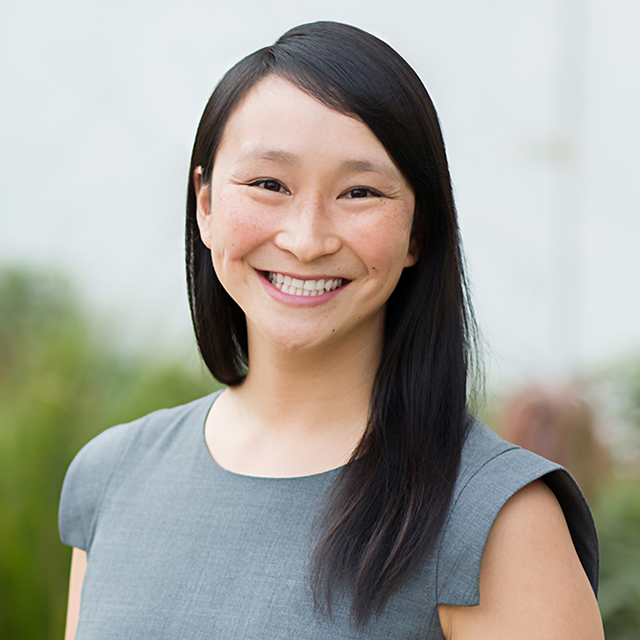
Dr. Stephanie Wong is an Assistant Professor in the Department of Orthopaedic Surgery at the University of California, San Francisco (UCSF) School of Medicine. She is a board-certified orthopedic surgeon with subspecialty training in sports medicine and hip arthroscopy, specializing in the arthroscopic treatment of hip, shoulder, and knee injuries. Dr. Wong sees patients at both the UCSF Orthopaedic Institute on the Mission Bay campus in San Francisco and at the Berkeley Outpatient Center. University of California Los Angeles, B.S. in Physiological Science with minor in Public Health (2009) University of California Davis School of Medicine, M.D. (2014) with Alpha Omega Alpha Honor Medical Society election UCSF, Orthopaedic Surgery Residency (2019) with UCSF Great Experience Award Rush University, Orthopaedic Surgery Sports Medicine Fellowship (2020) Dr. Wong's clinical expertise spans multiple orthopedic subspecialties with particular focus on hip conditions including labral tears, femoroacetabular impingement (FAI), and gluteal tendon tears, as well as hamstring injuries. In the knee, she treats ACL injuries, meniscus tears, and cartilage issues, while in the shoulder she manages rotator cuff tears and shoulder instability. Her research interests center around patient-reported outcomes to guide surgical decision-making, ACL injuries, rotator cuff tears, and outcomes after shoulder replacement surgery, with a special emphasis on gender diversity in orthopedics. Analysis of Dr. Wong's recent publications (2023-2025) reveals a strong focus on hip preservation surgery, particularly femoroacetabular impingement treatment and outcomes. Her work spans clinical outcomes research, biomechanical studies, systematic reviews, and investigations into health disparities. A significant portion of her research examines gender differences in orthopedic care and outcomes, reflecting her commitment to advancing women's representation in the field. She has also contributed to international consensus guidelines on meniscus rehabilitation. Alpha Omega Alpha Honor Medical Society (during medical school) UCSF Great Experience Award (during residency) Dr. Wong actively mentors and advocates for women in orthopedic surgery, demonstrating commitment to addressing gender disparities in the field. Her clinical practice includes serving as team physician for high school football teams in the Bay Area and Chicago, as well as assistant team physician for professional teams including the Chicago White Sox, Chicago Bulls, and Chicago Steel hockey team. Her research program focuses on improving patient outcomes through evidence-based approaches to sports medicine and hip preservation surgery. Dr. Wong is part of the UCSF Orthopaedic Surgery department and the Women's Sports Medicine Center, where she offers specialized care for female-identifying athletes. Her work integrates clinical practice with research to advance the field of orthopedic sports medicine, particularly in areas of hip preservation and gender-specific considerations in orthopedic care.
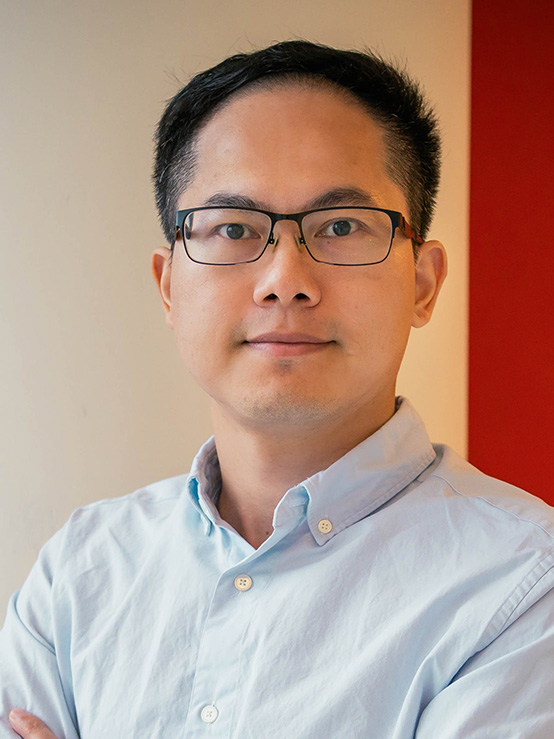
Yunting Wang is a Research Assistant Professor in the Department of Pharmacological and Pharmaceutical Sciences at the University of Houston College of Pharmacy. Her research focuses on lysosome functions in vascular resident cells, investigating pathophysiological mechanisms in macro/micro-vascular diseases such as coronary microvascular dysfunction, atherosclerosis, and endothelial/smooth muscle cell dysfunction. Ph.D. in Chinese Pharmacology, Guangzhou University of Chinese Medicine, China M.M. in Orthopaedics of Traditional Chinese Medicine, Guangzhou University of Chinese Medicine, China B.S. in Traditional Chinese Medicine, Hunan University of Chinese Medicine, China Her work bridges lysosome biology with cardiovascular disease, emphasizing: Endothelial dysfunction Vascular smooth muscle cell dedifferentiation Monocyte activation Pericyte dysfunction Lysosomal signaling in disease models Translational approaches to vascular repair Recent publications highlight trends in: 2024: Lysosomal signaling in hypercholesterolemic mice and epigenetic regulation in vascular smooth muscle 2020-2019: Statin therapy, TFEB activation, and inflammasome inhibition 2017-2018: Orthopedic biomechanics and traditional Chinese medicine applications Scientific recognition includes: 2020 Outstanding Graduate Ph.D. Student, Guangzhou University of Chinese Medicine 2017 Outstanding Graduate Master Student, Guangzhou University of Chinese Medicine
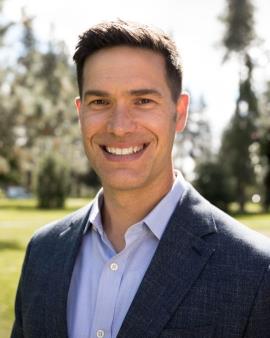
Erik Henkelman, MD is an Assistant Professor in the Department of Orthopedic Surgery and Sports Medicine at the University of Kansas Medical Center. He serves as a board certified orthopedic sports medicine surgeon specializing in conditions of the shoulder and knee. Dr. Henkelman is also an assistant team physician at the University of Kansas, providing medical care to athletes across various sports disciplines, including his previous work with the Kansas City Royals, University of Kansas Athletics, and Mill Valley High School. Dr. Henkelman's educational background includes: Medical Degree: Sidney Kimmel Medical College at Thomas Jefferson University in Philadelphia Orthopedic Surgery Residency: Boston University Medical Center Orthopedic Surgery Sports Medicine Fellowship: University of Kansas Medical Center Undergraduate: Duke University, with a dual major in biomedical and mechanical engineering Dr. Henkelman specializes in orthopedic sports medicine with a focus on shoulder, knee, elbow, and ankle conditions. His clinical expertise includes both surgical and nonsurgical management of sports injuries, with particular emphasis on arthroscopic procedures. He treats a wide range of conditions including rotator cuff injuries, labrum tears, ACL injuries, meniscus tears, and various tendon pathologies. His approach emphasizes comprehensive patient care, exploring all alternatives before considering surgery, and managing patients through full recovery regardless of treatment path. Analysis of Dr. Henkelman's publication record reveals a strong focus on orthopedic sports medicine research, particularly in knee and shoulder surgery outcomes. His work frequently addresses important clinical questions about surgical indications, techniques, and outcomes measurement. Recent publications demonstrate expertise in ACL reconstruction, cartilage restoration, and hip arthroscopy, with several systematic reviews examining how failure is defined in orthopedic procedures. His research often involves collaboration with colleagues at the University of Kansas Medical Center and focuses on improving evidence-based practice in sports medicine. Dr. Henkelman has contributed to the following scientific areas: Orthopedic surgical outcomes measurement Arthroscopic surgical techniques Rehabilitation protocols for sports injuries Graft sizing and preparation for ligament reconstruction Complication prevention in orthopedic procedures Physician wellness and burnout in sports medicine As an undergraduate at Duke University, Dr. Henkelman was a 4-year letter winner on the men's lacrosse team, maintaining a longstanding passion for sports that informs his clinical practice and research interests.
Sofi Sonesson is an Assistant Professor at Linköping University , serving as Head of the Department of Physiotherapy and Head of the Department of Health, Medicine and Care (HMV). Her research spans physiotherapy , sports medicine , and generative AI in education , with a focus on injury prevention, rehabilitation after knee injuries, and AI integration in healthcare training. Assistant Professor in Physiotherapy (2022–present) Docent in Physiotherapy (2021–present) Head of Department of Physiotherapy and Department of Prevention, Rehabilitation and Close Care (PRNV) Her research emphasizes injury prevention in community and elite sports, including projects like SWIPE (Sports Injury Prevention) and NACOX (ACL Injury Recovery). She also leads initiatives to strengthen generative AI literacy among physiotherapy students and educators. Current PhD Students: Timmy Gustafsson (Main Supervisor), Kalle Torvaldsson (Assistant) Completed PhD Students: Hanna Tigerstrand Grevnerts (2019), Ida Åkerlund (2024) Her recent work includes 15+ publications on topics like injury epidemiology, ACL recovery, and AI-driven pedagogical tools. Notable projects examine knee stability after surgery, long-term physical activity post-injury, and AI’s role in medical education .
Lorin Maletsky is a Professor and Associate Department Chair in Mechanical Engineering at the University of Kansas. His work bridges biomechanics and machine design, focusing on experimental testing of cadaveric joints and prosthetic devices. He leads the Experimental Joint Biomechanics Laboratory and collaborates with orthopedic surgeons, companies, and researchers globally. Research Interests : Development of dynamic knee simulators for prosthetic evaluation Biomechanical testing of implants and biological systems Finite element modeling and tribological analysis Kinematic alignment in total knee arthroplasty Medical device design and validation Key Article Trends : His research spans biomechanics, orthopedic engineering, and machine design. Articles emphasize knee joint mechanics, prosthetic wear testing, kinematic modeling, and integration of computational/experimental methods. Topics include ligament constraints, dynamic loading, and aging-related orthopedic challenges. Scientific Awards : Kemper Fellowship for Teaching Excellence Sharp Teaching Fellowship Grants & Collaborations : Funded by the orthopedic industry, National Science Foundation, and the Center for Disease Control. Collaborations include clinical programs, orthopedic companies, and interdisciplinary teams. Laboratory : The Experimental Joint Biomechanics Laboratory at the University of Kansas focuses on physiological loading, wear analysis, and kinematic evaluation of joint prosthetics using cadaveric models and dynamic simulators.