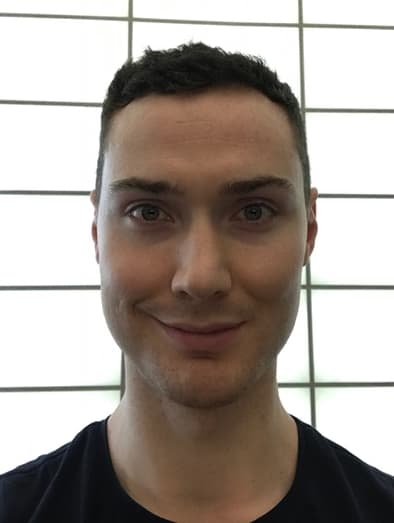
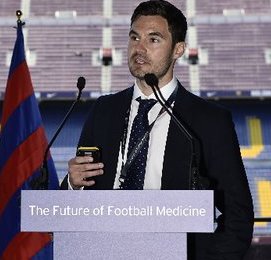
Argell San Jose serves as a Research Fellow at the School of Behavioural and Health Sciences within the Faculty of Health Sciences, focusing on sports injury research and health sciences applications. His research expertise spans key domains including: Sports Medicine Exercise Physiology Biomechanics Injury Epidemiology Health Sciences Recent scholarly contributions highlight a concentrated effort on hamstring injury mechanisms in athletic populations, exemplified by his 2023 meta-analysis covering over 7 million exposure hours across global team sports. This work establishes critical epidemiological benchmarks for injury incidence and prevalence, directly informing evidence-based prevention frameworks in sports medicine and athletic training.
Joshua Ruddy is a researcher affiliated with the School of Behavioural and Health Sciences under the Faculty of Health Sciences . His work focuses on injury prevention and performance optimization in elite sports, particularly Australian Football. Research institute: School of Behavioural and Health Sciences Faculty: Faculty of Health Sciences Research interests include: Sports injury biomechanics Muscle architecture adaptation Statistical modeling of athletic injuries Wellness monitoring in athletes Hamstring strain prevention Non-contact lower limb injury analysis Publication trends show interdisciplinary work combining biomechanics , applied statistics , and performance physiology , with particular emphasis on hamstring rehabilitation and injury risk prediction models. Collaborators include leading sports medicine researchers like David Opar, Ryan Timmins, and Morgan Williams.
Eugenie Delvaux serves as a University Researcher in the Signal Processing Systems group within the Electrical Engineering faculty at Eindhoven University of Technology. Her research bridges engineering and clinical orthopedics, focusing on digital health applications for knee disorders and pediatric ACL reconstruction methodologies. Her research interests center on Anterior Cruciate Ligament Reconstruction in skeletally immature patients, with significant contributions to Digital Health applications for remote orthopedic diagnosis. Key specialties include Telediagnosis systems validation, Systematic Review methodologies in orthopedics, and analysis of Knee Disease diagnostic protocols. Her work demonstrates strong interdisciplinary collaboration between engineering and medical faculties. Analysis of her 7 publications (2020-2023) reveals consistent focus on evidence-based orthopedic interventions, particularly pediatric ACL reconstruction techniques and digital diagnostic tools. Her systematic reviews establish methodological rigor in evaluating autograft outcomes and telehealth applications, with growing citation impact (30+ Scopus citations). No scientific awards or advising activities are documented in available materials. Her work shows strong institutional collaboration with orthopedic departments, particularly through co-authorship with clinical researchers at Eindhoven University Medical Center.
Dr. Thomas Balshaw is a Lecturer in Kinesiology, Strength, and Conditioning at Loughborough University, where he has held his current position since 2021. Previously, he worked as a Post-doctoral Research Associate at the same institution from 2014 to 2021. His research focuses on neuromuscular physiology, muscle and tendon morphology, and adaptations to resistance training. Balshaw earned a BSc (Hons) in Exercise Science from the University of Cumbria (2006–2009) and a PhD in Neuromuscular Physiology from the University of Stirling (2009–2013). His work explores topics such as muscle hypertrophy specificity, motor unit behavior during rapid contractions, tendon remodelling, and the biomechanics of elite sprinters. He has contributed to studies funded by charities and industry partners, investigating interventions like bioactive collagen peptides in resistance training and non-invasive muscle assessment techniques. Recent articles highlight his expertise in decoding motor unit activity through high-density EMG, analyzing muscle adaptations in strongman athletes, and understanding sex-based differences in sprinting physiology. Balshaw’s research integrates biomechanics, electrophysiology, and nutritional interventions to advance knowledge of human performance and injury prevention.
Dr. Glen Blenkinsop is a Senior Lecturer in Motor Control & Biomechanics at Loughborough University's School of Sport, Exercise and Health Sciences. He is affiliated with the National Centre for Sport and Exercise Medicine (NCSEM). His research focuses on athletic performance optimization, injury prevention, and the biomechanics of sports such as pole vaulting and golf. Blenkinsop holds a BSc in Physiotherapy (University of Teesside, 2006), an MSc in Sport and Exercise Science (2009), and a PhD in Sports Biomechanics from Loughborough University (2010–2013). He has also served as a Technical Tutor in Biomechanics at his current institution since 2013. His research interests include motor control strategies, sports injury mechanisms (e.g., hamstring strains, concussions), and the biomechanical analysis of athletic movements. Notably, he has explored the effects of early exercise interventions on sports-related concussion recovery and the role of vestibular-ocular-motor (VOM) function in return-to-play protocols. His work frequently addresses the holistic management of student-athletes, including academic and cognitive impacts of injuries. Education: BSc Physiotherapy, University of Teesside (2006) MSc Sport and Exercise Science (2009) PhD in Sports Biomechanics, Loughborough University (2010–2013) Blenkinsop’s publications emphasize biomechanical analyses in sports like golf and sprinting, alongside concussion management. Recent studies highlight the effectiveness of early aerobic exercise and rehabilitation programs in accelerating recovery post-concussion. His work also advocates for improved clinical assessments, such as the revised Perceived Academic Impact Tool (PAIT2) to evaluate academic dysfunction in student-athletes. Blenkinsop’s research has practical applications in sports training, injury prevention, and athlete welfare. He has contributed to projects exploring weight transfer in golf, the biomechanics of pole vaulting, and the dynamics of human balance in extreme positions like handstands. His interdisciplinary approach bridges sport science, clinical medicine, and educational psychology.
Suzi Edwards is a Senior Lecturer in the School of Health Sciences at the University of Sydney, specializing in biomechanics and sports injury prevention. She holds a PhD from the University of Wollongong and is an Accredited Sport Scientist (Level 2). As Academic Director of the Sydney Biomechanics Laboratory, she leads research focused on minimizing sports-related injuries, particularly in rugby league and basketball. Her work emphasizes translating research into practical guidelines for safer sports techniques. Education: PhD in Biomechanics (University of Wollongong), Master of Science (Honours, University of Wollongong), Bachelor of Applied Science in Exercise and Sport Science (University of Sydney). Research Interests: Suzi's research spans concussion prevention, hamstring and groin injury mechanisms, and injury prevention strategies through biomechanical analysis. She collaborates with major organizations like the NRL, NBA, and Australian Institute of Sport to develop evidence-based safety protocols. Her work bridges academia and practice, ensuring research outcomes directly benefit athletes, coaches, and clinicians. Articles Overview: Her recent studies address tackle techniques in rugby league to reduce concussions, hamstring strain prevention in elite basketball, and workplace posture effects. These projects underscore her focus on both elite and community-level sports safety. Grants & Funding: Includes NHMRC Ideas Grant for tackle intervention research and University grants supporting her academic work. Collaborations span international sports leagues and health organizations. Advising & Labs: Supervises PhD students across disciplines (physiotherapy, sports psychology, engineering). Leads the Sydney Biomechanics Lab, focusing on injury prevention and sports technique optimization.
Huub Maas is an Associate Professor at the Department of Human Movement Sciences, Vrije Universiteit Amsterdam. He holds affiliations with Amsterdam Neuroscience (Neurovascular Disorders), AMS - Musculoskeletal Health, and AMS - Tissue Function & Regeneration. He earned his M.Sc. (1999) and Ph.D. (2003, Cum Laude) in Human Movement Sciences from VU Amsterdam, followed by postdoctoral fellowships at Georgia Institute of Technology and Northwestern University. His research focuses on interactions between musculoskeletal and neural systems during movement, employing biomechanical and neurophysiological methods with animal and human models. Key projects include studying interhemispheric brain interactions post-stroke, neuromechanics of low back pain, hamstring architecture, and stretching protocols for contractures. Collaborators include Prof. Rick Dijkhuizen (Utrecht), Prof. Jia Han (Shanghai), and Prof. Yasuo Kawakami (Waseda). He supervises PhD theses, teaches courses like 'Animal Experiments for Human Movement Sciences,' and leads projects funded by MOVE-AGE (EU). Research trends emphasize muscle-tendon mechanics, neural adaptations post-injury, and translational studies for clinical applications. His work contributes to Sustainable Development Goals related to health and well-being. Current grants explore stroke recovery, low back pain mechanisms, and contracture interventions. Education: M.Sc. Human Movement Sciences, VU Amsterdam (1999) Ph.D. Human Movement Sciences, VU Amsterdam (2003, Cum Laude) Advising: Supervised 7 PhD theses, including Arjun Paudyal's work on stroke-induced neuromechanical changes. Labs/Teams: Active in interdisciplinary groups at Amsterdam Neuroscience and AMS research centers.
Kalle Torvaldsson is a Lecturer at the Faculty of Medicine and Health Sciences , Linköping University, affiliated with the Department of Health, Medicine and Caring Sciences and its Division of Prevention, Rehabilitation and Community Medicine . Concurrently, he is a PhD student investigating the epidemiology of injuries and illnesses in elite athletes. Primary Role: Lecturer in the Physiotherapy Programme (first-semester instruction). Clinical Role: Practicing physiotherapist in sports medicine. His research focuses on quantifying injury/illness prevalence, risk factors, and consequences in Olympic, Youth Olympic, and Paralympic athletes. He collaborates with the Swedish Olympic Committee and has contributed to registry-based cohort studies and meta-analyses on athlete health outcomes. Recent publications highlight trends in injury prevention, including the efficacy of neuromuscular training programs (e.g., Knee Control) in reducing injury prevalence in football players. His work also explores long-term injury patterns and gender-specific performance metrics.
Olof Sköldenberg is a Professor of Orthopaedics and Senior Physician at the Department of Clinical Sciences, Danderyd Hospital, Karolinska Institutet. He specializes in joint replacement surgery, biomaterials science, and healthcare management. Born in Stockholm (1967), Sköldenberg began his career as a surgical nurse (1991–1992) before earning his medical degree from Uppsala University (1999). He became an orthopaedic surgeon specialist in 2010 and obtained his PhD from Karolinska Institutet in the same year. He held an associate professorship (2014) and a clinical postdoctoral position (2014–2018) before his current professorship since 2020. He also chairs the Swedish Hip and Knee Association since 2018. Education: Medical Doctorate, Uppsala University (1999) PhD in Orthopaedics, Karolinska Institutet (2010) Specialist in Orthopaedic Surgery (2010) Research Interests: His work focuses on improving joint replacement outcomes, biomaterials in prosthetics, and optimizing surgical practices. Key areas include periprosthetic bone loss, infection prevention, and patient outcomes in hip/knee arthroplasty. He investigates novel materials (e.g., vitamin E-stabilized polyethylene) and surgical techniques (e.g., plasma air purification to reduce infections). Grants & Projects: ABOGRAFT study (Swedish Research Council, 2024–2025): Antibiotic-impregnated bone grafts for infection prevention. DAICY trial (Swedish Research Council, 2022–2025): Evaluating antibiotic cement types in hip surgery. EPOS trial (Swedish Research Council, 2017–2020): Air purification to reduce surgical infections. Labs/Teams: Active in clinical and translational research teams at Danderyd Hospital, focusing on orthopedic innovation and patient safety.
Matthew Buckthorpe is a Senior Lecturer in Physiology and Strength & Conditioning Science at St Mary's University. He holds a 1st class BSc in Sports Science from the University of Leeds (2008), an MSc in Sports Science with Distinction from Loughborough University (2009), and a PhD in Neuromuscular Performance from the same institution (2014). His research focuses on applied translational studies with industry impact, particularly in injury mechanisms, rehabilitation, and return-to-sport processes after ACL reconstruction. He has published over 35 peer-reviewed articles and serves as a supervisor for multiple PhD students. Education: BSc Sports Science (1st class), University of Leeds (2008) MSc Sports Science (Distinction), Loughborough University (2009) PhD in Neuromuscular Performance, Loughborough University (2014) Research Interests: His work emphasizes injury prevention, ACL reconstruction rehabilitation, and optimizing return-to-play protocols. He employs systematic video analysis to study injury mechanisms in professional sports, particularly in soccer, rugby, and basketball. Key areas include neuromuscular performance, hamstring injury prevention, and biomechanics of lower limb injuries. His research bridges clinical practice and elite athlete performance. Awards: MSc and PhD Faculty Scholarship Winner for Most Outstanding Sport Scientist (Loughborough University) Advising & Grants: Supervises four PhD students focusing on rehabilitation design, load management, hamstring injuries, and neuromuscular profiling. His work has been supported by collaborations with FIFA Medical Centres, Southampton FC, and Real Betis. Labs & Teams: Engaged with the Isokinetic Medical Group as an Education & Research Consultant, focusing on service innovation and practitioner education in sports medicine.
Dr. Paul Read is a Senior Lecturer in Strength and Conditioning at St Mary's University. He has over 15 years of applied sports science experience, including roles as General Manager of the Institute of Sport, Exercise and Health (a 2012 Olympics legacy project) and Clinical Lead Researcher at Aspetar Sports Medicine Hospital in Qatar. His expertise spans athlete injury prevention, neuromuscular control assessment, and post-injury reconditioning strategies. He holds UKSCA and NSCA accreditations and won the UKSCA 'Coach of the Year' award (2020) for Research and Education. Research interests focus on lower limb neuromuscular control in injured/non-injured athletes, ACL reconstruction recovery protocols, and youth athlete development. He has authored over 120 publications in sports medicine and strength conditioning, with a particular emphasis on injury risk factors and return-to-sport criteria. His work integrates biomechanical analysis, wearable technology, and evidence-based coaching frameworks. Key achievements include developing return-to-sport protocols for professional athletes and contributing to international consensus studies on hamstring injuries. He currently supervises PhD candidates exploring topics like deceleration training and injury prevention in youth sports.
George JW Logan is an Adjunct Professor at Logan University 's College of Chiropractic. With a focus on musculoskeletal pain management and rehabilitation, his work bridges chiropractic practice with obstetric care, sports medicine, and neuromuscular disorders. Specializes in manual therapy for pregnancy-related pain Conducts research on carpal tunnel syndrome and hamstring flexibility Active in clinical trials and multidisciplinary collaborations His publications span topics from functional training to rehabilitation protocols , emphasizing non-invasive interventions. Notable presentations include Musculoskeletal Pain in Pregnancy (2009) and Current Evidence on Low Back Pain (2007).
Prof. Heiko Strüder holds the academic rank of Professor at the Institute of Movement and Neurosciences. His research focuses on interdisciplinary areas including exercise physiology, cognitive neuroscience, and aging. He has led multiple projects such as 'Mind in motion' (2018–present) exploring decision-making in sports, and 'AgeGain' (2015–2019) investigating cognitive training in aging populations. His recent work examines the effects of exercise on brain activity, interhemispheric connectivity in older adults, and eccentric hamstring training protocols. Prof. Strüder has contributed over 366 publications, with notable recent studies on mood regulation during exercise, neuroimaging correlates of white matter integrity, and physical activity interventions for aging populations. Projects: Mind in motion (2018–present): Focuses on reinvestment in motor skills and decision-making processes. NoHaTS (2015–present): Examines eccentric knee flexion moments in sprinting biomechanics. AgeGain (2015–2019): Explored mechanisms of physical activity and working memory in aging. Labs/Teams: Active in the Institute of Movement and Neurosciences, collaborating on interdisciplinary projects involving neuroscience, sports medicine, and gerontology.
Gabriella Pimentel is a Senior Lecturer (part-time) in the BSc Physiotherapy program at St Mary's University since 2020. She maintains a dual career in academia and clinical practice, specializing in Sports Medicine with a focus on elite sport. Her clinical experience includes roles with England Women's Football, Chelsea Football Club, British Gymnastics, and Brighton and Hove FC. Her research focuses on advanced musculoskeletal injury management, particularly addressing high-grade proximal hamstring injuries, female athlete lower limb injuries, and hip instability issues related to femoroacetabular impingement (FAI). She pioneered the 'Quaran-Tin Workout' initiative to promote physical activity among the elderly during the pandemic, recognized by her 2021 British Empire Medal. No academic publications or grant details are explicitly listed in the provided text.
Eduard Esteve Lafuente is a Postdoctoral Researcher (R2) in the Nutrition, Eumetabolism and Health department. His research focuses on metabolic disorders, diabetes pathophysiology, and the role of gut microbiota in human health. Key areas include lipid metabolism disorders (e.g., hypercholesterolemia), drug-microbiome interactions (e.g., metformin effects), and cardiovascular outcomes in genetic conditions. Conducted multicenter studies on hypercholesterolemia diagnostics and long-term cardiovascular outcomes. Explored metformin's impact on gut microbiota in type 2 diabetes patients. Investigated biomarkers like hepcidin and microRNAs in metabolic diseases. His work bridges clinical diagnostics, genetic medicine, and translational research, emphasizing interdisciplinary approaches to metabolic and cardiovascular health challenges.