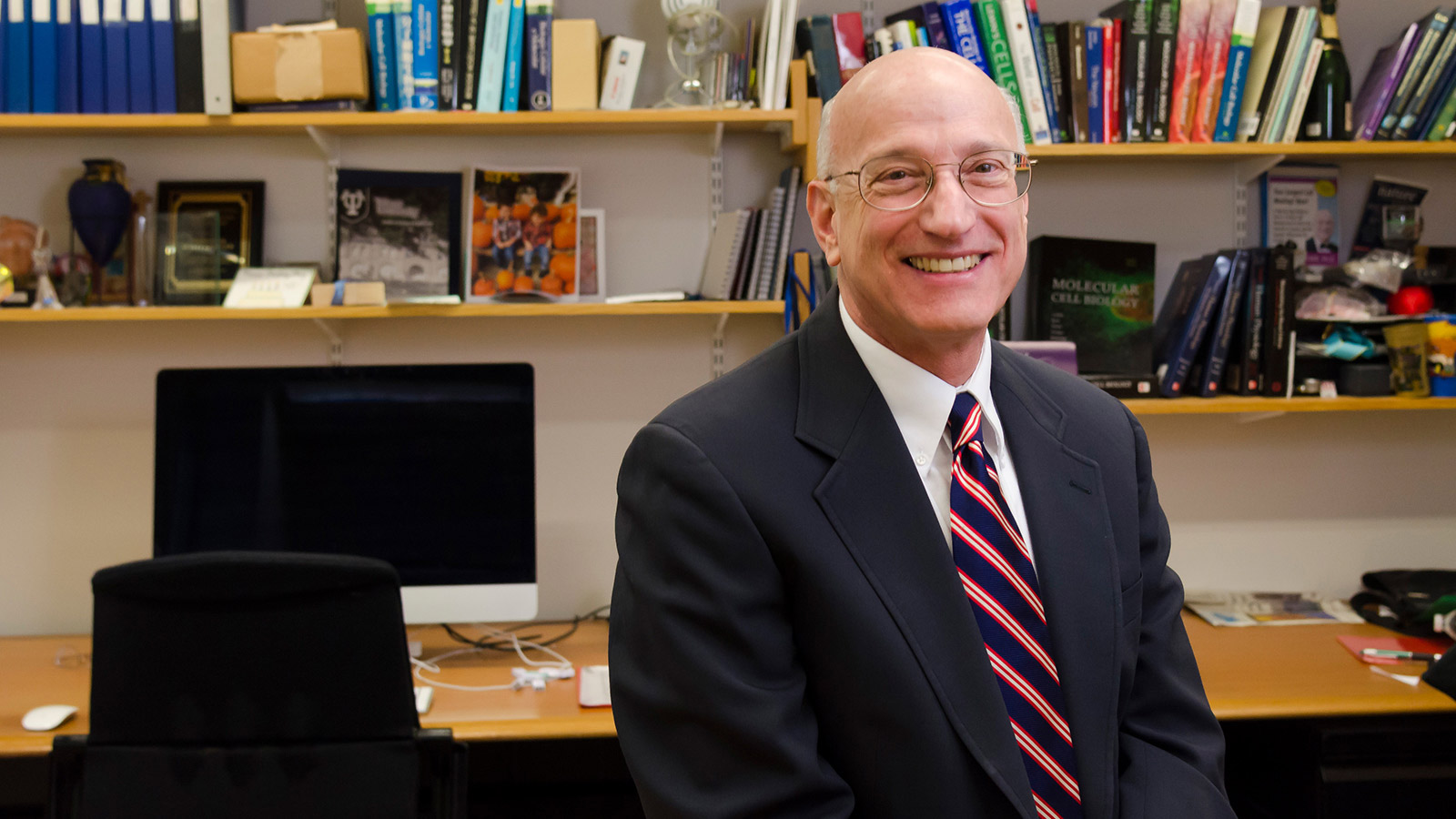
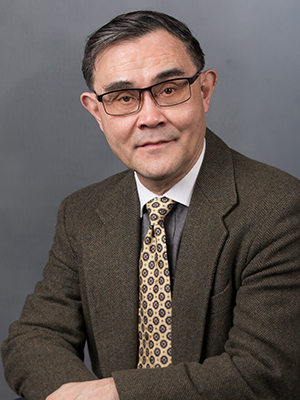
Mary G. Sorci-Thomas is a Professor of Medicine at the Medical College of Wisconsin (MCW), serving as Associate Director of the Cardiovascular Research Center (CVRC) and Program Director of the CVRC T32 Training Program. She holds a senior adjunct investigator position at the Versiti Blood Research Institute and has been continuously funded by NIH grants for over 33 years. Her academic journey includes tenure at Wake Forest University Medical School and leadership roles in NIH study sections. BS in Biochemistry and Chemistry from Louisiana State University PhD in Biochemistry from Wake Forest University School of Medicine Her research focuses on HDL metabolism, obesity, and cardiovascular disease, with emphasis on solving the structure-function relationships of HDL's main protein, apoA-I, and its anti-inflammatory properties. Recent work investigates the extracellular matrix protein PCPE2 in adipose tissue regulation and CD36 stabilization for cardiovascular protection. Scientific contributions include over 90 peer-reviewed articles and leadership roles in the American Heart Association (AHA), where she chaired the ATVB Council and served on the editorial boards of Arteriosclerosis, Thrombosis and Vascular Biology and Journal of Lipid Research . Her work has been recognized through AHA's Mentor of Women award and sustained NIH funding. Current lab members: Hao Xu (Lab Manager), Mirza Ahmar Beg (Postdoctoral Researcher), Marjorie Kipp (Technician) Research areas: Lipid Metabolism, Atherosclerosis, Obesity, PCPE2 protein, CD36 receptor, HDL-inflammatory signaling
Monty Krieger is the Whitehead Professor of Molecular Genetics at the Massachusetts Institute of Technology (MIT), affiliated with the Koch Biology Building. His research focuses on cell surface receptors, cholesterol metabolism, and their roles in physiology and diseases like atherosclerosis and infertility. He holds a PhD from the California Institute of Technology (1976) and a BS in Chemistry from Tulane University (1971). Key research interests include the High Density Lipoprotein (HDL) receptor SR-BI, lipid transport mechanisms, and cardiovascular disease pathogenesis. His lab employs genetic, biochemical, and cellular approaches to study receptor structure-function relationships. Notable awards include membership in the National Academy of Sciences (2009), the Tulane Outstanding Alumnus Award (2010), and the Margaret MacVicar Faculty Fellowship (1993–2003). Recent work involves developing mouse models for coronary artery disease and testing therapeutic strategies targeting cholesterol metabolism. Publications span from foundational SR-BI discoveries (1996) to current studies on nanoparticle-based therapies (2024). Collaborations include teams at MIT, Tulane, and institutions globally, addressing clinical and mechanistic questions in lipid biology.
Xian-Cheng Jiang, PhD is a Distinguished Professor in the Department of Cell Biology at SUNY Downstate Health Sciences University. With over three decades of research experience, Dr. Jiang leads a laboratory focused on lipid metabolism and its role in various metabolic diseases. His work has significantly contributed to our understanding of phospholipid metabolism and its implications for cardiovascular health. Dr. Jiang's educational background includes: Bachelor of Medical Chemistry from Shanghai Medical University (1981) Master of Biochemistry from Shanghai Medical University (1984) PhD in Biochemistry from SUNY Downstate Health Sciences University (1989) Postdoctoral training at Columbia University (1990-1993) Dr. Jiang's research primarily centers on lipid metabolism and its relationship to metabolic diseases. His laboratory investigates how phospholipid metabolism influences plasma lipoprotein metabolism, cell membrane lipid composition and function, and the development of metabolic diseases including atherosclerosis, metabolic syndrome, obesity, and liver steatosis. His work spans three main areas: sphingomyelin biosynthesis, phosphotidylcholine remodeling, and phospholipid transfer protein function. Through innovative approaches using gene knockout and overexpression models, his research has provided crucial insights into the molecular mechanisms underlying lipid-related disorders. Analysis of Dr. Jiang's recent publications reveals a consistent focus on sphingolipid metabolism, phospholipid transfer proteins, and their roles in cardiovascular and metabolic diseases. His work demonstrates a progression from basic biochemical mechanisms to translational applications, with increasing emphasis on therapeutic interventions targeting lipid metabolism pathways. The research spans molecular, cellular, and whole-animal levels, contributing significantly to our understanding of how lipid metabolism affects human health. Dr. Jiang has received numerous prestigious awards for his contributions to science and education: SUNY Distinguished Professor (2020) The Alfred Stracher Faculty Recognition Award, SUNY Downstate (2018) Excellence in Education Award, SUNY Downstate (2015) SUNY Chancellor's Award for Excellence in Faculty Service (2010) SUNY Promising Inventor Award (2005, 2003, 2002) President Research Award, SUNY Downstate Health Sciences University Throughout his career, Dr. Jiang has mentored numerous graduate students and postdoctoral fellows, contributing significantly to the training of the next generation of scientists in lipid metabolism research. His laboratory has been consistently supported by competitive research grants from the National Institutes of Health and other funding agencies, reflecting the significance and innovation of his research program. Dr. Jiang is also actively involved in scientific review panels and editorial boards, further contributing to the scientific community. Dr. Jiang leads an active research laboratory that utilizes advanced genetic, biochemical, and physiological approaches to study lipid metabolism. His team employs various mouse models including systemic and tissue-specific gene knockouts to investigate the roles of specific enzymes and proteins in lipid homeostasis. The laboratory maintains strong collaborations with other research groups both within SUNY Downstate and at other institutions, fostering a dynamic and interdisciplinary research environment focused on understanding the fundamental mechanisms of lipid-related diseases.
Mary Sorci Thomas, PhD is a Professor with Tenure in the Department of Medicine, Division of Endocrinology at the Medical College of Wisconsin and in the Department of Pathology Section on Lipid Sciences at Wake Forest University School of Medicine. She serves as Associate Director of the Cardiovascular Center and Associate Program Director of the CVC T32 Training Program at MCW. Dr. Sorci Thomas is an internationally recognized expert in lipoprotein metabolism and HDL research with over 30 years of continuous NIH funding. Dr. Sorci Thomas's research program focuses on the structural and functional properties of apolipoprotein A-I and HDL, with particular emphasis on how these relate to cholesterol transport, inflammation, and atherosclerosis. Her work has provided fundamental insights into the mechanisms of HDL biogenesis, the role of specific apolipoprotein domains in LCAT activation, and the relationship between HDL function and immune regulation. Her laboratory employs a multidisciplinary approach combining protein chemistry, molecular biology, cell culture, and animal models to investigate these processes. Analysis of Dr. Sorci Thomas's recent publications reveals a continued focus on HDL structure-function relationships, with increasing attention to the connections between lipid metabolism, inflammation, and vascular biology. Her work spans basic mechanistic studies of apolipoprotein structure to translational investigations of HDL function in disease processes, demonstrating a consistent trajectory of high-impact research in lipoprotein biology. Established Investigator, American Heart Association (1994-1999) Women's Mentoring Award, American Heart Association (2002) Special Recognition Award, Arteriosclerosis, Thrombosis and Vascular Biology Council (2002) Chair, Gordon Conference on Lipoprotein Metabolism (2006) Chair, Kern Aspen Lipid Meeting (2010-Present) Co-Chair, Atherosclerosis, Thrombosis and Vascular Biology Council of AHA (2016-2022) Dr. Sorci Thomas has mentored numerous students, postdocs, and junior faculty throughout her career. As Associate Program Director of the CVC T32 Training Program at MCW, she continues to play an active role in training the next generation of cardiovascular researchers. Her mentorship extends beyond her own laboratory through her leadership roles in national organizations and scientific review panels.
Dr. Erin Sundermann is an Associate Adjunct Professor in the Department of Psychiatry at UC San Diego's Health Sciences division. Her research program focuses on cognitive neuroscience with emphasis on Alzheimer's disease, cognitive aging, and HIV-associated neurocognitive disorders. She investigates sex differences in disease manifestation, biomarker discovery, and neuropathological mechanisms. Research Interests: Her work spans three interconnected domains: Sex-specific biomarkers and risk factors for Alzheimer's disease Neurocognitive manifestations in HIV populations Modifiable risk factors at the intersection of vascular health, inflammation, and neurodegeneration She employs neuroimaging, molecular analysis, and cognitive phenotyping to understand how biological sex modifies disease trajectories. Publication Trends: Dr. Sundermann maintains high research productivity, with recent publications (2024-2025) demonstrating: Advanced biomarker studies using tau-PET and inflammatory markers Longitudinal analyses of sex hormone-cognition relationships HIV-Alzheimer's comorbidity investigations Focus on underrepresented populations in neurodegenerative research Her work consistently integrates clinical neuroscience with public health perspectives. Active Research Funding: NIH R01AG074221: 'Sex Differences in the Clinical Expression of Alzheimer's Disease Neuropathology' (2021-2026)