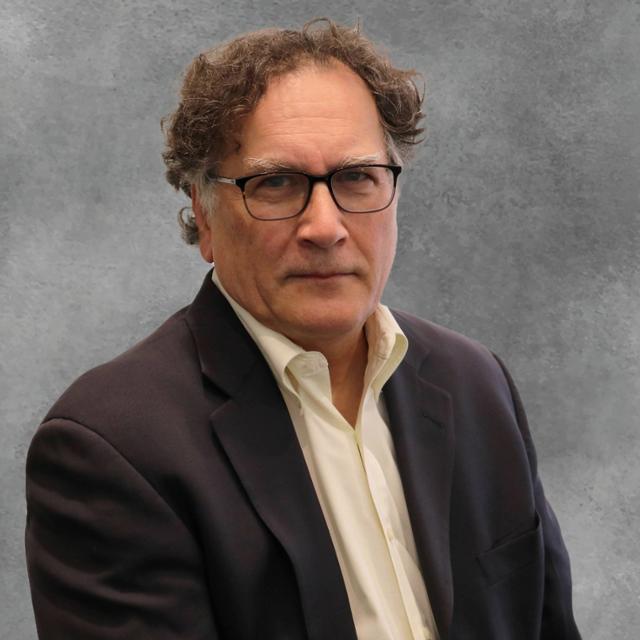
John Stolz is Professor of Environmental Microbiology and Director of Environmental and Energy Engineering at Duquesne University's School of Science and Engineering. His NASA-trained research examines microbial metal reduction, modern stromatolite ecosystems, and shale gas extraction impacts. His lab investigates arsenic/selenium biotransformation pathways, microbial communities in Shark Bay stromatolites, and environmental impacts of unconventional energy development. Recognized with multiple excellence awards including the Nobel J. Dick Endowed Chair. Over 150 publications explore microbial respiration mechanisms, biogeochemical cycling, and environmental bioremediation. Current grants support water quality testing near shale gas operations.
Frida Hållenius is an Associate Professor and Senior Lecturer in Molecular Nutrition at the Division of Food and Pharma, Faculty of Engineering (LTH), Lund University. She is a key member of the LTH Profile Area: Food and Bio and leads or actively participates in multiple research projects exploring the role of diet and gut microbiota in human health. Associate Professor in Molecular Nutrition Senior Lecturer, Division of Food and Pharma Faculty of Engineering (LTH), Lund University Principal Investigator, Gut Microbiome Laboratory (GML) Active researcher in 3 ongoing projects, including NeuroFood and ScanOats Her research is centered on host-microbiota interactions, particularly how dietary components, probiotics, and polyphenols influence gut health, inflammation, metabolic diseases, and neuroinflammation. Her work bridges nutrition, microbiology, and neuroscience, with a strong focus on preventive strategies for lifestyle-related diseases such as obesity, diabetes, and Alzheimer’s disease. She employs both animal models (e.g., C57BL/6, Apoe-/- mice) and human-relevant in vitro systems to study dietary interventions. The recent trends in her publications highlight a strong focus on the gut-brain axis, the impact of Nordic berries and legumes on microbiota and metabolic health, and the use of advanced models like 3D intestinal tissue. Her work often involves interdisciplinary collaboration and contributes to multiple UN Sustainable Development Goals, particularly those related to good health and well-being. Scientific Awards: No specific awards mentioned in the provided text. She has supervised several junior researchers and students, including research students and assistants, and is actively involved in grant-funded research projects from FORMAS and private foundations. She leads the Gut Microbiome Laboratory (GML), a collaborative research environment focused on understanding how diet shapes the gut microbiome and influences disease pathways. Her leadership in projects like NeuroFood and those targeting Alzheimer’s disease underscores her commitment to translational nutritional science.
Patrick M. Gillevet is a Professor and Director of the Microbiome Analysis Center at George Mason University, with a primary appointment in the Biology Department and affiliate faculty status in the School of Systems Biology. His career focuses on integrating genomics, bioinformatics, and molecular ecology to study microbiome interactions in human health and environmental systems, including the development of multitag sequencing for high-throughput microbial analysis. Education: Ph.D., Biochemistry, University of Manitoba (1982) B.S., Microbiology, University of Toronto (1976) His research explores dysbiosis in the human microbiome (gut, mouth, urogenital, respiratory tracts) and its role in diseases, cognitive function, and social behavior. He pioneered the concept of the "metabiome" to describe host-microbiome interactions in systems biology. Key projects include analyzing multitag sequencing for evolutionary studies and microbial community characterization in ecosystems. Recent publications highlight collaborations on gut microbiome trends in cirrhosis, alcohol use disorder, and antibiotic resistance, with a focus on cross-sectional and longitudinal analyses. His work spans clinical trials (e.g., griffithsin gel), dietary interventions, and environmental microbiome studies.
Mahima Swamy is a Principal Investigator and Wellcome Trust Sir Henry Dale Fellow at the MRC Protein Phosphorylation and Ubiquitylation Unit (PPU) at the University of Dundee. Her research focuses on understanding immune interactions at the intestinal epithelium, particularly the role of intraepithelial lymphocytes (IEL) in maintaining gut homeostasis and resisting infections. She leads a lab investigating IEL biology, including their regulation by PIM kinases and LRRK2 in inflammatory bowel diseases (IBD) and Crohn’s disease. Dr. Swamy earned her BSc in Biological Sciences from BITS Pilani and completed her PhD at the Max-Planck Institute in Freiburg, Germany. She held postdoctoral fellowships at CRUK London Research Institute and the University of Dundee before establishing her independent group in 2016. Her work combines proteomics, mouse models, and in vitro co-cultures to explore IEL signaling pathways and their dysregulation in diseases. Key research interests include: IEL-mediated protection against pathogens, metabolic adaptations of IEL to the gut environment, and the role of LRRK2 in intestinal immune function. Her lab collaborates with the Alessi lab to study LRRK2 inhibitors for IBD therapy. Education: BSc (BITS Pilani) → PhD (MPIIB, Germany) → Postdocs (CRUK, Dundee) Lab Members: Includes PhD students (Rebecca Pemberton, Srishti, Neema Skariah) and postdocs (Amanpreet Chawla, Purbasha Bhattacharya) Collaborations: Tayside Immunology Group, Society for Mucosal Immunology Scientific achievements include discoveries of PIM kinases in IEL function and LRRK2’s role in gut inflammation. Her group has pioneered tools like phospho-proteomic analyses and epithelial organoid:IEL co-cultures.
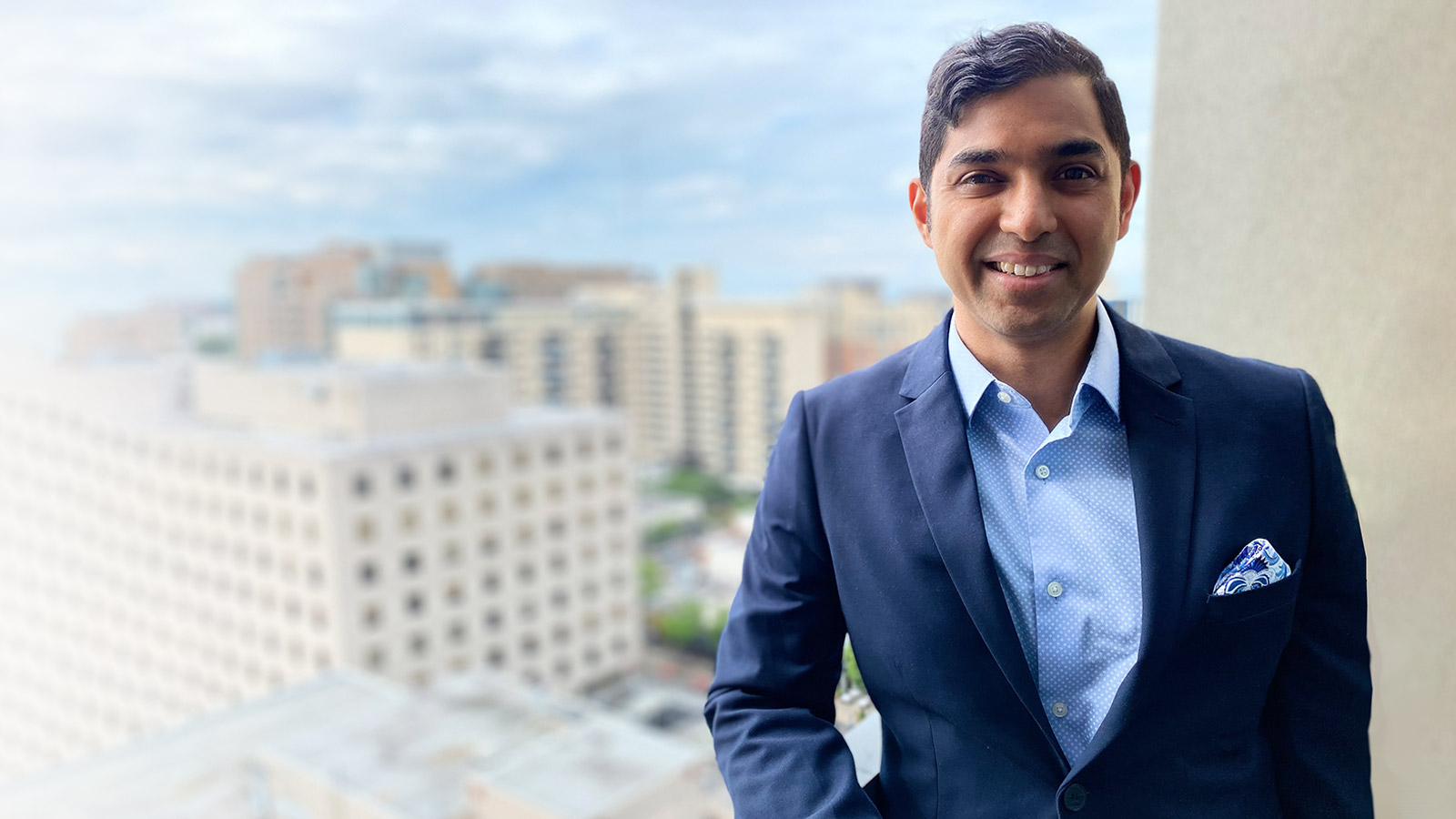
Harikesh S. Wong is an Assistant Professor of Biology and Core Member at the Ragon Institute of MGH, MIT, and Harvard. His research focuses on understanding how immune responses are controlled in tissues to balance host protection against threats like pathogens and tumors while avoiding excessive damage. He combines immunology, microscopy, computational methods, and gene manipulation to study immune response regulation in intact tissues. Education: PhD in 2016 from University of Toronto; BSc in Biochemistry from McMaster University (2010) His lab investigates mechanisms of immune homeostasis, including regulatory T cell feedback circuits and mesoscale T cell antigen discrimination. Recent work explores autoimmune disease susceptibility linked to IL-2 feedback circuit fragility and the role of commensal bacteria in liver immune zonation. Key findings include demonstrating how local regulatory T cells prune self-activated T cells and how interleukin 2 circuitry variations influence autoimmune risk. Articles highlight interdisciplinary approaches to dissect immune system control mechanisms. No scientific awards explicitly mentioned. Grants and advising details are not provided in the text. Labs/Teams: Wong Lab at the Ragon Institute focuses on immune system design principles and disease-related breakdowns in control mechanisms.
Dr. Oluwabunmi (Bunmi) Olaloye is an Assistant Professor of Pediatrics in the Division of Neonatology at Yale School of Medicine. She holds appointments in Neonatal-Perinatal Medicine and is affiliated with the Janeway Society. Her academic background includes an MD from Rutgers New Jersey Medical School, pediatrics residency at University of Texas Medical Branch, and neonatology fellowship at University of Pittsburgh Medical Center. Dr. Olaloye's research focuses on immune dysfunction underlying neonatal intestinal diseases such as necrotizing enterocolitis (NEC) and spontaneous intestinal perforation (SIP). Using cutting-edge techniques like single-cell RNA sequencing and mass cytometry, her work identifies biomarkers and therapeutic targets to improve outcomes for premature infants. Key research areas include fetal immune system maturation, placental immune interactions, and gestational age-specific inflammatory responses. Her publication record spans 12 peer-reviewed articles between 2019-2025, emphasizing translational immunology and neonatal pathophysiology. Notable contributions include defining immune cell trajectories in preterm infants and developing gating guidelines for high-dimensional cytometry data. Current projects involve constructing immune cell atlases across human lifespans and investigating nutritional interventions for intestinal disorders. Laboratory affiliations include the Laboratory for Surgery, Obstetrics & Gynecology where she explores neonatal mucosal immunity. Her work integrates clinical observations with systems immunology approaches to address critical gaps in understanding prematurity-associated gastrointestinal pathologies.
Prof. Kai Markus Schneider is a Full Professor (W3) of Molecular Gastroenterology and Hepatology at the TUD Dresden University of Technology, where he leads a research group at the Center for Regenerative Therapies Dresden (CRTD). He also serves as a Senior Physician in the Department of Medicine I at the University Hospital Dresden. His research deciphers molecular mechanisms of organ crosstalk to develop therapies for gastrointestinal and liver diseases, emphasizing neuro-immune interactions, gut-brain signaling, and microbiota dynamics. Education highlights include: Board Certification in Internal Medicine (2023) PhD (Dr. rer.nat) and MD (Dr. med) from RWTH Aachen University Clinical rotations at Harvard Medical School and MD Anderson Cancer Center His work spans: Neuro-Immunology : Stress-induced inflammation via the gut-brain axis Microbiome-Host Interactions : Dysbiosis in liver cancer and cholestasis Regenerative Therapies : Molecular circuits in GI disease recovery Recent publications (2021-2023) focus on stress-gut-liver interactions, highlighting roles of enteric nerves, microbiota imbalances, and FXR signaling in disease progression. Trends show interdisciplinary integration of neuroscience, immunology, and molecular biology. Awards include: Heinz Maier-Leibnitz Prize (2024) Theodor-Frerichs-Prize (2024) Rising Star Award (UEG, 2023) Early Career Investigator Award (AASLD, 2021) He advises PhD students (e.g., Qusay Salih) and oversees a team of postdocs, technicians, and visiting scientists. Research is funded by European and German institutions.
Anne G Hoen is an Associate Professor at the Geisel School of Medicine , Dartmouth College, with joint appointments in Epidemiology , Biomedical Data Science , and Microbiology and Immunology . Her research focuses on microbiome development in infants, environmental exposures, and their associations with health outcomes, using interdisciplinary approaches including statistical modeling and bioinformatics. Research Interests: She explores how microbial communities in early life influence disease risk through environmental and dietary factors. Her work integrates microbiome-metabolome interactions, computational methods for microbial network analysis, and epidemiological studies of infectious diseases. Recent Article Trends: 2025-2024 publications highlight maternal diet-microbiome links, microbial interaction networks, ECHO consortium collaborations, and novel computational approaches for microbiome data. Key sub-fields include perinatal exposome, microRNA profiling, and longitudinal metabolomic analysis. Scientific Awards: K01LM011985: Bioinformatics strategies for early life microbiomics R01LM012723: Multi-omic functional integration using networks Advising: Mentors current PhD students in Dartmouth's Quantitative Biomedical Sciences (QBS) program, including Becky Lebeaux and Quang Nguyen, while alumni like Sara Lundgren and Wes Viles hold postdoctoral and academic positions.
Ahmed Abdelhamid is an Assistant Professor in the Department of Food Science and Human Nutrition at Michigan State University since August 2024. Previously, he served as a Senior Research Associate and Postdoctoral Researcher at The Ohio State University (2018-2024), and was a Principal Research Investigator and Lecturer at Benha University, Egypt (2016-2018). PhD (2015) : Joint supervision in Microbiology, University of Guelph & Benha University MSc (2011) & BSc (2008) : Microbiology, Benha University His research spans three interconnected domains: Microbial Omics for food safety (metagenomic analysis of food microbiomes), Pathogen Adaptation (Salmonella virulence dynamics), and Biofilm Reprogramming (metabolomics-driven antibiofilm strategies). Recent work explores stress responses in foodborne pathogens and omics-based approaches to microbiome engineering. Scientific contributions include key publications in Frontiers , Applied and Environmental Microbiology , and Antibiotics . Recognized for his joint supervision scholarship during doctoral studies, his research integrates food safety, microbial physiology, and metabolomics innovation.
Gary W. Felton is a Professor and Department Head of Entomology at the Pennsylvania State University's College of Agricultural Sciences. His research focuses on chemical ecology, insect-plant interactions, and induced plant defenses against herbivores. Key Affiliations: Pennsylvania State University, College of Agricultural Sciences, Department of Entomology Research Interests: Dr. Felton investigates how plants perceive and respond to herbivore attacks, with particular emphasis on biochemical mechanisms like flavonoid-mediated defenses, microbial interactions in Lepidoptera, and stomatal regulation of volatile signaling. His work bridges agricultural sustainability and ecological theory. Recent Publications: His 2025 studies explore salinity stress impacts on tomato defenses, microbiome roles in herbivore digestion, and volatile-mediated host plant specialization. Earlier works (2023-2024) examine water stress effects, flavonoid toxicity, and microbial influences on plant-herbivore dynamics. Scientific Awards: Huck Chair of Chemical Ecology (2022) Laboratory Focus: The Felton Lab studies herbivore-induced plant defenses, microbial symbiosis in pest species, and integrated pest management strategies across crops like maize, tomatoes, and sorghum.
Andrew Mcbain is a Professor of Microbiology at the University of Manchester, specializing in bacterial physiology, biofilm dynamics, and human microbiome research. He leads a research team supported by grants from research councils and industry, focusing on antimicrobial resistance, microbial community modeling, and host-microbe interactions. His work contributes to sustainable development goals related to health and environmental sustainability. Education: PhD in Medical Microbiology (University of Cambridge, 1997); BSc in Microbiology (University of Liverpool, 1993). Teaching: Courses include The Public (Year 2) , Medicines into Practice , and Drug Development Workshop . Research interests include in vitro modeling of microbial communities (e.g., biofilm reactors), probiotic applications, and clinical microbiota dynamics. He has supervised 39 PhD/MD students and collaborates with experts like Prof. Catherine O'Neill and Prof. Sheena Cruickshank. Key projects include Developing New Biocides (2019–2022) and Maternal Obesity and Extracellular Vesicles (2024–2027). His work has led to the creation of SkinBiotherapeutics PLC , advancing probiotic technologies for skin health. Grants: Includes funding from the Medical Research Council and industry partnerships. Lab Affiliations: Lydia Becker Institute and Christabel Pankhurst Institute at Manchester. Publications span over 213 articles, with recent focus on microbiome profiling, antimicrobial peptides, and light-based therapies. Awards include the W H Pierce Prize (2005) from the Society for Applied Microbiology.
Professor Susan Jebb is a leading academic in diet and population health at the University of Oxford, holding dual roles as Professor of Diet and Population Health in the Nuffield Department of Primary Care Health Sciences and Senior Research Fellow at Jesus College. She chairs the Food Standards Agency and has held influential advisory roles including the UK Government’s Foresight Report on Obesity and Public Health England’s Obesity Review Group. Her research focuses on dietary interventions for obesity prevention, behavioral change strategies in primary care, and translating scientific evidence into public health policy. Education: BSc (University of Surrey, 1986) and PhD (University of Cambridge, 1990). Early career included roles at the MRC Dunn Nutrition Unit and MRC Human Nutrition Research before moving to Oxford in 2013. Research Interests: Behavioral interventions for weight management, policy impacts on dietary behavior, and obesity-related chronic diseases. Her group conducts randomized controlled trials to improve healthcare practices and public health strategies. Notable contributions include developing school food standards and shaping hospital food policies. Awards: Awarded OBE (2008) for services to public health. Teaching and Advising: Co-leads the nutrition module in the MSc in Global Health Sciences. Supervises DPhil students in primary care and population health. Leads large-scale trials such as the NHS Diabetes Remission Programme. Public Engagement: Active in media (e.g., BBC documentaries) and collaborates with public panels to co-design research studies.
Alberta N.A. Aryee, PhD is an Associate Professor in the Department of Human Ecology (Food Science & Biotechnology) at Delaware State University (DSU). She holds a PhD from McGill University and completed postdoctoral research at Agriculture and Agri-Food Canada. Her research focuses on the impact of natural products and bioactive compounds on nutrition, health, and metabolic diseases, with particular emphasis on food processing effects, functional food development, and biofortification strategies. Education: Postdoctoral Research: Agriculture and Agri-Food Canada PhD: McGill University (Dissertation: Enzyme Immobilization and Biodiesel Production) MSc: McGill University (Thesis: Lipase Purification) BSc (Hons): Kwame Nkrumah University of Science and Technology Research Interests: Food science, functional ingredients, nutraceuticals, fermentation science, lipid technology, and sustainable food systems. She explores how processing impacts food matrices, bioavailability of nutrients, and the application of nanotechnology and machine learning in food analysis. Recent Research Trends: Her work spans encapsulation of bioactives, plant-based food innovation, and leveraging AI for nutrient prediction. Studies include optimizing hempseed processing, analyzing fermented cassava chemistry, and designing smart food packaging. Awards: 2020 DSU Faculty Excellence in Research 2018 Hornet Award (Early College High School) Mini Grant for hands-on food science education Advising & Grants: Mentors students in food chemistry and product development. Collaborates on grants focused on value-added food products from agricultural byproducts. Leads experiential learning programs integrating global food challenges. Labs & Teams: Based in DSU’s Baker Annex, her lab focuses on lipid science and functional food formulation. Collaborates with industry partners on sustainable food technologies and nanodelivery systems.
Prof. Dr. Laura Nyström is a Full Professor of Food Biochemistry at ETH Zurich's Department of Health Sciences and Technology (D-HEST), part of the Institute of Food, Nutrition and Health (IFNH). She leads a research group focused on sustainable food systems, dietary fiber mechanisms, and plant-based material utilization. Her career includes tenure as Assistant Professor (2009–2016) and Associate Professor (2016–2021) before her promotion to Full Professor in 2022. She also chairs the D-HEST department since 2022. Education: MSc (2002) and DSc (2008) in Food Sciences from the University of Helsinki, Finland. Postdoctoral research (2008–2009) in Cereal Technology at the same institution. Research Interests: Healthy and sustainable foods via plant-based materials Health-promoting dietary fiber interactions Genetic diversity of grains and crop utilization Antioxidant extraction from olive mill waste (co-founding Gaia Technologies GmbH) Development of analytical methods for food chemistry Scientific Contributions: Over 70 publications, 3 book chapters, and 2 patents ERC Starting Grant (2015), AOCS Young Scientist Award (2017), and ETH Zurich Leadership Award (2018) Advising & Innovation: Guided interdisciplinary research teams on food chemistry and sustainability Co-developed industrial partnerships for food waste valorization Labs & Initiatives: EPNOE (European Polysaccharide Network) collaborations HealthFerm citizen science project on sourdough fermentation
Andrew L. Goodman, PhD, is the C.N.H. Long Professor and Chair of the Department of Microbial Pathogenesis at Yale School of Medicine. He is also Director of the Yale Microbial Sciences Institute. His research focuses on understanding how gut microbes influence human health, particularly in drug metabolism, host-pathogen interactions, and microbiome ecology. Goodman earned his BA in Ecology and Evolutionary Biology from Princeton University, his PhD in Microbiology from Harvard University, and completed postdoctoral training at Washington University. His lab develops innovative tools such as transposon insertion sequencing (INSeq) and personalized microbiota culture collections. Key contributions include discovering microbiome-driven drug metabolism pathways, mechanisms of bacterial resilience during infection, and bacterial competition strategies. His work has been recognized with awards including the NIH Director’s New Innovator Award and the Presidential Early Career Award in Science and Engineering. Recent research highlights include studies on GPCR-targeted drug modulation by gut microbes (2025), protein-folding mechanisms in bacterial competition (2025), and microbiome responses to time-restricted feeding (2023). Goodman collaborates with institutions like the Diabetes Research Center and Yale Cancer Center, advancing translational microbiome research. Awards: ASPET John J. Abel Award, HHMI Faculty Scholar, Pew Foundation Labs/Teams: Goodman Lab, Yale Microbial Sciences Institute Grants: NIH, Burroughs Wellcome Foundation, HHMI