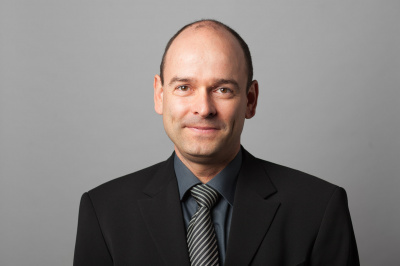
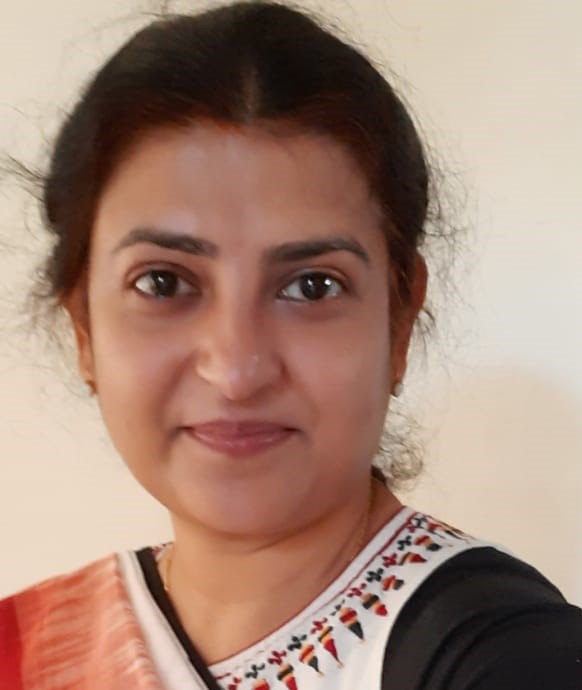
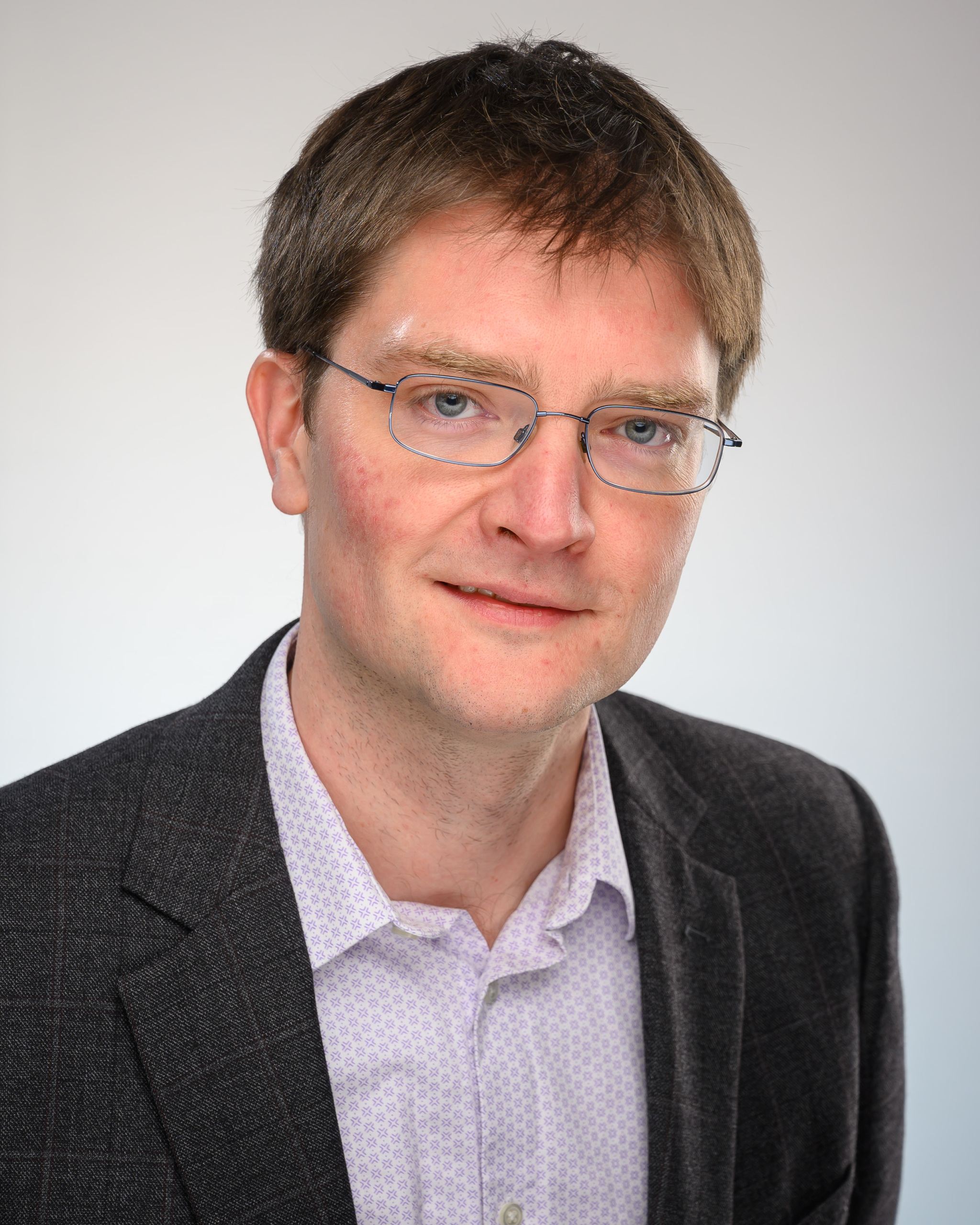
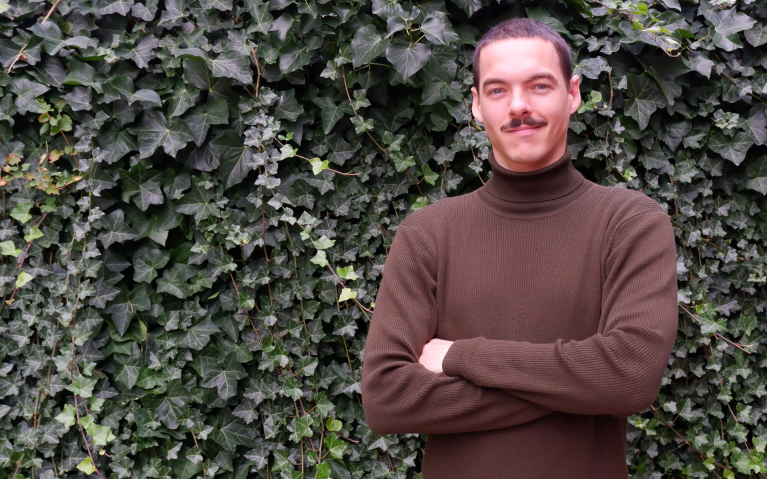
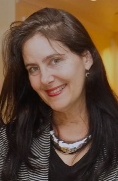
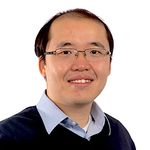
Nicolas Zufferey is a Full Professor of Operations Management at the University of Geneva, Switzerland, where he has served since 2008. He leads research in optimization methods for complex systems, focusing on applications in supply chain management, production planning, inventory control, and transportation logistics. His affiliations include the Research Institute of Management and collaborations with CIRRELT (Transportation & Logistics) and GERAD (Decision Analysis). Education: PhD in Operations Research (EPFL, 2002), MSc/BSc in Mathematics (EPFL) Prior Experience: Postdoc at University of Calgary (2003–2004), Assistant Professor at Université Laval (2004–2007) Research Interests: His work emphasizes developing advanced metaheuristics (e.g., VNS, Tabu Search, PSO) for challenging optimization problems. Key domains include: Multi-objective scheduling with resource constraints Inventory deployment under uncertainty Network design for supply chains and transportation systems Publications: Over 150 peer-reviewed articles across journals like European Journal of Operational Research , Transportation Research , and INFORMS Journal on Computing . Recent work addresses electric vehicle routing, drone integration in delivery systems, and robust decision-making under uncertainty. Collaborations: Engaged with 35+ universities and 27 private companies globally. Active in applying operations research to industrial problems (e.g., Swiss railways, luxury watch production, pharmaceutical networks).
Dr. Dipanwita Thakur serves as Assistant Professor at the Department of Computer Engineering, Modeling, Electronics and Systems (DIMES) at the University of Calabria, Italy since July 2023. She is an active member of the European Cooperation in Science & Technology (COST Action CA22104) focusing on cybersecurity and serves in the IEEE Future Networks Working Group for Artificial Intelligence/Machine Learning. Previously, she held a 15-year Assistant Professor position at Banasthali University, Rajasthan, and has industry experience at TechMahindra and C-DAC. Education: Ph.D. in Smart Healthcare from West Bengal University of Technology, Kolkata M.Tech. in Software Engineering from Banasthali Vidyapith MCA from NIELIT, Government of India B.Sc. from University of Calcutta Her research pioneers Green Artificial Intelligence with emphasis on energy-efficient federated learning and smart healthcare applications. She develops privacy-preserving human activity recognition systems using multimodal data fusion, focusing on performance evaluation and environmental sustainability. Her work bridges theoretical machine learning with practical healthcare solutions, optimizing AI systems for reduced carbon footprint while maintaining clinical efficacy through hardware-algorithm co-design and quantization techniques. Recent publications reveal a strong trajectory toward sustainable AI, with increasing focus on energy-aware federated learning frameworks, multimodal medical segmentation, and non-IID data handling. Her work consistently addresses the critical balance between model accuracy, convergence speed, and energy consumption across edge devices, with growing emphasis on quantization techniques and hardware-algorithm co-design for real-world deployment. Scientific Awards: Elevated to IEEE Senior Member (2024) Dr. B.C. Roy Memorial Scholarship for outstanding 10th Board results (1992) Student Science Seminar Award by West Bengal Government (1990) Dr. Thakur actively mentors students as evidenced by her congratulations to advisee Farwa for paper acceptances. She serves as Associate Editor for Information Fusion (Elsevier) and IEEE Sensors Journal, and holds editorial roles at Scientific Reports. Her research is advanced through COST Action CA22104 and IEEE working groups, though specific grant details aren't listed in the source material. She has organized key workshops including Green-Aware AI 2024 and Green Federated Learning at IJCNN 2025. She leads research within the MONAI community on data quality and federated learning, and contributes to IEEE IoT and Future Networks initiatives. Her work with the COST Action CA22104 Behavioral Next Generation in Wireless Networks connects cybersecurity with sustainable AI development, while her Missouri S&T visiting scholar position focuses on energy optimization for federated learning systems.
Christopher Witulski is an Associate Teaching Professor of Ethnomusicology at Bowling Green State University's College of Musical Arts, where he has served since 2016. He holds a PhD in Ethnomusicology from the University of Florida (2014). His research focuses on Moroccan ritual music, North African musical practices, and the intersection of music with religion, globalization, and cultural identity. Witulski is the author of two major works: The Gnawa Lions: Opportunity and Authenticity in Moroccan Ritual Music (2018) and Focus: Music and Religion of Morocco (2019). His articles explore how musicians navigate listener expectations, global markets, and ritual aesthetics in contemporary North Africa. Witulski is an active performer on violin, 'ud, and banjo, with professional experience in orchestras and festivals across Morocco, Florida, Georgia, and Michigan. His performance interests include Arabic music, American old-time music, and building banjos. Additional research interests incorporate computational music analysis, ethical dimensions of religious music, and interdisciplinary music studies. His scholarly articles (2014–2023) consistently analyze Moroccan musical scenes, Sufi rituals, and global music dynamics. No scientific awards are explicitly listed, though his publications indicate prestigious contributions to ethnomusicology. He previously taught at Florida State University before joining BGSU. No lab affiliations or grant details are provided in the text.
Philippe le Billon is a Professor at the University of British Columbia , affiliated with both the School of Public Policy and Global Affairs and the Department of Geography . His work bridges the environment-development-security nexus , with a focus on climate change, ocean governance, extractive sectors, and conflicts. He collaborates extensively with NGOs and international organizations, particularly on environmental defenders' issues. Research Expertise: Development, Energy Policy, Environment and Climate Change, International Security, Oceans and Fisheries, Social Justice Geographic Focus: Africa, Canada/US, Latin America, Southeast Asia His research explores global challenges such as green transition mineral risks , fish crimes , reparative capitalism , and neoliberalized violence . Recent work examines the techno-utopianism of space mining , AI in anti-corruption , and ocean defender human rights . He has contributed to leading journals like Global Environmental Change and Nature Sustainability , while engaging public audiences via The Guardian and The Conversation . Scientific Contributions: 8 2025 publications on AI in extractives, energy transitions, and ocean governance 7 2024 works addressing carbon neutrality, green extractivism, and fisheries 2023 PNAS study on climate-smart conservation in Africa Awards & Appointments: Scholar, Institute for Advanced Study (Princeton) Fulbright Research Chair, UC Berkeley Research Fellowship, Science-Po Paris Founding Director, Environmental Peacebuilding Association Supervision: Mentored 15+ graduate students including Erik Post (green energy conflicts), Nick Middeldorp (environmental defenders), and Larissa Santos (microhydropower). Current advisees include Erik Post and Philippe's former students hold academic posts at institutions like University of Toronto and University of Sheffield.
Mohamed S. Donia is an Associate Professor in the Department of Molecular Biology at Princeton University, where he leads the Donia Lab. His research focuses on small-molecule-mediated interactions within complex microbial communities and between microbes and their hosts, spanning human microbiome and marine symbiosis systems. B.Sc., Pharmacy, Suez Canal University, Egypt Ph.D., Medicinal Chemistry, University of Utah Postdoctoral Training, University of California, San Francisco Dr. Donia’s research lies at the intersection of microbiology, molecular biology, biochemistry, and computational biology. His lab investigates how small molecules mediate microbe-microbe and microbe-host interactions, particularly in the human gut and marine invertebrates. A key focus is on the role of the microbiome in drug metabolism and the discovery of novel bioactive compounds from uncultivable microbes using metagenomics and multi-omics approaches. The recent publications of the Donia Lab reveal a strong trend in microbiome-derived small molecule discovery, host-microbe interactions, and drug metabolism. The work spans human microbiome drug interactions , marine symbiotic chemistry , computational mining of biosynthetic gene clusters , and ecological modeling of microbial systems . These studies frequently appear in top-tier journals such as Cell , Science , and Nature , reflecting the high impact of the research. Scientific honors include: NIH Director’s New Innovator Award Kenneth Rainin Foundation Breakthrough Award Kenneth Rainin Foundation Innovation Award Pew Biomedical Scholar Dr. Donia actively mentors a diverse group of postdoctoral researchers, graduate students (including MD/PhD candidates), and undergraduates. His lab has received research funding from NIH and other agencies, enabling high-throughput, interdisciplinary studies. He is also a member of the Scientific Advisory Board for Deepbiome Therapeutics, indicating translational applications of his work. The Donia Lab operates as an interdisciplinary research team integrating experimental and computational methods. It maintains strong collaborations and develops tools like MetaBGC for metagenomic analysis of biosynthetic gene clusters. The lab culture emphasizes diversity, innovation, and scientific rigor, as reflected in its outreach and team composition.
David Aitken is a Professor of Organic Chemistry at the Institute of Molecular Chemistry and Materials of Orsay (ICMMO - UMR 8182) , University of Paris-Saclay. His research focuses on synthetic methodology , photochemistry , and the preparation of bioactive molecular scaffolds . He studied Chemistry at the University of Strathclyde (BSc 1983, PhD 1986), followed by a CNRS Researcher position at the University of Paris 5 before becoming a Professor at the University of Clermont-Ferrand 2 in 1998. Since 2006, he has led his research group at Orsay and currently serves as Director of ICMMO . Education : BSc and PhD in Chemistry (University of Strathclyde, Scotland) Research Interests : Synthetic methodology, photochemical transformations, hydrogen bonding in peptides, conformational control, and biologically relevant molecules Methodologies : Photochemistry, organocatalysis, tandem reactions, stereoselective synthesis, and computational modeling Structural Analysis : Hydrogen bonding, helical folding, and non-covalent interactions using spectroscopy and molecular modeling Current Role : Director of ICMMO research institute His recent publications highlight innovations in peptide helical folding , cyclobutane and cyclopropane synthesis , and enantioselective catalytic reactions . His work bridges organic synthesis with biological applications, particularly in protein interaction inhibitors and insulin-sensitizing molecules .
Professor Asif Gill is Head of Discipline for Software Engineering at the School of Computer Science, University of Technology Sydney (UTS), where he was promoted to Professor of Computer Science in January 2024. He also serves as Director of the DigiSAS Research and Innovation Lab and is actively involved in the Global Big Data Technologies Centre at UTS. As a founder of both the DigiSAS Lab and the Future Generation Enterprise Architecture Community of Practice (FGEA CoP), he has established integrated teaching-research-engagement frameworks that translate academic research into practical applications while enhancing graduate employment opportunities. Professor Gill's research interests span Adaptive Enterprise Architecture , Agile Software Development , and Design Science Research & Innovation , with a particular focus on architecting large-scale data-intensive enterprise software systems. His work addresses challenges across academia, industry, government, and society, with significant contributions to AI systems architecture, digital identity management, and enterprise knowledge graphs. His applied research has resulted in numerous collaborations with organizations including the Reserve Bank of Australia, Revenue NSW, Capsifi, Data Zoo, and the NSW Department of Planning, Industry and Environment. His publication record includes 3 books and over 190 articles in major academic journals such as IEEE Transactions on Professional Communication, Information and Management, and Information Systems. His recent work demonstrates a consistent focus on cutting-edge topics in enterprise architecture, AI systems, and digital identity, with multiple publications appearing in 2024-2025. His research trajectory shows a clear evolution from foundational work in agile software development toward more sophisticated integration of AI, enterprise architecture, and data governance. Fellow of the Australian Computer Society (ACS) Fellow of DSE (ESCP Center for Design Science in Entrepreneurship) Senior Member IEEE Associate Editor, IEEE Transactions on Technology & Society Associate Editor, Springer Nature Discover Data journals Member, Data Sharing Committee, IFIP Technical Committee 8.1 Member, Standards Australia Software and Systems Engineering Committee IT-015 Professor Gill has successfully secured numerous research grants from 2019-2026, totaling significant funding for projects related to digital identity, enterprise architecture, and AI systems. His approach emphasizes industry-academia collaboration, with many projects involving direct partnerships with government agencies and industry organizations. He has supervised multiple PhD and Master's students through industry-sponsored scholarships and maintains active collaborations with researchers across multiple institutions. Leading the DigiSAS Research and Innovation Lab, Professor Gill has created an environment that bridges theoretical research with practical implementation. The lab focuses on developing frameworks and tools for adaptive enterprise architecture, with particular emphasis on AI-enabled systems, data governance, and digital identity solutions. His work on the Data Satellite Architecture represents a significant contribution to combating data pollution in federated digital ecosystems.
Daniel Fernández-Muñoz is an Associate Professor at the Universidad Politécnica de Madrid (UPM) , affiliated with the Department of Physical Electronics, Electrical Engineering and Applied Physics. He earned his PhD in 2021 with a thesis on "Generation scheduling in isolated power systems with high variable renewable generation and pump-storage," receiving both the Extraordinary Doctoral Award and Carlos González Cruz Award. He has held academic roles since 2006, including Assistant Professor positions from 2016-2021 and a current permanent Associate Professor appointment. Education : PhD in Electrical Engineering (UPM), DEA in Electrical Engineering (2010), Civil Engineering degree (2006) Research Focus : Renewable energy integration, power system optimization, battery degradation modeling, and frequency control in isolated grids Collaborations : Instituto de Sistemas Eléctricos de Potencia (Austria), EERA Joint Programme on Energy Storage, H2020 project eNeuron His work emphasizes hybrid wind-battery systems , pumped-storage hydropower , and virtual power plants , with notable publications in JCR Q1 journals. He has contributed to the Energy2Win project on sustainability education and served as a peer reviewer for multiple scientific journals. Scientific Awards Premio Extraordinario de Doctorado (UPM) Premio Carlos González Cruz Teaching activities include Physics for Biomedical Engineering and Energy Systems for Telecommunications. He has participated in international conferences as an invited speaker and contributed to projects funded by the Spanish government and private entities.
Julie Peterson is an Assistant Professor in the Chemistry Department at Bowling Green State University's College of Arts and Sciences. She joined the faculty in 2023 after completing a postdoctoral fellowship at the University of California – Santa Barbara (2020-2023) and earning her Ph.D. from Iowa State University (2014-2020). Education: Ph.D. (Iowa State University), B.A. (University of Kansas) The Peterson lab focuses on designing visible-light responsive organic compounds for applications in (bio)materials and medicine. Research areas include: Dynamic covalent bonds Photoswitches Visible-light activation Drug delivery systems Computational/experimental approaches Her publications highlight visible-light responsive photoswitches and dynamic covalent bonds, with applications in biomedical materials and responsive systems. Current trends include protic environment compatibility and material implementation of photoresponsive molecules. Contact: jupeter@bgsu.edu
Mohammad Shojafar (M'17-SM'19) is an Associate Professor at the Institute for Communication Systems within the Faculty of Engineering and Physical Sciences at the University of Surrey , UK. He has secured over £1.9M in research funding as Principal Investigator for projects like ORAN-TWIN (EPSRC), PRISENODE (MSCA-IF), TRACE-V2X (MSCA-SE), and D-XPERT (Innovate UK), among others. Previously held positions include Senior Researcher at University of Toronto and Toronto Metropolitan University, Senior Researcher at Italian universities (Telecom Italia Mobile), and Postdoc at University of Padua Key affiliations: Associate Editor for IEEE Transactions on Network and Service Management, Intelligent Transportation Systems, Green Communications and Networking, and Consumer Electronics Magazine Research Specialism: 5G/6G Security and Privacy Open-RAN Security Green Networking Adversarial Machine Learning Applied Cryptography Publication Trends: Focus on Open RAN security challenges (bearer context migration poisoning, KPI poisoning attacks), IoT/Fog security (GAN-based attacks, distributed intrusion detection), Lightweight Cryptography (multi-signature protocols, authentication schemes), and AI-driven Network Optimization (federated learning, reinforcement learning applications). Recent work addresses security in vehicular networks, smart grids, and video streaming frameworks. Scientific Recognition: Marie Curie Individual Fellowship (MSCA-GF-IF) Intel Innovator ACM Professional Member Sustainability Fellow at Institute for Sustainability IEEE Senior Member Supervision: Currently supervising 6 PhD students and has graduated 5 PhD/MSc students since 2021. Active in 5G/Open RAN security research with over 20 related publications since 2022.
Sandeep Gupta is a Professor and Director of the School of Computing and Augmented Intelligence at Arizona State University's Ira A. Fulton Schools of Engineering. He also serves as a Senior Global Futures Scientist. His work bridges computer science, engineering, and healthcare applications with a focus on creating reliable cyber-physical systems that interact safely with humans. Education: Ph.D. from The Ohio State University (1995) Research Interests: Professor Gupta's research spans cyber-physical systems, green and sustainable computing, mobile and pervasive computing, and parallel and distributed computing. His work increasingly focuses on human-in-the-loop systems where AI and humans collaborate safely, particularly in healthcare contexts. Recent research integrates large language models with cyber-physical systems to enhance safety and operational effectiveness in critical applications like medical monitoring and industrial automation. Research Trends: Analysis of Professor Gupta's recent publications reveals a strong focus on operational safety in human-AI collaborative systems, particularly in healthcare applications. His work combines physics-guided models with machine learning to detect "unknown-unknowns" in safety-critical systems, develops LLM-based approaches for medical image classification, and creates frameworks for ethical human-AI collaboration. The research increasingly addresses real-world challenges in diabetes management, epilepsy diagnosis, and industrial automation. Professional Service: IEEE Communication Letters Editorial Board, Area Editor (2008-Present) IEEE Journal on Special Areas in Communications - Issue on Body Area Network, Co-editor (2006-Present) Elsevier COMNET - Computer Network Journal, Reviewer (2008-Present) Technical Advisory Committee Chair for Networks (2005-Present) Advising and Grants: Professor Gupta has secured numerous research grants from NSF, NIH, Intel, Raytheon, and other organizations, totaling millions of dollars. His research portfolio includes projects on smart stadiums, mobile ECG sensing, power-aware scheduling, medical device verification, and sustainable data center management. He actively advises PhD and Master's students through thesis courses and research supervision, focusing on cyber-physical systems and healthcare applications. Labs and Research Groups: Professor Gupta leads research in cyber-physical systems with applications in healthcare, sustainable computing, and mobile networks. His work involves interdisciplinary collaboration across engineering, computer science, and medical domains, particularly through ASU's Global Futures initiatives.
Andrea Simonetto is a Research Professor at the Applied Mathematics Unit (UMA) , ENSTA Paris, Institut Polytechnique de Paris. His work spans optimization, control theory, and learning algorithms for large-scale and streaming data , with applications in smart grids, intelligent transportation, personalized health, and quantum computing. Current research focuses on online algorithms for time-varying optimization , personalized optimization for cyber-physical systems , and variational quantum algorithms . Past contributions include theoretical and algorithmic advances in convex/non-convex optimization, distributed optimization (robotic networks, smart grids), and signal processing for sparse reconstructions and parallel computing in particle filtering. Key application domains include renewable energy integration , quantum state preparation , and human-in-the-loop control systems . His research is published in journals like ACM Transactions on Quantum Computing , IEEE Control Systems Letters , and Automatica .
Dr. Eve M. Schooler is a Visiting Professor of Sustainable Computing at the University of Oxford , sponsored by the Royal Academy of Engineering. She is an IEEE Fellow and co-recipient of the IEEE Internet Award (2020), with expertise in Networking , Distributed Systems , and Carbon-aware Networking . Her work bridges industry-academia partnerships, focusing on edge-cloud infrastructure and AI for cybersecurity . BS, MS, PhD in Computer Science (Yale, UCLA, Caltech) Board of Directors, Computing Research Association (US) Advisory Council, University of Delaware College of Engineering Her research spans IoT security , smart grids , reverse CDNs , and data-centric networking . She co-founded the IETF's SUSTAIN research group on sustainability and chairs standards initiatives in fog computing and open footprints. Recent trends in her publications include carbon-aware networking , edge-cloud convergence , and AI-driven cybersecurity , with over 100 papers and 35 patents. IEEE Fellow (2021) IEEE Internet Award (2020) N2Women Stars in Networking (2023) Dr. Schooler champions STEM outreach , serving organizations like Grace Hopper Conference and Sally Ride Science. She leads industry-academia collaborations through projects like EU H2020 SPATIAL and NSF-Intel ICN-WEN.
Prof. Dr. Reinhold Decker is a full professor of business administration with a focus on marketing and market research at Bielefeld University's Faculty of Economics, where he has been affiliated since 1997. He currently serves as the Rector's Representative for Cooperation with Business, BRIC, and Research Transfer (since October 2023), following previous roles as Vice Rector for Information Infrastructure and Business (2019-2023), Vice Rector for Information Management (2015-2019), and Vice Rector for Financial Affairs and Resources (2012-2015). He is also the Scientific Director of BI2000plus - Research Projects on the Region since 2005 and a member of the Bielefeld Graduate School of Economics and Management (BiGSEM). Decker earned his degree in industrial engineering with a focus on OR/Computer Science in 1988, received his doctorate in 1993, and completed his habilitation in 1997, all from the University of Karlsruhe (KIT). His academic career includes visiting professorships at the University of Vienna, Moscow Academy of Economics, University of Veliko Turnovo, Universidade NOVA de Lisboa, Université Paris III – Sorbonne Nouvelle, and the University of Maryland. His research focuses on the development and empirical testing of methods and models for acquiring and analyzing consumer data, particularly from social media, and data-driven, consumer-centric development of intelligent products and services. His work spans social media analysis, buyer behavior modeling, brand image analysis, web mining in marketing, and internet-based preference measurement. Decker's interdisciplinary approach bridges marketing, data science, and consumer behavior, with increasing emphasis on intelligent systems and digital transformation in marketing contexts. Analysis of his 15 most recent publications reveals a strong focus on emerging technologies in marketing, including augmented reality, voice assistants, and social media analytics. His research increasingly examines privacy concerns in the digital age, sustainability communication, and the integration of AI in consumer decision-making processes. The interdisciplinary nature of his work is evident in publications spanning marketing journals, data science publications, and technology-focused outlets. Member of the Scientific Council of the journal Argumenta Oeconomica Cracoviensia (since 2013) Associate Editor of the journal Behaviormetrika (since 2012) Member of the Editorial Board of the Springer series Studies in Classification, Data Analysis, and Knowledge Organization (since 2004) Vice President of the European Association for Data Science – EuADS (2018-2022) Decker has served on numerous editorial boards and scientific program committees, including for the International Federation of Classification Societies. His extensive reviewing work spans prestigious journals such as Journal of Business Research, Journal of Product Innovation Management, and Review of Managerial Science. His leadership extends to project management, including BiLinked (2025), Bielefeld 2000plus (2024), and Bielefelder DatenNarrative (2022). Decker has also edited multiple volumes and special issues on data analysis and marketing, demonstrating his commitment to advancing methodological approaches in business research. As Scientific Director of BI2000plus, Decker leads interdisciplinary research projects focused on regional development. His work bridges academia and industry through initiatives like the Bielefeld Center for Data Science (BiCDaS) and the Bielefeld Graduate School in Theoretical Sciences. His recent projects emphasize data narrative techniques, linking data analysis with effective communication strategies for diverse audiences.
Lei Tian is an Associate Professor in the Department of Electrical and Computer Engineering and the Department of Biomedical Engineering at Boston University's College of Engineering. He leads the Computational Imaging Systems Lab and maintains affiliations with the Neurophotonics Center, Photonics Center, Center for Information & System Engineering, Rafik B. Hariri Institute for Computing, and Nanotechnology Innovation Center. His educational background includes: PhD, Massachusetts Institute of Technology, 2013 MS, Massachusetts Institute of Technology, 2010 Professor Tian's research integrates optics and computation to overcome physical limitations in imaging systems. His work spans computational imaging and sensing, computational microscopy, imaging in scattering media, phase retrieval, and neurophotonics. He develops next-generation imaging systems with applications in biomedical microscopy, neuroscience, semiconductor metrology, and advanced vision applications, emphasizing the joint design of optical components and computational algorithms. His publication record shows a strong progression from fundamental computational imaging techniques to practical applications, with increasing integration of deep learning approaches to solve challenging imaging problems in scattering media and neural environments. His work consistently bridges theoretical advances with real-world applications. Professor Tian has received numerous prestigious awards: Boston University Provost's Scholar-Teacher of the Year Award (2025) Optica Fellow (2025) Early Career Excellence in Research, BU College of Engineering (2021) NSF CAREER Award (2019) Dean's Catalyst Award (2018) The Fumio Okano Best 3D Paper Prize (2018) As an advisor, he has successfully mentored at least 10 PhD students to completion as of mid-2025, with recent graduates including Jeffrey Alido, Jiabei Zhu, Chang Liu, Hao Wang, and Joseph Greene. His research is supported by substantial funding including a $2 million NIH grant for the Computational Miniature Mesoscope (CM2), a $1.75M grant from NIBIB for cancer cell metabolism research, and funding from the Chan Zuckerberg Initiative. His Computational Imaging Systems Lab pioneers innovative imaging techniques that synergistically combine optical hardware with computational algorithms, making significant contributions to computational microscopy, intensity diffraction tomography, neural imaging systems, and deep learning applications in optical imaging for both biomedical and industrial applications.