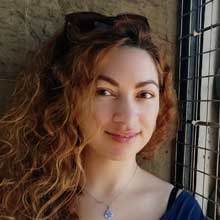
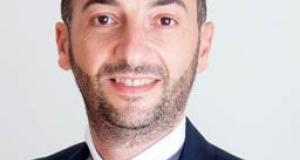
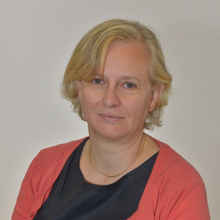
Enrico Bodo is a Full Professor of Physical Chemistry at the Department of Chemistry, Sapienza University of Rome. He holds a PhD in Chemical Sciences from Sapienza University (2002) and has held visiting positions at Harvard Smithsonian Center for Astrophysics and University of Paris Sud. His expertise spans material modeling, ab-initio molecular dynamics, ionic liquids, and computational spectroscopy. Education: BSc Chemistry, Sapienza University of Rome (1998) PhD in Chemical Sciences, Sapienza University of Rome (2002) Research Interests: Electrochemical systems and Li-ion batteries Protic ionic liquids and biocompatible solvents Computational studies of molecular dynamics and spectroscopy Grants & Leadership: Secured ~100 million EU computing hours for simulations Elected member of the Board of the Theoretical and Computational Chemistry Division of the Italian Chemical Society Advising: Supervised 10 PhD students, 4 postdocs, and 30 Master's students since 2014. Research groups focus on computational modeling of energy materials and electrolyte design. Labs/Teams: Leads research groups investigating molecular dynamics simulations and computational spectroscopy within the Department of Chemistry's advanced materials division.
Paola Calza is a Full Professor in the Department of Chemistry at the University of Turin. Her research focuses on environmental chemistry, analytical chemistry, and advanced photocatalytic technologies for water purification. Her work addresses the degradation of emerging contaminants, transformation product analysis, and the development of novel materials for pollutant removal. She has contributed significantly to advancing photocatalysis, nanomaterial synthesis, and sustainable water treatment strategies. Her research spans diverse applications, including aquaculture water treatment, pharmaceutical pollution mitigation, and soil bioremediation. Key areas: Photocatalytic degradation, MXene-based nanocomposites, HPLC-HRMS analysis, and bio-inspired materials. Collaborations involve interdisciplinary approaches combining environmental science, materials engineering, and analytical techniques. Publications emphasize practical solutions for real-world water and soil contamination challenges.
Giuseppe Cavallaro is an Associate Professor at the Department of Physics and Chemistry , University of Palermo. His research focuses on nanotechnology , biopolymer composites , and cultural heritage conservation . Key research themes include: Halloysite clay nanotubes for drug delivery and pollutant removal Hybrid materials integrating chitosan , cellulose , and metal oxides Applications in sustainable agriculture , art conservation , and environmental decontamination Recent publications highlight his work on thermoresponsive nanocarriers , antimicrobial composites , and green building materials . Contact: giuseppe.cavallaro@unipa.it
Paola D'Angelo is a Full Professor in the Department of Chemistry at the University of Rome Sapienza. Her research focuses on advanced spectroscopic techniques (X-ray Absorption Spectroscopy, UV-Vis), molecular dynamics simulations, coordination/solution chemistry, and energy storage materials. She leads projects on ionic liquids, deep eutectic solvents, and catalytic systems. She serves as Secretary/Treasurer of the International XAFS Society, member of SILS, and Associate Editor of Radiation Physics and Chemistry . Awards include the 2003 International XAFS Scientist Award and Federchimica's PhD Thesis prize. Her 150+ publications address topics like battery electrolytes, MOF reactivity, and solvent engineering. Roles: Full Professor, Junior Research Fellow (Scuola Superiore Sapienza) Affiliations: Elettra Synchrotron Facility Review Committee, C11 ESRF Review Committee Key Projects: Si-DRIVE (2019-2022), DES for energy storage Research highlights include structural studies of eutectic solvents, solvation dynamics in ionic liquids, and operando XAS investigations of catalytic reactions. Her work bridges fundamental chemistry with applications in energy storage and environmental technology.
Daily Rodríguez-Padrón is a Research Fellow at Ca' Foscari University of Venice, affiliated with the Department of Molecular Sciences and Nanosystems and the Research Institute for Green and Blue Growth. She holds a BSc from the University of Havana (2013) and a PhD from the University of Córdoba, Spain (2020). Her research focuses on sustainable catalytic processes, nanomaterials, and biomass valorization. Key areas include the development of bio-based catalysts, green chemistry methodologies, and applications of chitin and other natural resources in catalysis. She has contributed to over 70 peer-reviewed articles, emphasizing eco-friendly synthesis and energy-related materials. Her work spans collaborations with institutions like KelAda Pharmachem Ltd (Ireland) and participation in EU-funded projects such as GreenX4Drug (Marie Skłodowska-Curie RISE). Rodríguez-Padrón’s research integrates mechanochemistry, continuous-flow systems, and waste-derived materials to advance sustainable industrial processes.
Silvia Bodoardo is a Full Professor in the Department of Applied Science and Technology (DISAT) at the Polytechnic University of Turin. She serves as Director of the Study Center for the Promotion of European Research, is a member of the Academic Senate, and participates in the Investigative Commission for the Coordination of Teaching and Training Activities. Additionally, she directs the Interdepartmental Center Ec-L - Energy Center Lab and serves as Scientific Advisor of the Batteries European Partnership Association (BEPA). Her expertise lies in Applied Physical Chemistry within the broader field of Industrial and Information Engineering. Her academic credentials include the National Scientific Qualification - First Band - Sector 02/B3 awarded by MIUR, Italy in 2013. Professor Bodoardo's research focuses on electrochemical energy storage systems, with particular emphasis on battery technologies for sustainable applications. Her work spans lithium-ion batteries, lithium-sulfur systems, and emerging potassium-based battery technologies. She investigates electrode materials, electrolyte formulations, and sustainable manufacturing processes for energy storage applications supporting electric mobility and renewable energy integration. Her research directly addresses Sustainable Development Goals 7 (Affordable and clean energy), 11 (Sustainable cities and communities), and 13 (Climate action). Analysis of her recent publications reveals a strategic shift toward sustainable battery materials, particularly using bio-based resources like lignin for potassium-ion battery development. Her research group is actively exploring alternatives to conventional lithium-ion technology that offer improved sustainability profiles while maintaining performance characteristics, with strong focus on circular economy principles in battery production. National Scientific Qualification - First Band - Sector 02/B3 awarded by MIUR, Italy (2013) Scientific Advisor of the Batteries European Partnership Association (BEPA) Director of the Study Center for the Promotion of European Research at Politecnico di Torino Research contract holder for the European Commission (multiple periods from 2010-2019) Professor Bodoardo supervises numerous PhD students working on various aspects of battery technology and energy storage. She leads multiple high-impact research projects funded by the European Commission including GIGAGREEN, DigiCell, BIONIC, and B2030 CSA3. Her laboratory facilities include specialized electrochemistry labs focusing on Li-ion and post-Li-ion technologies. Current research directions include sustainable processing techniques for electrode manufacturing, development of solid-state batteries, and second-life applications for batteries in renewable energy systems.
Luisa Mannina is a Full Professor of Food Chemistry at Sapienza University of Rome, Department of Chemistry and Technology of Drugs, Faculty of Pharmacy and Medicine. She leads the Food Chemistry Laboratory (FOODCHEMLAB) and serves as Director of the Metabolomics Unit focusing on Foods, Nutraceuticals and Biological Fluids Research. Her academic career spans over 25 years with progressive appointments from Assistant Professor to her current Full Professor position since January 2019. Full Professor of Food Chemistry (2019-present) Associate Professor of Food Chemistry (2009-2019) Director of multiple Master's programs in Nutraceuticals and Cosmeceutics Coordinator of PhD program in Molecular design and characterization for health promotion Member of numerous institutional committees at Sapienza University Professor Mannina's research centers on Nuclear Magnetic Resonance (NMR) methodologies for food analysis and metabolomics. She has developed innovative analytical protocols for determining metabolic profiles of food matrices and biological fluids, enabling authentication of geographical origin, variety, and cultivation methods for diverse food products. Her work spans olive oils, fruits, industrial hemp, and various agricultural products, with particular emphasis on NMR-based metabolomics for food authentication and quality assessment. She has established herself as a leading expert in industrial hemp analysis, publishing extensively on cannabis inflorescences, seed oils, and related products. Analysis of her recent publications reveals a strong focus on sustainable food systems, with particular attention to agri-food waste valorization, novel food development from unconventional sources like medicinal mushrooms, and advanced analytical techniques for food authentication. Her work increasingly integrates NMR with other analytical methods to address complex food science challenges, including food fraud detection, nutritional enhancement through processing techniques, and chemopreventive properties of plant-based products. The research demonstrates consistent evolution from fundamental food characterization toward applied solutions addressing contemporary food system challenges. Her scientific recognition includes: GIDRM/GIRM 2018 Gold Medal ANVUR Research Funding (2017) Associate Editor of Journal of Integrated Omics Member of Scientific Committee of La Rivista Italiana delle Sostanze Grasse Professor Mannina has successfully supervised numerous PhD students and directed multiple Master's programs. Her research is supported by substantial funding from regional, national, and European sources, including projects on industrial hemp valorization (€150,000), innovative bio-packaging (€50,000), and metabolomic studies of Mediterranean diet adherence (€14,500). She maintains active collaborations with European research institutions and industry partners through various research contracts. Her Food Chemistry Laboratory (FOODCHEMLAB) is equipped with state-of-the-art analytical instrumentation including NMR, HPLC-PDA, GC-MS, and other advanced equipment for comprehensive food analysis. The laboratory serves as a hub for metabolomic research, food authentication studies, and valorization of agricultural by-products, contributing significantly to Sapienza University's research profile in food science and technology.
Luciano De Sio is an Associate Professor at Sapienza University of Rome, affiliated with the Department of Medical-Surgical Sciences and Biotechnologies. He leads a research group focused on biotechnology, liquid crystals, nanotechnology, optics, and bio-photonics. De Sio has over five years of experience as a senior research scientist at Beam Engineering for Advanced Measurements in Orlando, FL, with collaborations spanning U.S. agencies like AFOSR and AFRL. Current position: Associate Professor Institution: Sapienza University of Rome Department: Department of Medical-Surgical Sciences and Biotechnologies His research integrates nanotechnology with biomedical applications, including photo-thermal therapy and reusable biosensors . Notably, he has co-authored 140 ISI-JCR publications, holds 18 international patents, and has delivered over 50 conference presentations. Recent work involves NATO-funded projects for nanotechnology-inspired biosensors with photo-responsive liquid crystals. NATO Science for Peace and Security Programme European Office of Aerospace Research & Development (EOARD) De Sio's projects include advanced thermoplasmonic optical filters , smart windows , and multifunctional face masks with hybrid nanostructures. His expertise spans computational modeling of heat transfer, plasmonic nanoparticle synthesis, and bio-photonic device development. He teaches foundational physics courses for Medicine, Dentistry, and Nursing programs, including Medical Physics and Basics of Cellular and Molecular Biology . His group operates in the Laboratory of Biofotonica and Laboratorio di Biofotonica Ultrafast , advancing technologies from microfluidic circuits to gamma imaging systems.
Umberto Desideri is a Full Professor of Thermal Machines at the University of Pisa since November 2014, following his tenure as Full Professor at the University of Perugia from 2004 to 2014. He has held leadership roles, including Head of the Department of Engineering at the University of Perugia (2014) and Head of the Department of Energy, Systems, Territory and Construction Engineering at the University of Pisa (2016–2020). He is actively involved in editorial boards, such as the ASME Journal of Fuel Cell Science and Technology (2005–2017), Journal Applied Energy (since 2007, Associate Editor from 2011, Senior Editor since 2022), and Journal Applied Thermal Engineering (since 2013). Additionally, he co-founded two spin-off companies in 2005: Tecnologie per la riduzione delle emissioni engineering srl and Biomasse e nuove tecnologie srl . Desideri obtained his MSc in Mechanical Engineering from the University of Florence in 1988 and his PhD in Energy Engineering from the same university in 1993. His academic career includes roles as Assistant and Associate Professor at the University of Perugia (1992–2004) before becoming a Full Professor there in 2004. His research focuses on renewable energy systems (geothermal, solar, biomass), hydrogen and fuel cell technologies, carbon capture and storage, and energy-efficient buildings. He explores polygeneration systems, sustainable energy storage, and decarbonization strategies for industries like tissue paper production. Recent work emphasizes the integration of renewables with thermal storage and CO2 utilization in circular energy systems. Awards: Fellow of the American Society of Mechanical Engineers (since 1994) Listed in the Top Italian Scientists in Engineering Recognized as a World Top 2% Cited Scientist In advising and grants, he has supervised over 200 Master’s theses and led EU-funded projects such as: H2020 COMPBAT (2020–2024): Computer-aided design for next-gen flow batteries H2020 Regen-by-2 (2020–2027): Multi-energy systems using two-phase fluids LIFE Augia (2020–2023): Sewage oxy-gasification for chemicals production He directed the Fuel Cell Laboratory (2007–2014) and Wind Tunnel (2010–2014) at the University of Perugia. His current work at the University of Pisa’s DESTEC department addresses hydrogen technologies, energy transition, and sustainable systems.
Andrea Dorigato serves as an Associate Professor in the Department of Industrial Engineering at the University of Trento, Italy, with his office located at Via Sommarive, 9 - 38123 Povo. His contact information includes telephone 0461 283724 and email andrea.dorigato@unitn.it. He actively teaches courses including Circular Economy for Materials Processing , Engineering Properties of Materials , Recycling and Sustainable Materials , and Laboratory of Polymer Technologies and Sustainability across multiple degree programs in Materials Engineering and Industrial Systems Engineering. Dr. Dorigato's research spans sustainable materials engineering with expertise in biopolymers, carbon nanotube composites, thermo-mechanical characterization, and energy storage systems. His work emphasizes circular economy principles through polymer blend compatibilization, phase separation control, and development of silsesquioxane-enhanced composites. Key focus areas include self-healing structural materials, biodegradable packaging solutions, and agricultural applications of wood-derived topsoil covers. His recent 2025 publications reveal a strong trend toward environmental impact assessment and sustainable material innovation. Dominant themes include life cycle analysis of packaging/building materials, self-repairing composites for structural applications, biopolymer-based agricultural solutions, and furanoate polyester development for biodegradable products. The research consistently integrates experimental characterization with environmental performance metrics. No scientific awards were documented in the provided sources. Information regarding student advisement, research grants, laboratory facilities, or collaborative teams was not specified in the available materials.
Leonardo Marchese is a Full Professor at the Department of Science and Technological Innovation, Università degli Studi del Piemonte Orientale 'Amedeo Avogadro'. His research focuses on advanced materials for environmental and energy applications, particularly porous materials for gas storage, pollutant removal, and sensor development. He leads projects like ECOSTORE-H2 (2023-2025) targeting eco-friendly hydrogen storage and ECOH2STORE for sustainable porous materials. Key research interests include: Functionalized silica and mesoporous materials Nuclear Magnetic Resonance (NMR) characterization Environmental monitoring sensors Waste-derived materials (e.g., rice husk, insect chitin) Adsorption mechanisms for pollutants/metals Recent projects involve collaborations in: Hydrogen storage solutions Biodegradable polymers from insect larvae Efficient water purification systems 3D-printed porous structures Prominent contributions include over 370 publications (2025: 2 articles; 2024: 23; 2023: 14), with emphasis on material synthesis and applications in sustainability. No awards are explicitly listed, but his work aligns with UN SDGs for clean energy and responsible consumption.
Federica POLLASTRO is an Associate Professor at the University of Eastern Piedmont 'Amedeo Avogadro', Department of Pharmaceutical Sciences. Her research focuses on cannabinoid pharmacology, drug delivery systems, and neuropharmacology, with particular emphasis on the therapeutic potential of cannabinoids in neurodegenerative and inflammatory diseases. She leads projects such as NOrCa (Exploring Cannabis waste for circular economy applications) and has collaborated on initiatives like PRIME (green chemistry processes) and NUTRAcore (bioeconomy-driven food ingredients). Her work addresses cannabinoid synthesis, cytotoxic effects on cancer cells, and molecular mechanisms underlying neuroprotection. Key collaborations span European institutions, with projects funded by the Italian Ministry of Research and Piedmont Region. Publications emphasize transcriptomic analysis of cannabinoids' effects on Alzheimer's, Parkinson's, and glioblastoma models. Research activity highlights include: Over 150 peer-reviewed articles (2005–2025) Principal Investigator on grants totaling €2M+ (e.g., FFABR 2017, NOrCa 2023–2025) Development of novel cannabinoid derivatives and drug delivery systems Investigations into bitter taste receptor signaling in gastrointestinal physiology
Patrizia Canton is a Full Professor at the Department of Molecular Sciences and Nanosystems of Ca' Foscari University of Venice , where she serves as Deputy Director. Her research focuses on structural characterization of nanomaterials using advanced techniques like Transmission Electron Microscopy and X-ray Diffraction, with applications in quantum dots , catalysis , and photothermal agents . She leads the Responsible for Teaching and Research Activities in the Laboratory (RDRL) and supervises multiple international research collaborations. Key research areas: Physical Chemistry, Nanotechnology, Spectroscopy Recent publications highlight work on luminescent nanothermometers, CuInS 2 quantum dots, and catalytic metal nanoparticles She has received prestigious awards including the Young Scientist Award (International Union of Crystallography) and IUCR Journal of Applied Crystallography referee roles. Her funded projects span European Commission initiatives like Horizon 2020 and national PRIN/Erasmus+ programs.
Roles and Affiliations: Ilenia Rossetti is a Full Professor of Chemical Industrial Plants at the Department of Chemistry, University of Milan. She has held leadership roles, including Director of the Analysis Lab and member of various scientific commissions. She coordinates national research projects funded by MUR, Regione Lombardia, and Fondazione Cariplo. Education: Bachelor's (1998): Industrial Chemistry, University of Milan (summa cum laude) PhD (2001): Industrial Chemistry, University of Milan Master's (2016): Chemical Engineering, Politecnico di Milano (110/110) Research Focus: Her work centers on catalytic processes , process design and optimization , photocatalytic systems , and nanostructured materials . Key areas include CO₂ conversion to fuels, hydrogen production, and sustainable energy solutions. She explores high-pressure CO₂ photoreduction, flame-synthesized catalysts, and reactor engineering for renewable processes. Publications and Impact: Over 70 articles since 2021 highlight her contributions to CO₂ methanation, photocatalytic CO₂ reduction, and bioethanol valorization. Her work bridges lab-scale innovations and industrial-scale processes. Awards: Chiusoli Medal (2016): For multidisciplinary CO₂ utilization research. ENI Award (2008): For innovative photocatalytic methods. Parmaliana Prize (2018): For outstanding PhD supervision in catalysis. Advising and Collaboration: Supervised multiple award-winning PhD theses. Collaborates with industries (ENI, BASF) and institutions (Italian Chemical Society) on sustainable processes. Leads projects on CO₂ capture/utilization and biofuel conversion. Labs and Teams: Oversees the Analysis Lab at the Department of Chemistry. Her interdisciplinary team focuses on photocatalytic reactors, nanomaterial synthesis, and process modeling.
Salvatore BARRECA is a Fixed-term Assistant Professor of Analytical Chemistry (CHIM/01) at the University of Catania , Department of Chemical Sciences. His research focuses on environmental and food analysis, sample preparation techniques, and photochemical remediation methods. Key research areas include: Environmental pollution and water quality monitoring Chromatography and mass spectrometry applications Photochemical and photocatalytic degradation of pollutants Chemical risk assessment in food and environmental matrices Development of analytical methods for trace contaminants Endocrine disruptors and emerging pollutants Recent work emphasizes perovskite solar cell environmental safety, fluoride analysis in beverages, and heavy metal quantification in food products. His publications demonstrate expertise in hyphenated analytical techniques (UHPLC-Q-TOF-MS, LC-MS/MS) and environmental biomonitoring. Salvatore is associated with Marco Arculeo's Lab at the University of Catania. He has contributed to patents related to photochemical water purification systems while maintaining active research collaborations across Italy and international institutions like Goethe University Frankfurt and Masaryk University.