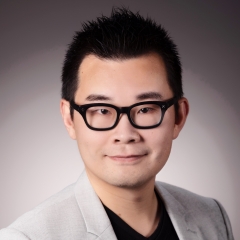
William Yang Wang serves as the Mellichamp Professor of Artificial Intelligence at the University of California, Santa Barbara (2019-present). He directs the UCSB Center for Responsible Machine Learning, the Mind and Machine Intelligence Initiative, and the UCSB NLP Group. His research focuses on theoretical foundations and practical algorithms for AI, particularly in NLP, LLMs, and neuro-symbolic reasoning. PhD in Computer Science from Carnegie Mellon University Active in AI theory and applications (2016-present) Research interests span multiple AI domains, with special emphasis on NLP and responsible machine learning. He has pioneered datasets like HybridQA, TabFact, and VaTeX, enabling advancements in multi-hop QA, fact verification, and video-language tasks. His work combines statistical relational learning with modern deep learning paradigms. Recent publications center around multimodal reasoning, knowledge graph integration, and responsible AI development. He has received numerous accolades including the IEEE SPS Pierre-Simon Laplace Award (2024) and NSF CAREER Award (2021). Karen Sparck Jones Award (2022) DARPA Young Faculty Award (2018) IBM Faculty Award Mentoring 15+ PhD and postdoc researchers who now hold positions at Microsoft Research, Amazon, Meta GenAI, and academic institutions like Arizona and Rutgers. His lab maintains active collaborations with industry partners through initiatives like ChipAgents.ai, which he founded as CEO.
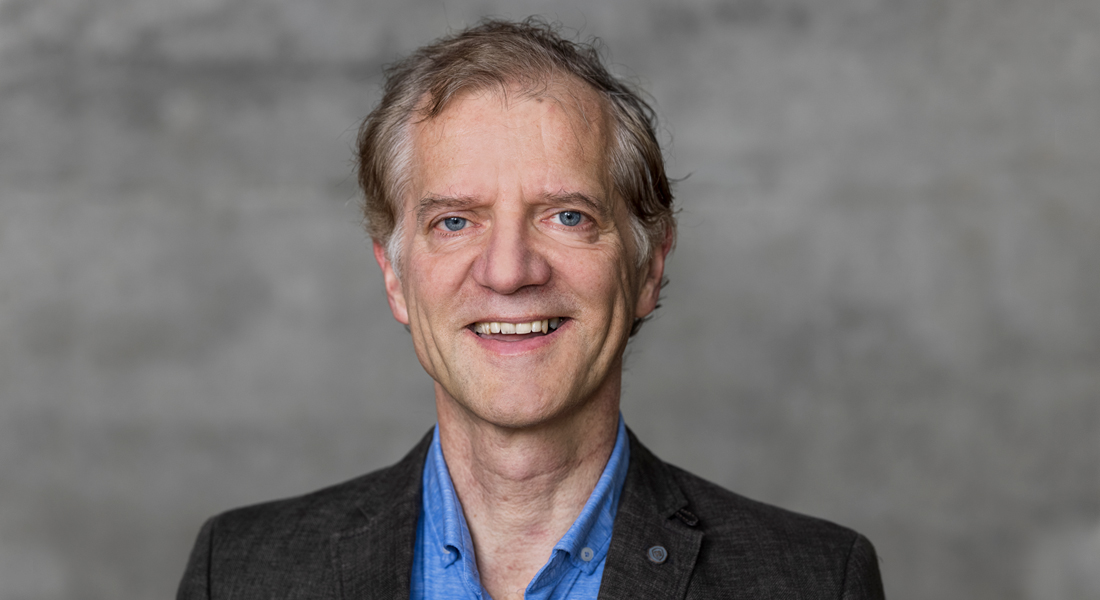
Professor Matthias Mann is a world-leading scientist serving as Director of the Proteomics and Signal Transduction department at the Max Planck Institute of Biochemistry in Martinsried, Germany, and Director of the Proteomics department at the Novo Nordisk Foundation Center for Protein Research, Faculty of Health Sciences, University of Copenhagen, Denmark. With an h-index exceeding 277 and over 350,000 citations, he is recognized as the highest cited German researcher and one of the most influential scientists globally in proteomics. His educational background includes: Ph.D. in Chemical Engineering from Yale University (1988) Master's Degree in Physics from Georg August University Göttingen (1984) Bachelor's of Arts in Mathematics from Georg August University Göttingen (1982) Professor Mann's research focuses on advancing mass spectrometry-based proteomics to understand biological systems at the protein level. His work spans technological developments in mass spectrometry, bioinformatics and computational analysis, signal transduction and posttranslational modifications, and clinical proteomics applications for disease diagnosis and treatment. The Mann lab has pioneered groundbreaking methods like SILAC for quantitative proteomics and MaxQuant for proteome data analysis. Their vision is to translate proteomics knowledge into clinical practice for predictive, diagnostic, and preventive medicine, with recent work focusing on AI-guided platforms for analyzing proteomes from minimal tissue samples. Analysis of Professor Mann's recent publications reveals a strong trend toward clinical applications of proteomics, particularly in cancer research, metabolic diseases, and neurodegenerative disorders. His work increasingly integrates spatial proteomics, single-cell resolution techniques, and artificial intelligence approaches to uncover disease mechanisms and identify potential biomarkers, with a clear shift from basic technology development toward direct clinical applications and personalized medicine. Professor Mann has received numerous prestigious awards throughout his career: 2025: Elected member of the American National Academy of Sciences 2024: Dr. H.P. Heineken Award for Biochemistry and Biophysics 2023: Otto Warburg Medal 2019: Nominated member of the Bavarian Academy of Sciences 2013: Elected member of Leopoldina German National Academy of Sciences 2012: Körber European Science Award, Louis-Jeantet Foundation Prize for Medicine, Ernst Schering Prize, and Leibniz Prize Professor Mann leads a highly collaborative research team involved in multiple international networks including the Bill & Melinda Gates Foundation, Michael J. Fox Foundation for Parkinson's Research, CLINSPECT-M, and Munich Heart Alliance. His lab has mentored numerous successful researchers, with several former postdocs receiving prestigious ERC Starting Grants. The Mann group has developed innovative clinical proteomics pipelines for analyzing archived tissue specimens and body fluids, aiming to identify protein markers for early detection of diseases such as diabetes and cancer. The Mann lab operates across two major research centers with state-of-the-art mass spectrometry facilities. Their Clinical Knowledge Graph platform integrates multi-omics data with extensive metadata, creating an ecosystem for machine learning applications in proteomics. Current research focuses on developing highly sensitive methods that can profile thousands of proteins from minimal cell samples, enabling the identification of critical disease-related proteins and supporting the development of individualized therapies.
Junjian Qi serves as the Hohbach Endowed Associate Professor in the Department of Electrical Engineering and Computer Science at South Dakota State University's College of Engineering, holding this position since 2023. His academic journey includes prior appointments as Assistant Professor at Stevens Institute of Technology (2020-2023) and University of Central Florida (2017-2020), along with research roles at Argonne National Laboratory and University of Tennessee. His educational background includes: Ph.D. in electrical engineering from Tsinghua University, Beijing, China (2013) B.E. in electrical engineering from Shandong University, Jinan, China (2008) Dr. Qi's research centers on electric power systems resilience, with particular expertise in cascading failure mechanisms, microgrid control architectures, cyber-physical security vulnerabilities, and synchrophasor applications. His work integrates advanced data analytics and machine learning techniques to enhance grid stability against extreme weather events and cyber threats. Current investigations focus on developing distributed control strategies for inverter-dominated grids and modeling system interdependencies during failure propagation. Analysis of his 15 most recent publications (2021-2024) reveals a strong methodological shift toward data-driven approaches for power system challenges. Key trends include machine learning applications for cascading failure prediction, novel distributed control frameworks for AC/DC microgrids, and cybersecurity enhancements for inverter-based resources. His work consistently bridges theoretical models with real-world utility data, particularly evident in multiple Best Paper Award-winning publications analyzing actual outage sequences. Dr. Qi's scientific recognition includes: NSF CAREER Award (2020) Three consecutive Best Paper Awards at IEEE PES General Meetings (2022-2024) World's Top 2% Scientist designation in energy (2020-2023) IEEE PES Outstanding Working Group Award (2023) Multiple journal Best Paper Awards (IEEE Transactions on Power Systems, Journal of Modern Power Systems) He currently leads significant research initiatives including an NSF CAREER project ($500k) on cascading failure analysis and an NSF collaborative grant ($219k) for grid stability, alongside previous DOE funding ($1.8M) for cybersecurity of distributed energy resources. His service includes editorial roles for IEEE Transactions on Power Systems and IEEE Power Engineering Letters, plus leadership in IEEE PES technical committees focused on voltage control and smart grid security.
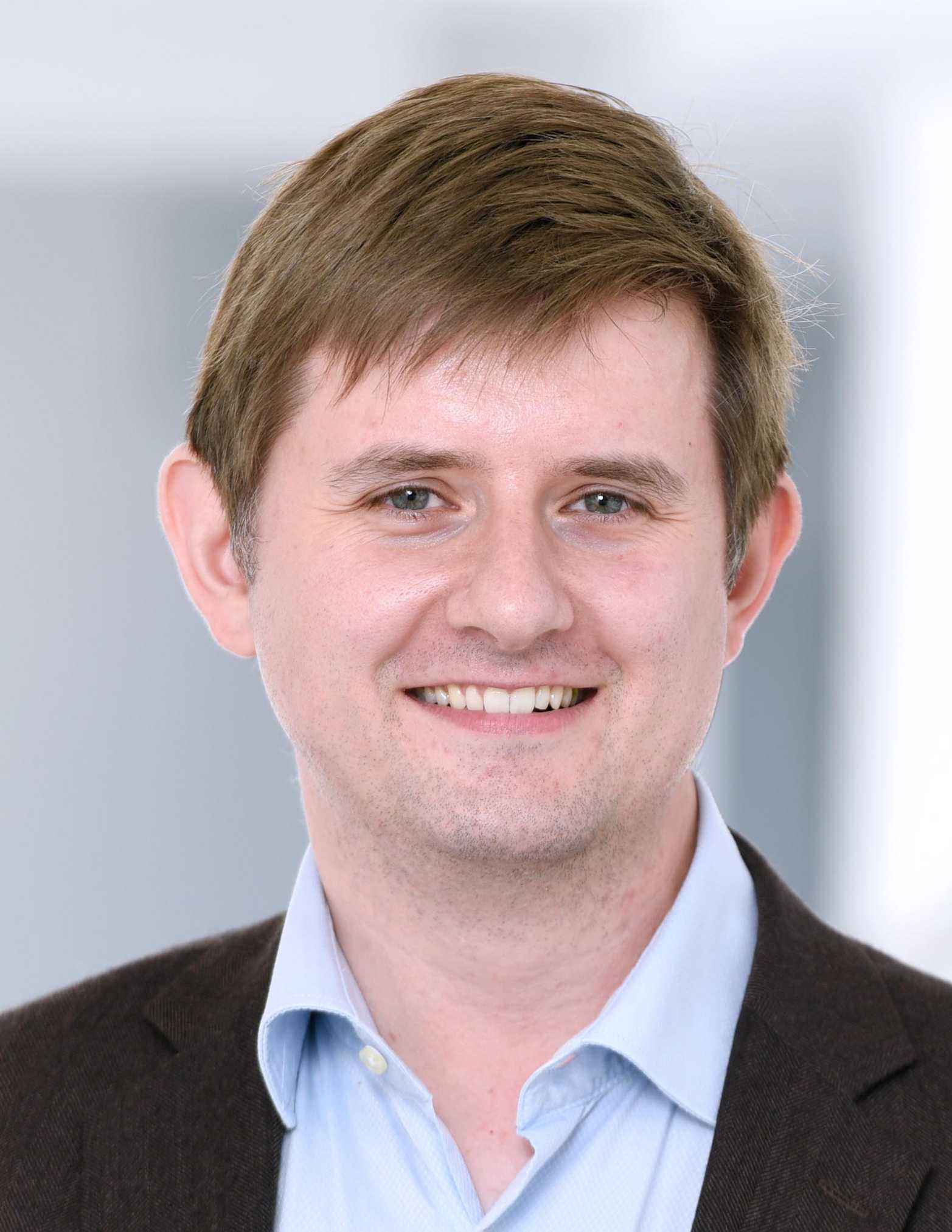
David Martens is a Professor of Data Science at the University of Antwerp , where he directs the Applied Data Mining Research Group within the Faculty of Business and Economics . He also serves as Chair of the Department of Engineering Management and Director of the Antwerp Center on Responsible AI . His academic work spans data mining , interpretable machine learning , and the societal impact of AI . PhD in Applied Economic Sciences (KU Leuven, 2008) Director, Antwerp Center on Responsible AI Chair, Department of Engineering Management Martens' research focuses on responsible AI and data ethics , with applications in finance, public policy, and behavioral analysis. His recent publications emphasize counterfactual explanations , LLM interpretability , and privacy implications in AI systems. His articles reveal trends in Explainable AI (XAI) , including narrative-driven explanations , graph neural networks , and ethical challenges like monetization risks and algorithmic bias. Keywords span Computer Science , Artificial Intelligence , and Behavioral Data . Martens is a leading voice in data science ethics , authoring the book Data Science Ethics: Concepts, Techniques, and Cautionary Tales (Oxford University Press, 2022). He combines academic rigor with industry experience, having consulted for banks, telecom firms, and startups in fraud detection and digital advertising .
Professor Daniel Rueckert is a leading academic in Artificial Intelligence and Medical Imaging, holding dual positions at Imperial College London (as Professor of Visual Information Processing) and Technical University of Munich (Alexander von Humboldt Professor for AI in Medicine and Healthcare). He obtained his MSc from Technical University Berlin (1993) and PhD from Imperial College London (1997), followed by postdoctoral work at King’s College London. At Imperial, he led the Department of Computing (2016–2020) and founded the Biomedical Image Analysis group. His research focuses on AI-driven medical image analysis, including algorithms for image reconstruction, registration, and clinical decision support. His research interests span AI applications in healthcare, machine learning for medical imaging, and computational methods for clinical diagnostics. Notable contributions include over 500 publications and 60+ PhD graduates, with key works in federated learning, cardiac motion analysis, and biomarker development. Awards include the Leibniz Prize (2025), Royal Academy of Engineering Fellowship (2015), and multiple ERC grants. He leads the BioMedIA research group and is an editorial board member of Medical Image Analysis . Recent publications highlight advancements in AI-driven medical imaging, such as secure federated learning frameworks and deep learning models for disease prediction. His work bridges academic and industrial sectors through initiatives like IXICO, an Imperial spin-out. Current affiliations include roles at both Imperial and TUM, emphasizing interdisciplinary collaboration in healthcare technology. Advising and grants: Supervised over 60 PhD students and 40 post-docs. Secured grants including ERC Synergy (2013) and ERC Advanced (2020). Active in labs focused on biomedical image computing and AI in healthcare systems. Collaborative efforts include the BioMedIA group and TUM’s AI initiatives. Labs/teams: Leads the Biomedical Image Analysis group at Imperial and the TUM AI in Medicine team. Collaborates extensively on projects like cardiac imaging analysis and federated learning for healthcare.
Henrik Boström is a Professor of Computer Science specializing in Data Science Systems at the Division of Software and Computer Systems, KTH Royal Institute of Technology. His research focuses on trustworthy machine learning , with emphasis on conformal prediction (for confidence-calibrated predictions) and explainable AI . He is the developer of Python packages crepes (conformal classifiers/regressors) and xrf (explainable random forests). His primary research domains include: Developing robust methods for uncertainty quantification in predictive models Creating interpretable machine learning frameworks Optimizing ensemble techniques for high-dimensional data Applying ML to healthcare informatics and industrial diagnostics Analysis of his recent publications reveals strong emphasis on: (1) advancing conformal prediction theory for trustworthy AI, (2) enhancing interpretability of complex models like random forests and GNNs, and (3) developing efficient algorithms for uncertainty-aware learning in domains including healthcare, graph data, and high-dimensional regression. He serves as examiner for multiple degree projects and teaches courses including Programming for Data Science (ID2214) and Research Methodology and Scientific Writing (II2202) . He leads development of open-source tools for conformal prediction and model interpretation.
Madelon Hulsebos is a Researcher at CWI in Amsterdam, where she leads the Table Representation Learning (TRL) Lab and contributes to the Database Architectures group. She is also a faculty member of the European Laboratory for Learning and Intelligent Systems (ELLIS) Amsterdam unit. Her career bridges academia and industry, including a postdoctoral fellowship at UC Berkeley and prior industry experience in automating data analysis pipelines with ML. Education : PhD in Computer Science (University of Amsterdam, 2023), with research at Sigma Computing and MIT; Postdoctoral Fellow (UC Berkeley, 2024). Her research focuses on establishing tabular data as a key AI modality through Table Representation Learning , generative models for relational data, and robust systems for data analysis. Key interests include: Relational Table Embeddings LLMs for QA/text2SQL and data wrangling Retrieval over Data Lakes and Databases Agentic Systems for Data Science Democratizing insights from structured data Recent work highlights trends in benchmarking table retrieval (TARGET), semantic column detection (AdaTyper, Sherlock), and large-scale tabular data curation (GitTables, SchemaPile). These projects address challenges in metadata utilization, data lake search, and end-to-end systems for structured data. She has secured significant funding, including the NWO AiNed Fellowship Grant ($1M) for her 5-year DataLibra project. Madelon organizes workshops at NeurIPS , SIGMOD , and ACL , and reviews for top venues like VLDB and NeurIPS. Scientific Awards : NWO AiNed Fellowship Grant ($1M) She actively mentors students and collaborates on European AI initiatives, including monthly TRL seminars and workshops. Her lab's tools (GitTables, TARGET) are widely adopted for training foundation models on tabular data.
Karsten Borgwardt is a Professor and Director of the Department of Machine Learning and Systems Biology at the Max Planck Institute of Biochemistry. He holds a PhD in Computer Science (2007) from LMU Munich and has held academic positions at ETH Zürich, Universität Tübingen, and the Max Planck Institutes in Tübingen. His research focuses on machine learning applications in biology and medicine, including biomarker discovery, personalized medicine, and systems biology. Education: PhD in Computer Science (2007), LMU Munich M.Sc. in Biology (2003), University of Oxford Diplom (M.Sc. equivalent) in Computer Science (2004), LMU Munich Research Interests: Development of machine learning algorithms for large biomedical datasets Pattern recognition in genomic and clinical data Applications in sepsis biomarkers, antimicrobial resistance prediction, and personalized medicine Grants & Projects: Scientific Coordinator of Marie Curie Networks (2013-2022) Swiss National Science Foundation Starting Grant (2014) Personalized Swiss Sepsis Study (CHF 5.3M, 2018) Awards: Krupp Award (2013), Golden Owl Teaching Award (2017), multiple 'Top 40 under 40' recognitions (2014-2016). Labs: Leads the Machine Learning and Systems Biology Department at MPI, collaborating with 22+ labs in sepsis research and international networks.
Dr. Aditya Joshi is a Senior Lecturer in the School of Computer Science & Engineering at the University of New South Wales (UNSW). He specializes in Natural Language Processing (NLP), with a focus on sarcasm detection, dialectal NLP, and ethical AI applications in public health and cybersecurity. He joined UNSW in 2023 following industry roles at SEEK, Notiv, and Fractal Analytics, where he developed NLP systems for recommendation engines and meeting analytics. His research has garnered over 3,000 citations (h-index 26) and secured $3.1M in grants, including Defence Trailblazer and Google exploreCSR awards. Education: Joint PhD (2018) from IIT Bombay (India) and Monash University (Australia); MTech in CSE (2011) from IIT Bombay. Research Interests: Making NLP models robust for non-native English speakers and the LGBTI+ community, algorithmic enhancements to transformers, and applications in public health, cybersecurity, and societal issues. His work spans epidemic intelligence (collaborations with EPIWATCH and IFCYBER), cybersecurity tools like AuditNet, and inclusive AI initiatives such as queer-inclusive workshops funded by Google. He designed UNSW's new NLP course (COMP6713) and co-authored a Wiley textbook on NLP. Notable grants include the A$1.4M 'Comprehensive Defence Data Platform' (Lead CI) and A$92K Google exploreCSR grant for benchmarking dialectal sentiment. His awards include the Best PhD Thesis from IITB-Monash and Best Paper accolades at FAccT 2023 and MoMM 2020. He supervises projects on kernel-based attention reformulation, prompt-based sarcasm detection, and multilingual small-scale LLMs. His service roles include Executive Committee Member at ALTA and arXiv moderator for computational linguistics.
Timothy R. Tangherlini serves as the Elizabeth H. and Eugene A. Shurtleff Chair in Undergraduate Education and Professor in the Department of Scandinavian and the School of Information at the University of California, Berkeley. A distinguished folklorist and ethnographer, he has pioneered computational approaches to folklore studies, bridging traditional humanities scholarship with cutting-edge digital methods. His research expertise spans multiple interconnected domains: Digital humanities and computational folkloristics Danish and Scandinavian cultural traditions Network analysis of narrative structures Machine learning applications in cultural analysis Conspiracy theory formation and transmission Korean cultural studies and K-Pop analysis Tangherlini's work focuses on how stories circulate across social networks and how individuals use narratives to negotiate ideology within their social groups. He has been instrumental in developing the field of Culture Analytics, co-directing a three-year program at the NSF's Institute for Pure and Applied Mathematics and leading the NEH's Institute for Advanced Topics in Digital Humanities on Network Analysis for the Humanities. His research combines ethnographic depth with computational sophistication, creating novel methodologies for analyzing large cultural corpora. His scholarly contributions have earned him significant recognition: Fellow of the American Folklore Society Fellow of the Royal Gustav Adolf Academy (one of Sweden's Royal Academies) Elizabeth H. and Eugene A. Shurtleff Chair in Undergraduate Education Tangherlini has secured substantial funding from prestigious organizations including the NEH, NSF, NIH, AFOSR, Mellon Foundation, Nordic Council of Ministers, and Google. His work on conspiracy theories, K-Pop choreography analysis, and historical Danish folklore has garnered media attention, demonstrating the public relevance of his research. With extensive international experience including appointments at the University of Copenhagen, University of Iceland, and Harvard University, he maintains a global scholarly perspective while contributing significantly to undergraduate education at Berkeley.
Farnoush Banaei-Kashani is an Associate Professor (Tenured) in the Department of Computer Science and Engineering at the University of Colorado Denver. She also holds an Adjunct Associate Professor position in the Department of Mathematical and Statistical Sciences. As the founder and director of the Big Data Management and Mining Lab (BDLab), she leads multiple GAANN Fellowship Programs, including BDSE (Big Data Science and Engineering), DDC (Data-Driven Cybersecurity), and II (Infrastructure Informatics). She directs the 'Data Science in Biomedicine' MS Track and focuses on data-driven decision systems (DDSs), integrating machine learning and big data analytics into healthcare, energy, transportation, and environmental applications. Education: Details not explicitly provided in the text. Her research spans data management cycles for DDSs, addressing challenges like big data volume, velocity, and variety. Key projects include iWatch (crime surveillance), POCM (mobility monitoring), and GeoSIM (urban texture documentation). She teaches courses such as Machine Learning Systems, Big Data Science, and Data Mining. Publications highlight advancements in sea ice classification, federated learning, proteomic networks, and privacy-preserving AI. Her work is funded by NSF, NIH, DOT, and industry partners like Google and IBM. She has advised numerous students and contributes to academic leadership as editor, conference chair (ACM SIGSPATIAL 2018/2019), and program committee member for venues like SIGMOD and KDD.
Pinar Keskinocak serves as the H. Milton and Carolyn J. Stewart School Chair and Professor in the H. Milton Stewart School of Industrial and Systems Engineering at the Georgia Institute of Technology. She co-founded and directs the Center for Health and Humanitarian Systems, demonstrating leadership in both academic administration and research innovation. Her career includes prior roles as College of Engineering ADVANCE Professor and interim associate dean for faculty development, alongside industry experience at IBM T.J. Watson Research Center. Her educational foundation includes a Ph.D. in Operations Research from Carnegie Mellon University and M.S. and B.S. degrees in Industrial Engineering from Bilkent University. This rigorous training underpins her interdisciplinary approach to complex societal challenges. Dr. Keskinocak's research pioneers operations research applications for societal impact , with dual emphases on health systems and humanitarian logistics . She develops advanced models for infectious disease dynamics (including COVID-19, malaria, and Guinea worm), vaccination strategies, disaster response, and supply chain optimization. Her work uniquely bridges engineering analytics with real-world implementation through partnerships with the CDC, American Red Cross, Carter Center, and Children's Healthcare of Atlanta. Analysis of her 2023-2025 publications reveals intensifying focus on eradication program modeling for polio and Guinea worm, with increasing integration of machine learning for predictive accuracy in vaccine distribution. A pronounced trend addresses health equity through targeted interventions for under-immunized populations in Sub-Saharan Africa, emphasizing resource allocation under constraints and cross-border coordination challenges. Her scientific recognition includes: INFORMS Fellow (2015) NSF CAREER Award (2001) Outstanding Professional Education Award, Georgia Tech (2018) Denning Award for Global Engagement, Georgia Tech (2016) Women in Engineering Excellence Teaching Award (2005) Moving Spirit Award, INFORMS (2005) Dr. Keskinocak has secured extensive project funding through collaborations with federal agencies and NGOs, directing research on pandemic response systems, vaccine logistics, and disaster debris management. While specific advisees aren't publicly cataloged, her leadership in the Center for Health and Humanitarian Systems mentors numerous graduate researchers through interdisciplinary projects. She significantly influences national policy via National Academies committees addressing supply chain resilience and vaccine distribution infrastructure. The Center for Health and Humanitarian Systems operates as a dynamic hub where engineering rigor meets humanitarian action, coordinating multi-institutional teams to develop deployable solutions for global health crises and disaster response systems.
Soumya Dutta is an Assistant Professor in the Department of Computer Science and Engineering at the Indian Institute of Technology Kanpur (IITK), where he leads the INSIGHT: Intelligent Scientific and Visual Computing of Big Data Research Group. He joined IIT Kanpur in October 2022 after working as a Scientist II at Los Alamos National Laboratory (LANL) from July 2019 to August 2022, and previously as a Postdoctoral Research Associate at LANL from June 2018 to July 2019. His educational background includes a Ph.D. and M.S. in Computer Science and Engineering from The Ohio State University (2011-2018), where he was part of the GRAVITY research group, and a B.Tech. in Electronics and Communication Engineering from West Bengal University of Technology, India (2005-2009). Research Interests: Dr. Dutta's research focuses on the intersection of machine learning, visual computing, big data, and high-performance computing. His primary research areas include Machine Learning for Visual Computing and Image Analysis, Big Data Visualization and Analytics, Data Science and HPC, Machine Learning for Scientific Computing, and Explainability and Interpretability of AI Models. His work addresses various big data characteristics including the 5 Vs: Volume, Velocity, Variety, Veracity, and Value. He develops techniques that make complex machine learning models more interpretable and explainable, enabling their effective adoption in real-life applications across scientific domains, social media, IoT, healthcare, and industry applications. Dr. Dutta's research group has secured multiple funded projects including: DAVi: An Intelligent Data Analytics and Visualization Framework (funded by ISRO), Intelligent Visual Computing of Extreme-scale Data for Accelerating Scientific Discovery (IIT Kanpur Initiation Grant), Enabling Interactive Big Data Analytics and Visualization at Exascale (SERB), Development of AI-Enabled National Portal for Efficient Search of Missing People (C3iHub), and Proactive and Generalized Deepfake Defense Mechanisms (C3iHub). Best Reviewer, Honorary Mention Award for IEEE Transactions on Visualization & Computer Graphics (TVCG), 2021 Best Paper Award at ISAV 2021, co-located with Supercomputing (SC) LAAP Award at Los Alamos National Laboratory, 2021 Best Paper Award at TopoInVis 2019 Best Paper Award at ISAV 2018, co-located with Supercomputing (SC) Best Poster Award in 12th Annual CSE Student Poster Exhibition, The Ohio State University, 2018 Best Poster Award in 11th Annual CSE Student Poster Exhibition, The Ohio State University, 2017 Best Paper Honorable Mention Award at IEEE Visualization Conference (IEEE VIS) 2016 Dr. Dutta actively mentors a large group of students including Ph.D., M.Tech., and B.Tech. students. His current Ph.D. students include Shanu Saklani, Sankhadeep Bhowmick, Ananya Chaturvedi, Arpita Santra, Anubhav Dixit (co-supervised), and Robin Shah. He has supervised numerous M.Tech. students with thesis topics ranging from uncertainty-aware neural networks to deepfake detection. Dr. Dutta currently teaches courses including CS360 - Introduction to Computer Graphics and CS661 - Big Data Visual Analytics. The INSIGHT research group collaborates internationally with researchers from Meta, Oak Ridge National Laboratory, and National Taiwan Normal University. The group's work focuses on building machine learning and data science-based solutions to analyze large-scale multifaceted data in a scalable way, enabling interactive and interpretable analytics of complex data from scientific simulations, social media, IoT, healthcare, and other application domains.
Dr. Jiaqi Gong serves as Associate Professor in Computer Science and Adjunct Associate Professor in Mechanical Engineering at The University of Alabama's College of Engineering, while directing the Alabama Center for the Advancement of Artificial Intelligence. His academic foundation includes: B.S. in Engineering, China University of Geoscience (2004) Ph.D. in Engineering, Huazhong University of Science and Technology (2010) Dr. Gong's research pioneers human-AI convergence through cyber-physical systems and smart health technologies, developing mobile/wearable platforms to enhance human perceptual, cognitive, and physical capabilities. His work spans artificial intelligence, machine learning, computer vision, and IoT with applications in healthcare, environmental monitoring, and education. The Sensor-Accelerated Intelligent Learning (SAIL) laboratory he founded drives innovation in behavior change interventions, human movement modeling, and educational data mining. Recent publications reveal strong interdisciplinary trends: healthcare AI dominates with medication adherence prediction and surgical classification systems, while environmental applications feature flood-risk communication and drought analysis. His work increasingly integrates generative AI and LLMs across domains, demonstrating methodological innovation in federated learning, knowledge graphs, and explainable storytelling frameworks. Notable recognitions include: Best Student Paper Award, IEEE/ACM Connected Health Conference (2022) Best Student Paper Award, Body Sensor Networks Conference (2019) Data Challenge Win, IEEE Biomedical Health Informatics (2018) Best Paper Award, Body Area Networks Conference (2014) Best Demonstration Award, IEEE Wireless Health Conference (2014) Dr. Gong leads significant funded projects including a $2M CDC/NIOSH grant for first responder safety and $3M NSF funding for hydrologic research. As SAIL laboratory director, he mentors students in developing clinically deployed technologies for multiple sclerosis, dementia, and mental health. Future work focuses on scaling AI applications in chronic disease management and climate resilience through the Alabama AI Center. The SAIL laboratory (founded 2017) operates as a multidisciplinary hub developing wearable/mobile systems for health applications, with active collaborations across medical clinics and engineering departments for real-world deployment of behavior change interventions and movement analysis tools.
Holger Fröning is a full professor at Heidelberg University’s Institute of Computer Engineering (ZITI), where he leads the Hardware and Artificial Intelligence (HAWAII) Lab. His research focuses on embedded machine learning , high-performance computing , and hardware-software co-design , with emphasis on resource efficiency, power optimization, and emerging architectures like analog , photonic , and resistive memory systems. He has held leadership roles including Managing Director of ZITI (2023–present) and Dean of Studies for Computer Science (2019–2022) , and has collaborated with institutions such as NVIDIA Research, Chinese Academy of Sciences, and Graz University of Technology. Research Trends : His recent publications explore Bayesian neural networks , green machine learning , analog computing noise mitigation , and GPU/FPGA optimization . Articles highlight photonic computing for AI , memory-efficient training , and hardware-aware DNN compression . Scientific Awards : 2025 HiPEAC Paper Award (Nature Computational Science) 2014 Google Faculty Research Award Multiple Best Paper Awards (IPDPS, ICPP, ECML-PKDD workshops) Leadership & Service : Organized workshops (WEML, ITEM, F4HD), chaired tracks at EuroPar and ISC, and served on program committees for ICPR, ECAI, and FPL. Education & Affiliations : PhD and MSc from University of Mannheim (2007/2001). Sponsors include DFG, FWF, FFG, NVIDIA, SAP, and XILINX.