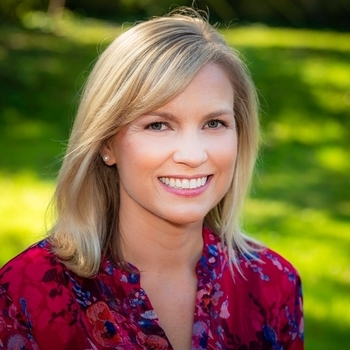
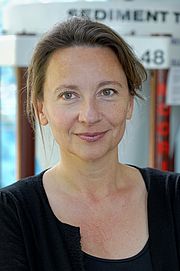
Kelly Arnold is an Associate Professor in the Department of Biomedical Engineering at the University of Michigan. Her research integrates systems engineering principles with immunology to investigate variability in immune responses across infection, vaccination, and injury, with a focus on computational modeling and clinical translation. Research Focus Systems-level immune response modeling Vaccination and antibody functionality Vaginal microbiome-host interactions Chronic lung disease progression Computational serology and proteomics Recent Work Her 2025 studies examine SARS-CoV-2 vaccination responses in cancer patients and computational frameworks for vaginal probiotics. Earlier works (2024-2007) span COPD progression, lupus fibrosis, HIV susceptibility, and tissue engineering for fertility preservation. Methodologies include proteomic profiling, network modeling, and microfluidic systems.
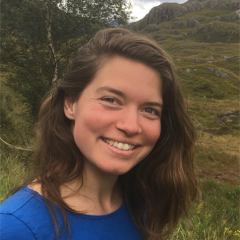
Angela Pitenis is an Associate Professor in the Department of Materials at the University of California, Santa Barbara (UCSB), within the College of Engineering. Her research focuses on interfacial phenomena in soft materials, particularly friction, adhesion, wear, and deformation of complex surfaces ranging from living cells to polymer nanocomposites. She employs advanced experimental techniques such as microscopy, spectroscopy, and interferometry to study these interfaces under extreme conditions and within buried environments. Her work has direct applications in healthcare, energy sustainability, and engineering design. Prof. Pitenis holds a Ph.D., M.Sc., and B.S. in Mechanical Engineering from the University of Florida. Her research group investigates biomaterials, hydrogel lubrication, and bioinspired materials, with recent studies addressing implant-associated inflammation, tumor cell dynamics in 3D microgels, and pH-responsive hydrogel friction. She is affiliated with the Materials Research Lab at UCSB and contributes to interdisciplinary projects at the intersection of materials science and biology. Notable research trends in her work include the development of biocompatible lubricious surfaces, understanding friction-induced biological responses, and designing smart materials with tunable mechanical properties. Her studies on photoresponsive hydrogels and superlubricious materials highlight innovations in responsive and adaptive material systems. Pitenis emphasizes in situ experimental methods and has pioneered techniques for analyzing dynamically evolving material interfaces. Her research also extends to marine biomaterials, such as the mechanical resilience of sessile tunicates, and explores applications in medical implants, bioreactors, and energy systems. While specific awards are not listed here, her contributions reflect a commitment to advancing soft matter tribology and biomaterials science.
Daniel B. Szyld is a Professor in the Department of Mathematics at Temple University's College of Science and Technology. He is co-Director of the High-Performance Computing for Scientific Applications Professional Science Master’s program and a member of the Center for Computational Mathematics and Modeling. He holds leadership roles as President of the International Linear Algebra Society (ILAS, 2020–2026) and as a Board of Trustees member at ICERM (2024–2028), and previously served as Vice-President of SIAM (2014–2015). His research interests include Numerical Analysis , Scientific Computing , Numerical Linear Algebra , Iterative Methods , Preconditioning , Domain Decomposition , and High-Performance Computing . His work often focuses on Krylov subspace methods like GMRES, block solvers, and asynchronous algorithms, with applications in large-scale scientific simulations. The 15 most recent publications reflect a strong focus on enhancing the stability, convergence, and performance of iterative solvers, especially GMRES variants and domain decomposition methods. Topics include random sketching, deflation, weighted norms, multisketching in QR factorization, and asynchronous Schwarz methods. These works appear in top journals such as SIAM Journal on Matrix Analysis and Applications , Numerische Mathematik , and Electronic Transactions on Numerical Analysis , often in collaboration with leading researchers in the field. Scientific Awards and Recognitions: Commemorative medal, Charles University of Prague, 1997 Featured in Hall of Fame by Henk van der Vorst, SARA, 2010 Dean's Distinguished Award for Excellence in Research, Temple University, 2011 Fellow, American Mathematical Society, 2017 Fellow, Society for Industrial and Applied Mathematics, 2017 Achievement in Mathematics Award, Temple University, 2018 Faculty Senate Outstanding Service Award, Temple University, 2021 Daniel B. Szyld has served on the editorial boards of numerous prestigious journals, including Mathematics of Computation , Linear Algebra and its Applications , Numerical Linear Algebra with Applications , and was Co-Editor-in-Chief of Electronic Transactions on Numerical Analysis (2005–2013) and Editor-in-Chief of SIAM Journal on Matrix Analysis and Applications (2015–2020). His research has been supported by the National Science Foundation and the Department of Energy. He has advised students and postdocs, though specific names are not listed in the provided text. He is also involved in professional service through societies such as SIAM, AMS, ILAS, and NAM, and advocates for equity and ethical engagement in mathematics. Labs and Research Groups: He is a member of the Center for Computational Mathematics and Modeling at Temple University and co-Director of the High-Performance Computing for Scientific Applications Professional Science Master’s program, indicating active leadership in computational research and training.
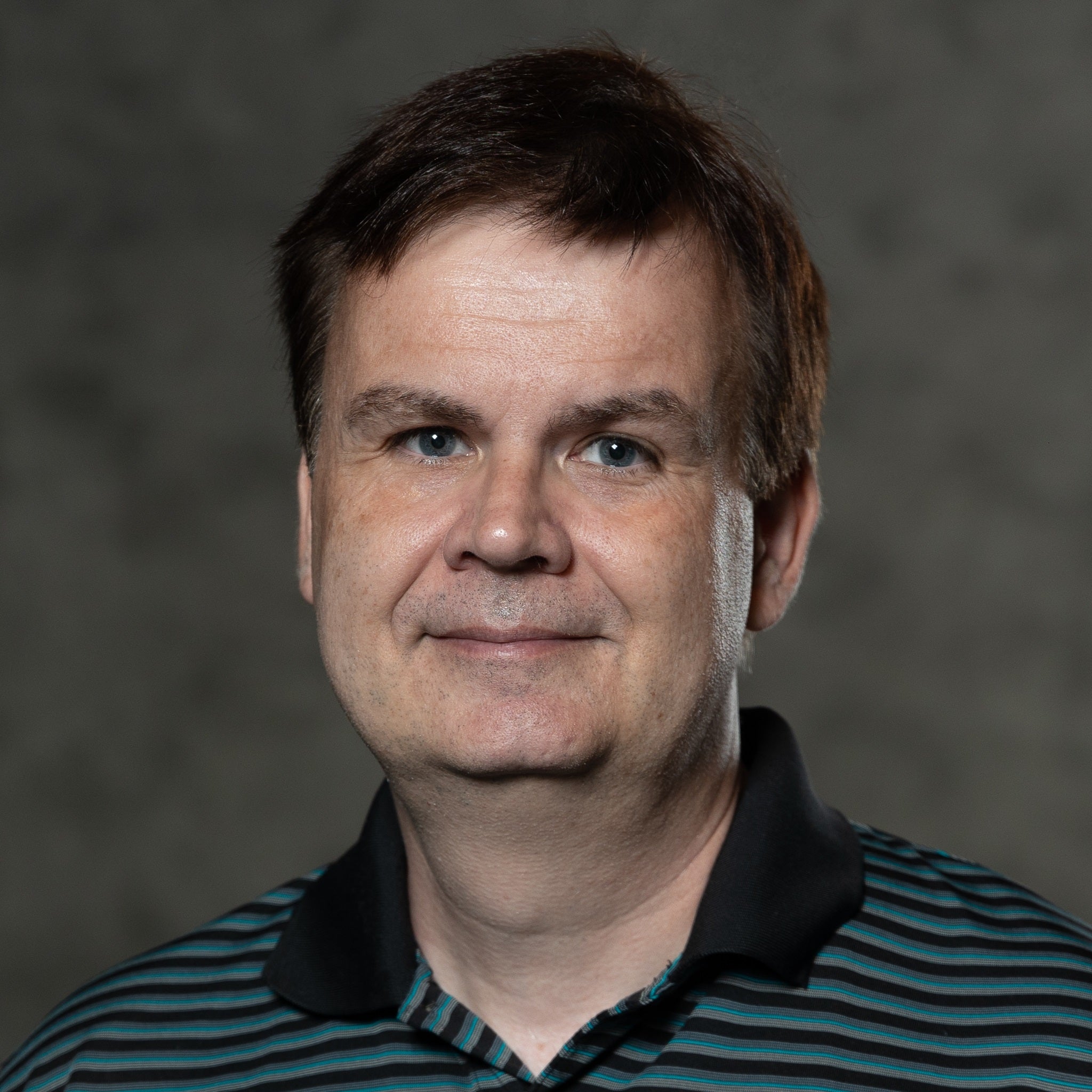
Ronald Hedden is a Professor of Practice in the Department of Chemical and Biological Engineering at Rensselaer Polytechnic Institute (RPI), where he focuses on innovations in undergraduate education and polymer science. Previously, he served as an Associate Professor at Texas Tech University (2009–2017). His current research emphasizes Virtual Reality (VR) integration into chemical engineering education, including the development of a Virtual Chemical Plant (VCP) simulation to provide safe, cost-effective access to process equipment. His research interests span chemical engineering, polymer science, soft materials, and nanomaterials. Notable projects include applying VR for teaching process safety and dynamics, as well as exploring nanocomposite materials and membrane technologies. He also investigates polymer rheology and structure-property relationships using advanced characterization techniques like NMR and SANS. Hedden teaches both core chemical engineering courses and interdisciplinary engineering subjects. His work bridges academic research and practical applications, with contributions to biofuel refining, asphalt modification, and nanoparticle incorporation in polymers. While no specific awards are listed, his extensive publication record highlights impactful contributions to materials science and educational technology. His advisory work involves student projects on VR simulations and materials engineering. He collaborates on initiatives like the VCP platform, aimed at advancing safety training and process control education. Hedden’s career reflects a commitment to both cutting-edge research and transformative pedagogy in engineering education.
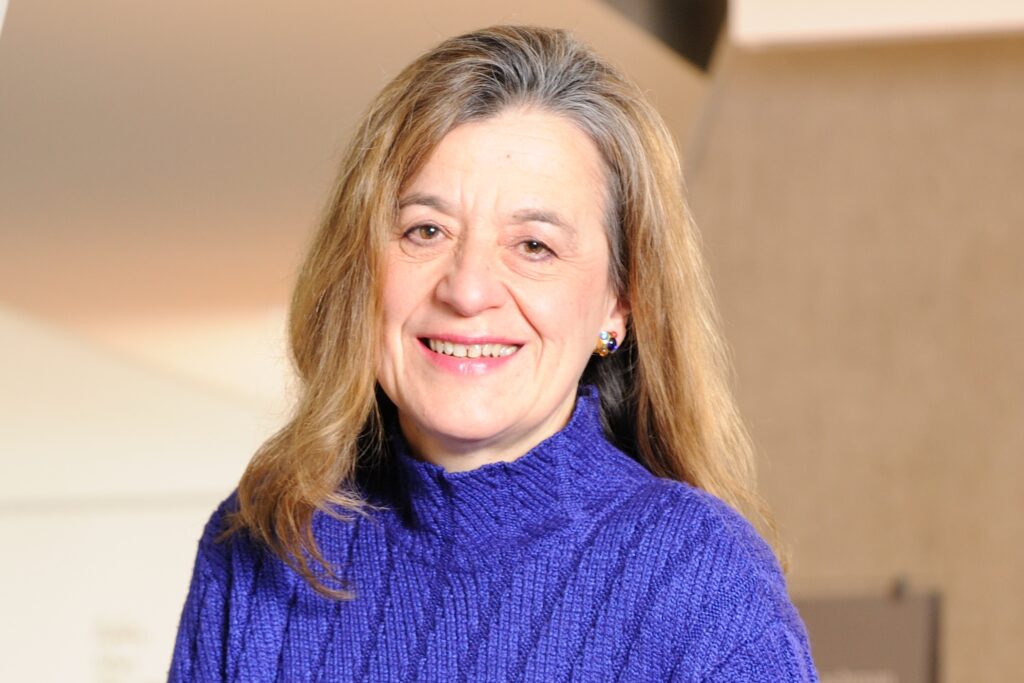
Anna C. Balazs is Distinguished Professor and John A. Swanson Chair of Engineering in the Department of Chemical Engineering at the University of Pittsburgh, with an adjunct appointment in Chemistry and visiting professorships at Scripps Research Institute, UT-Austin and Oxford University. In 2025 she receives the €10,000 Gutenberg Research Award from Johannes Gutenberg University Mainz (JGU) for her pioneering theoretical work on smart soft materials. She earned an A.B. in Physics from Bryn Mawr College (1975) and a Ph.D. in Materials Science from MIT (1981), followed by post-doctoral research at Brandeis, MIT and UMass. Research interests span theoretical and computational soft-matter physics, focusing on: Statistical-mechanical modelling of polymer blends and composites Self-oscillating and chemo-responsive hydrogels Active matter, enzyme-powered swimmers and self-propelling sheets Self-healing, shape-morphing and bio-inspired materials Computer simulation of colloidal and interfacial phenomena Recent publications (2023-2025) demonstrate a clear trend toward integrating chemistry, fluid mechanics and elasticity to create life-like, autonomous soft machines. Key contributions include: Harnessing enzyme pumps to drive macroscopic sheet locomotion Designing chemically communicating micro-post arrays Creating dissipative materials with programmable, hierarchical 3-D architectures Scientific awards include: Gutenberg Research Award 2025 Polymer Physics Prize, American Physical Society SF Boys-A. Rahman Award, Royal Society of Chemistry Langmuir Lectureship Award, American Chemical Society Election to the U.S. National Academy of Sciences (2021) She serves on the Advisory Board of the DOE-BES Materials Council and on editorial boards for Langmuir , Soft Matter and Polymer Reviews . Her group collaborates closely with experimental teams world-wide, including the DFG-NSF “Confine” partnership with JGU and the CoM2Life Cluster of Excellence initiative.
Claire Gaiani is a full Professor at the University of Lorraine, leading the Laboratoire d'Ingénierie des Biomolécules (LIBio). With an ORCID iD: 0000-0003-0434-8453 , she focuses on sustainable food ingredient development from agroresources and food-waste, specializing in the formulation of bioactive compounds (probiotics, glycans, PUFA, flavonoids) into functional powders through industrial-academic collaborations. Habilitation to supervise research (2012, University of Lorraine) PhD in Food Science (2006, University of Lorraine) Engineer (M.Sc.) from ENSAIA (2002, University of Lorraine) Her research combines atomic force microscopy (AFM), XPS analysis, and industrial partnerships (Nestle, Arla Foods) to optimize dairy and plant-based powder properties. Recent work explores cryogel monoliths for probiotic delivery, plant seed gums as structuring agents, and maltodextrin surface characterization. Key scientific contributions include: Over 140 peer-reviewed papers (90% Q1 Food Science/Chemistry/Biophysics) 2 book editions ( Engineering Plant-Based Food Systems , 2023; Atomic Force Microscopy for Food Research , 2023) 10 book chapters 2 patents (FR2807932A1, FR2112358A) 65 international lectures (17 invited) Honors include: 2023 Grand Prix en Sciences Lorraine-Luxembourg 2015 IUF junior member (5-year term) 2011 Marcel Loncin Prize 2014 NIZO Dairy Conference keynote She supervises 9 postdocs and 15 PhD students, and serves on the European Bioencapsulation Research Group board. Her work drives innovations in powder rehydration, probiotic encapsulation, and sustainable food systems through the Agria Grand Est association.
Kenneth A. Barbee is a Professor and Senior Associate Dean for Research at the School of Biomedical Engineering, Science and Health Systems at Drexel University . His research focuses on cellular biomechanics, particularly the response of neural and vascular tissues to mechanical loading and trauma. Education : PhD in Bioengineering from University of Pennsylvania (1991), MS in Bioengineering from University of Pennsylvania (1988), BS in Engineering Science and Mechanics from University of Tennessee (1986) Barbee's research explores mechanotransduction in the cardiovascular system, including how endothelial cells respond to shear stress and vascular smooth muscle cells adapt to cyclic stretching. He employs advanced techniques such as Atomic Force Microscopy (AFM) , Computational Fluid Dynamics (CFD) , and fluorescence microscopy in his work. His studies also address cellular injury criteria under traumatic loading conditions to aid protective equipment design and therapeutic evaluation. Publications highlight his contributions to understanding shear stress gradients in atherogenesis, calcium signaling in endothelial cells, and deformation models for vascular smooth muscle. These works span disciplines including biomechanics , cell biology , and bioengineering .
Dr. Dirk Dorfs is an Associate Professor at Leibniz University Hannover, working within the Faculty of Natural Sciences at the Institute of Physical Chemistry and Electrochemistry. He serves as Group Leader of the Section Colloid Chemistry of Metals and Semiconductors, Spectroscopic Effects, and is part of the lecturing staff. His research spans multiple areas of nanoscience and physical chemistry with a particular focus on colloidal nanoparticle synthesis and characterization. Dr. Dorfs' primary research interests include shape and composition control in colloidal nanoparticle synthesis, alternative plasmonic materials, and temperature gradients on the nanometer scale. His work bridges fundamental nanomaterial science with practical applications in electrocatalysis, energy conversion, and optoelectronics. He has developed expertise in creating complex nanostructures including cryogels, semiconductor-metal hybrid systems, and plasmonic nanomaterials. His publication record demonstrates consistent research output over two decades, with recent work focusing on cryogel-based electrocatalysts, plasmonic nanocrystals, and semiconductor-metal hybrid systems. The research trends show a progression from fundamental nanocrystal synthesis to more applied materials for energy conversion and catalysis. Dr. Dorfs has contributed significantly to advances in colloidal chemistry, particularly in the areas of nanoparticle-based cryogels, plasmonic nanomaterials, and semiconductor heterostructures. His work has been published in high-impact journals including ACS Nano, Small, Journal of Physical Chemistry, and Advanced Materials. He leads research activities focused on developing novel nanomaterials with controlled properties for applications in energy conversion, catalysis, and optoelectronics. His group investigates the fundamental physical and chemical processes that govern nanomaterial behavior while developing practical applications for these advanced materials.
Markus Schartau is a Researcher in the Biogeochemical Modelling Research Unit at GEOMAR Helmholtz Centre for Ocean Research Kiel, where he has worked since 2013. His research focuses on marine biogeochemical modeling, plankton dynamics, and parameter optimization in ecosystem models. With over 69 publications spanning two decades, Schartau has established himself as a leading expert in marine biogeochemical modeling, particularly in the areas of model calibration, mesocosm experiment simulation, and plankton community dynamics. His research interests encompass uncertainty and trustworthiness of biogeochemical model results, species composition and size frequency structures of plankton, methods of parameter optimization and model selection, simulations of mesocosm experiments, physiological and ecological variations of plankton, and temporal and spatial variations of organic substances in coastal ocean areas and estuaries. Schartau's work often bridges theoretical modeling with experimental observations to improve our understanding of marine biogeochemical processes. The analysis of his recent publications (2020-2024) reveals a strong focus on marine biogeochemical modeling, with particular emphasis on plankton dynamics, carbon cycling, and the impacts of environmental change. His work spans multiple spatial scales from coastal systems to the global ocean and integrates approaches from data science, biogeochemistry, and ecosystem modeling. Key themes include model calibration techniques, mesocosm experiment analysis, marine particle dynamics, and the effects of ocean acidification on biogeochemical processes. Schartau actively participates in major research projects including OceanNETs (EU project), BASS (funded by DFG), ICEBERG (EU project), and μARC (funded by BMBF), demonstrating his integration into the international marine science community. His collaborative approach is evident in his extensive co-authorship network across multiple institutions and countries. His career trajectory shows progression from postdoctoral positions at Stony Brook University and the Alfred Wegener Institute to permanent research scientist roles at Helmholtz-Zentrum Geesthacht (now HEREON) and finally at GEOMAR. This path reflects his growing expertise and recognition in the field of marine biogeochemical modeling.
Dr. Charlotte Braungardt is Associate Professor (Senior Lecturer) in Environmental Science at the University of Plymouth, affiliated with the School of Geography, Earth and Environmental Sciences (SoGEES). She is an active member of the Biogeochemistry Research Centre and the Marine Institute, contributing to environmental research and education with a focus on mine waste impacts and sustainability. Her teaching spans the BSc Environmental Science and MSc Environmental Consultancy programmes, where she integrates resilience education and professional development. PhD in Metal Biogeochemistry, University of Plymouth, 2000 Research on geochemistry of mine waste and aquatic systems Active in science communication and citizen science Her research centers on the geochemistry of mine waste, particularly the mobility and bioavailability of toxic metals like cadmium, arsenic, and lead in soils and aquatic environments. She investigates bioremediation strategies using cadmium-resistant bacteria such as Brevibacillus , and explores natural processes like iron plaque formation in plants for phytoremediation. Her work emphasizes environmental risk assessment, metal speciation, and sustainable remediation techniques. The recent publications reveal a strong trend in bioremediation of cadmium-contaminated environments, combining microbiology, environmental chemistry, and engineering. Her work increasingly focuses on systematic reviews of remediation technologies, bacterial resistance mechanisms, and immobilization techniques using alginate gels. Broader themes include environmental monitoring, GIS modeling of pollution, and the role of organic matter and pH in metal behavior. Dr. Braungardt actively supervises PhD students and has secured funding from NERC, the European Copper Institute, and governmental agencies. Her work contributes to UN Sustainable Development Goals, particularly those related to clean water, life below water, and responsible consumption. She is a member of several professional organizations, including: Marine Institute (MI) Estuarine Research Federation (ERF) International Mine Water Association (IMWA) Society of Environmental Toxicology and Chemistry (SETAC) Marine Biological Association (MBA) Institute of Leadership and Management (ILM) Institute of Environmental Management and Assessment (IEMA) She contributes to the University Mental Health Taskforce and leads the Resilience Education Community of Practice, embedding leadership, communication, and resilience training into the curriculum.
Prof. Dr. Christian Wagner is a Professor in the Department of Physics at Universität des Saarlandes, Faculty of Natural Sciences and Technology. He leads the Research Group for Dynamics of Fluids, focusing on complex and biological fluids, particularly red blood cells, granular matter, and non-equilibrium systems. His research integrates experimental techniques such as particle image velocimetry, rheometry, and optical tweezers. Research Interests: His work centers on understanding the self-organization and flow behavior of complex fluids, including polymers, gels, and blood. Key areas include red blood cell dynamics, aggregation, sedimentation, microfluidic transport, and the rheology of granular materials. He investigates both biological and synthetic systems under confinement and non-equilibrium conditions. Publication Trends: His recent publications (2023–2025) show a strong focus on red blood cell mechanics, with recurring themes in aggregation, deformability, sedimentation, and microcirculatory flow. Collaborative work with Prof. Lars Kaestner is prominent, and studies often bridge physics, biophysics, and clinical diagnostics. Techniques like microfluidics, optical tweezers, and rheometry are frequently employed. Scientific Awards: No awards are explicitly mentioned in the provided text. Advising and Grants: He supervises a large group of PhD and master’s students working on red blood cell dynamics, microfluidics, and granular flows. He leads or participates in major funded projects such as the DFDK doctoral school 'Living Fluids', the Research Unit FOR 2688 on pulsating flow instabilities (funded by DFG with €2.3 million), and the Interreg project PowderReg. These projects involve international collaboration and interdisciplinary research. Labs and Teams: His research group is based in Building E2.6 at Campus Saarbrücken, housing experimental setups for rheology, microfluidics, and optical manipulation. The team includes senior scientists, postdocs, PhD, and master’s students, and collaborates closely with other institutions in France, Luxembourg, Morocco, and beyond.
Junjie Niu holds the Richard and Joanne Grigg Professorship in Materials Science & Engineering at the University of Wisconsin - Milwaukee (UWM), with an affiliate appointment in the School of Freshwater Sciences. He previously held postdoctoral positions at MIT, Drexel University, and the University of Pennsylvania, and was a faculty member at Shanghai JiaoTong University. His research focuses on energy storage materials, water treatment technologies, and the interplay of electro-chemo-mechanical properties in materials. Notable contributions include advancements in lithium-ion batteries, MXene-based coatings, and photocatalytic water purification systems. Dr. Niu’s research has been published in over 80 journals, including Nature Nanotechnology and Nature Communications , with an h-index of 44. His work spans next-generation batteries, high-nickel cathodes, and self-cleaning coatings. He has secured millions in grants from NSF and industry partners and received awards such as the 2024 STEM Forward Engineer of the Year and UWM’s Research Excellence Awards. His lab develops novel materials for energy storage and environmental applications, emphasizing scalable synthesis and real-world impact. Ongoing projects include MXene-modified lithium metal anodes, hybrid hydrogel electrolytes, and anti-biofilm surface coatings.
Arvind Gopinath is an Assistant Professor in the Department of Mechanical Engineering at the University of California, Merced. His research focuses on the interplay between mechanics, fluid dynamics, and biological systems, with particular emphasis on active matter, cell motility, and soft materials. He holds a Ph.D. in Chemical Engineering from Cornell University and a B.Tech. in Chemical Engineering from the Indian Institute of Technology, Bombay. Key research interests include bacterial swarms, filament-motor assemblies, and the mechanics of biological interfaces. His work combines computational modeling, experimental techniques, and theoretical analysis to study phenomena such as durotaxis, phase separation in active fluids, and the mechanical properties of hydrogels. Recent studies explore how boundary conditions and substrate stiffness influence cell behavior, as well as the design of pH-responsive biomaterials for biomedical applications. His articles frequently address collective motion in microbial systems and the role of hydrodynamic interactions in emergent patterns. Notable contributions include studies on kinetically arrested clusters in active filaments and the mechanical characterization of polyacrylamide gels. Despite no listed awards, his work has been published in high-impact journals and spans disciplines from biophysics to materials science.
Prof. Anja Engel is Professor of Biological Oceanography and Head of Research Division 2 (Marine Biogeochemistry) at GEOMAR Helmholtz Centre for Ocean Research Kiel. She also serves as Speaker for TOPIC 6: Marine and Polar Life. Her research examines marine biogeochemical cycles, with emphasis on microbial processes, organic matter dynamics, and ocean-atmosphere interactions in the context of global change. Education includes undergraduate biology studies (1989-1995) and PhD in biological sciences (1991) at Christian Albrechts University Kiel, and graduate studies at the Institute for Marine Sciences (1995). Professional experience spans postdoctoral positions at Alfred Wegener Institute and University of California Santa Barbara, with faculty appointments at State University of New York Stony Brook and GEOMAR since 2005. Research focuses on biological carbon cycling, ocean acidification impacts, sea surface microlayer processes, and polar marine ecosystems. Her work integrates field observations, experimental approaches, and interdisciplinary collaborations to understand biogeochemical feedbacks in changing oceans. Recent publications (2019-2025) demonstrate strong thematic focus on marine organic matter cycling, with 38% examining microbial processing under environmental stressors, 28% investigating particle export dynamics, and 22% addressing air-sea exchange processes. Subfield analyses reveal emphasis on hypoxia mechanisms (15%), eddy-driven transport (12%), aerosol interactions (10%), and polar biogeochemistry (18%). Scientific awards include HSP II Fellowship (1995-1998), German Science Foundation Postdoctoral Fellowship (1999-2000), and Max Kade Fellowship (2004-2005). Major research grants span BIOACID (ocean acidification impacts), EPOCA (European Project on Ocean Acidification), and FACTS (microplastic transport). Leads the Microbial Biogeochemistry research group and coordinates international collaborations including SOLAS (Surface Ocean-Lower Atmosphere Study) and SCOR working groups. Serves on scientific advisory boards for Leibniz Institute for Tropospheric Research and National Institute of Oceanography Trieste.
Dr. Ali Altaee is an Associate Professor in the School of Civil and Environmental Engineering at the University of Technology Sydney (UTS), affiliated with the Centre for Green Technology (CGT) and the Centre for Technology in Water and Wastewater (CTWW). His research focuses on renewable energy, water engineering, soil remediation, and sustainable development, with expertise in membrane technologies and alternative water sources. Education: BSc Civil Engineering (UTS), MSc Environmental Science Engineering (University of New South Wales), PhD in Environmental Engineering (Brighton University, UK). Research Interests : Sustainable development, water quality, environmental impact assessment, membrane technology, desalination, hydrogel applications, and CO2 capture. Recent projects include developing eco-friendly nanomaterials for wastewater treatment and modeling CO2 capture using machine learning. Grants & Collaborations : Lead on grants like Qatar National Research Fund projects on salinity gradient energy and seawater pretreatment. Collaborates with industry partners such as Photon Energy Engineering Australia and Xinhua Pharmaceutical Company. Awards : Queen’s Anniversary Award (2011) for pioneering osmotic energy pilot plant development at Surrey University. Member of professional societies including Society of Chemical Industry (SCI), Sigma Xi, and American Chemical Society. Labs & Teams : Part of UTS’s CTWW and CGT, advancing technologies in water-energy-food nexus solutions and innovative membrane systems.