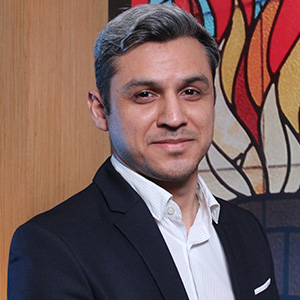
Alejandro Ibarra López is a Professor-Researcher at the Faculty of Agronomy of the Autonomous University of Nuevo León. He holds a PhD and Master of Science in Agricultural Sciences from the same institution, focusing on plant tissue culture and germplasm conservation. Education: PhD and MSc in Agricultural Sciences, Faculty of Agronomy, UANL Role: Professor-Researcher, Faculty of Agronomy Contact: aibarral@uanl.edu.mx His research emphasizes in vitro propagation of forest and ornamental species using somatic embryogenesis and micropropagation , alongside germplasm conservation through plant tissue preservation. Recent publications highlight techniques for Mexican avocado cultivars and Texas ebony , with applications in crop improvement and ecosystem conservation. Scientific contributions include advancements in hormone regulation for potato microtuber production and protocols for native Fabaceae species propagation. His work aligns with agricultural biotechnology and ecological preservation. Scientific Awards: National System of Researchers Candidate
Dr. Gunvant B. Patil serves as an Assistant Professor at Texas Tech University, holding a dual appointment at the Institute of Genomics for Crop Abiotic Stress Tolerance (IGCAST) and the Department of Plant and Soil Sciences. His research integrates advanced genomic approaches to address critical challenges in crop science, particularly focusing on abiotic stress tolerance and crop improvement strategies. Dr. Patil's research interests center on genetic engineering, quantitative genetics, and translational genomics with specific applications in crop improvement. His laboratory develops innovative approaches for trait discovery using genome editing technologies to create targeted quantitative variations in plant genomes. The lab's work specifically targets abiotic stress tolerances, disease resistance traits, and nutrient uptake mechanisms in important crop species. Analysis of Dr. Patil's recent publications reveals a strong focus on cutting-edge genomic techniques applied to crop improvement. His research spans single-cell transcriptomics in soybean, genome editing technologies, and the identification of germplasm with enhanced nutrient uptake capabilities. The predominant themes across these publications include abiotic stress response mechanisms, advanced genetic transformation methods, and the application of CRISPR-Cas9 technology to recalcitrant crop species. 2nd place in Oral Presentation at PSS-Symposium-2024 (for student Leonidas) 3rd place in Oral presentation at SICNA conference 2024 (for student Pallavi) USDA – Sustainable Agriculture Research and Education Grant (for student Micyala Lamb) Dr. Patil currently advises two undergraduates, four graduate students, and four postdoctoral scientists. His research is supported by projects including GS23-295 Development of Active Root System Architecture of Upland Cotton for Improved Sub-surface Water Uptake During Drought Conditions funded by the USDA Sustainable Agriculture Research and Education program. The Patil Lab at TTU integrates genome engineering and genomics tools to discover novel traits for improving disease resistance, nutrient uptake, and seed composition while developing high-throughput technologies for genetic transformation in difficult-to-transform crop species.
Susana Milla-Lewis is a Professor specializing in Turfgrass Breeding & Genetics at North Carolina State University, based in Williams Hall (Room 4114). Her work focuses on developing sustainable turfgrass cultivars requiring reduced inputs while maintaining performance under biotic and environmental stresses. Contact: susana_milla-lewis@ncsu.edu . Her research integrates conventional breeding with advanced genomic technologies. Key interests include germplasm characterization, breeding for cold tolerance in warm-season grasses, heat/drought tolerance in tall fescue, pest resistance, mutation breeding, and high-throughput phenotyping. She utilizes QTL mapping, GWAS, molecular markers, and tissue culture techniques to link phenotypic traits to DNA polymorphisms for turfgrass improvement. 2025 publications reveal strong emphasis on drought/shade tolerance across multiple species (bermudagrass, zoysiagrass, St. Augustinegrass), with significant use of multi-omics integration, UAV-based phenomics, and genetic mapping to identify candidate genes and resistance mechanisms. Recent work includes seven new cultivar registrations demonstrating practical outcomes of her breeding program. No scientific awards were mentioned in source materials. While lacking formal extension appointment, her program actively engages sod growers, seed companies, and industry stakeholders through outreach. She teaches CS (HS) 211 – Plant Genetics and leads breeding initiatives targeting reduced-input turfgrass solutions. The NC State Turfgrass Breeding & Genetics program under her direction develops cultivars for stress tolerance while generating genomic resources. Current activities span mutation breeding, exotic germplasm utilization, and phenomics-driven trait selection to enhance industry sustainability across warm-season grasses.
Joe Louis is the Eberhard Professor of Entomology in the Department of Entomology at the University of Nebraska-Lincoln, where he leads groundbreaking research on plant-insect interactions and crop resistance mechanisms. His work bridges molecular biology, chemical ecology, and agricultural science to address critical pest challenges in sorghum and related crops. Dr. Louis specializes in aphid resistance mechanisms, particularly in sorghum against pests like the sugarcane aphid ( Melanaphis sacchari ) and fall armyworm ( Spodoptera frugiperda ). His research explores phenylpropanoid pathways, cuticular wax composition, phytohormone signaling (jasmonic acid, abscisic acid), and genetic modifications that enhance plant defense. Key methodologies include transcriptomics, metabolomics, and high-throughput phenotyping to identify resistance traits. Analysis of his 15 most recent publications (2024-2025) reveals a dominant focus on sorghum-aphid interactions, with emerging work on fall armyworm defenses. Critical themes include the role of Brown midrib (BMR) mutants in resistance, the impact of epicuticular waxes on insect feeding behavior, and the function of specific genes (e.g., CCoAOMT, Zm4CL5) in defense pathways. His research demonstrates how plant age, phenology, and environmental factors modulate resistance efficacy. Scientific recognition includes: NSF CAREER Award (2019) for "Deciphering sorghum resistance mechanisms to phloem-feeding aphids" Dr. Louis's research program is supported by significant competitive grants, including the NSF CAREER award, which funds his work on molecular mechanisms of sorghum resistance. While specific advising details are not documented in available sources, his prolific publication output indicates active mentorship of graduate students in entomology and plant sciences. His work directly informs breeding programs for aphid-resistant sorghum varieties. Research is conducted within the Department of Entomology at the University of Nebraska-Lincoln, contributing to the university's agricultural research mission through collaborations with plant breeders, pathologists, and field entomologists. His laboratory integrates molecular techniques with field-based validation to ensure practical applications for sustainable pest management.
Ordidge Matt is a Researcher affiliated with the University of Reading, specializing in plant genetics and horticultural science. His work focuses on molecular marker analysis, genetic diversity assessment, and germplasm management in fruit crops, particularly apples and cherries. Research Interests Genetic diversity and population structure in fruit crops Molecular marker development for cultivar identification Climate adaptation in plant phenology Cryopreservation techniques for germplasm viability Recent Publications 2024: SNP-based standardization of apple cultivar identification 2023: Pedigree reconstruction in triploid apples using SNP data 2022: Genetic resistance to European canker in apples 2021: SSR marker alignment for cherry germplasm databases 2020: KASP marker panels for apple genotyping
Melinda Yerka is an Associate Professor in the Department of Agriculture, Veterinary and Rangeland Sciences at the University of Nevada, Reno, where her research centers on herbicide resistance evolution, crop-to-weed gene flow dynamics, and sorghum germplasm development for sustainable agriculture. Her academic foundation includes: B.S. in Agricultural Sciences from University of Wisconsin-Madison (2005) M.S. in Plant Breeding and Plant Genetics from University of Wisconsin-Madison (2008) Ph.D. in Plant Breeding and Plant Genetics from University of Wisconsin-Madison (2011) Dr. Yerka's research program investigates the genetic and physiological mechanisms driving evolved herbicide resistance in problematic weeds like johnsongrass and giant ragweed. She examines reproductive barriers preventing transgene escape from crops to weedy relatives and develops genomic tools for sorghum improvement. Her work integrates molecular biology, population genomics, and field ecology to address critical challenges in weed management and crop resilience. Analysis of her 2019-2025 publications reveals dominant themes in genomics-assisted sorghum breeding (particularly waxy endosperm traits), molecular marker development, and evolutionary modeling of herbicide resistance. Key methodological approaches include high-throughput phenotyping, transcriptome/metabolome profiling, and near-infrared spectroscopy for trait characterization, with significant emphasis on translating genomic discoveries into practical breeding solutions. She directs the Yerka Lab, which maintains active scientific outreach through Instagram (@Yerka_Lab) and Twitter (@LabYerka), focusing on real-time dissemination of weed science research and sorghum breeding advancements.
Rebecca Grumet is a Professor in the Department of Horticulture, College of Agriculture and Natural Resources, at Michigan State University, where she has served since July 1987. She dedicates 84 % of her appointment to research and 16 % to teaching, leading nationally recognized projects such as the USDA-SCRI CucCAP initiative. Education Postdoctoral Fellowship, Duke University, 1985–1987 Ph.D., Michigan State University, 1985 M.S., Michigan State University, 1980 B.S., Cornell University, 1978 Research Interests Dr. Grumet’s laboratory integrates molecular genetics, genomics, and transgenic technologies to advance understanding of fruit development and disease resistance in Cucumis crops (cucumber and melon). Core emphases include: Early-stage fruit growth determinants: size, shape, cuticle formation, and surface properties Resistance against Phytophthora capsici , a devastating oomycete pathogen Biotechnology biosafety, spanning risk assessment research, international policy development, and capacity-building projects funded by USAID and the Bill & Melinda Gates Foundation As Principal Investigator of the CucCAP project, she coordinates a multi-institutional effort to deliver genomic and bioinformatic toolkits that accelerate breeding for durable disease resistance across the Cucurbitaceae. Scientific Awards & Recognition No specific awards are listed in the provided text; however, her sustained funding (e.g., USDA-SCRI grants totaling over $13 million) and extensive publication record (1997–2024) underscore her prominence in the field. Advising & Grant Portfolio While individual student names are not disclosed, Professor Grumet mentors graduate students and postdocs in the Plant Breeding, Genetics, and Biotechnology program. She currently leads or co-leads multi-million-dollar federal grants, including: USDA-SCRI CucCAP renewal ($7.1 million, 2020) Initial USDA-SCRI CucCAP award ($6.5 million, 2015) Laboratory & Team The Grumet Lab operates within the Plant Breeding, Genetics, and Biotechnology focus area at MSU. It houses state-of-the-art facilities for molecular genetics, genomics, and transformation of cucumber and melon, collaborating broadly with domestic and international partners to translate research into resilient cucurbit cultivars.
Nevin D. Young is a Distinguished McKnight Professor at the University of Minnesota, where he leads research on plant-microbe interactions using genomic approaches. His laboratory investigates symbiotic nitrogen fixation in legumes (soybean, Medicago truncatula) and its connections to disease resistance mechanisms, aiming to develop sustainable agricultural practices through understanding co-evolution between plants and microbes. Education: PhD Biology, Yale University (1984) MS Biology, Yale University (1979) BA Chemistry, Indiana University (1977) Research Focus: Dr. Young's work integrates genomics, genetics, and evolutionary biology to study molecular communication in legume-rhizobia systems. Key areas include: symbiotic nitrogen fixation genetics, disease resistance mechanisms, legume genomics, environmental adaptation in plants, and co-evolutionary patterns between hosts and microbes. His lab employs cutting-edge techniques including genome-wide association studies (GWAS), CRISPR-Cas9 validation, and comparative genomics across legume species. Publication Trends: Recent articles demonstrate strong emphasis on functional validation of genomic discoveries (CRISPR applications), structural variation analysis in Medicago, genomic selection for crop improvement, and evolutionary investigations of legume-microbe symbiosis. Research consistently bridges fundamental discovery with agricultural applications, particularly in soybean and alfalfa improvement. Awards: Distinguished McKnight Professorship Laboratory: Leads the Young Lab at the University of Minnesota, focusing on the genomics of plant-microbe associations. The lab maintains active collaborations across plant science disciplines and contributes to legume genetic database development.
Dr. Gunvant Baliram Patil is an Assistant Professor at Texas Tech University, jointly affiliated with the Institute of Genomics for Crop Abiotic Stress Tolerance (IGCAST) and the Department of Plant and Soil Sciences. His research focuses on advancing genetic engineering and genomics to improve crop resilience and productivity. Institution: Texas Tech University School: Institute of Genomics for Crop Abiotic Stress Tolerance Department: Department of Plant and Soil Sciences Position: Assistant Professor Email: gunvant.patil@ttu.edu Office: 210B, Experimental Science Building II Dr. Patil holds a B.S. from North Maharashtra University, India, an M.S. and Ph.D. from the University of Pune and National Center for Plant Biotechnology, New Delhi. He previously served as a research scientist at the University of Minnesota-St. Paul, a postdoctoral associate at the University of Missouri-Columbia, and a visiting researcher at the Swedish University of Agricultural Sciences. His research interests include genetic engineering, genome editing, translational genomics, and crop improvement under abiotic stress. He aims to develop genotype-independent transformation systems in recalcitrant crops such as soybean, cotton, and sorghum. His lab integrates CRISPR/Cas9, single-cell transcriptomics, and high-throughput phenotyping to dissect molecular mechanisms of stress tolerance and nutrient uptake. The recent publications reflect a strong focus on soybean genomics, stress response mechanisms, and gene-editing technologies. Trends include the use of RNA-Seq, CRISPR-based editing, and functional characterization of gene families (e.g., SWEET, TIP, XIP) involved in transport, stress, and defense. His work increasingly emphasizes tissue culture-free editing and single-cell resolution in plant systems. 2nd place in Oral Presentation at PSS-Symposium-2024 (mentored student) 3rd place in Oral Presentation at SICNA Conference 2024 (mentored student) USDA – Sustainable Agriculture Research and Education Grant (mentored student) Dr. Patil advises multiple graduate students and postdoctoral researchers and leads a dynamic research team at the Patil Lab. His research is supported by grants from USDA-NIFA, United Soybean Board, Southern Soybean Research Program, and TTU-BASF (Project Revolution). He teaches graduate courses such as PSS5325: Transgenic and Plant Cell Genetics, emphasizing CRISPR, gene silencing, and recombinant DNA technology. The lab is actively involved in projects on nutrient uptake efficiency, regeneration system development, and durable resistance to soybean cyst nematode. The team utilizes cutting-edge tools like protoplast transformation, single-nucleus RNA sequencing, and high-throughput phenotyping to achieve translational outcomes in crop improvement.
Cecilia E. McGregor is a Professor in the Department of Horticulture at the University of Georgia's College of Agricultural & Environmental Sciences . Her research program focuses on Cucurbit breeding, genetics & genomics through the Institute of Plant Breeding, Genetics and Genomics. Education: B.S. in Agriculture, Genetics and Animal Physiology (1992), M.S. in Molecular Genetics (1995) and Ph.D. in Horticulture (2006) Research Focus: Development of molecular tools for watermelon and squash, with emphasis on disease resistance (Fusarium wilt, Gummy stem blight, Whitefly-transmitted viruses) and economically important traits (fruit size/shape, seed characteristics, flowering time) Teaching: HORT 3620 Plant Propagation, HORT 3620L Plant Propagation Lab, HORT 4140/6140 Plant Breeding Lab Team: Includes graduate students, undergraduate researchers and high school interns through the Young Scholars Program Her work integrates genomic research with applied cultivar development , including the creation of the first SNP genetic maps for watermelon and identification of QTLs for seed, fruit and disease resistance traits . Current projects focus on gene identification underlying QTLs and genotyping-by-sequencing for disease resistance in watermelon. She supervises students in field, greenhouse and laboratory research as well as genomic analysis and bioinformatics . Opportunities: The lab routinely hires UGA undergraduates for 20-40 hour/week positions, offers Federal Work Study positions, and accepts graduate students through the Department of Horticulture and Institute of Plant Breeding, Genetics & Genomics. Assistantships are competitive and require Statement of Purpose, GRE, GPA and TOEFL (for international students).
Distinguished Professor James Dale is a Professor in the School of Biology & Environmental Science at Queensland University of Technology (QUT). He holds a PhD and BScAgr from the University of Sydney. As Program Leader (Banana Biotechnology) and inaugural Director of QUT’s Centre for Tropical Crops and Biocommodities (CTCB), he leads global research in agricultural biotechnology, focusing on disease-resistant and nutrient-enhanced crops like bananas and sugarcane. His research interests span biofortification (e.g., vitamin A-enriched bananas), genetic engineering for disease resistance (Fusarium wilt, viruses), and molecular farming for medical proteins. He has pioneered transgenic solutions for tropical crops and collaborates internationally, including with African institutions like Uganda’s National Agricultural Research Organisation. Key achievements include developing GM banana varieties with biofortification and disease resistance traits, leading a Bill & Melinda Gates Foundation-funded project, and commercializing biotech innovations through ventures like Leaf Energy. Awards include an Order of Australia (AO) and ATSE Fellowship. He has supervised over 25 PhD students and secured major grants, advancing sugarcane biofuel technologies and tropical crop improvement. His work bridges lab-to-field translation, emphasizing socio-economic impacts in developing regions.
Stephen Jones is a Professor at Washington State University (WSU) in the Department of Crop and Soil Sciences, part of the College of Agricultural, Human, and Natural Resource Sciences (CAHNRS). His research focuses on developing wheat varieties and bread formulas accessible to underserved communities, emphasizing affordability, nutrition, and reduced reliance on additives. Jones leads the Bread Lab, collaborating with bakers, shelters, and farmers to create nourishing, culturally appropriate breads. Education: B.S., California State University, Chico (1980) M.S. and Ph.D., University of California, Davis (1986, 1991) Research Interests: Sustainable agriculture, organic farming systems, perennial wheat development, crop adaptation to local conditions, and improving food accessibility for marginalized populations. His work integrates agronomic research with community-based solutions, including partnerships with organizations like King Arthur Baking and the Hunger to Hope program. Publications: Jones has authored over 50 peer-reviewed articles spanning wheat breeding, food security, and crop genetics. Recent work includes studies on climate impacts on wheat nutrition, decentralized flour milling, and craft malting barley varieties. Grants & Advising: While specific grant details are not provided, his Bread Lab operates with institutional and community support. No formal student advisees are listed in the provided text. Labs/Teams: Directs the WSU Bread Lab, a nonprofit research facility focused on wheat innovation and community food programs. Collaborates with farmers, bakers, and NGOs to scale sustainable food solutions.
Professor Richard Ellis is a leading academic in seed science and crop physiology, affiliated with the University of Reading. His research spans seed longevity, environmental effects on seed development, and conservation of plant genetic resources. He has published extensively in top-tier journals and contributed to global genebank science. Research Interests: His work focuses on seed physiology, particularly how temperature, moisture, and climate change affect seed development, maturation, and storage longevity. He has conducted seminal studies on rice, wheat, forage crops, and tree species, contributing to sustainable agriculture and biodiversity conservation. The recent publications (2022–2025) highlight a consistent research trajectory in seed viability modeling, climate change impacts on crops and forests, and viticulture adaptation. His work integrates experimental biology with modeling to predict long-term seed survival and agricultural outcomes under changing climates. Scientific Awards: No awards mentioned in the provided text. Advising and Grants: While specific students and grants are not listed, his extensive co-authorship with early-career researchers and involvement in international collaborations (e.g., CGIAR, Oman, Vietnam) suggest active mentorship and research leadership. His work likely involves funded projects related to seed conservation and climate resilience. Labs and Teams: Although not explicitly stated, his long-term association with the University of Reading and collaborators such as F.R. Hay and T.D. Hong suggests he is part of a seed biology or crop science research group, possibly linked to the Crop Science or Conservation units.
Dr. Fernanda Dreccer is a Senior Research Scientist at the Commonwealth Scientific and Industrial Research Organisation (CSIRO), Australia. She leads key projects such as 'Better Irrigated Wheat Germplasm' (GRDC) and 'More productive wheat for warmer environments' (CSIRO Strategic Investment), focusing on crop physiology and breeding to enhance yield under abiotic stresses. Her academic qualifications include: Doctorate in Crop Science, Wageningen University, The Netherlands (1999) MSc in Crop Science, Wageningen University, The Netherlands (1994) Bachelor of Agronomy Engineering (majoring in Plant Breeding and Crop Physiology), University of Buenos Aires, Argentina (1990) Dr. Dreccer's research expertise spans crop physiology, plant breeding, and phenomics, with a focus on wheat and pulse crops. She integrates crop simulation modelling and physiological approaches to develop strategies for improving yield potential and adaptation to abiotic stresses, including heat, drought, and frost. Her work in high-throughput phenotyping and biomarker development aims to accelerate breeding for climate-resilient varieties. Her scientific contributions have been recognized with the following awards: Agriculture and Food Director’s Award in the category Inclusion and Diversity (CSIRO, 2017) Fellowship from the Japan Society for the Promotion of Science (2014) Grant for the Promotion of Women in Science (National Institute for Agriculture and Environmental Sciences, Japan, 2011) Dr. Dreccer has secured significant research funding from the Grains Research and Development Corporation (GRDC), Bayer Crop Science, and international partners for projects spanning 2012 to 2027. These projects address critical challenges in wheat and pulse production, including frost and heat stress mitigation, water productivity, and adaptation to northern Australian conditions. She also serves on the editorial boards of Scientific Reports (Nature), Crop and Pasture Science, and Frontiers in Plant Science. She holds leadership roles in the global wheat research community as Chair of the Wheat Initiative's Expert Working Group on Adaptation to Abiotic Stress, member of the International Wheat Congress Organising Committee, and member of the Scientific Steering Committee for the Alliance for Wheat Adaptation to Heat and Drought. Additionally, she serves on the GRDC Northern Panel.
Dr. Gabriella Sonnante is a Research Director at Italy's National Research Council (CNR), leading research programs at the Institute of Biosciences and Bioresources (IBBR) in Bari. With over 25 years at CNR, she has progressed from Researcher to Senior Researcher before assuming her current leadership role in 2021. She holds a Biology degree from the University of Bari and has conducted research internationally at institutions including UC Davis, John Innes Centre, and University of Frankfurt. Her research focuses on plant molecular evolution, domestication processes, and genetic resource characterization, utilizing molecular markers (SNP, SSR, AFLP), genomics, and transcriptomics. Key species in her studies include wheat, legumes, and globe artichoke, with emphasis on genes involved in polyphenol synthesis, nitrogen utilization, and abiotic stress responses. She manages the Cynara (artichoke) germplasm collection and studies genetic diversity conservation in agricultural systems. Her extensive publication record demonstrates consistent focus on crop genetics and genomics, with recent work emphasizing molecular characterization of traditional landraces, stress-responsive genes in wheat, and biodiversity conservation in Mediterranean crops. Research frequently integrates advanced techniques like NMR metabolomics, SNP genotyping, and whole-genome analysis. Dr. Sonnante serves on the PhD teaching faculty at the University of Bari (PhD program: 'Biodiversity, Agriculture and Environment') and represents CNR in the European Plant Science Organization. She leads multiple national and EU-funded projects including Agritech National Research Center (PNRR), BiodiverSO (Puglia region), and PON ALIFUN on functional foods.