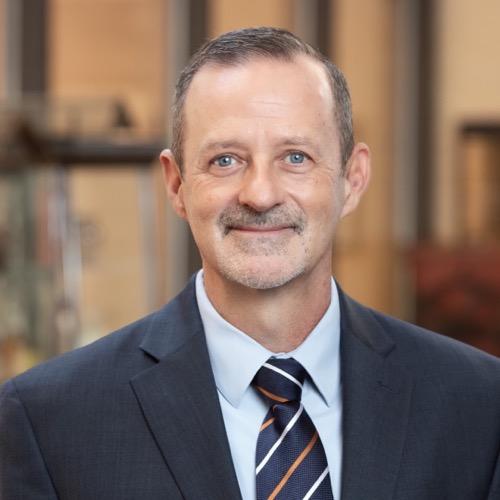
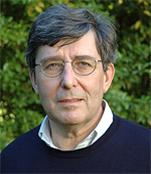
Dr. Ian A.E. Butts is an Associate Professor at Auburn University's School of Fisheries, Aquaculture & Aquatic Sciences. His research program addresses critical challenges in aquatic reproduction, focusing on gamete biology, environmental physiology, and aquaculture biotechnology. Research interests center on reproductive physiology of aquatic species, cryopreservation techniques, environmental impacts on fish reproduction, and innovative breeding technologies. His work spans diverse species including catfish, oysters, goldfish, and European eel, with emphasis on improving aquaculture sustainability through advanced reproductive management. Publications demonstrate consistent focus on gamete quality assessment, cryopreservation biomarkers, xenogenesis, and environmental stressors' effects on reproductive success. Recent work explores transcriptomic responses to temperature variations, salinity effects on bivalve reproduction, and molecular biomarkers for sperm quality evaluation.
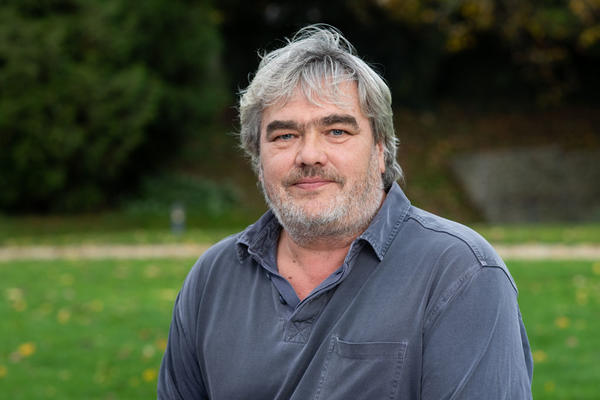
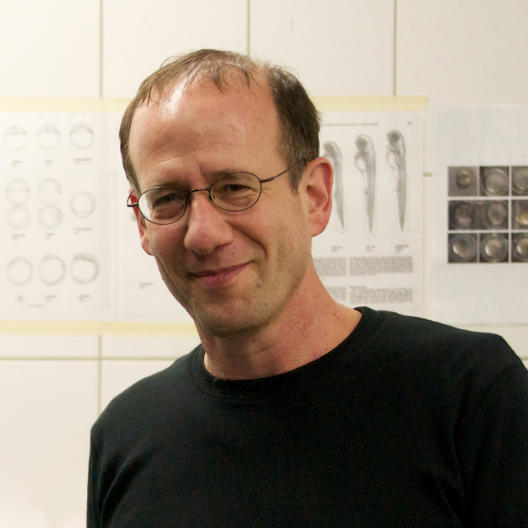
Professor Erez Raz serves as Director of the Institute of Cell Biology at the University of Münster and is affiliated with the Center for Molecular Biology of Inflammation (ZMBE). He is a prominent member of the Cluster of Excellence "Cells in Motion" and serves on the board of the CiM-IMPRS graduate program. His research group "AG Raz: Cell biology in vivo - Germ-cell development" investigates fundamental mechanisms of cell migration in living organisms. Professor Raz's research focuses on cell migration, cell-fate maintenance, and organogenesis within live vertebrate embryos. His laboratory primarily employs zebrafish as a model organism due to its transparent embryos that develop externally, enabling high-resolution live imaging of cellular processes. His work has revealed critical mechanisms of how cells navigate within developing organisms, with significant implications for understanding pathological conditions like cancer metastasis and inflammatory processes where cell migration becomes dysregulated. His recent publications demonstrate a sustained focus on molecular mechanisms controlling germ cell migration, including the roles of RNA-binding proteins like Dnd1, bleb formation dynamics, mitochondrial regulation of germ cell fitness, and tissue microenvironment influences on cell protrusion types. His research uniquely integrates approaches from cell biology, biophysics, genetics, and mathematical modeling to gain comprehensive insights into cellular migration dynamics. Over 100 publications spanning two decades Extensive collaborations across disciplines Methodological innovations in cell imaging and manipulation Professor Raz has successfully mentored numerous doctoral students and postdoctoral researchers, fostering interdisciplinary collaborations between biologists, physicists, mathematicians, and clinicians. His laboratory has developed innovative techniques for cell ablation, mRNA labeling, and in vivo manipulations using optical tweezers, contributing significantly to methodological advances in the field. His laboratory participates in the Multiscale Imaging Centre and the "Cells in Motion" research network, providing access to state-of-the-art imaging capabilities for studying cellular dynamics at multiple scales, from molecular interactions to whole-organism development.
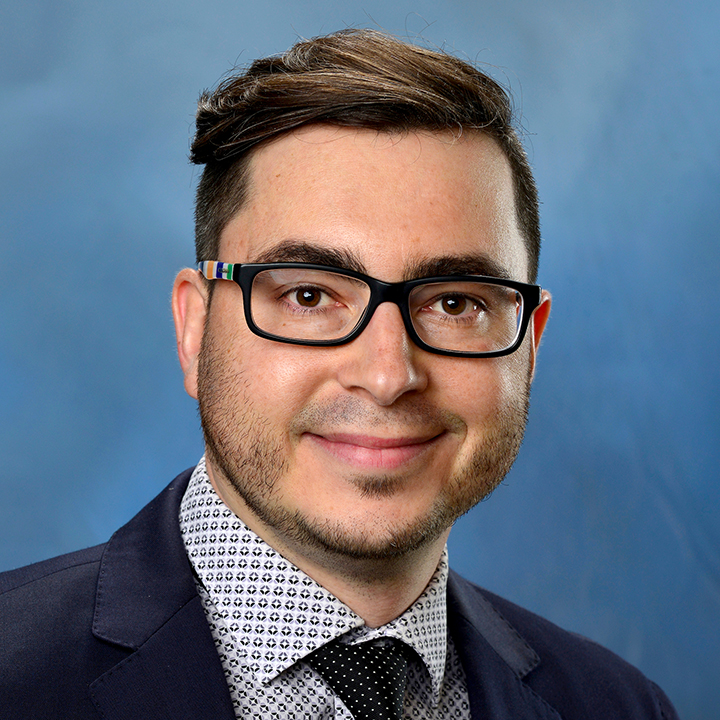
Antonia Beitzen-Heineke is a Medical Specialist in Internal Medicine, Hematology, and Oncology at the University Medical Center Hamburg-Eppendorf (UKE). She holds dual affiliations in the II. Medical Clinic and Polyclinic (Center for Oncology) and the Institute of Tumor Biology within the Center for Experimental Medicine. Her expertise spans oncology, hematology, and hemostaseology , with a focus on cardio-oncology, chemotherapy-induced toxicity, and coagulation disorders in cancer patients. Her research emphasizes translational studies in tumor biology, including the molecular mechanisms of coagulation activation in acute myeloid leukemia and the role of AXL inhibition in myeloproliferative neoplasms. She also investigates long-term cardiovascular effects of cancer therapies, leveraging cardiac MRI for early detection of myocardial dysfunction. Publications highlight her work on thrombosis in paroxysmal nocturnal hemoglobinuria, checkpoint inhibitor immunotherapy’s impact on hemostasis, and athlete cardiac adaptations. She collaborates with multidisciplinary teams in radiology, immunology, and pharmacology. Her clinical roles involve managing patients with hematologic malignancies and complex coagulation pathologies. No scientific awards are explicitly noted, but her active research profile underscores contributions to cardio-oncology and thrombosis biology.
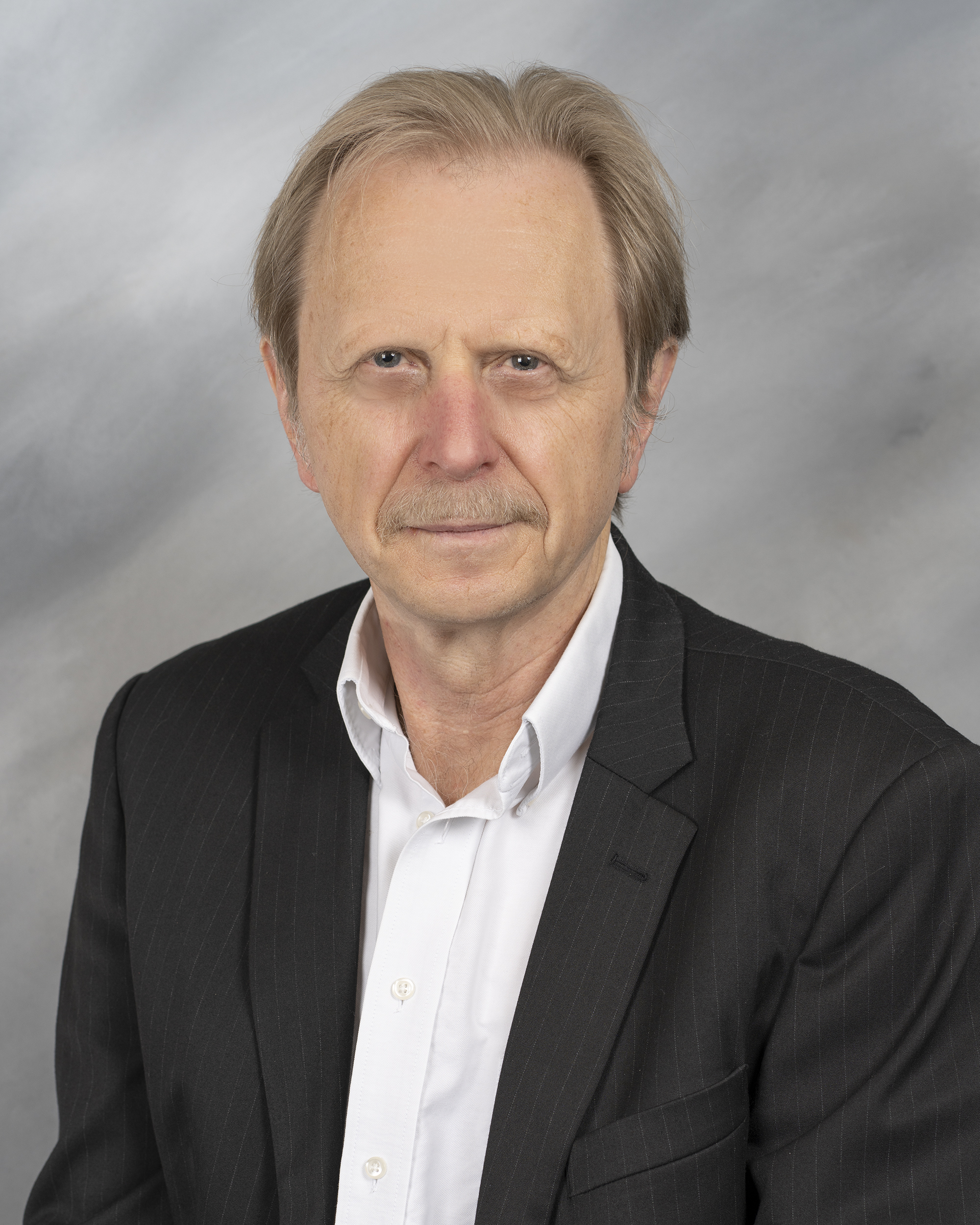
John H. Richburg, Ph.D. serves as Associate Dean for Research and Graduate Studies and Professor of Pharmacology & Toxicology at The University of Texas at Austin College of Pharmacy. He holds the distinguished Gustavus and Louise Pfeiffer Professorship in Toxicology, reflecting his significant contributions to the field. Dr. Richburg's research program has been continuously funded by the NIH for over 28 years, focusing on molecular and cellular mechanisms by which environmental toxicants (particularly phthalates) and chemotherapeutic agents (like cisplatin) disrupt male reproduction. His work specifically investigates paracrine cellular signaling mechanisms between cells in the testis that regulate the balance between survival and death of germ cells. The Richburg Laboratory recently received a 5-year NIH/NIEHS R01 grant to study the functional contribution of innate immune cells in testicular responses to environmental toxicants. Analysis of Dr. Richburg's publications reveals a consistent focus on testicular toxicology, with particular emphasis on phthalate exposure effects and cisplatin-induced male infertility. His work bridges immunology, reproductive biology, and toxicology, demonstrating how environmental and clinical agents disrupt spermatogenesis through complex cellular mechanisms. Recent publications increasingly incorporate transcriptomics and detailed immune cell analysis, showing evolution toward more sophisticated molecular approaches. Best Paper of 2021 in Toxicological Sciences by the Society of Toxicology's Reproductive and Developmental Toxicology Specialty Section As Associate Dean, Dr. Richburg oversees research and graduate programs, enhancing outside research funding and recruiting qualified graduate students. His laboratory has trained numerous doctoral students, postdoctoral fellows, and research scientists, with alumni occupying prominent positions in academia, industry, and government. The Richburg Lab maintains active research projects on MEHP-induced testicular inflammation and cisplatin-induced male infertility, supported by continuous NIH funding. Dr. Richburg leads a vibrant research team comprising postdoctoral scholars, graduate students, and undergraduate researchers, fostering the next generation of toxicologists while advancing understanding of environmental and clinical impacts on male reproductive health.
Adrian Smith is a Professor of Zoology and Director of Graduate Studies (Progression) at the University of Oxford's Department of Zoology. His research focuses on the mechanisms of immunity to infectious diseases in vertebrates, particularly birds and mammals, with an emphasis on gut immunity and T lymphocyte biology. He leads the Infectious Disease and Comparative Immunology Section, investigating pathogens like Eimeria spp. and Salmonella enterica to develop immune interventions, including vaccines. Research Interests: His work spans comparative immunology, T cell subsets in protective immunity, and host-pathogen interactions. Current projects include pattern recognition receptors, γδ T cell biology, and parasite genetics for identifying protective antigens. He has pioneered reverse immunodynamics to identify protective immune targets. Scientific Awards: Recipient of the Daiwa Foundation Lord Adrian Prize (2007) for enteric T cell research and holds Jenner Investigator status for contributions to vaccine development. Advising & Grants: Supervises graduate students (e.g., Denise Wawman, Mirudula Elanchezhian) and collaborates with researchers like Dr. Divya Venkatesh (BBSRC Discovery Fellow). His lab integrates genomic, archaeological, and ecological approaches to understand immune evolution and pathogen dynamics in historical and modern populations. Labs/Teams: Active in the Smith & Bonsall Groups, focusing on avian immunology and pathogen biology. Collaborates across disciplines, including microbiome analysis, ancient DNA studies, and wildlife disease ecology.
Jean-Claude Labbé is Full Professor in the Department of Pathology and Cell Biology, Faculty of Medicine, Université de Montréal, and Principal Investigator of the “Cell Division and Differentiation” research unit at the Institute for Research in Immunology and Cancer (IRIC). Recruited in 2005, he leads an internationally recognized program that exploits the nematode C. elegans to decipher the molecular logic governing stem cell division, polarity and tissue organization. Education & Training: PhD in Biochemistry, Université de Montréal (supervisors: Luis A. Rokeach & Siegfried Hekimi) Postdoctoral Fellow, Department of Biology, University of North Carolina at Chapel Hill, USA (with Bob Goldstein) Postdoctoral Fellow, Institute of Biochemistry, ETH Zurich, Switzerland (with Monica Gotta) Research Focus: His laboratory investigates how germline stem cells balance self-renewal and differentiation through oriented divisions that maintain contact with the distal tip cell niche, and how syncytial germline architecture is established, expanded and maintained. These studies integrate advanced live-cell imaging, quantitative image analysis, genetics and biochemistry, and provide fundamental insights relevant to mammalian development, tissue regeneration and cancer. Funding & Awards: Canada Research Chair in Cell Division and Differentiation (2006–2016) CIHR New Investigator Award (2005–2006) Ongoing operating grants from CIHR, NSERC and the Cancer Research Society Team & Mentorship: He currently mentors several graduate students (Mohamed Réda Zellag, Kimia Zarnani, Léa Lacroix) and research associates within a vibrant, collaborative environment at IRIC.
Stephen A. Krawetz is a Professor at Wayne State University with dual appointments in the Departments of Obstetrics and Gynecology and Molecular Medicine and Genetics . He serves as the Charlotte B. Failing Professor of Fetal Therapy and Diagnosis and Associate Director of the C.S. Mott Center for Human Growth and Development .
Dr. Aleona Swegen is an ARC DECRA Fellow at the School of Environmental and Life Sciences, University of Newcastle, Australia. A veterinarian and research fellow specializing in animal fertility, she applies cutting-edge reproductive biology techniques to benefit both endangered species and livestock. Her work focuses on developing novel approaches to preserve fertility, particularly through proteomic and molecular analyses of reproductive processes. Bachelor of Veterinary Science, University of Sydney (2010) PhD in Reproductive Science, University of Newcastle, Australia (completed under Laureate Professor John Aitken) Dr. Swegen's research spans multiple interconnected areas of reproductive biology. Her primary focus is on equine reproduction, particularly stallion sperm biology and fertility. She investigates how environmental factors like heat stress impact male fertility and offspring health. Her work also extends to endangered species conservation, notably her contributions to the Rhino Fertility Project aimed at rescuing the Northern White Rhino from extinction. Through proteomic, lipidomic, and molecular approaches, she explores embryo-maternal interactions, sperm metabolism, and novel fertility preservation techniques. Analysis of Dr. Swegen's recent publications reveals a strong emphasis on applying advanced 'omics technologies to reproductive challenges. Her work consistently bridges basic science with practical applications in both livestock breeding and endangered species conservation. A notable trend is her exploration of how environmental stressors, particularly heat stress, affect reproductive outcomes across species. Her research demonstrates increasing integration of multi-omics approaches (proteomics, lipidomics) to identify biomarkers and develop diagnostic tools for fertility assessment. ARC DECRA Fellowship (2022-2024) for research on heat stress effects on male fertility Dr. Swegen actively supervises multiple PhD and Masters students, focusing on topics related to equine reproduction, heat stress effects, and fertility preservation. She has secured significant research funding, including multiple ARC grants and AgriFutures Australia projects totaling over $3 million. Her current projects include 'Early pregnancy in the mare: mechanisms of immune recognition and novel assays for pregnancy testing' and 'Pioneering reproductive biotechnology innovations for equine breeding,' reflecting her dual focus on fundamental research and practical applications. As part of the Priority Research Centre for Reproductive Science at the University of Newcastle, Dr. Swegen collaborates with interdisciplinary teams working on reproductive challenges across species. Her work connects with conservation efforts globally, particularly through collaborations with institutions like the Smithsonian Conservation Biology Institute and the University of Oxford's Rhino Fertility Project.
Professor Anne Ferguson-Smith is a leading mammalian developmental geneticist and epigeneticist at the University of Cambridge, holding the Arthur Balfour Professorship of Genetics. As Pro-Vice-Chancellor for Research, she oversees the university's research strategy while maintaining her laboratory's focus on genomic imprinting and epigenetic inheritance . Her work bridges experimental and computational approaches through affiliations with the Cambridge Stem Cell Institute, Cambridge Neuroscience, and the Centre for Trophoblast Research. Research in her lab investigates epigenetic mechanisms in developmental processes , particularly through the lens of Dlk1-Dio3 imprinted domain studies. Current themes include: Stem cell epigenetic programming Environmental modulation of epigenetic states Role of repetitive elements in genomic regulation Her group integrates mouse and zebrafish models with high-throughput genomics and mathematical modeling . Key collaborations include: Wellcome Trust UKRI Medical Research Council BBSRC NIH Scientific honors include: Elected EMBO Member (2006) Academy of Medical Sciences (2012) Fellow of the Royal Society (2017) Commander of the Order of the British Empire (CBE) The lab maintains family-friendly research practices and actively participates in interdisciplinary collaborations across Cambridge and internationally.
Dr. Marco Conti is the Fred Gellert Endowed Professor at the University of California San Francisco (UCSF) School of Medicine, where he serves in the Department of Obstetrics, Gynecology and Reproductive Sciences. He previously directed the Center for Reproductive Sciences at UCSF, a leading institution in reproductive biology research. Dr. Conti received his M.D. from the University of Rome School of Medicine in 1974, followed by postdoctoral training in Reproductive Biology at the same institution (1974-75) and Endocrinology at the National Institutes of Health in Bethesda, MD (1975-77). His research career spans over four decades with significant contributions to understanding oocyte development and reproductive biology. Dr. Conti's research program focuses on signal transduction pathways required for germ cell development, particularly those controlling oocyte meiotic maturation and developmental competence. His lab has identified critical signals arising in somatic cells during ovulation that establish oocyte developmental competence. The research examines how disruption of these pathways affects maternal mRNA translation patterns into proteins critical for nuclear reprogramming and early embryo development. This work has significant implications for stem cell research, understanding mechanisms controlling cell replication during preimplantation development, and developing embryonic stem cells into artificial gametes. Additional research interests include fertility preservation for cancer patients. Analysis of Dr. Conti's publication record reveals a consistent focus on reproductive biology with particular emphasis on cAMP signaling pathways, phosphodiesterases, mRNA translation regulation, and oocyte maturation. His work shows progression from foundational studies on cAMP-specific phosphodiesterases in the 1990s to more recent sophisticated analyses of maternal mRNA translation programs using single-cell approaches and multi-omics techniques. The research demonstrates increasing complexity in methodology while maintaining focus on fundamental questions of oocyte developmental competence. International Fogarty Fellow (1975-77) Phi Beta Kappa Teaching Excellence Award (2000) Sandler Foundation Senior Investigator Award (2001) Society for the Study of Reproduction Research Award (2003) Board of Directors Society for the Study of Reproduction (2006) Dr. Conti has mentored numerous researchers in reproductive biology and has been instrumental in establishing genetic models to study oocyte developmental competence. His laboratory work has significant translational potential for improving assisted reproductive technologies and understanding age-related declines in fertility. The Center for Reproductive Sciences at UCSF, which he previously directed, serves as a hub for interdisciplinary research connecting basic science discoveries with clinical applications in reproductive medicine.
Maja Adamska is an Associate Professor and ARC Future Fellow at the Australian National University (ANU) in the Research School of Biology. She serves as Associate Director of Education and Head of the Biology Teaching and Learning Centre. Her primary research affiliation is with the Division of Biomedical Science and Biochemistry, where she leads the Adamska Group focused on the genomic and evolutionary basis of animal development. She is based in Room 2.022, Level 2, Linnaeus Building at ANU. Dr. Adamska studied biology with a focus on embryology and evolutionary biology at Jagiellonian University in Krakow, Poland. She completed her PhD in Germany working with Eva Bober and Thomas Braun on homeobox genes in inner ear development using vertebrate models from medaka fish to mice. Her postdoctoral work included research at the University of Michigan in Miriam Meisler's laboratory studying mouse mutants for limb patterning, followed by work at the University of Queensland with Bernie Degnan analyzing developmental signaling pathways in the sponge Amphimedon queenslandica. She was a group leader at the Sars International Centre for Marine Molecular Biology in Bergen, Norway from 2007-2015 before joining ANU in 2015. Her research addresses fundamental biological questions about how complex animals develop from single cells and how the first multicellular animals evolved from single-cell ancestors. She uses calcareous sponges to investigate the evolutionary origins of key developmental processes including germ layer segregation and axial patterning. Her work spans multiple areas including evolutionary developmental biology, comparative genomics, and the study of major transitions in animal evolution such as the emergence of multicellularity and morphological complexity. Her research has revealed surprising similarities between sponge and higher animal embryonic development, challenging traditional views of animal evolution. Analysis of Dr. Adamska's recent publications shows a strong focus on sponge and coral biology, with increasing attention to conservation and sustainability issues related to marine ecosystems. Her work combines molecular, genomic, and evolutionary approaches to understand fundamental biological processes, with particular emphasis on gene regulatory networks, developmental signaling pathways, and the genomic basis of morphological complexity in early-branching animals. ARC Future Fellow (since 2017) h-index of 32 with 3,990 citations according to Scopus Multiple research grants including ARC Centre of Excellence for Integrated Coral Reef Studies (2014-2021) Dr. Adamska supervises research on multiple projects including coral regeneration, molecular mechanisms of developmental signaling pathways in sponges, identification of target genes for developmental transcription factors, skeleton formation in corals and sponges, and sponge and coral microbiomes. She also serves as Convenor for BIOL2174 and has developed innovative educational approaches including the Digital Marine platform for blended learning in marine biology. Her research group, the Adamska Group, focuses on the genomic and evolutionary basis of animal development, using calcareous sponges as model organisms to gain insights into the evolutionary origins of complex developmental processes. The group collaborates with international researchers across multiple institutions to advance understanding of early animal evolution and development.
Odelya Hartung Kaufman, MD, PhD, is a Clinical Geneticist and Associate Research Scientist in the Department of Genetics at Yale School of Medicine. She specializes in diagnosing and managing genetic conditions in children and adults, with expertise in developmental disabilities, inherited eye disorders, hearing loss, and congenital birth defects. Her research focuses on genetic mechanisms underlying early embryonic defects, human infertility (e.g., unexplained female infertility and recurrent pregnancy loss), and rare undiagnosed diseases via the Undiagnosed Disease Network. Education & Training: MD and PhD in Biomedical Sciences from Albert Einstein College of Medicine (2016) Pediatrics and Medical Genetics Residency at Mount Sinai Hospital (2020) Research Interests: Dr. Kaufman’s work combines clinical practice with research into genetic causes of rare diseases. Her studies utilize zebrafish models to investigate RNA binding proteins’ roles in ovary development and Balbiani body architecture. Recent publications highlight advancements in understanding nutrient sensing pathways and genetic mutations linked to syndromes like Shwachman–Diamond syndrome. Awards & Grants: No specific awards listed, though her work aligns with NIH-funded initiatives through the Undiagnosed Disease Network. Grants and funding sources are not detailed in the provided text. Labs & Teams: Member of the Jiang Lab at Yale School of Medicine, collaborating on interdisciplinary projects at the intersection of genetics and clinical care.
Avraam Tapinos is a Researcher at the University of Manchester's Division of Cancer Sciences (L5), part of the Manchester Cancer Research Centre. His work contributes to UN Sustainable Development Goals related to health and innovation. Research focuses include cancer genomics, metagenomics, and bioinformatics methodologies. Affiliations: Manchester Cancer Research Centre, Digital Futures Research Beacon Key expertise: Cancer genomics, germline analysis, metagenomic binning Recent research explores genomic landscapes of testicular germ cell tumors, breast cancer evolution in diverse populations, and respiratory virome dynamics in asthma. His computational methods advance alignment-free genomic analysis. Publications span high-impact journals like Nature Communications and American Journal of Human Genetics, with interdisciplinary collaborations in oncology, microbiology, and bioinformatics.
Dr. Jae Ho Lee is a research scientist at Newcastle University specializing in stem cell biology and cancer research, with significant publications between 2006-2010 primarily in collaboration with Professor Karim Nayernia and colleagues including Dr. Ingrid Ehrmann and Professor David Elliott. His work bridges molecular oncology, reproductive biology, and regenerative medicine through investigation of stem cell mechanisms in germ cell development and tumorigenesis. His core research examines stem cell plasticity in cancer and reproduction, focusing on Piwil2 protein functions in breast cancer stem cell proliferation/antiapoptosis, derivation of germ cells from bone marrow stem cells, and spermatogonial stem cell regulation. Key contributions include demonstrating Piwil2's role in Stat3/Bcl-XL-mediated tumor survival, in vitro production of functional male gametes from embryonic stem cells, and transdifferentiation pathways between somatic and germ cells. Analysis of his 2006-2010 publications reveals consistent exploration of molecular intersections between stem cell self-renewal and oncogenesis, with emphasis on Piwil2 as a regulatory hub. His work demonstrates translational potential for infertility treatments through germ cell derivation techniques and identifies apoptosis pathways as therapeutic targets in breast cancer. No scientific awards were documented in the source materials. While specific student mentorship isn't listed, his collaborative publications with senior researchers indicate active laboratory leadership in stem cell projects. The consistent co-authorship with Professor Nayernia suggests participation in grant-funded research programs focused on germ cell biology and cancer stem cells, though exact funding sources remain unspecified.
Associate Professor Maja Adamska is a Group Leader and Associate Professor in the Research School of Biology at the Australian National University (ANU). She leads Program 3 in the ARC Centre of Excellence for Coral Reef Studies and has held previous roles as a Group Leader at the Sars International Centre for Marine Molecular Biology in Norway. Her research focuses on the evolutionary origins of developmental processes in animals, particularly using calcareous sponges as model systems. Adamska's work bridges developmental biology, genomics, and evolutionary biology, investigating topics such as germ layer segregation, axial patterning, and major transitions in animal evolution like the emergence of multicellularity. Education & Career: Bachelor's/Master's in Biology at Jagiellonian University (Kraków, Poland) PhD in Developmental Biology at the University of Cologne (Germany) Postdoctoral research at the University of Michigan and University of Queensland ARC Future Fellow at ANU since 2017 Research Interests: Genomic basis of morphological complexity Evolutionary origins of developmental processes Sponge and coral genomics Regeneration mechanisms in marine organisms Key Contributions: Discovered conserved developmental pathways in sponges Advanced understanding of sponge-metazoan divergence Contributed to the Amphimedon queenslandica genome project Awards: ARC Future Fellowship (2017–present) Lab & Collaborations: Adamska Group (Genomic and Evolutionary Basis of Animal Development) Collaborations with global marine biology networks

/bilder/personen/beitzenheinekeantonia_20150813_05_kontaktbild.jpg)