California State University, Long BeachUnited States
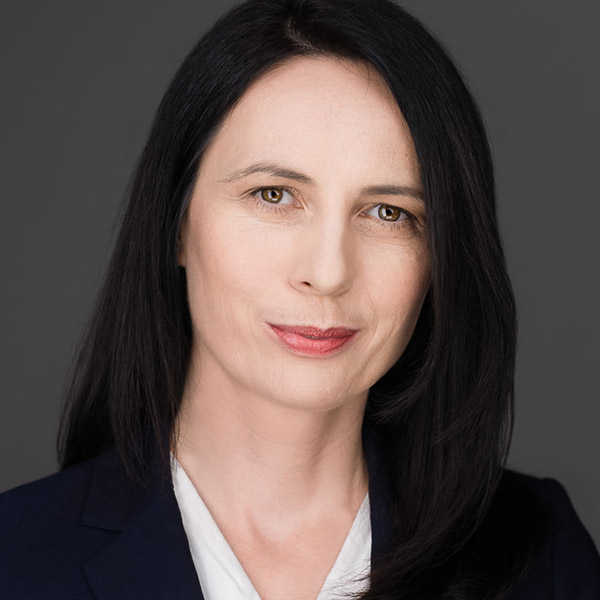
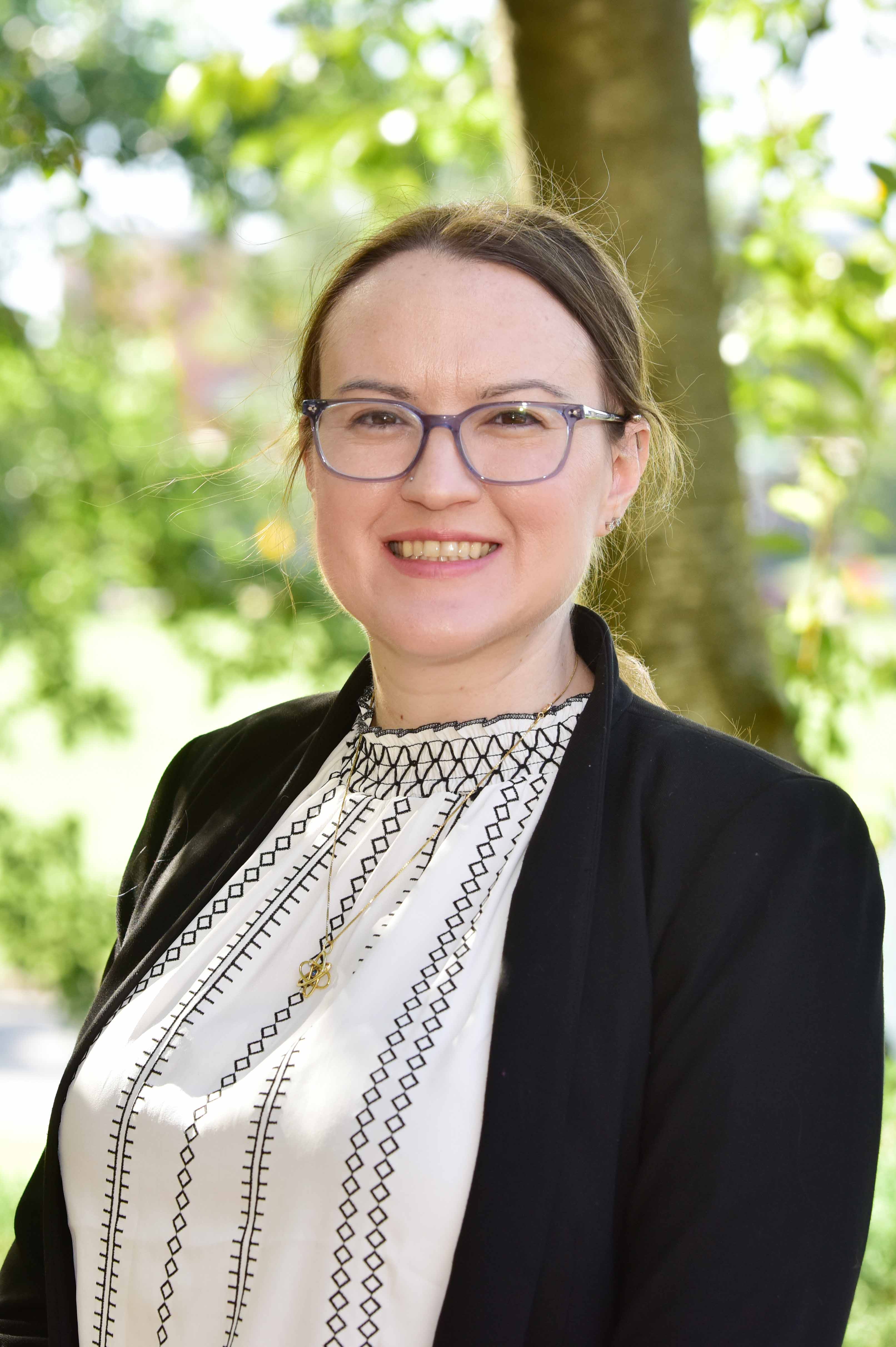
Vesna Terzic is a Professor in the Department of Civil Engineering and Construction Engineering Management at California State University Long Beach's College of Engineering. Her research specializes in seismic performance assessment, infrastructure resilience, and probabilistic risk analysis of structures. Education includes a PhD in Structural Engineering from UC Berkeley, MS in Earthquake Engineering from Ss. Cyril and Methodius University, and BS in Structural Engineering from University of Belgrade. Research focuses on developing advanced computational frameworks for evaluating post-earthquake functionality of buildings and bridges. Her work integrates performance-based engineering with resilience quantification, emphasizing practical applications for seismic design and retrofitting. Recent publications demonstrate consistent focus on functional recovery modeling, structural health monitoring, and optimization of protective systems. Research trends show progression from component-level analysis to regional recovery simulation frameworks. Major awards: ACI Chester Paul Siess Award for Excellence in Structural Research (2017) Popert Fellowship, UC Berkeley (2009) Professional service includes membership on FEMA P-58 project committees and contributions to OpenSees development. Current projects investigate soil-structure interaction effects on tall buildings and recovery-based design methodologies.
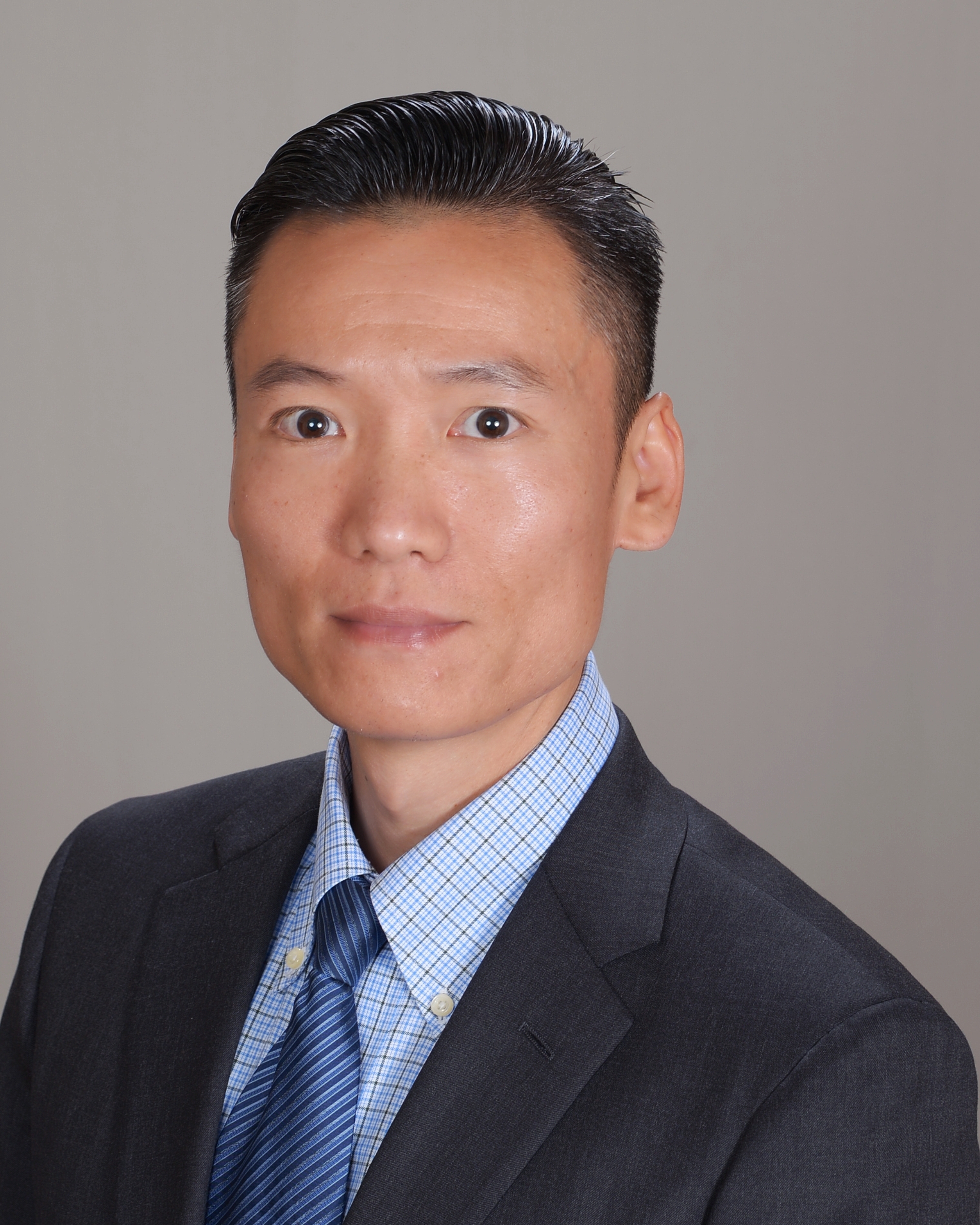
Dr. Liang Cheng is the Department Chair and Professor in the Department of Electrical Engineering and Computer Science at the University of Toledo. He leads a department with ~700 students across CS, CSE, and EE programs. His research focuses on Cyber-Physical Systems (CPS), IoT, AI/ML, and intelligent infrastructure, supported by over $30M in funding from NSF, DOE, DOT, and industry. Notable projects include CPS Breakthrough initiatives and underground sensing systems. He co-edited a multidisciplinary book on Underground Sensing and contributed to smart grid cybersecurity. Dr. Cheng has held leadership roles at Lehigh University, shaping faculty governance and equity policies. His 100+ publications span networking, real-time systems, and sensor networks. He advises on funded projects totaling $30M+ and has pioneered pedagogical approaches in computer science education. Research Interests: Cyber-Physical Systems (CPS): Focuses on autonomous drones, energy systems, and real-time infrastructure Networking: Expertise in TSN, DTN, and wireless protocols Cybersecurity: SCADA systems, PLC attack detection, and blockchain energy modeling Underground Sensing: Geo-sensing via wireless signals and subsurface tomography Grants & Projects: Over 20 sponsored projects including NSF CPS Breakthrough (2018-2023), ABB smart grid projects, and DARPA-funded EDIFY systems. Key contributions include reconfigurable wireless architectures and network calculus tools for real-time systems. Teaching: Courses span senior design, compiler design, parallel computing, and wireless sensor networks. Developed pedagogical patterns for non-CS programming education. Awards: Recognized for leadership in academic governance and interdisciplinary research collaboration.
University of Illinois Urbana-ChampaignUnited States
Paolo Gardoni is the Alfredo H. Ang Family Professor and an Excellence Faculty Scholar in the Department of Civil and Environmental Engineering at the University of Illinois Urbana-Champaign, with additional professorial appointments in Industrial & Enterprise Systems Engineering and Biomedical & Translational Sciences. He also serves as Director of the MAE Center and Editor-in-Chief of Reliability Engineering & System Safety. Education Ph.D. in Civil Engineering, University of California, Berkeley (2002) M.A. in Statistics, University of California, Berkeley (2001) M.Eng. in Structural Engineering, University of Tokyo (1997) Laurea (BS+MS equivalent) in Structural Engineering, Politecnico di Milano (1997) Research Interests Gardoni’s scholarship integrates probabilistic methods with large-scale infrastructure systems to advance reliability, risk, and life-cycle analysis. His work quantifies the performance of deteriorating systems under natural and anthropogenic hazards, models societal impacts of disasters, and develops decision frameworks for sustainable and resilient infrastructure. He also examines ethical, social, and legal dimensions of risk, and investigates optimal strategies for hazard mitigation, disaster recovery, and climate adaptation. Across more than 250 refereed journal papers, he has advanced sub-fields ranging from probabilistic mechanics and earthquake engineering to catastrophe bond pricing and engineering ethics, leveraging tools such as stochastic differential equations, Bayesian networks, and physics-informed machine learning. Awards & Honors Alfredo Ang Award on Risk Analysis and Management of Civil Infrastructure (ASCE, 2021) Best Paper Awards in ASCE Journal of Sustainable Water in the Built Environment (2019) and Geotechnical Research (2018 Telford Premium Prize) Fellowships and named professorships: Alfredo H. Ang Family Professor, Excellence Faculty Scholar, and courtesy or honorary professorships at Tsinghua, IIT Guwahati, Tongji, Jianghan, and Loughborough universities. Research Leadership & Funding Gardoni has secured over $58 million in research funding from NSF, DHS, NIST, USAID, Qatar National Research Fund, and other agencies. He directs the MAE Center—formerly an NSF Engineering Research Center—focused on multi-hazard engineering approaches, and is Editor-in-Chief of Reliability Engineering & System Safety (Elsevier, IF 9.4). He founded and formerly led the journal Sustainable and Resilient Infrastructure (Taylor & Francis) and serves on editorial boards of nine additional journals. Advising & Mentorship He has graduated 27 PhD and 35 Master’s students, many of whom now hold faculty positions worldwide. His group maintains an active pipeline of doctoral and post-doctoral researchers working on resilience analytics, infrastructure monitoring, and risk-informed decision-making. Laboratories & Collaborations He leads the MAE Center and is affiliated with the Critical Infrastructure Resilience Institute (CIRI) and the Biomedical and Translational Sciences group. International collaborations span the UK (Loughborough), India (IIT Guwahati), and China (Tsinghua, Tongji, Jianghan), fostering cross-disciplinary research in reliability and resilience engineering.
Valerie Thomas is the Anderson Interface Chair of Natural Systems at Georgia Tech, holding joint appointments in the H. Milton Stewart School of Industrial and Systems Engineering and the School of Public Policy. Her research focuses on energy systems, sustainability, industrial ecology, and science and technology policy. She earned a B.A. in Physics from Swarthmore College and a Ph.D. in Theoretical Physics from Cornell University, followed by postdoctoral research at Carnegie Mellon and Princeton Universities. Her work addresses low-carbon transportation, environmental impacts of food systems, and energy development in Africa. Key research areas include life cycle assessment, climate policy, and technology assessment. Thomas has contributed to over 80 technical publications and serves on advisory boards for the U.S. EPA and USDA/DOE. Education: Ph.D. in Physics, Cornell University; B.A. in Physics, Swarthmore College Awards: AAAS and APS Fellowships, Georgia Tech’s 1934 Outstanding Interdisciplinary Award Her teaching spans energy policy, lifecycle analysis, and engineering economics. She leads interdisciplinary teams at the Climate and Energy Policy Laboratory and the Technology Policy and Assessment Center, advancing sustainable systems engineering and policy solutions.
Phoon Kok Kwang is a Distinguished Professor and Vice Provost (Academic Personnel) at the National University of Singapore (NUS). He specializes in geotechnical engineering, focusing on statistical and data-driven methods for decision-making in civil infrastructure. His work has significantly influenced international standards like ISO2394 and earned over 10,000 citations (h-index 47). He is a Fellow of ASCE, IES, and the Singapore Academy of Engineering. Education: PhD in Civil Engineering from Cornell University (USA). Professional qualifications include Professional Engineer (Singapore) and ASEAN Chartered Professional Engineer. Research Interests: Reliability-based design, probabilistic modeling of geotechnical parameters, uncertainty quantification in geotechnical systems, and computational methods in geomechanics. His recent work emphasizes Bayesian machine learning for site-specific modeling and statistical characterization of geotechnical data. Awards & Honors Norman Medal (ASCE) – 2005 John Booker Medal – 2014 Humboldt Research Award – 2017 Luojia Distinguished Visiting Professor (Wuhan University) – 2018–2022 Advising & Grants Edited 3 books including Reliability of Geotechnical Structures in ISO2394 . Led special issues in Georisk and Underground Space . Spearheaded initiatives like the 6th International Symposium on Reliability Engineering (2018). Served as editor for major journals including Journal of Risk and Uncertainty in Engineering Systems . Labs & Teams Founded the Georisk journal and leads research groups focused on computational geomechanics and probabilistic site characterization at NUS.
Christian Moormann serves as Director and Full Professor of the Institute of Geotechnics at the University of Stuttgart, where he has held his position since 2010. His leadership extends to national and international geotechnical organizations, including serving as Chairman of the German Geotechnical Society (DGGT) since 2022. His educational background includes a distinguished Diplom in Civil Engineering from Leibniz University Hannover (1989-1994), followed by doctoral studies at TU Darmstadt where he earned his Dr.-Ing. with distinction in 2002 for research on soil-groundwater interaction in deep excavations. He completed his habilitation at TU Darmstadt in 2009 on optimization of geotechnical composite structures. Professor Moormann's research spans the critical intersection of theoretical geomechanics and practical engineering applications. His work focuses on material behavior of semi-solid and variable-strength rocks, numerical methods in geotechnics, and reliability analyses for geotechnical composite structures. He has made significant contributions to deep foundation systems, pile-raft foundations, and the application of geosynthetics in construction. His recent work increasingly addresses sustainable applications including near-surface geothermal energy systems and innovative ground improvement techniques. With over 350 publications throughout his career, Moormann's scholarly output demonstrates consistent focus on practical geotechnical challenges. His publication themes reveal evolving emphasis from fundamental soil mechanics to complex system behavior, with growing attention to sustainability and reliability-based design approaches in geotechnical engineering. Professor Moormann holds numerous leadership positions that reflect his standing in the field: Chairman of the German Geotechnical Society (DGGT) since 2022 Head of the "Earth and Foundation Engineering" section of DGGT since 2018 German Delegate to Eurocode 7 Technical Committee (TC 250/SC 7) Chair of the DIN Standards Committee "Piles" (NABau 005-05-07) Member of the Professional Image Committee of ISSMGE His professional activities extend to significant consulting work through his own firm "Prof. Moormann Geotechnik Consult" established in 2010, and leadership of the PÜZ certification office. Moormann serves as an officially appointed expert for earthworks, foundation engineering, and rock engineering. His work on developing practical engineering standards through multiple DIN committees and Eurocode 7 implementation demonstrates his commitment to bridging academic research with practical engineering applications. The Institute of Geotechnics under Professor Moormann's leadership maintains strong connections with industry through its COMMAS program and extensive field testing capabilities. His team actively participates in developing practical engineering solutions for complex geotechnical challenges, particularly in deep foundation systems, excavation support, and sustainable geotechnical applications including geothermal energy systems.
Dr. Kalyan R. Piratla is a Professor in the Department of Civil Engineering at Clemson University's College of Engineering, Computing and Applied Sciences. His research focuses on underground construction, infrastructure resilience, and sustainable water systems. He leads the Center for Research in Underground Infrastructure Systems Engineering (CRUISE), which develops decision-making models to enhance the sustainability and resilience of underground infrastructure systems. Ph.D. in Construction Management, Arizona State University (2012) Masters in Civil Engineering, Indian Institute of Technology Madras (2008) Bachelors in Civil Engineering, Indian Institute of Technology Madras (2007) Dr. Piratla's research integrates interdisciplinary approaches across water supply systems , power systems engineering , wireless sensing technologies , and graph theory . His work emphasizes: Seismic resilience metrics for pipeline systems Decentralized water reuse planning Vibration-based infrastructure monitoring Interdependencies among lifeline infrastructures Transportation project delivery optimization Research trends include: Application of machine learning to pipeline leakage detection Advanced seismic vulnerability assessment Life cycle cost analysis of water reuse systems Integration of geotechnical and structural monitoring Scientific Awards S.E. Liles, Jr. Distinguished Professor Dr. Piratla actively supervises graduate research and offers assistantships for PhD students. His work benefits water utilities, construction contractors, and emergency response agencies through innovative monitoring techniques and resilience enhancement frameworks . His CRUISE research group explores: Interdependencies among critical infrastructure systems Transportation project delivery efficiency Collaborations spanning power systems and wireless sensing
Prof. Dr.-Ing. Elisabeth Clausen is a Professor and Director of the Chair and Institute for Advanced Mining Technologies at RWTH Aachen University. She holds key roles in the Specialist Group for Raw Materials and Disposal Technology, serves as a rectorate representative, and leads the Commission for EU Research Funding. Her research spans Underground mining automation Acoustic emission diagnostics Sustainable mining systems Space resource extraction Advanced sensor technologies Her recent publications focus on autonomous mining machinery, underground communication systems, and acoustic emission analysis across 15+ studies from 2013–2025, with particular emphasis on Ultra-wideband positioning Thermographic detection Crack monitoring in planetary gearboxes Explosive atmosphere safety Mineral processing diagnostics Digitalization trends Prof. Clausen contributes to mining education reform through initiatives like CDIO™ and has developed innovative learning spaces in underground mines. She coordinates international educational labs and integrates sustainability into mining engineering curricula, with publications on Adaptive ventilation systems Mining education frameworks Future-proof mineral extraction Entrepreneurial mindset in engineering
Kevin Mackie is Professor and Chair of the Department of Civil, Environmental and Construction Engineering (CECE) at the University of Central Florida’s College of Engineering. He has been a faculty member since 2006, advancing from assistant to full professor, and previously served as associate chair and interim department chair. His leadership includes spearheading departmental improvements in culture, workload policy, and digital accessibility. Education: Ph.D. in Civil Engineering, University of California, Berkeley (2004) M.S. in Civil Engineering, University of California, Berkeley (2000) B.E. in Engineering, Cooper Union, New York (1998) His research focuses on structural engineering , particularly in bridge engineering , performance-based seismic design , nonlinear analysis , and advanced materials for infrastructure repair . He integrates analytical, numerical, and experimental methods to assess and improve the resilience of civil infrastructure under extreme loads. His work addresses critical challenges in soil-structure interaction, seismic retrofitting, and the use of composites and smart materials. The 15 most recent publications reflect a strong emphasis on nonlinear modeling , seismic performance , and computational structural analysis of bridges and tall buildings. Key themes include fiber-based modeling, contact-friction problems, soil-structure interaction, and probabilistic assessment, demonstrating a consistent trajectory toward resilient and sustainable infrastructure systems. Scientific Awards: Faculty advisor of the year (2022, 2021, 2019) – ASCE East Central Branch and Florida Section Technical Contribution Leader Award Winner (2021) – ASCE East Central Branch Distinguished faculty member at UCF (2018) – Department of Housing and Residence Life Arthur N.L. Chiu Award for excellence as faculty advisor (2018) – Chi Epsilon Honor Society Mackie has been a dedicated mentor, supervising 11 doctoral , 18 master’s , and over 30 undergraduate students . His research has been funded by the National Science Foundation , U.S. Department of Transportation , Caltrans , FDOT , and industry partners. He has published nearly 200 papers and been cited over 7,000 times. He led the reaccreditation of CECE’s undergraduate programs and established the accelerated bachelor’s-to-master’s pathway. He leads the Structures Laboratory at UCF and collaborates with multidisciplinary teams on infrastructure resilience. His vision includes expanding graduate programs, strengthening industry partnerships, and diversifying the Senior Design curriculum to reflect real-world engineering challenges.
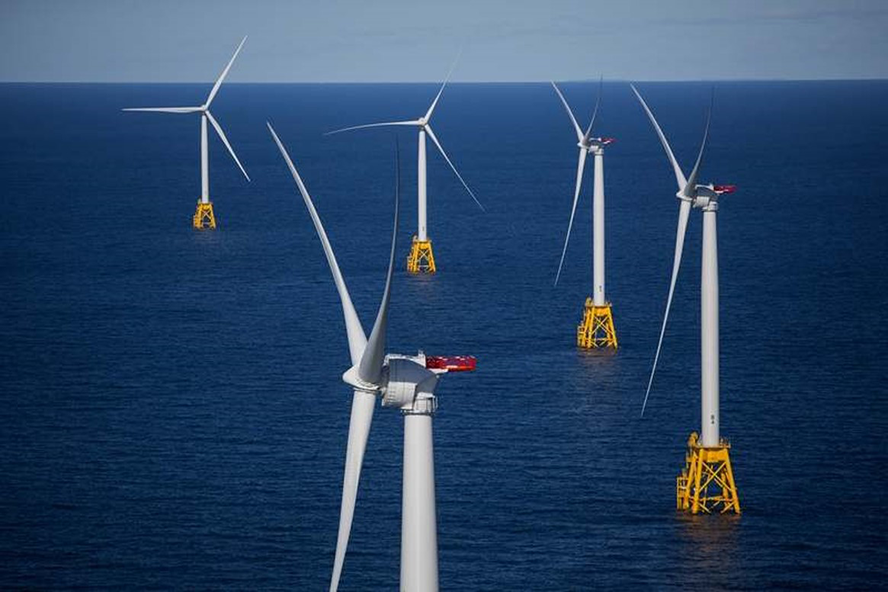
Amin Barari is an Adjunct Professor at the School of Engineering, RMIT University, Australia. His research focuses on geotechnical and offshore engineering, particularly in foundation systems for offshore wind turbines, soil-structure interaction, and seismic liquefaction mitigation. He has extensive experience in experimental and numerical analysis of pile foundations, bucket foundations, and caisson structures. His work integrates advanced computational methods (e.g., machine learning, finite element modeling) to predict foundation behavior under extreme conditions. Research interests include: offshore wind energy foundations, soil liquefaction, cyclic stability diagrams, and probabilistic hazard assessment frameworks. He has supervised multiple PhD/Masters projects on topics like resilient foundations in calcareous deposits and pile foundation dynamics in expansive soils. His publications span over 147 research outputs, emphasizing geotechnical challenges in coastal and offshore environments. Dr. Barari collaborates with international institutions and has expertise in experimental testing (e.g., large-scale load testing, centrifuge modeling) and advanced AI-driven frameworks for geohazard prediction. His work contributes to sustainable infrastructure design and risk mitigation strategies for renewable energy systems.
Babak Moaveni is a Professor in the Department of Civil and Environmental Engineering at Tufts University, serving as the Associate Chair since September 2024. He also holds a joint appointment as a Professor in Electrical and Computer Engineering. His research focuses on structural health monitoring, Bayesian inference, earthquake engineering, and offshore wind energy systems. Moaveni earned his Ph.D. in Structural Engineering from the University of California San Diego (2007), following an M.S. (2001) and B.S. (1999) from Sharif University of Technology in Tehran, Iran. His research interests span probabilistic system identification, signal processing, uncertainty quantification, and verification/validation of computational models. Notable grants include leadership in the PIRE project on offshore wind energy digital twins and the Coastal Virginia Offshore Wind Pilot Project. He has supervised multiple Ph.D. and M.S. students, with current advisees including Mehdi Akhlaghi and Nasim Partovi-Mehr. Moaveni has received the Best Presentation Award at the 2022 EDGE Symposium and serves on editorial boards for journals like Structural Health Monitoring and Frontiers in Built Environment . His lab, the Structural Health Monitoring Lab, specializes in infrastructure management and offshore wind energy systems. Key professional activities include membership in the American Society of Civil Engineers (ASCE) and roles on Tufts' Tenure and Promotion Committee. His teaching includes courses on structural health monitoring, numerical methods, and structural reliability.
Gaetano Miraglia is a Fixed-term Assistant Professor in the Department of Structural, Building and Geotechnical Engineering (DISEG) at Politecnico di Torino, where he conducts research in structural health monitoring, seismic analysis, and computational modeling. He is a member of the Interdepartmental Center R3C – Responsible Risk Resilience Centre, contributing to interdisciplinary efforts in risk mitigation and infrastructure resilience. His work spans both theoretical and applied domains, with strong emphasis on heritage preservation and sustainable urban development. His research interests include Bayesian calibration of nonlinear models, hybrid simulation, peridynamics, masonry structures, and the integration of satellite interferometric (InSAR) data with in-situ measurements for structural monitoring. He applies advanced computational and machine learning techniques to improve the accuracy and reliability of structural assessments, particularly in historical and monumental buildings. His work supports UN Sustainable Development Goals 9, 11, and 13. His recent publications demonstrate a consistent focus on data fusion, digital twinning, domain adaptation, and real-time damage detection. He frequently collaborates with researchers such as Rosario Ceravolo and Erica Lenticchia, publishing in high-impact journals like Computer-Aided Civil and Infrastructure Engineering , Structures , and Scientific Reports , as well as at major conferences including EWSHM, SAHC, and EVACES. His research is applied in projects such as the monitoring of the Vicoforte Sanctuary and the development of the CAMELOT and HY-LEARN toolboxes. Research Projects: MONITORAGGIO VICOFORTE (2024–2026) – Member of Research Group CAMELOT – PoC Transition (2023–2024) – Member of Research Group HY-LEARN – Model Calibration via Hybrid Simulation and ML (2022–2024) – Scientific Manager (PNRR Mission 4) He teaches in various programs, including as a course collaborator in PhD, Master’s, and Bachelor’s level courses such as Earthquake Engineering , Structural Consolidation , and Seismic Risk of Cultural Heritage . He is also an inventor on national and international patents and software related to the CAMELOT toolbox, highlighting the translational impact of his research. He has no listed scientific awards or formal advisees in the provided text.
Dr Donya Hajializadeh is an Associate Professor of Structural Engineering at the University of Surrey's School of Sustainability, Civil and Environmental Engineering. She holds multiple professional qualifications including Chartered Engineer (CEng) and European Engineer (EUR ING), and is a Fellow of the Higher Education Academy (FHEA). Her roles include Director of Employability (since 2020), Deputy Coordinator of the Surrey/ICE Scholarship (since 2019), and IStructE Liaison Officer (since 2021). She is also affiliated with the Surrey Institute for People-Centred Artificial Intelligence (PAI). Her education includes a BEng (Hons), MEng, and PhD in relevant fields. Research focuses on structural health monitoring (SHM), machine learning applications in asset management, and deep learning for damage identification. Key areas include railway bridge dynamics, vibration analysis, and resilience assessment under seismic and environmental hazards. Current PhD students include Chia Sadik (Transport Infrastructure Failure Assessment) and Michael Millgate (Dynamic Characterisation of Tall RC Buildings). Teaching responsibilities include ENG1073 Fluid Mechanics and ENGM054 Earthquake Engineering. Research aligns with sustainable development goals, emphasizing infrastructure sustainability and carbon reduction strategies. Notable projects include rail bridge innovation recognized by the Chief Scientific Adviser Award and presentations on damage identification techniques to government officials. She contributes actively to interdisciplinary initiatives, integrating AI with civil engineering for smarter infrastructure solutions.
Dr. Arman Khoshghalb is a Senior Lecturer in Geotechnical Engineering at the School of Civil and Environmental Engineering, UNSW Sydney, where he has been a faculty member since 2012. His academic credentials include a PhD in Geotechnical Engineering from UNSW (2012), an MSc from Sharif University of Technology (2005), and a BSc in Civil Engineering from the same institution (2003). His research focuses on numerical modeling of multi-phase porous media , with emphasis on unsaturated soils, large deformation analysis, and dynamic soil behavior. Key areas include meshfree computational methods, soil-structure interaction, bio-cementation, and thermo-hydro-mechanical processes in geotechnical systems. His work bridges theoretical advancements with practical applications in slope stability, foundation engineering, and sustainable ground improvement. Dr. Khoshghalb's publications predominantly explore geomechanical modeling, experimental soil mechanics, and computational techniques. Recent trends highlight innovations in bio-cemented soils, thermal properties of unsaturated soils, and adaptive numerical methods for complex geotechnical simulations. Awards & Honors: IACMAG Excellent Paper Award (2017) UNSW Research Excellence Award (2012) Advising & Grants: He has supervised 7+ PhD students on topics ranging from weak rock mechanics to computational geomechanics. Funded projects include: ARC Discovery Project (2019–2021): "Non-isothermal dynamic strain localisation in unsaturated porous media" ($298,257) ARC Linkage Infrastructure Grant (2015): "Earthquake shaking table for soil-structure interactions" ($320,000) ARC Linkage Project (2014–2017): "Constitutive modelling of weak rocks" ($314,280) He leads research within UNSW's geotechnical engineering group, collaborating on large-scale experimental testing and computational frameworks for infrastructure resilience.
Katrina M. Groth is a Professor and Director of the Reliability Engineering Program at the University of Maryland, affiliated with the A. James Clark School of Engineering. She also serves as Associate Director for Research at the Center for Risk and Reliability and is part of the Maryland Energy Innovation Institute. Her expertise spans risk analysis, hydrogen safety, and nuclear safety, with notable contributions to probabilistic risk assessment (PRA) and human reliability analysis (HRA). Groth holds a Ph.D., M.S., and B.S. in Reliability Engineering from the University of Maryland (2009, 2008, 2004). Her research focuses on advancing safety practices for energy systems, including hydrogen technologies, nuclear power plants, and pipelines. Key innovations include the HyRAM toolkit for hydrogen risk assessment and the HyCReD database for reliability data. Groth has published over 175 papers and secured funding from DOE, NRC, and industry partners. She advocates for educational equity, mentoring women and first-generation engineering students. Award highlights include the NSF CAREER Award, USM Board of Regents Faculty Award, and ASME Rising Star of Mechanical Engineering. She leads initiatives such as the SyRRA Lab and serves on editorial boards for journals like Reliability Engineering & System Safety . Groth teaches graduate and undergraduate courses on reliability engineering and risk analysis, emphasizing practical applications in infrastructure and energy systems. Education: Ph.D., Reliability Engineering, University of Maryland, 2009 M.S., Reliability Engineering, University of Maryland, 2008 B.S., Engineering, University of Maryland, 2004 Professional Service: Board of Trustees, National Museum of Nuclear Science & History Associate Editor, ASCE-ASME Journal of Risk and Uncertainty in Engineering Systems Her work integrates Bayesian methods, deep learning, and causal reasoning to address complex system safety challenges, with global impact on engineering standards and practices.