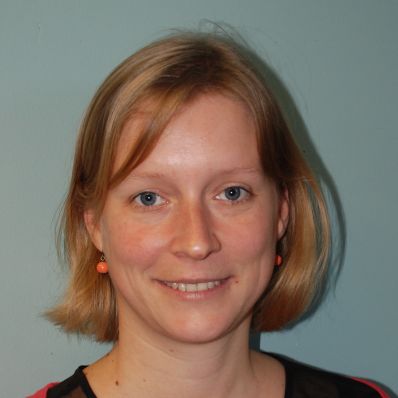
Anke Brock is an Assistant Professor at the National School of Civil Aviation (ENAC) in Toulouse, France, specializing in Human-Computer Interaction (HCI) and inclusive design. She holds dual affiliations as an Inria Research Scientist (CR1) and contributes to academic leadership as co-responsible for ENAC’s Master in Human-Computer Interaction (M2IHM). With over 550 hours of teaching experience, she instructs courses on accessibility, interactive programming, and climate education. Her research focuses on technologies for users with sensory, cognitive, or motor impairments, as well as situational impairments like stress or fatigue. She explores how these systems can enhance experiences for all users, leveraging user-centered design principles. Scientific Awards: Best Paper Award at ISS'21 Honorable Mention at MUM'17 Ifrath PhD Award (2015) Thesis Innovation Award (2014) Novela Award (2013) Anita Borg EMEA Scholarship (2012) Her mentored students span postdoctoral and PhD research on topics such as mixed reality systems for the visually impaired, drone navigation for users with disabilities, and 3D-printed accessible maps. Publications and projects reflect expertise in augmented reality, adaptive interfaces, and inclusive design.
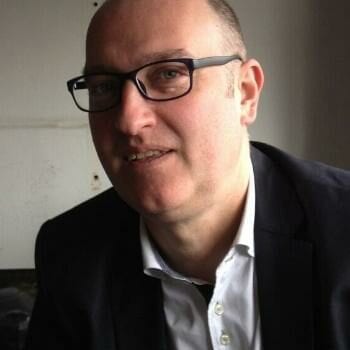
Professor Ian Haynes is a distinguished Professor of Archaeology at Newcastle University's School of History, Classics and Archaeology, where he has held a chair since 2007. He previously served as Director of the BA History and Archaeology program and Lecturer at Birkbeck College, University of London (1995-2007), and as a Lecturer at the University of Oxford (1994-1995). His academic leadership extends to roles as Director of Research for the School of Historical Studies and Head of Archaeology at Newcastle. Haynes' research spans three key areas: cult practice in the Roman world, frontier communities along imperial boundaries, and material culture studies. His methodological approach integrates advanced survey techniques, geophysical analysis, innovative excavation methods, and digital imaging technologies. Geographically, his work extends across the Roman Empire with significant projects in Italy (particularly Rome), Britain (focusing on Hadrian's Wall), Romania, and recently Pakistan with Gandharan art studies. His current research is dominated by the ERC Advanced Grant-funded 'Rome Transformed' project, which examines the physical reshaping of Rome's eastern Caelian from the 1st to 8th centuries CE. This work combines traditional archaeology with cutting-edge digital humanities approaches, including 3D visualizations that the project terms 'provocations' to stimulate scholarly debate. His fieldwork also includes the Birdoswald Excavation Project on Hadrian's Wall (co-directed with Tony Wilmott) and the 'De-fragmenting Gandhara' initiative. ERC Rome Transformed advanced grant (2019) Member, Academia Europaea (elected 2020) PI Research Project of the Year, Current Archaeology Awards (2015) Fellow, Society of Antiquaries of Scotland (2013) Fellow of the Society of Antiquaries of London (2003) Corresponding Member, Deutsches Archäologiches Institut (2024) Haynes co-directs the Frontiers of the Roman Empire Digital Humanities Initiative (FREDHI) with Professor Peter Stone and leads NU Digital Heritage. His collaborative approach is evident in numerous international partnerships, including work with the University of Florence, British School at Rome, and Italian National Research Council. His outreach extends to community programs and next-generation field schools that train students in born-digital recording systems and specialized archaeological techniques.
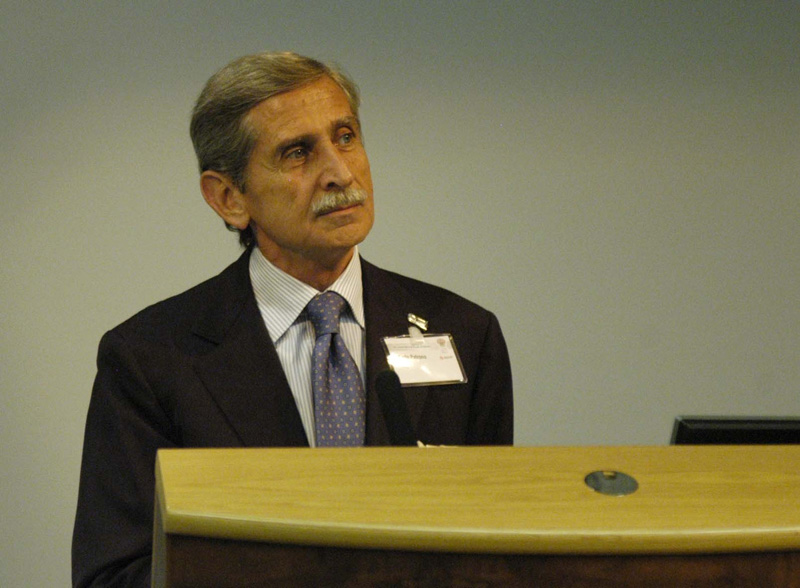
Christoph Traun is a Researcher in Geoinformatics at Paris Lodron University Salzburg, affiliated with the International Institute for Geoinformatics. With continuous project involvement since 2001, he currently contributes to ongoing initiatives including TStour (Tien Shan tourism development, 2025-2026) and previously led roles in GI-N2K and ENERGEO projects focused on geospatial workforce development and environmental monitoring. His research centers on advanced cartographic techniques and geospatial analysis, with significant contributions to animated choropleth maps, value generalization methods, and spatial autocorrelation applications. Recent work explores AI integration in cartography (e.g., generative KI systems) and GIS education innovation, particularly examining ChatGPT's impact on teaching methodologies. He maintains strong focus on practical applications in urban planning, sustainability assessment, and tourism development. Traun's publication record reveals evolving trends from foundational GIS education research toward cutting-edge geovisualization and AI-driven spatial analysis. His 2021-2025 output demonstrates increasing emphasis on temporal data visualization, ethical AI implementation, and interdisciplinary urban studies. Award for outstanding teaching (2015) Special Achievement in GIS Award: UNIGIS (2014) As project staff in five major grants totaling over 15 years of continuous funding, Traun has secured significant resources for geospatial research including EU-funded initiatives like ENERGEO (environmental impact of energy use) and VESTA-GIS (vocational GIS training). His collaborative approach involves partnerships across Europe and Central Asia, with recent work focusing on workforce development and sustainable tourism metrics. He actively participates in the UNIGIS network and contributes to academic discourse through conference workshops and public lectures on geovisualization principles, most recently presenting at the u3Green Workshop (2024) and TStour seminar series.
Ognen Marina serves as both Dean and Full-time Professor at the Faculty of Architecture, Ss. Cyril and Methodius University in Skopje, North Macedonia. His academic leadership extends to coordinating multiple Horizon 2020 research projects focused on urban innovation in transitional societies. Marina's research interests center on urban transformation processes through hybridization, with particular emphasis on pedestrian mobility modeling in historic districts and developing digital tools for spatial analysis of urban change. His work bridges architectural design with citizen participation frameworks, creating novel approaches for inclusive city development in transitional contexts. His publication record demonstrates consistent scholarly contribution to urban studies, with recent work focusing on pedestrian behavior modeling in protected urban areas and 3D city information systems. These publications reveal an interdisciplinary approach combining architectural theory, geospatial analysis, and social participation methodologies to address contemporary urban challenges. As an active researcher, Marina serves as coordinator and member of several Horizon 2020 Programme projects exploring social challenges of the urban environment. His professional affiliations include membership in the European Association for Architectural Education (EAAE), DOCOMOMO (Documentation and Conservation of Buildings, Sites and Neighbourhoods of the Modern Movement), and the European Network for Housing Research (ENHR).
Simon Heß is a Senior Lecturer at Vienna University of Economics and Business, specializing in development economics and applied econometrics. His work bridges empirical research with policy evaluation, focusing on rural development, environmental economics, and public health. He actively contributes to methodological advancements in statistics and geospatial analysis through software development. Key Research Areas: Development economics, public health economics, environmental economics, network analysis, and transportation policy. Recent Projects: Investigates kinship networks in local governance, evaluates vaccination impacts on dementia, and analyzes e-scooter safety using cross-European data. Methodological Focus: Software tools for randomization inference (Stata) and geocoding APIs. Notable Activities: Presented at the University of Groningen and University of Oxford, participated in the "Networks and Development" conference in Naples, and hosted visiting researchers like Ariel BenYishay. His recent publications in Nature , Review of Economic Studies , and Journal of Development Economics reflect interdisciplinary collaborations spanning epidemiology, urban mobility, and ecological conservation.
Sven Fuchs is a Senior Lecturer at the University of Natural Resources and Life Sciences, Vienna, specializing in Alpine Natural Hazards and Geography. His research focuses on wildfire vulnerability, landslide susceptibility, climate change impacts, and geothermal energy systems. Institution: University of Natural Resources and Life Sciences, Vienna Department: Geography His recent publications address multi-hazard assessments, institutional capacity in disaster resilience, and innovative frameworks for wildfire risk management. Projects like FIREPRIME and REVEAL highlight his contributions to European wildfire preparedness. Fuchs has developed tools for heat flow analysis and maintains the Global Heat Flow Database, advancing thermal geophysics research. His work spans both technical hazard modeling and socio-political dimensions of disaster risk governance. Key collaborations include field data collection in Georgia, Austria, and Germany, with applications in urban geothermal energy and flood risk communication strategies.
Carlo Patrono is a distinguished Professor and Chair of Pharmacology at the Catholic University School of Medicine in Rome, a position he has held since 2007. Previously, he served as Professor of Pharmacology at University of Rome 'La Sapienza' 2nd School of Medicine (2001-2006) and University of Chieti 'G. d'Annunzio' School of Medicine (1991-2001). His academic journey began as Assistant Professor at Catholic University School of Medicine (1972-1982), progressing to Associate Professor (1983-1985). Dr. Patrono earned his M.D. Cum Laude from Catholic University School of Medicine, Rome in 1968, following a B.S. in Arts from Liceo Classico Nazareno in 1962. He completed postdoctoral training at Bronx Veterans Administration Hospital and Mount Sinai School of Medicine, New York (1969-1971). His research focuses on nonsteroidal antiinflammatory drugs , antiplatelet drugs , clinical pharmacology , and arachidonic acid metabolism , with significant contributions to understanding cardiovascular pharmacology and platelet function. His work has particular relevance to aspirin therapy and antithrombotic agents. Dr. Patrono has received numerous prestigious awards including the Grand Prize from Fondation Lefoulon-Delalande (2013), the John Vane Award from University of London (2007), and the International Aspirin® Senior Award from Bayer AG (1998). His scholarly impact is reflected in his editorial roles with major journals including Circulation and Arteriosclerosis, Thrombosis and Vascular Biology. As an active researcher, he serves as Principal Investigator for multiple funded projects including studies on antiplatelet effects of aspirin in diabetes patients, funded by Bayer HealthCare AG. He also contributes to European Commission initiatives like the EICOSANOX program investigating eicosanoids and nitric oxide in cardiovascular diseases. Within his institution, Dr. Patrono chairs the Drug Therapy Committee and serves on the Ethics Committee at Catholic University School of Medicine, Rome. He is also a member of the Board of Directors for the Center for Aging Sciences at G. d'Annunzio University Foundation.
Lukas Rohatsch is a Senior Lecturer and Researcher at FH Technikum Wien, Vienna. His work focuses on smart cities, urban data management, logistics innovation, and sustainable transportation systems. He actively contributes to projects addressing rural supply challenges, open data implementation, and digital solutions for urban mobility. Research Interests: His research spans Smart City Technologies , Urban Data Governance , Rural Logistics Optimization , and Public Transport Modernization . Notable projects include GREISSLER.PLUS (enhancing local supply in rural regions) and work on Mobility-as-a-Service (MaaS) frameworks. Key Contributions: Rohatsch has presented at international conferences such as the Transport Research Arena (TRA) and Smart Cities Days. His publications explore technical and policy aspects of data spaces, open data projects, and multimodal transport systems. He collaborates with colleagues like Prof. Harald Wahl on urban logistics and smart city initiatives. Teaching & Outreach: He integrates practical insights into curricula through events like the International Week at FH Technikum Wien. His work bridges technical innovation with societal needs, emphasizing ethical data use and equitable access to urban services.
Tom Lautenbach is a PreDoc Researcher at the Artifact-based Computing and User Research group (E193-04) within Vienna University of Technology . His research focuses on Virtual Reality , Human-Computer Interaction , and Immersive Technologies . Education: Diploma Thesis (2023) at Technische Universität Wien Lautenbach explores VR research visibility through platforms like ProjectVerse and investigates spatial awareness in multi-user VR environments. His work emphasizes geospatial data visualization , 3D interaction techniques , and collaborative VR systems . Teaching Contributions: Embodied Systems: A Human-Drone Interaction Perspective (2025W)
Henry Ehlers is a PreDoc Researcher and PhD Candidate at the Vienna University of Technology (TU Wien), working within the Faculty of Informatics, Institute of Visual Computing & Human-Centered Technology, specifically in the Computer Graphics Group (E193-02). He holds the position of University Assistant (Univ.Ass.) and is actively pursuing his doctoral studies under the supervision of Renata Raidou since 2021, with expected completion in 2024. His research focuses on advanced visualization techniques, particularly in the areas of network and graph visualization. Ehlers specializes in biological network visualization, compound graphs, uncertainty visualization, and data physicalization. His work bridges theoretical computer science with practical applications in visual analytics, creating innovative methods for representing complex network structures and making them accessible to domain experts. Analysis of his publication record reveals a strong emphasis on improving network visualization techniques, with particular focus on biological applications, uncertainty representation, and physical data representations. His research trajectory shows increasing sophistication in addressing visualization challenges across multiple domains including biology, environmental science, and social networks. Recent publications demonstrate his leadership in developing novel interaction techniques and visualization metaphors for complex data structures. Ehlers is actively involved in multiple research projects including ArtVis (2022-2027), SANE (2024-2027), and SMGV-Esprit (2024-2027), which support his research in visualization techniques. His collaborative approach is evident in his extensive co-authorship network across international institutions and research groups at TU Wien. As a member of the Visualization Group led by Renata Raidou, Ehlers contributes to the team's mission of developing innovative visualization solutions for complex data challenges. His work particularly focuses on creating more intuitive and effective ways to represent network structures through both digital and physical means, pushing the boundaries of how we interact with complex relational data.
Silvia Miksch is a Full Professor of Visual Analytics at the Vienna University of Technology (TU Wien), leading the Research Unit Visual Analytics (E193-07) and coordinating the Research Focus on Visual Computing and Human-Centered Technology. She holds a PhD from TU Wien and has held academic roles at institutions like Stanford University (FWF postdoc), Danube University Krems (2006–2010 as University Professor), and TU Wien. Her research focuses on visualization, visual analytics, interaction design, and temporal data analysis with applications in medical informatics, process engineering, and cultural heritage. Education: Master of Social and Economic Science (University of Vienna, 1987), PhD (TU Wien, 1990). Former roles include Chair of the Austrian Society for Artificial Intelligence (ÖGAI) and leadership in EU projects like VALCRI and KAVA-Time. She has authored over 200 publications and received awards such as the IEEE VGTC Visualization Technical Award (2023) and induction into the IEEE VGTC Visualization Academy (2020). Research interests include knowledge-assisted visual analytics, task-driven guidance systems, and spatiotemporal data exploration. She oversees the Laura Bassi Centre of Expertise 'CVAST' and advises numerous PhD and master’s students. Her work bridges theory and practice, with notable projects like the Marvel Cinematic Universe infographic (GD 2019 Best Creative Challenge) and Game of Thrones character networks (GD 2018 Third Prize). Key Awards: Best Paper Award at vis4dh 2019, IEEE VGTC Technical Award 2023 Editorial Roles: Associate Editor of Transactions on Visualization and Computer Graphics (2011–2015), Editorial Board of Journal of Biomedical Informatics (2012–2020) Leadership: Chair of EuroVis Steering Committee (2023–2027), Member of VIS Executive Committee (2015–2020)
Mario Franz Weitzer holds the Chair of Subsurface Engineering, focusing on interdisciplinary research in urban underground operations and emergency response systems. His work integrates geotechnical engineering with medical and tactical applications. Education: Mag.rer.nat. (Master of Natural Sciences) and Dr.mont. (Doctor of Engineering). Active in funded projects such as EVUB and NIKE-MED, addressing subterranean movement corridors and medical emergency protocols in confined spaces. Research interests span subsurface engineering, urban warfare logistics, and medical crisis management. Collaborations include international conferences on numeration systems and mathematics in engineering contexts. Recent activities include commissioned reports on tactical intelligence integration and emergency response frameworks, emphasizing interdisciplinary approaches to complex underground scenarios.
Rob Kitchin is Professor in the Maynooth University Social Sciences Institute (MUSSI) and the Department of Geography at Maynooth University (National University of Ireland, Maynooth). Since 1998 he has directed or co-directed several flagship interdisciplinary centres, including the National Institute for Regional and Spatial Analysis (2002–2013), the Digital Repository of Ireland (2009–2017) and the All-Island Research Observatory (2005–2017), and currently leads the ERC-funded Data Stories project (2022–2027). Education PhD Geography, University of Wales Swansea (1992–1995) MSc Geographical Information Systems, University of Leicester (1991–1992) BSc (Hons) Geography, University of Lancaster (1988–1991) Research Interests Rob’s work sits at the intersection of human geography , digital geographies and urban studies . He interrogates how software, big data, algorithms and spatial media reshape cities, governance and everyday life, with particular attention to questions of social justice, ethics and power. His research clusters include smart cities and urban science, software studies and code/space, cartographic theory and dashboards, data infrastructures and practices, and social geography of Ireland. Scientific Awards Maynooth University Research Achievement Award 2018 (inaugural, university-wide) Royal Irish Academy Gold Medal for the Social Sciences 2013 ERC Advanced Investigator Award 2013 ( The Programmable City ) Meridian Book Award 2011 (Association of American Geographers) Cantemir Prize 2012 (Berendel Foundation) Elected Member of the Royal Irish Academy 2015 Media Achievement Award 2015 (AAG) Numerous national e-government and geography prizes Research Funding & Leadership Principal or co-investigator on 50 funded projects worth c. €39 million from ERC, SFI, HEA, ESRC, NSF, RIA and others. Recent roles include PI of Data Stories (ERC, €2.5 m, 2022–2027), Building City Dashboards (SFI, €2.35 m, 2016–2021) and The Programmable City (ERC, €2.31 m, 2013–2018). He previously directed the National Institute for Regional and Spatial Analysis (2002–2013) and the Digital Repository of Ireland (2009–2017). Labs, Teams & Editorial Roles Rob leads the Programmable City and Data Stories research teams at Maynooth, supervising post-docs and graduate researchers across geography, computer science and urban planning. He is Editor-in-Chief of Dialogues on Digital Society (2024–), former Managing Editor of Dialogues in Human Geography (2011–2020) and Social & Cultural Geography (2000–2009), and Editor-in-Chief of the 12-volume International Encyclopedia of Human Geography .
Michael Dittenbach is a researcher at TU Wien's Institute of Software Technology and Interactive Systems (E188). He contributes to interdisciplinary work combining machine learning, computer vision, and tourism informatics. His career spans over 15 years of publications in semantic web technologies, data analytics, and 3D virtual environments. Current research focuses on computer vision applications for cultural heritage, tourism recommender systems, and self-organizing map visualization Key projects include Media Square, SOIRE, and Web 3D environments Collaborates extensively with Helmut Berger, Andreas Rauber, and Robert Sablatnig His recent work (2022) explores computer vision techniques for digital library preservation, while earlier studies (2005-2015) focused on tourism informatics, data analytics frameworks, and semantic web applications. Publications demonstrate a consistent trajectory toward integrating machine learning with user-centric digital systems. As part of TU Wien's research infrastructure, he contributes to technical reports, conference proceedings, and multimedia system development without explicit mentions of scientific awards in available records.
Thomas Fahringer is a full Professor and Head of the Distributed and Parallel Systems Group at the University of Innsbruck's Institute of Computer Science. His research focuses on parallel computing, distributed systems, and high-performance computing (HPC), with particular emphasis on GPU acceleration, cloud/edge computing, and serverless architectures. He leads interdisciplinary projects involving scientific workflows, resource management systems, and exascale computing solutions. Key research areas include: Design of high-level APIs for accelerator clusters (e.g., Celerity-RSim) Optimization of IoT and LoRa networks using machine learning Scalable key-value stores for geo-distributed systems Workflow scheduling in edge-cloud continuum environments Recent work emphasizes automation of deployments, energy-efficient transmission policies, and fault-tolerant orchestration of serverless functions. He actively participates in community initiatives like the Workflows Community Summit, driving advancements in scientific workflows and HPC ecosystems. His lab develops frameworks such as Apollo and AllScale, targeting exascale computing and distributed runtime systems.