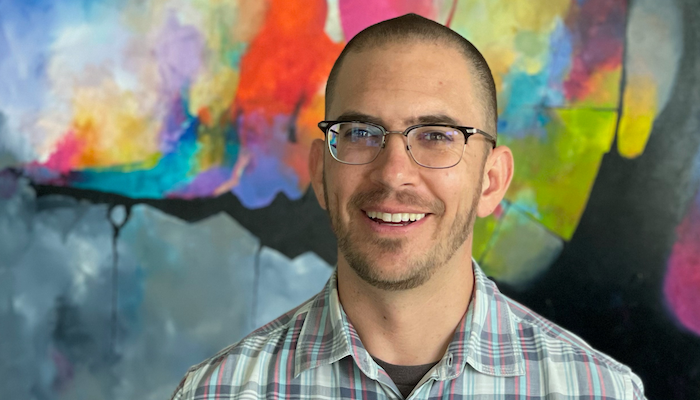
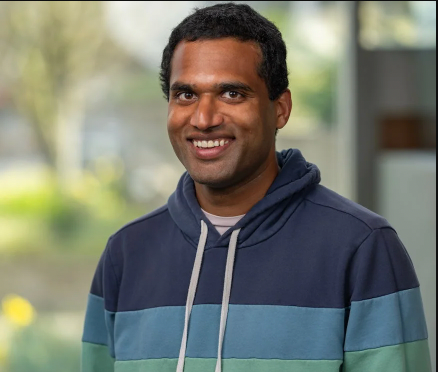
Carolina Castro-Sanguino is a marine ecologist at the Marine Spatial Ecology Lab within the University of Queensland . Her research focuses on coral reef dynamics, particularly the ecological roles of calcareous algae and herbivory impacts. She combines field experiments , laboratory studies , and mechanistic modeling to understand reef carbonate budgets under climate change. PhD in Marine Ecology (University of Queensland, Australia) Prior affiliations: Global Change Institute, Australian Institute of Marine Science Her research interests include: Quantifying Halimeda contributions to reef sediment production Assessing impacts of temperature , light , and herbivory on algal growth Analyzing COTS control strategies for reef conservation Evaluating marine reserve effectiveness in northern GBR Key findings from her work: Demonstrated 3x higher carbonate production in Acropora refuges Developed individual-based models for predicting sediment budget trajectories Quantified herbivory-driven Halimeda depletion rates (up to 50%) Current work at MSEL involves creating a decision-support system for COTS management. She has received funding from the PADI Foundation and Australian Coral Reef Society, with research permits from GBRMPA. Collaborations span institutions including AIMS and Khaled bin Sultan Living Oceans Foundation.