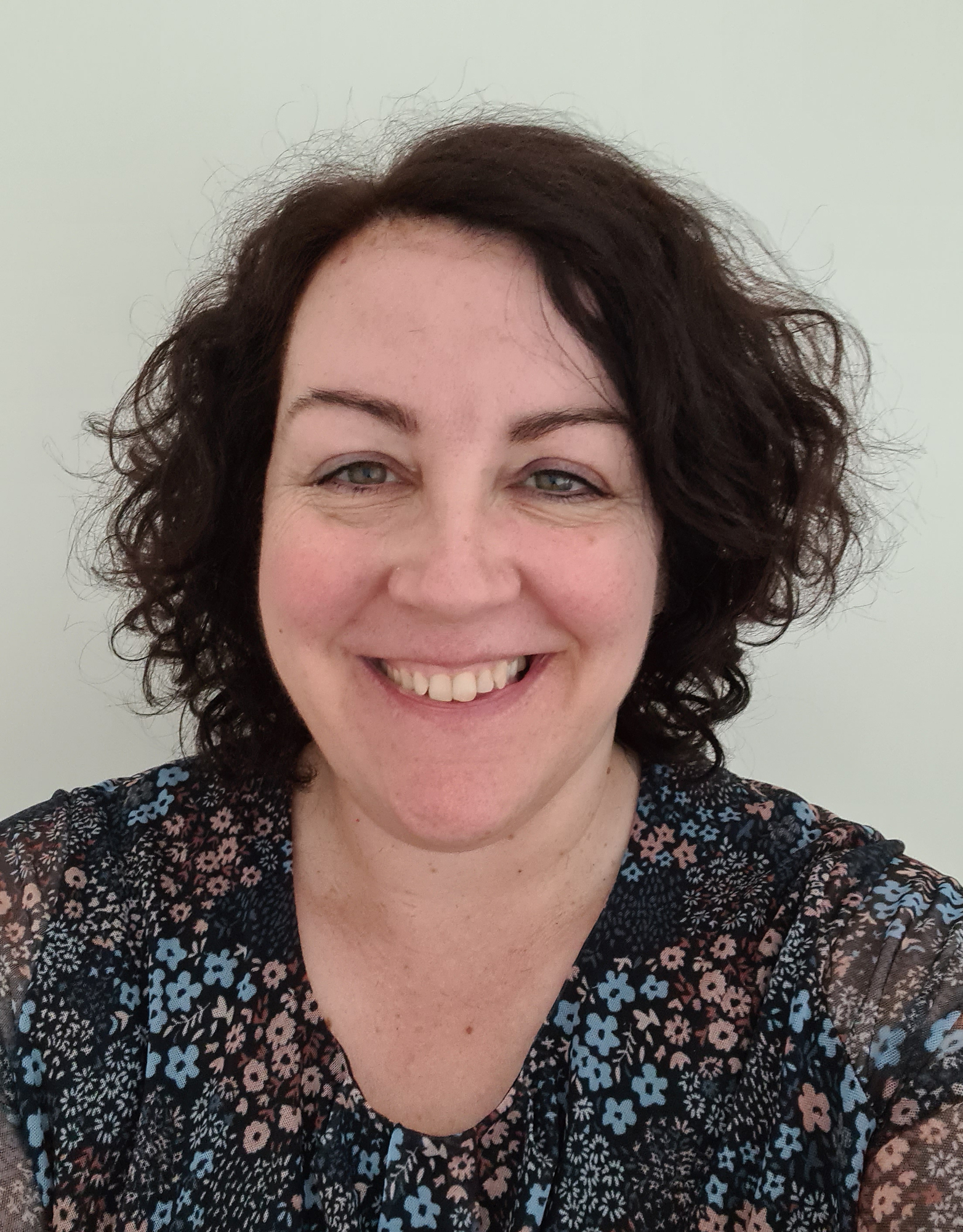
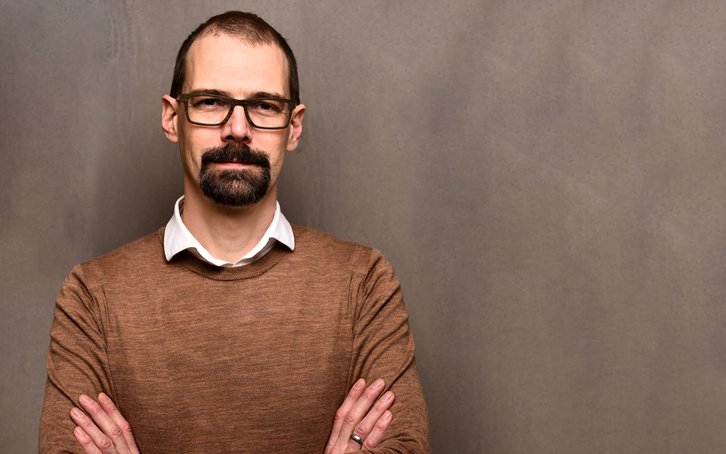
Prof. Kathrin Greiff is a University Professor at the Chair of Anthropogenic Material Cycles and Institute of Processing, Coking, and Briquetting at RWTH Aachen University's Faculty of Georesources and Materials Engineering. Her work focuses on advancing circular economy principles through innovative recycling technologies, sensor-based material flow analysis, and sustainability assessments. She leads research initiatives like the DACE Academy and the Material Assessment Lab, which explore sensor integration, waste valorization, and decarbonization strategies in industrial processes. Her research interests include optimizing mechanical recycling processes for plastics and construction materials, developing machine learning-driven sorting systems, and evaluating environmental impacts across material lifecycles. Recent projects highlight applications in lightweight packaging waste, steel forging decarbonization, and polystyrene insulation recycling. She collaborates closely with industry to translate research into scalable solutions for sustainable material management. Prof. Greiff’s publications emphasize technical feasibility studies, life cycle assessments, and cross-disciplinary approaches to circular economy challenges. Her work contributes to policy frameworks for sustainable resource use and eco-design principles in manufacturing.
Zoja Vukmanovic is a Lecturer in Geology/Georesources at the School of Environmental Sciences, University of East Anglia. She holds a PhD from the University of Western Australia (2014) and conducted postdoctoral research at Curtin University (2013–2014). Her career includes a Marie Skłodowska-Curie Fellowship at the University of Cambridge (2015–2020) and industry experience as a Resource Geoscientist at CGG Limited (2020–2021). Her research focuses on igneous petrology, particularly magmatic ore deposits and fluid dynamics in crystal-rich systems. Key techniques include field observations, microstructural analysis, and mineral geochemistry. She pioneered conceptual models for magnetitite/chromitite layers in the Bushveld Complex via EBSD and geochemical studies during the EFOX project (2016). Recent publications (2020–2024) explore layered intrusions, volcanic plumbing systems, chromite mineralization, and magmatic fabrics. She leads the 'Ex-X' project on volcanic transitions (2025–2029), funded by the Natural Environment Research Council. PhD: University of Western Australia (2014) Marie Curie Fellowship: University of Cambridge (2015–2020) Her work bridges field data with cutting-edge analytical methods, contributing to understanding ore formation and magmatic processes. Awards include the prestigious Marie Curie Fellowship (2016).
Professor Janos Urai is a renowned academic at RWTH Aachen University, specializing in structural geology and salt tectonics. He leads the Lehr- und Forschungsgebiet Geologie - Endogene Dynamik department, focusing on deformation mechanisms in evaporites, microstructural analysis, and the application of geological structures to energy and resource exploration. His research integrates field observations, laboratory experiments, and numerical modeling to understand salt diapir dynamics, fault mechanics, and rheological behavior of geological materials. Key areas of expertise include salt tectonics in Romania's Transylvanian Basin, microstructural analysis of glacier salt, and the influence of evaporite deformation on regional tectonics. He has contributed to understanding the geomechanics of salt caverns for radioactive waste storage and energy projects, while also exploring carbonation processes in peridotites and fracture network evolution in carbonate reservoirs. Professor Urai's work bridges fundamental geological research with applied challenges in mining, energy transition, and geohazard mitigation. His interdisciplinary approach combines structural geology, petrophysics, and geochemistry, with a strong emphasis on fieldwork in salt mines and ophiolite complexes such as the Samail Ophiolite in Oman.
Prof. Florian Wellmann is a University Professor at RWTH Aachen University's Chair of Numerical Geosciences, Geothermal Energy and Reservoir Geophysics within the Faculty of Georesources and Materials Engineering. His research focuses on integrating machine learning with geoscience applications, particularly in geothermal energy, structural modeling, and uncertainty quantification. He leads the CG³ research group, developing open-source tools like GemPy and GemGIS for 3D geological modeling. Notably, he received a KI-Campus fellowship for advancing AI in geoscience education. His work includes projects such as the Horizon Europe GeoHEAT initiative, exploring geothermal systems and repurposing idle wells for energy. Education details are not explicitly provided, but his academic roles indicate expertise in numerical geosciences and geothermal engineering. Research interests span physics-based machine learning, subsurface characterization, and probabilistic modeling. His fellowship highlights contributions to digital education, blending AI with geological curricula. Recent publications emphasize sensitivity analysis, fault modeling, and geothermal reservoir optimization. Prof. Wellmann's awards include the KI-Campus fellowship (2021). His grants and advising efforts are reflected in collaborative projects like GeoHEAT and software development. Labs/teams include the CG³ group at RWTH Aachen, equipped with advanced geophysical instruments for field and lab analysis.
Adriano Fiorucci is an Associate Professor at the Department of Environmental, Land and Infrastructure Engineering (DIATI) at Politecnico di Torino. He serves on the Commission for the Promotion of Library, Archive and Museum Heritage and holds a scientific sector classification in Applied Geology (GEOS-03/B) under Earth Sciences (Area 0004). Specializations : Carbonate Aquifers, Karst Systems, Rare Earths, Water Geochemistry, Geohazard Assessment ERC Sectors : PE10_11 (Geochemistry), PE10_20 (Geohazards), PE10_5 (Geology), PE10_17 (Hydrogeology) SDG Alignment : Goal 6 (Clean Water), Goal 12 (Responsible Production), Goal 15 (Life on Land) His research focuses on hydrogeological interactions in karst systems, including projects like the GEORESOURCES AND GEOENERGY ENGINEERING course and commercial contracts for water inflow analysis in mines/quarries. Current projects include GEOPEACE (Geohazard Mitigation in Georgia) and the Nuovo Tunnel del Colle di Tenda groundwater protection initiative. He supervises PhD students Luca Biamino (hydrodynamic-karst interactions), Gabriele Baldassarre (critical materials recovery), and Valentina Balestra (microplastics in karst environments). Articles emphasize radon as hydrodynamic indicator , mining waste valorization, and climate change impacts on slope stability.
Nina Lenz is a researcher at GEOMAR Helmholtz Centre for Ocean Research Kiel, affiliated with the School of Ocean Circulation and Climate Dynamics and the Department of Paleo-Oceanography. Her work focuses on understanding historical ocean circulation patterns, paleoclimatic changes, and their implications for current climate dynamics. She is based at the Wischhofstraße 1-3 campus in Kiel, Germany, and can be contacted via phone (+49 431 600 1794) or email (nlenz@geomar.de). Her research aligns with GEOMAR's strategic initiatives, including the Changing Earth – Sustaining our Future program, which explores ocean-climate interactions, marine ecosystems, and georesources. She contributes to interdisciplinary projects like the Digital Twin Ocean and Atlantic Ocean upwelling studies.
Sarah A. Gleeson serves as W3 Professor in Mineral Resources at Free University Berlin and Section Leader of Inorganic and Isotope Geochemistry at the GFZ German Research Centre for Geosciences in Potsdam, Germany. She concurrently holds an Adjunct Professor position at the University of Alberta (2016-2026) and acts as Topic Director and Speaker for Georesources in the Helmholtz Research Field Earth and Environment since 2019. Ph.D. in Geochemistry, Imperial College London (1992-1996) B.A. (mod.) in Geology, Trinity College Dublin (1988-1992) Professor Gleeson's research integrates field geology with advanced geochemical analysis to investigate ore deposit formation mechanisms across diverse geological settings. Her primary focus encompasses sedimentary basin-hosted mineralization, hydrothermal fluid-rock interactions in the critical zone, and halogen geochemistry signatures associated with economic mineral deposits. This work bridges fundamental earth science with practical applications in sustainable mineral resource development. Her extensive professional recognition includes the prestigious Society of Economic Geologists Waldemar Lindgren Award and the Mineralogical Association of Canada Young Scientist Award, reflecting both research excellence and educational impact. Gleeson has shaped disciplinary discourse through leadership roles including Gordon Conference chairmanship and editorial board service for Geochemical Perspectives. Chair, Gordon Conference on Geochemistry of Mineral Deposits (2022) Thayer Lindsley Travelling Lecturer, Society of Economic Geologists (2019) Distinguished Lecturer, Mineralogical Society of Great Britain and Ireland (2019) Faculty of Science University of Alberta teaching honors (2013-2014) H.S. Robinson Medal, Geological Association of Canada (2011-2012) William Harvey Gross Award (2010) Mineralogical Association of Canada Young Scientist Award (2010) Society of Economic Geologists Fellow and Waldemar Lindgren Award (2007) Judd Prize, Imperial College London (1966) Professor Gleeson maintains active mentorship through Gordon Conference Power Hours and the DOME SPP gender equality committee while providing industry consultancy for major resource companies including Shell, Mobil, and ATAC Resources Ltd. Her current research program at GFZ explores sustainable resource extraction methodologies and advanced geochemical fingerprinting of mineralization processes. As Section Leader at GFZ's Inorganic and Isotope Geochemistry division, Gleeson directs a multidisciplinary team investigating isotope systematics and fluid inclusion chemistry to develop predictive models for mineral deposit formation. Her ongoing projects integrate field studies with laboratory analyses to address critical questions in resource geoscience and environmental geochemistry.
Dr. Cristiana Ciobanu is a Senior Researcher at the School of Chemical Engineering, University of Adelaide, leading the 'FOX' project on trace elements in iron oxides. She holds a Ph.D. from the University of Bucharest and has conducted postdoctoral research at the Norwegian Geological Survey and the University of Adelaide. Her roles include academic supervision for Masters and PhD students and project leadership in ore genesis, geochronology, and mineral processing. She is affiliated with the Deep Exploration Technologies CRC and has collaborated with industry partners like BHP Billiton Olympic Dam. Education : Ph.D. in Geology, University of Bucharest (2000) NATO Postdoctoral Fellowship, Norwegian Geological Survey Lecturer in Economic Geology, Norwegian University of Science and Technology (Trondheim) Research Interests : Her work focuses on iron-oxide mineralogy, ore genesis mechanisms, and application of advanced analytical techniques like transmission electron microscopy (TEM) and laser ablation-ICP-MS for geochronology. She investigates nanoscale mineralogical features to understand hydrothermal processes and critical metal distribution in ores. Grants & Projects : FOX Project (2015–present): Funded by BHP Olympic Dam and South Australia Mining & Petroleum Services Centre ARC Postdoctoral Fellowship (2005–2010) Labs & Collaborations : Her research leverages advanced microscopy facilities to study mineral textures and compositions, collaborating with industry and international institutions to advance sustainable georesource exploration.
Prof. Dr. Sascha Brune is a leading geodynamic modeler at the GFZ German Research Centre for Geosciences and Professor at the University of Potsdam . As head of the Geodynamic Modelling Section since 2019, he integrates advanced computational models with field observations to study continental rifting, CO₂ degassing, and their links to climate change. His ERC Consolidator Grant-funded EMERGE project combines drone-based CO₂ flux measurements and global rift data spanning 540 million years. Education: Physics, Humboldt University Berlin, 2002–2006 Diploma in Biophysics Research Focus: Lithosphere Dynamics Rift Systems and Natural Hazards Deep Carbon Cycle Natural Hydrogen Exploration Mantle-Climate Coupling Brune's recent publications reveal a trend in tectonic CO₂ emissions , rifting processes , and natural hydrogen formation through rift-inversion systems. His interdisciplinary approach bridges geodynamics , micrometeorology , and paleoclimatology . Scientific Awards: ERC Consolidator Grant (2023) Key Projects: EMERGE (ERC, 2023–2028) TALENTS Doctoral Network (Horizon Europe, 2024–2028) Mantle Plume Interaction with European Lithosphere (Chinese Scientific Council, 2022–2026)
Uwe Lenski is Professor of Thermal and Chemical Process Engineering. His teaching focuses on thermal processing, fuel technology, and plant engineering in the Bachelor's program in Process Engineering. Current courses include Thermal Process Engineering I & II, Fuel Technology, Plant Engineering, and Process Engineering Plants. His research explores thermal and chemical processes in engineering systems, with applications in industrial process optimization. Consultation hours are available by appointment at his office G8 RS12.
Prof. Dr. Sascha Brune is a Professor at the University of Potsdam and Head of the Geodynamic Modelling Section at the GFZ German Research Centre for Geosciences in Potsdam. His research focuses on lithosphere dynamics, natural hazards, plate tectonics, and climate interactions, with specific interests in rift tectonics, mantle dynamics, and georesource formation. He holds leadership roles in prestigious projects like the NFDI expert panel, ERC Consolidator Grant (EMERGE), and the TALENTS Doctoral Network. He has contributed to over 200 publications, including studies on continental rift systems, CO2 degassing, and natural hydrogen formation in rift-inversion orogens. Education: PhD in Geosciences (GFZ Potsdam, 2009), Diploma in Biophysics (Humboldt University Berlin, 2006). Key career milestones include positions as Helmholtz Young Investigator (2016-2021), Marie Curie Fellow (2013-2016), and numerous international collaborations. His research integrates numerical modeling, field observations, and geophysical data to address tectonic processes and their impacts on climate and resource formation. Current projects explore rift dynamics, mantle exhumation, and the energy transition through georesource studies. He is actively involved in the National Research Data Infrastructure (NFDI) and international initiatives like Geo.X and the Rift and Rifted Margin Seminar Series.
Yuri Alexandrovich Kalinin is a Doctor of Geological and Mineralogical Sciences and Professor at the Department of Geology of Deposits and Methods of Exploration of Mineral Resources within the Institute of Mining, Geology and Geotechnology at Siberian Federal University. With 39 years of experience in the field, he specializes in the geology of gold deposits and metallogeny, with extensive research in ore-magmatic systems and mineralization processes across Siberia and Kazakhstan. Dr. Kalinin graduated from the geological and geophysical faculty of Novosibirsk State University in 1979 with a degree in engineer-geologist-geochemist. He earned his Candidate of Geological and Mineralogical Sciences degree in 1989 and his Doctor of Geological and Mineralogical Sciences degree in 2004. His academic journey reflects deep commitment to mineral deposit studies and exploration methods. His research primarily focuses on gold deposit geology and metallogeny, with particular expertise in antimony and gold mineralization relationships, ore-magmatic systems, and fluid regimes in various geodynamic settings. Dr. Kalinin has led numerous research projects examining the spatial-temporal and genetic relationships of mineralization in Transbaikalia, the Yenisei Ridge, and Eastern Kazakhstan, contributing significantly to understanding gold-bearing processes in Northern Asia. Analysis of Dr. Kalinin's recent publications reveals a consistent focus on gold deposit studies across Siberia and Kazakhstan, with particular emphasis on spatiotemporal relationships between different mineralization types. His work spans economic geology, mineralogy, and sedimentology, with significant contributions to understanding unconventional gold placers, stockwork mineralization, and the geological controls on gold distribution in various tectonic settings. Dr. Kalinin has served as principal investigator for multiple research projects, including: Basic project of the IGM SB RAS for 2013-2016 on intraplate ore-magmatic systems Basic project of the IGM SB RAS for 2017-2020 on metallogeny of Northern Asia RFBR Grant 13-05-00998 on spatio-temporal relationships of antimony and gold mineralization RFBR Grant 16-05-00353 on genetic relationships of gold-bearing copper-skarn deposits He has supervised 2 graduate students and serves on dissertation councils D 212.099.09 at Siberian Federal University and D 003.067.03 at the Institute of Geology and Mineralogy SB RAS. His industry collaborations include contracts with Tetis-T LLC, NPO AkademGEO LLC, and GEO.KZ on gold prospecting and assessment projects in Siberia and Kazakhstan. Dr. Kalinin is actively involved in the Center for Geotechnical Research 'Prognoz' at SFU, which conducts applied prospecting and scientific-methodological research for gold mining enterprises in the Siberian region (Yenisei Ridge, Eastern Sayan). His work bridges academic research and practical applications in mineral exploration.
Rui Sousa is Full Professor of Operations Management and Dean of Católica Porto Business School at Universidade Católica Portuguesa. He holds a PhD from London Business School and is an Honorary Fellow of the European Operations Management Association. His research focuses on operations strategy with specialization in service operations, servitization of manufacturing, and digitally-enabled services. Professor Sousa's research explores the intersection of operational excellence and service innovation, particularly examining how manufacturing firms transition to service-based business models. His work frequently addresses capability development in service delivery and the impact of digital technologies on operations strategy. Analysis of Professor Sousa's recent publications reveals strong research trajectories in sustainable operations, omnichannel retail optimization, healthcare systems innovation, and servitization pathways. His work consistently bridges theoretical frameworks with practical applications across multiple industries including retail, healthcare, and manufacturing. Significant scientific awards include: Honorary Fellowship from European Operations Management Association (2019) Best Paper Award in Case Study category (2018) Finalist at POMS' Operational Excellence College Best Paper Competition (2020) Outstanding Contribution in Reviewing from Journal of Business Research (2016, 2017) As Director of the Service Management Lab, Professor Sousa leads research initiatives examining service innovation across sectors. He maintains industry collaborations with organizations including Rank Xerox, Siemens, EDP, and Sonae, translating research insights into operational improvements.
Prof. Peter Kukla is a University Professor at RWTH Aachen, holding dual roles as Head of the Chair of Geology and Sedimentary Systems and Dean of the Faculty of Georesources and Materials Technology. His research focuses on geothermal energy systems, salt tectonics, and subsurface utilization of abandoned mines. He leads interdisciplinary projects addressing energy transition challenges, including hydrogen storage in salt caverns and geothermal reservoir characterization. Educations: PhD in Geology Research Interests: Geothermal Energy and Resource Exploration Salt Tectonics and Structural Geology Subsurface Engineering for Energy Storage Climate Impact on Geological Systems Radioactive Waste Repository Safety Articles Trends: Recent works emphasize geothermal systems in Germany, salt structure dynamics, and innovative uses of abandoned coal mines. Key themes include energy transition solutions and subsurface sustainability. Awards: No specific awards listed, but contributes to major initiatives like the Gustav Steinmann Medal (awarded to colleagues). Advising & Grants: Leads research initiatives on uncertainty quantification in waste repositories and geothermal systems. Collaborates on EU-funded projects for subsurface energy storage. Labs & Teams: Directs the Geological Institute at RWTH Aachen, co-ordinating multi-disciplinary teams in geothermal and energy systems research.
Dr. Marc Boxberg is a researcher at RWTH Aachen University's Department of Geophysical Imaging and Process Observation, affiliated with the Faculty of Georesources and Materials Engineering. His work focuses on geophysical imaging, environmental risk assessment for radioactive waste disposal, and cryosphere-related planetary exploration. He leads research into seismic wave propagation, data integration frameworks, and robotic exploration systems. Key research interests include icy moon mission preparation, subglacial access technologies, and data-driven approaches for radioactive waste management. He contributes to interdisciplinary projects like the Ice Data Hub and Cryotwin digital infrastructure. Dr. Boxberg's expertise spans geophysical modeling, mission simulation tools (e.g., NEXD software), and field-testing of cryogenic exploration hardware. His recent publications highlight advancements in multi-physical data fusion, cryobot performance analysis, and uncertainty quantification in waste repository safety. Ongoing work includes astrobiology research for icy ocean worlds and development of actionable data hubs for long-term environmental monitoring.