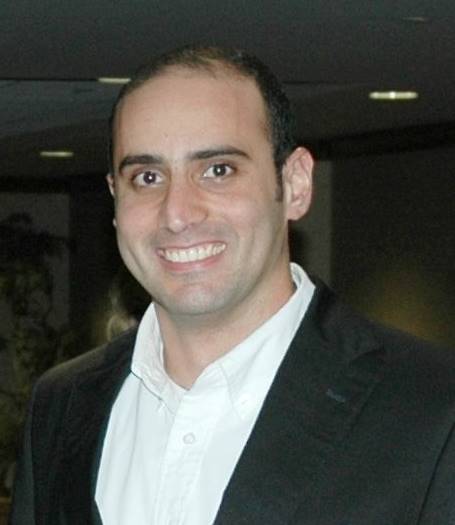
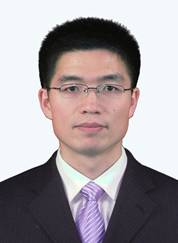
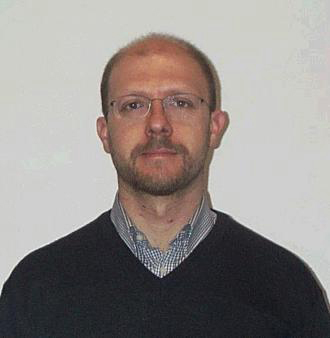
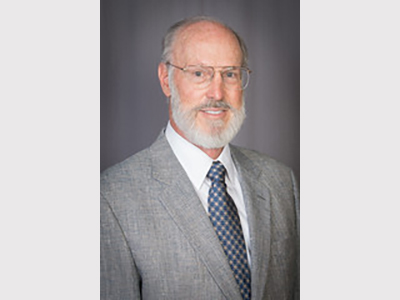
Ramin Motamed is a Professor in the Department of Civil & Environmental Engineering at the University of Nevada, Reno (UNR). His research focuses on geotechnical earthquake engineering, including soil-structure interaction, liquefaction mitigation, and nonlinear site response analysis. He has conducted extensive studies on deep foundations, ground motion analysis, and seismic design of structures. Motamed leads a research group involving postdocs and graduate students, and teaches advanced courses such as Geotechnical Earthquake Engineering and Foundation Engineering Design. His work integrates experimental methods (e.g., shake table tests) with numerical modeling to address challenges in seismic hazard mitigation. Key projects include evaluating helical piles for foundation settlement reduction, improving LRFD resistance factors for drilled shafts in Nevada, and analyzing site-specific ground motions using downhole array data. Motamed’s research has been published in journals like Soil Dynamics and Earthquake Engineering, and he collaborates with institutions globally, including Japan’s E-Defense facility. Current research emphasizes reducing uncertainties in ground motion prediction, optimizing mitigation measures for liquefaction-prone sites, and advancing predictive analytics for geotechnical design using machine learning. His lab facilities and field experiments enable large-scale validation of theoretical models, bridging geotechnical theory and practical engineering solutions. Teaching responsibilities include foundational and graduate courses covering geotechnical engineering principles, earthquake engineering, and advanced foundation analysis. Motamed’s advising includes over a dozen graduate students, many contributing to high-impact research in seismic resilience and geotechnical innovation.