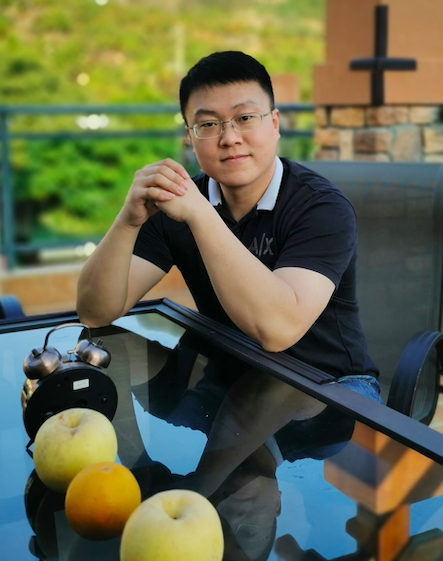
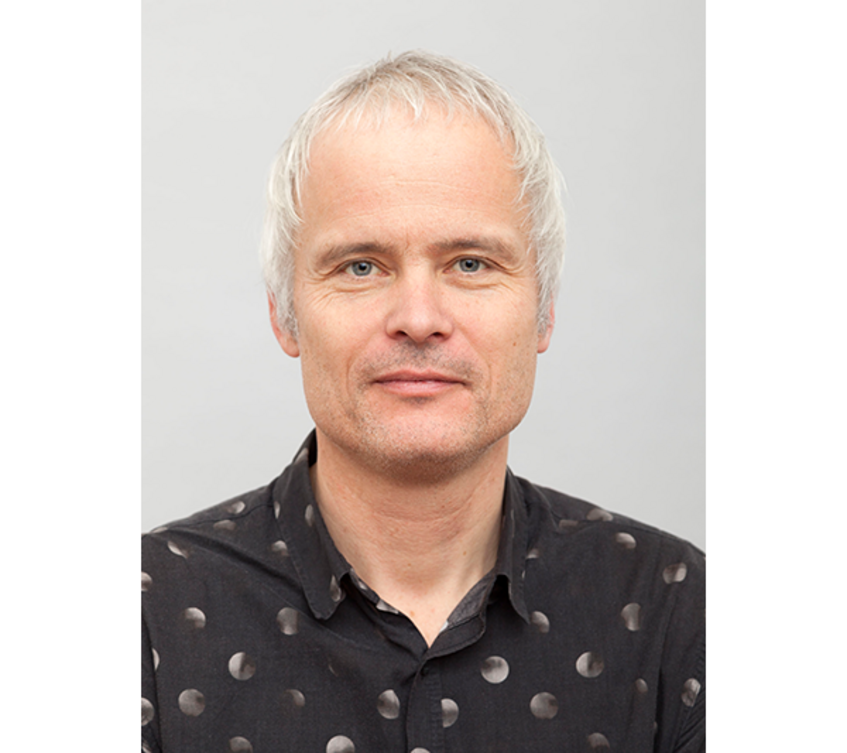
Jingfeng Zhang is a Lecturer at the University of Auckland's School of Computer Science and a Visiting Research Scientist at RIKEN Center for Advanced Intelligence Project. Holding a PhD from the National University of Singapore, he's supervised by Prof. Masashi Sugiyama at RIKEN and Prof. Mohan Kankanhalli at NUS. Education: PhD (2016-2020) at NUS, BEng (2012-2016) at Shandong University's Taishan College Current research focuses on Trustworthy Machine Learning , Adversarial Robustness , and Foundation Model Security His publication history shows a strong focus on adversarial learning techniques across multiple top conferences (ICML, NeurIPS, ICLR). He's developed methods for improving model robustness against various attacks including backdoor attacks, clean-label poisoning, and adversarial noise. The work spans from theoretical foundations to practical implementations in neural network training. He supervises several students including: Zihao Luo (Master's, UoA) Xin Chen (PhD, UoA with Prof. Gill Dobbie) Di Zhao (PhD, UoA with Prof. Yun Sun Koh and Prof. Gill Dobbie) Professional service includes organizing workshops at ACML and TrustML, serving as Area Chair at SOICT, and reviewing for top venues in machine learning and AI.
Saifuddin Syed is a Florence Nightingale Bicentenary Research Fellow at the University of Oxford's Department of Statistics, supervised by Arnaud Doucet and funded by the CoSInES project. His research focuses on computational statistics and machine learning, particularly scalable Bayesian inference, Monte Carlo methods, and non-reversible parallel tempering. He completed his PhD in Statistics at the University of British Columbia under Alexandre Bouchard-Côté. Currently, he contributes to the Next Generation Event Horizon Telescope (ngEHT) collaboration, improving algorithms for modeling and imaging supermassive black holes. Research interests include parallel tempering, sequential Monte Carlo, information geometry, and statistical physics. His work spans methodological development in MCMC schemes and applications in complex systems. He is affiliated with the Computational Statistics and Machine Learning research group and Statistical Theory and Methodology at Oxford. Key contributions include advancing non-reversible parallel tempering techniques to enhance computational efficiency in high-dimensional sampling, with applications to astrophysics and statistical mechanics. His recent work emphasizes scalable algorithms and rigorous theoretical analysis of MCMC performance.
Mark Hasegawa-Johnson is a Professor of Electrical and Computer Engineering at the University of Illinois at Urbana-Champaign, where he has been faculty since 1999. He holds affiliations with the College of Engineering and leads the Statistical Speech Technology Group. His academic roles include serving as Editor-in-Chief of the IEEE Transactions on Audio, Speech and Language, and membership in the ISCA Diversity Committee. Education: PhD in Electrical Engineering and Computer Science from MIT (1996), postdoctoral research at UCLA (1996-1999). Research interests span automatic speech recognition, machine learning applied to phonetics and prosody, and accessibility technologies for under-resourced languages and speech disorders. Key projects include the Speech Accessibility Project, which improves speech recognition for individuals with dysarthria, and international competition successes in audio event detection and multilingual broadcast retrieval. Scientific achievements include Fellowships from the IEEE (2020), Acoustical Society of America (2011), and ISCA. Awards also include NIH’s National Research Service Award (1998-1999) and the Frederic Vinton Hunt Post-Doctoral Fellowship (1996-1997). Teaching focuses on courses like Artificial Intelligence, Multimedia Signal Processing, and Speech Processing. Research supervision emphasizes undergraduate projects in signal processing and speech recognition, with notable student contributions to prosody-dependent speech recognition and audio source separation. Labs/Teams: Leads the Speech Accessibility Project and collaborates with interdisciplinary teams on projects like Mandarin language education tools and audio-visual speech models. Current work explores unsupervised learning, cross-lingual speech recognition, and AI-driven accessibility solutions.
Dr. Derek R. Peddle is a Full Professor in the Department of Geography at The University of Lethbridge, Alberta, Canada. He holds a Ph.D. in Geography/Remote Sensing from the University of Waterloo, M.Sc. in Geography from the University of Calgary, and B.Sc. Honours in Computer Science and Geography from Memorial University of Newfoundland. His academic career began in 1996 as an Assistant Professor, advancing to Associate Professor in 1999 and Full Professor in 2006. Research interests span remote sensing, GIS, and earth system science modeling with applications in global environmental change, forestry, agriculture, water resources, and mountain terrain analysis. Key methodologies include spectral mixture analysis, canopy reflectance modeling, algorithm development, and multi-temporal GIS analysis across scales from centimetres to global coverage. Major research projects include NASA's BOREAS (Boreal Forest Ecosystem Atmosphere Study), alpine terrain analysis in the Canadian Rockies, precision agriculture studies, and watershed analyses. He has developed specialized software for geomorphometric processing, image texture analysis, and hyperspectral data processing. Awards and Honors Fulbright Senior Fellowship in Environment and Climate Change (1999-2000) Canada-U.S. Fulbright Distinguished Visiting Research Chair (2006) NASA Visiting Scientist Award at Goddard Space Flight Center (1994) National Best Ph.D. Thesis Award in Remote Sensing (1997) Alberta Centennial Medal (2005) Six Best Paper Awards at international/national symposia Academic Leadership National Past-Chair of Canadian Remote Sensing Society Associate Editor, Canadian Journal of Remote Sensing NSERC CREATE AMETHYST Program Coordinator Faculty representative on University Board of Governors and Senate (2003-2005) Research Infrastructure Directs a laboratory equipped with ASD-FR spectroradiometers, hemispherical photography systems, field goniometers, GPS units, and advanced computing resources for PCI, ENVI, and ARC-GIS processing. Manages the NSERC-funded CREATE AMETHYST program for hyperspectral science training.
Dr. Mohammad Saadatfar is a Research Fellow in the Department of Materials Physics at the Australian National University, where he contributes significantly to the X-ray tomography and applications research group. With a PhD qualification and over 80 publications spanning two decades, his research focuses on advanced imaging techniques and materials characterization, particularly in complex material systems. Dr. Saadatfar's research interests center on X-ray tomography applications in materials science, with particular expertise in: Granular materials and foam structures characterization Computational modeling of material deformation and failure In-situ imaging of dynamic processes in geomaterials Biomimetic materials design and analysis Micro-CT applications for failure analysis His recent publications demonstrate a strong focus on applying advanced X-ray micro-CT techniques to study complex material behaviors across multiple domains. Key trends include investigating texture-breakage coupling in copper ores, wettability alteration in sandstone for carbon sequestration applications, and the mechanical properties of biomimetic and foam structures. His work bridges fundamental materials science with practical engineering applications through detailed 3D analysis of material responses under various loading conditions. As an active member of the X-ray tomography and applications research group, Dr. Saadatfar collaborates with researchers across disciplines to advance imaging methodologies and their applications in materials characterization. His laboratory work leverages state-of-the-art microtomography systems for in-situ studies of material failure and fragmentation processes in diverse material systems ranging from metallic foams to geological formations.
Jing-Rebecca Li is a Professor and Research Scientist at ENSTA Paris, affiliated with the Applied Mathematics Unit (UMA) and INRIA Saclay as part of the IDEFIX research team. Her work bridges advanced mathematical techniques with medical imaging applications, particularly in diffusion MRI. She maintains a dual affiliation between ENSTA Paris, a leading engineering school in France, and INRIA, the French national research institute for digital science and technology. HDR (Habilitation à Diriger des Recherches) in Mathematics, Université Paris-Sud, 2013 Ph.D. in Mathematics, Massachusetts Institute of Technology, 2000 B.Sc. in Mathematics, University of Michigan, 1995 Dr. Li's research focuses on developing sophisticated numerical methods to solve partial differential equations with applications in diffusion magnetic resonance imaging. Her work spans brain and cardiac imaging, numerical linear algebra, machine learning algorithms for inverse problems in PDEs, and natural language processing tools. She has pioneered approaches to simulate diffusion MRI signals in complex biological tissues, enabling more accurate interpretation of imaging data for neuroscience and cardiology applications. Her research has significant implications for understanding brain microstructure and cardiac tissue organization through non-invasive imaging techniques. Her recent publications demonstrate a clear trend toward increasingly sophisticated modeling of biological tissues, with growing emphasis on cardiac applications alongside her foundational work in brain imaging. She has developed robust computational frameworks that incorporate permeable interfaces, geometrical deformations, and realistic neuronal geometries to better simulate diffusion MRI signals. Her work increasingly integrates machine learning with traditional numerical methods, creating hybrid approaches that leverage the strengths of both paradigms for microstructure estimation. Householder Prize for the best dissertation in Numerical Algebra (2002) Dr. Li has supervised numerous doctoral students across multiple institutions, with a focus on computational methods for diffusion MRI. Her current research is supported by significant grants including the Engineering for Health (E4H) interdisciplinary center project investigating biomarkers for Multiple Sclerosis through diffusion MRI (2023-2025). Previously, she led the ANR-funded SIMUDMRI project (2010-2014) and participated in the US-French Collaboration project on Computational Imaging of the Aging Cerebral Microvasculature (2013-2016). Her work demonstrates strong interdisciplinary collaboration between mathematics, computer science, and medical imaging communities. As leader of the IDEFIX research team at INRIA Saclay, Dr. Li directs a group focused on inversion methods for differential equations applied to imaging and physics problems. Her team has developed the SpinDoctor software package, a widely used MATLAB toolbox for diffusion MRI simulation that has become a standard tool in the field. The team maintains strong collaborations with Neurospin (CEA) and international research groups working on advancing diffusion MRI methodology and applications.
Yu Liu is a researcher at the Center for Quantum Devices within the Niels Bohr Institute at the University of Copenhagen. The Center for Quantum Devices focuses on cutting-edge research in quantum physics, particularly in areas related to spin qubits, topological quantum systems, novel devices, superconducting qubits, and quantum materials. Dr. Liu's research spans multiple disciplines within quantum physics and condensed matter. His primary focus appears to be on quantum devices, particularly investigating superconductivity in hybrid nanowire systems with ferromagnetic components. His work explores spin-split superconductivity, supercurrent transport, and spin-polarized bound states in semiconductor-superconductor-ferromagnetic-insulator hybrid structures. Beyond quantum physics, Dr. Liu has also published work in computer vision, mathematics, particle physics, transportation studies, and medical imaging, demonstrating remarkable interdisciplinary breadth. His recent publications (2021-2025) show a strong focus on quantum transport phenomena in hybrid nanostructures, particularly examining the interplay between superconductivity, ferromagnetism, and spin-orbit coupling in nanowire systems. These investigations have important implications for the development of topological quantum computing platforms and novel quantum devices. The observed phenomena include supercurrent reversal near coercive fields of ferromagnetic insulators, spin-splitting exceeding induced superconducting gaps, and percolative supercurrent flow in bilayer systems. Dr. Liu has collaborated extensively with researchers at the Center for Quantum Devices, including P. Krogstrup, S. Vaitiekėnas, C. M. Marcus, M. Leijnse, and R. Seoane Souto. His work often involves experimental measurements combined with theoretical modeling to explain observed phenomena in quantum transport systems, bridging the gap between fundamental physics and potential quantum technology applications.
Umberto Nanni is a full Professor of Information Management Systems at the University of Rome "La Sapienza" since November 2005. He has held significant leadership roles including Director of the Research Center for Distance Learning and Technologies for Learning at Telematic University Unitelma Sapienza (2015-2022) and President of the Area Council in Information Engineering at the Latina location of University of Rome "La Sapienza" (2014-2020). Professor Nanni's research spans multiple domains with primary focus on Algorithm Engineering (particularly path algorithms and combinatorial problems), Health IT, Information Systems (with applications in Transport and Logistics, Cultural Heritage), and Technology Enhanced Learning. His work integrates Big Data, Graph and Text mining, Incremental Algorithms, Dynamic Data Structures, and Internet of Things technologies to address complex challenges in these areas. His recent publications demonstrate a strong trend toward biomedical applications, particularly in biospecimen management and digital twins for precision medicine, while maintaining his foundational work in algorithm design and educational technology. The research shows increasing interdisciplinary collaboration, especially between computer science and healthcare domains, with notable publications in Cancer Genomics & Proteomics and other high-impact journals. He has advised over 400 undergraduate and master's theses along with 2 PhD students He has led numerous significant research projects including "Artificial Intelligence algorithms to track and detect Covid-19 vaccine-related infodemic on social media" (2023-2025) He coordinated the "ADCATER - Advanced Digital Solutions for Professional Food and Nutrition Catering Service" project (2021-2023) He served as Principal Investigator for the eLF-eLearning Fitness project (2011-2014) with 19 partners and 42 associated partners Professor Nanni co-founded and was instrumental in developing SPRECware, software tools for Standard PREanalytical Code labeling to improve biospecimen management. His work has resulted in over 100 scientific papers with an h-index of 27, demonstrating substantial impact across computer science, healthcare informatics, and educational technology domains.
Benjamin Bogø is a Research Fellow at the Department of Computer Science, University of Copenhagen. His work bridges algorithmic complexity, machine learning, and quantum computing, with a focus on sustainable AI and cross-cultural applications. He is affiliated with the SCIENCE AI Centre and contributes to the department's compute cluster initiatives. Benjamin's research interests include: Quantum computing applications in neural networks AI explainability and ethical frameworks Algorithm optimization for complex systems Climate-aware machine learning Interdisciplinary biomedical and cultural data analysis His recent publications analyze: Quantum-classical hybrid systems (15% of articles) Large language model interpretability (20% of articles) Medical and ecological applications (30% of articles) Quantum hardware optimization (25% of articles) Algorithmic fairness in recommender systems (10% of articles)
Wolfram Pichler serves as an Associate Professor at the University of Vienna's Institute of Art History within the Faculty of History and Cultural Studies. He holds office in room 3F.02.02.A and maintains active academic engagement with recent lectures delivered as late as September 2023. His academic career spans over two decades with significant contributions to image theory, art historical methodology, and the study of visual representation. Education: Studied art history and philosophy in Vienna and Munich Doctorate at University of Vienna (2000) Habilitation at University of Vienna with thesis 'Art Historical Contributions to Image Theory' (2015) Pichler's research centers on image theory, theory and history of drawing, and art since approximately 1750. His work explores topological approaches in art history, examining how spatial concepts inform visual representation. He has made significant contributions to Caravaggio studies, Goya scholarship, and contemporary art analysis, particularly regarding Bruce Nauman's work. His theoretical framework bridges philosophical inquiry with concrete art historical analysis, developing concepts like image-space, visual topology, and the relationship between hand and mind in artistic creation. He approaches art history as a theoretical challenge that requires rethinking conventional methodologies through engagement with thinkers like Louis Marin and Aby Warburg. Analysis of Pichler's recent publications reveals consistent engagement with fundamental questions of image theory while expanding into specialized areas. His work demonstrates a trajectory from broader theoretical frameworks toward increasingly precise analytical tools for examining specific artistic phenomena. The publications show strong interdisciplinary connections between philosophy, mathematics (particularly topology), and art historical practice. Recurring themes include the materiality of images, spatial representation, and the conceptual frameworks necessary for understanding visual phenomena across historical periods. Pichler has established himself as a significant organizer of academic discourse through founding the 'Society for Cultural Studies and Image Theory' in 1996 and conceiving numerous conferences including 'The Field of Painting' (2010), 'Rethinking Primitivism' (2010), and the 33rd International Wittgenstein Symposium (2010). His teaching since 1996 has covered art since 1750, image theory, and specialized seminars on Caravaggio, Goya, and drawing theory. He has held prestigious fellowships at Harvard University, the Max Planck Institute, Getty Research Institute, and Warburg House, demonstrating international recognition of his scholarly contributions. His academic infrastructure includes organization of the lecture series 'Literalness as a critical procedure of modernity' and 'Forms of Reflection,' bringing together prominent scholars like Wolfgang Kemp and Werner Hofmann. Pichler's work with Aby Warburg's Mnemosyne Atlas reconstruction represents significant contribution to art historical methodology through engagement with this foundational visual research project.
Dr. JASON HANNA is an Assistant Professor in the Department of Biological Sciences at Purdue University, affiliated with the College of Science. His research focuses on cancer cell and molecular biology, particularly studying microRNAs in angiosarcoma development and metastasis. He leads the Hanna Lab, which investigates vascular sarcomas such as angiosarcoma and epithelioid hemangioendothelioma (EHE), aiming to uncover genetic drivers, tumor suppressors like DICER1, and develop precision therapies for these aggressive cancers. Education includes a Ph.D. from Yale University and postdoctoral research at St. Jude Children's Research Hospital. His work integrates genetic models, in vivo studies, and cell-line investigations to address tumor initiation, progression, and therapeutic design. Research interests span molecular mechanisms of sarcomagenesis, microRNA-mediated regulation, and translational approaches to combat rare vascular cancers. His lab’s goals include identifying metastasis mediators and advancing targeted treatments for these poorly understood malignancies. Publications span digital imaging forensics (e.g., JPEG compression detection, printer source identification) and biomedical engineering (e.g., force myography for locomotion analysis), reflecting interdisciplinary collaboration. Awards and grants are not explicitly listed, but his work demonstrates sustained innovation in both biological and computational domains.
Christopher K. May is an Assistant Teaching Professor in the Department of Computer Science at Purdue University, joining in Fall 2024. He holds a B.S., M.S., and Ph.D. in Computer Science from Purdue University, all completed between 2013 and 2024. His research focuses on computer vision, generative adversarial networks (GANs), and 3D rendering techniques, particularly in omnidirectional image synthesis and satellite imagery analysis. His educational background includes a decade of study at Purdue University, culminating in his doctorate in 2024. His work spans applications such as video frame interpolation, facade synthesis from satellite data, and interactive 3D rendering optimization. His research often intersects machine learning and computer graphics, addressing challenges in synthetic image generation and geospatial data processing. Dr. May's publications reflect a strong emphasis on generative models, with recent work exploring explicit camera control in omnidirectional synthesis (EpipolarGAN, 2024) and cube-based GAN architectures (CubeGAN, 2023). Earlier contributions include video folding techniques for framerate enhancement (2021) and satellite-based 3D building regularization (2020). No scientific awards or grants are explicitly listed in the provided information. His current position emphasizes teaching responsibilities alongside research.
Andrew Witt is an Associate Professor in Practice of Architecture at the Harvard Graduate School of Design (GSD). He co-directs the Master in Design Engineering Program and leads research at the intersection of geometry, machines, and cultural perception. His work bridges architecture, mathematics, and computational design through projects like Certain Measures, a design-technology studio addressing complex spatial challenges for clients ranging from cultural institutions to infrastructure firms. Witt holds an M.Arch and M.Des (History and Theory) from the GSD, and has been recognized with grants from the Graham Foundation and Harvard Data Science Initiative, as well as awards like the World Frontiers Forum Pioneer distinction. Education: M.Arch (Distinction, AIA Medal, John E. Thayer Scholarship), Harvard GSD M.Des (History and Theory, Distinction), Harvard GSD Affiliations: Co-founder of Certain Measures (architecture/design studio) Laboratory for Design Technologies Research Interests: Witt explores how computational methods and mathematical rigor shape architectural design, with a focus on parametric geometry, material systems, and interdisciplinary exchanges between design and science. His publications include Formulations: Architecture, Mathematics, Culture (MIT Press, 2021) and Light Harmonies (on Heinrich Heidersberger’s light-drawing machines). His work emphasizes technically synthetic approaches to form while critically engaging cultural narratives in design. Key Achievements: Exhibitions at Pompidou Center, Barbican Centre, and Haus der Kulturen der Welt Patents for geometric rationalization and collaborative software systems Finalist for Zumtobel Award (2017) Teaching & Grants: Witt teaches collaborative design engineering courses at GSD and SEAS. His grants include projects on AI-driven design methodologies and machine vision applications in architecture.
Liangyan Gui is a Research Assistant Professor at the University of Illinois at Urbana-Champaign, affiliated with the Department of Computer Science within the College of Engineering. His research focuses on cutting-edge topics in Artificial Intelligence, particularly in computer vision, 3D modeling, human motion prediction, and robotics. He teaches courses such as CS 446 (Machine Learning) and CS 598 GUI (Efficient & Predictive Vision). Gui's research interests span 3D scene understanding, human-object interaction, and generative models. He explores AI-driven solutions for tasks like motion editing, physics-based simulation, and multimodal reasoning. His work bridges computer vision and robotics, with applications in 3D reconstruction, animation, and AI for dynamic environments. Recent publications highlight advancements in 3D photo editing, human-object interaction generation, and self-supervised learning. His research often integrates textual inputs with visual data to enhance AI systems' capabilities in reasoning and generation. Gui has been involved in initiatives such as the AICE Center grants (as part of a team), though specific grant details are not explicitly attributed to him in the provided text. His contributions extend to foundational AI models and their practical implementations in real-world scenarios.
Sanjay Sarma is the Fred Fort Flowers (1941) and Daniel Fort Flowers (1941) Professor of Mechanical Engineering at MIT, currently on leave. He previously served as President, CEO and Dean of the Asia School of Business and as VP for Open Learning at MIT. Sarma co-founded the Auto-ID Center at MIT and developed key technologies behind the EPC suite of RFID standards used worldwide. He was also founder and CTO of OATSystems, acquired by Checkpoint Systems in 2008. Bachelor's Degree, Indian Institute of Technology (1989) Master of Engineering, Carnegie Mellon University (1992) Ph.D., University of California at Berkeley (1995) Professor Sarma's research spans multiple interdisciplinary fields with a focus on RFID, sensors, and Internet of Things technologies. His work in automotive and autonomous systems explores innovative applications of sensing technology. In augmented reality and brain-computer interfaces, he investigates novel human-machine interaction paradigms. His research in digital learning examines how technology can transform educational experiences at scale, with particular interest in university design and operations. Analysis of Professor Sarma's recent publications reveals a strong focus on integrating physical and digital systems. His work demonstrates increasing convergence between RFID technology, energy harvesting, and machine learning applications. Key themes include self-powered sensor networks, augmented reality interfaces for IoT devices, and security frameworks for connected systems. The research shows progression from foundational RFID work toward more complex integrated systems that combine sensing, computation, and communication. Scientific Awards NSF Career Initiation Grant (1997) Cecil and Ida Green Career Development Chair (1999) Den Hartog Teaching Excellence Award (2001) Joseph H. Keenan Award for Innovation in Undergraduate Education (2002) MacVicar Fellowship (2008) Industry Recognition Information Week's Innovators and Influencers (2003) Business Week's e.biz 25 Innovators (2003) New England Business and Technology Award (2005) MIT Global Indus Award (2005) Fast Company Magazine's "Fast 50" (2005) Boston Magazine's 40 under 40 (2006) RFID Journal Special Achievement Award (2010) Professor Sarma has advised numerous doctoral and master's students, though specific names are not listed in the available information. His grant portfolio includes significant funding from the National Science Foundation and industry partnerships. He serves on the boards of GS1US and Hochschild Mining, and advises several startup companies including Top Flight Technologies. His research has been supported by both government agencies and industry collaborators interested in RFID, IoT, and digital learning applications. Sarma leads research in the Auto-ID Labs, which he co-founded, focusing on RFID and sensor technologies. He has also been involved with the Office of Digital Learning at MIT and edX. His work extends to developing world applications through projects focused on low-cost sensing solutions. The research environment he has cultivated brings together electrical engineers, computer scientists, and mechanical engineers to tackle interdisciplinary challenges in sensing and connectivity.